
Mazda CX-5 tire pressure for most 2017-2025 models is 34 psi front and rear on 17-inch tires and 35 psi on 19-inch tires, measured cold. The all-new 2026 CX-5 raises that to 36 psi on both sizes, and the 2013-2016 first generation used 34 psi (17-inch) or 36 psi (19-inch).
Unlike many SUVs, the CX-5 uses the same pressure front and rear. Your exact number is on the tire placard in the driver door jamb. This guide covers CX-5 PSI by year and size, the tire pressure display and TPMS reset, and how to check it.
Key Takeaways
- 2017-2025 CX-5: 34 psi (17-inch), 35 psi (19-inch), same front and rear.
- 2026 CX-5: 36 psi on 17 and 19-inch tires.
- 2013-2016 CX-5: 34 psi (17-inch), 36 psi (19-inch).
- Temporary spare: 60 psi.
- Many CX-5s need a TPMS initialization after you adjust pressure.
In this guide:
- CX-5 Tire Pressure by Year and Size
- How to Check Tire Pressure on a Mazda CX-5
- Tire Pressure Display and TPMS Reset
- Seasonal and Load Tips
- FAQ
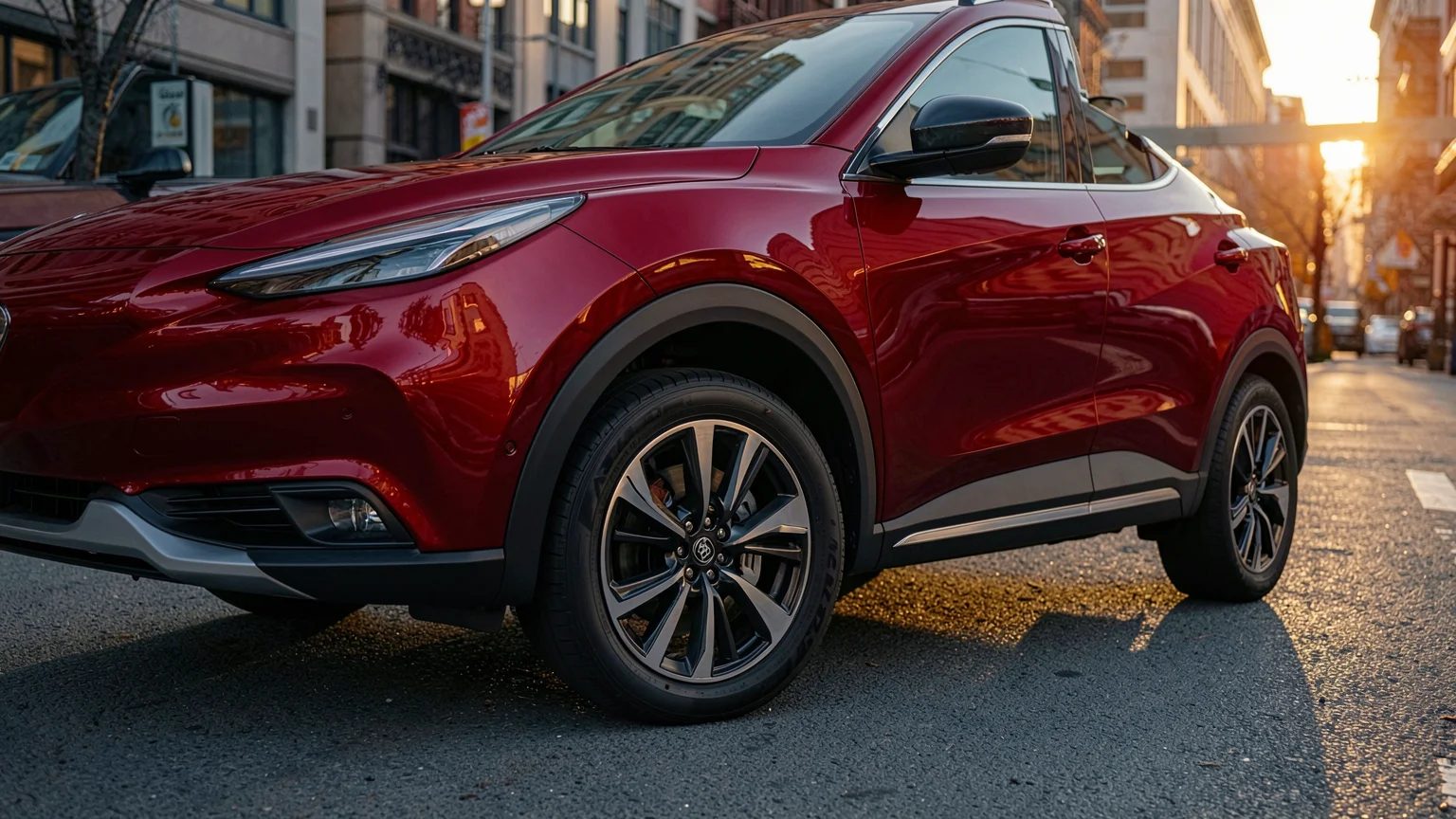
Mazda CX-5 Tire Pressure by Year and Tire Size
| Model Years | Tire Size | Front PSI | Rear PSI |
|---|---|---|---|
| 2026 (3rd gen) | 225/65R17 102V | 36 | 36 |
| 2026 (3rd gen) | 225/55R19 99V | 36 | 36 |
| 2017-2025 (2nd gen) | P225/65R17 100H | 34 | 34 |
| 2017-2025 (2nd gen) | P225/55R19 99V | 35 | 35 |
| 2013-2016 (1st gen) | P225/65R17 100H | 34 | 34 |
| 2013-2016 (1st gen) | P225/55R19 99V | 36 | 36 |
Turbo and Carbon Edition trims use the same 19-inch size and pressure as other 19-inch trims. If you swapped to a different wheel size, use the pressure for the size you now run.
Products Worth Considering
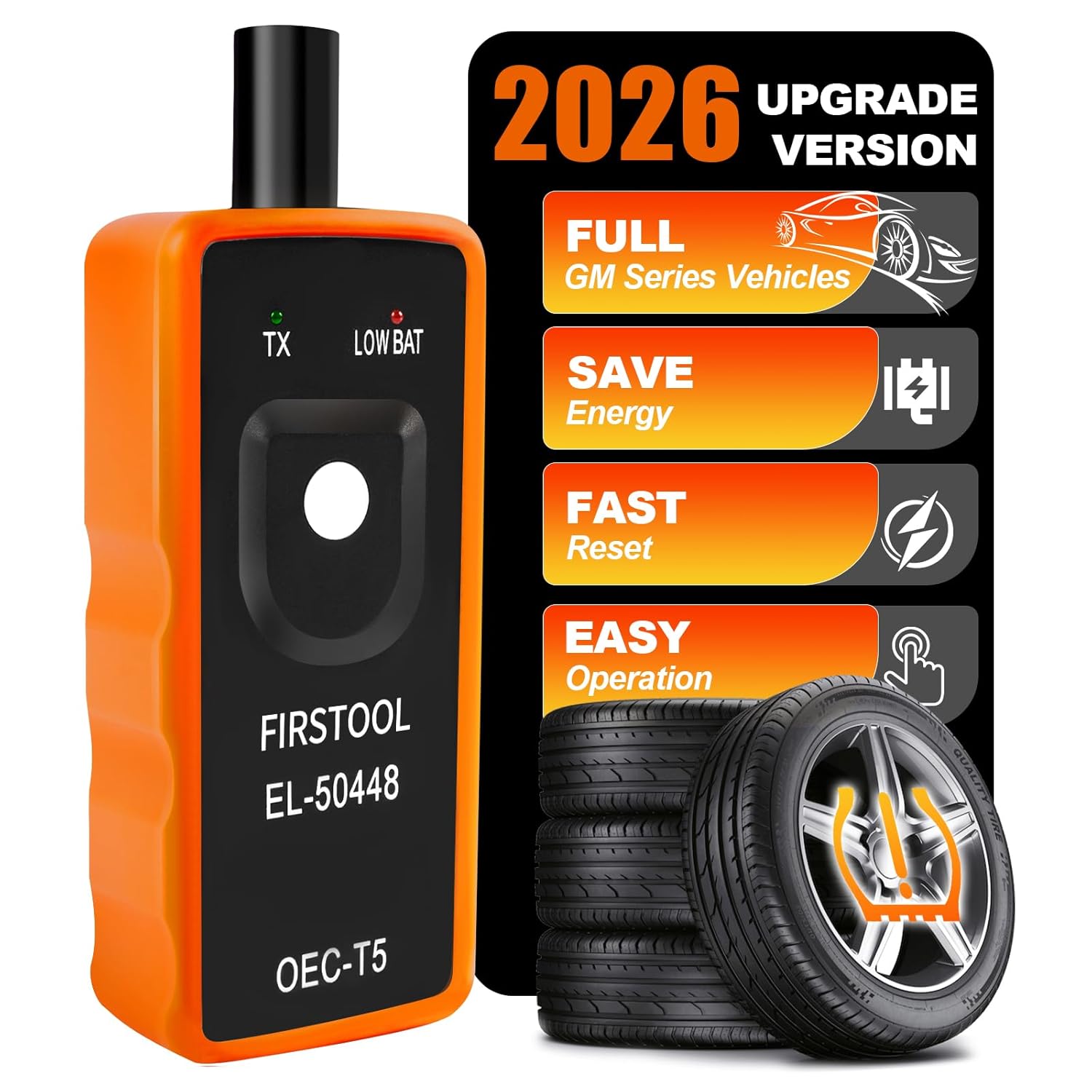
This TPMS relearn tool helps you quickly activate, match, and reset GM tire pressure sensors to keep the vehicle monitoring system working properly. It clears tire pressure alarms and dashboard warning lights after sensor replacement or tire rotation, and supports learning for common 315/433 MHz TPMS sensors. Designed for simple one-button operation, it can help you avoid unnecessary trips to repair shops.

The Airmoto portable tire inflator quickly and accurately fills car, truck, SUV, motorcycle, and bicycle tires up to 120 PSI with auto shut-off when your target pressure is reached. Its large LCD, multi-unit pressure display, and digital gauge make it easy to dial in settings and verify readings, while the built-in LED flashlight helps in low light. The included polyurethane hard carrying case and storage mesh pocket keep the inflator and accessories protected and organized.
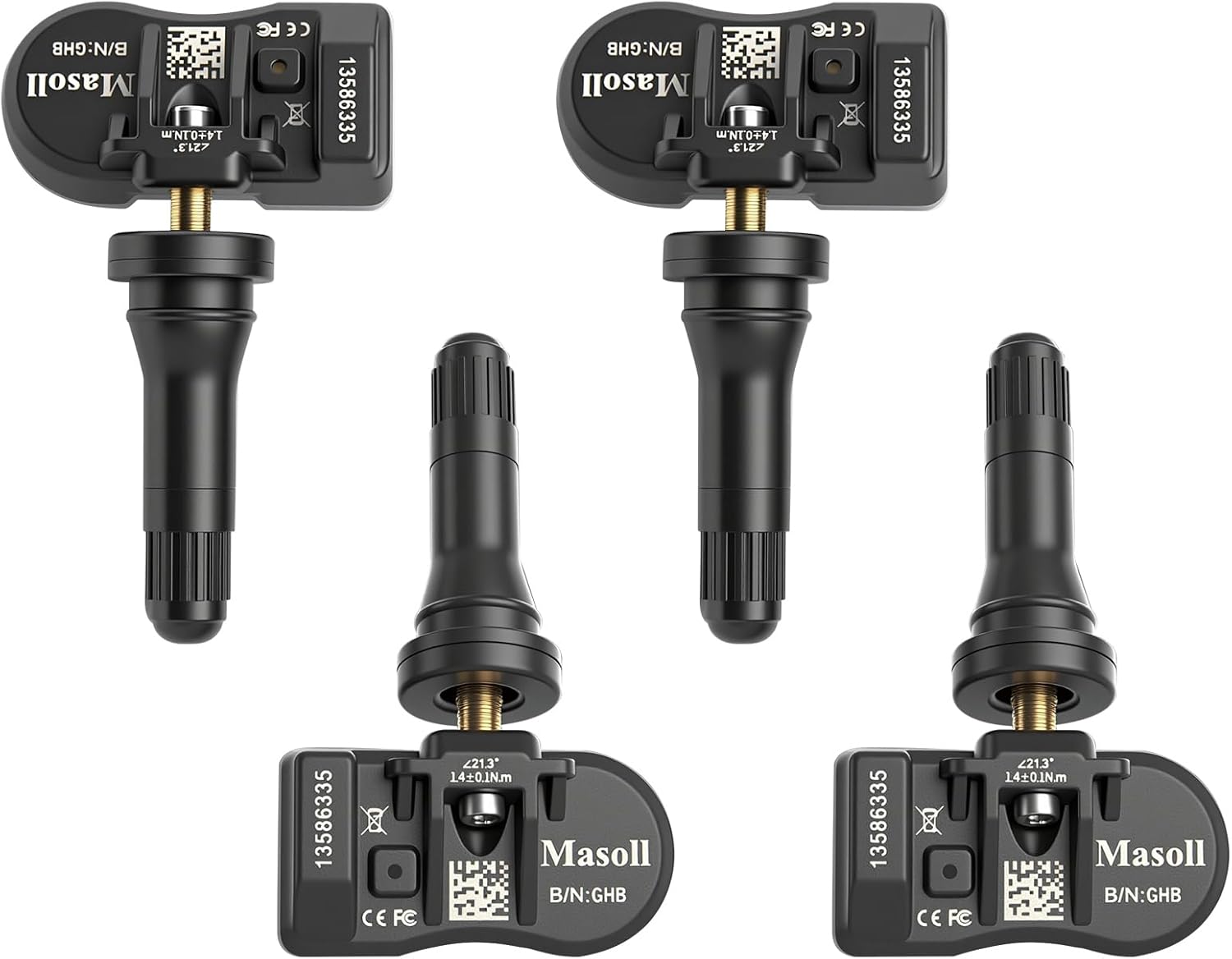
Masoll TPMS sensors are designed for most GM vehicles after 2006, helping you clear tire pressure warnings with OEM-level 315/433MHz compatibility. The 4-pack includes pre-programmed sensors, but re-learning is required after installation using a GM TPMS relearn tool or scan tool. Built with a dual-antenna design and a long-life CR2050 battery, these sensors deliver reliable performance in extreme temperatures with corrosion-resistant valve construction.
How to Check Tire Pressure on a Mazda CX-5
- Check cold. Wait 3 hours after driving or check first thing in the morning.
- Read the placard on the driver door jamb.
- Use a gauge on each valve stem; don’t rely on looks.
- Adjust to 34, 35 or 36 psi as listed for your size.
- Initialize the TPMS if your model requires it (see below).
Mazda’s owner’s manual recommends checking all tires, including the spare, monthly when cold. If you are new to this, our guide on finding the right tire pressure for your car walks through it.
Mazda CX-5 Tire Pressure Display and TPMS Reset
Many 2013-2025 CX-5 models in North America use an indirect TPMS that compares wheel speeds through the ABS sensors. That means most of them do not show individual tire pressures on the display, only a warning light.
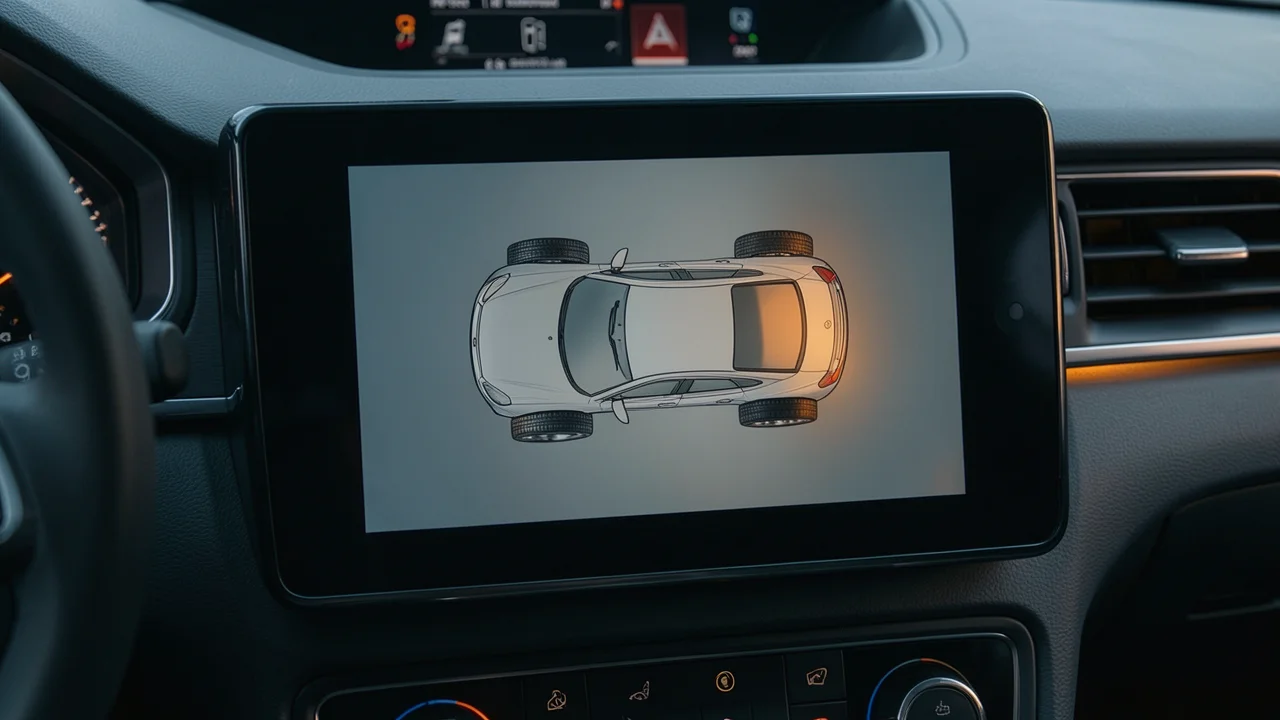
Because the system learns your tires’ normal rotation, Mazda says to initialize it after adjusting pressure, rotating or replacing tires. A typical process:
- Set all four tires to the placard pressure while cold.
- Turn the ignition on (engine off or running, per your manual).
- On 2017+ models, go to Settings > Vehicle > Tire Pressure Monitor > Initialize on the center screen. On older models, press and hold the TPMS set switch.
- Wait for the warning light to blink or a message to confirm, then drive normally while the system learns.
Note: If you initialize with a low tire, the system treats that low pressure as normal. Always set pressures first.
For a broader look at warning lights, see what the tire light looks like and our direct vs indirect TPMS explainer.
Seasonal and Load Tips for CX-5 Tire Pressure
- Winter: expect about 1 psi drop per 10 degrees F. Recheck after cold snaps.
- Summer heat: don’t let air out of hot tires; readings rise as they warm.
- Road trips: the placard pressure covers a full load, but check before leaving.
- Spare: keep the temporary spare at 60 psi.
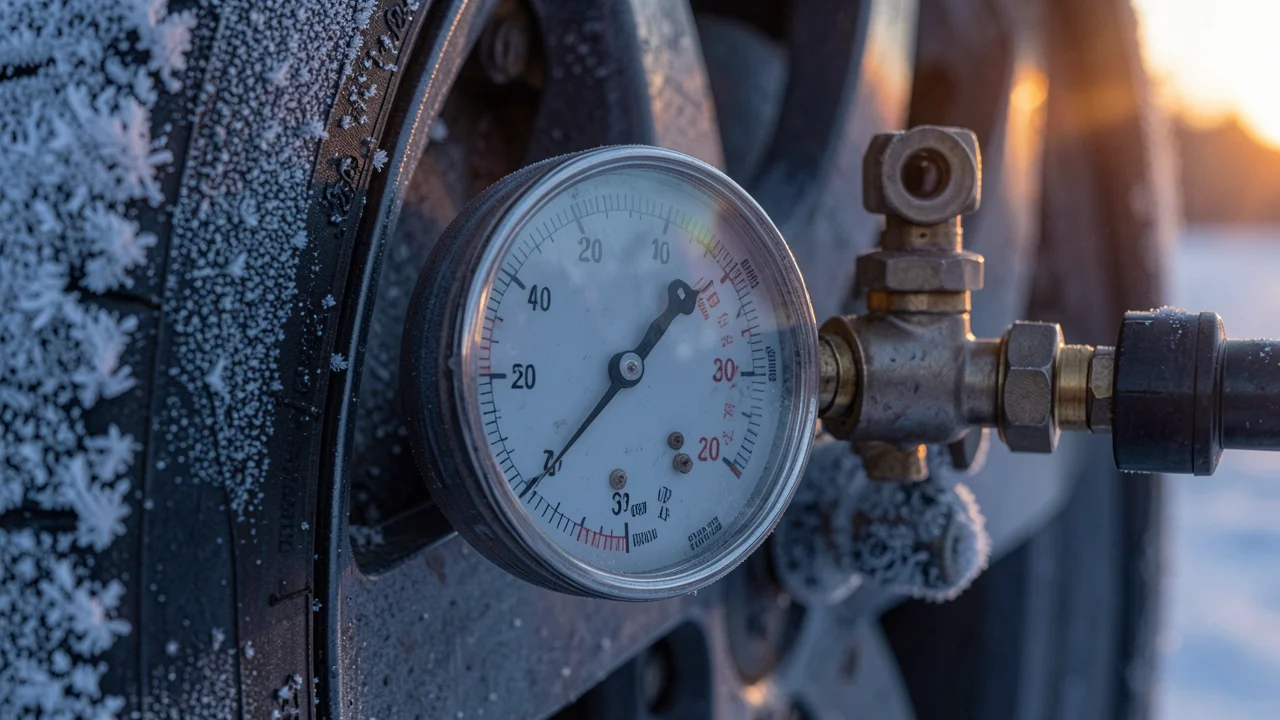
Running even 4-5 psi low can shorten tread life and dull the CX-5’s sharp steering. Learn more in what happens if tire pressure is too low.

Products Worth Considering
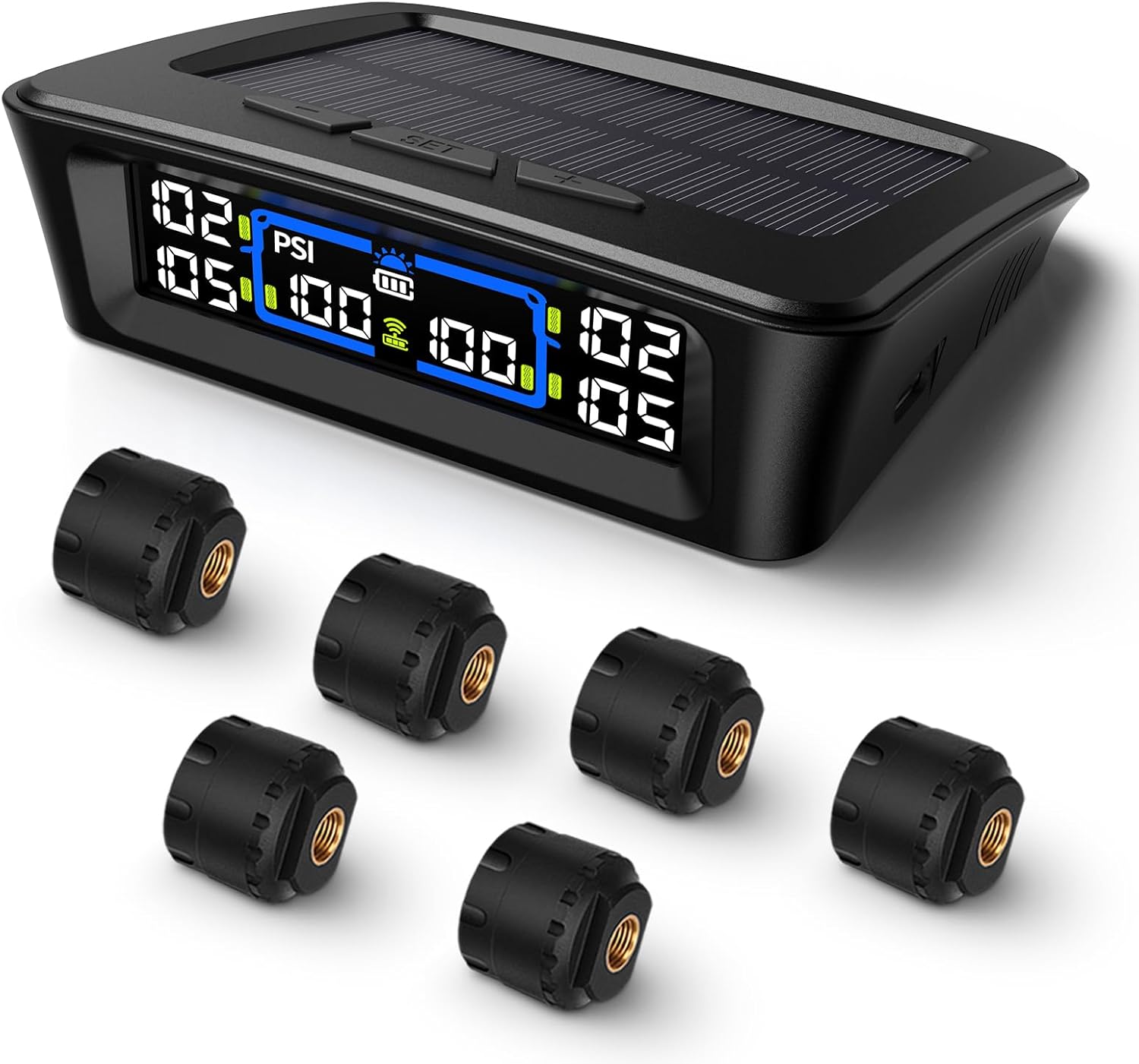
The Tymate TM12 RV TPMS delivers real-time tire pressure and temperature monitoring with a stable 433Hz display for safer long-distance driving. It supports simultaneous monitoring across vehicle and trailer zones, includes six alarm modes for pressure, temperature, leakage, battery, and signal loss, and features easy DIY installation with auto calibration. Power is supplied via USB-C charging or solar recharging, with a wide 0–144 PSI range and up to 50 ft signal coverage for RVs and towable trailers.

AstroAI’s calibrated digital tire pressure gauge delivers precise readings across a 0–150 PSI range, with high clarity from a backlit LCD. Built for everyday road use, it features one-button operation, an anti-slip ergonomic grip, and support for multiple pressure units plus auto shutoff. Powered by AAA batteries, it’s an all-weather essential for checking tire health and TPMS warnings.
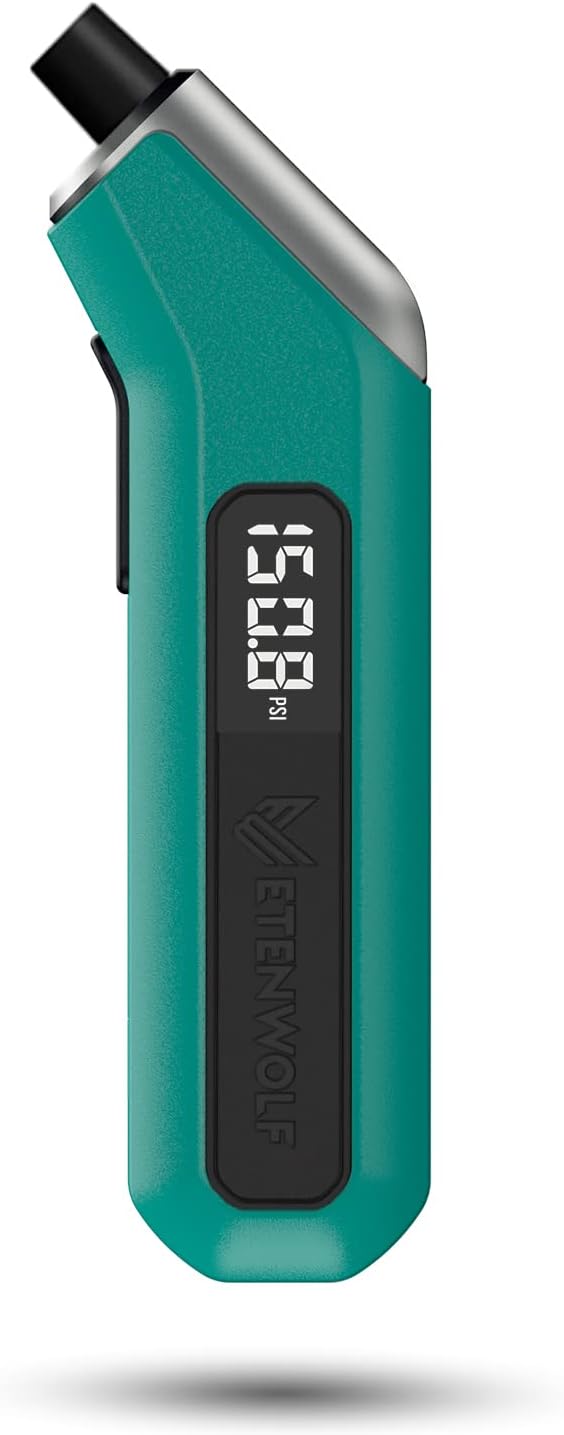
ETENWOLF T300 is a calibrated digital tire pressure gauge designed for reliable readings across low and high pressure ranges. It includes thermal compensation for stable performance in extreme cold or heat, an LED light for visibility, and an auto shut-off to help preserve battery life. Ideal for pickups, RVs, and heavy-duty vehicles, it delivers accurate PSI measurements with sturdy durability.
Mazda CX-5 Tire Pressure FAQ
What should Mazda CX-5 tire pressure be?
Most 2017-2025 Mazda CX-5s use 34 psi on 17-inch tires and 35 psi on 19-inch tires, front and rear. The 2026 model uses 36 psi. Check the placard on the driver door jamb for your exact spec.
Is 36 psi OK for a Mazda CX-5?
Yes for the 2026 CX-5 and first-generation 19-inch models, since that is the spec. On 2017-2025 models it is 1-2 psi high, which is safe but slightly firmer riding.
Does the Mazda CX-5 have a tire pressure display?
Most 2013-2025 North American CX-5s do not show individual tire pressures, because they use an indirect TPMS. They only show a warning light. Check your model’s display options to be sure.
How do I reset the tire pressure light on a Mazda CX-5?
Inflate all tires to the placard pressure, then run the TPMS initialization through the settings menu or the TPMS set switch. Drive for a while so the system can learn the new baseline.
Why does my CX-5 tire pressure light come on when it is cold?
Cold air lowers tire pressure about 1 psi per 10 degrees F. A tire near the threshold can trigger the light on a cold morning. Inflate to spec when cold, then initialize if required.
Bottom Line
The right Mazda CX-5 tire pressure is 34 psi on 17-inch and 35 psi on 19-inch tires for most 2017-2025 models, and 36 psi for the 2026 model. Pressure is the same front and rear, which keeps things simple.
Check monthly while cold, initialize the TPMS after any change, and keep the spare at 60 psi. Your CX-5 will steer sharper, ride better and get more miles from every tire.
Sources
- Mazda USA: 2026 CX-5 owner’s manual, tire specifications
- Mazda USA: 2022 CX-5 owner’s manual, tire inflation
Products Worth Considering

This TPMS sensor training and relearn reset tool is customized for Ford, Lincoln, and Mercury vehicles to help activate tire pressure programming after sensor replacement or tire rotation. It can activate individual tire pressure sensors with one-button operation, helping prevent TPMS warning light illumination. It is not a sensor programming tool and cannot program replacement sensors—use it to trigger/activate sensors only.
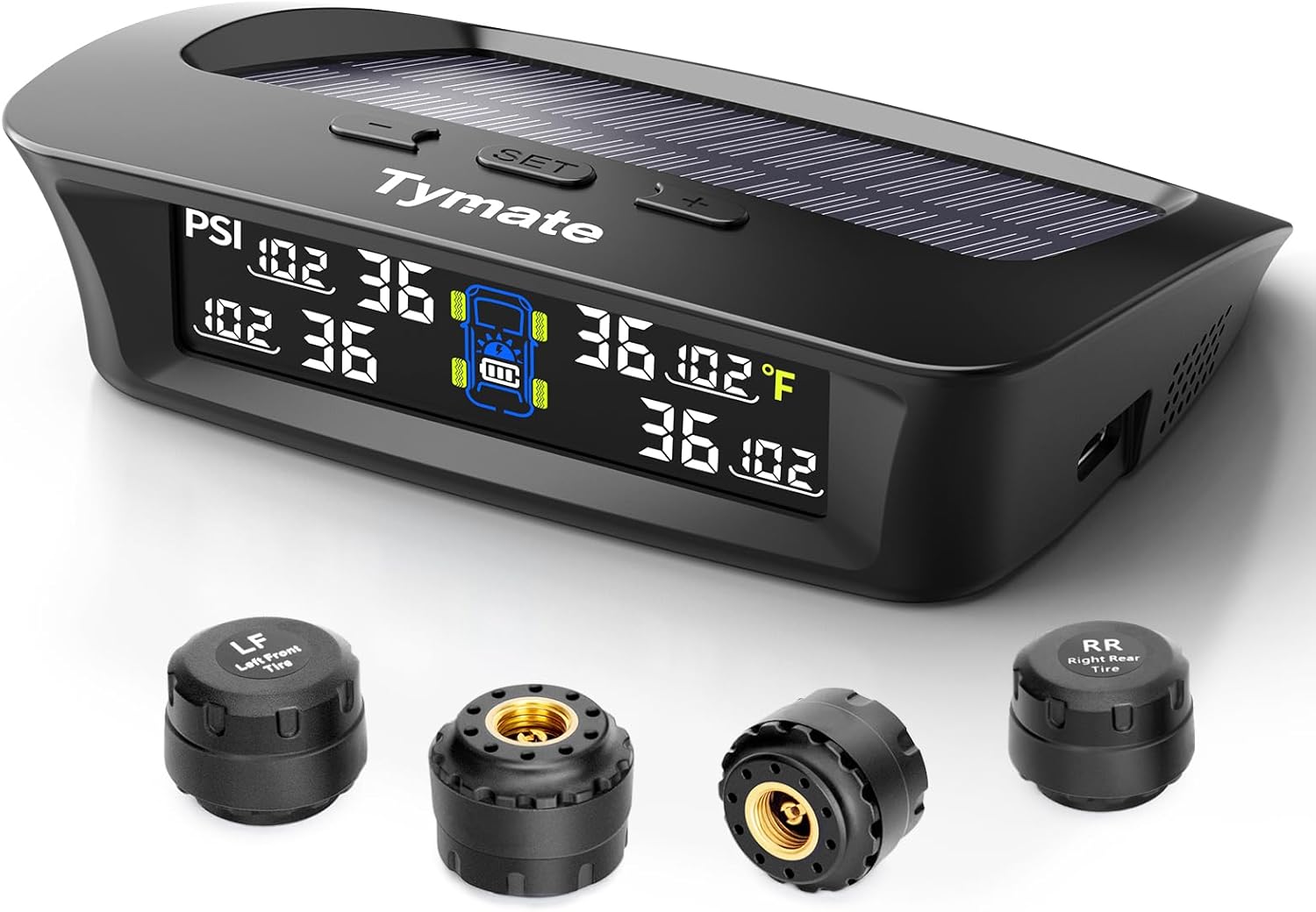
The Tymate TM3 RV TPMS delivers real-time tire pressure monitoring from 0 to 144 PSI with accurate readings and dependable wireless communication. It includes four external sensors with pre-pairing, six alarm modes for rapid leak, pressure extremes, temperature, and signal loss, plus an easy-reference setup for alert thresholds. Solar and USB-C charging help keep the display powered, while the color LCD and adaptive backlight improve visibility for safer driving and towing.

The TYAMATE TM8 solar-powered wireless TPMS delivers real-time tire pressure and temperature monitoring with six alarm modes for safer driving. A vibrant color LCD display shows readings clearly while windshield mounting keeps it hands-free and easy to read. With a wide 0–87 PSI range, strong 433.92 MHz signal transmission, and quick sensor pairing, it’s ideal for RV, sedan, SUV, MPV, and truck use.