
A Subaru tire pressure sensor is a small battery-powered transmitter inside each wheel that reports tire pressure to the car’s tire pressure monitoring system (TPMS). To reset the Subaru tire pressure light, inflate all tires to the pressure on the door jamb label and drive above 25 mph for about 10 minutes. New or swapped sensors usually need their IDs registered with a scan tool.
Most Subaru owners meet the TPMS light on the first cold morning of fall. Others see it flash after new tires or a wheel swap and wonder whether a sensor has failed.
This guide explains how Subaru TPMS works, what each warning light pattern means, how to reset it, how to relearn new sensors and what replacement costs.
Key Takeaways
- Subaru uses direct TPMS, with a sensor inside each road wheel. All models have it from 2008 on.
- Steady light: one or more tires are low. Flashing for about a minute, then steady: system or sensor fault.
- Reset: inflate to the door jamb spec (cold), then drive above 25 mph for about 10 minutes.
- New sensors or wheels: sensor IDs must be registered with a Subaru or compatible TPMS tool.
- Sensors typically last 5 to 10 years before the internal battery dies.
In this guide:
- How the Subaru Tire Pressure Sensor Works
- What the Subaru Tire Pressure Light Means
- How to Reset the TPMS Light
- How to Relearn New Sensors
- Sensor Replacement and Cost
- Troubleshooting Common Problems
- FAQ

How the Subaru Tire Pressure Sensor Works
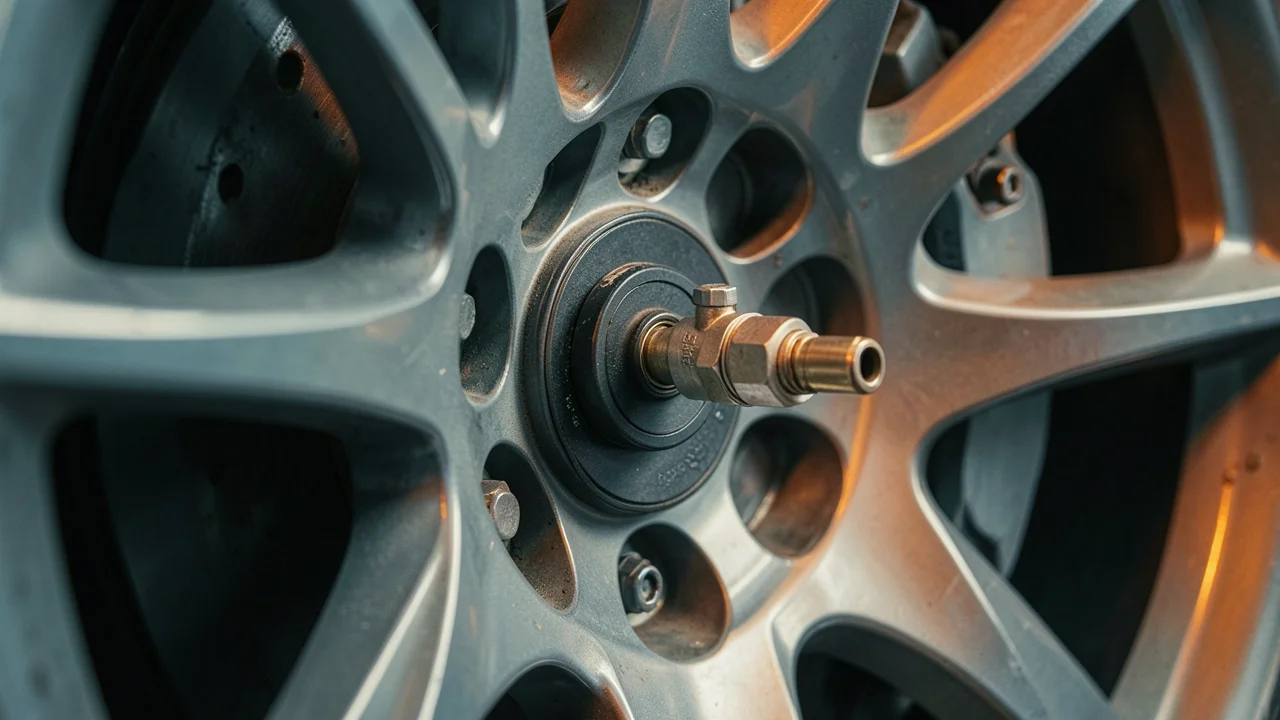
Subaru uses a direct TPMS. Each sensor is built into the valve stem inside the wheel. It measures air pressure (and on many models, temperature) and sends a radio signal with its unique ID to a receiver in the car.
Subaru began fitting TPMS on the 2004 Legacy and Outback, and all Subaru models had it by 2008. The system checks pressures when the car is moving above about 25 mph and warns you when a tire drops well below the recommended level.
For a deeper look at the technology, see our explainer on how tire pressure sensors work.
Note: Most Subarus carry a temporary spare without a sensor. Wilderness trims of the Outback, Forester and Crosstrek use a full-size spare that may have its own sensor, so a low spare can trigger the light too.
Products Worth Considering

Replace your worn or missing TPMS sensors with pre-programmed, direct-fit sensors for compatible Ford, Lincoln, and select Mazda models. Each sensor comes ready to activate with a scan tool, helping restore accurate tire pressure monitoring and trouble-free installation. Built with a long-life CR2032 battery and tested before factory release, this set provides dependable performance with a one-year warranty.
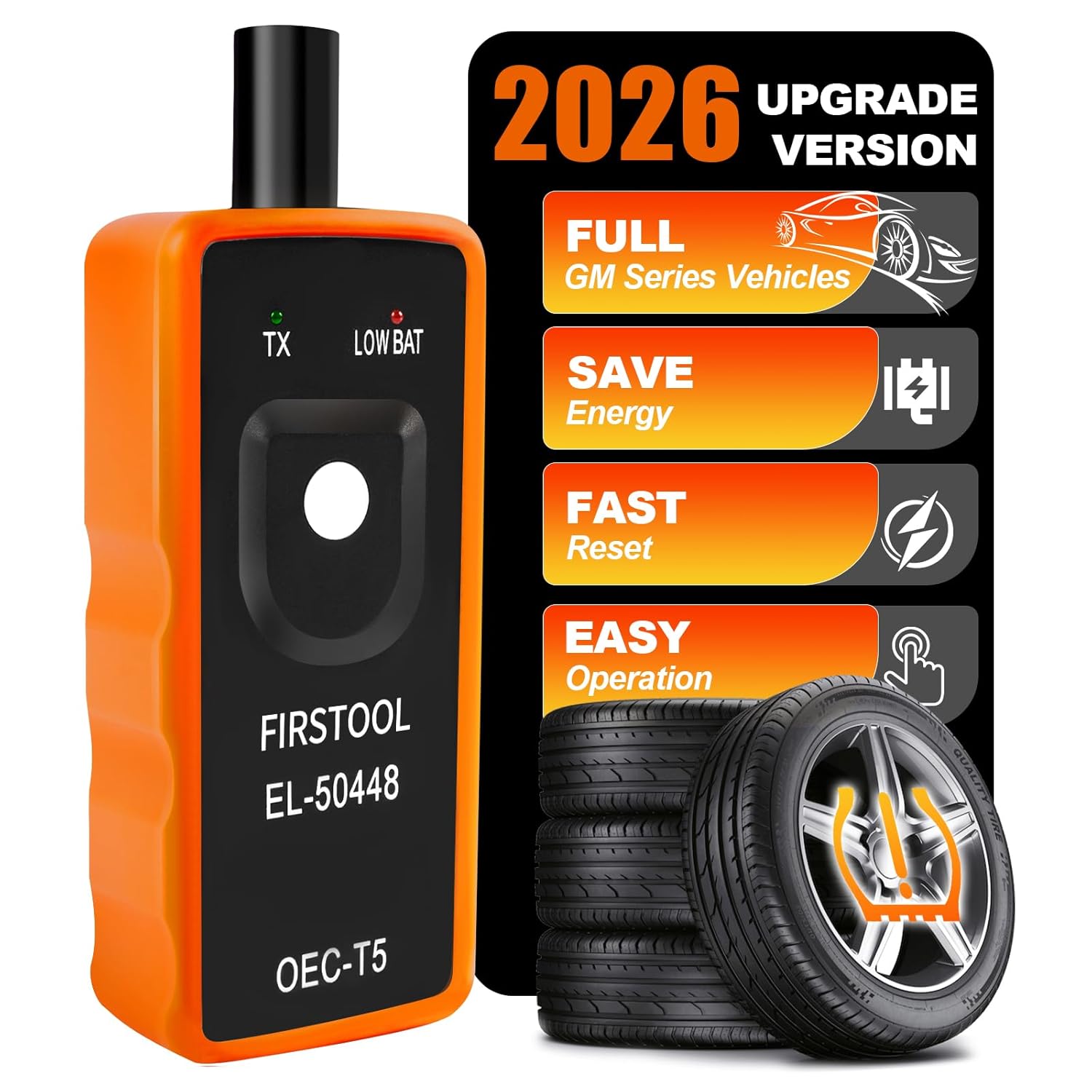
This TPMS relearn tool helps you quickly activate, match, and reset GM tire pressure sensors to keep the vehicle monitoring system working properly. It clears tire pressure alarms and dashboard warning lights after sensor replacement or tire rotation, and supports learning for common 315/433 MHz TPMS sensors. Designed for simple one-button operation, it can help you avoid unnecessary trips to repair shops.

This TPMS sensor training and relearn reset tool is customized for Ford, Lincoln, and Mercury vehicles to help activate tire pressure programming after sensor replacement or tire rotation. It can activate individual tire pressure sensors with one-button operation, helping prevent TPMS warning light illumination. It is not a sensor programming tool and cannot program replacement sensors—use it to trigger/activate sensors only.
What the Subaru Tire Pressure Light Means
The amber light looks like a horseshoe with an exclamation point. How it behaves tells you what is wrong:
| Light Behavior | Meaning | What to Do |
|---|---|---|
| Steady on | One or more tires are significantly underinflated | Check all tires with a gauge and inflate to the door jamb spec |
| Flashes for about a minute, then stays on | System fault: dead sensor battery, missing sensor, unregistered sensor or receiver issue | Have a shop scan the TPMS; a sensor may need replacing or registering |
| Comes on cold mornings, goes off later | Pressure is borderline; cold air lowers it | Add air to the spec when tires are cold |
| On after tire rotation or new wheels | Sensors not registered or positions changed | Register sensor IDs with a TPMS tool |
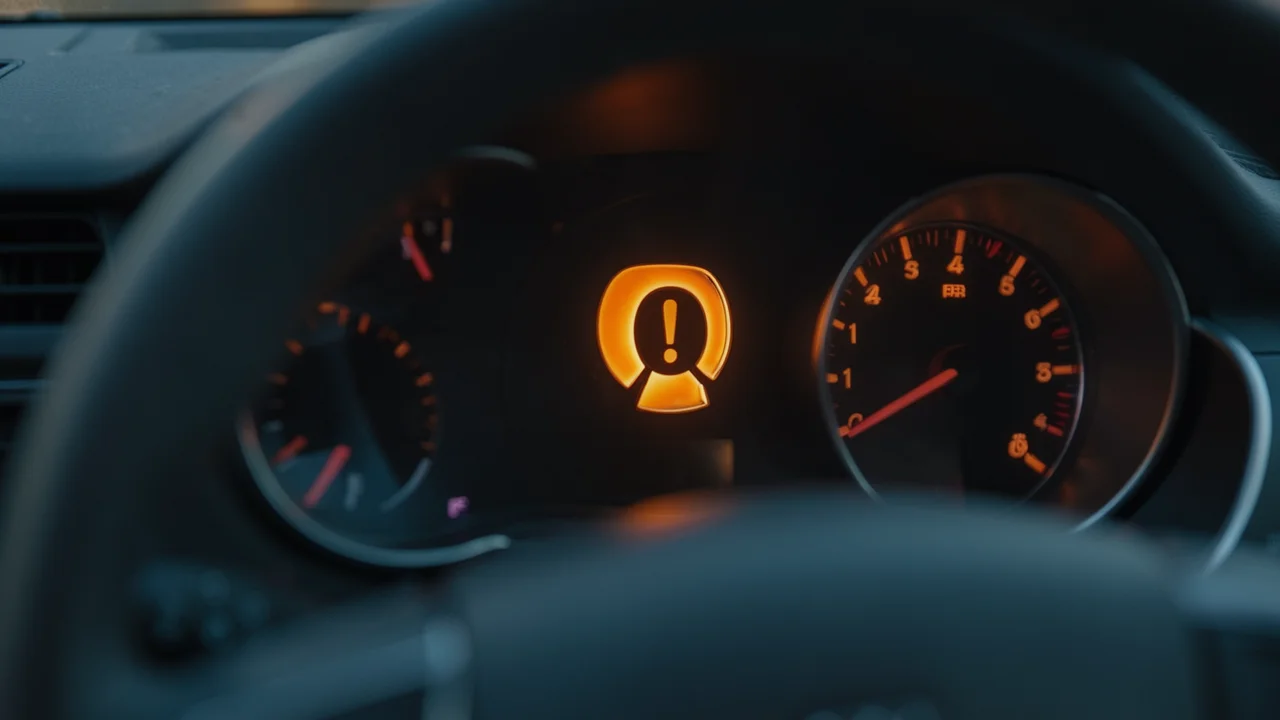
Tires lose about 1 psi for every 10°F drop in temperature, which is why the light often appears in fall. Our guide on winter tire pressure explains how to handle it.
How to Reset the Subaru Tire Pressure Light
On most Subarus, there is no TPMS reset button. The light clears itself once the sensors report correct pressure. Follow these steps:
- Find the correct pressure on the label inside the driver’s door jamb. Many Subarus call for about 33 to 36 psi, but it varies by model.
- Check pressures cold, before driving or after the car has sat for a few hours.
- Inflate all four tires (and the full-size spare, if it has a sensor) to the label pressure.
- Drive above 25 mph (40 km/h) for about 10 minutes so the sensors wake up and report.
- Confirm the light is off. If it stays on or flashes, move on to troubleshooting.
Pro Tip: Do not inflate to the maximum pressure printed on the tire sidewall. That number is a limit, not a target. Use the door jamb label.
For a general walkthrough that applies to other brands too, see our guide on how to reset a TPMS light.
How to Relearn New Subaru Tire Pressure Sensors
Driving alone will not teach your Subaru a new sensor. Each sensor has a unique ID, and the car must have that ID registered. You need to register IDs when you:
- Replace one or more sensors.
- Install a second set of wheels, such as winter wheels with their own sensors.
- Replace the TPMS receiver or control module.
The process generally works like this:
- Program or clone the new sensor with a TPMS tool if it is an aftermarket programmable sensor.
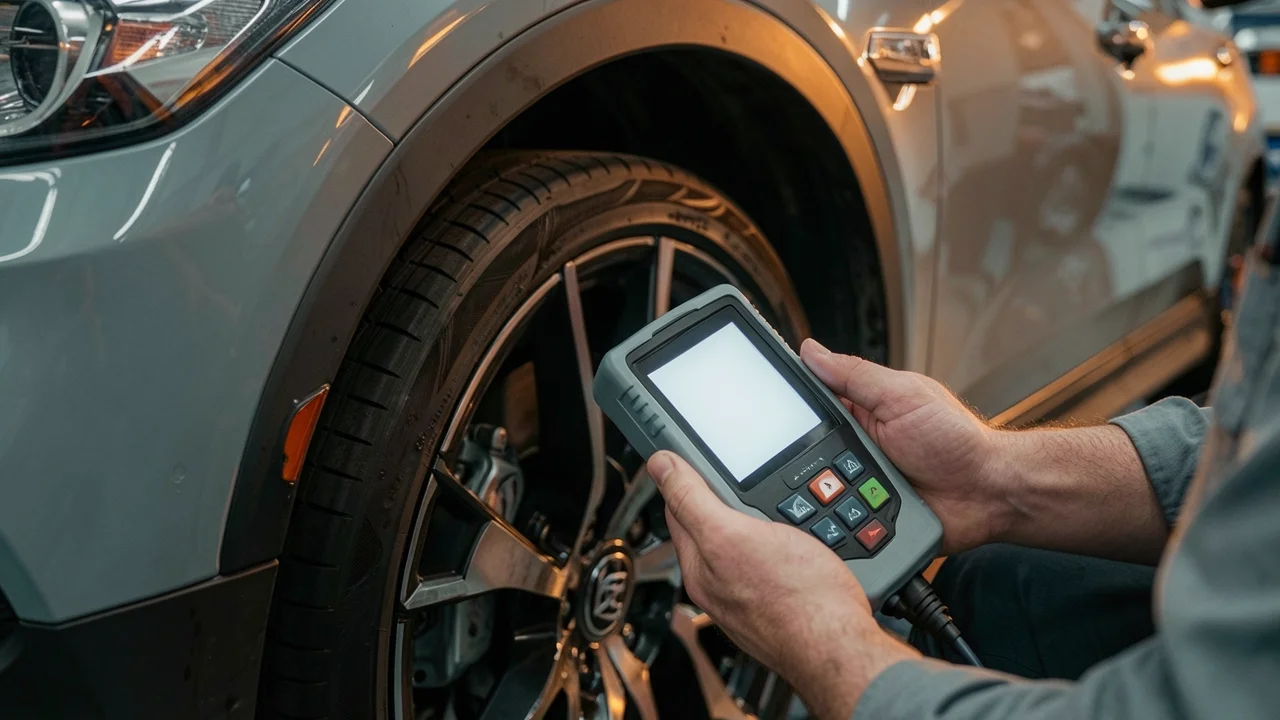
- Connect a scan tool to the OBD-II port. Dealers use the Subaru Select Monitor; many independent shops use compatible aftermarket TPMS tools.
- Write the sensor IDs to the car for each wheel position.
- Drive above 25 mph for about 10 minutes to confirm the system sees all sensors.
The exact procedure varies by model and year, so follow your service information or let a shop handle it.
Installing aftermarket wheels? Read our guide to installing TPMS sensors on aftermarket wheels before you buy.
Subaru Tire Pressure Sensor Replacement and Cost
Sensors use sealed batteries that usually last 5 to 10 years. When the battery dies, the whole sensor is replaced.
| Item | Typical Cost |
|---|---|
| Aftermarket sensor (part only) | $30-$70 each |
| OEM Subaru sensor (part only) | $60-$120 each |
| Shop installation and registration | $40-$100 per visit |
| Total per sensor at a shop | About $80-$200 |
Prices vary by region and model. If one sensor is old enough to fail, the others are likely close. Replacing all four during a tire change saves on labor. See our full guide to TPMS sensor replacement cost.
Products Worth Considering

Masoll Gen 2 external TPMS sensors are a DIY replacement set of 4 for select GM vehicles made after 2006, helping you shut off the TPMS warning light quickly. Simply screw the sensors onto the tire valves and sync to your car ECU using the included EL-50448 relearn tool. Dual-frequency 315/433 MHz design provides OEM-level performance with accurate readings and replaceable batteries for about two years.
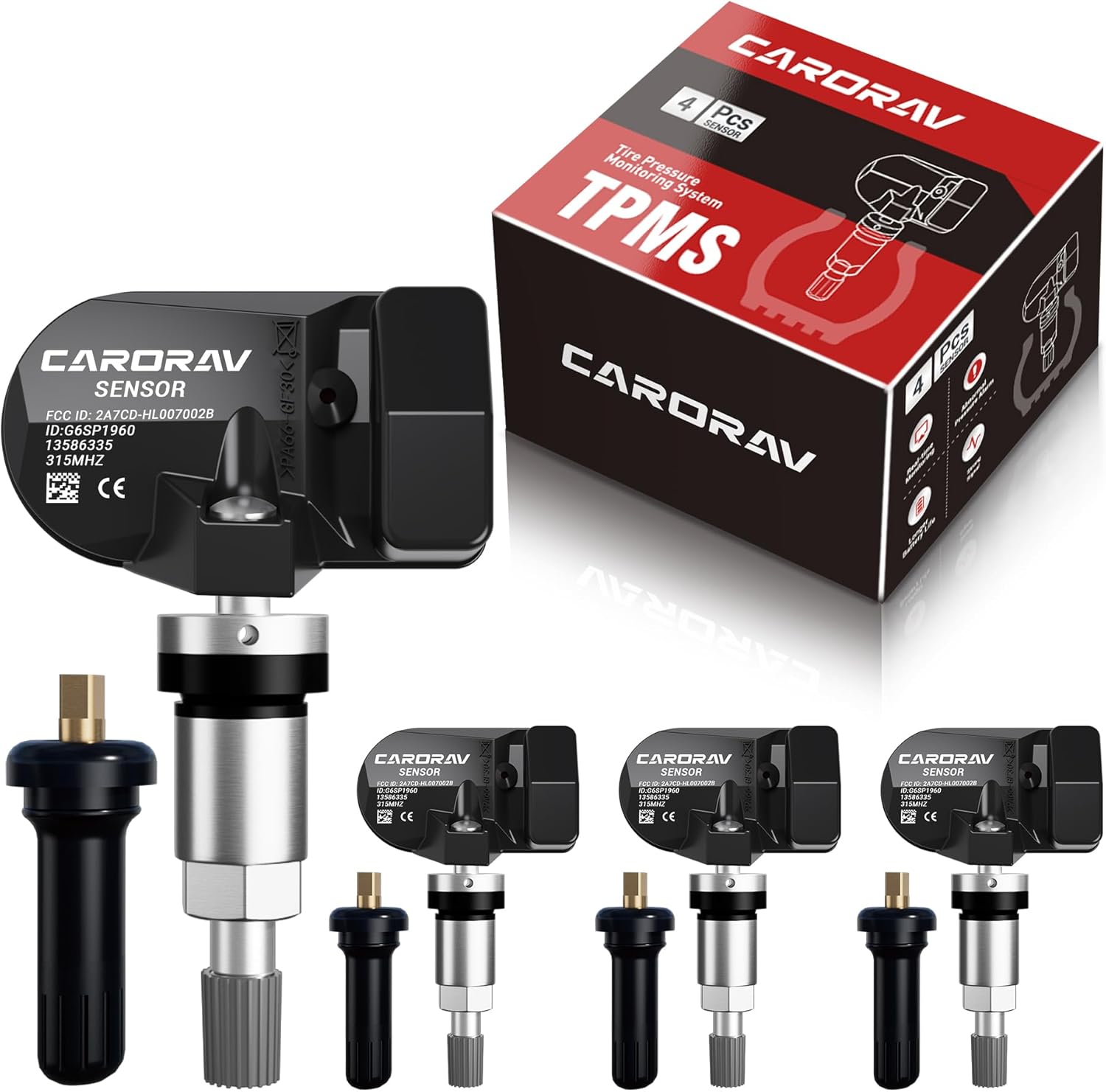
Replace worn or missing TPMS sensors with CARORAV pre-programmed GM-compatible sensors for a smoother installation experience. These 315MHz replacement sensors help monitor tire pressure in real time with long battery life, and they are designed to withstand harsh temperatures. Manual or OBDII relearn may be required to reset the system for proper recognition.

This GM TPMS relearn and reset tool (EL-50448) helps you activate and reset OE/OEM compatible tire pressure sensors for many Chevrolet, GMC, Buick, and Cadillac vehicles. It includes a pre-installed 9V alkaline battery for ready-to-use performance and features a one-button design for quick DIY TPMS relearn. Use it to clear the TPMS warning light, set the correct dashboard tire pressure, and test sensor operation.
Troubleshooting Common Subaru TPMS Problems
Light stays on after inflating
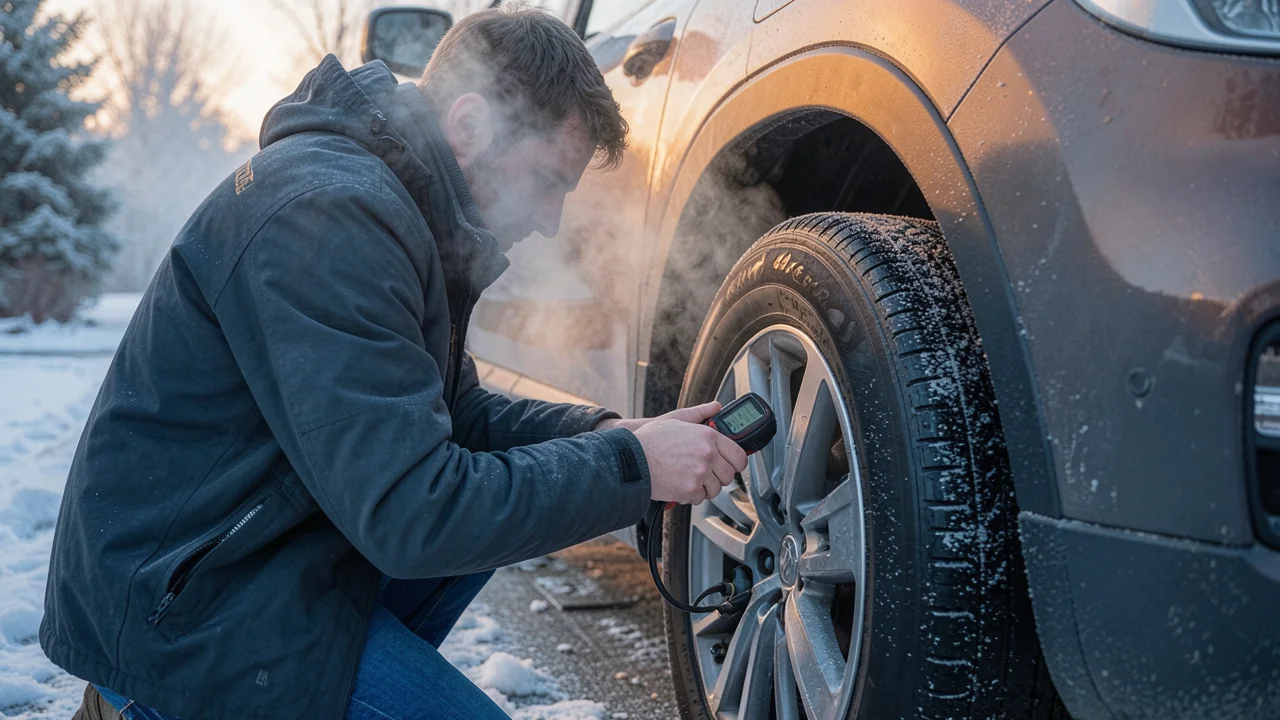
Recheck every tire with a reliable gauge, including the full-size spare on Wilderness models. Then drive for 10 to 15 minutes above 25 mph. If it still stays on, a slow leak may be dropping one tire again.
Light flashes, then stays on
This usually means a sensor is dead, missing or unregistered. A TPMS tool can read each sensor and show which one is not reporting.
Wrong tire position shown
On models that display individual tire pressures, a rotation can make positions read incorrectly until the IDs are re-registered to their new locations. The system still warns you about low pressure in the meantime.
Light after new tires
A sensor may have been damaged during mounting, or the shop may need to register sensors. Return to the installer and ask them to scan the system. If you see the light often, read why a TPMS light keeps coming on.
Subaru Tire Pressure Sensor FAQ
Does Subaru have a TPMS reset button?
Most Subaru models do not have a TPMS reset button. Instead, you inflate all tires to the door jamb pressure and drive above 25 mph for about 10 minutes. The system resets itself once every sensor reports correct pressure.
Why is my Subaru tire pressure light on when tires are fine?
Common causes include cold weather lowering pressure slightly, a low full-size spare on Wilderness trims, a dead sensor battery or a sensor that was not registered after a tire change. A flashing light points to a sensor or system fault.
How long do Subaru tire pressure sensors last?
Most Subaru tire pressure sensors last 5 to 10 years, depending on driving habits and climate. The battery is sealed inside, so the entire sensor is replaced when it dies.
Can I drive with the Subaru TPMS light on?
You can drive carefully to a safe place to check your tires, but do not ignore it. A steady light means at least one tire is low, which can hurt handling, braking and tire life. Check and inflate as soon as possible.
Do Subaru winter wheels need TPMS sensors?
They do not legally require them, but without sensors the TPMS light will flash and stay on all winter. Installing sensors in your winter wheels and registering them keeps the system working year-round.
Is the Subaru Outback tire pressure sensor the same as the Forester’s?
Many Subaru models share similar sensors, but part numbers vary by model, year and region. Check your VIN with a parts supplier or dealer before buying, or use a programmable aftermarket sensor that a shop can configure.
Bottom Line
Your Subaru tire pressure sensor system is simple to live with once you know its habits. A steady light means low pressure, so inflate to the door jamb spec and drive for 10 minutes. A flashing light means a sensor or system fault, which usually needs a scan tool to diagnose and fix.
Check your pressures monthly, especially when temperatures drop, and plan to replace sensors as a set when they reach 7 to 10 years old. That way, the TPMS light will only show up when it truly matters.
Sources
Products Worth Considering

The VEHLIVE SU-50448 II TPMS relearn tool provides a fast activation reset to restore accurate tire pressure monitoring after sensor replacement or tire rotation. It supports 315 MHz and 433 MHz GM series sensors and helps clear dashboard pressure warnings. With simple two-button operation and horn-confirmed relearning order, you can reprogram sensors conveniently at home.

Replace worn or malfunctioning GM TPMS sensors with this 433MHz pre-programmed sensor set designed for compatibility with many Chevrolet, Buick, GMC, and Cadillac models. It includes guidance for proper OBDII relearning/pairing after installation and supports reliable long-term operation with a high-performance CR2032 battery. Quality tested for durability and performance to help restore accurate tire pressure monitoring.
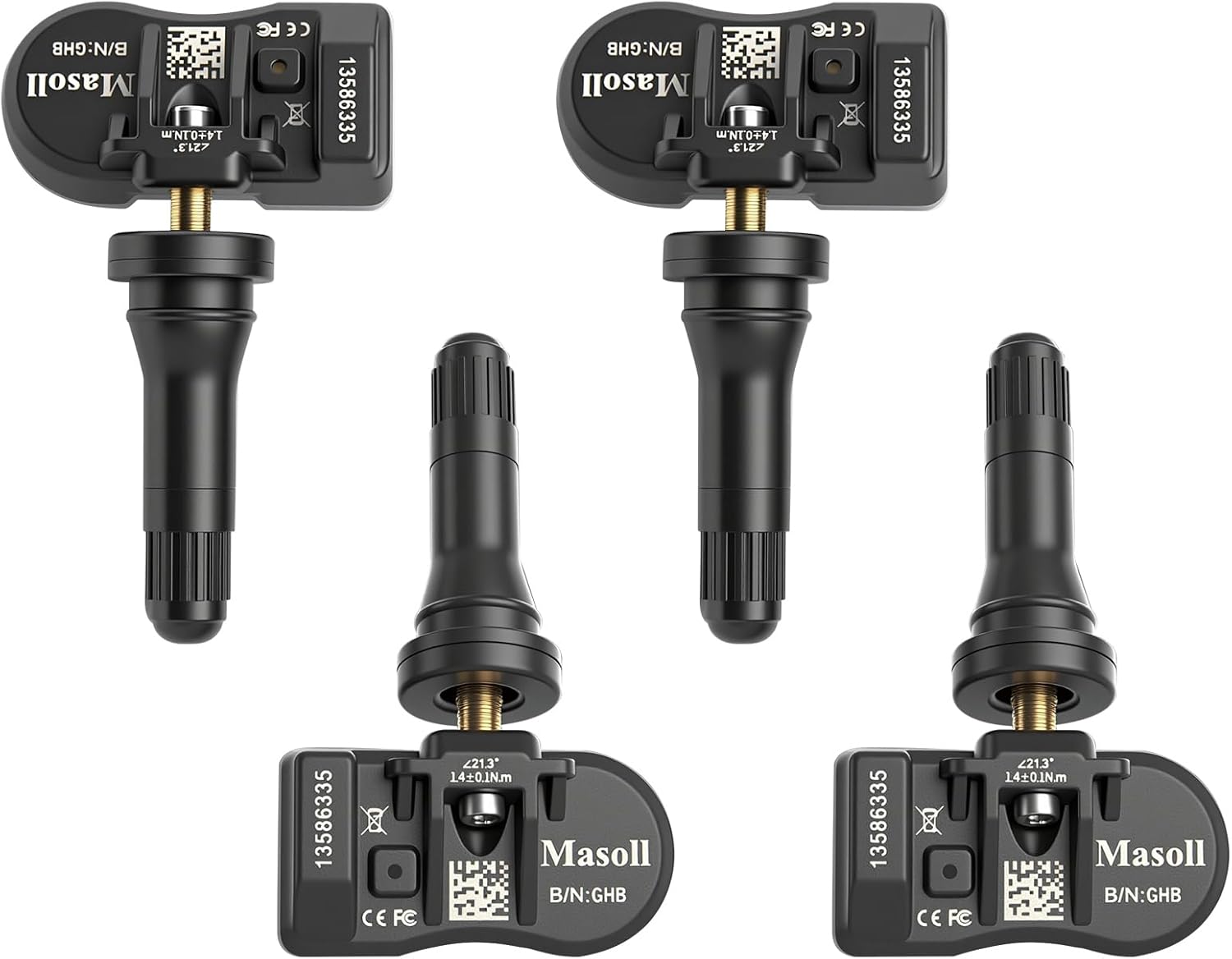
Masoll TPMS sensors are designed for most GM vehicles after 2006, helping you clear tire pressure warnings with OEM-level 315/433MHz compatibility. The 4-pack includes pre-programmed sensors, but re-learning is required after installation using a GM TPMS relearn tool or scan tool. Built with a dual-antenna design and a long-life CR2050 battery, these sensors deliver reliable performance in extreme temperatures with corrosion-resistant valve construction.