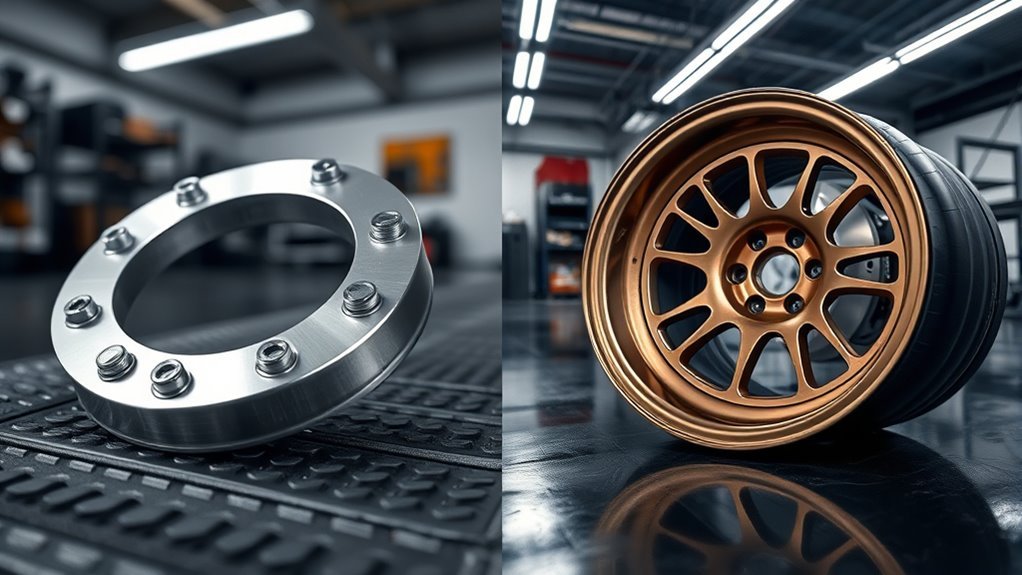
Wheel spacers and lower-offset wheels can both push your tires outward for a wider stance, more clearance, or a stronger visual fitment. The important detail is that they can create the same final wheel position, so they can also create similar changes to scrub radius, bearing leverage, and fender clearance. The real difference is how each option gets there: spacers add another bolted interface, while offset wheels build the position into the wheel itself.
Quick Answer
Lower-offset wheels are usually the cleaner long-term choice when the size, load rating, hub bore, and clearance are correct. Quality hub-centric spacers can work, but they add another clamped joint and require careful torque, retorque, and inspection. For the same final tire position, both options can affect scrub radius, bearing load, and handling.
Key Takeaways
- A spacer reduces effective wheel offset by its thickness, so a 25 mm spacer acts like using a wheel with 25 mm less offset.
- Lower-offset wheels do not automatically preserve factory scrub radius if they move the tire centerline outward.
- Spacers add extra fasteners and mounting surfaces, so installation quality matters more.
- Offset wheels are usually better for permanent daily-driver or track setups when properly sized.
- Always check wheel load rating, hub fit, lug seat type, stud engagement, fender clearance, brake clearance, torque, and local road rules.
Wheel Spacers vs. Offset Rims: Which One Fits Your Build?

Start with the result you want. If you need the wheel to sit farther outward, you can do that with a spacer or with a wheel that has less positive offset, zero offset, or negative offset. A spacer does not change the wheel itself, but it changes the wheel’s effective offset.
For example, a +35 mm wheel with a 20 mm spacer sits like a +15 mm wheel, assuming the wheel width stays the same. A 2-inch spacer equals about 50.8 mm, so it changes effective offset by roughly 50.8 mm.
That means the suspension does not “know” whether the final tire centerline moved outward because of a spacer or because of wheel offset. In both cases, the steering geometry, scrub radius, and bearing leverage can change. The main difference is that spacers add another joint between the hub and wheel, while offset wheels keep the mounting structure in one wheel assembly.
| Best for testing fitment | Wheel spacers, because you can test small changes before buying new wheels. |
| Best for permanent street use | Properly sized offset wheels, because they avoid the extra spacer interface. |
| Main spacer risk | Wrong hub fit, poor stud engagement, bad torque, cheap material, or skipped retorque checks. |
| Main offset-wheel risk | Wrong offset, width, hub bore, load rating, or clearance for the vehicle. |
[Products Worth Considering]

Upgrade your wheels with MIKKUPPA M12x1.5 mag seat lug nuts built for secure, corrosion-resistant performance. These closed-end chrome lug nuts are a direct replacement for select Toyota models, including Camry, Corolla, RAV4, Sienna, Avalon, Highlander, Matrix, Venza, and Prius. Triple-chromium plating and cold-forged, heat-treated steel help deliver strength for daily driving and replacement needs.

These M14x1.5 closed-end chrome lug nuts are a one-piece replacement designed for secure fitment on compatible GM, Ford, and select Chrysler/Dodge models. Featuring a 60-degree conical seat and anti-rust chrome plating, they help resist corrosion and maintain a bright look for everyday driving. Built for long-term durability, they include OEM-style part references and are backed by 12 months of support.

Upgrade your wheels with MIKKUPPA closed-end lug nuts designed for reliable fit and corrosion resistance. The one-piece, cold-forged and heat-treated steel construction helps resist rust and stripping, while the integrated finish delivers a durable black appearance. Built to OEM standards with a conical 60-degree seat, these nuts provide a secure solution for compatible Ford, Honda, Jeep, and Chevrolet models.
Are Wheel Spacers Safe for Daily Driving?
Wheel spacers can be safe for daily driving only when they are high quality, hub-centric where required, correctly sized, correctly torqued, and legal for your area. They are not a shortcut for poor fitment. A cheap spacer, wrong lug hardware, or loose fastener can create vibration, stud damage, or wheel separation risk.
Warning: Do not install spacers if the wheel cannot fully seat, the studs do not have proper thread engagement, the spacer is not centered on the hub, or the lug nuts cannot be torqued to the vehicle or wheel manufacturer’s specification.
Use spacers only after checking these points:
- Hub-centric fit: The spacer should center on the vehicle hub and support the wheel correctly when the vehicle requires hub-centric fitment.
- Correct bolt pattern: The spacer must match the hub and wheel bolt pattern exactly.
- Proper stud engagement: The lug nuts or bolts must engage enough thread for safe clamping.
- Correct lug seat: Cone, ball, flat, and other lug seats are not interchangeable.
- Torque and retorque: Use a calibrated torque wrench, follow the correct pattern, and recheck after the initial driving period.
- Clearance: Check the tire against the fender, liner, suspension, brake caliper, and body at full steering lock and suspension compression.
- Legal compliance: Some regions restrict spacers or tire poke beyond the fender line.
The safest spacer setup is usually a modest-thickness, vehicle-specific, hub-centric spacer from a reputable brand, installed with the correct hardware. Even then, it needs periodic inspection.
How Spacers and Offset Wheels Change Suspension Geometry
Both spacers and lower-offset wheels can widen track width. When they move the tire centerline outward, they can also increase the leverage on wheel bearings, ball joints, bushings, and steering components. This does not mean every setup will fail quickly, but it does mean the vehicle is working outside its original geometry.
Effective Offset Explained
Wheel offset is the distance between the wheel’s mounting face and the wheel’s centerline. A positive offset places the mounting face closer to the outside face of the wheel. A lower offset moves the wheel outward when width stays the same.
A spacer moves the wheel outward by sitting between the hub and wheel. So the simple rule is:
Effective offset = wheel offset minus spacer thickness.
So a +30 mm wheel with a 15 mm spacer has an effective offset of +15 mm. A +30 mm wheel with a 30 mm spacer has an effective offset of 0 mm. This is why comparing spacers and offset wheels only makes sense when you compare the same final wheel position.
Scrub Radius and Steering Feel
Scrub radius is the distance at the road surface between the tire contact patch center and the steering axis line. When you push the tire outward, you can change that relationship. This can affect steering effort, kickback over bumps, torque steer on some front-wheel-drive vehicles, braking feel on uneven surfaces, and tire wear.
Lower-offset wheels are not automatically better for scrub radius. They only help if the final wheel and tire position stays close to the vehicle’s intended geometry. The more aggressive the poke, the more important alignment, tire size, and suspension setup become.
Bearing Load and Component Wear
Moving the tire centerline outward increases the lever arm between the tire contact patch and the hub bearing. That can increase stress on bearings and nearby suspension parts, especially with heavy wheels, larger tires, low-profile tires, potholes, off-road impacts, or track use.
Offset wheels remove the spacer’s extra bolted joint, but they do not remove the physics of a wider track. If the final tire centerline is equally far outward, the bearing leverage is broadly similar. The offset wheel’s advantage is mainly fewer interfaces and fewer spacer-specific installation risks.
| Factor | Wheel Spacers | Equivalent Lower-Offset Wheels |
|---|---|---|
| Final track width | Increases by spacer thickness per side | Increases based on offset and wheel width |
| Scrub radius | Can change when tire centerline moves outward | Can also change when tire centerline moves outward |
| Extra mounting interface | Yes | No |
| Maintenance need | Higher, because spacer hardware needs inspection | Lower, but normal wheel torque and inspection still apply |
| Best use | Temporary testing, mild clearance correction, or vehicle-specific fitment | Permanent setup when the wheel specs are correct |
Off-Road and Track: Where Spacers or Offset Rims Perform Best
Your use case matters more than the appearance. A daily driver, track car, and trail rig place different loads on the same wheel hardware.
[Products Worth Considering]

Measure tire tread depth quickly and accurately with this LUMITECO dial gauge that reads in 1/32" increments up to 14/32". The color-coded green/yellow/red zones make it easy to judge tire wear and know when replacement is needed. A rugged, compact design with a protective pouch helps keep the gauge ready for use on cars, trucks, motorcycles, and more.

Steelman white tire marking crayons provide high-contrast, semi-permanent marks for repairing and inspecting tires and equipment. They write on wet or dry, smooth or coarse surfaces including rubber, metal, glass, and wood, making them ideal for puncture location and damage outlining. The lead- and zinc-free crayons resist weather and fading yet wipe away when you no longer need the marks.
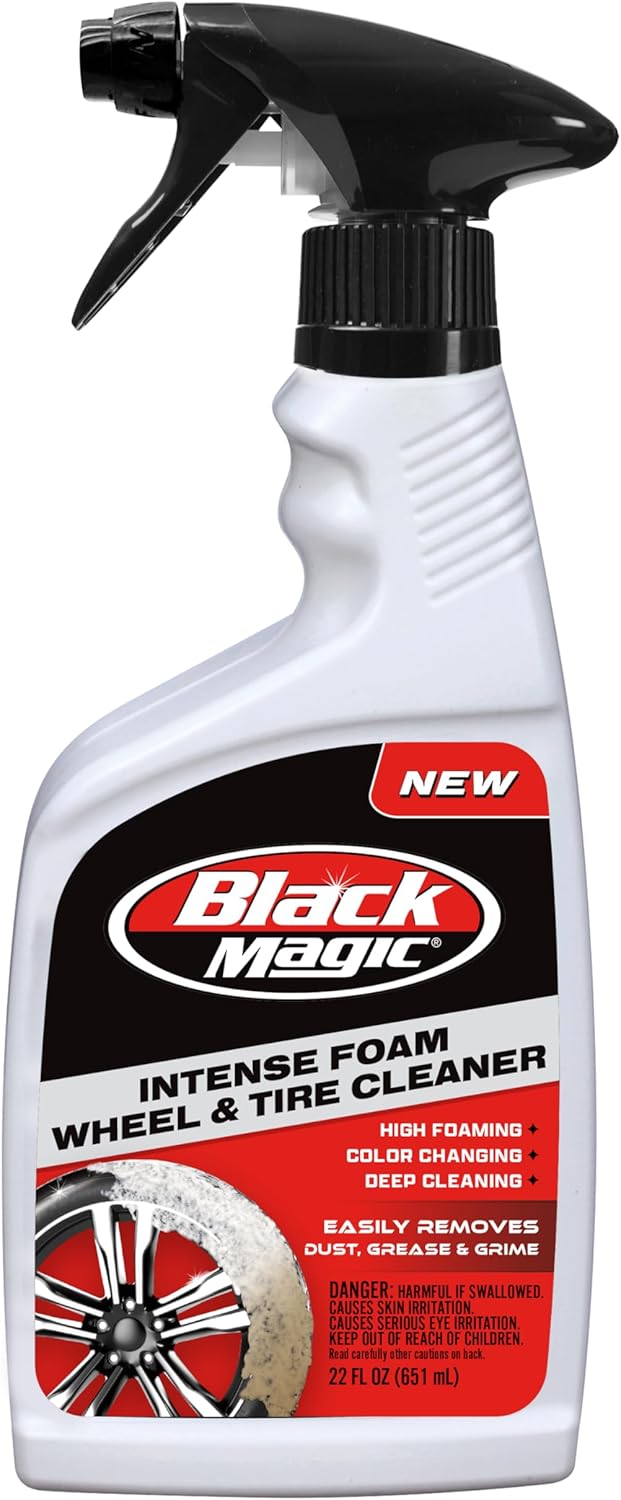
Black Magic Intense Foam Wheel & Tire Cleaner uses a high-foaming action to lift away dirt, grime, and brake dust without scrubbing. The color-changing formula helps show contaminants being dissolved as foam turns from white to brown. Safe for all wheel types and even wheel wells, it leaves a like-new, slick finish with a fresh cherry scent.
Daily Driving
For daily driving, properly sized offset wheels are usually the better long-term solution. They remove the extra spacer interface and reduce the number of parts that need inspection. That does not mean any lower-offset wheel is safe. The wheel must have the correct load rating, diameter, width, hub bore, bolt pattern, brake clearance, and lug seat type.
If you use spacers on a daily driver, keep the spacer thickness conservative. Avoid stacking spacers. Check torque after installation, inspect for vibration, and recheck the hardware after pothole impacts or seasonal tire changes.
Track Day Precision
Track driving rewards consistency. A one-piece wheel with the correct offset is usually preferred because it removes spacer flex, spacer hardware, and extra tolerance stack-up. That can help keep steering feedback and braking response more consistent during repeated high-load corners.
Spacers are still common in motorsport for fine tuning track width or clearing brake calipers, but they should be treated as setup hardware, not cosmetic hardware. Use motorsport-grade parts, correct studs or bolts, and frequent inspection intervals.
Off-Road Durability
Off-road driving adds impacts, mud, water, grit, and twisting loads. A lower-offset wheel can be more durable because it avoids another joint where dirt, corrosion, or clamping problems can develop. It also simplifies trail inspections.
Spacers can help clear larger tires from control arms or frame contact, but they also push the tire farther outward. That can increase fender rub, throw more debris along the body, and add leverage during rock impacts. Use the smallest spacer that solves the clearance problem.
Terrain Adaptability
- Use spacers when you need a reversible fitment test or small clearance adjustment.
- Use properly sized offset wheels when you want a permanent daily, track, or trail setup.
- Avoid extreme poke if you care about bearing life, steering feel, and tire coverage.
- Check full-lock steering and suspension compression before driving aggressively.
- Get an alignment after major wheel, tire, spacer, or suspension changes.
Pro Tip: Before buying wheels, test-fit with accurate measurements instead of guessing. Measure inner clearance, outer fender clearance, brake caliper clearance, hub bore, and current wheel offset.
The Hidden Costs: Spacers vs. Offset Rims Over Time
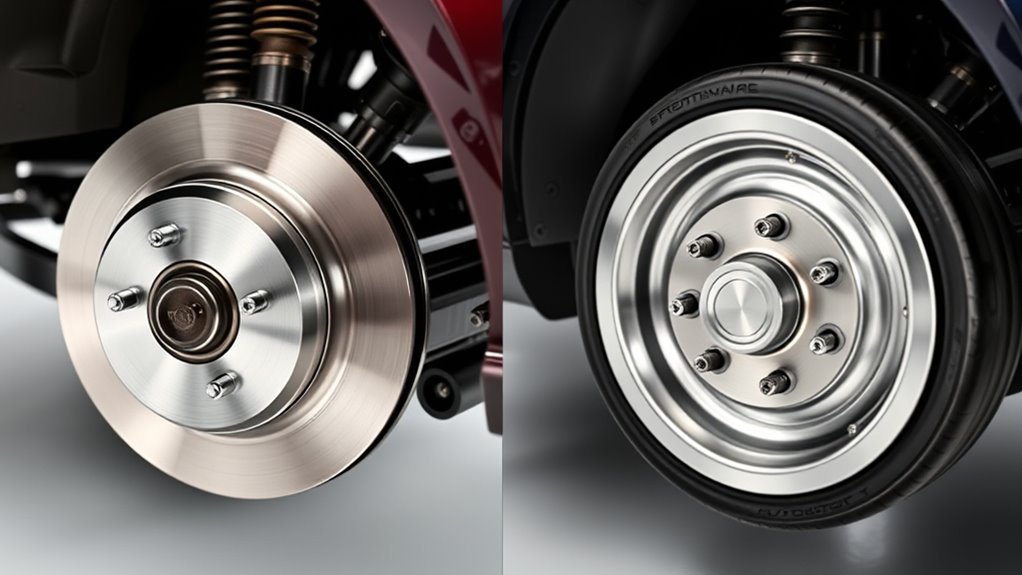
Wheel spacers often cost less upfront than new wheels. That is their biggest advantage. They let you correct mild fitment issues, test stance, or clear a brake upgrade without replacing a full wheel set.
The hidden cost is maintenance. Spacers require clean mounting surfaces, correct torque, proper thread engagement, and periodic inspection. If they cause vibration, uneven clamping, or accelerated component wear, the repair cost can quickly erase the initial savings.
Lower-offset wheels cost more at purchase, but they can be cheaper over time if they solve the fitment goal without extra hardware. The wheel still needs to be correctly rated for the vehicle, and the tire still needs to match the vehicle’s load and size requirements.
The wrong offset wheel can be expensive too. It can rub fenders, hit suspension parts, reduce turning clearance, change steering feel, and require body trimming or alignment correction. Do not assume new wheels are safer just because they avoid spacers.
Installation Reality Check: What Can Go Wrong
Most wheel spacer problems come from poor fitment, poor hardware, dirty mounting surfaces, or incorrect torque. The same basics also apply when installing new offset wheels.
Before installation, clean the hub face and wheel mounting face. Rust, dirt, paint buildup, or burrs can create false torque readings. Start lug nuts or bolts by hand to avoid cross-threading. Tighten in a crisscross pattern with a calibrated torque wrench, not only with an impact gun.
After installation, drive gently at first and listen for vibration, clicking, rubbing, or steering pull. If anything feels wrong, stop and inspect the setup before continuing.
Note: Many tire and wheel professionals recommend checking lug torque again after the first short driving period. Continental recommends checking after about 50 km when new or replacement wheels are mounted.
Common failure points include:
- Spacer not sitting flat: This can create vibration and uneven clamping force.
- Wrong center bore: A poor hub fit can cause vibration or poor centering.
- Insufficient stud length: Too little thread engagement reduces clamping security.
- Wrong lug nuts: The wrong seat type can damage wheels and reduce clamping force.
- Over-torque: Too much torque can stretch studs or damage threads.
- Under-torque: Too little torque can allow the wheel to loosen.
- No clearance check: Tires may rub under steering lock, bumps, or full suspension compression.
Match Your Setup to Your Driving Style
Choose the setup based on how you actually drive, not just how the vehicle looks parked.
Choose wheel spacers if you need a small, reversible change, you are testing future wheel specs, or you need minor brake or suspension clearance. Buy quality hub-centric spacers where appropriate, use correct hardware, and inspect them regularly.
Choose lower-offset wheels if you want a permanent setup, cleaner installation, fewer fastener interfaces, and a wheel built with the desired position from the start. This is usually the better route for daily drivers and track builds.
Avoid both options if the final tire position creates heavy rubbing, exposed tread outside legal limits, poor steering return, vibration, or a large change from the vehicle’s intended geometry. In those cases, the better answer may be a different tire size, wheel width, alignment setup, lift kit, fender modification, or simply a less aggressive stance.
The best fitment is not the widest one. It is the setup that clears the brakes and suspension, keeps the tire covered, maintains predictable steering, and keeps the hardware secure under the way you drive.
[Products Worth Considering]

This 1/2-inch drive breaker bar delivers powerful leverage for loosening and tightening stubborn lug nuts and automotive fasteners. The 180-degree flex head helps you reach tight spaces at the angle you need, making tire and brake jobs easier. A spring-loaded ball detent design holds 1/2-inch sockets securely while the chrome-moly head provides durable strength for everyday use.

This car D-wheel lock nut key provides an anti-theft solution for D-shaped wheel lock bolts, helping keep your wheels secure. It features a flower-shaped internal pattern that resists micro-adjustment theft while allowing removal and mounting of compatible locking nuts. Made for reliable performance under high torque, it’s easy to use with standard socket wrench turning for quick tire maintenance and emergency repairs.

The 22800 wheel stud installer makes replacing wheel studs quick and secure, saving time and effort during tire service. It uses a ratchet or impact wrench to pull new studs firmly into place, helping when existing studs are too long. Compatible with most automotive wheels and light-duty truck wheel studs, it’s designed for easy, tool-assisted installation.
Frequently Asked Questions
What offset is equivalent to a 2-inch spacer?
A 2-inch spacer equals about 50.8 mm of effective offset change. For example, a +35 mm wheel with a 2-inch spacer sits roughly like a -15.8 mm wheel with the same width. The exact outer position can also change if the replacement wheel is wider or narrower.
Are offset wheels safer than spacers?
Offset wheels are usually cleaner for a permanent setup because they avoid the extra spacer interface. However, they are only safe when the wheel size, load rating, hub bore, bolt pattern, lug seat, brake clearance, and tire clearance are correct for the vehicle.
Do wheel spacers damage wheel bearings?
Spacers can increase bearing stress when they move the tire centerline outward. A lower-offset wheel that creates the same final tire position can create a similar leverage change. The risk rises with aggressive spacing, heavy wheels, large tires, potholes, track use, and off-road impacts.
What are the disadvantages of offset rims?
The main disadvantages are cost, permanent fitment change, possible fender rub, possible suspension clearance issues, altered steering feel, changed scrub radius, and higher bearing leverage if the tire centerline moves far outward. You also need to confirm wheel load rating and brake clearance before buying.
Can you stack wheel spacers?
No. Stacking spacers adds extra mounting surfaces and increases the chance of poor clamping, vibration, or hardware failure. Use one correctly sized spacer or buy wheels with the offset you need.
Conclusion
Wheel spacers and lower-offset wheels both change fitment by moving the wheel outward. When they create the same final tire position, they can create similar changes to scrub radius, bearing leverage, and clearance. The difference is that spacers add another bolted interface, while offset wheels build the position into the wheel.
For a permanent daily-driver, track, or long-term off-road setup, properly sized offset wheels are usually the better choice. For temporary testing or small clearance corrections, quality hub-centric spacers can work when installed and maintained correctly. Either way, fitment should be measured, torqued, inspected, and aligned with the way you actually drive.
Sources
- NHTSA TireWise — tire size, tire loading, tire pressure, alignment, and tire safety guidance.
- Continental Tires: Retorquing Wheels — lug torque, retorque timing, and wheel-fastener safety guidance.
- Wheel Sizing Reference — wheel offset definition and how offset affects wheel position.
- Scrub Radius Reference — scrub radius definition and steering-geometry context.