
Center Bore on a Wheel: What It Is and Why It Matters
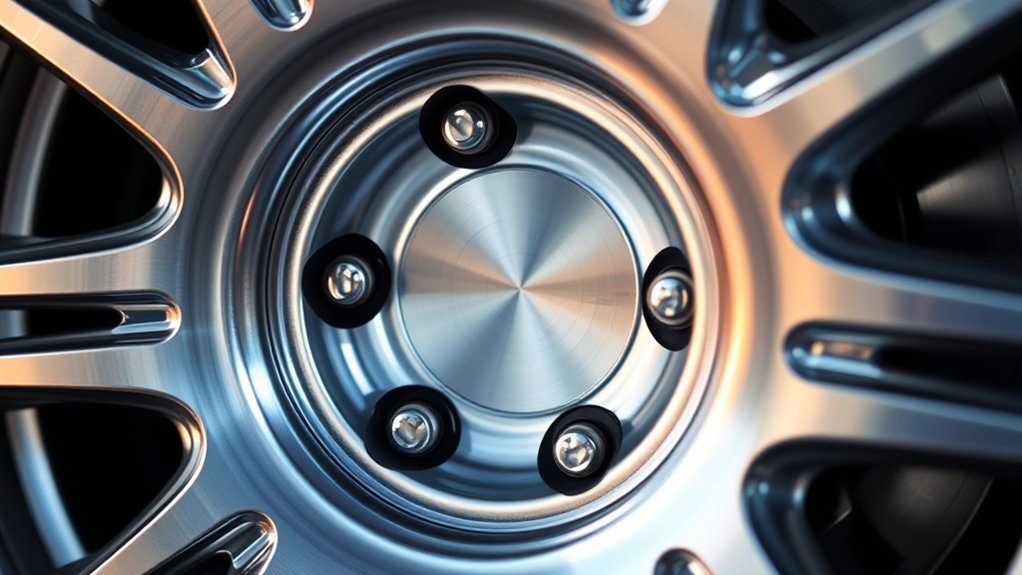
The center bore is the hole in the middle of a wheel that fits over the raised center of your vehicle’s hub. When that fit is correct, the wheel is easier to center during installation and is less likely to cause vibration. When it is wrong, you may run into fitment problems, steering-wheel shake, or an unsafe installation.
Quick Answer
A wheel center bore is the machined center opening that fits over the vehicle hub. The bore must be the same size as the hub or larger with the correct hub-centric ring. A smaller bore will not fit, and a poorly centered wheel can cause vibration.
Key Takeaways
- The center bore is the wheel opening; the hub bore or hub pilot is the raised center on the vehicle.
- A wheel with a smaller center bore than the hub will not mount correctly.
- A wheel with a larger center bore may need hub-centric rings to help center the wheel and reduce vibration.
- Hub-centric rings are sized by outer diameter and inner diameter: wheel center bore × vehicle hub diameter.
- Always confirm bolt pattern, offset, load rating, lug-seat type, brake clearance, and lug-nut torque before driving.
At a Glance
| Time Required | 5–10 minutes per wheel once the wheel is removed |
| Difficulty | Easy, but accuracy matters |
| Tools Needed | Digital or vernier caliper, clean rag, flashlight, wheel specs, and torque wrench for reinstallation |
| Cost | Usually $0 if you already have a caliper; hub-centric rings are commonly inexpensive but vary by size and material |
What Is a Center Bore and Why Is It Important?

The center bore is the machined opening on the back of the wheel. It lines up with the raised center of the vehicle hub, often called the hub pilot. Tire Rack explains that this opening helps position the wheel correctly on the hub as the lug hardware is tightened.
The center bore size is measured in millimeters. It is not universal across brands, models, or model years. For example, some Toyota passenger models use a 60.1 mm hub bore, while other Toyota vehicles use different sizes such as 54.1 mm, 106.1 mm, or larger. Always check your exact vehicle and wheel specifications instead of assuming by brand alone.
A correct center bore helps the wheel sit flat and centered. That matters because a wheel that is not centered can create vibration, especially at highway speeds. It can also make it harder to diagnose other issues such as tire imbalance, bent wheels, worn suspension parts, or incorrect lug hardware.
Note: The center bore is only one part of wheel fitment. A wheel also needs the correct bolt pattern, offset, width, diameter, load rating, lug-seat type, and brake clearance.
[Products Worth Considering]

Upgrade your wheels with MIKKUPPA M12x1.5 mag seat lug nuts built for secure, corrosion-resistant performance. These closed-end chrome lug nuts are a direct replacement for select Toyota models, including Camry, Corolla, RAV4, Sienna, Avalon, Highlander, Matrix, Venza, and Prius. Triple-chromium plating and cold-forged, heat-treated steel help deliver strength for daily driving and replacement needs.

These M14x1.5 closed-end chrome lug nuts are a one-piece replacement designed for secure fitment on compatible GM, Ford, and select Chrysler/Dodge models. Featuring a 60-degree conical seat and anti-rust chrome plating, they help resist corrosion and maintain a bright look for everyday driving. Built for long-term durability, they include OEM-style part references and are backed by 12 months of support.

Upgrade your wheels with MIKKUPPA closed-end lug nuts designed for reliable fit and corrosion resistance. The one-piece, cold-forged and heat-treated steel construction helps resist rust and stripping, while the integrated finish delivers a durable black appearance. Built to OEM standards with a conical 60-degree seat, these nuts provide a secure solution for compatible Ford, Honda, Jeep, and Chevrolet models.
How the Center Bore Affects Vehicle Performance
The center bore affects how accurately the wheel and tire assembly is centered on the hub. When the wheel is centered well, the tire rotates more smoothly. When the wheel is off-center, the driver may feel a shake through the steering wheel, seat, or floor.
This is why center bore problems are often confused with wheel-balance problems. A tire can be balanced on a machine and still vibrate on the road if the wheel is not centered correctly on the vehicle.
There are three common fitment situations:
- Center bore matches the hub: This is ideal for hub-centric fitment. The wheel fits closely over the hub pilot.
- Center bore is larger than the hub: The wheel may still mount, but a hub-centric ring may be used to fill the gap and help center the wheel.
- Center bore is smaller than the hub: The wheel will not fit over the hub and should not be forced onto the vehicle.
Warning: Never grind, file, or force a wheel center bore to make it fit. If a wheel does not seat flat against the hub, stop and have the fitment checked by a qualified tire or wheel professional.
Measuring Your Wheel’s Center Bore: A Step-by-Step Guide
Measuring the center bore is simple, but a small measuring error can lead to the wrong hub-centric ring or the wrong wheel purchase. Use millimeters and measure carefully.
Tools Needed For Measurement
For the most accurate result, use a digital or vernier caliper instead of a basic ruler. A ruler can help you estimate the size, but it is not ideal when you need a precise ring size.
- Digital or vernier caliper: Measures the wheel bore and hub pilot in millimeters.
- Clean rag or soft brush: Removes dirt, rust flakes, or debris before measuring.
- Flashlight: Helps you see the edge of the bore clearly.
- Vehicle and wheel specs: Use these to confirm your measurement before buying rings or wheels.
- Torque wrench: Needed when reinstalling the wheel to the vehicle’s torque specification.
Step-By-Step Measuring Process
- Remove the wheel safely. Park on level ground, use the correct jack points, and support the vehicle properly before removing any wheel.
- Clean the wheel bore and hub pilot. Dirt, corrosion, or old ring material can throw off your reading.
- Measure the wheel center bore. Place the caliper inside the wheel’s center opening and measure the inside diameter across the widest point.
- Measure the vehicle hub pilot. Use the caliper to measure the outside diameter of the raised hub lip on the vehicle.
- Record both numbers in millimeters. A hub-centric ring is sized as outer diameter × inner diameter. The outer diameter matches the wheel center bore; the inner diameter matches the vehicle hub.
- Confirm against a trusted fitment source. Compare your measurements with the wheel manufacturer’s spec sheet, the vehicle manual, or a reputable tire shop before ordering parts.
For example, a 73.1 mm to 67.1 mm hub-centric ring has a 73.1 mm outer diameter for the wheel bore and a 67.1 mm inner diameter for the vehicle hub. Discount Tire describes hub-ring sizing this same way: outer diameter to inner diameter.
Common Measurement Mistakes
- Measuring the wheel diameter instead of the center bore: The center bore is only the center opening, not the wheel’s overall diameter.
- Measuring across dirt or corrosion: Clean the surface first so the caliper touches metal or the actual ring seat.
- Using inches by accident: Wheel center bore sizes are normally listed in millimeters.
- Only measuring the wheel: You also need the vehicle hub diameter to choose the correct hub-centric ring.
- Assuming all trims are the same: Specs can vary by model year, trim, drivetrain, brake package, or wheel option.
Pro Tip: If the wheel already has a hub-centric ring installed, remove the ring before measuring the wheel’s actual center bore. Then measure the ring separately if you need to replace it.
Center Bore: Hub Centric vs. Lug Centric Wheels?
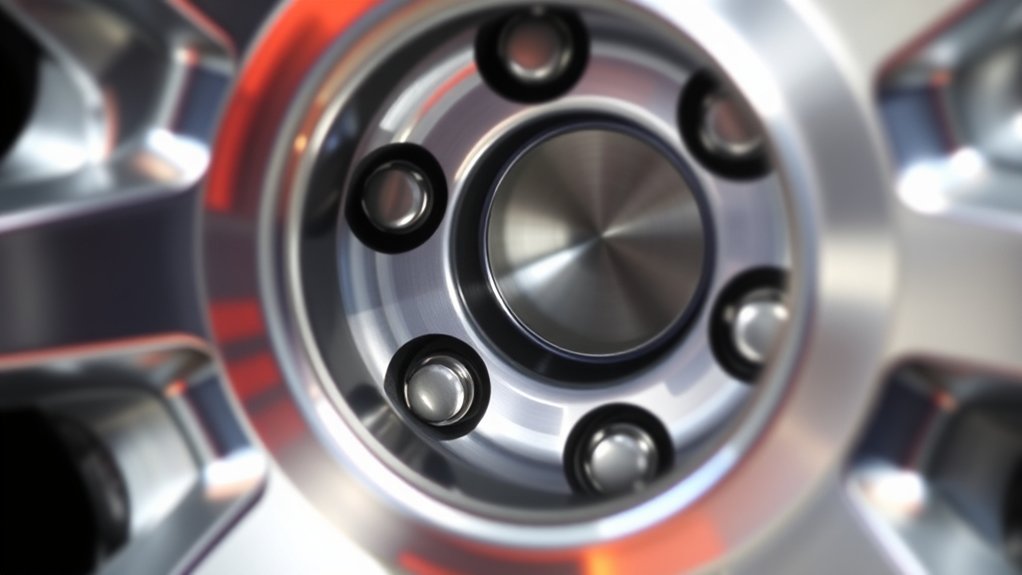
Hub-centric and lug-centric describe how the wheel is centered on the vehicle. Both designs can be safe when the wheel is made for the vehicle and installed correctly, but they center differently.
Hub Centric Advantages
A hub-centric wheel has a center bore that closely matches the vehicle hub. This helps center the wheel and tire assembly on the hub before and during tightening. Most original equipment wheels are hub-centric because they are designed for a specific vehicle application. Discount Tire describes hub-centric wheels as wheels whose center bore matches the vehicle hub.
Main advantages include:
- Easier centering during installation: The wheel naturally locates on the hub pilot.
- Lower chance of vibration from poor centering: A close fit helps the assembly rotate smoothly.
- Better fitment confidence: Vehicle-specific wheels are less likely to need extra centering parts.
Lug Centric Limitations
A lug-centric wheel is centered by the lug holes and lug hardware instead of the center bore. Many aftermarket wheels use a larger center bore so one wheel design can fit multiple vehicles. That larger bore is not automatically unsafe, but it does mean installation accuracy matters.
With lug-centric wheels, the lug nuts or bolts must be started by hand and tightened evenly in the correct pattern. Tire Rack notes that non-hubcentric wheels should be torqued with the vehicle off the ground so the hardware can center the wheel without the vehicle’s weight pushing it off center.
If the wheel accepts hub-centric rings, adding the correct ring can help center the assembly around the hub and reduce high-speed vibration.
How Hub Centric Rings Keep Your Ride Smooth
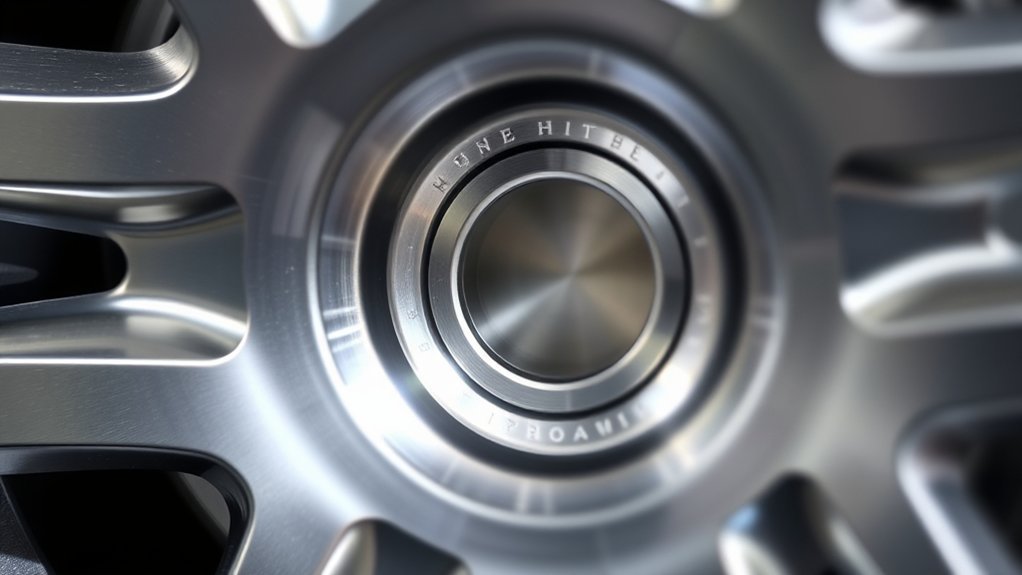
Hub-centric rings, also called hub rings or centering rings, fill the gap between a wheel’s larger center bore and the vehicle’s smaller hub pilot. Their job is to help center the wheel and tire assembly during installation.
They do not change the bolt pattern, offset, wheel load rating, or brake clearance. They also do not replace the job of properly torqued lug nuts or bolts. Discount Tire notes that hub-centric rings do not carry load, but they can help align and center the assembly and reduce vibration.
Hub-centric rings are usually listed in two numbers:
- Outer diameter: The wheel’s center bore size.
- Inner diameter: The vehicle hub diameter.
So, if your wheel has a 73.1 mm center bore and your vehicle hub is 67.1 mm, you would look for a 73.1 mm to 67.1 mm hub-centric ring.
Plastic vs. Aluminum Hub-Centric Rings
Both plastic and aluminum hub-centric rings are common. The right choice depends on the vehicle, wheel design, temperature, and how often the wheels are removed.
- Plastic rings: Often suitable for normal street use and less likely to corrode onto the hub.
- Aluminum rings: Better for high-heat or frequent wheel-removal situations, such as some motorsports use.
König recommends aluminum rings for high braking temperatures or frequent wheel removal, while noting that plastic rings are recommended for normal street applications.
Note: A hub-centric ring should sit flat and snug. If it rocks, binds, cracks, or prevents the wheel from sitting flush against the hub, do not drive on it.
Common Problems With Incorrect Center Bore Sizes
An incorrect center bore can cause several fitment and ride-quality problems. The exact symptom depends on whether the bore is too small, too large, or paired with the wrong ring.
[Products Worth Considering]

The Trivd Frol 1/2" air impact wrench delivers high performance torque up to 1500 ft-lbs with a twin hammer impact mechanism for strong, balanced blows. It features an ergonomic grip, compact lightweight design, and quick-stop control with 3 forward speeds up to 8000 RPM plus a reverse speed. Built for demanding automotive repair and tire shop work, the rear exhaust helps keep debris away from the surface.

This professional wheel and rim cleaning brush set lifts brake dust, grime, and dirt with soft, scratch-free microfiber and synthetic wool fibers. The rim brush bends up to 360 degrees for easy access to hard-to-reach areas around spokes, lips, and faces. Ideal for thorough cleaning of car, truck, motorcycle, bicycle, RV, and more wheel and tire surfaces.

This car D-wheel lock nut key provides an anti-theft solution for D-shaped wheel lock bolts, helping keep your wheels secure. It features a flower-shaped internal pattern that resists micro-adjustment theft while allowing removal and mounting of compatible locking nuts. Made for reliable performance under high torque, it’s easy to use with standard socket wrench turning for quick tire maintenance and emergency repairs.
Center Bore Too Small
If the wheel center bore is smaller than the vehicle hub, the wheel will not slide over the hub correctly. Do not force it. The correct fix is to use a wheel with the proper center bore or have a qualified wheel specialist confirm whether machining is safe for that specific wheel. Many wheels should not be modified.
Center Bore Too Large
If the center bore is larger than the hub, the wheel may mount but may not center itself on the hub. This can lead to vibration, especially at highway speeds. The usual fix is to install the correct hub-centric ring if the wheel design allows it.
Wrong Hub-Centric Ring Size
A ring with the wrong outer diameter may not seat in the wheel. A ring with the wrong inner diameter may not fit the hub or may leave play between the hub and wheel. Either problem can cause vibration or prevent the wheel from sitting flat.
Vibration After Installation
If vibration continues after correcting the center bore or installing rings, check other common causes:
- Tire or wheel imbalance
- Bent wheel
- Out-of-round tire
- Loose, damaged, or incorrect lug nuts or bolts
- Wrong lug-seat shape
- Rust or debris between the wheel and hub
- Worn suspension or steering parts
- Incorrect tire pressure or uneven tire wear
Popular Wheel Brands and Their Center Bore Specifications
Wheel brands do not all use one standard center bore. Some wheels are vehicle-specific, while others are made with larger bores so they can fit multiple vehicles with hub-centric rings. That is why you should always check the exact wheel part number, not just the brand name.
- Original equipment wheels: Usually built for one vehicle family, so the center bore often matches the hub without rings.
- Multi-application aftermarket wheels: Often use a larger center bore and rely on rings for vehicle-specific centering.
- Luxury and performance wheels: May use precise vehicle-specific bores or application-specific ring systems.
- Custom forged wheels: Can often be ordered with a center bore machined for the exact vehicle.
- UTV and off-road wheels: Some brands standardize hub bores by bolt pattern. For example, Valor Offroad lists 86 mm for 4×110, 112 mm for 4×137, and 132 mm for 4×156 UTV fitments in its guide.
The safest approach is to compare three things before buying: your vehicle hub diameter, the wheel center bore, and whether the wheel maker approves hub-centric rings for that wheel.
Best Practices for Wheel Installation
Correct wheel installation is just as important as correct center bore size. A wheel can have the right bore and still be unsafe if the hardware is wrong or the lug nuts are not torqued correctly.
- Test-fit before driving. The wheel should slide over the hub and sit flat against the mounting face.
- Clean the mating surfaces. Remove dirt, rust flakes, old ring pieces, and debris from the hub and wheel pad.
- Use the correct rings if needed. Confirm the ring’s outer diameter matches the wheel bore and the inner diameter matches the hub.
- Start lug nuts or bolts by hand. This helps prevent cross-threading.
- Tighten in a crisscross pattern. Even tightening helps the wheel seat properly.
- Use the vehicle’s torque specification. Tire Rack recommends using the proper torque spec, tools, and pattern for the vehicle make, model, and year.
- Avoid final-tightening with an impact gun. Impact guns can over-tighten or under-tighten hardware. Use a torque wrench for the final pass.
- Recheck after installation. Follow the wheel, tire shop, or vehicle manufacturer’s guidance for any re-torque interval.
Warning: Do not drive if the wheel does not sit flush, the hub ring is crushed, the lug nuts do not match the wheel seat, or you feel strong vibration immediately after installation.
Center Bore Fitment Checklist Before Buying Wheels
Before ordering wheels, confirm every item below. Center bore is important, but it is only one part of a safe fit.
- Vehicle hub diameter: The outside diameter of the hub pilot.
- Wheel center bore: The inside diameter of the wheel’s center opening.
- Hub ring size: Needed only when the wheel bore is larger than the hub and the wheel accepts rings.
- Bolt pattern: The number of lugs and the pitch circle diameter must match.
- Wheel offset: Incorrect offset can cause rubbing or clearance problems.
- Wheel width and diameter: Must work with the tire size and vehicle clearance.
- Load rating: The wheel must be rated for the vehicle’s weight.
- Lug-seat type: Ball seat, conical seat, mag seat, and other designs are not interchangeable.
- Brake clearance: Check caliper, rotor, and wheel-barrel clearance before driving.
- Torque spec: Use the vehicle manufacturer’s recommended torque for the correct hardware.
For overall tire safety, the National Highway Traffic Safety Administration also recommends paying attention to tire condition, tire pressure, load limits, and recalls. Wheel fitment and tire maintenance work together; neither one should be ignored.
Frequently Asked Questions
What happens if the center bore is too big?
If the center bore is larger than the vehicle hub, the wheel may not center itself on the hub. The wheel can usually still mount if the bolt pattern and other specs are correct, but you may need hub-centric rings to reduce vibration and help center the wheel during installation.
Can I use a wheel with a smaller center bore?
No. A wheel with a smaller center bore than the vehicle hub will not fit over the hub correctly. Do not force it onto the vehicle. Use the correct wheel or ask a qualified wheel specialist whether that specific wheel can be safely machined.
How do I know what hub-centric ring size I need?
Measure the wheel center bore and the vehicle hub diameter in millimeters. The ring’s outer diameter should match the wheel center bore, and the inner diameter should match the vehicle hub. For example, a 73.1 mm wheel bore and 67.1 mm hub need a 73.1 to 67.1 ring.
Are plastic or aluminum hub-centric rings better?
Plastic rings are commonly used for normal street driving because they do not corrode onto the hub as easily. Aluminum rings can be better for high-heat or frequent wheel-removal situations, but they may need anti-seize to reduce corrosion risk.
Do hub-centric rings make wheels safer?
Hub-centric rings help center a wheel when the wheel bore is larger than the hub. They can reduce vibration, but they do not carry the vehicle’s load and do not replace correct lug hardware, proper torque, load rating, or brake clearance.
Can the wrong center bore cause vibration even after balancing?
Yes. A tire and wheel assembly can be balanced but still vibrate on the vehicle if the wheel is not centered on the hub. If vibration remains after balancing, check the center bore, hub rings, lug-seat type, wheel condition, tire condition, and torque.
Conclusion
The center bore may look like a small detail, but it plays a big role in how well a wheel centers on the vehicle. The best setup is a wheel bore that matches the hub. If the wheel bore is larger, the correct hub-centric ring can help center the wheel and reduce vibration. If the bore is smaller, the wheel is not a safe fit.
Before installing or buying wheels, confirm the center bore, hub diameter, bolt pattern, offset, load rating, lug-seat type, brake clearance, and torque specification. When in doubt, measure with a caliper and have a professional tire or wheel shop verify the fitment before driving.
Sources
- Tire Rack — What Is a Wheel Centerbore? — Supports the definition of center bore, centering function, vibration reduction, and centering rings.
- Discount Tire — What Are Hub-Centric Rings? — Supports hub-ring purpose, sizing, and the note that rings do not carry load.
- Discount Tire — Hub-Centric vs. Lug-Centric Wheels — Supports hub-centric and lug-centric definitions.
- Tire Rack — How Do I Properly Torque My Wheel Lug Nuts or Bolts? — Supports torque, tightening pattern, clean dry threads, and installation safety guidance.
- König Wheels — Aluminum Hub Ring Set — Supports plastic vs. aluminum hub-ring use cases and installation cautions.
- NHTSA TireWise — Supports broader tire-safety context, tire maintenance, and vehicle-safety awareness.
[Products Worth Considering]

This 3-piece wheel brush set makes it easy to clean wheels and tires with soft, scratch-free brushes designed for lifting brake dust and grime. The flexible rim brush bends up to 360 degrees to reach hard-to-access areas for a thorough clean, while the comfortable grip helps control during detailing. A dedicated detailing brush supports gentle cleaning for sensitive surfaces, including interior use.

This 1/2-inch drive breaker bar delivers powerful leverage for loosening and tightening stubborn lug nuts and automotive fasteners. The 180-degree flex head helps you reach tight spaces at the angle you need, making tire and brake jobs easier. A spring-loaded ball detent design holds 1/2-inch sockets securely while the chrome-moly head provides durable strength for everyday use.

This metal-free wheel and tire cleaning brush uses dense, fluffy synthetic wool to safely clean rims, spokes, fenders, and engine areas without worrying about damaging surfaces. Its flexible, comfortable design helps you reach detailed areas while maintaining durability, and the extra absorbent fibers work well with wheel spray cleaners for faster cleanup. Reusable and washable performance helps prevent grime and build-up for cleaner vehicles and easier maintenance at home.

Related Articles

Best Toyota 4Runner Tires Under $150 2026 – Top Budget All-Terrain Tires
You use your Toyota 4Runner for a mix of highway miles and off-road adventures, so choosing capable all‑terrain tires that cost less than $150…
Read More
Best Budget Tires for Toyota 4Runner 2026 – Top Affordable Performance Tires
You rely on your Toyota 4Runner for a mix of daily driving and weekend adventures, and the tires you choose shape safety, comfort, and…
Read More
Best On Road All Terrain Tires for Toyota 4Runner 2026 – Top Highway-Friendly A/T Tires
You want all-terrain tires that let your 2026 Toyota 4Runner feel planted and quiet on the highway while still offering capable off-road traction when…
Read More