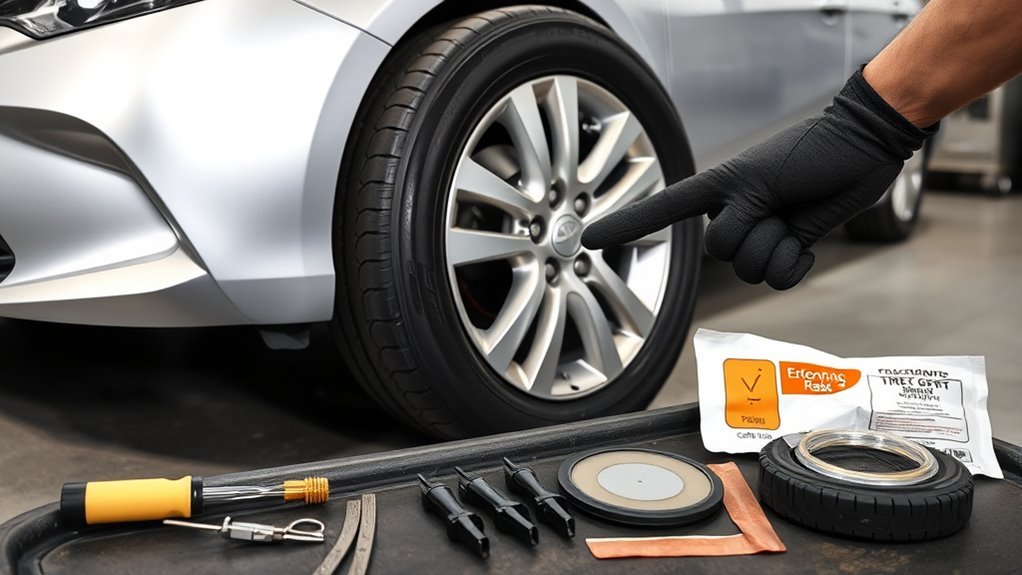
For your Toyota Camry, the safest long-term tire repair is usually not a plug alone or a patch alone. It is a professional plug-patch combination installed from inside a dismounted tire, but only when the puncture is small, straight, and in the repairable tread area. A simple outside plug can help in an emergency, but it should be treated as a temporary way to get to a tire shop, not as the final repair.
Quick Answer
For a Toyota Camry tire, a professional plug-patch repair is safest for a repairable tread puncture up to 1/4 inch or 6 mm. A plug alone is only a temporary roadside fix. Do not repair sidewall damage, shoulder damage, overlapping punctures, or a tire worn to the treadwear indicators.
Key Takeaways
- A plug-patch combination is the preferred long-term repair because it fills the puncture channel and seals the inner liner.
- A plug alone may get you off the roadside, but it is not the same as a proper permanent repair.
- Repairable punctures must be in the tread area and no larger than 1/4 inch or 6 mm.
- Sidewall damage, shoulder damage, bulges, cracks, overlapping repairs, or worn-out tread usually mean replace the tire.
- After any repair, check pressure when cold and watch for slow leaks, vibration, or a returning TPMS warning.
At a Glance
| Time Required | Emergency plug: usually minutes. Proper plug-patch repair: shop time varies because the tire must be removed, inspected, repaired, remounted, and checked for leaks. |
| Difficulty | Plug-only roadside repair is basic but temporary. A correct plug-patch repair should be done by a trained tire technician. |
| Tools Needed | For roadside safety: tire pressure gauge, compressor, spare tire, or roadside assistance. For permanent repair: tire machine, inspection tools, buffing tools, repair cement, plug-patch unit, and leak-check equipment. |
| Cost | DIY plug kits are usually cheaper upfront, but a professional repair adds inspection and labor. Replacement is required if the damage is outside safe repair limits. |
Plug or Patch: What’s Safer for a Camry?
For a Camry tire with a repairable puncture, the safest choice is a professional plug-patch repair. That matters because a plug and a patch solve two different problems. The plug portion fills the puncture channel left by the nail or screw. The patch portion seals the inner liner so the tire can hold air properly.
The U.S. Tire Manufacturers Association says repairable punctures should be limited to the tread area and no greater than 1/4 inch or 6 mm, and the tire must be removed from the rim for inspection. The Tire Industry Association also explains that a plug alone or patch alone is not a complete proper repair.
So the real answer is not simply “plug or patch.” For long-term safety, choose a shop repair that fills the injury and seals the inner liner. Use a plug-only repair only when you need a short-term emergency fix and can drive carefully to a tire professional.
Warning: Do not keep driving on a tire that is losing air, bulging, vibrating, showing sidewall damage, or triggering the TPMS warning again after inflation. Install the spare if your Camry has one, slow down, or call roadside assistance.
What Is a Tire Plug?
A tire plug is a sticky rubber strip or stem inserted into a puncture from the outside of the tire. It can slow or stop air loss after a small nail or screw puncture in the tread area. That makes it useful when you are stranded and need to get moving again.
The downside is that a plug-only repair does not require removing the tire from the wheel. That means no one has inspected the inside of the tire for damage caused by underinflation, heat, sidewall rubbing, or the object that entered the tire. A plug may also fail to seal the inner liner properly.
Use a plug as a temporary emergency repair, not as your best long-term fix. After plugging a tire, drive conservatively, check pressure often, and schedule a professional internal inspection as soon as practical.
What Is a Tire Patch?
A tire patch is a flat repair unit applied to the inside of the tire. It seals the inner liner, which helps stop air from leaking through the injury. A patch is stronger than a plug-only roadside repair because the tire has to come off the wheel, giving the technician a chance to inspect the inner liner, sidewall, bead area, and casing.
However, a patch by itself is not the full industry-preferred repair. A patch seals the inside, but it does not fill the puncture channel through the tread. That open channel can let moisture reach the tire body and steel belts. That is why the best repair for a qualifying puncture is usually a one-piece or two-piece plug-patch combination.
The Best Long-Term Repair Is a Plug-Patch Combination
A proper plug-patch repair does two jobs at once:
- Fills the injury channel so water and debris cannot keep entering the puncture path.
- Seals the inner liner so the tire can hold air and reduce leak risk.
- Requires tire removal so the technician can inspect hidden internal damage.
- Confirms repairability before money is spent on a tire that should be replaced.
Ask the tire shop a direct question: “Will you remove the tire and install a plug-patch repair from the inside?” If the answer is only “we’ll plug it from the outside,” treat that as temporary roadside-level service, not a full repair.
Note: Some run-flat tires, foam-lined tires, sealant-filled tires, and tires with previous repairs may have manufacturer-specific limits. When in doubt, follow the tire manufacturer’s repair policy.
When Does a Tire Plug Make Sense?
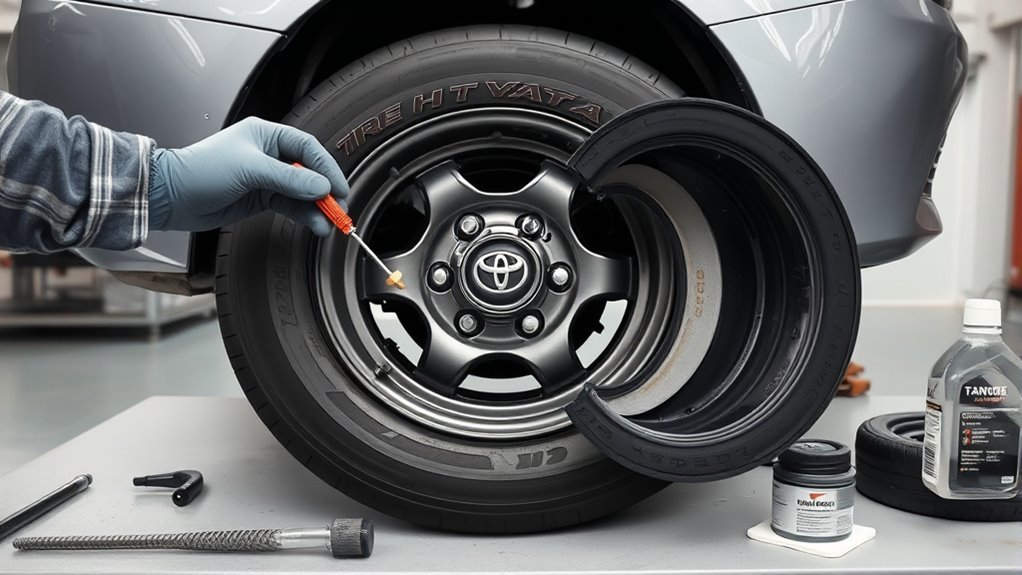
A tire plug makes sense when your Camry has a small tread puncture, you are losing air, and you need a short-term way to reach a safer place or a repair shop. It is most reasonable for a straight nail or screw puncture in the tread, not for slices, jagged holes, shoulder damage, or sidewall damage.
Small Tread Punctures
A plug may help when the hole is in the center tread area and no larger than 1/4 inch or 6 mm. Before using one, make sure the tire is not flat from sidewall damage, bead damage, or a large cut. If the tire was driven while severely underinflated, do not assume a plug makes it safe. Internal damage may already be present.
Roadside Emergency Fixes
For roadside emergencies, a plug can be useful because it is quick and requires fewer tools than removing and patching the tire. After the plug holds air, inflate the tire to the cold pressure listed on the Camry’s driver-door placard or owner’s information, then drive slowly and avoid long highway trips until the tire is inspected.
Temporary Repair Limits
A plug-only repair has limits:
- It does not inspect the inside of the tire.
- It does not seal the inner liner as completely as a proper internal repair.
- It can loosen, leak, or fail if the puncture angle is irregular.
- It is not safe for sidewall, shoulder, large, or multiple-damage cases.
Think of a plug as a way to regain mobility, not as proof the tire is healthy.
Why Are Plug-Patch Repairs Safer?
A plug-patch repair is safer because it addresses the whole injury. It fills the hole through the tread and seals the tire from the inside. Just as important, it forces the technician to remove the tire and inspect for damage that cannot be seen from outside.
Stronger Internal Seal
The inner liner is what helps a tubeless tire hold air. A proper internal repair seals that liner instead of only blocking the outside of the tread. That reduces the chance of slow leaks and repeat pressure loss.
Better Long-Term Reliability
When the puncture qualifies and the repair is installed correctly, a plug-patch repair is more reliable than a plug-only repair. It also gives the technician a chance to reject the repair if the tire has hidden liner damage, sidewall damage, excessive tread wear, or signs it was driven flat.
NHTSA reported 511 deaths in tire-related crashes in 2024. A questionable tire repair is not worth the risk when replacement is the safer call.
How Do Tire Plug and Patch Repairs Compare?
| Repair Type | Best Use | Main Limitation |
| Plug only | Temporary roadside mobility for a small tread puncture | No internal inspection and not a complete permanent repair |
| Patch only | Sealing the inner liner as part of a repair process | Does not fill the puncture channel by itself |
| Plug-patch combination | Best long-term repair for a qualifying tread puncture | Requires tire removal and a trained repair process |
| Replacement | Sidewall damage, shoulder damage, large punctures, worn tread, or internal damage | Costs more, but avoids driving on an unsafe tire |
[Products Worth Considering]

Use this tire repair rubber screw kit for fast, self-service flat fixes on the road. Choose the matching short or long nail size and twist it into the puncture without removing the tire from the rim. Compact storage keeps the emergency set organized for cars, motorcycles, electric bikes, and bicycles, helping you seal tubeless leaks quickly and reliably.

AUTOWN’s 68-piece tire repair kit helps you fix punctures and plug flats quickly and effectively. It includes a T-handle and spiral probe tool for easy insertion, while the steel patch and plug materials are designed for strong adhesion and long-lasting airtight performance. The compact case makes it convenient for roadside repairs across a wide range of vehicles.

Wykodra tire plugs provide quick vulcanizing repairs for tubeless tires, helping you seal punctures and get back on the road. The industrial-strength rubber creates a long-lasting, leak-resistant bond and is designed for emergency fixes without removing the tire. Choose between two standard plug sizes with color-matched options for small to larger damage across many vehicles and off-road uses.
How Much Do Tire Repairs Cost?
Tire repair cost depends on the shop, local labor rates, tire size, wheel type, and whether the tire needs balancing, a new valve stem, TPMS service, or replacement. A DIY plug kit usually costs less than a professional repair, but it does not include internal inspection. A shop repair costs more because the technician must remove the tire, inspect it, prepare the injury, install the repair unit, remount the tire, inflate it, and check for leaks.
Do not choose the cheapest option if the repair method is unsafe. A low-cost plug that keeps leaking can waste time and may hide damage that should have led to replacement.
Pro Tip: Before approving the repair, ask whether the shop will demount the tire, inspect the inner liner, and use a plug-patch repair unit. Those three answers tell you more than the price alone.
[Products Worth Considering]
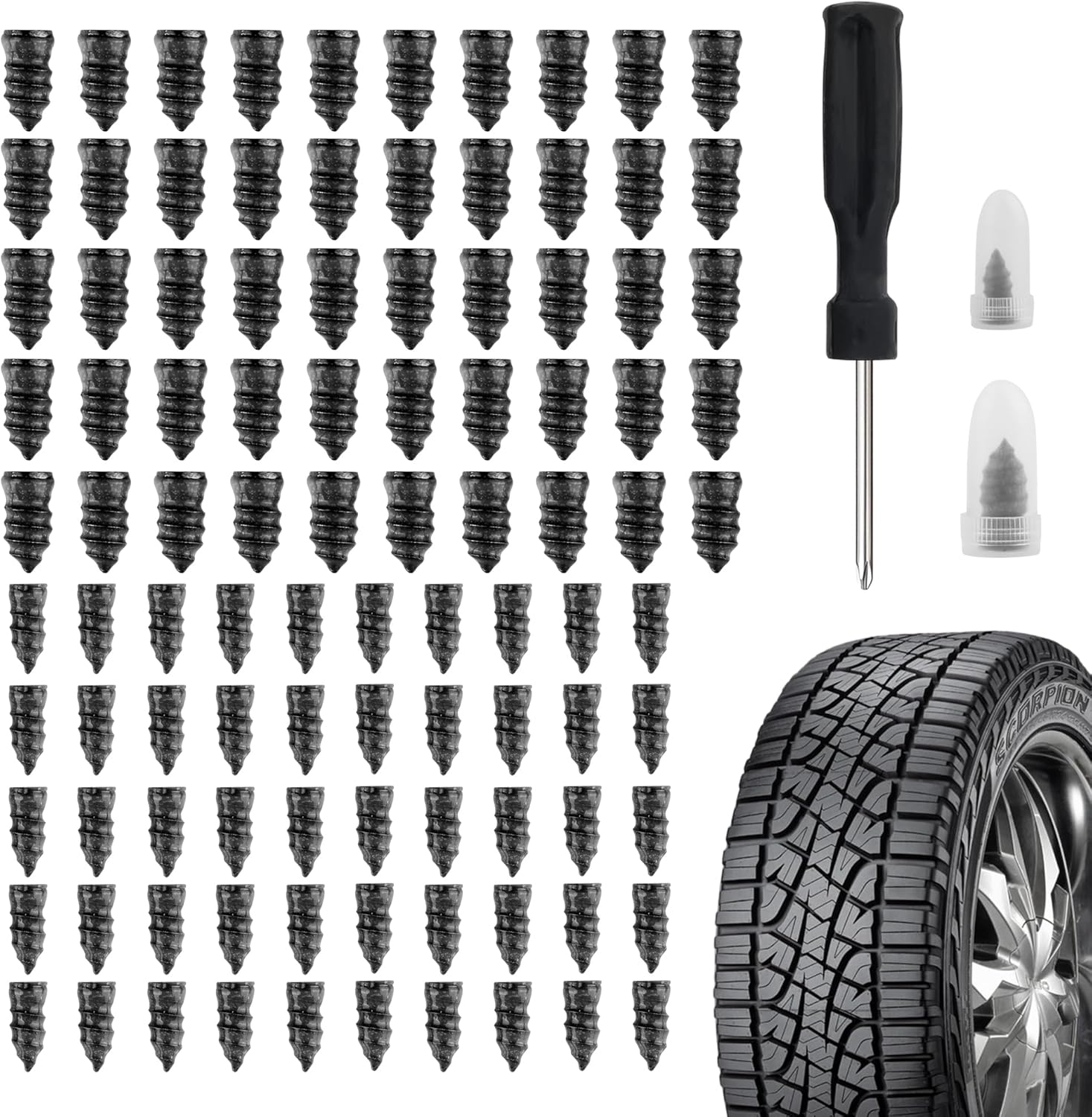
Salior’s tire plug kit provides a fast, reliable self-service fix for punctured or leaking tires without the need for flaring tools. Choose the correct plug size, then screw the nail into the puncture using the included screwdriver for an enhanced seal. The set is durable and convenient for on-the-go maintenance across multiple vehicle types.
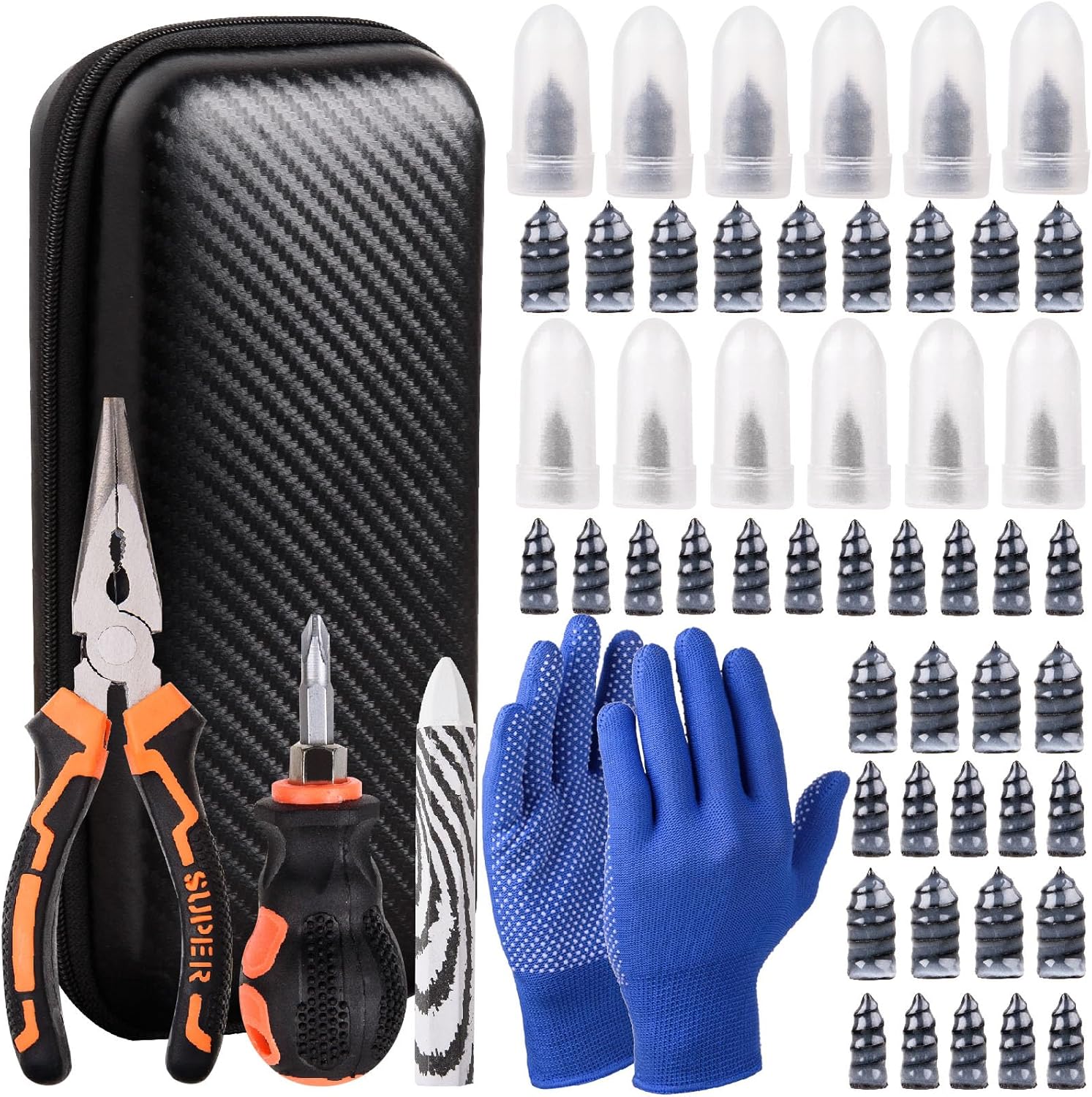
This tire sidewall puncture repair kit fixes flats fast without removing the tire, helping you get back on the road in minutes. It includes self-tapping repair nails, essential tools, gloves, and a portable storage bag for convenient roadside use. Designed for tubeless tires, it helps create a tight, leak-resistant seal for cars, motorcycles, trucks, SUVs, and ATVs.

Vigorder rubber cement glue delivers superior adhesion and cures quickly within about 30 seconds for seamless rubber bonding. Once cured, it helps provide a strong, durable, waterproof seal that holds up to vehicle weight, pressure, and heat. Suitable for cars, motorcycles, trucks, bicycles, and off-road tires, it’s designed for emergency patch and maintenance repairs.
When Should You Not Repair a Tire?
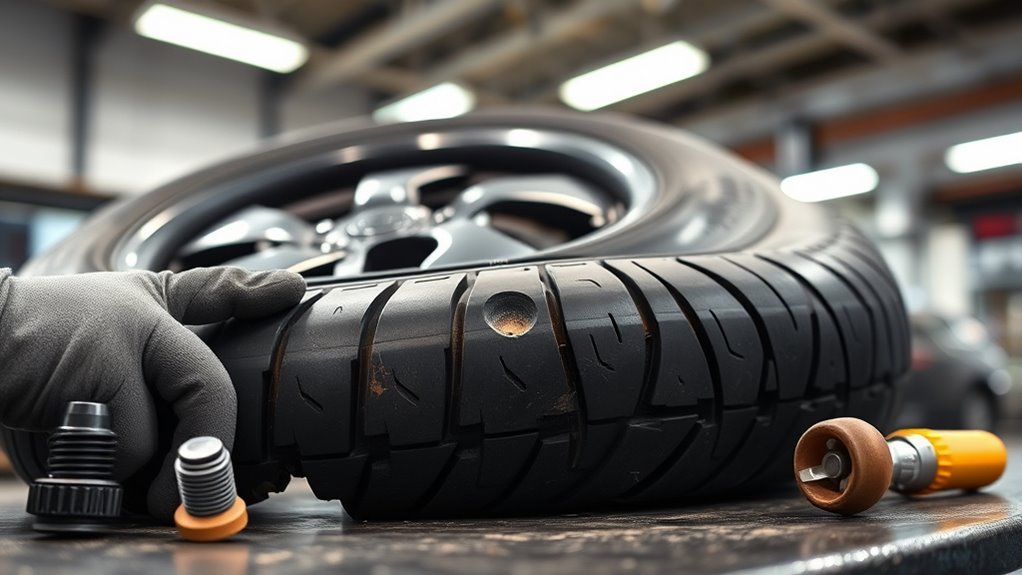
You should not repair a Camry tire just because it still holds some air. Some damage makes the tire unsafe even if the puncture looks small from the outside.
Sidewall And Shoulder Damage
Do not repair punctures, cuts, bubbles, or cracks in the sidewall or shoulder area. Those parts flex heavily and are outside the approved repair zone for standard passenger-tire puncture repairs. Replace the tire instead.
Large Or Multiple Punctures
Do not repair a puncture larger than 1/4 inch or 6 mm. Also avoid repairs that overlap, punctures that sit too close together, or damage that enters at an angle toward the shoulder. These conditions can weaken the tire body and raise the risk of air loss or tire failure.
Worn Tread Or Hidden Internal Damage
A tire worn to the treadwear indicators or down to 2/32 inch should be replaced, not repaired. You should also replace the tire if the technician finds inner liner damage, exposed cords, belt damage, bead damage, sidewall scuffing from driving flat, or any bulge.
Which Tire Repair Is Best for a Camry?
For most Toyota Camry drivers, the best repair choice is:
- Use a plug only when you need a temporary emergency fix for a small tread puncture.
- Use a professional plug-patch for a long-term repair if the puncture qualifies.
- Replace the tire if the puncture is in the sidewall or shoulder, larger than 1/4 inch or 6 mm, overlapping another repair, or on a worn or internally damaged tire.
This guidance applies to the tire, not just the Camry. Whether your Camry is gas, hybrid, front-wheel drive, or all-wheel drive, the puncture location, tire condition, and repair method matter most.
How to Check If Your Camry Tire Is Repairable
Use this quick checklist before you approve a repair:
- Location: Is the puncture in the center tread area, away from the shoulder and sidewall?
- Size: Is the injury 1/4 inch or 6 mm or smaller?
- Shape: Is it a simple nail or screw puncture rather than a slice, tear, or jagged hole?
- History: Was the tire driven while flat or severely underinflated?
- Tread: Is the tire above the treadwear indicators and above 2/32 inch?
- Previous repairs: Will this repair overlap or sit too close to another repair?
- Inspection: Will the shop remove the tire and inspect the inside before repairing it?
If any answer is questionable, replacement is usually safer than gambling on a marginal repair.
[Products Worth Considering]

This self-service tire repair nail kit includes 60 pieces (30 small + 30 large) to help seal punctures quickly without needing an auto shop visit. The nails are designed to fit different hole sizes and provide a tight connection with sealing glue to help prevent air and water intrusion. Suitable for cars, motorcycles, trucks, and other vehicles, it’s an easy, efficient way to patch roadside tire damage.

TP-M13W combination repair unit kit includes wrapped stems with matching patches for fast, reliable tire repairs. It’s suitable for both radial and bias ply tires and is designed for chemical or heat vulcanization. Gray vulcanizing gum with blue backing helps create a strong bond, with the stem portion wrapped for added effectiveness.

The GRAND PITSTOP tubeless tire gun puncture repair kit quickly seals tire injuries without removing the tire, making it an easy DIY solution for flats and punctures. The mushroom plug technology grips from inside to help prevent air loss, while the portable design suits cars and motorcycles, including long-distance travel. Ideal for roadside reliability and everyday maintenance when you want fast, dependable sealing performance.
How to Keep Your Camry Tires Safe
After a repair, tire safety depends on pressure, tread, and follow-up checks. The National Highway Traffic Safety Administration recommends checking tire pressure at least once a month when the tires are cold and using the pressure listed on the driver-door label or in the owner’s manual, not the maximum pressure molded into the tire sidewall.
Check tread depth and look for cuts, cracks, bulges, vibration, or uneven wear. Toyota’s Camry tire guidance also points owners to treadwear indicators and scheduled rotation or replacement. If your Camry’s TPMS warning returns after a repair, do not ignore it. Recheck pressure and have the tire inspected for a slow leak.
Rotation intervals vary by model year, tire type, and driving conditions, so follow your Camry maintenance guide first. As a general rule, NHTSA says to follow the owner’s manual and rotate tires every 5,000 to 8,000 miles if the manufacturer recommends it.
Frequently Asked Questions
Which is better for tire repair, plug or patch?
For a long-term repair, neither a plug alone nor a patch alone is the best choice. A proper plug-patch combination is better because it fills the puncture channel and seals the inner liner. Use a plug alone only as a temporary emergency fix.
Which tire repair method is safest for a Toyota Camry?
The safest method for a qualifying Camry tire puncture is a professional plug-patch repair installed from inside a dismounted tire. The puncture must be in the tread area, no larger than 1/4 inch or 6 mm, and the tire must pass internal inspection.
How long does a plug-patch last on a tire?
A correctly installed plug-patch can last a long time if the tire was repairable and remains in good condition. It should still be monitored for pressure loss, vibration, uneven wear, and age-related cracking.
Can I drive on a plugged Camry tire?
You can drive carefully on a plug-only repair long enough to reach a safe place or tire shop if it holds pressure, but do not treat it as a permanent repair. Avoid high speed, long trips, heavy loads, and aggressive driving until the tire is inspected.
Can a sidewall puncture be patched or plugged?
No. Sidewall and shoulder damage should not be patched or plugged. Those areas flex too much and sit outside the approved repair zone. Replace the tire instead.
Conclusion
For your Camry, the safest repair is a professional plug-patch combination when the puncture is small, straight, and located in the repairable tread area. A plug alone can help you escape a roadside problem, but it is temporary. A patch alone seals the inside but does not fill the puncture path. If the tire has sidewall damage, shoulder damage, a puncture larger than 1/4 inch or 6 mm, worn tread, internal damage, or overlapping repairs, replace it. Tires are the only part of your Camry touching the road, so choose the repair that protects pressure, structure, and control.
Sources
- U.S. Tire Manufacturers Association — Tire Repair Basics — backs repairable puncture size, tread-area limits, internal inspection, and plug-patch guidance.
- Tire Industry Association — Tire Repair — backs demounting, inner inspection, plug-only/patch-only limitations, sidewall limits, and 2/32-inch tread rule.
- NHTSA TireWise — backs tire pressure checks, tread checks, rotation guidance, and tire-related crash safety context.
- Toyota Owners — 2025 Camry Tires — backs Camry tire inspection, treadwear indicators, and following maintenance schedules for tire rotation or replacement.