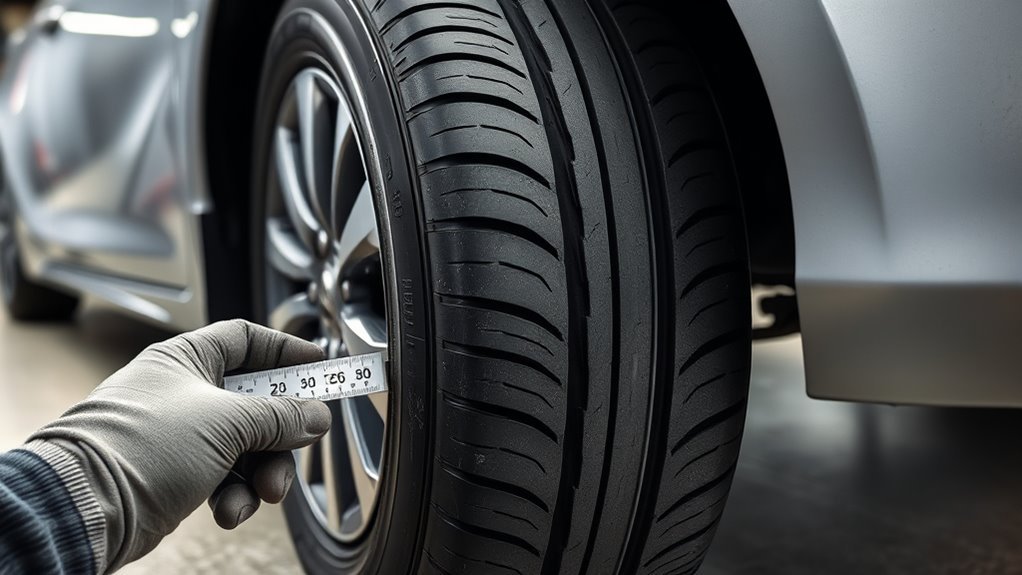
Choosing the right tires for a high-mileage Toyota Camry comes down to more than picking a familiar brand. You need the correct factory size, the right load index and speed rating, strong wet traction, quiet highway manners, and a treadwear warranty that matches how you drive. Start with the Tire and Loading Information Label on your driver’s door jamb, then compare touring all-season or all-weather tires that fit your exact Camry trim.
Quick Answer
The best tires for a high-mileage Toyota Camry are long-wearing touring all-season or all-weather tires in the exact OEM size. Strong choices include Yokohama AVID Ascend LX, Michelin Defender2, Goodyear Assurance MaxLife, and Pirelli Cinturato WeatherActive, depending on your climate, budget, and winter traction needs.
Key Takeaways
- For a high-mileage Camry, prioritize tread life, wet traction, ride comfort, and correct OEM fitment.
- Check your driver’s door jamb or owner’s manual for the exact tire size, load index, speed rating, and cold tire pressure.
- Touring all-season tires work best for mild climates, while all-weather tires add stronger snow traction.
- Treadwear warranties are helpful, but they depend on rotation records, alignment, inflation, and normal highway use.
- Rotate tires every 5,000–8,000 miles if your owner’s manual recommends it, and inspect tread and pressure monthly.
What Camry Drivers Need From Tires
High-mileage Camry drivers usually need tires that stay quiet, wear evenly, and remain predictable in rain. A Camry is not a heavy truck or sports car, so most drivers get the best balance from touring all-season tires rather than aggressive performance tires.
The main buying goal is consistency. A good Camry tire should track straight on the highway, resist uneven shoulder wear, stop confidently on wet pavement, and avoid harsh road noise as the miles build. That matters more than oversized looks or a low sale price.
Warning: Do not buy tires by size alone. The replacement tire should match or exceed the original load index and speed rating shown on your door placard, current tire sidewall, or owner’s manual.
The National Highway Traffic Safety Administration recommends checking the owner’s manual or Tire and Loading Information Label for the correct size and pressure. Toyota also provides owner’s manuals through its Toyota Manuals and Warranties portal, which is useful if you bought your Camry used and no longer have the paper manual.
Camry Tire Sizes That Fit Right
Your Camry tire size depends on model year, trim, wheel package, and whether the car is a standard gas model or hybrid. Common Camry sizes include 215/60R16, 215/55R17, 225/45R18, and 235/40R19, but you should treat those as examples, not a universal fit list.
Note: The safest tire size is the one Toyota specifies for your exact car. Check the driver’s door jamb label before ordering, especially if your Camry has aftermarket wheels.
The three numbers in a tire size are only part of the fitment. For example, a 215/55R17 tire tells you width, sidewall ratio, and wheel diameter. You still need the load index and speed rating. Those ratings help confirm the tire can safely carry the Camry’s weight and handle the vehicle’s intended speed range.
Avoid “almost right” fitment. A tire with a noticeably different overall diameter can affect speedometer accuracy, ABS behavior, traction control calibration, and fender clearance. If you want to change wheel or tire size, use a tire professional who can verify overall diameter, rim width, offset, clearance, and load rating.
Best Camry Tires by Driving Need
The best tire depends on how and where you drive. A commuter in a warm climate needs a different tire than a driver who sees freezing rain, slush, and occasional snow.
| Driving Need | Best Tire Type | Good Options to Compare |
| Long highway commuting | Touring all-season | Yokohama AVID Ascend LX, Michelin Defender2, Goodyear Assurance MaxLife |
| Rain-heavy driving | All-season with strong wet traction | Yokohama AVID Ascend LX, Michelin Defender2 |
| Cold weather and light snow | All-weather tire with 3PMSF rating | Pirelli Cinturato WeatherActive |
| Quiet ride priority | Comfort-focused touring tire | Michelin Defender2, Yokohama AVID Ascend LX |
| Lowest upfront cost | Value all-season with proper ratings | Compare budget brands only after confirming load rating, speed rating, tread date, and wet traction grade |
[Products Worth Considering]

Monitor tire tread wear with a smart, color-coded depth gauge that shows clear condition ranges at a glance. The bar is range marked for fast, easy readings, helping you maintain safer traction and performance. Each gauge is portable with a pocket clip, and the set includes 20 units for daily use and sharing.

These universal tire valve stem caps help protect valve cores from dust, debris, and moisture while helping maintain stable tire pressure. The corrosion-resistant metal construction and sealed design provide reliable protection in road grime, mud, and winter conditions. Twist-on installation makes them quick to fit on cars, SUVs, trucks, and motorcycles.

Measure tire tread depth quickly and accurately with this LUMITECO dial gauge that reads in 1/32" increments up to 14/32". The color-coded green/yellow/red zones make it easy to judge tire wear and know when replacement is needed. A rugged, compact design with a protective pouch helps keep the gauge ready for use on cars, trucks, motorcycles, and more.
Best All-Season Tires for a Camry
All-season touring tires are the most practical choice if you drive mostly on dry roads, wet roads, and mild winter conditions. They usually ride quieter than performance tires and often carry longer treadwear warranties.
Yokohama AVID Ascend LX is a strong high-mileage touring pick. Yokohama describes it as a premium touring all-season tire built for mileage, wet grip, quiet ride quality, and long-term reliability. It also lists an up to 85,000-mile limited treadwear warranty, with warranty terms and exclusions depending on use and maintenance.
Michelin Defender2 is another strong choice if you want long tread life and a quiet ride. Michelin lists Defender2 as an all-season tire for sedans, CUVs, SUVs, and minivans, with long-lasting tread life, secure all-weather handling, and an 80,000-mile warranty on most sizes.
Goodyear Assurance MaxLife is worth comparing if it comes in your exact Camry size and rating. The Assurance family targets everyday driving, comfort, and dependable all-season control, and Goodyear backs eligible tires through its tread life limited warranty. Check the current warranty table for your exact tire size before buying.
A long treadwear warranty is useful, but it is not a promise that every driver will get that mileage. Inflation, rotation, alignment, road surface, climate, and driving style all affect tire life.
[Products Worth Considering]

Milton S-921 pencil tire pressure gauge helps you maintain optimal tire pressure for passenger cars with accurate readings in PSI and kPa. It features a built-in deflator valve for convenient pressure adjustments, plus a single chuck head and nylon indicator bar for easy use on the go. Built from durable plated brass and designed for reliable performance, it’s a practical road trip and cold-weather maintenance tool.

Vigorder rubber cement glue delivers superior adhesion and cures quickly within about 30 seconds for seamless rubber bonding. Once cured, it helps provide a strong, durable, waterproof seal that holds up to vehicle weight, pressure, and heat. Suitable for cars, motorcycles, trucks, bicycles, and off-road tires, it’s designed for emergency patch and maintenance repairs.

Measure tyre tread depth precisely with a digital gauge that reads in both MM and inches, helping you monitor safe driving conditions. The large LCD screen is easy to operate, and the compact tool fits for cars, trucks, and motorcycles. It provides high accuracy with a 0-25.4mm range and includes a 1-year warranty for added peace of mind.
Best All-Weather Tire for a High-Mileage Camry
If you drive in cold rain, slush, or occasional snow but do not want a separate winter set, consider an all-weather tire. All-weather tires are different from standard all-season tires because many carry the Three Peak Mountain Snowflake rating for severe snow service.
Pirelli Cinturato WeatherActive is the best fit in this group for Camry drivers who want stronger winter capability without switching tires every season. Pirelli lists the Cinturato WeatherActive as an all-weather touring tire with 3PMSF certification and a 60,000-mile treadwear warranty.
This tire makes the most sense if your Camry sees freezing temperatures, wet highways, and light-to-moderate snow. If your area gets heavy snow, steep icy roads, or long winter seasons, a dedicated winter tire still gives the safest cold-weather performance.
[Products Worth Considering]

Protect tire valves from water, dust, and sand to help prevent leaks and support safe driving. These universal stem caps install quickly by hand and feature durable aluminum alloy construction with an inner sealing ring for better air retention. Compatible with cars, SUVs, trucks, motorcycles, and bicycles for everyday convenience.

This tire inflator with pressure gauge delivers long-lasting performance with a durable rubber-protected gauge and sturdy build. The longer hose and 360 swivel air chuck help you seal the valve securely and keep your hands free while measuring, inflating, or deflating. It’s battery-free for reliable use and provides ±2 PSI accuracy in the mid-range for most typical tires, with universal compatibility for 1/4 NPT compressor outputs.

The 22800 wheel stud installer makes replacing wheel studs quick and secure, saving time and effort during tire service. It uses a ratchet or impact wrench to pull new studs firmly into place, helping when existing studs are too long. Compatible with most automotive wheels and light-duty truck wheel studs, it’s designed for easy, tool-assisted installation.
How to Choose Tires for a High-Mileage Camry
Use a simple checklist before you buy. This helps you avoid the most common tire mistakes on older or high-mileage Camrys.
- Match the exact size: Use the door jamb label, owner’s manual, or a Toyota dealer lookup for your model year and trim.
- Match or exceed the load index: Do not install a tire with a lower load rating than Toyota specified.
- Match the speed rating: Use the original rating or a suitable equivalent recommended by a tire professional.
- Check the DOT date code: Avoid old stock, especially if the tire has been stored for years.
- Pick for climate: Choose all-season tires for mild weather, all-weather tires for mixed winter conditions, and winter tires for serious snow and ice.
- Compare warranty terms: Look for rotation requirements, prorated coverage, exclusions, and proof-of-maintenance rules.
Pro Tip: If your Camry already has uneven tire wear, fix the alignment or suspension issue before installing new tires. New tires can wear unevenly fast when the underlying problem remains.
Maintenance That Helps Camry Tires Last Longer
Even the best high-mileage tire will wear early if it runs underinflated, out of alignment, or without regular rotation. Tire care matters as much as tire choice.
Check cold tire pressure at least once a month and before long trips. NHTSA explains that proper tire pressure affects safety, durability, and fuel consumption, and the correct pressure is the vehicle manufacturer’s recommended cold pressure, not the maximum pressure printed on the tire sidewall.
Rotation also matters. NHTSA recommends checking the owner’s manual for the correct pattern and interval. If the vehicle manufacturer recommends rotation, a common interval is every 5,000–8,000 miles or sooner if uneven wear appears.
- Check tire pressure monthly while tires are cold.
- Rotate tires at the manual’s interval, often around 5,000–8,000 miles.
- Balance new tires when installed and rebalance if vibration develops.
- Get an alignment if the car pulls, the steering wheel sits off-center, or tread wears unevenly.
- Inspect tread depth, sidewalls, and valve stems every month.
When to Replace Camry Tires Early
Tires should not always be used until the legal minimum tread depth. NHTSA says tires are not safe and should be replaced when tread reaches 2/32 inch. For wet highway driving, you should start shopping earlier because shallow tread moves less water and can reduce confidence in rain.
| Warning Sign | What It Means | What to Do |
| 4/32 inch tread depth | Wet traction is becoming more limited | Start planning replacement if you drive often in rain |
| 2/32 inch tread depth | Tire is at the minimum unsafe wear point | Replace immediately |
| Uneven inner or outer shoulder wear | Possible alignment, suspension, or pressure issue | Inspect alignment and suspension before replacing tires |
| Cracks, cuts, bulges, or exposed cords | Possible structural damage or aging rubber | Stop using the tire and have it inspected |
| Vibration at highway speed | Possible balance issue, bent wheel, or internal tire damage | Get the tire and wheel assembly inspected |
| Tires are 6–10 years old | Rubber aging can increase failure risk even with tread remaining | Check the DOT date code and follow vehicle or tire maker guidance |
Frequently Asked Questions
How many miles do Camry tires last?
Most Toyota Camry tires last about 50,000–85,000 miles depending on tire model, road conditions, alignment, pressure, rotation habits, and driving style. A treadwear warranty is not guaranteed mileage, so keep maintenance records if you want warranty coverage.
Are all-season tires enough for a Toyota Camry?
All-season tires are enough for many Camry drivers in mild climates with rain, dry roads, and light winter weather. If you drive in frequent freezing temperatures, slush, or snow, choose an all-weather tire with 3PMSF certification or use dedicated winter tires.
Can I use a different tire size on my Camry?
You should use the tire size Toyota specifies for your exact model year and trim unless a qualified tire professional confirms the alternate size. A different diameter, load rating, or wheel fitment can affect handling, speedometer accuracy, ABS, traction control, and clearance.
Do expensive tires last longer on a high-mileage Camry?
Premium tires often use better tread compounds, quieter designs, and stronger warranty support, but price alone does not guarantee longer life. Fitment, inflation, alignment, rotation, and road conditions have a major effect on how long any tire lasts.
What tire pressure should I use for Camry tires?
Use the cold tire pressure printed on your Camry’s Tire and Loading Information Label or listed in the owner’s manual. Do not use the maximum pressure printed on the tire sidewall as your normal inflation target.
Sources
- NHTSA TireWise — tire size, tire pressure, tread depth, rotation, UTQG, tire aging, and safety guidance
- Toyota Manuals and Warranties — official Toyota owner’s manual lookup for vehicle-specific tire information
- Yokohama AVID Ascend LX — tire features, wet traction, quiet ride, and limited treadwear warranty details
- Michelin Defender2 — tire features, long tread life, quiet ride, and warranty details
- Goodyear Tread Life Limited Warranty — tread life warranty terms for eligible Goodyear tires
- Pirelli Cinturato WeatherActive — 3PMSF rating, all-weather positioning, sizes, and treadwear warranty details