
The 6×5.5 bolt pattern means six lug studs spaced evenly on a circle 5.5 inches (139.7 mm) across, so it is also written as 6×139.7. It is used on the Chevy Silverado 1500, GMC Sierra 1500, Ram 1500 (2019+), Toyota Tacoma and 4Runner, Nissan Frontier and Titan, Ford Ranger and Bronco, and many other trucks and SUVs.
Because so many popular trucks share the 6×5.5 pattern, aftermarket wheels are easy to find. But sharing a bolt pattern does not guarantee a fit. Center bore, lug thread and offset still have to match.
This guide lists the vehicles that use 6×139.7, the specs that differ between brands, how to measure a six-lug pattern, and how to swap wheels safely.
Key Takeaways
- 6×5.5 and 6×139.7 are the same pattern: 5.5 inches equals 139.7 mm.
- GM, Ram, Toyota, Nissan, Ford (Ranger and Bronco), Lexus and Mitsubishi all use it on certain models.
- Center bore varies a lot: about 78 mm (GM, Ram, Nissan), 93.1 mm (Ford), 95.1 mm or 106.1 mm (Toyota).
- Lug threads differ too: M14x1.5 (GM, Ram), M12x1.5 (Toyota, Ford), M12x1.25 (Nissan).
- The Ford F-150 does not use it. It runs 6×135.
In this guide:
- What Is the 6×5.5 Bolt Pattern?
- Vehicles That Use 6×139.7
- Center Bore and Lug Specs by Brand
- How to Measure a 6-Lug Bolt Pattern
- Can You Swap Wheels Between 6×5.5 Vehicles?
- Patterns Often Confused With 6×5.5
- FAQ
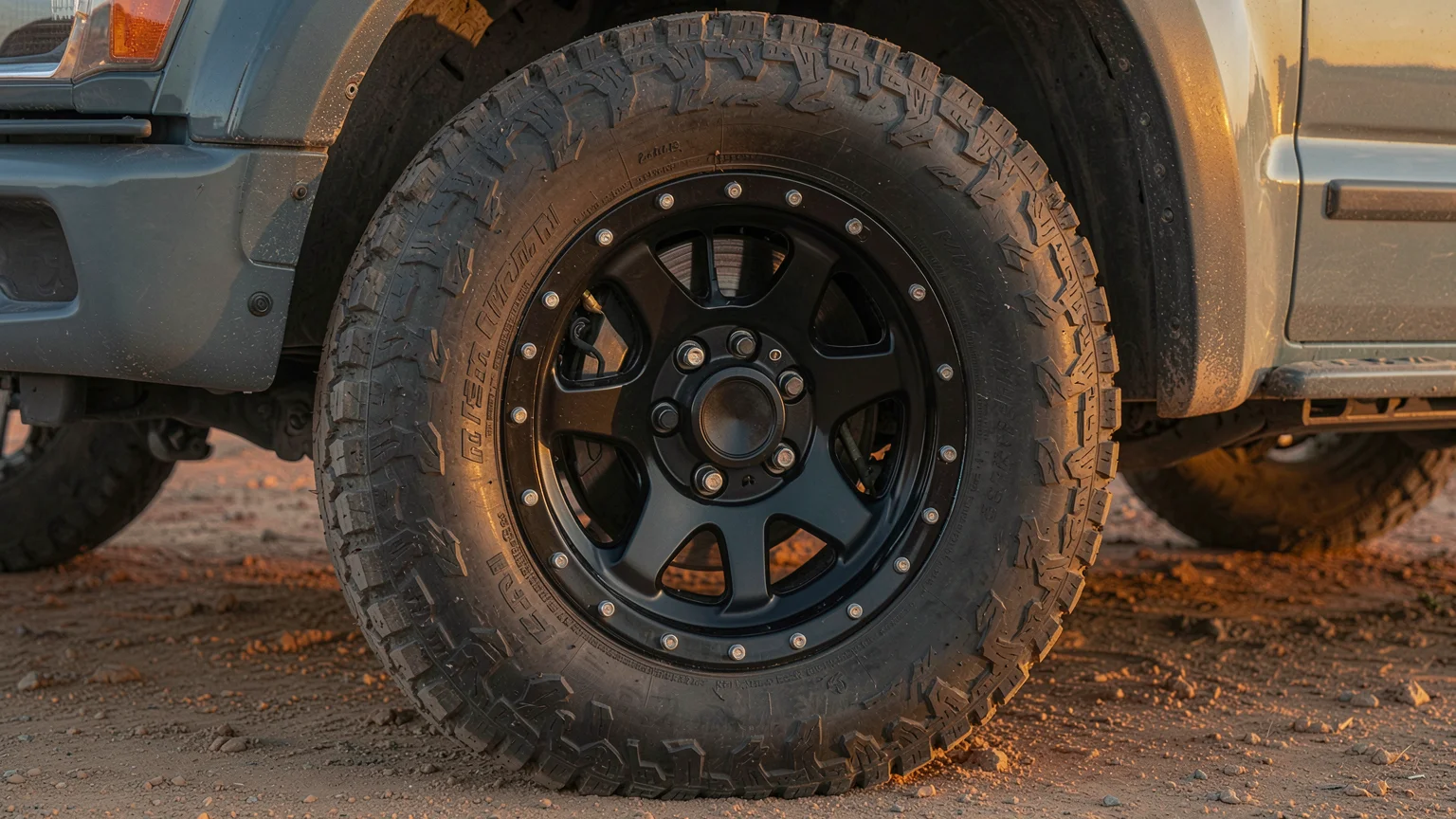
What Is the 6×5.5 Bolt Pattern?
A bolt pattern, also called PCD (pitch circle diameter), describes how many lugs a wheel has and the size of the circle they sit on. In 6×5.5, the “6” is the number of lugs and “5.5” is the circle diameter in inches.
Converted to metric, 5.5 inches is 139.7 mm. That is why you will see the same pattern listed as 6×5.5, 6×139.7 and sometimes “6×5 5” in online searches. They all describe identical spacing.
New to the terms? Our explainer on what a wheel bolt pattern is covers the basics.
Products Worth Considering

These M14x1.5 closed-end chrome lug nuts are a one-piece replacement designed for secure fitment on compatible GM, Ford, and select Chrysler/Dodge models. Featuring a 60-degree conical seat and anti-rust chrome plating, they help resist corrosion and maintain a bright look for everyday driving. Built for long-term durability, they include OEM-style part references and are backed by 12 months of support.

The SEESII cordless impact wrench delivers high tightening and loosening power for fast wheel bolt and industrial bolt work. Its brushless motor and variable-speed 3 forward/2 reverse modes help you control precision installs and stubborn nut removal. A dual-battery system with rapid charging and an included storage case make it ready for home, car, and jobsite use.

Upgrade your wheels with MIKKUPPA M12x1.5 mag seat lug nuts built for secure, corrosion-resistant performance. These closed-end chrome lug nuts are a direct replacement for select Toyota models, including Camry, Corolla, RAV4, Sienna, Avalon, Highlander, Matrix, Venza, and Prius. Triple-chromium plating and cold-forged, heat-treated steel help deliver strength for daily driving and replacement needs.
Vehicles That Use the 6×139.7 Bolt Pattern
Here are the most common vehicles with a 6×5.5 bolt pattern in the US market. Always confirm your exact year and trim, since patterns can change between generations.
| Make | Models (US years) |
|---|---|
| Chevrolet | Silverado 1500 (1999+), Tahoe, Suburban 1500, Avalanche 1500, Express 1500 |
| GMC | Sierra 1500 (1999+), Yukon, Yukon XL 1500 |
| Cadillac | Escalade, Escalade ESV |
| Ram | 1500 (2019+ new generation) |
| Toyota | Tacoma (4×4 and PreRunner, 2005+), 4Runner, FJ Cruiser, Tundra (2000-2006 and 2022+), Sequoia (2001-2007 and 2023+) |
| Lexus | GX 460 / GX 470 / GX 550 |
| Nissan | Frontier (2005+), Titan, Xterra (2005-2015), Pathfinder (2005-2012), Armada (2004-2015) |
| Ford | Ranger (2019+), Bronco (2021+) |
| Others | Hummer H3, Mitsubishi Montero, Isuzu Trooper |
Note: The 2015+ Chevy Colorado and GMC Canyon use 6×120, not 6×139.7. Older Ram 1500s (2002-2018) use 5×139.7. Double-check before you buy wheels.
6×5.5 Center Bore and Lug Specs by Brand
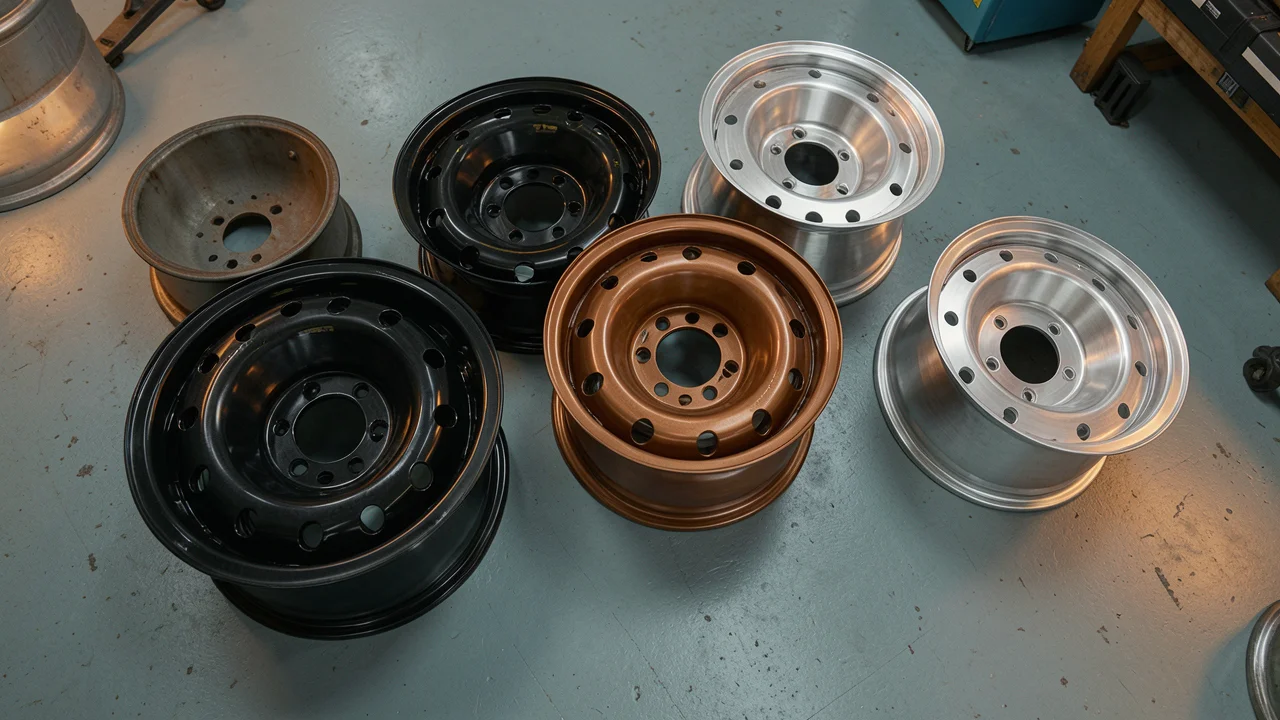
This is where most wheel swaps go wrong. The bolt pattern matches, but the hub size or lug thread does not.
| Vehicle Group | Center Bore | Lug Thread |
|---|---|---|
| GM trucks and SUVs (Silverado, Sierra, Tahoe, Escalade) | 78.1 mm | M14 x 1.5 |
| Ram 1500 (2019+) | 77.8 mm | M14 x 1.5 |
| Nissan (Frontier, Titan, Xterra) | 77.8 mm | M12 x 1.25 |
| Ford Ranger (2019+) and Bronco (2021+, non-Raptor) | 93.1 mm | M12 x 1.5 |
| Toyota Tacoma (2005-2023), 4Runner (2003-2024), FJ, Lexus GX | 106.1 mm | M12 x 1.5 |
| Toyota Tundra (2022+), Sequoia (2023+) and newer TNGA-F trucks | 95.1 mm | M14 x 1.5 |
A wheel with a larger bore than your hub can still fit using hub-centric rings. A wheel with a smaller bore than your hub will not fit at all without machining, which we do not recommend.

How to Measure a 6-Lug Bolt Pattern
Six-lug patterns are easy to measure because the studs line up directly across from each other. Follow these steps:
- Remove the wheel or measure the back of a loose wheel.
- Pick any stud and find the one directly opposite it.
- Measure center to center between those two studs.
- Read the result. About 5.5 inches (139.7 mm) means 6×5.5. About 5.3 inches (135 mm) means 6×135. About 4.7 inches (120 mm) means 6×120.
- Measure the center bore with calipers so you know which hub size you have.
For a full walkthrough with other lug counts, see our guide on how to measure a tire lug pattern.
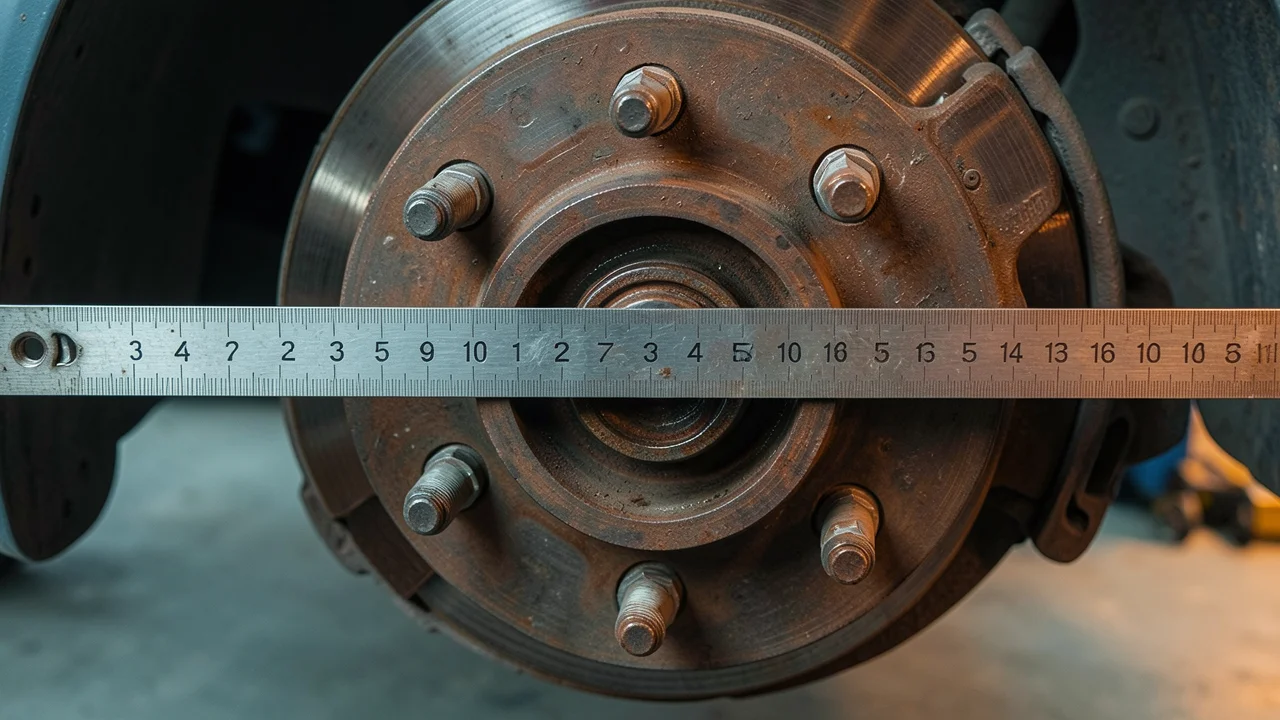
Pro Tip: 6×135 and 6×139.7 are only 4.7 mm apart, so a tape measure can fool you. Use calipers or a bolt pattern gauge before buying used wheels.
Can You Swap Wheels Between 6×5.5 Vehicles?
Often, yes, but only if three things line up. Use this checklist before you mount wheels from another brand:
- Center bore: the wheel’s bore must be equal to or larger than your hub. Use hub-centric rings if larger.
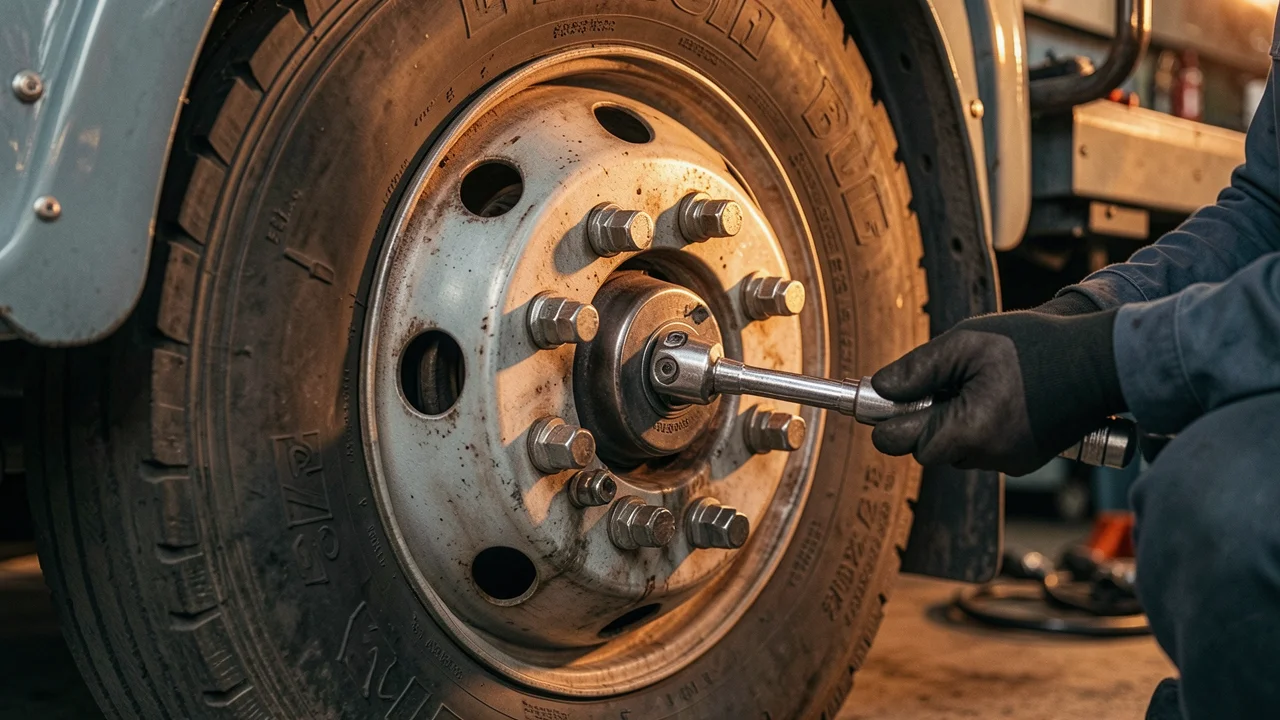
- Lug nuts: use nuts with your vehicle’s thread size and the wheel’s seat type (conical, ball or flat). Factory nuts often do not match aftermarket wheels.
- Offset and backspacing: GM wheels usually have about +24 to +44 mm offset, while Bronco wheels run about +55 mm. Big offset changes affect rubbing and scrub radius.
Common swaps that work with the right parts include Tacoma wheels on a Silverado (with hub-centric rings and M14x1.5 lug nuts) and Tacoma wheels on a 4Runner (direct fit in most years). The reverse is trickier: factory GM wheels have a 78.1 mm bore, so they will not slide over a Toyota hub (106.1 mm). Toyota wheels, with their larger bore, can go on a GM truck with hub-centric rings and M14x1.5 lug nuts.
Read more about why hub-centric rings matter and how spacers compare with lower-offset wheels. Toyota owners can also check our 4Runner wheel interchange guide.
Products Worth Considering

These universal tire valve stem caps help protect valve cores from dust, debris, and moisture while helping maintain stable tire pressure. The corrosion-resistant metal construction and sealed design provide reliable protection in road grime, mud, and winter conditions. Twist-on installation makes them quick to fit on cars, SUVs, trucks, and motorcycles.

These aluminum alloy tire valve stem caps with an O-ring seal help protect valve stems from corrosion while adding a clean, stylish look to your vehicle. The universal fit works across cars, trucks, motorcycles, bicycles, and more, making them an easy upgrade for everyday driving and off-road use. Installation is quick, and the included four-pack keeps all your tires dressed and protected.

Upgrade your wheels with MIKKUPPA closed-end lug nuts designed for reliable fit and corrosion resistance. The one-piece, cold-forged and heat-treated steel construction helps resist rust and stripping, while the integrated finish delivers a durable black appearance. Built to OEM standards with a conical 60-degree seat, these nuts provide a secure solution for compatible Ford, Honda, Jeep, and Chevrolet models.
Patterns Often Confused With 6×5.5
| Pattern | Common Vehicles | Fits 6×5.5? |
|---|---|---|
| 6×135 | Ford F-150 (2004+), Expedition, Lincoln Navigator | No |
| 6×120 | Chevy Colorado / GMC Canyon (2015+) | No |
| 5×139.7 (5×5.5) | Ram 1500 (2002-2018), older Jeeps and Ford trucks | No, different lug count |
| 6×114.3 | Older Nissan Navara, some Mitsubishi | No |
If you drive an F-150, see our F-150 bolt pattern guide instead. For the five-lug version, read our 5×5.5 bolt pattern guide.
6×5.5 Bolt Pattern FAQ
Is 6×5.5 the same as 6×139.7?
Yes. 6×5.5 and 6×139.7 describe exactly the same bolt pattern. One uses inches and the other uses millimeters, since 5.5 inches equals 139.7 mm. Wheels labeled either way have identical lug spacing.
Will Chevy wheels fit a Toyota Tacoma?
Usually not factory Chevy wheels. They have a 78.1 mm bore, which is smaller than the Tacoma’s 106.1 mm hub, so most factory Chevy wheels will not slide on. Aftermarket wheels bored for Toyota, or larger-bore wheels with rings, are the safe route.
Does the Ford F-150 use a 6×5.5 bolt pattern?
No. The F-150 has used 6×135 since 2004. The Ford Ranger (2019+) and Bronco (2021+) are the Ford models that use 6×139.7. Do not force 6×139.7 wheels onto an F-150.
Do Ram 1500 and Silverado wheels interchange?
Mostly, yes. The 2019+ Ram 1500 and the Silverado 1500 both use 6×139.7 and M14x1.5 studs. Their bores are nearly identical (77.8 mm vs 78.1 mm), so GM wheels usually fit a new Ram. Check offset and lug seat type first.
What lug nuts do 6×5.5 wheels use?
It depends on the vehicle, not the pattern. GM and Ram use M14x1.5, Toyota and Ford Ranger/Bronco use M12x1.5, and Nissan uses M12x1.25. Match the thread to your studs and the seat style to your wheels.
Can I use adapters to fit 6×5.5 wheels on a 6×135 truck?
Wheel adapters can convert patterns, but they add thickness, push the wheels outward and create more parts that must be torqued correctly. Use only quality hub-centric adapters and re-check torque after the first 50 to 100 miles.
Bottom Line
The 6×5.5 bolt pattern (6×139.7) is the go-to six-lug layout for GM half-tons, the new Ram 1500, Toyota’s trucks and SUVs, Nissan’s body-on-frame models and Ford’s Ranger and Bronco. That shared pattern gives you a huge choice of wheels.
Before you buy, match three numbers, not one: bolt pattern, center bore and lug thread. Then confirm offset, use hub-centric rings where needed, and torque the lug nuts in a star pattern. Get those right and your new wheels will fit safely and look great.
Sources
Products Worth Considering

This spare tire tool kit is designed for the 2004 to 2018 Ford F-150 to help you loosen and tighten wheel lug nuts and manage the spare tire and provided jack functions from underneath the vehicle. It includes the lug nut wrench and extension pieces plus a convenient storage carrying case for organized transport. The jack itself is not included.

The 22800 wheel stud installer makes replacing wheel studs quick and secure, saving time and effort during tire service. It uses a ratchet or impact wrench to pull new studs firmly into place, helping when existing studs are too long. Compatible with most automotive wheels and light-duty truck wheel studs, it’s designed for easy, tool-assisted installation.
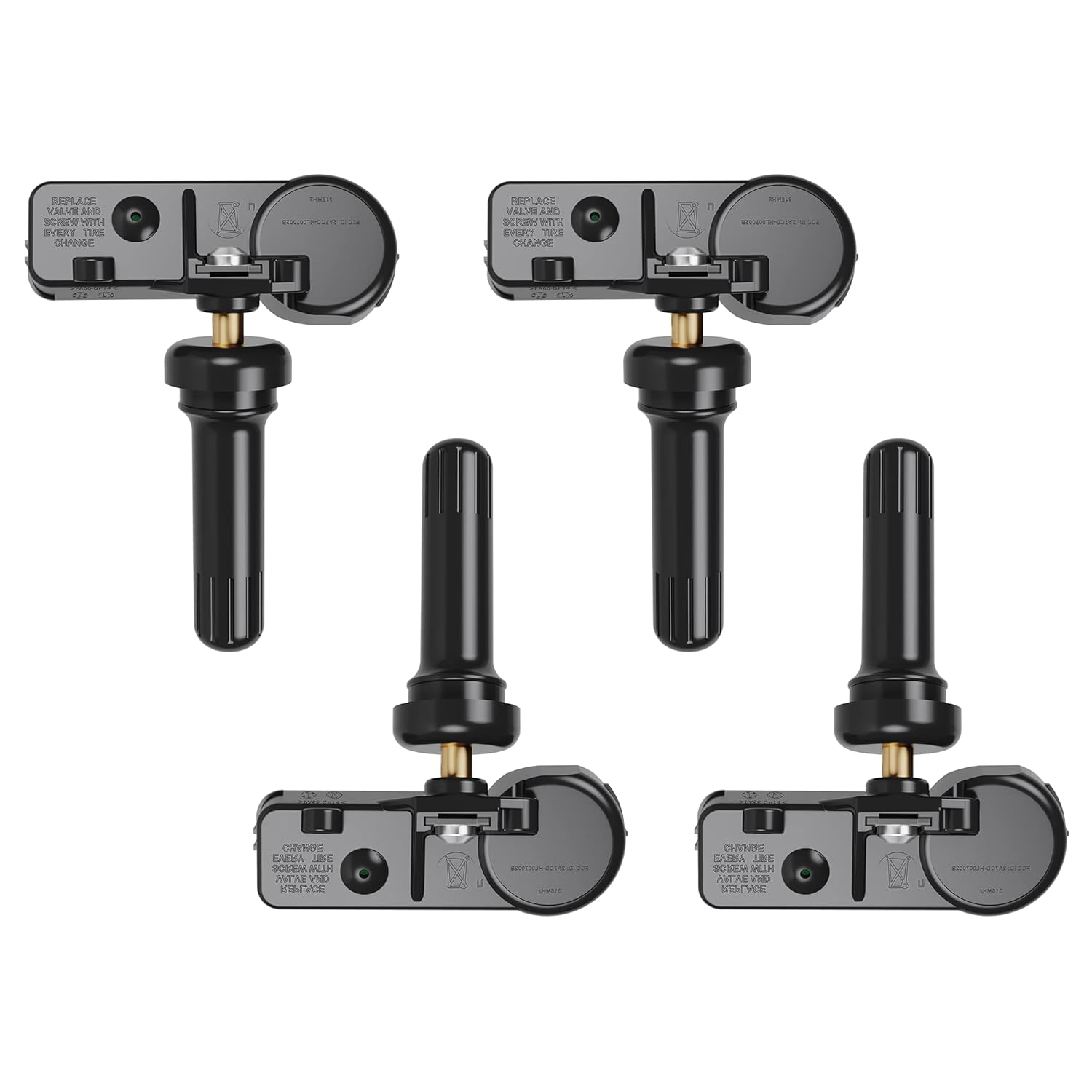
Replace worn or faulty TPMS sensors with this brand new 315MHz GM-compatible replacement set for select Chevy, GMC, Buick, Cadillac, and similar vehicles. These sensors are pre-programmed for your make/model/year and typically only require activation with a scan tool. Built for long service life with a high-temperature battery, they help maintain reliable tire pressure monitoring for safer driving.