The 5×120 bolt pattern means five lug holes spaced evenly on a 120 mm circle, about 4.72 inches. It is best known from BMW, but the Chevy Camaro, Honda Odyssey, Pilot and Ridgeline, Acura MDX, Tesla Model S and Model X, Land Rover and several Cadillac and Lexus models also use it.
Because so many brands share it, 5×120 looks like an easy wheel swap. In reality, center bore, lug type and offset vary widely between brands, so a wheel from one 5×120 car often will not fit another without extra parts.
This guide lists the vehicles that use 5×120, compares the specs that matter by brand, explains how to measure it and shows how to swap wheels safely.
Key Takeaways
- 5×120 equals 5×4.72 inches. It is not the same as GM’s older 5×120.65 (5×4.75).
- Main users: BMW (most models up to about 2018), Honda/Acura large vehicles, Chevy Camaro and Corvette, Tesla Model S/X, Land Rover.
- Center bores range from 60.1 mm (Lexus) to 74.1 mm (BMW E53 X5).
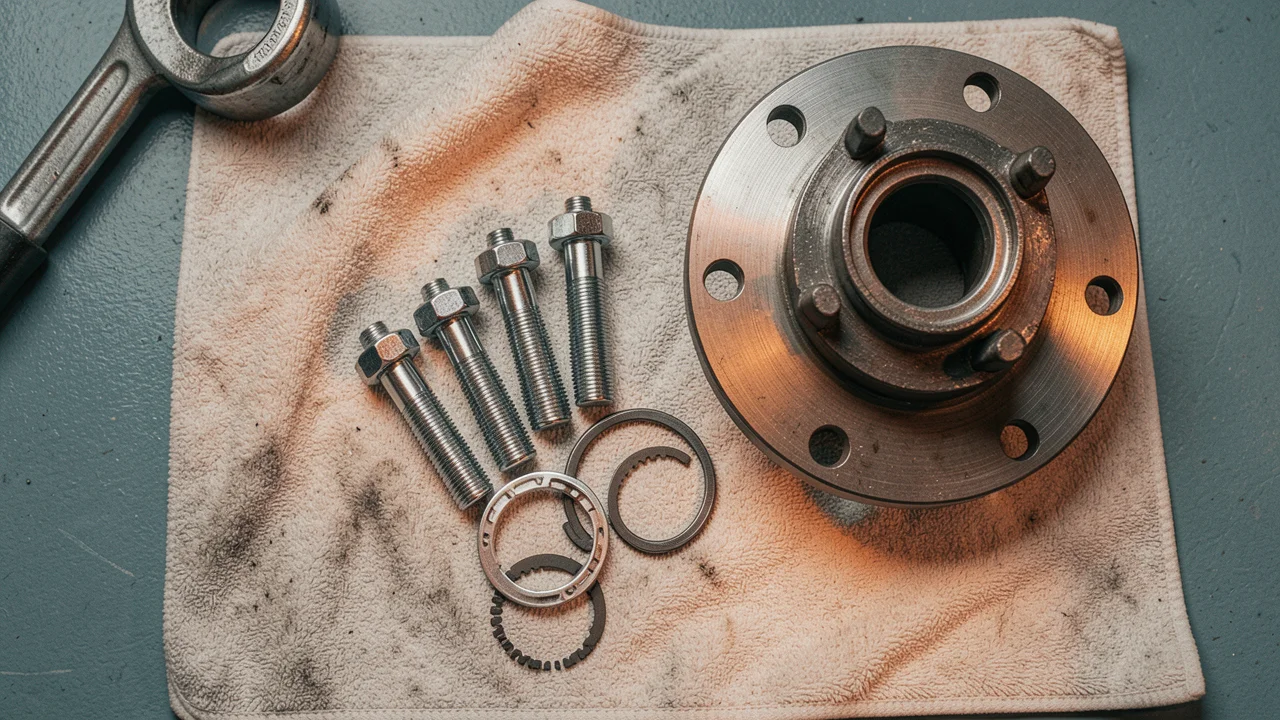
- BMW uses lug bolts; most others use studs with lug nuts.
- Newer BMWs (2019+ G-series) switched to 5×112.
In this guide:
- What Is the 5×120 Bolt Pattern?
- Cars and Trucks That Use 5×120
- Center Bore and Lug Specs by Brand
- How to Measure a 5×120 Bolt Pattern
- 5×120 Fitment Tips for Swapping Wheels
- 5×120 vs 5×120.65 and Other Close Patterns
- FAQ
What Is the 5×120 Bolt Pattern?
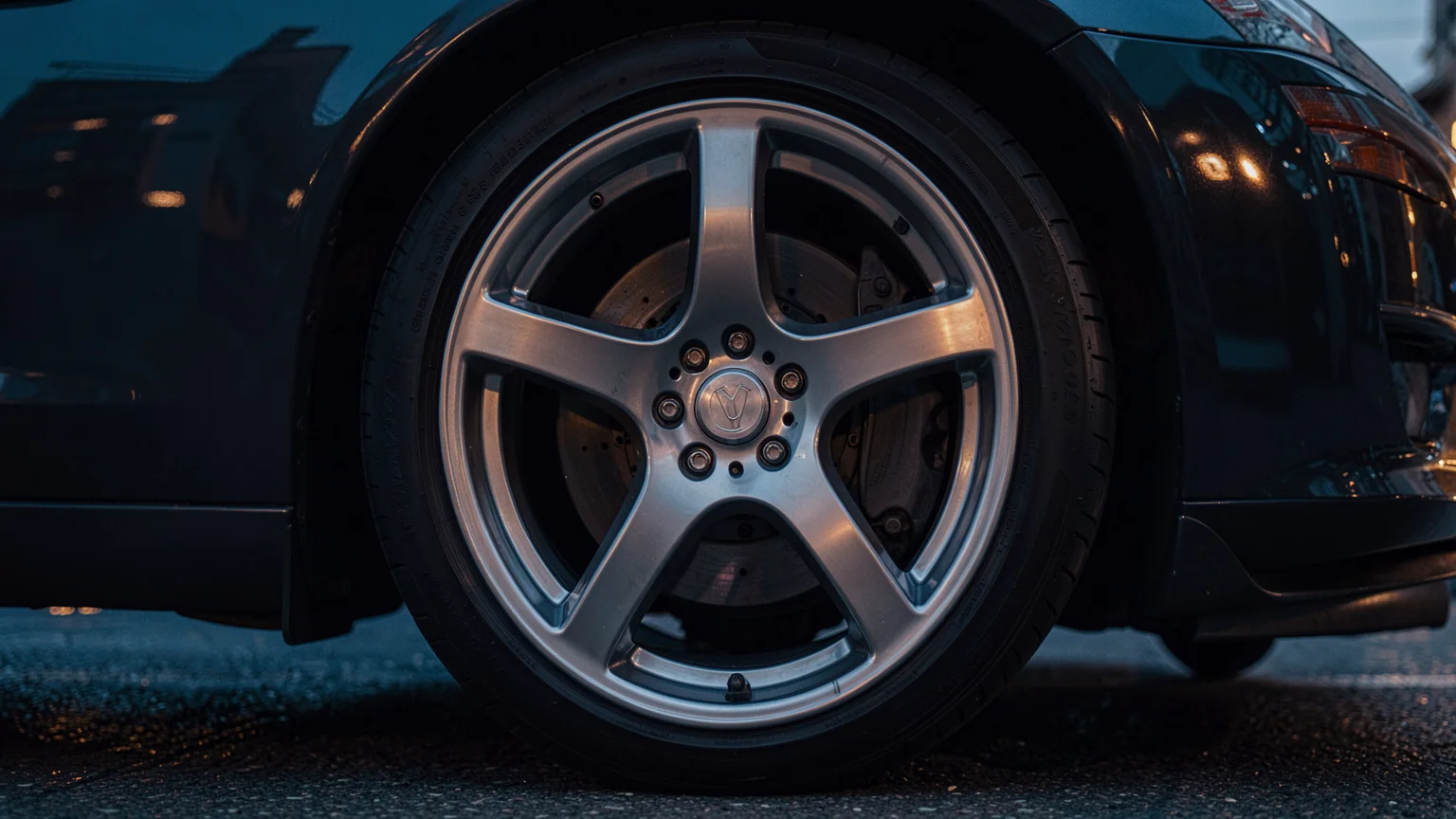
A bolt pattern (or PCD) has two numbers. The first is the number of lugs, and the second is the diameter of the circle through the center of those lugs. A 5×120 wheel has five lugs on a 120 mm circle.
In inches, 120 mm equals 4.72 inches, so you may see 5×4.72 on some listings. If you need a primer, read our guide on what a wheel bolt pattern is.
Products Worth Considering

These M14x1.5 closed-end chrome lug nuts are a one-piece replacement designed for secure fitment on compatible GM, Ford, and select Chrysler/Dodge models. Featuring a 60-degree conical seat and anti-rust chrome plating, they help resist corrosion and maintain a bright look for everyday driving. Built for long-term durability, they include OEM-style part references and are backed by 12 months of support.

Upgrade your wheels with MIKKUPPA M12x1.5 mag seat lug nuts built for secure, corrosion-resistant performance. These closed-end chrome lug nuts are a direct replacement for select Toyota models, including Camry, Corolla, RAV4, Sienna, Avalon, Highlander, Matrix, Venza, and Prius. Triple-chromium plating and cold-forged, heat-treated steel help deliver strength for daily driving and replacement needs.

Upgrade your wheels with MIKKUPPA closed-end lug nuts designed for reliable fit and corrosion resistance. The one-piece, cold-forged and heat-treated steel construction helps resist rust and stripping, while the integrated finish delivers a durable black appearance. Built to OEM standards with a conical 60-degree seat, these nuts provide a secure solution for compatible Ford, Honda, Jeep, and Chevrolet models.
Cars and Trucks That Use the 5×120 Bolt Pattern
These are the most common US-market vehicles with a 5×120 bolt pattern. Generations change, so always confirm your exact year.
| Make | Models (typical years) |
|---|---|
| BMW | 3 Series (E36, E46, E90, F30), 5 Series (E39, E60, F10), 6 and 7 Series (pre-2019), X3 (E83, F25), X5 (E53, E70, F15), X6 (E71, F16), Z4 (E85, E89) |
| Chevrolet | Camaro (2010+), Corvette (C7, C8), SS (2014-2017), Impala (2014-2020) |
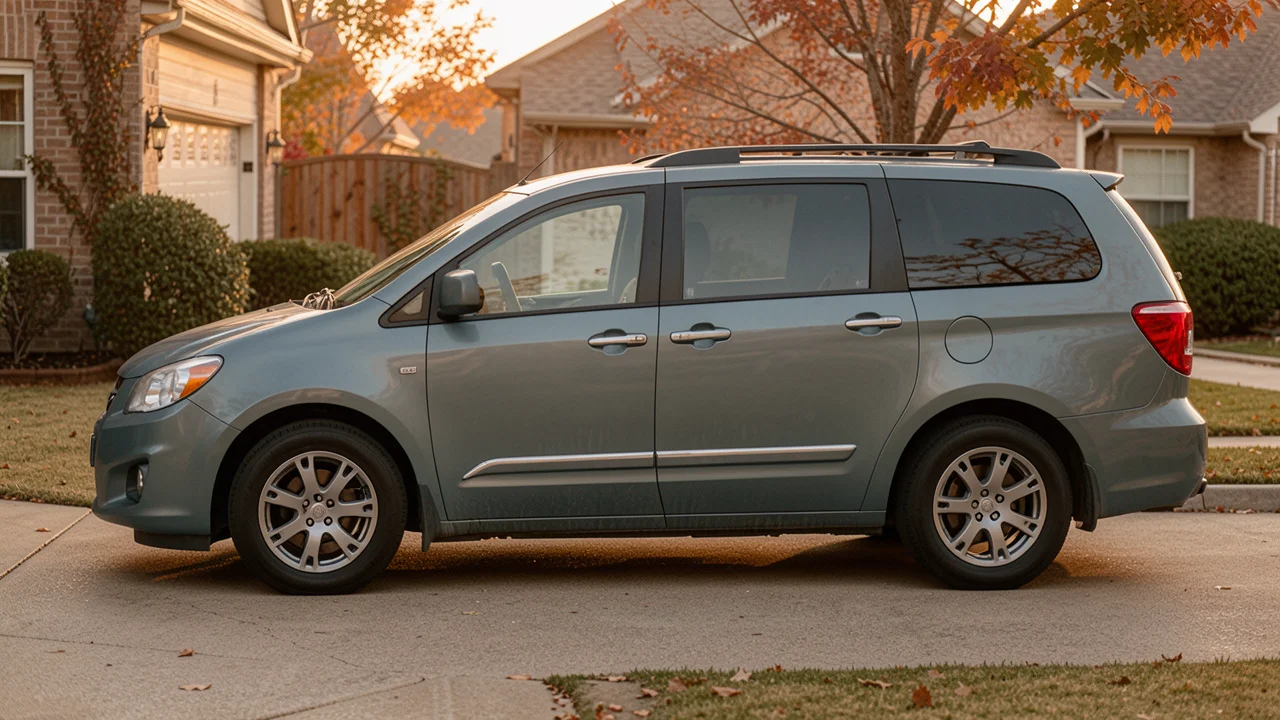
| Honda | Odyssey (2005+), Pilot (2009+), Ridgeline (2006+), Passport (2019+) |
| Acura | MDX (2007+), RL and RLX, ZDX, select TL and TLX trims |
| Tesla | Model S (2012+), Model X (2015+) |
| Land Rover | Range Rover (2003+), Range Rover Sport, LR3, LR4, Defender (2020+) |
| Cadillac | Newer CTS, CT5, CT6 (varies by year) |
| Lexus | LS 460 / LS 500, LC 500 |
| Pontiac | GTO (2004-2006), G8 |
Note: Honda’s compact cars (Civic, Accord, CR-V) use 5×114.3, except the Civic Type R, which uses 5×120. See our Honda Civic bolt pattern guide for details.
5×120 Center Bore and Lug Specs by Brand
The bolt pattern is only the first filter. These are the specs that decide whether a wheel actually fits.
| Vehicle Group | Center Bore | Lug Type and Thread |
|---|---|---|
| BMW (most models) | 72.6 mm (E53 X5: 74.1 mm) | Lug bolts, M12x1.5 or M14x1.25 by model |
| Honda / Acura | 64.1 mm | Lug nuts, M14x1.5 |
| Tesla Model S / X | 64.1 mm | Lug nuts, M14x1.5 (129 lb-ft torque) |
| Chevrolet Camaro / Corvette / Cadillac | About 66.9 mm to 70.3 mm by model | Lug nuts, M14x1.5 |
| Land Rover | 72.6 mm | Lug nuts or bolts, M14x1.5 |
| Lexus LS / LC | 60.1 mm | Lug nuts, M14x1.5 |
Center bore values for GM models vary more than most, so measure your hub or check your factory wheel before ordering.
How to Measure a 5×120 Bolt Pattern
Five-lug patterns are harder to measure because no two studs sit directly opposite each other. Use this method:
- Remove the wheel or work on a loose wheel from the back side.
- Pick one stud or lug hole.
- Skip the next one and find the stud that is farthest away.
- Measure from the back edge of the first hole to the center of the far hole.
- Read the result. About 120 mm (4.72 in) means 5×120. About 114 mm (4.5 in) means 5×114.3. About 127 mm (5.0 in) means 5×127.
For more detail and diagrams, see our guide to measuring a lug pattern.
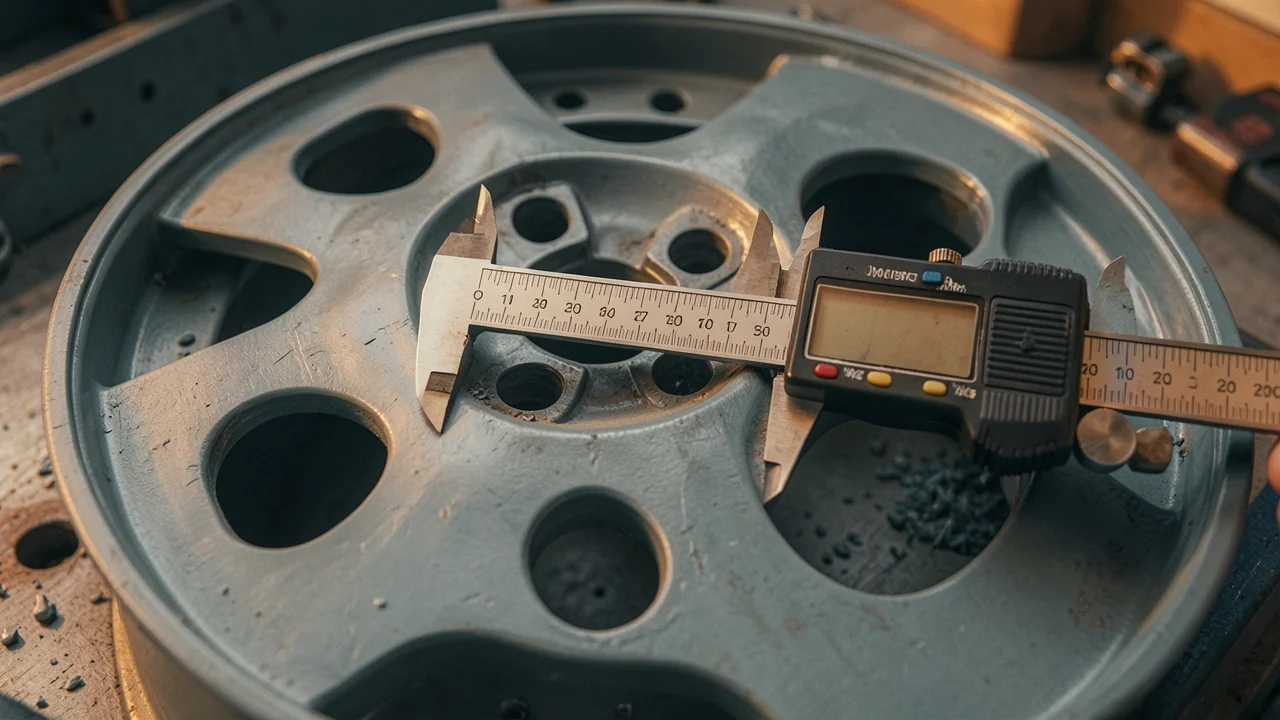
Pro Tip: 5×120 and 5×120.65 differ by less than a millimeter, which a tape measure cannot detect. Use calipers or ask the seller for the exact spec.
5×120 Fitment Tips for Swapping Wheels
Can you put BMW wheels on a Honda, or Tesla wheels on a Camaro? Sometimes, but follow this checklist first.
Products Worth Considering

The SEESII cordless impact wrench delivers high tightening and loosening power for fast wheel bolt and industrial bolt work. Its brushless motor and variable-speed 3 forward/2 reverse modes help you control precision installs and stubborn nut removal. A dual-battery system with rapid charging and an included storage case make it ready for home, car, and jobsite use.

The 22800 wheel stud installer makes replacing wheel studs quick and secure, saving time and effort during tire service. It uses a ratchet or impact wrench to pull new studs firmly into place, helping when existing studs are too long. Compatible with most automotive wheels and light-duty truck wheel studs, it’s designed for easy, tool-assisted installation.

These aluminum alloy tire valve stem caps with an O-ring seal help protect valve stems from corrosion while adding a clean, stylish look to your vehicle. The universal fit works across cars, trucks, motorcycles, bicycles, and more, making them an easy upgrade for everyday driving and off-road use. Installation is quick, and the included four-pack keeps all your tires dressed and protected.
1. Match or exceed the center bore
A wheel’s bore must be equal to or larger than your hub. BMW wheels (72.6 mm) can fit a Honda hub (64.1 mm) with hub-centric rings. Honda wheels (64.1 mm) will not fit over a BMW hub (72.6 mm). Learn more in our article on why hub-centric rings matter.
2. Use the right lug hardware
Switching from a BMW wheel to a stud-and-nut car (or the reverse) means new hardware. Match the thread to your car and the seat type (conical or ball) to the wheel. Mismatched seats can let wheels loosen over time.
3. Check offset and width
Honda and Tesla wheels often use high offsets (around +40 to +55 mm), while many BMW wheels run lower. A big change can cause rubbing on struts or fenders. Our guide on wheel offset explains how to calculate it.
4. Confirm brake clearance and load rating
Large brakes on a Corvette or Tesla need wheels with enough barrel clearance. Heavy vehicles like the Model X and Range Rover need wheels rated for their weight.
5×120 vs 5×120.65 and Other Close Patterns
| Pattern | Common Vehicles | Interchangeable With 5×120? |
|---|---|---|
| 5×120.65 (5×4.75) | Older Chevy Camaro, Corvette C4 to C6, many classic GM cars | Not recommended without wobble or floating-seat lug nuts |
| 5×114.3 (5×4.5) | Honda Civic, Accord, Toyota, Nissan, Ford Mustang | No |
| 5×112 | BMW 2019+, Audi, Mercedes-Benz, VW | No |
| 6×120 | Chevy Colorado / GMC Canyon 2015+ | No, different lug count |
If your car uses one of these instead, see our guides to the 5×114.3 bolt pattern and the 5×127 bolt pattern.
5×120 Bolt Pattern FAQ
What cars have a 5×120 bolt pattern?
Common cars with a 5×120 bolt pattern include most BMW models built before 2019, the Chevy Camaro and Corvette, Honda Odyssey, Pilot and Ridgeline, Acura MDX, Tesla Model S and X, and Land Rover models. Always confirm your exact year and trim.
Is 5×120 the same as 5×4.75?
No. 5×120 equals 5×4.72 inches. 5×4.75 equals 5×120.65 mm, a pattern used on older GM cars. The difference is small but enough that standard lug nuts may not seat correctly, so do not mix them without proper hardware.
Will BMW wheels fit a Honda Odyssey?
Often, yes, with the right parts. Both use 5×120, and BMW’s 72.6 mm bore is larger than Honda’s 64.1 mm hub, so you need hub-centric rings. You also need Honda-thread lug nuts with the correct seat for the BMW wheel, and the offset must clear the brakes and suspension.
Do Tesla Model 3 and Model Y use 5×120?
No. The Model 3 and Model Y use 5×114.3. Only the Model S and Model X use 5×120. Check your exact model before buying used Tesla wheels.
Do new BMWs still use 5×120?
Most BMW models switched to 5×112 starting around 2019 with the G-series platforms, such as the G20 3 Series and G05 X5. Older BMWs from the 1990s to about 2018 mostly use 5×120.
What is the center bore for 5×120 wheels?
It depends on the vehicle. BMW uses 72.6 mm (74.1 mm on the E53 X5), Honda, Acura and Tesla use 64.1 mm, Land Rover uses 72.6 mm, and Lexus uses 60.1 mm. Aftermarket wheels often have a large bore and use rings to fit each car.
Bottom Line
The 5×120 bolt pattern is shared by an unusual mix of vehicles, from BMW sedans and Camaros to Honda minivans, Teslas and Range Rovers. That gives you plenty of wheel choices, but only if you look past the bolt pattern.
Before buying, match the center bore, lug type and thread, offset and load rating to your vehicle. Use hub-centric rings when the bore is larger, buy fresh lug hardware for the new wheel’s seat, and torque everything to spec. Do that, and a 5×120 wheel swap is a safe, easy upgrade.
Sources
Products Worth Considering

This 1/2-inch drive breaker bar delivers powerful leverage for loosening and tightening stubborn lug nuts and automotive fasteners. The 180-degree flex head helps you reach tight spaces at the angle you need, making tire and brake jobs easier. A spring-loaded ball detent design holds 1/2-inch sockets securely while the chrome-moly head provides durable strength for everyday use.

Upgrade your 2024-2026 Tesla Model 3 Highland with REEVAA all-weather mud flaps designed for seamless fit along the original body lines. The set of four delivers strong splash protection against mud, gravel, and road debris while using OEM-grade durable materials. Installation is non-destructive with original hole positions and snap-in clips, and the aerodynamic design helps minimize impact on efficiency.

Protect your Tesla during lifting with durable rubber jack pads designed to cushion pressure and help safeguard the battery and chassis. The non-slip, plug-and-play puck set fits Tesla Model 3/Y/X/S for safe, secure jacking. Each pack includes a portable storage case for cleaner trunk organization.