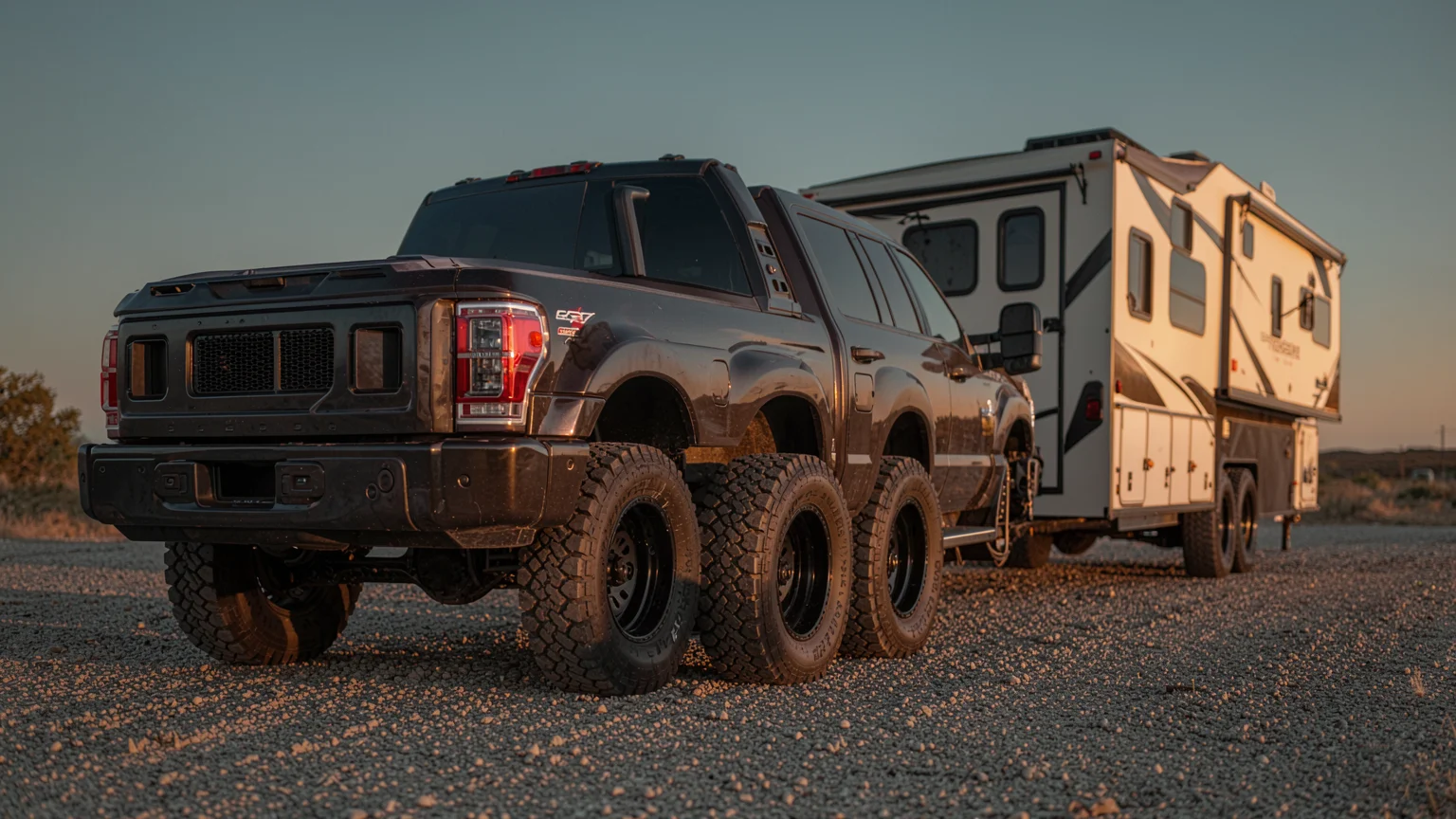
The GMC Sierra HD tire pressure recall (NHTSA 26V530) covers certain 2024-2025 Sierra 2500 HD trucks with the enhanced towing option and a dealer-installed 20-inch wheel package. Their tire label lists 70 psi for the rear tires when the correct figure is 80 psi. Dealers fix it for free with a software update, a new label overlay and a TPMS relearn.
If you tow heavy with a Sierra 2500 HD, a 10 psi gap in the rear tires is not a small detail. Underinflated light truck tires run hotter, flex more and lose load capacity right when the trailer needs it most. Worse, the TPMS on affected trucks may not warn you at all.
This guide explains exactly which trucks are included, how to check yours in two minutes, what the dealer does, and what to run in the meantime.
Key Takeaways
- The recall covers 2024-2025 Sierra 2500 HD and Silverado 2500 HD trucks with enhanced towing (RPO NHT) and the 20-inch accessory wheel package (RPO REM).
- Only eight trucks are involved in total: three GMC Sierra HD and five Chevy Silverado HD.
- The label says 70 psi rear; the correct rear pressure is 80 psi.
- The fix is free: ECM software update, label overlay, correct inflation and TPMS relearn.
- Trucks with factory-installed 20-inch wheels are not affected.
In this guide:
- What Is the GMC Sierra HD Tire Pressure Recall?
- Which Trucks Are Affected?
- Why 10 PSI Matters on an HD Truck
- How to Check If Your Sierra HD Is Included
- The Dealer Fix, Step by Step
- What to Do Before Your Appointment
- Other GM HD Tire and TPMS Recalls
- FAQ
What Is the GMC Sierra HD Tire Pressure Recall?
It is a safety recall General Motors filed on August 13, 2026, under NHTSA campaign number 26V530 and GM number N262561970. The problem is wrong rear tire pressure information on a specific accessory wheel setup.
When GM launched the enhanced towing option (RPO NHT) for the 2024 model year, it raised the recommended rear tire pressure for those trucks. However, the information that ships with the 20-inch accessory tire and wheel kit (RPO REM) was never updated. As a result, trucks that had their factory 18-inch wheels swapped for that kit got a label reading 70 psi rear instead of 80 psi.
The ECM software and TPMS calibration were set to the old number too. That is the bigger safety issue, because the warning light may not come on when the rear tires drop below the real minimum.
Products Worth Considering

Replace worn or malfunctioning GM TPMS sensors with this 433MHz pre-programmed sensor set designed for compatibility with many Chevrolet, Buick, GMC, and Cadillac models. It includes guidance for proper OBDII relearning/pairing after installation and supports reliable long-term operation with a high-performance CR2032 battery. Quality tested for durability and performance to help restore accurate tire pressure monitoring.

Masoll Gen 2 external TPMS sensors are a DIY replacement set of 4 for select GM vehicles made after 2006, helping you shut off the TPMS warning light quickly. Simply screw the sensors onto the tire valves and sync to your car ECU using the included EL-50448 relearn tool. Dual-frequency 315/433 MHz design provides OEM-level performance with accurate readings and replaceable batteries for about two years.
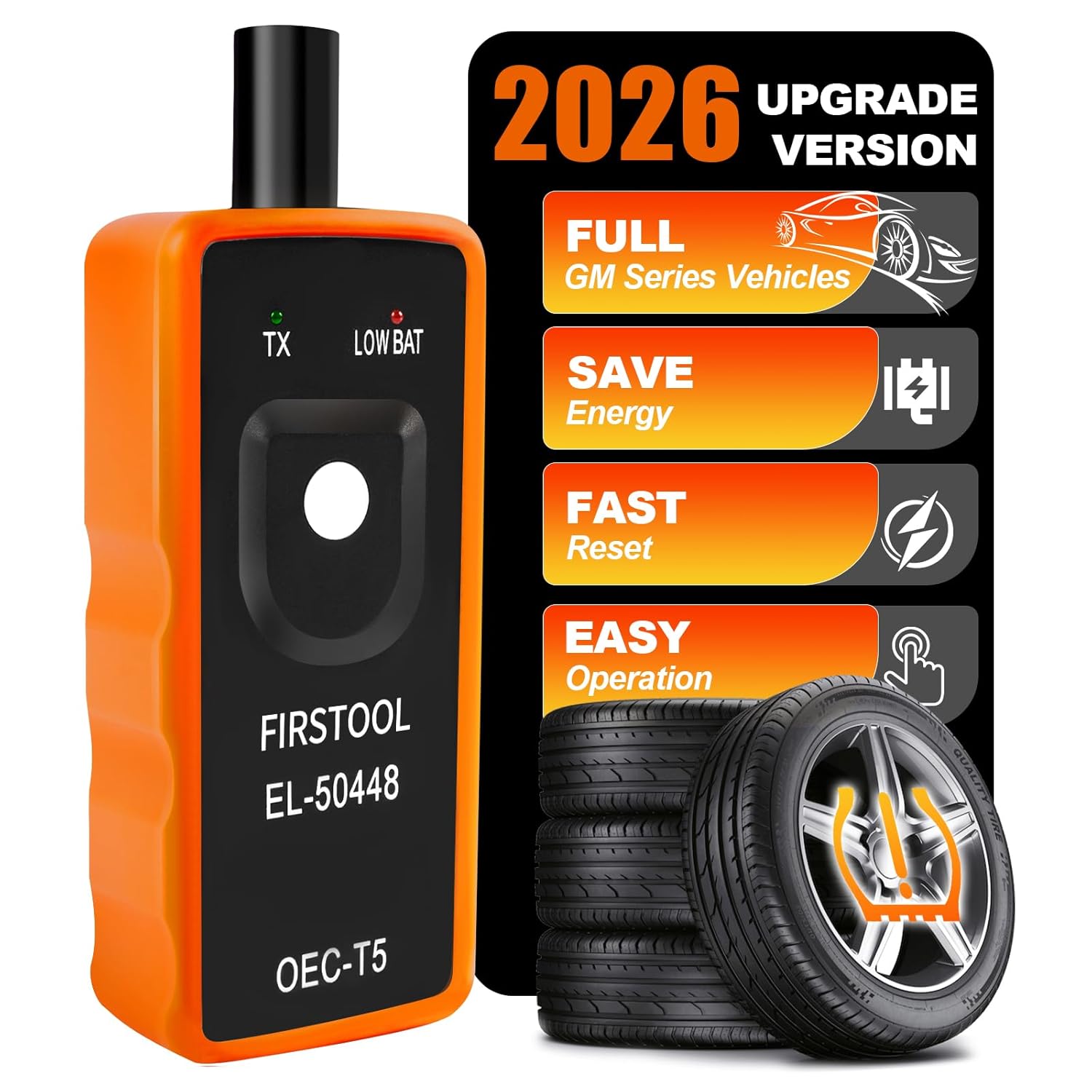
This TPMS relearn tool helps you quickly activate, match, and reset GM tire pressure sensors to keep the vehicle monitoring system working properly. It clears tire pressure alarms and dashboard warning lights after sensor replacement or tire rotation, and supports learning for common 315/433 MHz TPMS sensors. Designed for simple one-button operation, it can help you avoid unnecessary trips to repair shops.
Which Trucks Are Affected?
This is one of the smallest recalls GM has filed. According to GM’s Part 573 report to NHTSA, just eight trucks are involved.
| Model | Production Window | Units |
|---|---|---|
| 2024 GMC Sierra 2500 HD | Nov 13, 2023 to Dec 16, 2023 | 2 |
| 2025 GMC Sierra 2500 HD | Mar 10, 2025 | 1 |
| 2024 Chevrolet Silverado 2500 HD | Mar 10, 2023 to Jun 22, 2024 | 4 |
| 2025 Chevrolet Silverado 2500 HD | Sep 14, 2024 | 1 |
A truck must have all three of these to be included:
- A 2024 or 2025 Sierra 2500 HD or Silverado 2500 HD.
- The enhanced towing option, RPO code NHT.
- The dealer-available 20-inch accessory tire and wheel package (RPO REM) that replaced factory 18-inch wheels.
Trucks that left the factory on 20-inch wheels already had the right label and calibration, so they are excluded. Trucks without NHT are also excluded.
Note: Aftermarket 20-inch wheels from a tire shop are not part of this recall. Still, the same lesson applies: always set pressure for the load you carry, not just for the wheel size.
Why 10 PSI Matters on an HD Truck
A 3/4-ton truck towing near its limit puts huge weight on the rear axle. Light truck tires carry that weight through air pressure, so their load capacity drops as pressure falls.
At 70 psi instead of 80 psi, a Load Range E tire loses a meaningful share of its rated capacity. Under a heavy fifth-wheel or gooseneck, that can mean:
- More sidewall flex and heat build-up on long highway pulls.
- Vague steering feel and more trailer sway.
- Faster shoulder wear and a higher risk of tread separation.
- A TPMS that stays quiet because it thinks 70 psi is normal.
GM says it knows of no crashes or injuries linked to this issue. Even so, NHTSA notes that driving on underinflated tires raises crash risk. Our guide on tire load range ratings explains why pressure and load capacity are tied together, and you can read more about what happens when tire pressure is too low.
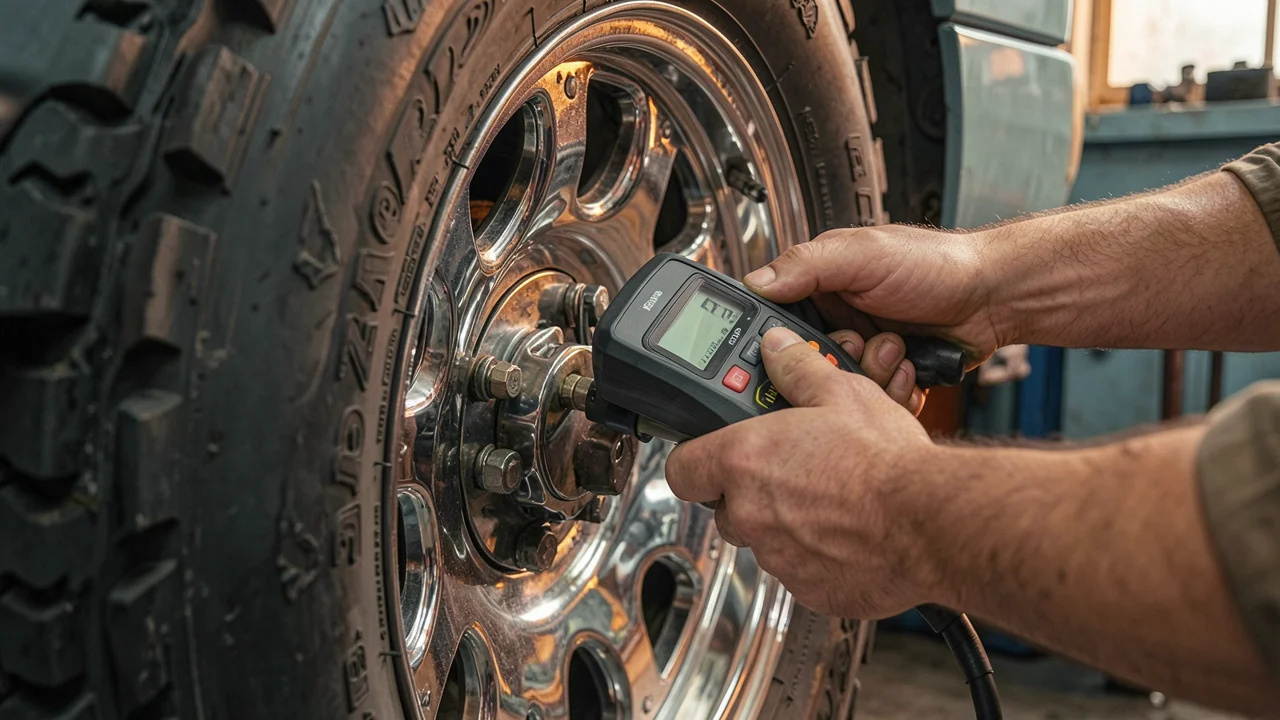
How to Check If Your Sierra HD Is Included
You can confirm your status in a few minutes. Here is the fastest way:
- Find your VIN. It is on the lower driver-side windshield and on the door jamb label.
- Search the VIN on the NHTSA recall lookup. VINs for this campaign became searchable on August 13, 2026.
- Check the RPO sticker. Look in the glovebox for the Service Parts Identification label and scan it for NHT and REM.
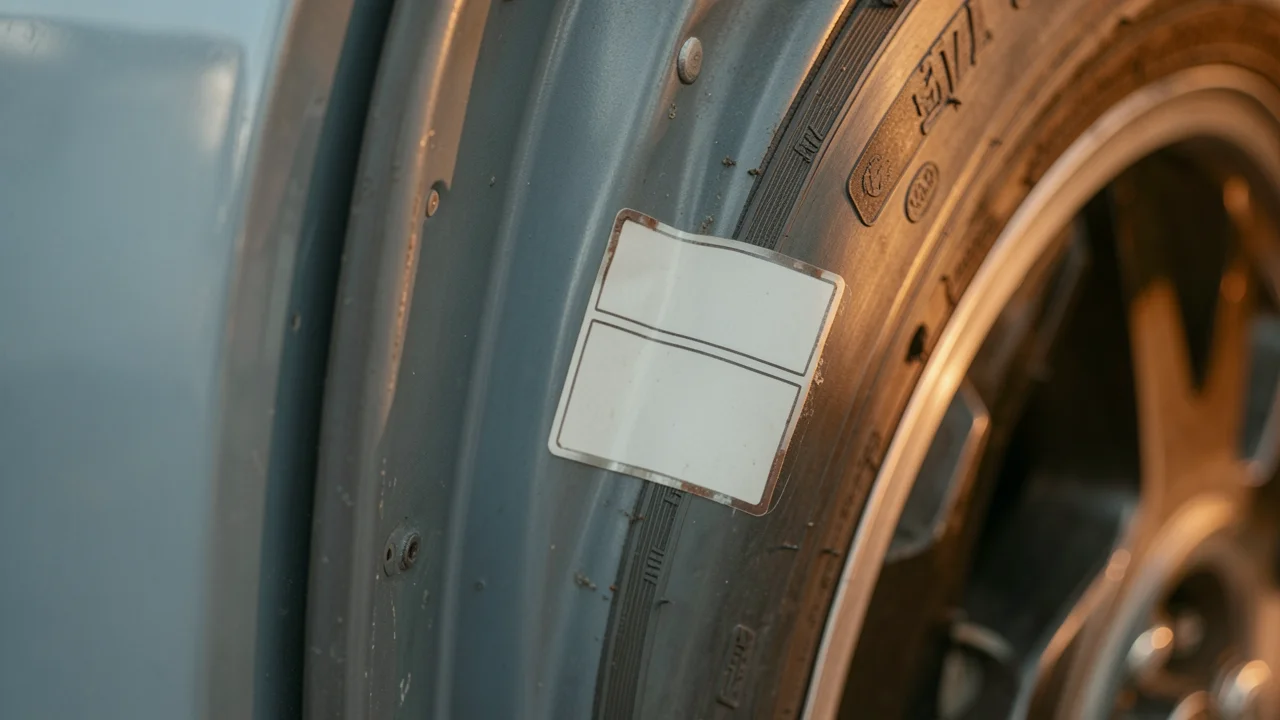
- Read the door jamb label. If it says 70 psi rear and you have 20-inch wheels with NHT, call your dealer.
- Watch your mail. GM planned to mail owner letters starting September 28, 2026.
The Dealer Fix, Step by Step
The repair is free at any GMC or Chevrolet dealer and usually takes under an hour. Per the NHTSA filing, the technician will:
- Confirm the truck has the 20-inch accessory tire and wheel kit.
- Reflash the engine control module (ECM) with the correct rear pressure value.
- Apply a tire label overlay showing the correct 80 psi rear figure.
- Inflate the tires to the right pressure.
- Run a TPMS relearn so the system warns at the correct threshold.
GM also stopped offering the 20-inch kit for NHT trucks with 18-inch factory wheels on August 7, 2026. No reimbursement program is planned, since owners would not have paid for a fix before the recall.
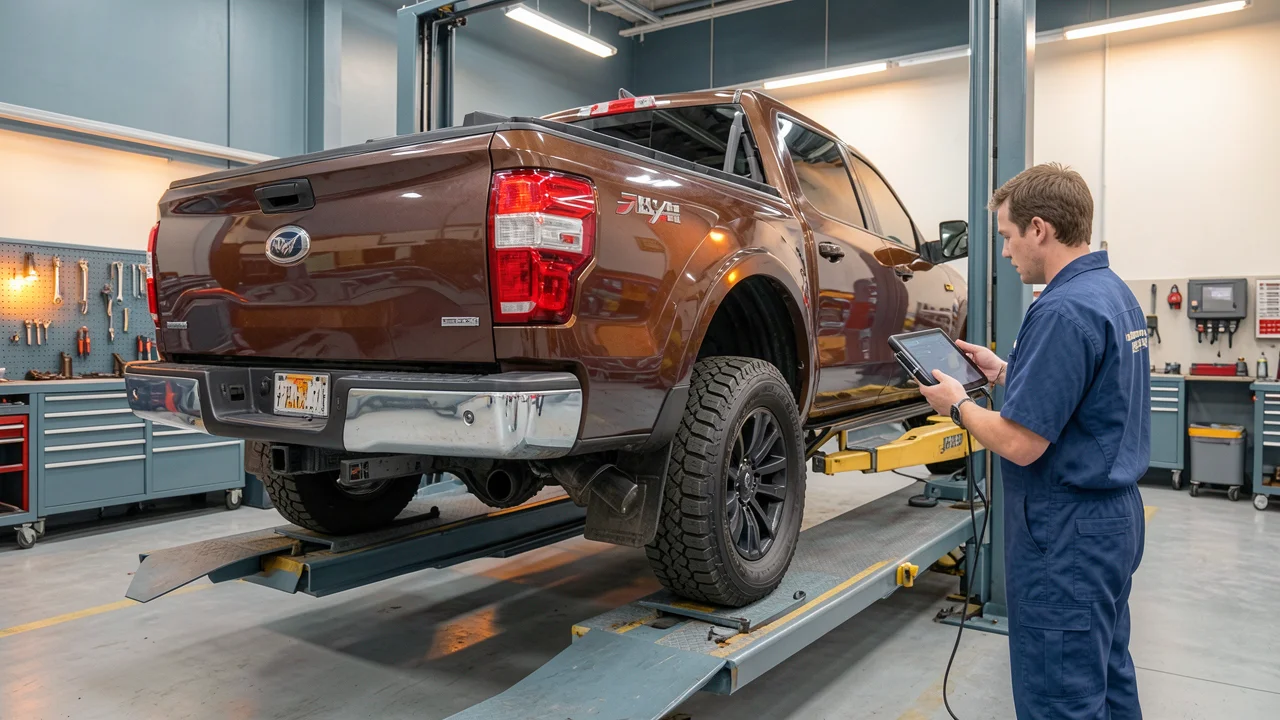
Pro Tip: Ask the service advisor to print the TPMS relearn confirmation and note the new label on your repair order. That paperwork helps at trade-in time.
What to Do Before Your Appointment
You do not need to park the truck. Instead, take a few simple steps:
- Set the rear tires to 80 psi cold if your truck matches the recall criteria. Check them before driving, not after a run.
- Use a reliable gauge. Many cheap pencil gauges top out or read poorly above 60 psi.
- Do not trust the TPMS alone. Until the relearn, it may not flag a low rear tire.
- Delay max-weight tows if you can, or check pressures at every fuel stop.
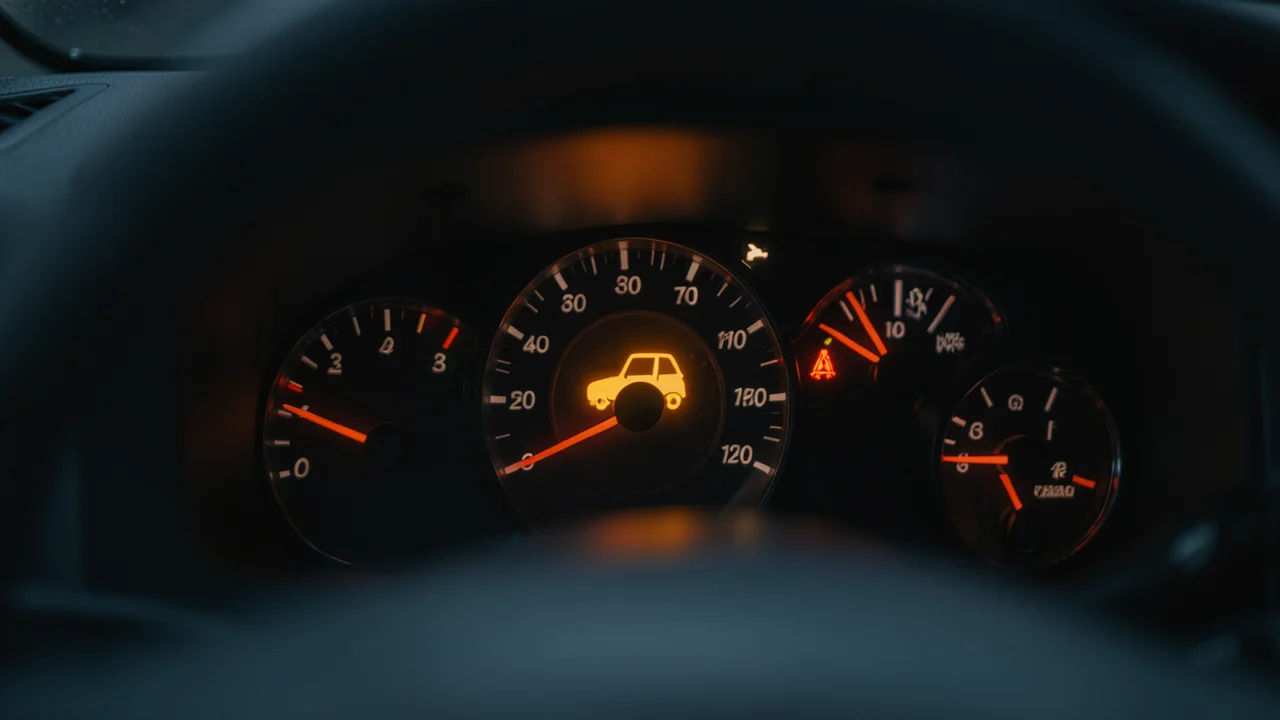
If the TPMS light acts up after the fix, our step-by-step guide on resetting a tire pressure light covers the common causes. Planning to swap wheels yourself later? Read about installing TPMS sensors on aftermarket wheels first.
Products Worth Considering
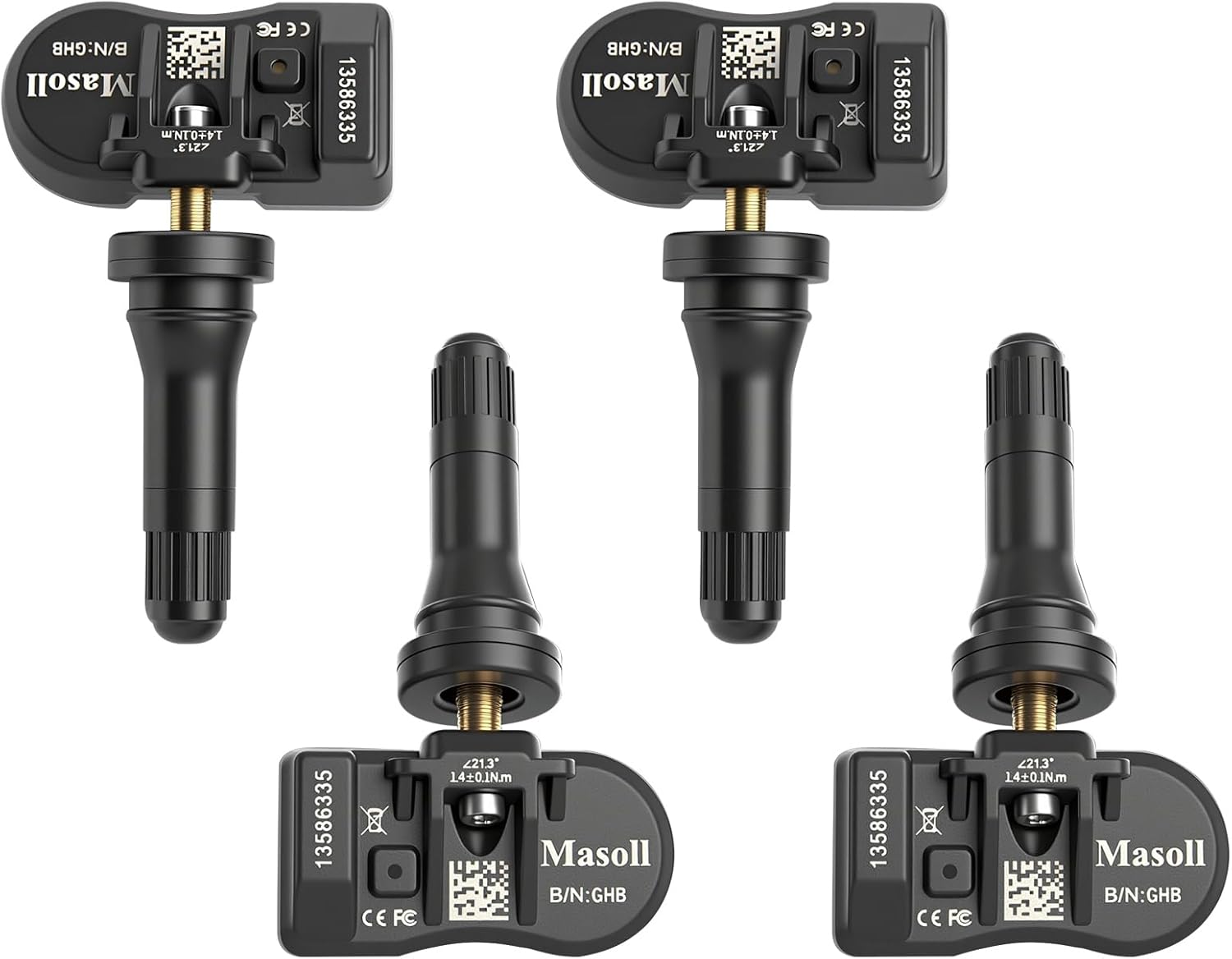
Masoll TPMS sensors are designed for most GM vehicles after 2006, helping you clear tire pressure warnings with OEM-level 315/433MHz compatibility. The 4-pack includes pre-programmed sensors, but re-learning is required after installation using a GM TPMS relearn tool or scan tool. Built with a dual-antenna design and a long-life CR2050 battery, these sensors deliver reliable performance in extreme temperatures with corrosion-resistant valve construction.

The UYYE TPMS relearn tool helps activate and relearn tire pressure monitor sensors quickly, typically in minutes. It supports TPMS learn mode resetting using a simple three-step process: enter learn mode, position the tool near the valve stem, and press the learn button. Designed for specific GM models, it streamlines sensor programming and reduces trips to dealers or tire shops.
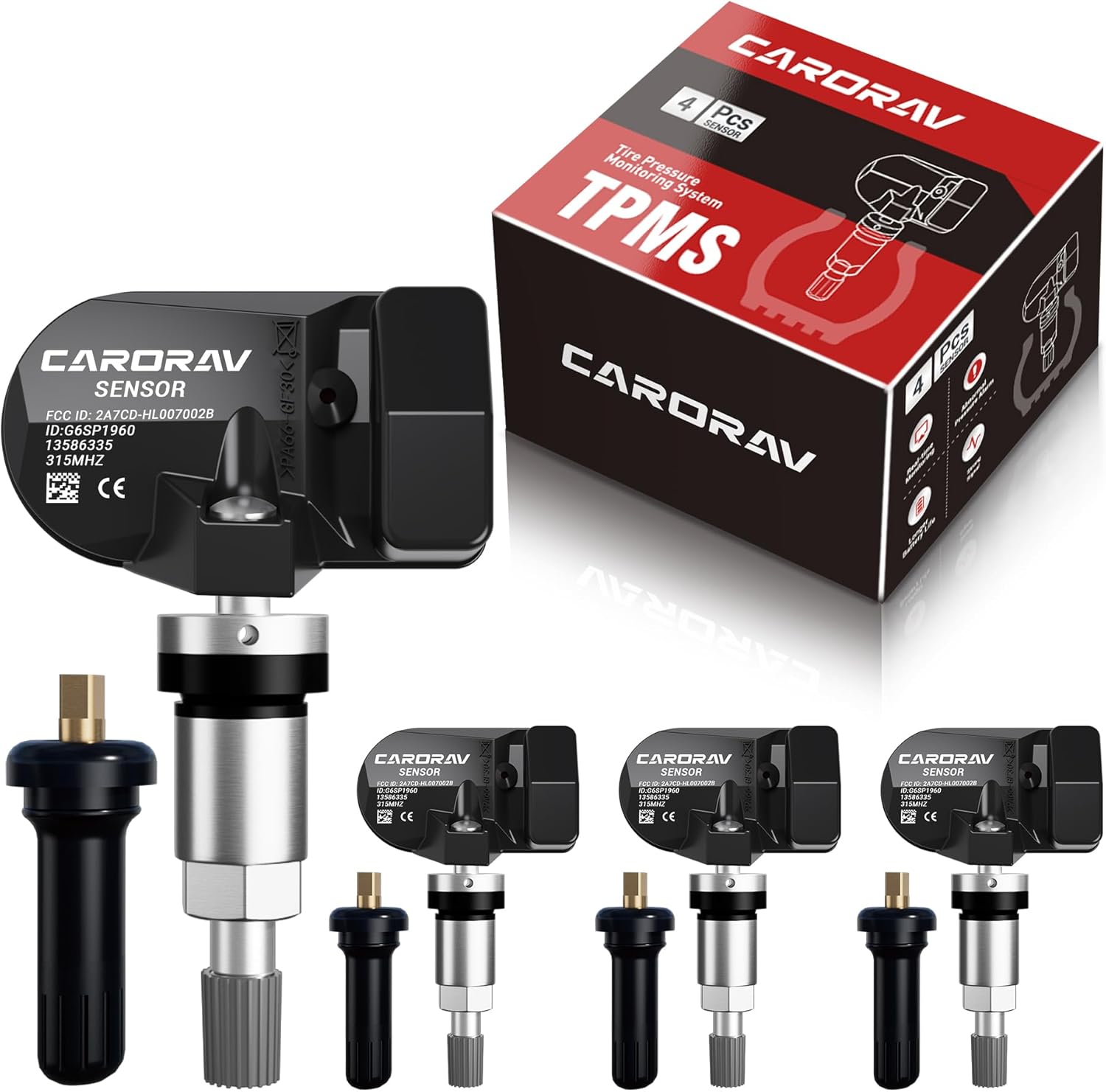
Replace worn or missing TPMS sensors with CARORAV pre-programmed GM-compatible sensors for a smoother installation experience. These 315MHz replacement sensors help monitor tire pressure in real time with long battery life, and they are designed to withstand harsh temperatures. Manual or OBDII relearn may be required to reset the system for proper recognition.
Other GM HD Tire and TPMS Recalls
The 26V530 campaign is not the first time GM’s accessory wheels have caused a recall on its HD trucks. Here is a quick look at related campaigns owners often confuse with this one.
| Recall | Trucks | Issue |
|---|---|---|
| 26V530 (2026) | 2024-2025 Sierra/Silverado 2500 HD with NHT + 20-inch REM kit | Rear pressure listed as 70 psi instead of 80 psi; TPMS calibrated wrong |
| 21V578 (2021) | 2020-2021 Sierra/Silverado 2500 HD with 17-inch spare and 18- or 20-inch accessory tires | Mismatched spare tire |
| 21V423 (2021) | 2019 Sierra/Silverado 1500 | Original equipment tires cured too long in production |
Because recalls stack up over a truck’s life, run your VIN once a year even if you have not received a letter.
GMC Sierra HD Tire Pressure Recall FAQ
Is the Sierra 3500 HD included in this recall?
No. The NHTSA filing lists only 2024-2025 Sierra 2500 and Silverado 2500 models. Sierra 3500 HD trucks are not part of campaign 26V530. Still, check your own door label, because the correct pressure always depends on your exact tire size and load range.
What is the correct rear tire pressure for an affected Sierra 2500 HD?
The correct rear tire pressure is 80 psi cold for trucks with the enhanced towing option and the 20-inch accessory kit. The incorrect label shows 70 psi. Front pressures were not changed by the recall, so follow your existing label for the front axle.
Can I fix the recall myself?
You can inflate the rear tires to 80 psi yourself as a stopgap. However, the ECM software update and TPMS calibration need a GM dealer. Only the dealer repair updates the warning threshold, so book it even if your pressures are already correct.
Will GM pay me back for tires that wore out early?
GM has not announced a reimbursement plan for this recall. Its filing says reimbursement is not planned because owners would not have known about the issue. If you believe the wrong pressure damaged your tires, keep receipts and raise it with your dealer.
Does this recall affect trucks with factory 20-inch wheels?
No. Trucks built with 20-inch wheels from the factory already had the correct label and TPMS settings. Only trucks that had their factory 18-inch wheels replaced by the dealer-available 20-inch package are included.
How long does the recall repair take?
Most dealers can finish it in under an hour, since it combines a quick software reflash, a sticker overlay, inflation and a TPMS relearn. Call ahead to confirm the dealer has the label overlay in stock before you drop the truck off.
Bottom Line
The GMC Sierra HD tire pressure recall only touches a handful of trucks, but it matters a lot if yours is one of them. A 2024-2025 Sierra 2500 HD with enhanced towing and the dealer 20-inch kit should run 80 psi in the rear, not 70 psi. Until a dealer updates the ECM and relearns the TPMS, your warning light may not protect you.
Run your VIN today, set the rear tires to 80 psi cold if your truck matches, and book the free repair before your next big tow. Then keep a good gauge in the cab, because no sensor beats a quick manual check.
Sources
Products Worth Considering

These M14x1.5 closed-end chrome lug nuts are a one-piece replacement designed for secure fitment on compatible GM, Ford, and select Chrysler/Dodge models. Featuring a 60-degree conical seat and anti-rust chrome plating, they help resist corrosion and maintain a bright look for everyday driving. Built for long-term durability, they include OEM-style part references and are backed by 12 months of support.

Check tire pressure with the Milton S-925 pencil gauge built for trucks, RVs, and bicycles. It features a single-head chuck with a built-in deflator valve, and it displays readings in both PSI and kPa for convenient use. The gauge is designed for accurate, repeatable pressure checks within its working range.

The AICEL TPMS relearn tool helps you quickly reset or relearn tire pressure sensors after replacement, tire rotation, or resolving tire pressure alarms. It provides an activation reset function so your vehicle’s TPMS can operate optimally, saving time and money on frequent visits to an auto shop. Designed for easy use on most vehicles, it works by placing the tool near the valve stem and using the learn button.