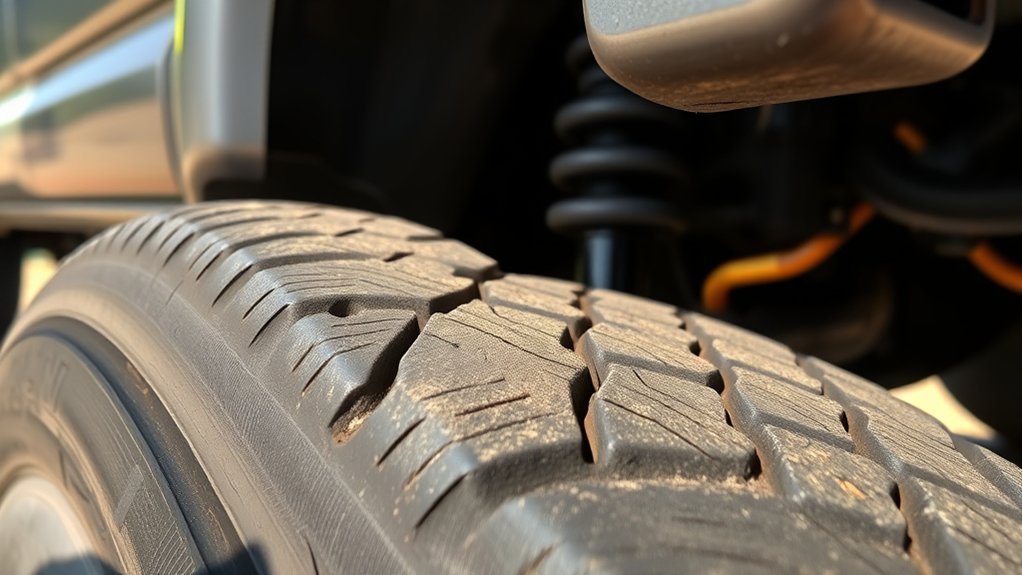
If your Toyota Tacoma has tire wear on the outside edge, treat it as an early warning sign instead of a normal tire problem. The most common causes include incorrect wheel alignment, low tire pressure, worn suspension parts, heavy loads, aggressive cornering, or a setup change such as a lift, larger tires, or aftermarket wheels. Check the tread pattern, pressure, and suspension before replacing tires, because new tires can wear the same way if the root cause remains.
Quick Answer
Outside edge tire wear on a Toyota Tacoma usually points to alignment, inflation, suspension, load, or driving-condition issues. Start by checking cold tire pressure against the driver-door placard, inspecting the tread pattern, and looking for suspension wear. If one shoulder keeps wearing fast, get a professional alignment printout before buying new tires.
Key Takeaways
- Outside shoulder wear often comes from alignment angles, low pressure, heavy loads, sharp turning, or worn steering and suspension parts.
- Use the Tacoma’s tire information placard or owner’s manual for pressure, not the maximum PSI printed on the tire sidewall.
- If the truck has been lifted or fitted with different wheels or tires, ask the shop to verify camber, caster, and toe with a before-and-after alignment printout.
- Replace tires immediately if the tread reaches 2/32 inch, cords show, the sidewall bulges, or the truck vibrates badly.
At a Glance
| Time Required | 15–30 minutes for a basic home inspection, plus shop time if alignment or suspension work is needed |
| Difficulty | Easy for pressure and tread checks; professional help recommended for alignment and suspension diagnosis |
| Tools Needed | Tire pressure gauge, tread depth gauge or penny, flashlight, gloves, and your Tacoma owner’s manual or tire placard |
| Cost | Basic inspection is low-cost; alignment, tires, and suspension repairs vary by tire size, shop, parts, and local labor rates |
Common Causes of Outside Edge Tire Wear
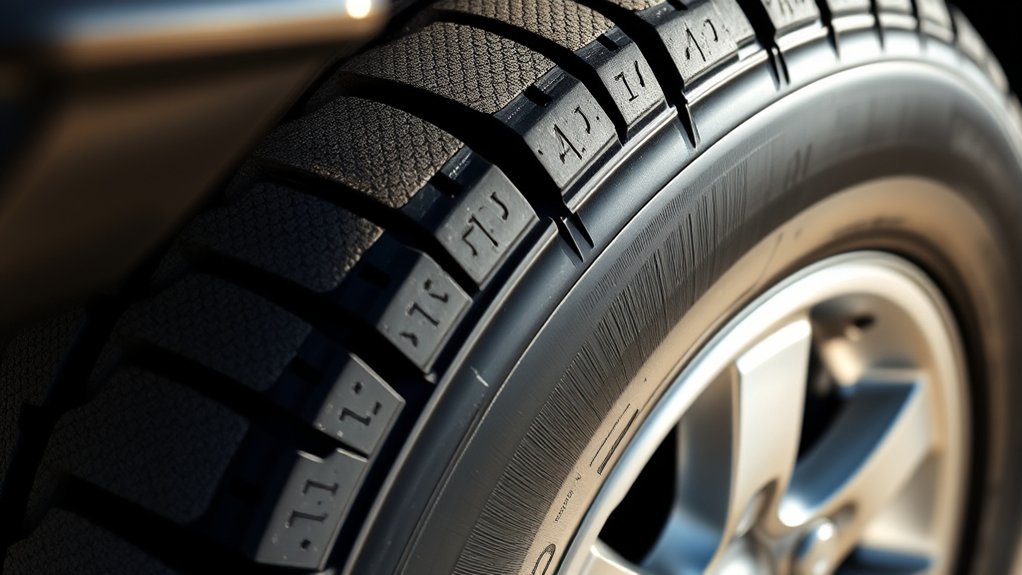
When you notice outside edge tire wear on your Toyota Tacoma, start with the causes that change how the tire meets the road. One-sided wear can happen when alignment angles move out of specification, especially camber or toe. Worn steering and suspension parts can also let the wheel move under load, which makes the shoulder scrub against the pavement.
Low tire pressure can make the tire shoulders work harder because the tread does not sit flat under the truck’s weight. Heavy cargo, towing, uneven load placement, rough roads, and frequent tight turns can make that shoulder wear show up faster. If your Tacoma has a lift kit, larger tires, wheel spacers, or aftermarket wheels with a different offset, the alignment and suspension geometry deserve extra attention.
Note: Do not set tire pressure from the maximum PSI printed on the tire sidewall. For original-equipment sizing, use the Tacoma’s tire information placard or owner’s manual. Tire makers also advise using the vehicle placard or owner’s manual for OE inflation pressure.
| Wear Pattern | Likely Cause | What to Do Next |
|---|---|---|
| Outside edge on one front tire | Alignment, worn suspension, road impact, or bent component | Inspect suspension and get a four-wheel alignment printout |
| Outside edges on both front tires | Low pressure, heavy front load, toe/camber issue, or hard cornering | Check pressure cold, inspect tread depth, then verify alignment |
| Feathered or saw-tooth tread blocks | Toe angle, worn steering parts, or tire scrub | Ask the shop to check toe and steering linkage |
| Cupping or scalloped patches | Shocks, struts, balance, bearing, or other mechanical issue | Inspect suspension before replacing tires |
How to Check the Problem Before Replacing Tires
Before you spend money on new tires, confirm whether the wear is mild, active, or already unsafe. A quick inspection can help you decide whether you need air, rotation, alignment, suspension repair, or immediate tire replacement.
- Park on level ground and let the tires cool. Cold pressure gives you the most useful reading.
- Check pressure against the driver-door placard. Adjust each tire to the Tacoma’s listed pressure for the current tire size and load setup.
- Measure tread depth across the tire. Check the inner edge, center, and outside edge, not just one spot.
- Run your hand lightly across the tread. A sharp, feathered feel can point to toe-related scrub.
- Look for damage. Bulges, cracks, exposed cords, punctures, and separated tread need immediate attention.
- Review recent changes. A lift, new wheels, larger tires, curb strike, pothole hit, or off-road trip can change alignment or reveal weak parts.
- Get a printout if wear continues. Ask for before-and-after camber, caster, and toe readings so you can see what was corrected.
Warning: Do not keep driving normally if the tire is at 2/32 inch tread depth, has exposed cords, shows a sidewall bulge, loses air quickly, or causes severe vibration. Replace or inspect the tire immediately.
Signs Your Tires Are Wearing Unevenly
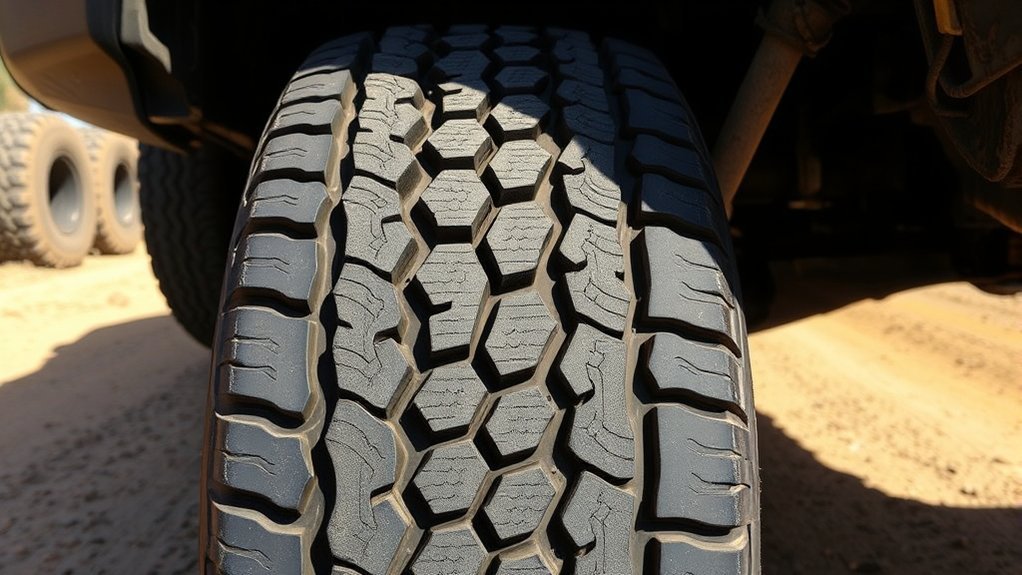
You can often spot uneven tire wear before the tire becomes unsafe. Look across the full tread width. If the outside edge is smoother than the center or inner edge, the tire is not wearing evenly. If tread blocks feel sharp in one direction and smooth in the other, the tire may be feathering from toe-related scrub.
Also watch for steering pull, an off-center steering wheel, vibration, humming, repeated pressure loss, or one tire wearing faster than the others. These symptoms can come from alignment, tire balance, worn shocks, loose steering parts, wheel bearing issues, or previous road impact damage.
Check tread depth at least monthly while you check tire pressure. The National Highway Traffic Safety Administration says tires are unsafe and should be replaced when tread is worn to 2/32 inch. The built-in treadwear indicators also become level with the tread when the tire is at the replacement point.
Routine Maintenance Practices to Prevent Tire Wear
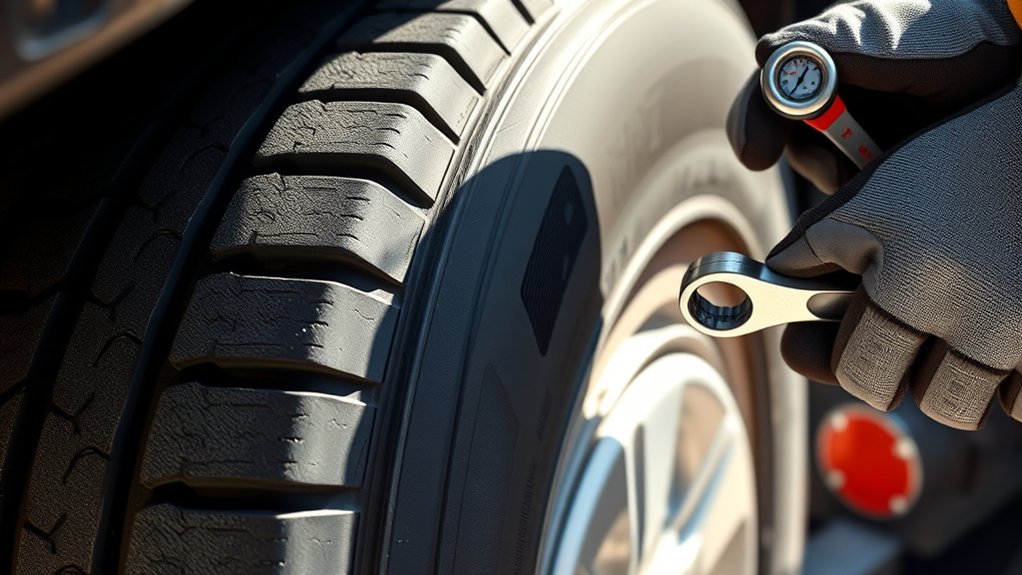
Good tire maintenance does not fix a damaged tire, but it can slow uneven wear and help you catch problems early. For a Tacoma, focus on pressure, rotation, alignment symptoms, suspension condition, and load habits.
Regular Tire Pressure Checks
Check your tire pressure at least once a month and before long trips, towing, or heavy hauling. Use a reliable tire pressure gauge when the tires are cold. Driving heats the tires and can raise the pressure reading, which makes the number less useful for setting baseline pressure.
Use the tire information placard on your Tacoma or the owner’s manual for the correct pressure. Toyo Tires also notes that original-equipment inflation pressure should come from the tire information placard or owner’s manual, and that the placard is commonly found on the vehicle door jamb, glove compartment, or near the gas cap.
Consistent Wheel Alignment Maintenance
Wheel alignment controls the angle of the tires against the road. If camber, caster, or toe moves out of spec, the tire can scrub instead of rolling cleanly. That can shorten tire life and make your Tacoma pull, wander, or feel unstable.
Have alignment checked when you see uneven wear, hit a pothole or curb, install suspension parts, change ride height, or notice the steering wheel is off-center. The U.S. Tire Manufacturers Association says misaligned wheels can cause uneven, rapid tread wear and should be corrected by a tire dealer.
Tire Rotation and Tread Depth Checks
Tire rotation helps spread wear across different tire positions. Follow your Tacoma maintenance guide first. As a general tire-safety reference, NHTSA says that if the vehicle manufacturer recommends rotation, many vehicles should have tires rotated every 5,000 to 8,000 miles or sooner if uneven wear appears.
Measure tread depth on the inner shoulder, center rib, and outer shoulder. If one shoulder keeps dropping faster after pressure and rotation are corrected, do not ignore it. That usually means the tire is reacting to alignment, suspension, load, or driving conditions.
Pro Tip: Ask the alignment shop for the printout. The before-and-after numbers show whether camber, caster, and toe were corrected or whether a worn or modified part is limiting adjustment range.
How Suspension Components Affect Tire Wear
Suspension components control how your Toyota Tacoma holds the tire against the road. Worn control arm bushings, ball joints, tie rods, shocks, struts, wheel bearings, or steering components can let the tire move in ways the alignment rack may not fully capture during a static check.
If parts are loose or worn, an alignment alone may not hold. The truck may leave the shop within spec, but the tire can still scrub under braking, cornering, towing, or off-road impacts. That is why a good inspection should come before alignment when the tire wear is severe or keeps returning.
| Component | How It Can Affect Tire Wear | Recommendation |
|---|---|---|
| Control arm bushings | Can allow wheel movement that changes alignment under load | Replace when cracked, loose, or oil-soaked |
| Shocks or struts | Can cause bouncing, cupping, or poor tire contact | Inspect for leaks, weak damping, and uneven ride height |
| Tie rods and steering parts | Can create toe changes, wander, and feathered tread | Check before alignment if steering feels loose |
| Ball joints and wheel bearings | Can allow wheel play and irregular tire contact | Inspect if wear is rapid, noisy, or isolated to one tire |
[Products Worth Considering]

Measure tire tread depth quickly and accurately with this LUMITECO dial gauge that reads in 1/32" increments up to 14/32". The color-coded green/yellow/red zones make it easy to judge tire wear and know when replacement is needed. A rugged, compact design with a protective pouch helps keep the gauge ready for use on cars, trucks, motorcycles, and more.

Monitor tire tread wear with a smart, color-coded depth gauge that shows clear condition ranges at a glance. The bar is range marked for fast, easy readings, helping you maintain safer traction and performance. Each gauge is portable with a pocket clip, and the set includes 20 units for daily use and sharing.

The Ziopetru adjustable magnetic wheel alignment tool helps you check and restore camber and caster positioning after removing and reinstalling undercarriage components. With a clear leveling/bubble measurement system and an easy zeroing adjustment knob, it supports precise horizontal angle checking. The strong magnetic base mounts to metal surfaces for convenient use at home on cars, motorcycles, trucks, vans, and SUVs.
Driving Habits That Accelerate Tire Wear
Driving habits can make outside edge wear show up faster, even when the truck is mechanically healthy. Hard cornering, fast roundabouts, tight parking-lot turns, repeated curb contact, rough gravel roads, and off-road steering at low speed can scrub the tire shoulders.
Overloading your Tacoma can also change how the tire sits on the road. Heavy bed cargo, towing tongue weight, rooftop loads, and uneven cargo placement all add stress to the tire. Keep loads within the truck’s ratings, adjust pressure according to Toyota’s guidance, and inspect tires more often when towing or hauling.
Road shape matters too. High-crowned roads, potholes, construction zones, and rutted trails can make one side work harder. If the truck sees rough roads often, treat tire inspection as part of your regular maintenance instead of waiting for the next oil change.
Costs of Replacing Worn Tires
Replacing worn tires on a Toyota Tacoma can become expensive, especially if you use all-terrain tires, load-rated tires, larger aftermarket sizes, or premium brands. The final cost depends on tire size, load rating, speed rating, tread type, region, mounting, balancing, valve stems, disposal fees, taxes, and whether TPMS service is needed.
The bigger cost is replacing tires without fixing the cause. If bad alignment, low pressure, worn suspension, or an incorrect lifted-truck setup caused the outside edge wear, the new tires can start wearing the same way quickly.
Before buying a full set, ask the tire shop whether the existing tires are still safe to rotate, whether the worn tire needs immediate replacement, and whether alignment or suspension work should happen first. This order can save money and prevent repeat wear.
How Wheel Alignment Affects Your Tires
Wheel alignment controls camber, caster, and toe. Camber is the inward or outward tilt of the tire when viewed from the front. Toe is whether the tires point slightly inward or outward when viewed from above. Caster affects steering feel, return-to-center, and stability.
When alignment is correct, the tire rolls with even contact. When it is off, the tire can scrub across the road surface. Michelin’s irregular wear guide lists one-sided wear as wear that increases from one side of the tire to the other, with probable causes including out-of-spec camber, toe, or axle alignment.
For a Tacoma, alignment becomes even more important after suspension changes. A lift, new control arms, new shocks, different wheel offset, larger tires, or off-road impact can change the truck’s alignment range. If the alignment shop cannot bring the numbers into spec, the printout can show whether parts are worn, bent, or limiting adjustment.
A tire wear pattern is a clue, not a complete diagnosis. Pressure, alignment, load, suspension, and recent impacts all need to be checked before you blame the tire itself.
[Products Worth Considering]

These aluminum alloy tire valve stem caps with an O-ring seal help protect valve stems from corrosion while adding a clean, stylish look to your vehicle. The universal fit works across cars, trucks, motorcycles, bicycles, and more, making them an easy upgrade for everyday driving and off-road use. Installation is quick, and the included four-pack keeps all your tires dressed and protected.

Accurately measure tire tread depth with a calibrated gauge marked from 0 to 1 inch in 1/32 inch increments. The color-coded bar helps you quickly identify tread condition ranges, supporting safe driving for trucks, motorcycles, automobiles, and passenger vehicles.

The SAFELIFE dial tire tread depth gauge measures tread depth in 1/32 inch increments with clear, easy-to-read 2-inch dial face. Color zones using a traffic light system help you quickly judge whether tread is low, marginal, or ample for safer driving. Built with a durable zinc cast body and a metal detect probe for precise, comfortable use across cars, motorcycles, trucks, and buses.
Upgrading Your Toyota Tacoma Suspension for Better Tire Life
Suspension upgrades can help tire life when they correct a real geometry or wear problem. They can also make tire wear worse if installed without a proper alignment. Do not upgrade parts only because the outside edge is worn. First, inspect the existing parts and review the alignment readings.
- Upper control arms: Adjustable or high-clearance UCAs may help on some lifted Tacomas when the shop cannot achieve proper alignment numbers with the factory arms.
- Shocks and coilovers: Quality dampers can improve tire contact, but ride height changes still need alignment afterward.
- Steering and bushing refresh: Replacing worn parts can help the truck hold alignment under real driving loads.
- Post-upgrade alignment: Always align the truck after suspension changes, wheel changes, tire-size changes, or ride-height adjustments.
If your Tacoma is used for towing, trail driving, or oversized tires, ask a shop familiar with Tacomas to inspect the full setup. The right answer may be alignment only, worn-part replacement, pressure correction, or a suspension part upgrade, depending on the truck.
[Products Worth Considering]

Steelman white tire marking crayons provide high-contrast, semi-permanent marks for repairing and inspecting tires and equipment. They write on wet or dry, smooth or coarse surfaces including rubber, metal, glass, and wood, making them ideal for puncture location and damage outlining. The lead- and zinc-free crayons resist weather and fading yet wipe away when you no longer need the marks.

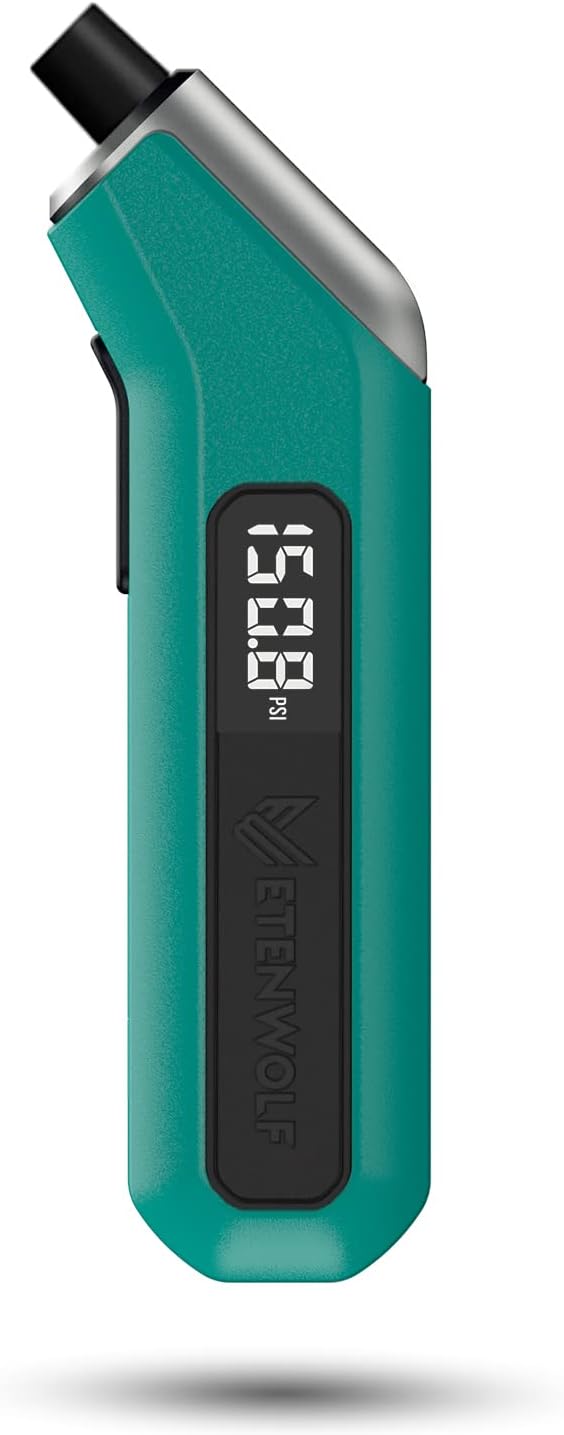
ETENWOLF’s tire pressure gauge helps you quickly and accurately check tire PSI across cars, trucks, motorcycles, bikes, and more. It’s manually calibrated to ANSI B40.1 Grade A for reliable readings, includes a large glow dial for easy nighttime viewing, and features a 360-degree swivel chuck for use at any valve angle. The gauge also works consistently in extreme hot or cold weather.

AstroAI’s heavy-duty digital tire pressure gauge delivers quick, accurate readings with 0.1 increments and a secure valve-stem seal. It features a green backlit LCD and built-in flashlight for easy use in low light, plus an ergonomic non-slip stainless-steel design. The wide 0–230 PSI range works across common vehicle tires, with unit selection and an auto shut-off to save battery.
Frequently Asked Questions
Why are my Tacoma tires wearing on the outside edge only?
Outside edge wear usually comes from alignment issues, low pressure, worn steering or suspension parts, heavy loads, hard cornering, or a lifted/modified setup that has not been aligned correctly. Check pressure and tread first, then get the alignment and suspension inspected if the wear continues.
What condition causes excessive wear on the outside edge of a tire?
Excessive outside edge wear can come from out-of-spec camber or toe, low inflation pressure, overloaded tires, aggressive cornering, or worn suspension parts. A tire shop should inspect the tread pattern and provide alignment readings before you replace the tire.
Can low tire pressure cause outside edge wear?
Yes. Low pressure can make the tire shoulders carry more load, which can wear the outer and inner edges faster than the center. Check pressure when the tires are cold and use the Tacoma’s door placard or owner’s manual for the correct setting.
Should I rotate tires that already have outside edge wear?
You can rotate mildly uneven tires if they still meet safe tread depth and have no damage, but rotation will not fix the cause. If the tire is badly worn, cupped, showing cords, or at 2/32 inch tread depth, replace it and correct the alignment or suspension issue.
Why did my Tacoma start wearing tires after a lift?
A lift can change suspension geometry, caster range, camber, and toe. Larger tires or different wheel offset can add more stress. Get a post-lift alignment printout and ask whether any parts are limiting the shop’s ability to bring the truck into spec.
When is outside edge wear unsafe?
It is unsafe when tread reaches 2/32 inch, cords or belts are visible, the tire has a bulge, tread is separating, pressure drops repeatedly, or the truck vibrates severely. Stop normal driving and have the tire inspected or replaced.
Conclusion
Outside edge tire wear on your Toyota Tacoma is not something to ignore. It usually means the tire is being forced to work harder on one shoulder because of pressure, alignment, load, suspension wear, driving conditions, or a modified setup. Start with the simple checks: cold tire pressure, tread depth, visible damage, and recent impacts. Then get a professional alignment and suspension inspection if the pattern keeps returning.
Fixing the cause matters more than replacing the tire alone. When your Tacoma has the right pressure, sound suspension parts, proper alignment, and regular rotation, the tires can wear more evenly and give you a safer, smoother ride.
Sources
- NHTSA TireWise — tire pressure checks, tread depth, alignment, rotation, and 2/32 inch replacement guidance
- U.S. Tire Manufacturers Association Tire Care Essentials — alignment symptoms and tire-care recommendations
- Michelin Irregular Tire Wear 101 — one-sided wear, feathering, mechanical causes, and alignment-related wear patterns
- Tire Industry Association Tire Replacement — treadwear indicators and 2/32 inch replacement threshold
- Toyo Tires Load & Inflation Tables — using the vehicle tire information placard or owner’s manual for OE inflation pressure
- Toyota 2026 Tacoma Manuals and Warranties — model-specific owner materials and warranty/manual access