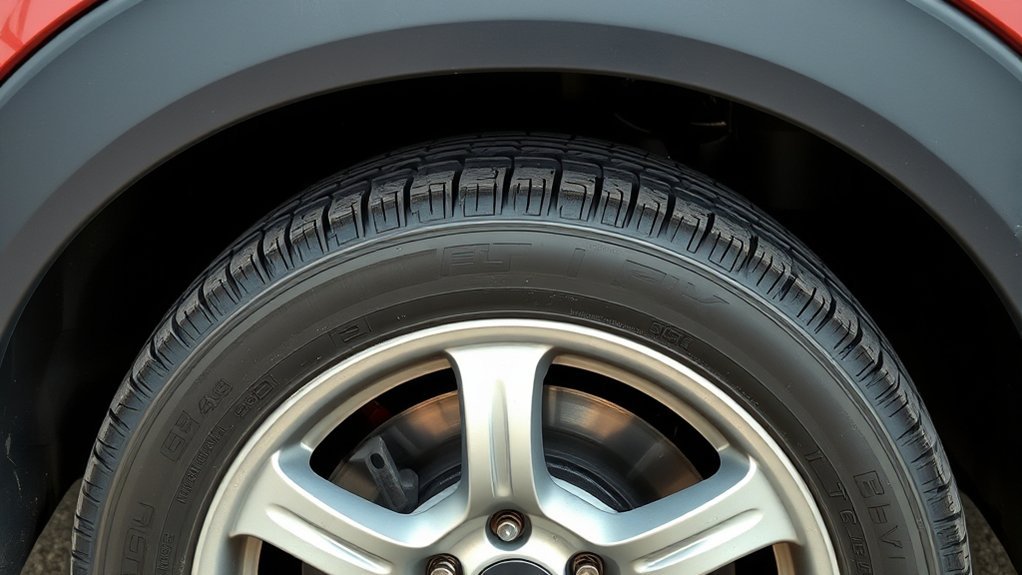
The plastic piece above your tire can have different names because automakers use different terms for inner wheel-well protection and visible exterior wheel-arch trim. If the piece sits inside the wheel well, it is usually a fender liner, inner wheel well liner, wheelhouse liner, or splash shield. If it sits on the visible outside edge of the wheel opening, parts catalogs may call it wheel opening molding, fender flare, fender garnish, wheel arch molding, or wheel arch trim. The fastest way to identify it is to check its location first, then confirm the exact part with your vehicle year, make, model, trim, side, axle position, and VIN-based parts diagram before ordering.
Last updated: August 18, 2026. Reviewed against current Ford, GM, Nissan, NHTSA, EPA, and OSHA sources.
Quick Answer
The plastic piece above your tire is usually called a fender liner if it sits inside the wheel well. If it is the visible trim around the outside of the wheel arch, parts catalogs may call it wheel opening molding, fender flare, fender garnish, wheel arch molding, or wheel arch trim.
Key Takeaways
- The inner plastic shield is usually a fender liner, inner wheel well liner, wheelhouse liner, or splash shield.
- The visible plastic trim around the wheel arch is often wheel opening molding, fender flare, fender garnish, wheel arch molding, or wheel arch trim.
- Some vehicles use smaller splash shields instead of one full liner, so compare the exact shape and parts diagram before ordering.
- A loose or missing liner can expose nearby parts to water, grit, road salt, and debris.
- Do not order by name alone. Match the side, front or rear position, trim package, clips, and VIN-based parts diagram.
- Do not keep driving if a loose panel rubs the tire, drags on the road, flaps into moving parts, or limits steering clearance.
At a Glance
| Time Required | Identification is usually a quick visual check. Replacement time varies by vehicle, wheel access, fastener condition, and whether adjacent trim must be loosened. |
| Difficulty | Varies by vehicle. The job is usually simpler when the wheel can stay installed and the original mounting tabs are intact. |
| Tools Needed | Common tools include a trim clip remover, flat screwdriver, Phillips screwdriver, Torx bit or socket set, replacement clips, gloves, wheel chocks, and properly rated jack stands if the vehicle must be lifted. |
| Cost | Varies by vehicle, side, trim, finish, damaged hardware, and whether you choose an OEM or aftermarket replacement. |
What the Plastic Piece Above the Tire Is Called

If the plastic piece is tucked inside the wheel well, the most common name is fender liner. You may also see it listed as an inner fender liner, wheel well liner, wheelhouse liner, splash shield, or inner wheel arch liner. This panel helps block mud, water, road grit, salt spray, and small debris thrown by the tire.
If the plastic piece is visible on the outside edge of the body, it is usually not the inner liner. It may be a wheel opening molding, fender flare, fender garnish, wheel arch molding, or wheel arch trim. These pieces cover or finish the visible edge of the wheel opening, and some designs also extend outward around the tire.
The exact catalog name depends on the vehicle and automaker. Ford uses terms such as wheel-well liners and fender flare wheel arch molding. GM catalogs similar inner protection as a wheelhouse liner, while Nissan uses fender splash shield and also lists fender liner as another name on some applications. That is why you should avoid ordering from a generic name alone. Use the vehicle’s VIN, parts diagram, side, position, and trim level to confirm the replacement.
Is It a Fender Liner, Garnish, or Molding?
The easiest way to identify the part is to look at where it sits. The inner liner sits behind the tire inside the wheel well. The molding, flare, or garnish sits around the outside lip of the wheel arch.
| Part Name | Where It Sits | What It Does |
|---|---|---|
| Fender liner | Inside the wheel well, behind and above the tire | Blocks water, mud, salt, and road debris from nearby areas |
| Wheelhouse liner | Inside the wheelhouse around the tire | OEM catalog term used for inner wheel-well protection on some vehicles |
| Wheel opening molding | Outer edge of the wheel opening | Covers or protects the visible arch edge and finishes the body line |
| Fender flare | Outer arch, often extending farther than the body panel | Extends the wheel-opening edge and can add tire coverage |
| Fender garnish | Outer decorative or protective trim near the wheel arch | Finishes or covers a visible body edge |
| Splash shield | Inside the wheel area, sometimes as a smaller partial panel | Helps shield selected wheelhouse, engine-bay, or underbody areas from spray and debris |
Fast identification rule: Check three things. First, is the piece inside or outside the wheel opening? Second, does it cover much of the wheelhouse or only one smaller area? Third, is it hidden protective plastic or visible finished trim? Inside + broad coverage usually points to a liner. Inside + partial coverage may be a splash shield. Outside + visible finish usually points to molding, flare, garnish, or wheel arch trim.
Is a Splash Shield the Same as a Fender Liner?
Sometimes. Parts catalogs may use fender liner, wheelhouse liner, and fender splash shield for similar inner wheel-well panels. Nissan, for example, catalogs some parts as a fender splash shield while also listing fender liner as another name.
However, a splash shield can also be a smaller panel that protects only one section of the wheelhouse or nearby engine-bay area. GM catalogs wheelhouse splash shields separately from full wheelhouse liners on some vehicles. The safest approach is to match the shape, mounting points, location, and VIN-based diagram rather than assuming two parts are identical because their names sound similar.
What a Fender Liner Does
A fender liner protects areas inside the wheel well from mud, stones, water, salt spray, and road debris. Ford describes its wheel-well liners as helping shield body-colored parts and underpinnings inside the wheelhouse, while GM describes wheelhouse liners as helping protect the inside of the fender from debris.
This protection matters more where roads are treated with salt. The U.S. Environmental Protection Agency notes that road salt can have corrosive effects on cars, trucks, bridges, and roads. A missing liner does not guarantee corrosion, but it can leave more of the wheelhouse directly exposed to salty spray, moisture, and grit.
A liner also helps keep debris away from nearby areas. When it cracks or hangs loose, dirt can collect behind it, clips can tear out, and the edge may move close enough to the tire to rub during turns or suspension movement.
The safest way to order the right part is to identify both its location and its catalog name. Inner wheel-well parts are usually liners or shields, while outer arch parts are usually moldings, flares, garnishes, or trim.
What Exterior Wheel Arch Trim Does
Exterior wheel arch trim covers the outer edge of the wheel opening. On some vehicles it is mainly a finished body trim piece, while on trucks and SUVs a flare may extend farther outward around the tire. Ford describes its official fender flare wheel arch molding as a body piece that covers and extends the arch of the wheel-well opening.
Outer trim pieces are more visible than inner liners, so color and finish matter. Some are textured black plastic, some are body-color, and some replacements may require finishing or paint. If your replacement piece sits on the outside of the fender, check whether the exact part is sold raw, primed, painted, or textured for your vehicle.
Why Fender Liners Loosen or Fall Off
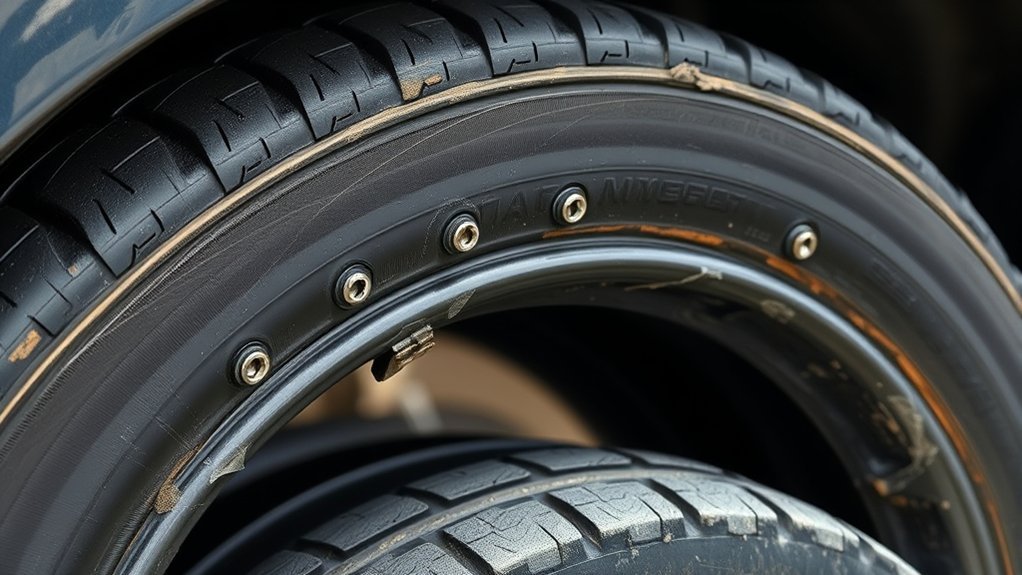
Fender liners usually loosen when clips, screws, rivets, retainers, or mounting tabs wear out, pull free, or break. Heat, cold, water, road salt, and road grime can age exposed plastic hardware. Potholes, curb contact, tire rubbing, or previous body repairs can also move a liner out of position.
| Cause | What You May Notice |
|---|---|
| Missing clips or screws | The liner sags, flaps, or pulls away from the wheel well |
| Broken mounting tabs | New clips will not hold because the plastic tab or hole is torn |
| Tire rubbing | Scraping noise during turns, bumps, or reversing |
| Impact damage | Cracks, missing sections, or a liner pushed out of alignment |
| Poor aftermarket fitment | Gaps around the edge or mounting holes that do not line up correctly |
Warning: Do not continue driving if a liner rubs the tire, drags on the road, interferes with steering, or can move into a rotating or braking component. Secure the loose section safely or have the vehicle inspected before driving farther.
Can You Drive With a Loose or Missing Fender Liner?
A missing liner is generally less immediately concerning than a liner that is loose or touching the tire, but do not assume the vehicle is safe to drive. Check for hanging plastic, tire contact, restricted steering, exposed wiring or hoses, and anything that can reach the road or a moving component. If you cannot confirm safe clearance, have the vehicle inspected before driving.
A loose liner needs prompt attention because it can move as the tire turns, the suspension compresses, or airflow pushes on the panel. If plastic is already touching the tread or sidewall, stop and correct the contact before continuing.
While parked, turn the steering wheel fully left and right and inspect the available clearance. Also check the tire tread and sidewall for rubbing marks or damage. The National Highway Traffic Safety Administration recommends regular checks of tire pressure and tire condition, including tread inspection.
Can You Temporarily Secure a Loose Fender Liner?
A temporary securement may be useful only when the liner can be held completely away from the tire, steering, brakes, axle, suspension, and road. Treat it as a temporary measure for reaching a proper repair, not as a substitute for the correct clips, screws, rivets, retainers, or replacement panel.
- Use existing mounting holes when possible. A correctly sized replacement push clip or screw in an intact original hole is better than relying on tape on dirty plastic.
- Avoid tire clearance problems. Do not place zip ties, tape, wire, or other temporary material where it can reach the tread, sidewall, brake parts, axle, suspension, or steering components.
- Do not force the liner into shape. If it is cracked, warped, or trapped behind the bumper, forcing it can break more tabs.
- Recheck clearance. If the liner moves again or you cannot keep it securely away from moving parts, repair it before driving farther.
Pro Tip: A mixed trim-clip kit can be useful for comparison or an emergency, but the final repair should use clips that match the original hole size, stem length, head shape, and retention style.
Should You Reattach It or Replace It?
The right repair depends on the condition of the plastic and its mounting points. Sometimes the liner is intact and only the clips are missing. Other times, a new fastener cannot hold because a mounting tab or hole has torn.
| Condition | Best Fix |
|---|---|
| Liner is intact, but clips are missing | Install the correct replacement clips or screws |
| Small crack away from mounting points | Secure it correctly and monitor the crack, or replace the panel if the damage spreads |
| Mounting tabs or holes are torn out | Replace the liner or use an application-specific repair retainer or bracket if one is available |
| Outer molding is loose but not cracked | Replace missing clips, retainers, or attachment material designed for that exact part |
| Painted trim is cracked, warped, or has broken molded attachment points | Replace the trim and confirm the required finish before installation |
[Products Worth Considering]

Monitor tire tread wear with a smart, color-coded depth gauge that shows clear condition ranges at a glance. The bar is range marked for fast, easy readings, helping you maintain safer traction and performance. Each gauge is portable with a pocket clip, and the set includes 20 units for daily use and sharing.

Upgrade your 2024-2026 Tesla Model 3 Highland with REEVAA all-weather mud flaps designed for seamless fit along the original body lines. The set of four delivers strong splash protection against mud, gravel, and road debris while using OEM-grade durable materials. Installation is non-destructive with original hole positions and snap-in clips, and the aerodynamic design helps minimize impact on efficiency.

This tire repair kit provides fast emergency puncture repair without removing the tire from the rim, helping you get back on the road quickly. Its screw plug system is designed for punctures in both tread and sidewall and includes a complete patch plug tool set with essential accessories. A portable storage bag makes it easy to carry for cars, trucks, SUVs, motorcycles, and heavy-duty applications.
How to Identify the Exact Part Before You Buy
Use these checks before ordering a fender liner, wheel opening molding, fender flare, garnish, wheelhouse liner, or splash shield:
- Check the location. Inner wheel well usually means fender liner, wheelhouse liner, wheel well liner, or splash shield. Outer wheel arch usually means molding, flare, garnish, or trim.
- Check how much area it covers. A full or large inner panel is more likely to be a liner. A smaller isolated panel may be cataloged as a splash shield.
- Confirm the side. Left and right parts are usually different. Driver-side and passenger-side naming can also vary by market.
- Confirm front or rear. Front fender liners often differ from rear wheelhouse liners.
- Use your VIN. A VIN-based parts lookup can help narrow the correct body style, trim, production details, and packages.
- Compare the mounting holes. Look at clip locations, screw holes, tabs, overlaps, and edge shape before buying.
- Check the finish. Outer moldings and garnishes may be textured black, raw plastic, primed, painted, or body-color.
- Check whether clips are included. Replacement liners and moldings may be sold separately from some fasteners.
- Look for open recalls or manufacturer communications if the failure seems unusual. You can use the NHTSA recall lookup to search a vehicle by VIN or make/model and review safety recalls and related information.
If rubbing started after a wheel, tire, or suspension change, also review what tire offset means. A change in wheel position can reduce clearance between the tire, fender liner, bumper edge, and outer wheel arch.
Pro Tip: Take a photo of the damaged piece and a close-up of the remaining clips before you shop. Matching the shape and mounting points is often more reliable than matching a generic part name.
[Products Worth Considering]

The SAFELIFE dial tire tread depth gauge measures tread depth in 1/32 inch increments with clear, easy-to-read 2-inch dial face. Color zones using a traffic light system help you quickly judge whether tread is low, marginal, or ample for safer driving. Built with a durable zinc cast body and a metal detect probe for precise, comfortable use across cars, motorcycles, trucks, and buses.

Measure tire tread depth quickly and accurately with this LUMITECO dial gauge that reads in 1/32" increments up to 14/32". The color-coded green/yellow/red zones make it easy to judge tire wear and know when replacement is needed. A rugged, compact design with a protective pouch helps keep the gauge ready for use on cars, trucks, motorcycles, and more.

This professional wheel and rim cleaning brush set lifts brake dust, grime, and dirt with soft, scratch-free microfiber and synthetic wool fibers. The rim brush bends up to 360 degrees for easy access to hard-to-reach areas around spokes, lips, and faces. Ideal for thorough cleaning of car, truck, motorcycle, bicycle, RV, and more wheel and tire surfaces.
How to Match Fender Liner Clips and Fasteners
Fender liners and wheel arch moldings can use push clips, screws, plastic rivets, metal clips, molded tabs, U-nuts, grommets, or other retainers. The correct fastener depends on the mounting-hole diameter, panel thickness, head shape, stem length, and location. A clip that looks close may still be too short, too loose, or too wide for the original hole.
If one good clip remains, remove it carefully and compare the head diameter, stem length, stem width, and locking style. If all clips are missing, use a VIN-based parts diagram or ask a dealer parts counter to identify the fasteners. A mixed clip kit can help you compare sizes, but the final repair should use hardware that fits securely without distorting the liner.
If a correctly sized clip still will not hold, inspect the liner, bumper, and fender mounting hole. A torn tab or enlarged plastic hole may require an application-specific repair retainer, bracket, or replacement panel rather than another clip.
[Products Worth Considering]

These M14x1.5 closed-end chrome lug nuts are a one-piece replacement designed for secure fitment on compatible GM, Ford, and select Chrysler/Dodge models. Featuring a 60-degree conical seat and anti-rust chrome plating, they help resist corrosion and maintain a bright look for everyday driving. Built for long-term durability, they include OEM-style part references and are backed by 12 months of support.

Steelman white tire marking crayons provide high-contrast, semi-permanent marks for repairing and inspecting tires and equipment. They write on wet or dry, smooth or coarse surfaces including rubber, metal, glass, and wood, making them ideal for puncture location and damage outlining. The lead- and zinc-free crayons resist weather and fading yet wipe away when you no longer need the marks.

Accurately measure tire tread depth with a calibrated gauge marked from 0 to 1 inch in 1/32 inch increments. The color-coded bar helps you quickly identify tread condition ranges, supporting safe driving for trucks, motorcycles, automobiles, and passenger vehicles.
How to Replace a Fender Liner
Start by parking on a flat, stable surface, setting the parking brake, and creating safe access to the wheel well. If the wheel must be removed, lift the vehicle only at an approved jacking point and support it with properly rated stands before working near or under the raised area. Do not rely on a jack alone. OSHA’s jack-safety standard states that after a load is raised it must be cribbed, blocked, or otherwise secured.
- Inspect the old liner. Note which clips, screws, rivets, retainers, and tabs hold it in place.
- Remove the fasteners. Use a trim clip remover, screwdriver, socket, or Torx bit as needed. Work slowly so you do not tear good mounting tabs.
- Pull the old liner away. If it is trapped behind the bumper edge or rocker trim, loosen that edge carefully instead of forcing it.
- Clean the wheel well. Remove packed dirt, leaves, and road residue so the replacement can sit correctly.
- Test-fit the replacement. Line up every mounting point before fully tightening anything.
- Install the correct hardware. Replace brittle, damaged, or missing clips and retainers instead of forcing worn hardware back into place.
- Check tire clearance. Turn the steering wheel fully left and right and confirm the liner does not contact the tire or interfere with moving components.
- Recheck the installation. Inspect the liner again after the vehicle has been driven and correct any fastener that has loosened.
If mounting tabs on the bumper, fender, or liner are broken, a replacement liner may not stay secure by itself. The repair may also require a bracket, retainer, adjacent trim repair, or body-shop work.
Frequently Asked Questions
What is the plastic part above the tire?
If it is inside the wheel well, it is usually the fender liner, inner wheel well liner, wheelhouse liner, or splash shield. If it is visible around the outside of the wheel arch, it may be wheel opening molding, fender flare, fender garnish, wheel arch molding, or wheel arch trim.
Is a fender liner the same as wheel arch trim?
No. A fender liner sits inside the wheel well and shields the area behind the tire. Wheel arch trim, wheel opening molding, fender flare, or garnish sits on the outer body edge around the wheel opening.
Is a splash shield the same as a fender liner?
Sometimes the names overlap in parts catalogs. A splash shield may be another name for an inner fender liner, but it can also be a smaller panel that protects only one section of the wheelhouse. Match the part by shape, mounting points, location, and VIN-based diagram.
Can I drive without a fender liner?
Do not assume the vehicle is safe to drive simply because the liner is missing. Check for anything hanging near the tire, restricted steering, exposed components, or plastic that can reach the road or moving parts. If you cannot confirm safe clearance, have the vehicle inspected before driving.
Can a loose fender liner damage my tire?
A loose liner can rub the tire during turns, bumps, or suspension movement. If plastic is contacting the tread or sidewall, stop and correct the contact before continuing to drive, then inspect the tire for rubbing marks or damage.
Can I tape or zip-tie a fender liner back up?
A temporary tie or other securement should be used only if it keeps the liner completely away from the tire, brakes, axle, suspension, steering components, and road. Replace the correct clips, retainers, or damaged panel as soon as possible.
What is the plastic part above the tyre?
In UK usage, an inner plastic panel may be called a wheel arch liner or inner wing liner. Visible exterior pieces may be called wheel arch trim, wheel arch molding, flare, or garnish. The exact name still depends on whether the part is inside the wheel well or on the outer arch.
How do I know which replacement clips I need?
Remove one good clip and compare its head shape, stem length, stem width, locking style, and mounting-hole diameter with the replacement. If the original hardware is missing, use a VIN-based parts diagram or dealer parts catalog. If the correct clip will not stay in place, inspect the mounting hole or tab for damage.
Conclusion
The plastic piece above your tire is usually a fender liner, wheel well liner, or wheelhouse liner if it sits inside the wheel well. Depending on the vehicle and the size of the panel, an inner piece may also be cataloged as a splash shield. If the plastic sits on the visible outer edge of the wheel arch, it may be a wheel opening molding, fender flare, fender garnish, wheel arch molding, or wheel arch trim.
Do not rely on one universal part name. Check whether the piece is inside or outside the arch, how much of the wheelhouse it covers, the side, front or rear position, trim package, mounting points, finish, and VIN-based diagram before ordering. If the plastic is loose, cracked, rubbing the tire, dragging, or interfering with steering or moving parts, correct the problem before driving farther.
Sources
- NHTSA TireWise: tire pressure, tread, tire condition, and tire safety guidance
- NHTSA Recalls Lookup: VIN, vehicle, tire, equipment, recall, investigation, complaint, and manufacturer-communication searches
- U.S. EPA Road Salt Article: road salt and corrosion context
- Ford Wheel-Well Liners: official wheel-well liner terminology and shielding function
- Ford Fender Flare Wheel Arch Molding: official outer wheel-arch molding terminology
- GM Genuine Parts Wheelhouse Liner: official wheelhouse liner terminology
- Nissan Fender Splash Shield: official fender splash shield and fender liner terminology
- OSHA 1910.244: jack and raised-load securing requirements