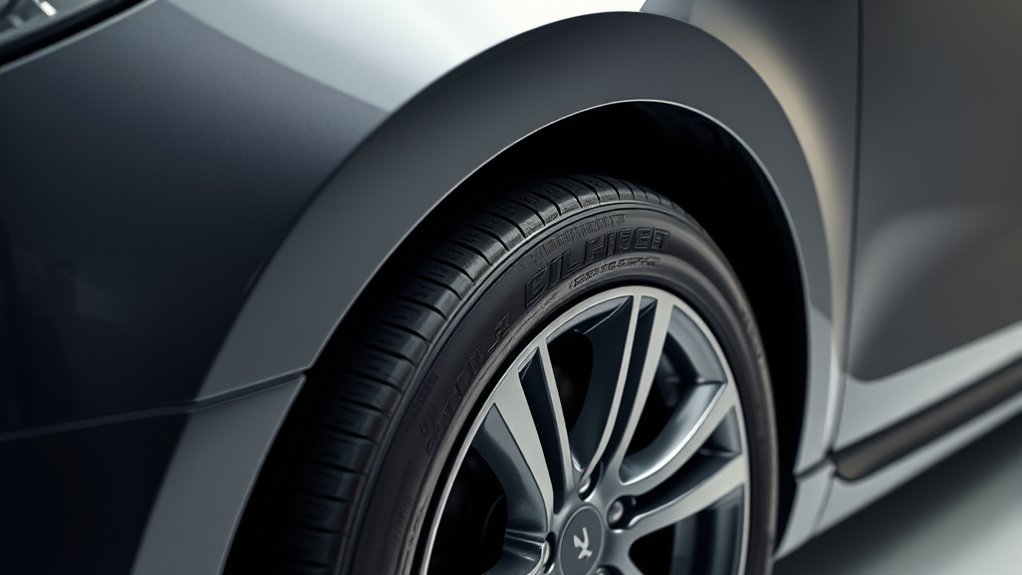
The part above your tire is usually the fender, but the exact name depends on which piece you are looking at. The painted body panel is the fender or quarter panel. The plastic trim around the wheel opening may be called a fender garnish, wheel opening molding, or fender flare. The plastic shield inside the wheel well is usually the fender liner or splash shield.
Quick Answer
The part above the tire is usually called the fender. If you mean the plastic trim around the wheel opening, search for wheel opening molding, fender garnish, or fender flare. If you mean the plastic shield inside the wheel well, search for fender liner or splash shield.
Key Takeaways
- The broad part above the tire is the fender, which Merriam-Webster defines as a guard over the wheel of a motor vehicle.
- The trim around the wheel opening is often listed as wheel opening molding, fender garnish, or fender flare.
- The plastic panel inside the wheel well is usually the fender liner or splash shield.
- Always match the side, year, trim, body style, mounting clips, and VIN before buying a replacement.
- Do not ignore loose, cracked, dragging, or tire-rubbing parts because they can damage the tire, wiring, paint, or wheel well.
At a Glance
| Time Required | 5 to 10 minutes to identify the part; longer if clips or panels must be inspected closely. |
| Difficulty | Easy for identification; moderate if replacing clips, liners, or painted panels. |
| Tools Needed | Flashlight, phone camera, VIN, owner manual or parts catalog, and a trim tool if you are checking clips. |
| Cost | Free to identify. Replacement cost varies by vehicle, side, paint, clips, OEM vs aftermarket part, and labor. |
What Is the Part Above the Tire Called?
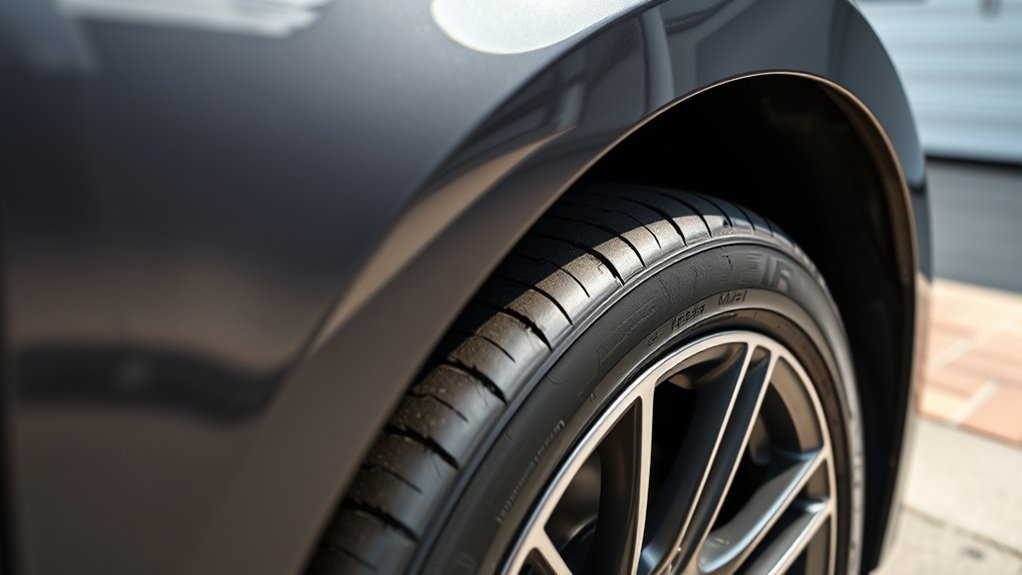
The main body part above the tire is the fender. On many cars, the front wheel area is called the fender, while the rear body panel may be called the quarter panel. The curved opening around the tire is often called the wheel arch or wheel opening.
If you are looking at a separate plastic piece around that opening, the name changes. Parts stores may list it as a wheel opening molding, fender garnish, arch molding, or fender flare. If the piece sits inside the wheel well and shields the inner area from water, salt, and debris, it is usually the fender liner or splash shield.
The safest way to name the part is to describe where it sits: outside painted panel, outside plastic trim, or inside wheel-well shield. That prevents you from ordering a fender when you only need a small molding or clip.
Fender vs. Wheel Opening Molding
A fender and a wheel opening molding are related, but they are not always the same part. The fender is the larger body panel that frames the wheel area. The wheel opening molding is the trim that attaches around the edge of that opening.
| Part Name | Where It Is | What It Does |
| Fender | Large body panel above or around the wheel. | Frames the wheel well and helps block spray and road debris. |
| Wheel opening molding | Plastic or rubber trim around the wheel arch edge. | Finishes the edge, covers clips, and adds light protection. |
| Fender liner | Inside the wheel well behind the tire. | Shields inner panels, wiring, and engine-bay areas from spray and debris. |
| Fender flare | Raised outer trim around the wheel arch. | Adds tire coverage, especially on SUVs, trucks, and off-road trims. |
When you shop for a replacement, use the exact name from your parts catalog, old part label, dealer estimate, or VIN-based lookup. A small naming difference can change the shape, clips, side, and finish.
What Does a Fender Do?
A fender helps shield your vehicle from mud, water, stones, salt, and road spray thrown by the rotating tire. It also shapes the wheel opening, protects nearby bodywork, and helps keep debris from reaching sensitive areas around the wheel well.
The fender does not work alone. The fender liner inside the wheel well helps block spray from the engine bay and inner body panels. The molding or garnish around the edge helps finish the opening and can cover fasteners. A flare may add extra coverage when the wheel or tire sits farther outward.
Some wheel-area parts also affect appearance and airflow, but their most useful job is protection. A cracked, missing, or loose panel can allow water, salt, and road debris to reach places that are harder to clean and easier to damage.
Warning: Do not keep driving normally if a liner, molding, or flare is hanging down, rubbing the tire, exposing sharp metal, or scraping the road. Pull over safely, inspect the area, and arrange repair before the tire or nearby wiring is damaged.
How to Identify the Right Replacement Part
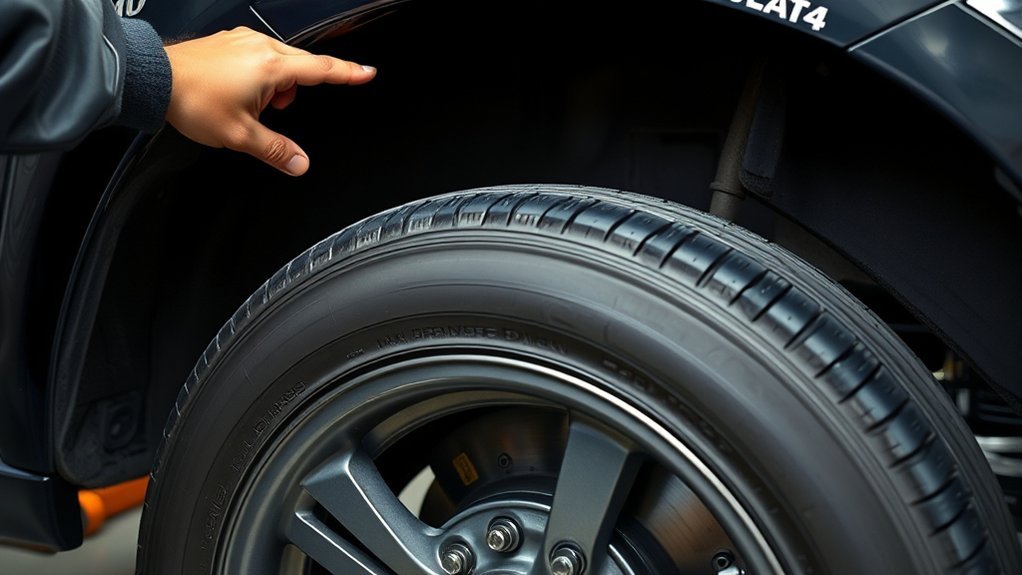
First, decide which piece is damaged. Then match the side, vehicle details, mounting points, and part number before ordering. The wrong side or trim level can look close online but fail to fit when you install it.
[Products Worth Considering]

Protect tire valves from water, dust, and sand to help prevent leaks and support safe driving. These universal stem caps install quickly by hand and feature durable aluminum alloy construction with an inner sealing ring for better air retention. Compatible with cars, SUVs, trucks, motorcycles, and bicycles for everyday convenience.

These aluminum alloy tire valve stem caps with an O-ring seal help protect valve stems from corrosion while adding a clean, stylish look to your vehicle. The universal fit works across cars, trucks, motorcycles, bicycles, and more, making them an easy upgrade for everyday driving and off-road use. Installation is quick, and the included four-pack keeps all your tires dressed and protected.

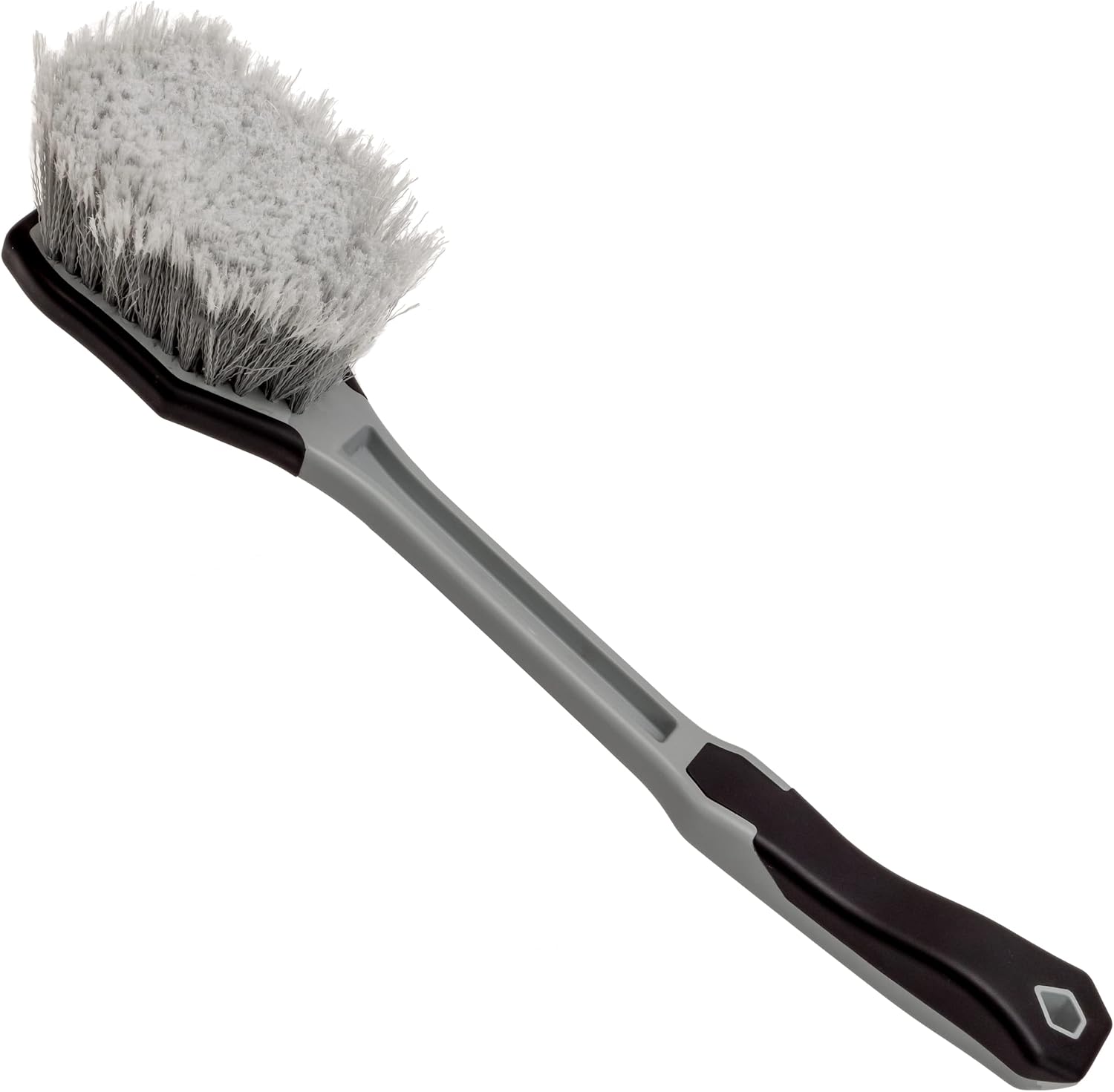
This metal-free wheel and tire cleaning brush uses dense, fluffy synthetic wool to safely clean rims, spokes, fenders, and engine areas without worrying about damaging surfaces. Its flexible, comfortable design helps you reach detailed areas while maintaining durability, and the extra absorbent fibers work well with wheel spray cleaners for faster cleanup. Reusable and washable performance helps prevent grime and build-up for cleaner vehicles and easier maintenance at home.
Confirm The Part Name
Look at the damaged area and match it to the part type:
- Painted outside panel: fender, rear quarter panel, or bedside on some trucks.
- Plastic trim on the outside edge: wheel opening molding, fender garnish, arch molding, or fender flare.
- Plastic shield inside the wheel well: fender liner, inner fender, splash shield, or wheel-well liner.
- Flexible flap behind the tire: mud flap, mud guard, or splash guard.
If you are unsure, take photos from the front, side, and inside the wheel well. A parts desk or body shop can usually identify the part faster when it can see the exact location and mounting points.
Match Part Number
The best replacement match comes from a confirmed part number, not from appearance alone. Check the old part, dealer estimate, OEM parts catalog, or seller fitment tool. A code such as 87712-CV300 should be treated only as an example unless it appears on your original part, invoice, or VIN-based dealer lookup.
Also confirm the side. Left and right usually refer to the driver side and passenger side from the driver’s seated position, but market and seller wording can vary. Read the listing carefully before you buy.
Verify Vehicle Fitment
Fitment can change by model year, trim level, body style, wheel package, and factory option. Before ordering, check:
- Your VIN and exact model year.
- Front or rear location.
- Left or right side.
- Painted, textured black, gloss black, chrome, or body-color finish.
- Clip holes, screw holes, tabs, and lower mounting points.
- Whether clips, retainers, seals, or screws are included.
You can also use the NHTSA recall lookup to check whether your vehicle has an unrepaired safety recall or manufacturer communication related to the vehicle. A recall lookup is not a parts catalog, but it is a useful safety check before you pay for a repair.
Fender Liners, Garnishes, and Flares
The wheel area often uses several layers of parts. That is why the “part above the tire” may have different names depending on what you point to. The fender is the main body area, while liners, garnishes, and flares attach around or inside it.
[Products Worth Considering]

These DECURCAR tire valve stem caps help prevent corrosion with a metal shell and plastic liner insert, making them ideal for wet or cold conditions. They feature a built-in leak-proof sealing ring to help reduce air loss and protect your vehicle from tire leak issues. Easy to hand-tighten and designed for Schrader valve stems, they add both function and a stylish American flag emblem look.

Steelman white tire marking crayons provide high-contrast, semi-permanent marks for repairing and inspecting tires and equipment. They write on wet or dry, smooth or coarse surfaces including rubber, metal, glass, and wood, making them ideal for puncture location and damage outlining. The lead- and zinc-free crayons resist weather and fading yet wipe away when you no longer need the marks.

This 4-in-1 tire valve core removal tool helps you deflate, unblock, and remove or install valve cores quickly for easier tire repair. The multifunction design also supports re-taping damaged threads and reaming inside the valve stem for smoother service. Included as a 2-pack, it’s compact for convenient carry and works for cars, bicycles, and motorcycles.
Fender Liner Basics
The fender liner sits inside the wheel well. It is usually a molded plastic, fiber, or composite shield that helps block water, salt, mud, and road debris. It may also protect wiring, washer-fluid lines, bumper brackets, and parts of the engine bay.
A damaged liner can sag or rub the tire. If you hear scraping while turning or driving over bumps, check the liner and its clips right away. Missing clips are common after curb contact, tire service, body repairs, or rough-road driving.
Wheel Opening Moldings
Wheel opening moldings, also called fender garnishes or arch moldings, attach around the outer edge of the wheel opening. They are usually plastic trim pieces. Some are textured black, some are painted, and some are part of a larger flare package.
These pieces improve the finished look of the body, but they also cover edges and help keep debris from striking exposed seams. If one loosens, you may see a gap between the trim and body panel or hear a rattle at speed.
Fender Flare Functions
A fender flare extends outward from the wheel arch. Flares are common on trucks, SUVs, off-road trims, and vehicles with wider tire packages. Their job is to add coverage and help reduce splash and debris thrown from tires that sit closer to the body edge.
If your vehicle has aftermarket tires or wheels, make sure they do not rub the flare, liner, or fender when steering or driving over bumps. NHTSA advises using tire sizes recommended by the vehicle manufacturer, which you can confirm in the owner manual or tire and loading information label.
Note: Tire treadwear ratings help compare tire wear, but they do not confirm fender, molding, or liner fitment. For wheel-well clearance, check tire size, wheel offset, and the vehicle maker’s recommendations.
Signs Your Fender Molding Is Loose
A loose fender molding can be easy to miss at first. Look and listen for these warning signs:
- Rattling, tapping, popping, or fluttering near the wheel arch.
- A visible gap between the trim and the body panel.
- One end of the molding hanging lower than the other.
- Missing clips, screws, tabs, or retainers.
- Scrape marks on the tire, liner, or trim.
- Fresh paint chips or dirt trails around the wheel opening.
Loose trim can get worse quickly because wind, road vibration, water, and tire spray keep pulling on it. If the molding detaches at speed, it can damage the paint, hit another part of the vehicle, or create a road hazard.
Can You Drive With a Damaged Fender?
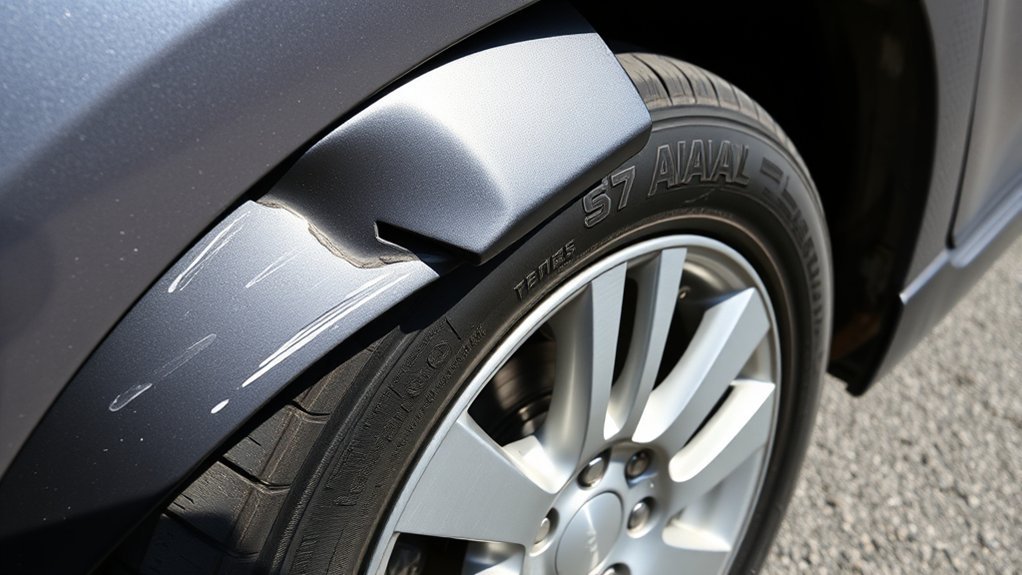
You may be able to drive a short distance with minor cosmetic fender damage, but you should inspect it first. The key question is whether anything is loose, sharp, rubbing the tire, blocking steering movement, or exposing wiring and inner panels.
Driving Risks
Driving with damaged wheel-area parts can create several problems. A loose liner can rub the tire. A cracked molding can detach. A bent fender can reduce tire clearance. Missing trim can expose seams and clips to water, salt, and debris.
If you hear scraping, smell hot rubber, feel vibration, or see the tire touching the liner or fender, stop driving as soon as it is safe. Tire damage can become serious quickly, especially at highway speed.
Damage Signs
Check for visible dents, cracks, missing sections, bent metal, sharp edges, exposed clips, and loose plastic. Turn the steering wheel left and right while parked and watch for tire contact. Then look inside the wheel well with a flashlight.
Also check the tire sidewall for fresh rub marks. A tire can look fine from far away but still have damage where the liner or fender touched it. NHTSA recommends regular tire inspections and says tires should be checked for physical damage such as cuts, cracks, and bulges.
Repair Timing
Repair timing depends on severity:
- Cosmetic scratch or small dent: schedule repair when convenient.
- Loose trim or missing clips: repair soon before it detaches.
- Dragging liner or tire rub: stop driving normally and fix it immediately.
- Sharp metal, steering interference, or exposed wiring: have the vehicle inspected before driving again.
When in doubt, ask a qualified technician or body shop to inspect the wheel area. A small clip repair is much cheaper than a damaged tire, torn liner, or painted panel repair.
Will Warranty Cover Fender Replacement?
Warranty coverage depends on the cause of the damage and your written warranty terms. A manufacturing defect, loose factory clip, or premature trim failure may be handled differently from impact damage, curb damage, collision damage, off-road damage, or normal wear.
The Federal Trade Commission advises consumers to read warranty coverage, limits, claim process, and exclusions in writing. For a fender, molding, flare, or liner claim, document the issue before repair:
- Take clear photos of the damage, clips, gaps, and affected tire area.
- Save the VIN, mileage, date, and service history.
- Check whether the vehicle is still within the warranty period.
- Ask the dealer or manufacturer to explain coverage in writing.
- Keep receipts for inspection, parts, and labor.
If the part is covered by a safety recall, the remedy may be different from a normal warranty repair. Use the NHTSA recall lookup or contact the manufacturer with your VIN.
Where to Buy the Right Fender Part
You can buy fender-area parts from a dealer parts counter, body shop, local auto parts store, salvage yard, or online retailer. The safest choice depends on how exact the fit and finish must be.
- Dealer or OEM parts source: best for exact VIN fitment and factory finish.
- Body shop: best when paint, clips, alignment, or collision damage is involved.
- Aftermarket retailer: useful for lower-cost liners, flares, and moldings, but verify fitment carefully.
- Salvage yard: useful for discontinued parts, but inspect clips, cracks, and finish before buying.
Before checkout, compare photos of the old and new part, confirm the side, review the return policy, and ask whether clips or fasteners are included. If the listing only says “fits most,” skip it for body trim. These parts need vehicle-specific fitment.
[Products Worth Considering]

Monitor tire tread wear with a smart, color-coded depth gauge that shows clear condition ranges at a glance. The bar is range marked for fast, easy readings, helping you maintain safer traction and performance. Each gauge is portable with a pocket clip, and the set includes 20 units for daily use and sharing.

Upgrade your 2024-2026 Tesla Model 3 Highland with REEVAA all-weather mud flaps designed for seamless fit along the original body lines. The set of four delivers strong splash protection against mud, gravel, and road debris while using OEM-grade durable materials. Installation is non-destructive with original hole positions and snap-in clips, and the aerodynamic design helps minimize impact on efficiency.
Upgrade your tires with these aluminum valve stem caps that protect against wear while adding a clean, anodized look. The O-ring seal helps keep moisture and debris out for a more airtight fit, and the screw-in thread design makes installation quick and secure. Designed for wide vehicle compatibility, they help keep your tires looking sharp and functioning properly.
How to Prevent Fender Molding From Coming Loose
Routine checks can keep fender molding, liners, and flares from loosening. Inspect the wheel opening after tire service, car washes, rough roads, curb contact, and winter driving. Look for broken clips, lifted edges, cracked tabs, and trapped dirt.
Keep the wheel arch clean, especially if you drive in salt, mud, gravel, or snow. Dirt and moisture can build up behind trim and around clips. If you replace a molding, use the correct fasteners rather than forcing old broken clips back into place.
Pro Tip: Before removing a damaged molding or liner, take close-up photos of every clip and screw location. Those photos make reinstallation easier and help you order the right retainers.
Frequently Asked Questions
Can I drive without a tire stem cap?
Yes, you can usually drive without a tire stem cap for a short time, but replace it soon. The cap helps keep dirt and moisture out of the valve stem. A missing cap is not the part above the tire; it is a small cap on the tire valve.
What is the part of the car above the tire?
The main part above the tire is the fender. On the rear of many cars, the larger body panel may be called the quarter panel. The curved opening itself is often called the wheel arch or wheel opening.
What is the flap above the tire called?
If the flap is inside the wheel well, it is usually a fender liner or splash shield. If it is flexible and hangs behind the tire, it is usually a mud flap or splash guard. If it is plastic trim around the arch, it may be a fender garnish or wheel opening molding.
What is the plastic piece above the tire on a car?
The plastic piece above the tire may be the wheel opening molding, fender garnish, fender flare, or fender liner. The name depends on whether it sits outside around the wheel arch or inside the wheel well.
Is a wheel arch the same as a fender?
Not exactly. The wheel arch is the curved opening around the tire. The fender is the body panel that forms or surrounds that opening. People use the terms loosely, but parts catalogs are usually more specific.
Can a loose fender liner damage a tire?
Yes. If a fender liner hangs down or shifts out of place, it can rub the tire during turns or over bumps. Stop and inspect the area if you hear scraping or see fresh rub marks on the tire sidewall.
Conclusion
The part above your tire is usually the fender, but the exact replacement name may be different. The trim around the wheel arch may be a wheel opening molding, fender garnish, or fender flare. The shield inside the wheel well is usually the fender liner or splash shield.
Before you buy a replacement, confirm the location, side, VIN fitment, finish, clips, and part number. If the part is loose, dragging, sharp, or rubbing the tire, fix it quickly. A small molding or clip problem can turn into tire damage, paint damage, rust risk, or a more expensive body repair.
Sources
- Merriam-Webster: Fender Definition — supports the basic definition of a fender as a guard over a motor-vehicle wheel.
- NHTSA Recall Lookup — supports VIN-based recall and safety-issue checking.
- NHTSA TireWise — supports tire-size, tire inspection, and tire-safety guidance.
- Federal Trade Commission: Warranties — supports warranty documentation, exclusions, and claim-process guidance.
- Schema.org Article, HowTo, and FAQPage — supports the structured data types used on this page.