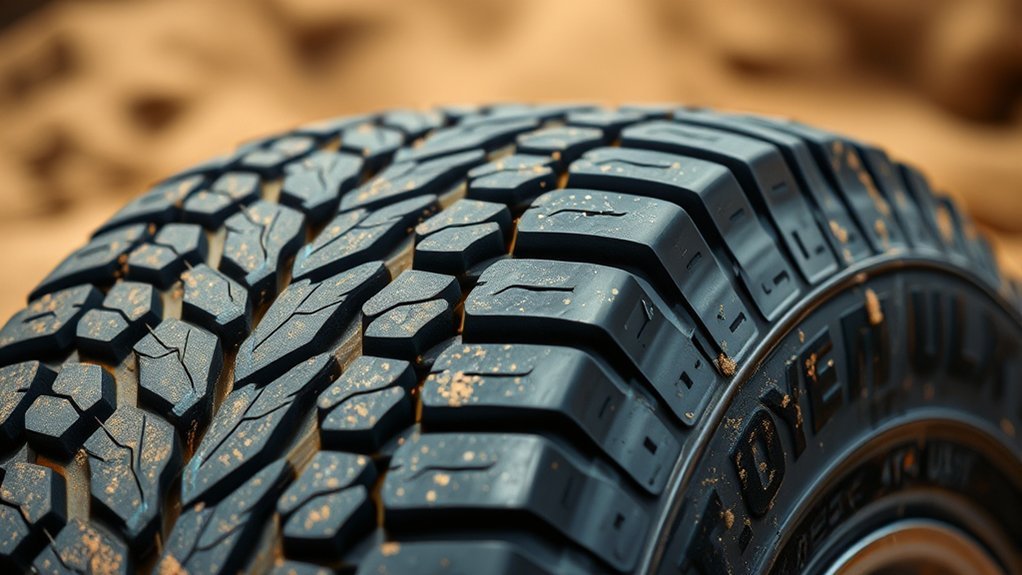
Choosing tires for a Toyota Hilux is not just about finding the right size. The traction rating on the tire sidewall can help you compare wet-road braking, but it is only one part of a safe tire choice. For a Hilux that may carry payload, tow, commute, or leave paved roads, you also need the correct tire size, load index, speed rating, tread type, inflation pressure, and condition.
Quick Answer
AA is the highest UTQG traction grade and means the tire met the strongest wet-braking thresholds in controlled tests. A is still strong for most daily Hilux driving. B and C usually mean longer wet stops. Match the grade with your Hilux’s size, load rating, terrain, and local weather.
Key Takeaways
- UTQG traction grades run from AA to C: AA, A, B, and C.
- The rating measures straight-line wet braking on controlled asphalt and concrete test surfaces, not off-road grip, snow traction, dry cornering, or hydroplaning resistance.
- For most Toyota Hilux owners, an A or AA traction grade is the safest starting point for regular wet-road driving.
- Never choose a tire by traction grade alone. Confirm the correct size, load index, speed rating, and pressure from your door placard, owner’s manual, or Toyota dealer.
At a Glance
| Time Required | 10–15 minutes to check your tire sidewall, door placard, and owner’s manual before shopping |
| Difficulty | Easy for reading ratings; professional help recommended before changing size, load rating, or tire type |
| Tools Needed | Tire sidewall, door placard, owner’s manual, tire pressure gauge, tread-depth gauge or wear-indicator check |
| Cost | Free to inspect; replacement cost depends on tire size, load rating, brand, and tread type |
Understanding Tire Traction Ratings: Why They Matter
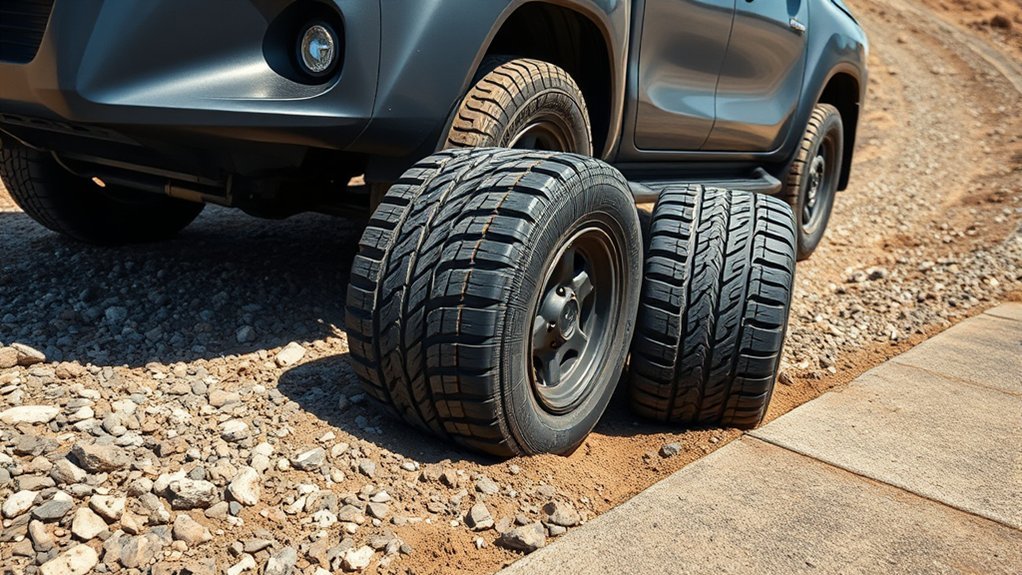
Tire traction ratings are part of the U.S. Uniform Tire Quality Grading system, often shortened to UTQG. UTQG includes three items: treadwear, traction, and temperature. On many passenger tires, you may see a sidewall marking such as TREADWEAR 500 TRACTION A TEMPERATURE A.
The traction part is a letter grade. From highest to lowest, the grades are AA, A, B, and C. These grades compare how the tire stops on wet pavement under controlled test conditions. For a Toyota Hilux used in rain, traffic, towing, or loaded driving, that wet-braking clue is valuable.
Note: UTQG traction is not a complete tire performance score. It does not directly rate off-road grip, mud traction, snow traction, dry cornering, ride comfort, noise, puncture resistance, or hydroplaning resistance.
| Traction Grade | Wet Asphalt Threshold | Wet Concrete Threshold | Practical Meaning |
|---|---|---|---|
| AA | More than 0.54 | More than 0.38 | Highest wet-braking grade |
| A | More than 0.47 | More than 0.35 | Strong wet-braking grade for most daily drivers |
| B | More than 0.38 | More than 0.26 | Lower wet-braking performance than A or AA |
| C | 0.38 or less | 0.26 or less | Lowest wet-braking grade |
The federal UTQG rule explains that traction grades are based on controlled wet asphalt and concrete testing. You can review the official standard in 49 CFR § 575.104.
Why Choosing the Right Tire Matters for Your Hilux
A Toyota Hilux can be used very differently from one owner to another. One driver may use it mostly for paved-road commuting. Another may carry tools, tow, travel on gravel, or drive through heavy rain. That is why the “best” tire is not always the tire with the highest traction letter.
Start with the basics before comparing traction grades:
- Tire size: Match the size listed for your exact Hilux year, trim, and market.
- Load index: Choose a tire that can safely support the vehicle, passengers, cargo, accessories, and towing needs.
- Speed rating: Use a rating suitable for your vehicle and road use.
- Tire type: Highway, all-terrain, mud-terrain, and winter tires behave differently.
- Inflation pressure: Use the pressure shown on the vehicle placard or owner’s manual, adjusted only as recommended for load and use.
Warning: Do not fit a tire with a lower load rating, wrong size, or unsuitable construction just because it has a good traction letter. For a Hilux that carries weight or tows, load capacity and correct fitment are safety-critical.
Toyota’s own Hilux specifications vary by trim and market. For example, Toyota UK technical specifications list Hilux tire sizes such as 265/65R17 and 265/60R18 on current trims, while Toyota’s tire pressure guide lists Hilux pressure examples by tire size. Always confirm your exact tire size and pressure using your vehicle’s door placard, handbook, Toyota owner’s manual finder, or Toyota dealer.
What Do AA, A, B, and C Ratings Mean for Wet Performance?
The traction rating mainly tells you how well a tire performed in a controlled wet-braking test. In simple terms, AA is the best wet-braking grade, A is still strong, B is lower, and C is the lowest.
Stopping Distance Differences
Higher traction grades are linked to stronger wet-braking performance in the UTQG test. That does not give you an exact real-world stopping distance for your Hilux, because actual stopping distance also depends on speed, vehicle load, brakes, tire wear, road surface, water depth, driver reaction time, and whether driver-assistance systems are active.
Still, the grade is useful as a shopping filter. For regular wet-road driving, an A or AA tire is a safer starting point than a B or C tire when all other fitment requirements are equal.
Performance in Rainy Conditions
In rainy conditions, the traction grade matters most during straight-line braking. If you often drive in rain, on highways, or with payload, prioritize a tire that has the correct Hilux fitment and at least an A traction grade. Choose AA when wet-braking performance is a top priority and the tire still matches your load, size, terrain, and comfort needs.
Do not assume an AA tire automatically handles standing water better. Hydroplaning resistance depends heavily on tread depth, tread pattern, tire width, inflation pressure, vehicle speed, water depth, and road condition.
Safety Implications of Ratings
The biggest safety mistake is treating the traction grade as the whole story. A tire with AA traction but the wrong load index is not safer. A tire with an aggressive mud pattern may be tough off-road but noisier or less refined on wet pavement. A worn tire with a good original rating can also perform poorly once tread depth drops.
Use the traction grade as a wet-braking clue, not as a complete safety score. Correct fitment, tread depth, pressure, and driving conditions matter just as much.
Impact of Wet Traction on Safety
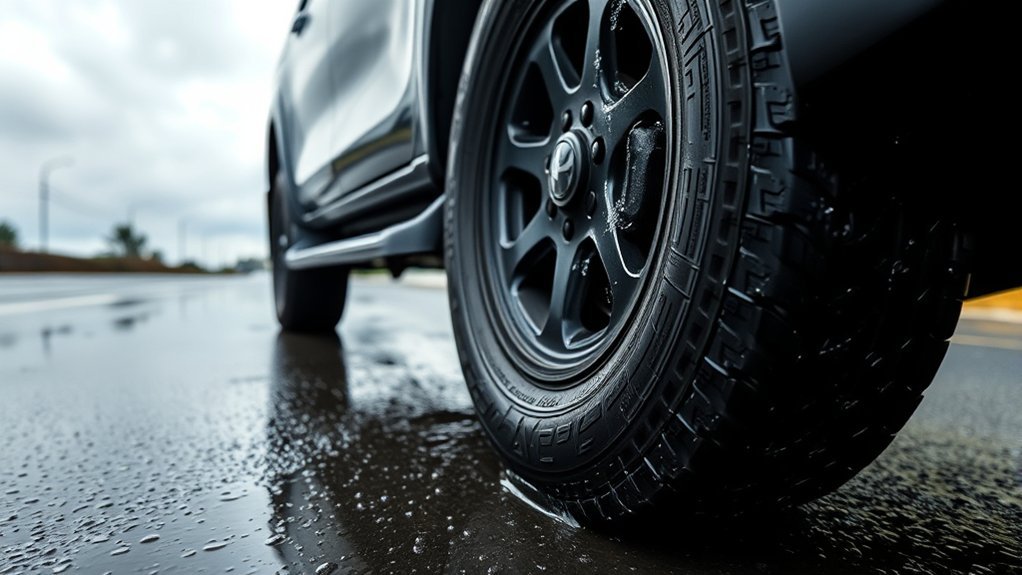
Wet traction affects how confidently your Hilux can slow down on rainy roads. On a dry road, many tires feel acceptable. In rain, weak wet-braking performance, worn tread, under-inflation, or overloaded tires can quickly reduce control.
For safety-focused Hilux owners, the best approach is simple: choose the correct size and load rating first, then compare tires with A or AA traction, then maintain them properly. If you regularly drive on wet highways, steep roads, or loaded routes, the wet-braking grade becomes more important.
Pro Tip: When comparing two tires that both fit your Hilux correctly, use the traction grade as a tie-breaker for wet-road confidence. If one is A and the other is B, the A-rated tire is usually the better wet-braking choice.
How to Choose the Right Tire Rating for Your Hilux
Choosing the right tire rating for your Hilux is easier when you follow a clear order. Do not begin with the traction grade. Begin with fitment and use case, then narrow your options by wet-braking performance.
[Products Worth Considering]

These aluminum alloy tire valve stem caps with an O-ring seal help protect valve stems from corrosion while adding a clean, stylish look to your vehicle. The universal fit works across cars, trucks, motorcycles, bicycles, and more, making them an easy upgrade for everyday driving and off-road use. Installation is quick, and the included four-pack keeps all your tires dressed and protected.

Measure tire tread depth quickly and accurately with this LUMITECO dial gauge that reads in 1/32" increments up to 14/32". The color-coded green/yellow/red zones make it easy to judge tire wear and know when replacement is needed. A rugged, compact design with a protective pouch helps keep the gauge ready for use on cars, trucks, motorcycles, and more.

Measure tyre tread depth precisely with a digital gauge that reads in both MM and inches, helping you monitor safe driving conditions. The large LCD screen is easy to operate, and the compact tool fits for cars, trucks, and motorcycles. It provides high accuracy with a 0-25.4mm range and includes a 1-year warranty for added peace of mind.
Tire Performance Requirements
Check these items before buying:
- Confirm the exact tire size on the placard, manual, or current approved fitment.
- Confirm the load index, especially if you carry cargo, tools, accessories, canopy weight, or towing tongue weight.
- Confirm the speed rating required for your road use and local regulations.
- Choose the tire category: highway, all-terrain, mud-terrain, winter, or commercial/load-focused tire.
- Compare traction grades after the tire already meets the first four requirements.
For normal paved-road use, an A-rated tire is often a strong and practical choice. For frequent wet driving, high-speed highway use, or safety-first buying, AA is worth considering if it comes on a tire that still suits your Hilux.
Driving Conditions Considerations
Your driving environment should shape your tire choice:
- Mostly city and highway: Choose a highway-terrain or touring-style tire with A or AA traction, good comfort, and low noise.
- Rain-heavy region: Prioritize wet braking, tread pattern, tread depth, and proper inflation. A or AA traction is preferred.
- Gravel and light off-road: Look at all-terrain options, but make sure wet-road braking remains acceptable.
- Mud and rough tracks: Mud-terrain tires may improve off-road bite but can compromise wet-road refinement, noise, and braking feel.
- Cold, snow, or ice: Use the right seasonal or winter-rated tire where needed. UTQG traction does not tell you snow or ice performance.
- Towing or heavy payload: Load rating, pressure, heat resistance, and tire construction become especially important.
Maintenance Impact on Ratings
A tire’s traction grade describes its tested performance when new under controlled conditions. It does not guarantee that your worn or under-inflated tire will perform the same later. As tread wears, the tire has less ability to move water away from the contact patch. That can increase stopping distance and reduce confidence in rain.
Maintain your tires by checking pressure, tread depth, damage, age, alignment, and rotation. NHTSA recommends checking tire pressure at least monthly when the tires are cold and checking tread when you check pressure.
The Impact of Tire Wear on Traction Performance
Tire wear can reduce wet traction even if the tire had a strong rating when new. The grooves in the tread help move water away. When those grooves become shallow, the tire is more likely to feel nervous in heavy rain and may need more distance to stop.
Use the built-in treadwear indicators as a minimum replacement warning. When the tread is level with the indicators, the tire should be replaced. Also inspect for cracks, bulges, cuts, nails, uneven wear, vibration, or repeated pressure loss.
Note: If your Hilux often drives in heavy rain, do not wait until the tire is nearly bald to think about replacement. Wet performance can fade before a tire reaches the legal minimum tread depth in many regions.
Maintaining Your Tires for Best Performance
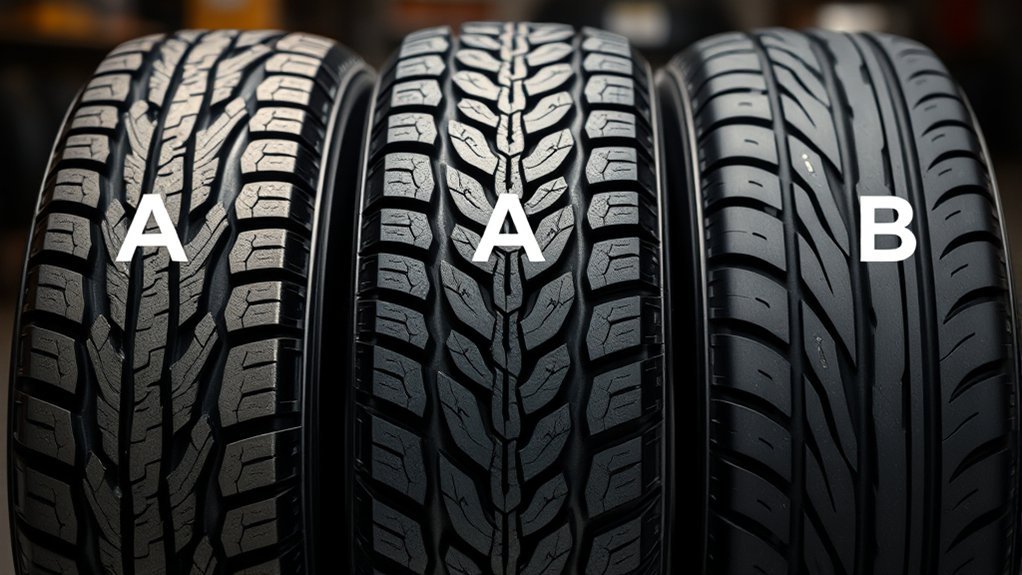
Good maintenance helps your Hilux get the best performance from its tires. It also protects the money you spend on a higher-quality set.
- Check pressure monthly: Check all tires, including the spare, when cold. Cold means the vehicle has not been driven for at least three hours.
- Use the correct pressure: Follow the tire placard or owner’s manual. Do not use the number on the tire sidewall as your normal inflation target; that number is usually a maximum pressure.
- Inspect tread depth: Look for uneven wear and check treadwear indicators.
- Rotate on schedule: If recommended by Toyota or your tire manufacturer, rotate every 5,000 to 8,000 miles, or sooner if uneven wear appears.
- Balance and align: Balance new tires at installation and check alignment if you notice pulling, vibration, or uneven wear.
- Watch load and heat: Heavy cargo, towing, high speeds, and low pressure create more heat and stress.
Selecting Tires for Various Driving Conditions: Off-Road, Wet, and Dry
The right Hilux tire depends on where you drive most. A high wet traction grade is valuable, but tread design and tire construction must match your actual use.
For wet paved roads: Choose a tire that fits correctly and has an A or AA traction grade. Also compare independent wet-braking reviews when available.
For dry paved roads: Look beyond traction grade. Dry handling, steering response, ride comfort, noise, and treadwear are also important.
For gravel and mixed use: All-terrain tires can offer stronger tread blocks and better durability, but not all all-terrain tires are equal in wet braking. Compare traction grades and real-world wet-road reviews.
For mud and rough off-road use: A mud-terrain tire may be useful off-road, but it may not be the best wet-road or highway tire. Choose carefully if your Hilux spends most of its time on pavement.
For winter or snow: Look for proper winter or snow-rated tires where conditions require them. UTQG traction is not a snow or ice rating, and some winter tires may not carry UTQG grades.
[Products Worth Considering]

Monitor tire tread wear with a smart, color-coded depth gauge that shows clear condition ranges at a glance. The bar is range marked for fast, easy readings, helping you maintain safer traction and performance. Each gauge is portable with a pocket clip, and the set includes 20 units for daily use and sharing.

The SAFELIFE dial tire tread depth gauge measures tread depth in 1/32 inch increments with clear, easy-to-read 2-inch dial face. Color zones using a traffic light system help you quickly judge whether tread is low, marginal, or ample for safer driving. Built with a durable zinc cast body and a metal detect probe for precise, comfortable use across cars, motorcycles, trucks, and buses.

Vigorder rubber cement glue delivers superior adhesion and cures quickly within about 30 seconds for seamless rubber bonding. Once cured, it helps provide a strong, durable, waterproof seal that holds up to vehicle weight, pressure, and heat. Suitable for cars, motorcycles, trucks, bicycles, and off-road tires, it’s designed for emergency patch and maintenance repairs.
Resources for Finding the Best Tires for Your Hilux
Use reliable sources before buying tires for your Hilux:
- Door placard and owner’s manual: These give the correct size and pressure for your vehicle.
- Tire sidewall: Read the tire size, load index, speed rating, DOT code, and UTQG markings where present.
- NHTSA tire guidance: Use NHTSA TireWise for tire safety, labeling, maintenance, and recall information.
- Official UTQG standard: Use 49 CFR § 575.104 for the traction grade definitions.
- Toyota guidance: Use the Toyota owner’s manual finder or your local Toyota dealer for vehicle-specific information.
When comparing tires online, filter only after you know the correct size and load requirement. Then compare traction grade, tread type, warranty, wet-braking reviews, road noise, and expected tread life.
[Products Worth Considering]
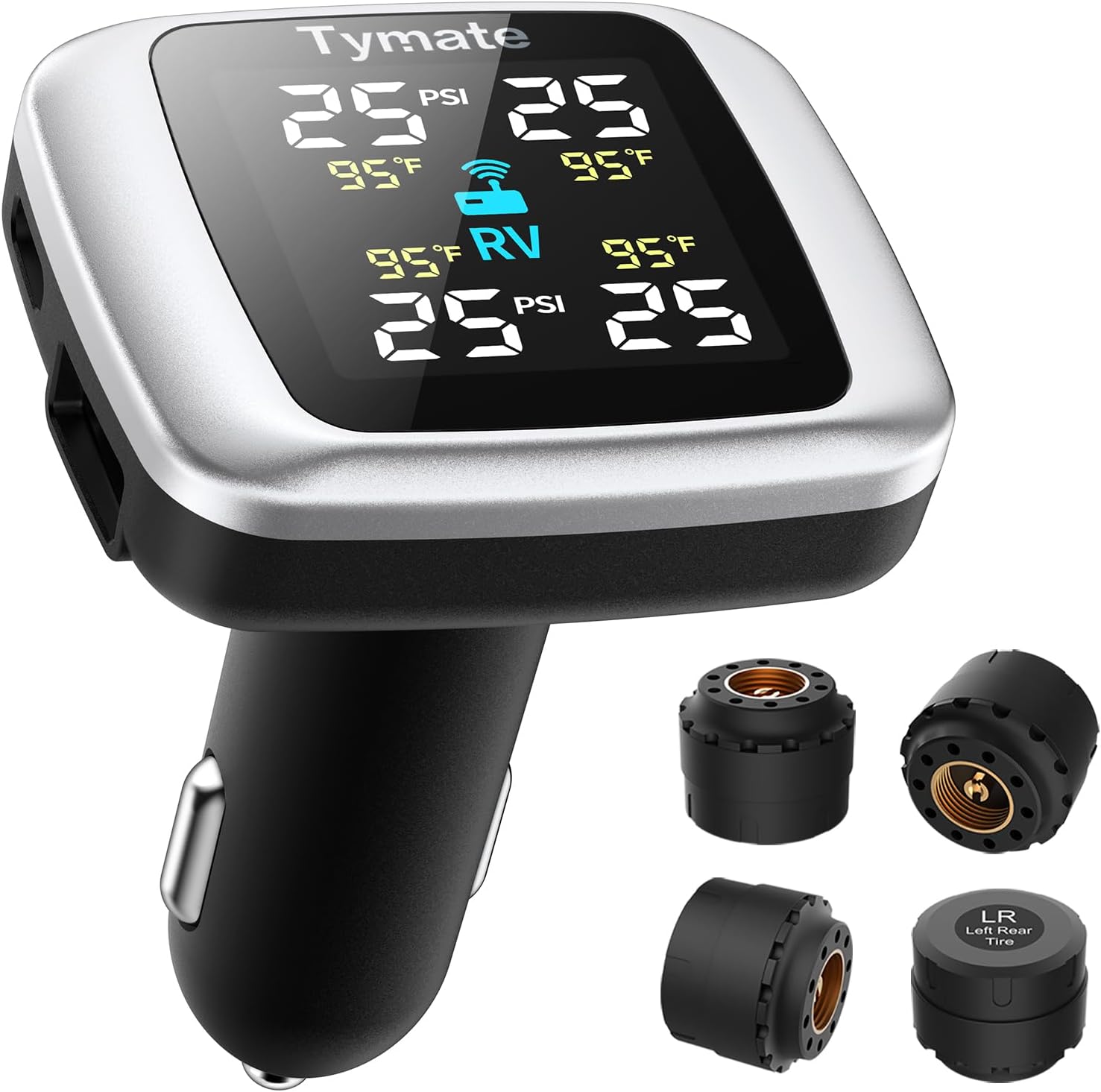
Tymate TM7 is a wireless tire pressure monitoring system that delivers real-time pressure and temperature readings for safer driving. It includes four external sensors, a bright color LCD display with adjustable backlight, and six alarm modes for high/low pressure, fast leakage, high temperature, and sensor signal or battery issues. The system covers a wide 0–144 PSI range and plugs into your vehicle’s cigarette lighter socket for quick DIY setup.

Milton S-921 pencil tire pressure gauge helps you maintain optimal tire pressure for passenger cars with accurate readings in PSI and kPa. It features a built-in deflator valve for convenient pressure adjustments, plus a single chuck head and nylon indicator bar for easy use on the go. Built from durable plated brass and designed for reliable performance, it’s a practical road trip and cold-weather maintenance tool.

Steelman white tire marking crayons provide high-contrast, semi-permanent marks for repairing and inspecting tires and equipment. They write on wet or dry, smooth or coarse surfaces including rubber, metal, glass, and wood, making them ideal for puncture location and damage outlining. The lead- and zinc-free crayons resist weather and fading yet wipe away when you no longer need the marks.
Frequently Asked Questions
Is tire traction AA better than A?
Yes, AA is the higher UTQG traction grade. It means the tire met stronger wet-braking thresholds in the controlled UTQG test. However, AA does not automatically mean better off-road grip, snow traction, hydroplaning resistance, ride comfort, or durability.
Is tire temperature better AA or A?
Temperature grades are A, B, and C. There is no AA temperature grade. A is the highest UTQG temperature grade and indicates the strongest heat-resistance performance in the UTQG temperature test.
What do A and B mean on tires?
For UTQG traction, A means the tire met a higher wet-braking threshold than B. B is not the lowest grade, but it is lower than A and AA. For a Toyota Hilux used regularly in rain, an A or AA traction grade is usually the better starting point.
Does AA traction prevent hydroplaning?
No. AA traction means strong wet-braking performance in the UTQG test, but hydroplaning resistance depends on tread pattern, tread depth, tire pressure, water depth, speed, and road surface. Slow down in standing water even with highly rated tires.
What traction rating should I choose for a Toyota Hilux?
Choose a tire that first matches your Hilux’s required size, load index, speed rating, and tire type. After that, look for A or AA traction if you drive on wet roads. For towing, payload, or off-road use, do not sacrifice load capacity or construction just to chase a higher traction letter.
Conclusion
The best tire for your Toyota Hilux is the one that matches your vehicle, your load, your roads, and your weather. UTQG traction ratings help you compare wet-braking performance, with AA at the top, followed by A, B, and C. For most Hilux drivers, A or AA is the smartest wet-road target, but the traction letter should never override correct tire size, load rating, pressure, tread type, and maintenance.
Use the traction grade as a guide, not a guarantee. Check your placard and manual, inspect your tread and pressure regularly, and choose a tire that fits the way you actually use your Hilux.
Sources
- 49 CFR § 575.104 Uniform Tire Quality Grading Standards — official UTQG traction, treadwear, and temperature grading rules.
- NHTSA TireWise — tire safety, labeling, buying, maintenance, and recall guidance.
- NHTSA Tire Safety Month guidance — tire pressure, tread, rotation, balancing, alignment, and replacement-size guidance.
- Toyota UK Owner’s Manual Finder — vehicle-specific owner’s manual access for tire size and pressure checks.
- Toyota UK Tyre Pressure and Size Guide — Toyota tire pressure and size examples, including Hilux entries.
- Toyota Hilux Technical Specifications — trim-dependent Hilux wheel and tire size examples.