For the 2022 Toyota Camry, the correct tire size depends on the trim, wheel package, and whether your car is a gas or hybrid model. Common U.S. fitments include 215/55R17 for many LE models, 235/45R18 for SE and XLE-style 18-inch wheels, 235/40R19 for XSE and TRD-style 19-inch wheels, and 205/65R16 for Hybrid LE-style efficiency fitment. Always confirm the final size on the driver-side tire placard before ordering replacements.
Quick Answer
The 2022 Toyota Camry commonly uses 215/55R17, 235/45R18, 235/40R19, or 205/65R16 tires, depending on trim and wheel package. Check the driver-side door placard first, then match the tire size, load index, speed rating, and wheel diameter before buying.
Key Takeaways
- The most common 2022 Camry tire sizes are 205/65R16, 215/55R17, 235/45R18, and 235/40R19.
- Gas LE and Hybrid LE models may not use the same tire size, so do not buy by trim name alone.
- XSE and TRD models commonly use 19-inch performance-oriented fitments with 235/40R19 tires.
- The driver-side door placard is the safest source for your exact tire size and cold tire pressure.
- Replacement tires should match the correct size, load rating, speed rating, and driving conditions.
Understanding Tire Sizes for Each 2022 Toyota Camry Trim
Trim names help narrow the search, but they should not be your only fitment check. A 2022 Camry may have different wheels because of hybrid configuration, factory packages, regional equipment, or previous owner changes. That is why you should use the trim table below as a starting point, then confirm the tire placard on your car.
| 2022 Camry trim / configuration | Common OE tire size | Wheel size | What to know |
|---|---|---|---|
| LE gas | 215/55R17 | 17-inch | Comfort-focused size on many gas LE models. |
| Hybrid LE | 205/65R16 | 16-inch | Efficiency-oriented fitment on many Hybrid LE models. |
| SE | 235/45R18 | 18-inch | Wider tire for a sportier feel than LE-style fitments. |
| XLE | 235/45R18 | 18-inch | Balances ride comfort with a wider contact patch. |
| XSE | 235/40R19 | 19-inch | Lower-profile tire for sharper steering response. |
| TRD | 235/40R19 | 19-inch | Performance-focused fitment that works with the TRD suspension setup. |
Warning: Do not buy tires from a trim chart alone. Check the driver-side door placard, current wheel size, and owner’s manual first. Used cars may have changed wheels, and the wrong tire size can affect speedometer accuracy, braking, handling, tire pressure monitoring, and load capacity.
Standard Tire Sizes for the Camry LE and SE
The Camry LE and SE are often confused because both sit near the lower and middle parts of the trim range, but they usually use different wheel packages. Many gas LE models use 215/55R17 tires, while many Hybrid LE models use 205/65R16 tires. The SE commonly moves to 235/45R18 tires for a wider, sportier setup.
LE Trim Specifications
For many gas-powered 2022 Camry LE models, 215/55R17 is the common tire size. For Hybrid LE models, 205/65R16 is commonly used to support fuel-efficiency tuning and a softer ride. Because these two LE-style fitments are easy to mix up, you should confirm the exact size on your own tire placard before replacing all four tires.
SE Trim Specifications
The 2022 Camry SE commonly uses 235/45R18 tires. This size gives the SE a wider footprint than LE-style fitments, which can improve steering feel and cornering response. It may also ride a bit firmer than smaller-wheel setups because the tire sidewall is shorter.
What Tires Come With the Camry XLE and XSE?
The XLE and XSE target different drivers. The XLE leans toward comfort and premium features, while the XSE adds a sportier look and sharper response. That difference shows up in their common tire sizes.
Tire Specifications Overview
The 2022 Camry XLE commonly uses 235/45R18 tires. This gives you a wider tire than the LE-style fitment while keeping enough sidewall for everyday comfort. The XSE commonly uses 235/40R19 tires, which have a lower sidewall and a more aggressive look.
Performance Enhancements Offered
A wider tire can improve road feel and cornering grip, but tire size is only one part of performance. Tire compound, tread design, inflation pressure, alignment, and road conditions also matter. If you want a quieter ride, choose a touring or grand-touring tire. If you want sharper response, choose a performance all-season tire that still matches your required size and rating.
Comparison of Tire Sizes
Here is the simple difference: 235/45R18 tires give the XLE a strong balance of comfort and response, while 235/40R19 tires give the XSE a lower-profile, sportier feel. The 19-inch size may look better and respond faster, but it can feel firmer over rough pavement.
- 205/65R16: taller sidewall, softer ride, common on Hybrid LE-style fitment.
- 215/55R17: balanced comfort and handling, common on many gas LE models.
- 235/45R18: wider contact patch, common on SE and XLE-style fitments.
- 235/40R19: lower-profile tire, common on XSE and TRD-style fitments.
Performance Tires for the 2022 Toyota Camry TRD
The 2022 Toyota Camry TRD commonly uses 235/40R19 tires. This lower-profile fitment works with the TRD’s sportier suspension tuning and gives the car a more direct steering feel. It is not the best choice if your top priority is the softest ride, but it fits the TRD’s performance-focused character.
| Feature | Benefit |
|---|---|
| 235 mm width | Supports confident cornering and a wider contact patch. |
| 40-series sidewall | Improves steering response but can feel firmer on rough roads. |
| 19-inch wheel fitment | Matches the TRD’s sportier look and suspension character. |
[Products Worth Considering]

The Tymate TM12 RV TPMS delivers real-time tire pressure and temperature monitoring with a stable 433Hz display for safer long-distance driving. It supports simultaneous monitoring across vehicle and trailer zones, includes six alarm modes for pressure, temperature, leakage, battery, and signal loss, and features easy DIY installation with auto calibration. Power is supplied via USB-C charging or solar recharging, with a wide 0–144 PSI range and up to 50 ft signal coverage for RVs and towable trailers.

Keep your tires properly inflated with this analog VONDIOR tire pressure gauge, designed for fast, easy readings without batteries. The swiveling, two-axis hose and large glow dial help you measure at any tire angle with instant visibility. Built with a protective rubber shield, it supports durable, low-maintenance use for cars and trucks.

Replace worn or malfunctioning GM TPMS sensors with this 433MHz pre-programmed sensor set designed for compatibility with many Chevrolet, Buick, GMC, and Cadillac models. It includes guidance for proper OBDII relearning/pairing after installation and supports reliable long-term operation with a high-performance CR2032 battery. Quality tested for durability and performance to help restore accurate tire pressure monitoring.
The Impact of Tire Size on Safety and Performance
Tire size affects more than appearance. It influences ride comfort, steering feel, braking behavior, fuel economy, traction, speedometer accuracy, and tire pressure monitoring. The safest choice is the size Toyota lists for your exact vehicle configuration.
When you change sizes without proper fitment checks, you may create problems with wheel clearance, load capacity, traction control, and speed readings. A tire that physically fits the wheel is not always the correct tire for the vehicle.
- Width: A wider tire can improve grip, but it may increase road noise or rolling resistance.
- Aspect ratio: A lower number means a shorter sidewall and firmer response.
- Wheel diameter: The final number, such as 17, 18, or 19, must match your wheel.
- Load index: The tire must support the vehicle’s required load rating.
- Speed rating: The tire should meet or exceed the rating required for your vehicle.
Note: The number on the tire sidewall is not the same as the recommended tire pressure. Use the cold tire pressure listed on the driver-side placard, not the maximum pressure molded into the tire sidewall.
Tips for Choosing the Right Tires for Your 2022 Camry
Start with the tire placard on the driver-side door jamb. It lists the original tire size and cold tire pressure for your vehicle. Then check the tires currently installed on the car. If the placard and current tires do not match, ask a tire shop or Toyota dealer to confirm whether the wheels were changed.
Next, match the tire to how you drive. Most Camry owners do well with all-season touring tires because they balance ride comfort, wet traction, tread life, and noise control. Drivers who want a sharper feel from SE, XSE, or TRD trims may prefer performance all-season tires. If you drive in snow or freezing conditions, dedicated winter tires can offer better cold-weather traction than standard all-season tires.
Pro Tip: Replace tires in sets of four when possible. If you replace only two, ask the installer where they should go based on tread depth, drivetrain, and shop safety policy.
[Products Worth Considering]

Replace worn or missing TPMS sensors with a pre-programmed 4-pack designed for compatible GM vehicles. These 315MHz sensors provide real-time tire pressure monitoring and alert you if pressure is too high, too low, or if a rapid air leak occurs. Most installations are ready with minimal relearn effort after mounting, helping improve safety and driving confidence.

Replace your worn or missing TPMS sensors with pre-programmed, direct-fit sensors for compatible Ford, Lincoln, and select Mazda models. Each sensor comes ready to activate with a scan tool, helping restore accurate tire pressure monitoring and trouble-free installation. Built with a long-life CR2032 battery and tested before factory release, this set provides dependable performance with a one-year warranty.

The TYAMATE TM8 solar-powered wireless TPMS delivers real-time tire pressure and temperature monitoring with six alarm modes for safer driving. A vibrant color LCD display shows readings clearly while windshield mounting keeps it hands-free and easy to read. With a wide 0–87 PSI range, strong 433.92 MHz signal transmission, and quick sensor pairing, it’s ideal for RV, sedan, SUV, MPV, and truck use.
Best Replacement Tires for the 2022 Camry
The best replacement tire for your 2022 Camry depends on your trim, tire size, climate, and driving style. Instead of buying by brand name alone, choose the tire category that fits your use case.
- Touring all-season tires: Best for quiet daily driving, long tread life, and comfort.
- Grand-touring all-season tires: Best for a smoother ride with better wet-road confidence.
- Performance all-season tires: Best for SE, XSE, and TRD drivers who want sharper steering response.
- Winter tires: Best for regular snow, ice, slush, and temperatures near or below freezing.
- Fuel-efficiency-focused tires: Best for Hybrid LE owners who want to preserve mileage and a light rolling feel.
Before you order, confirm four details: tire size, load index, speed rating, and whether the tire suits your climate. You can also use Toyota Tire Center or your local Toyota dealer to check compatible options for your specific vehicle.
[Products Worth Considering]

The SAFELIFE dial tire tread depth gauge measures tread depth in 1/32 inch increments with clear, easy-to-read 2-inch dial face. Color zones using a traffic light system help you quickly judge whether tread is low, marginal, or ample for safer driving. Built with a durable zinc cast body and a metal detect probe for precise, comfortable use across cars, motorcycles, trucks, and buses.
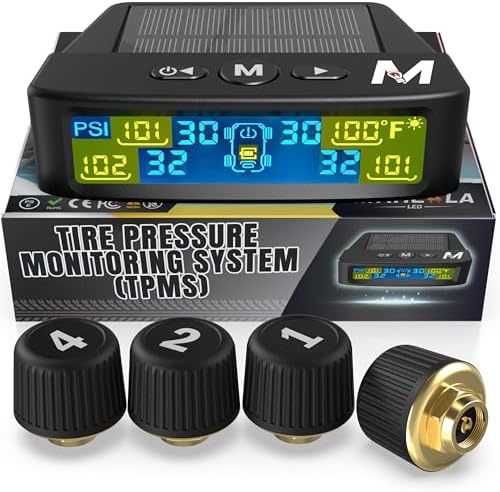
Marcala’s TPMS set of four sensors helps you monitor tire pressure and temperature in real time while driving, with updates every second. The bright color LCD uses auto-dimming for easy viewing, powered by dual solar and USB charging, and offers six alarm modes. Built for trailers, RVs, campers, trucks, and towing setups, the sensors support monitoring 1-4 wheels up to 98 PSI with IP67 waterproof protection.

The 22800 wheel stud installer makes replacing wheel studs quick and secure, saving time and effort during tire service. It uses a ratchet or impact wrench to pull new studs firmly into place, helping when existing studs are too long. Compatible with most automotive wheels and light-duty truck wheel studs, it’s designed for easy, tool-assisted installation.
How to Confirm Your Exact 2022 Camry Tire Size
The quickest way to avoid a wrong purchase is to verify your tire size in three places. First, read the driver-side tire placard. Second, check the sidewall size on your current tires. Third, review your vehicle information through Toyota Manuals and Warranties or ask a Toyota dealer to confirm by VIN.
If the tire placard, current tires, and online fitment tool disagree, stop and verify the wheel package before buying.
What the Tire Size Numbers Mean
A size such as 235/45R18 tells you three important things. The first number, 235, is the tire width in millimeters. The second number, 45, is the sidewall height as a percentage of the tire width. The final number, 18, is the wheel diameter in inches.
The letter R means radial construction, which is standard on modern passenger-car tires. After the size, you will usually see a load index and speed rating, such as 94V or 95H. Your replacement tires should meet or exceed the required rating for your Camry.
Quick Tire Checks Before You Buy
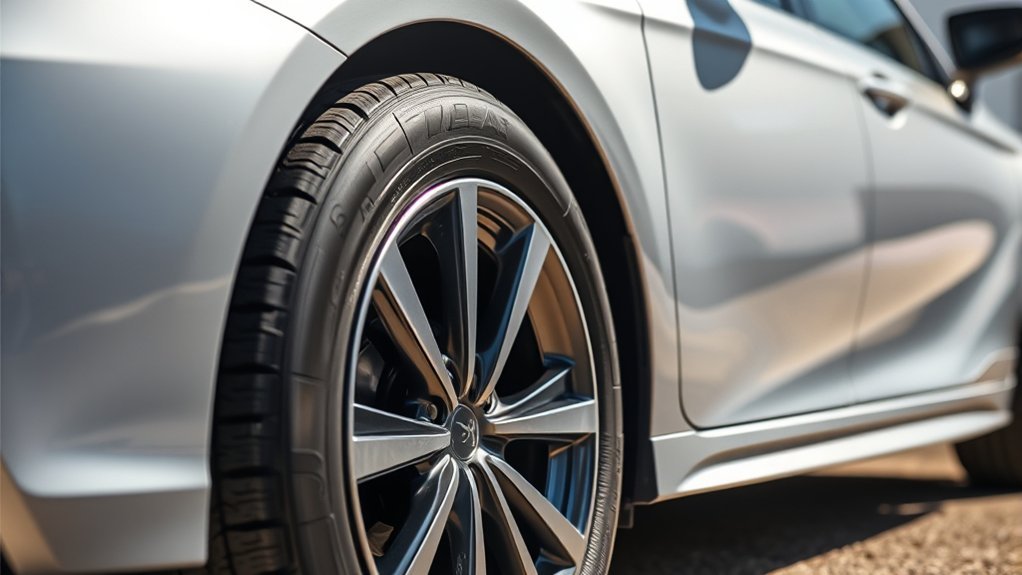
Before replacing your 2022 Toyota Camry tires, check the tire placard, current wheel size, and tire sidewall. This matters most if you bought the car used, changed wheels, or drive a hybrid model. A small difference in size can affect ride quality, handling, fuel economy, and speedometer accuracy.
After installation, make sure the shop sets the correct cold tire pressure and checks the tire pressure monitoring system. If the TPMS light stays on after the tires are inflated correctly, the system may need a reset, relearn, or sensor check.
Frequently Asked Questions
What tire size does a 2022 Toyota Camry LE use?
Many gas-powered 2022 Camry LE models use 215/55R17 tires. Hybrid LE models commonly use 205/65R16 tires. Check your driver-side placard before buying because wheel packages and vehicle history can change the correct answer.
What tire size does a 2022 Toyota Camry SE use?
The 2022 Camry SE commonly uses 235/45R18 tires. This size matches the SE’s sportier 18-inch wheel setup and gives the car a wider contact patch than LE-style fitments.
What tire size does a 2022 Toyota Camry XSE or TRD use?
The 2022 Camry XSE and TRD commonly use 235/40R19 tires. This lower-profile size supports a sportier feel, but it can ride firmer than 17-inch or 18-inch setups.
Can I use a different tire size on my 2022 Camry?
You should not change tire size without checking wheel clearance, overall diameter, load rating, speed rating, and speedometer impact. If you want a different size, have a Toyota dealer or qualified tire shop confirm the fitment first.
Which trim is higher, XLE or SE?
The XLE is generally positioned higher than the SE in the 2022 Camry lineup. The XLE focuses more on comfort and premium features, while the SE uses sportier styling and a firmer driving character.
Is XLE a higher trim than SE?
Yes. The XLE is typically a higher trim than the SE. Choose the XLE if you want more comfort-focused features. Choose the SE if you prefer sportier styling and a more responsive feel.
Conclusion
Choosing the right 2022 Toyota Camry tire size starts with your exact trim and wheel package. Many gas LE models use 215/55R17, Hybrid LE models commonly use 205/65R16, SE and XLE-style fitments commonly use 235/45R18, and XSE or TRD-style fitments commonly use 235/40R19. Before buying, confirm the driver-side tire placard, match the load and speed rating, and choose a tire type that fits your climate and driving style.
Sources
- Toyota Manuals and Warranties — official place to access Toyota owner manuals and vehicle information.
- Toyota Camry Specifications — official Toyota specs page and regional/equipment disclaimer.
- Toyota Tire Center — Toyota tire fitment and replacement-tire lookup resource.
- NHTSA Tires — tire safety, pressure, tread, and maintenance guidance.
- 49 CFR § 571.138 — federal tire pressure monitoring system standard.