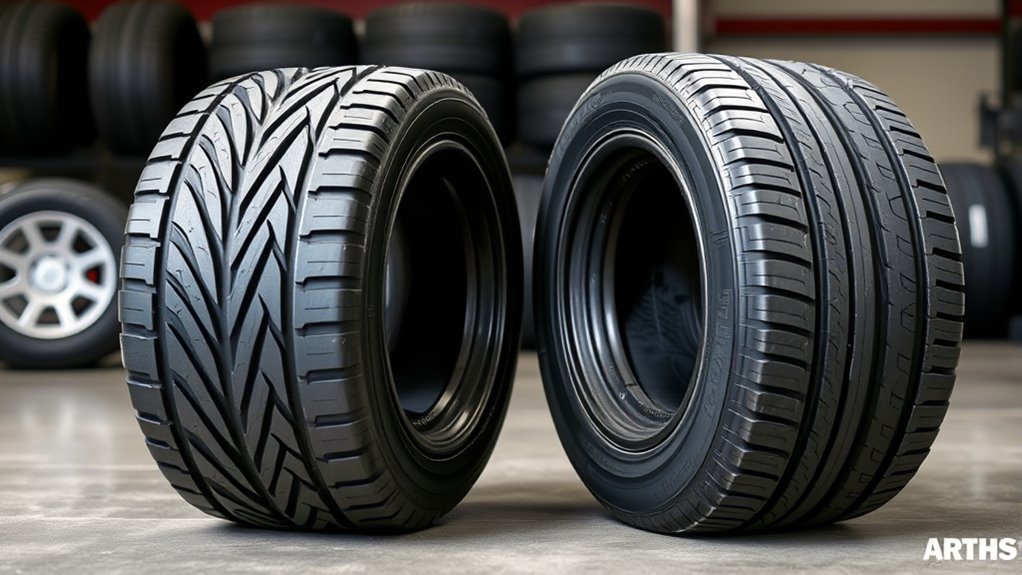
Directional and non-directional tires can both be safe choices, but they serve different priorities. Directional tires focus on one-way tread flow for stronger wet-weather performance, while non-directional tires usually give you easier rotation options and simpler long-term maintenance. The right choice depends on your weather, driving style, vehicle setup, and how closely you want to manage tire rotations.
Quick Answer
Directional tires are best if you want stronger wet-road water evacuation and you do not mind front-to-rear rotation only. Non-directional tires are better for most daily drivers who want easier rotation patterns, balanced wear, and simpler maintenance. Always follow the sidewall markings and your vehicle owner’s manual.
Key Takeaways
- Directional tires use a V-shaped tread that must roll in one direction, so the sidewall arrow matters.
- Non-directional tires do not require a forward rolling direction, but asymmetric tires may still have an “outside” sidewall label.
- Directional tires usually rotate front-to-rear on the same side only, while many non-directional tires allow cross-rotation.
- Wet-weather drivers may prefer directional tread, while daily commuters often benefit from the maintenance flexibility of non-directional tread.
- Tread depth, inflation, alignment, and rotation schedule affect safety more than tread direction alone.
What’s the Difference Between Directional and Non-Directional Tires?
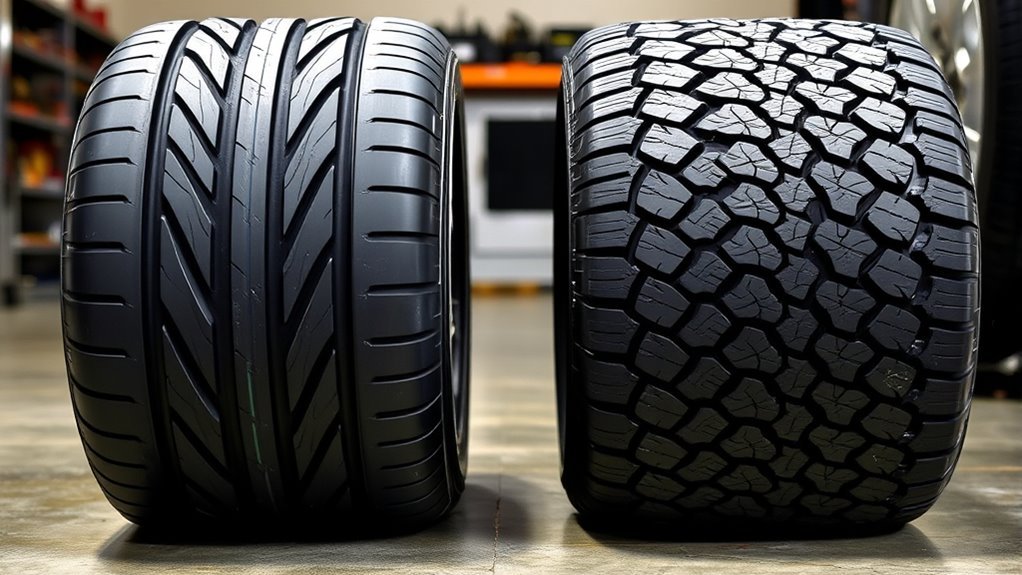
The main difference is rotation direction. Directional tires are designed to roll forward in one specific direction. They often use a V-shaped or arrow-like tread pattern that helps move water away from the contact patch. Bridgestone explains that directional tread patterns are often used on high-performance and winter tires because the V-shaped channels help improve hydroplaning resistance at higher speeds.
Non-directional tires do not require a single forward rolling direction. This group includes symmetric tread patterns and many asymmetric tread patterns. Symmetric tires have matching inner and outer tread designs, while asymmetric tires use different inner and outer sections for different jobs, such as water dispersal, dry grip, or snow traction. You still need to check the sidewall because asymmetric tires may say “outside” or “inside.”
| Feature | Directional Tires | Non-Directional Tires |
| Tread look | V-shaped, Y-shaped, or arrow-like flow | Symmetric or asymmetric pattern without one required rolling direction |
| Sidewall marking | Usually has a rotation arrow | May have no arrow, but asymmetric tires may say “outside” |
| Rotation options | Front-to-rear on the same side after mounting | Often supports cross-rotation, depending on tread type and vehicle setup |
| Best fit | Rain, slush, winter performance, and sporty handling needs | Daily driving, even wear management, and flexible maintenance |
How to Spot Directional vs Non-Directional Tires Instantly
You can usually spot a directional tire in two places: the tread and the sidewall. First, look at the tread from the front of the tire. If the grooves form a strong V, Y, or arrow shape, it may be directional. Then check the sidewall for a word such as “rotation” and an arrow that shows the required forward rolling direction.
A non-directional tire usually does not show a rotation arrow. Symmetric tread often looks the same across the inner and outer sides. Asymmetric tread may look different on each side, but it is not always directional. If the sidewall says “outside,” that side must face outward after mounting.
Note: A V-shaped tread is a strong clue, but the sidewall marking is the final answer. If you see a rotation arrow, the tire must roll in that direction when the vehicle moves forward.
When Directional Tires Shine: Better Grip in Heavy Rain
Directional tires often make the most sense if you drive in frequent rain, slush, or winter conditions. Their angled grooves are designed to guide water away from the center of the tread, which helps the tire maintain road contact when water builds under the tire.
This does not mean every directional tire beats every non-directional tire. Tire model, tread depth, rubber compound, inflation pressure, and vehicle speed all matter. A worn directional tire can perform worse in rain than a newer non-directional tire with deeper tread.
- Choose directional tires if wet-road confidence, slush control, or winter performance is a major priority.
- Choose non-directional tires if you mostly drive in mild conditions and want easier rotation options.
- Check tread depth often because tread is what helps your vehicle grip on wet or icy roads.
Tread direction helps, but it cannot replace enough tread depth, correct tire pressure, and slower driving in standing water.
[Products Worth Considering]

Accurately measure tire tread depth with a calibrated gauge marked from 0 to 1 inch in 1/32 inch increments. The color-coded bar helps you quickly identify tread condition ranges, supporting safe driving for trucks, motorcycles, automobiles, and passenger vehicles.

Measure tire tread depth quickly and accurately with this LUMITECO dial gauge that reads in 1/32" increments up to 14/32". The color-coded green/yellow/red zones make it easy to judge tire wear and know when replacement is needed. A rugged, compact design with a protective pouch helps keep the gauge ready for use on cars, trucks, motorcycles, and more.

The SAFELIFE dial tire tread depth gauge measures tread depth in 1/32 inch increments with clear, easy-to-read 2-inch dial face. Color zones using a traffic light system help you quickly judge whether tread is low, marginal, or ample for safer driving. Built with a durable zinc cast body and a metal detect probe for precise, comfortable use across cars, motorcycles, trucks, and buses.
Why Non-Directional Tires Often Rotate Easier
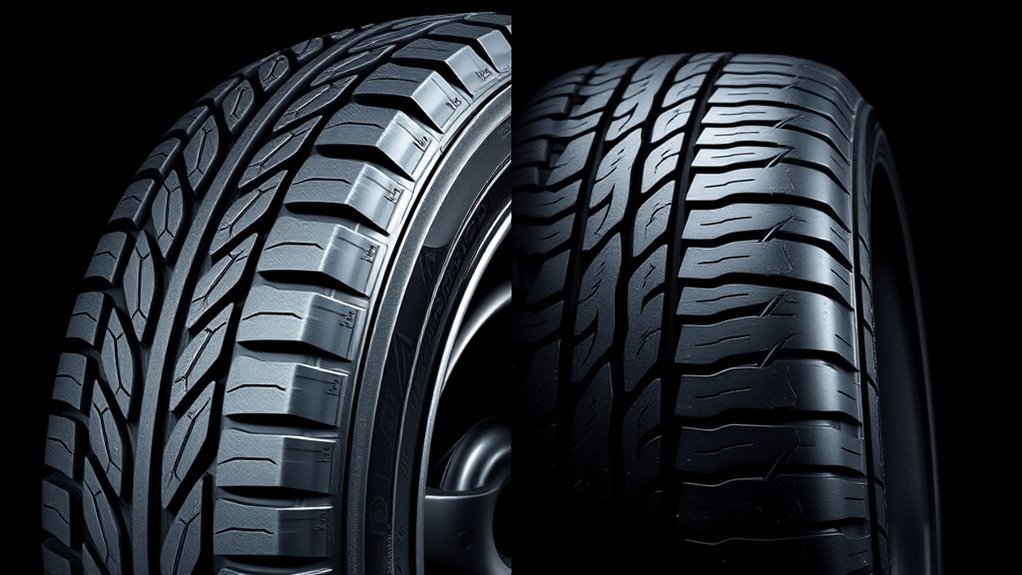
Non-directional tires often give you more rotation flexibility. With many symmetric non-directional tires, you can use common patterns such as front-to-back, forward cross, rearward cross, or X-pattern rotation, depending on your vehicle drivetrain and tire setup. This flexibility can help spread wear more evenly across all four tires.
Directional tires are more limited after mounting. Michelin explains that directional tires are designed to rotate in only one direction and must stay on the same side of the vehicle during front-to-rear rotation. Bridgestone also lists front-to-back rotation as the pattern for directional tires.
That extra rotation flexibility can make non-directional tires easier to manage for daily drivers. Still, tire life depends on more than tread direction. Poor alignment, underinflation, hard cornering, heavy loads, and skipped rotations can wear out any tire faster.
Why Directional Tires Can’t Use Standard Rotation Patterns
Directional tires cannot use standard cross-rotation patterns because the tread channels are designed to work in one forward direction. If you move a mounted directional tire from the left side to the right side without remounting it on the wheel, the tread may point the wrong way.
Tread Design Constraints
The tread on a directional tire is not just a styling choice. The angled channels are designed to roll forward in a specific direction. When the tire rolls correctly, the grooves help move water outward from the contact patch. When the tire rolls backward, that flow pattern does not work as intended.
Mounting Direction Requirements
Before installation, check the sidewall arrow and match it to the tire’s forward rotation. If you are not sure, ask a tire shop to confirm the mounting direction before the wheel goes back on the vehicle.
| Installation Check | Why It Matters |
| Match arrow to forward rotation | Keeps the tread working as designed |
| Rotate front-to-rear on same side | Preserves the rolling direction after mounting |
| Avoid cross-rotation unless remounted | Prevents the tread from pointing backward |
Rotation Pattern Limitations
With directional tires, you normally move the front left tire to the rear left position and the rear left tire to the front left position. You do the same on the right side. You do not cross the tires side to side unless the tire is dismounted from the wheel and remounted in the correct direction.
Pro Tip: Take a quick photo of the sidewall arrow before rotation. It gives you a simple reference if you are checking the shop’s work later.
What Happens When Directional Tires Are Mounted Backwards?
If you mount directional tires backward, the tire may still roll, but it will not perform the way the tread was designed to perform. The biggest concern is wet-road control. The grooves may move water less effectively, which can reduce grip in rain or slush.
Performance Degradation Risks
Backward directional tires can cause several problems:
- Reduced wet traction: The tread channels may not clear water as intended.
- More hydroplaning concern: Standing water becomes more risky when tread depth is low or speed is too high.
- Uneven wear: The tread blocks may wear in a pattern the tire was not designed for.
- Handling changes: Steering feel and cornering stability may become less predictable.
Safety Hazard Concerns
You should correct a backward directional tire as soon as you notice it. Do not wait for the next scheduled rotation if you drive in rain, snow, or highway conditions. A tire shop can usually fix the issue by remounting the tire in the proper direction or moving the wheel to the correct side if the setup allows it.
Warning: Do not ignore a directional tire mounted backward. The tire may look normal at a glance, but the sidewall arrow must match the wheel’s forward rotation.
Which Tire Type Handles Better in Rain and on Dry Roads?
In heavy rain, directional tires often have an advantage because their tread channels are designed to move water away from the center of the contact patch. This can help reduce hydroplaning risk when the tire has enough tread and the vehicle speed is reasonable.
On dry roads, the answer depends more on the specific tire model than the tread direction alone. A high-performance directional summer tire may feel sharper than a basic touring tire, but a premium non-directional tire can still handle very well in normal driving.
- Rain: Directional tread can help if water evacuation is a priority.
- Dry commuting: A good non-directional touring or all-season tire is usually enough.
- Sporty driving: Compare the exact tire model, speed rating, compound, and reviews, not just the tread direction.
- Winter roads: Look for a true winter tire or a tire with the Three-Peak Mountain Snowflake symbol when severe snow traction matters.
[Products Worth Considering]

Monitor tire tread wear with a smart, color-coded depth gauge that shows clear condition ranges at a glance. The bar is range marked for fast, easy readings, helping you maintain safer traction and performance. Each gauge is portable with a pocket clip, and the set includes 20 units for daily use and sharing.

Add style while helping protect your tire valve stems with handmade crystal rhinestone caps and a durable plastic insert. These caps resist corrosion and help keep out rain, snow, and muddy water, extending tire life. Textured non-slip design makes them easy to grip for quick install and removal when checking tire pressure.

Cristal Products Untouchable Tire Shine Spray delivers a deep, wet-look gloss that enhances your vehicle’s tires. It’s quick-drying and spreads smoothly for consistent, streak-free coverage, while forming a protective coating against UV rays, road grime, and weather. Suitable for all tire types, it helps restore dull, faded tires to a showroom-quality finish.
Why Directional Tires Can Cost More Than the Price Tag Shows
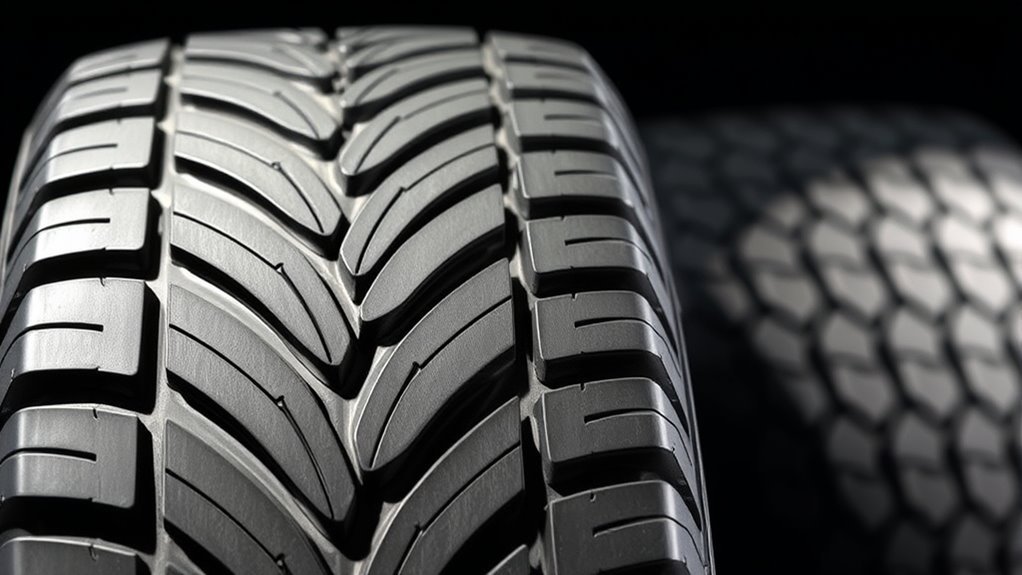
Directional tires do not automatically cost more, but they can be less flexible to maintain. Because they usually stay on the same side of the vehicle during rotation, you have fewer ways to even out wear. If your vehicle already wears one corner faster because of alignment, suspension, or driving habits, that limited rotation pattern can matter.
You should judge cost by the full ownership picture:
| Cost Factor | What to Check |
| Purchase price | Compare the exact tire size, load rating, speed rating, and tire category. |
| Rotation flexibility | Directional tires usually have fewer rotation options after mounting. |
| Treadwear rating | Use UTQG treadwear as a comparison point for passenger tires, but remember it is not a mileage guarantee. |
| Maintenance | Pressure checks, alignment, balancing, and timely rotation affect tire life. |
For many drivers, a non-directional all-season tire offers the best balance of price, comfort, and maintenance flexibility. For drivers who face frequent rain or winter conditions, the added performance focus of a directional tire may be worth the tradeoff.
Which Tire Type Works Best for Your Local Weather?
Your local weather should guide your tire choice. NHTSA notes that the right tire type varies by where you live and the typical weather you drive in. That matters more than choosing a tire by tread direction alone.
[Products Worth Considering]

Adam’s Pro Tire Hex Grip applicators are molded foam sponges designed for precise, even tire dressing application. The ergonomic grip helps you spread product without overapplying, reducing sling that can splash onto paint and helping keep your hands clean during wheel and trim detailing. They’re durable, washable, and reusable for repeated detailing sessions.

Black Magic Tire Wet delivers a deep wet-look shine that makes tires appear dark, rich, and freshly detailed. Its long-lasting formula helps resist rain, dust, and road grime for weeks of glossy protection, not days. Apply by spraying onto clean, dry tires—no buffing or wiping required—with a low-sling design to reduce splatter on paint and wheels.

Milton S-921 pencil tire pressure gauge helps you maintain optimal tire pressure for passenger cars with accurate readings in PSI and kPa. It features a built-in deflator valve for convenient pressure adjustments, plus a single chuck head and nylon indicator bar for easy use on the go. Built from durable plated brass and designed for reliable performance, it’s a practical road trip and cold-weather maintenance tool.
Wet Climate Performance
If you regularly drive through heavy rain, standing water, or slush, directional tires are worth considering. Their tread design can help move water away from the contact patch. You still need enough tread depth, correct inflation, and slower speeds in poor conditions.
Winter Weather Suitability
Some winter tires use directional tread because the angled channels can help manage slush and packed snow. If your area gets real winter conditions, do not rely only on the word “directional.” Look for a proper winter tire or an all-weather tire rated for severe snow use.
Mild Weather Daily Driving
If your area has mostly dry roads, light rain, and moderate temperatures, a quality non-directional all-season tire may be the smarter everyday choice. You get simpler rotations and balanced performance without paying for wet-weather specialization you rarely use.
Do You Actually Need Directional Tires for Daily Driving?
You do not need directional tires for normal daily driving unless your conditions make them useful. Most commuters can do well with a quality non-directional all-season tire that matches the vehicle manufacturer’s size, load rating, and speed rating.
Choose directional tires if you regularly drive in rain, slush, or winter conditions and want a tread design focused on water evacuation. Choose non-directional tires if you care more about simple maintenance, flexible rotation patterns, and longer wear management.
Before You Buy or Rotate: Quick Checklist
- Check the sidewall: Look for a rotation arrow, “outside” marking, size, load index, and speed rating.
- Read the owner’s manual: Use the tire size and rotation pattern recommended for your vehicle.
- Inspect tread depth: NHTSA says tires are not safe when tread reaches 2/32 inch.
- Check pressure cold: Use the vehicle placard or owner’s manual, not the maximum pressure printed on the tire.
- Rotate on schedule: If your manufacturer recommends rotation, NHTSA lists 5,000 to 8,000 miles as a common interval.
- Keep matching tires on each axle: Avoid mixing tread types, sizes, or wear levels unless a qualified tire professional confirms it is safe.
Frequently Asked Questions
Are directional tires better than non-directional tires?
Directional tires are better for some drivers, especially those who often drive in rain, slush, or winter conditions. Non-directional tires are often better for daily drivers who want easier rotation patterns and simple maintenance. The exact tire model matters more than tread direction alone.
What is the 3% tire rule?
The “3% tire rule” usually refers to keeping tire diameter or rolling circumference changes within a small range, especially when changing sizes. It is not one universal rule for every vehicle. AWD and 4WD vehicles can be sensitive to mismatched tire diameter or tread depth, so check your owner’s manual before changing size or mixing worn and new tires.
What happens if directional tires are put on backwards?
Backward directional tires may lose some of their intended wet-road performance because the tread channels no longer point the correct way. You may also see uneven wear or less predictable handling. Have the tire remounted or repositioned so the sidewall arrow matches forward rotation.
Can you mix directional and non-directional tires?
It is best not to mix directional and non-directional tires on the same axle. Different tread designs, tread depths, or tire categories can change grip and handling. If you must replace only one or two tires, match the size, load rating, speed rating, and tire type as closely as possible, then ask a tire professional where the new tires should go.
Can directional tires be rotated side to side?
Mounted directional tires usually should not be rotated side to side because that would reverse the rolling direction. They normally move front-to-rear on the same side. A tire shop may be able to move them side to side only by dismounting and remounting the tires correctly.
Conclusion
Directional tires are a strong choice when wet-weather control, slush handling, or performance-focused tread design matters most. Non-directional tires are often the better fit for everyday driving because they usually offer easier rotation options and simpler wear management.
Before you choose, check your climate, your vehicle manual, the tire sidewall markings, and your maintenance habits. The best tire is not just directional or non-directional. It is the tire that fits your vehicle, your roads, and your willingness to maintain it correctly.
Sources
- Bridgestone Tires: Tire Tread Patterns — supports symmetric, asymmetric, and directional tread pattern explanations.
- Bridgestone Tires: Tire Rotation — supports directional tire front-to-back rotation guidance.
- Michelin USA: Tire Rotation Guide — supports same-side rotation rules for directional tires and rotation interval guidance.
- NHTSA TireWise — supports tire tread depth, pressure, rotation, and general tire safety guidance.