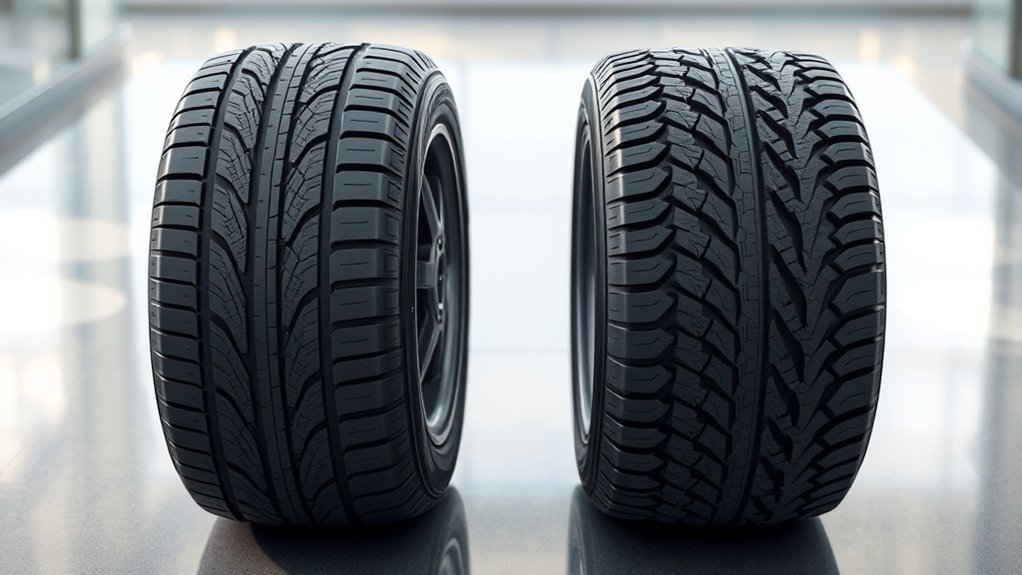
Choosing tires for your Hyundai Sonata is not just about brand or price. The tread pattern affects how the tire moves water, how quietly it rides, how easily it rotates, and how confidently it handles daily driving. For most Sonata owners, the best choice is a quality touring or all-season tire in the correct size, load rating, speed rating, and tread design for the weather you actually drive in.
Quick Answer
For most Hyundai Sonata drivers, a high-quality symmetrical or asymmetrical all-season touring tire is the best everyday choice. Choose directional tread if wet-weather water evacuation is a top priority, but remember that directional tires must be mounted and rotated correctly to work as designed.
Key Takeaways
- Symmetrical tread patterns are simple, quiet, budget-friendly, and easy to rotate on most same-size tire setups.
- Directional tread patterns use V-shaped grooves to move water away from the tire, but they must follow the sidewall rotation arrow.
- Asymmetrical tread patterns combine an inner wet-grip zone with an outer cornering zone, but the “Outside” sidewall must face outward.
- Always match the tire size, load index, speed rating, and pressure shown on your Sonata’s driver-door placard or Hyundai owner’s manual.
At a Glance
| Time Required | 10–20 minutes to inspect your current tires and compare replacement options |
| Difficulty | Easy for basic inspection; professional installation is recommended for mounting and balancing |
| Tools Needed | Tire pressure gauge, tread depth gauge or penny, sidewall markings, and the Hyundai tire placard or owner’s manual |
| Cost | Free to inspect; replacement tire cost depends on size, tire category, brand, and installation fees |
Understanding Tire Tread Patterns: Why It Matters for Your Sonata
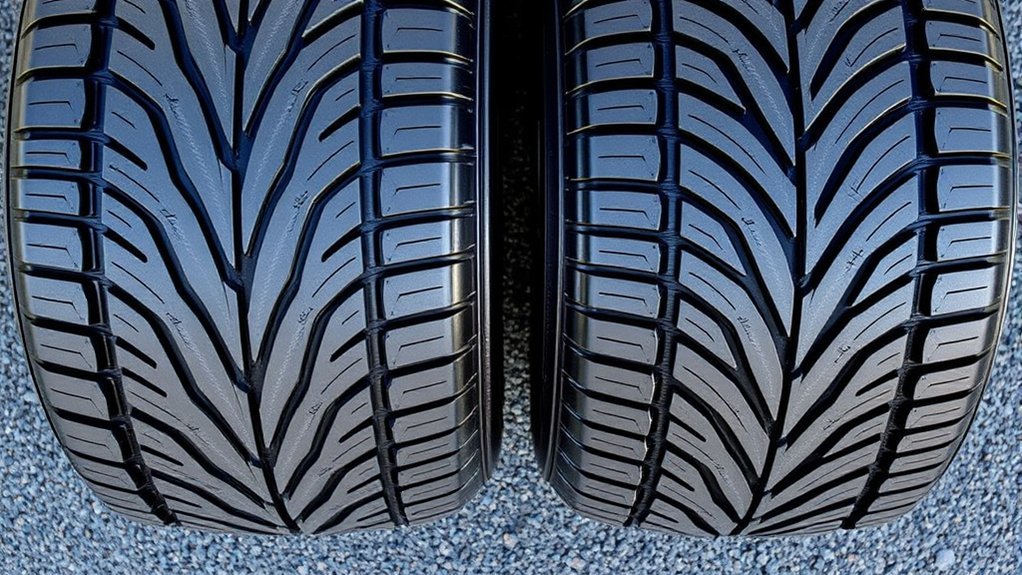
A tire’s tread pattern is the arrangement of ribs, grooves, blocks, and sipes on the part of the tire that touches the road. These details affect water evacuation, road noise, cornering feel, braking grip, and wear pattern. They matter on a Hyundai Sonata because the car is usually used for commuting, highway driving, family trips, and mixed weather rather than track-style driving.
Before comparing tread patterns, check the basics first. Your replacement tires should match the tire size, load index, speed rating, and inflation guidance listed on the driver-door placard or in the Hyundai owner’s manual. Tread pattern can improve certain driving traits, but it cannot make up for the wrong size, low pressure, poor alignment, or worn-out tread.
Note: Tread pattern is only one part of tire performance. Rubber compound, tire category, tread depth, inflation pressure, and wheel alignment can matter just as much as the visible pattern.
How Directional Tread Patterns Boost Performance in Wet Conditions
Directional tread patterns are designed to roll in one direction. They often use V-shaped or arrow-like grooves that help push water away from the center of the tire. On wet roads, this design can improve hydroplaning resistance when the tire is properly mounted, properly inflated, and still has enough tread depth.
| Directional Feature | What It Does | Why It Matters for a Sonata |
|---|---|---|
| V-shaped grooves | Move water outward as the tire rolls | Helpful for commuting in frequent rain |
| Rotation arrow | Shows the correct rolling direction | Incorrect mounting reduces the benefit of the tread design |
| Same-side rotation | Usually limits rotation to front-to-rear on the same side | Makes maintenance slightly less flexible than symmetrical tires |
Directional tires can be a smart choice if you drive through heavy rain, standing water, or slushy conditions. Still, do not treat every directional tire as a winter tire. For snow and ice, the tire’s compound, siping, and winter rating are critical.
Warning: Never install a directional tire against its rotation arrow. If the arrow points the wrong way when the tire is on the car, have the tire remounted by a qualified tire shop.
[Products Worth Considering]

The SAFELIFE dial tire tread depth gauge measures tread depth in 1/32 inch increments with clear, easy-to-read 2-inch dial face. Color zones using a traffic light system help you quickly judge whether tread is low, marginal, or ample for safer driving. Built with a durable zinc cast body and a metal detect probe for precise, comfortable use across cars, motorcycles, trucks, and buses.

Monitor tire tread wear with a smart, color-coded depth gauge that shows clear condition ranges at a glance. The bar is range marked for fast, easy readings, helping you maintain safer traction and performance. Each gauge is portable with a pocket clip, and the set includes 20 units for daily use and sharing.

Measure tire tread depth quickly and accurately with this LUMITECO dial gauge that reads in 1/32" increments up to 14/32". The color-coded green/yellow/red zones make it easy to judge tire wear and know when replacement is needed. A rugged, compact design with a protective pouch helps keep the gauge ready for use on cars, trucks, motorcycles, and more.
The Benefits of Symmetrical Tread Patterns for Everyday Driving
Symmetrical tread patterns use the same basic design across the inner and outer halves of the tread. They are common on many passenger-car touring and all-season tires because they balance comfort, wear, simplicity, and cost. For a Hyundai Sonata used mostly for commuting, errands, and highway driving, this can be the most practical setup.
Cost-Effective Tire Option
Symmetrical tires are often budget-friendly because the design is simple and widely available. They may not be the most aggressive option for deep snow, hard cornering, or standing water, but they can be a strong value for normal driving.
- Good everyday comfort for commuting and highway use
- Often lower road noise than more aggressive tread designs
- Easy availability in common passenger-car sizes
- Flexible rotation options on same-size, non-directional setups
- Balanced performance for dry and mild wet conditions
Easy Tire Rotation
Because symmetrical tires are usually non-directional, they often allow more rotation patterns than directional tires. That flexibility helps even out tread wear across all four tires, especially on a front-wheel-drive sedan where the front tires handle steering, braking, and drive forces.
Smooth Driving Experience
A good symmetrical touring tire can give your Sonata a smooth, quiet ride. This makes it a solid choice if comfort, fuel economy, and tire life matter more to you than sporty handling or maximum wet-weather performance.
Pro Tip: If your driving is mostly dry-road commuting, compare tires by comfort rating, treadwear warranty, wet-braking reviews, and noise—not just by tread pattern name.
Symmetrical vs. Directional Treads: Which Is Better?
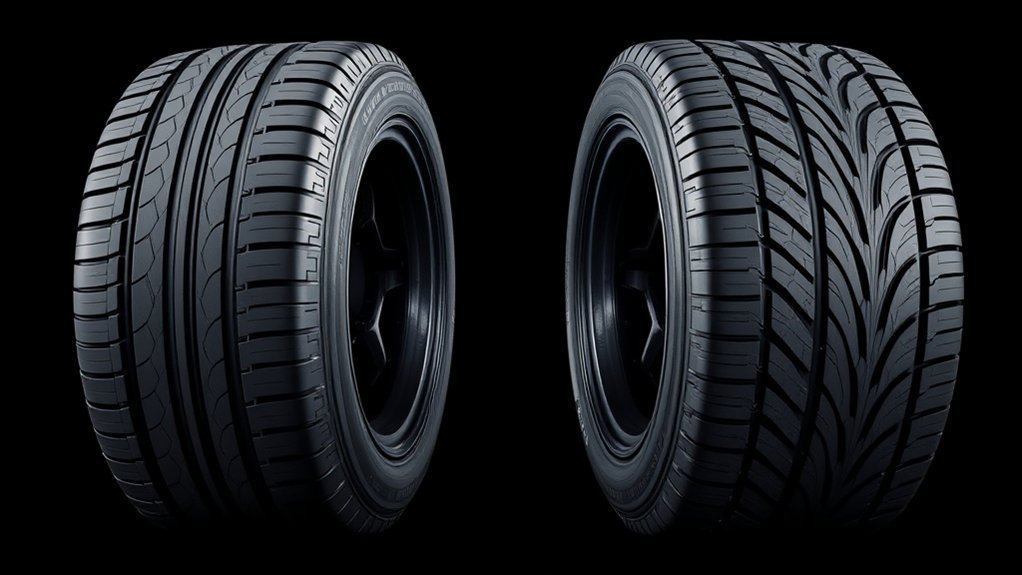
The better tread pattern depends on your weather, driving style, and maintenance preference. Symmetrical tires are usually the simplest choice for daily driving. Directional tires are stronger when water evacuation is the main goal. Asymmetrical tires sit between the two by combining wet-grip features on one side with cornering stability on the other.
| Tread Pattern | Best For | Main Tradeoff | Rotation Notes |
|---|---|---|---|
| Symmetrical | Comfort, value, long wear, everyday commuting | Usually less specialized for heavy rain or performance driving | Most flexible if same size and non-directional |
| Directional | Wet roads, water evacuation, slush-prone driving | Must be mounted in the correct rolling direction | Usually front-to-rear on the same side only |
| Asymmetrical | Balanced wet grip, dry cornering, modern touring or performance tires | Must keep the “Outside” sidewall facing outward | Depends on tire markings, size setup, and manufacturer guidance |
If you want the easiest ownership experience, choose a well-reviewed symmetrical or asymmetrical touring tire. If you regularly drive in heavy rain, a directional tread may be worth the rotation limitations. If you like a sharper steering feel but still need wet-road confidence, compare asymmetrical tires.
[Products Worth Considering]

Accurately measure tire tread depth with a calibrated gauge marked from 0 to 1 inch in 1/32 inch increments. The color-coded bar helps you quickly identify tread condition ranges, supporting safe driving for trucks, motorcycles, automobiles, and passenger vehicles.

Measure tyre tread depth precisely with a digital gauge that reads in both MM and inches, helping you monitor safe driving conditions. The large LCD screen is easy to operate, and the compact tool fits for cars, trucks, and motorcycles. It provides high accuracy with a 0-25.4mm range and includes a 1-year warranty for added peace of mind.

Keep your tires properly inflated with this analog VONDIOR tire pressure gauge, designed for fast, easy readings without batteries. The swiveling, two-axis hose and large glow dial help you measure at any tire angle with instant visibility. Built with a protective rubber shield, it supports durable, low-maintenance use for cars and trucks.
Asymmetrical Tread: Pros and Cons for Your Sonata
Asymmetrical tread patterns use different inner and outer tread zones. The inner side often focuses on water evacuation, while the outer shoulder uses larger or stiffer tread blocks for cornering stability. This design is common on many modern touring, grand-touring, and performance tires.
- Better dry-road support: The outer shoulder can improve stability during lane changes and curves.
- Helpful wet-road design: The inner grooves can help move water away from the contact patch.
- Balanced ride quality: Many asymmetrical touring tires combine comfort with sharper handling.
- Mounting requirement: The side marked “Outside” must face outward after installation.
- Rotation depends on markings: Asymmetrical-only tires are not the same as directional tires; always follow the tire sidewall and manufacturer’s instructions.
The main downside is cost. Asymmetrical tires can be more expensive than basic symmetrical tires, and they may be unnecessary if your Sonata is used only for calm city and highway driving.
Choosing Tires for Different Driving Conditions: Practical Tips
The best tread pattern is the one that matches your local weather and your actual driving. A tire that performs well in Arizona heat may not be the right tire for a Sonata driven through Chicago snow, Gulf Coast rain, or mountain slush.
[Products Worth Considering]

Milton S-921 pencil tire pressure gauge helps you maintain optimal tire pressure for passenger cars with accurate readings in PSI and kPa. It features a built-in deflator valve for convenient pressure adjustments, plus a single chuck head and nylon indicator bar for easy use on the go. Built from durable plated brass and designed for reliable performance, it’s a practical road trip and cold-weather maintenance tool.
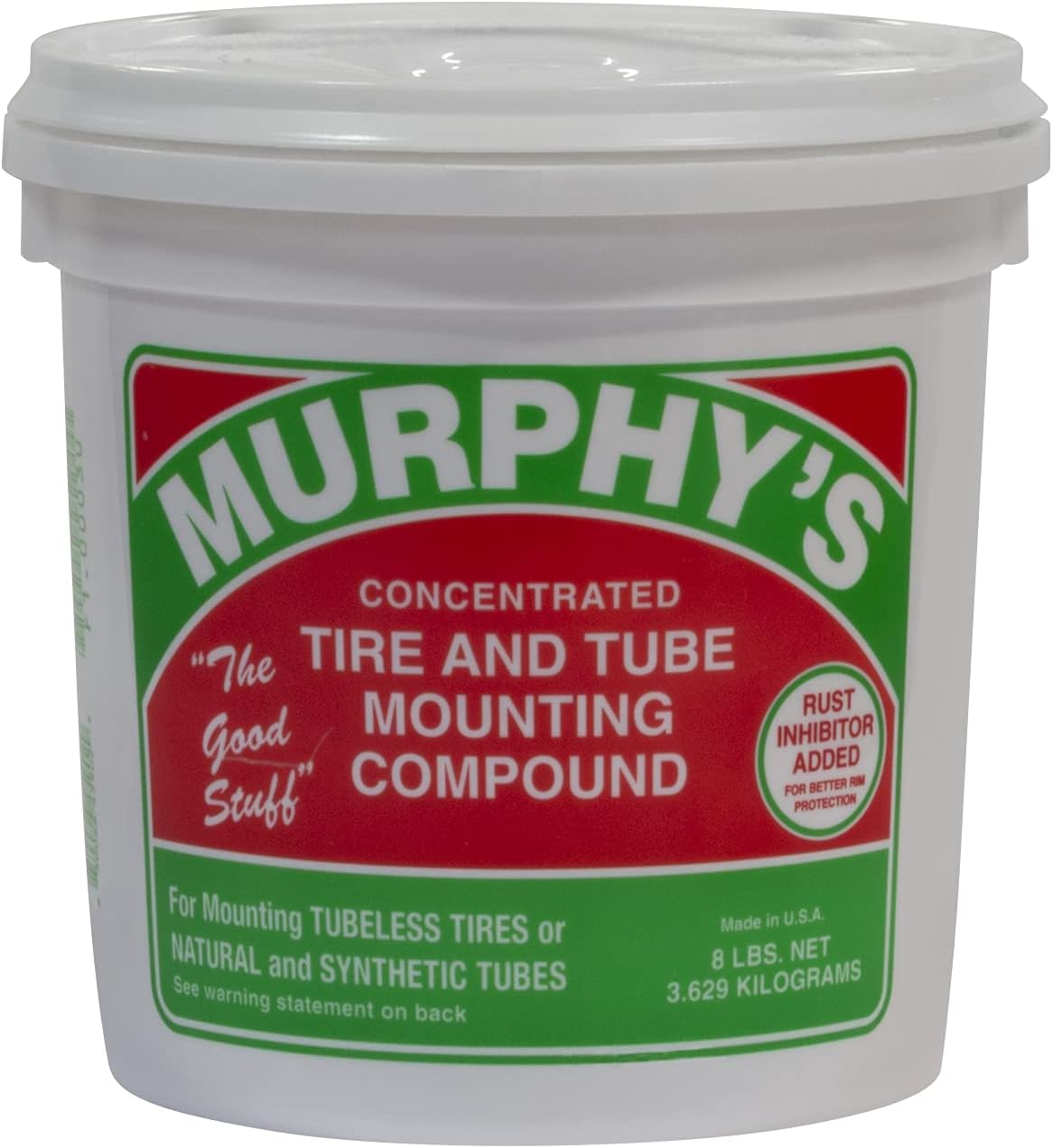
A concentrated tire and tube mounting compound designed to help simplify mounting rubber tires and tubes on passenger, semi truck, construction, and OTR applications. Its ultra-thick formula packs beads effectively and includes rust inhibitors to help protect against corrosion during use.

Steelman white tire marking crayons provide high-contrast, semi-permanent marks for repairing and inspecting tires and equipment. They write on wet or dry, smooth or coarse surfaces including rubber, metal, glass, and wood, making them ideal for puncture location and damage outlining. The lead- and zinc-free crayons resist weather and fading yet wipe away when you no longer need the marks.
Check the Sidewall Before Buying or Rotating
Look for these markings before choosing or rotating tires:
- Rotation arrow: The tire is directional and must roll in the arrow’s direction.
- Outside/Inside: The tire is asymmetrical and must be mounted with the correct side facing out.
- Tire size: Must match your Sonata’s required size or an approved alternate size.
- Load index and speed rating: Must meet or exceed the vehicle requirement.
- M+S or 3PMSF: These markings help identify mud/snow or severe-snow-rated tires, but they do not replace safe winter driving habits.
Match the Pattern to Your Climate
- Mostly dry, mild weather: A symmetrical touring tire is usually enough.
- Frequent rain: Compare directional or asymmetrical tires with strong wet-braking reviews.
- Light snow: Consider all-weather tires with a severe-snow rating if winter is occasional but real.
- Heavy snow and ice: Use dedicated winter tires during the cold season.
- Sportier driving: Compare asymmetrical performance or grand-touring tires in the correct Sonata size.
Avoid Mixing Tread Patterns When Possible
For the most predictable handling, use four matching tires of the same size, model, tread pattern, and wear level. If you replace only two tires, match the tires on the same axle and ask the installer where the newer pair should go. Many tire makers recommend placing the newer pair on the rear axle to support stability in wet conditions.
Warning: Do not mix tire sizes, construction types, load ratings, or speed ratings without confirming that the setup is approved for your Sonata. A mismatch can change handling, braking, traction-control behavior, and tire wear.
Prioritize Tire Category, Not Just Tread Shape
A premium symmetrical all-season tire can outperform a cheap directional tire in rain. A winter tire can outperform an all-season tire on snow even if both have similar-looking grooves. Use tread pattern as one filter, then compare the tire category, test results, warranty, road-noise ratings, and wet-braking performance.
Maintenance Best Practices for Prolonging Tire Life and Performance
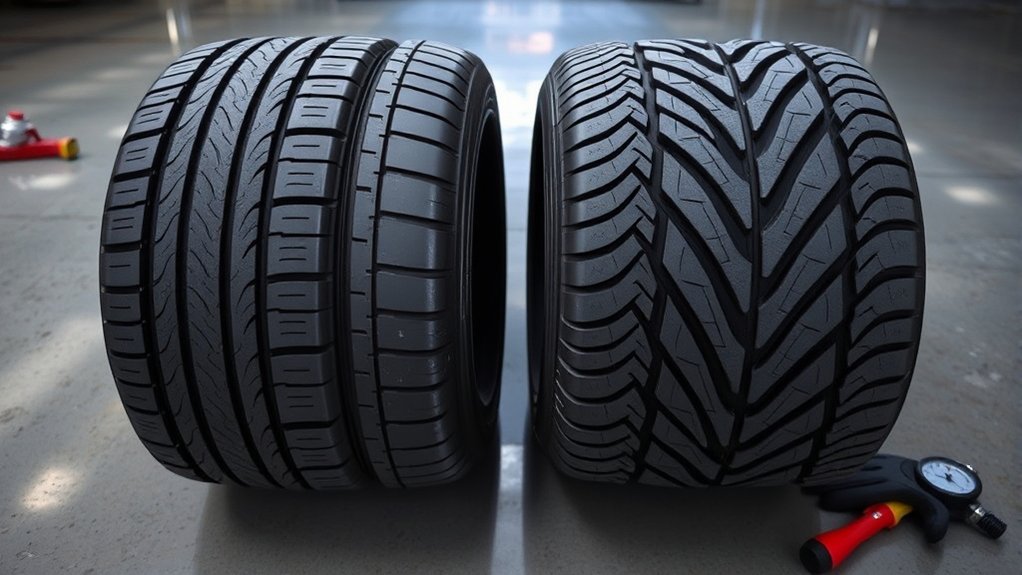
Good maintenance helps any tread pattern perform better. A directional tire mounted correctly still cannot work well if it is underinflated or worn out. A symmetrical tire cannot wear evenly if alignment is off. Use these basics to keep your Sonata safe and comfortable.
- Check pressure monthly: Use a tire gauge when the tires are cold. Do not rely only on the TPMS warning light.
- Follow the placard pressure: Use the pressure listed on the driver-door placard or owner’s manual, not the maximum pressure molded into the tire sidewall.
- Measure tread depth: Replace tires no later than 2/32 inch of tread depth. For wet or winter driving, consider professional inspection sooner.
- Rotate on schedule: Follow your Hyundai manual and tire warranty. A common interval is about every 5,000–7,500 miles, but the correct pattern depends on tire markings and drivetrain.
- Check alignment and balance: Uneven wear, vibration, pulling, or feathered tread can point to alignment, balance, suspension, or inflation problems.
- Inspect for damage: Look for bulges, cracks, punctures, exposed cords, sidewall cuts, and uneven wear.
Pro Tip: Take a clear photo of each tire sidewall before scheduling service. The photo helps you confirm tire size, speed rating, load index, DOT date code, and whether the tire is directional or asymmetrical.
Frequently Asked Questions
What is the difference between directional and symmetrical tires?
Directional tires are designed to roll in one direction and usually have a V-shaped pattern with a rotation arrow on the sidewall. Symmetrical tires use the same pattern across the tread face and are usually easier to rotate. Directional tires are often chosen for wet-weather water evacuation, while symmetrical tires are popular for comfort, value, and everyday driving.
Can you mix directional and asymmetrical tires on a Hyundai Sonata?
It is best to avoid mixing tread patterns, tire models, sizes, or wear levels when possible. If you must replace only two tires, keep matching tires on the same axle and ask a qualified installer where the newer pair should go. Never install a directional tire backward or an asymmetrical tire with the “Outside” marking facing inward.
Are asymmetrical tires the same as directional tires?
No. An asymmetrical tire has different inner and outer tread zones and must be mounted with the correct side facing outward. A directional tire is designed to roll in one direction and has a rotation arrow. Some tires can be both asymmetrical and directional, so always read the sidewall before installation or rotation.
Which tread pattern is best for wet roads?
Directional and asymmetrical tread patterns often perform well in wet conditions because they are designed to move water away from the contact patch. However, tread depth, tire compound, inflation pressure, and the tire’s wet-braking performance matter just as much as the pattern.
How often should Hyundai Sonata tires be rotated?
Follow the Hyundai owner’s manual and your tire warranty first. As a general rule, many passenger tires are rotated about every 5,000–7,500 miles. Directional tires usually stay on the same side of the car and move front-to-rear only, while non-directional same-size tires may allow more rotation patterns.
When should Sonata tires be replaced?
Replace tires no later than 2/32 inch of tread depth, or sooner if they show cracks, bulges, exposed cords, repeated pressure loss, uneven wear, or poor wet-weather grip. If you drive often in rain or snow, have the tires inspected before they reach the minimum tread depth.
Conclusion
The best tread pattern for your Hyundai Sonata depends on your roads, weather, and maintenance habits. Symmetrical tires are the easiest everyday choice for comfort and value. Directional tires are useful for wet-weather water evacuation, but they need correct mounting and same-side rotation. Asymmetrical tires offer a strong balance of wet grip and dry handling, as long as the “Outside” marking is mounted correctly. Choose the correct tire size and rating first, then use tread pattern as the final match for how and where you drive.
Sources
- Hyundai Owner’s Manual — checking Sonata-specific tire size, pressure, and vehicle guidance
- NHTSA TireWise — tire safety, tire buying, tire labels, and consumer tire-care guidance
- U.S. Tire Manufacturers Association: Tire Care Essentials — pressure, tread depth, rotation, alignment, and monthly tire checks
- Continental Tires: Tire Tread — symmetrical, directional, and asymmetrical tread-pattern explanations
- Continental Tire: Mounting Directional and Asymmetrical Tires — sidewall markings, mounting direction, and rotation notes
- Tire Industry Association: Tire Rotation — rotation intervals, rotation patterns, and tire inspection during rotation