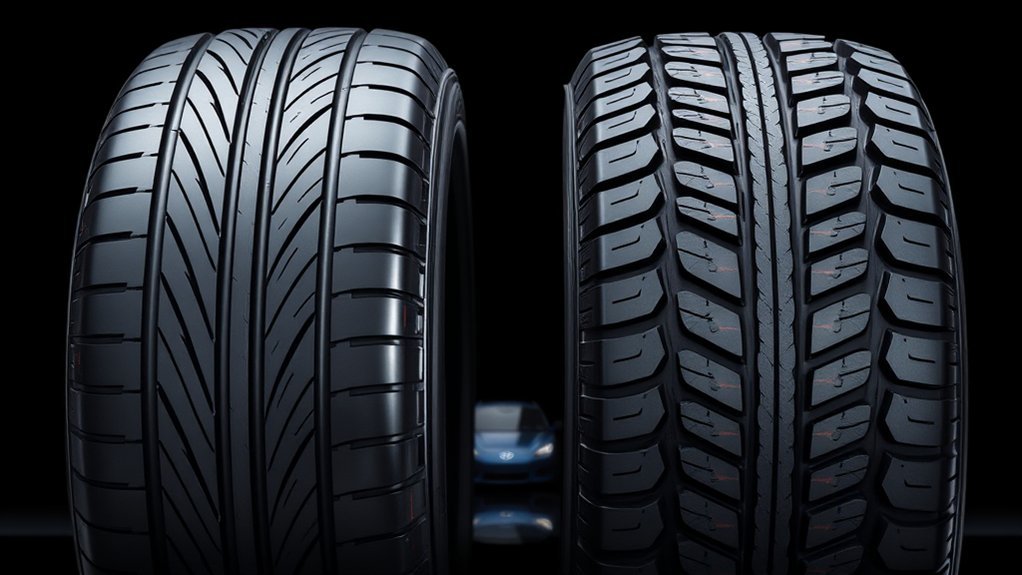
Choosing between directional and non-directional tires for your Hyundai Sonata comes down to how and where you drive. Directional tires can be a strong choice for wet roads and sporty handling, while non-directional tires are often easier to rotate and maintain for everyday commuting. The safest choice is the tire that matches your Sonata’s required size, load rating, speed rating, and tire-pressure placard.
Quick Answer
Directional tires are best if you want strong water evacuation and the tire is installed with the rotation arrow facing forward. Non-directional tires are usually more practical for daily Sonata driving because they allow more rotation options. Always follow your Hyundai tire placard and owner’s manual for size, pressure, and replacement guidance.
Key Takeaways
- Directional tires have a one-way tread pattern and must follow the sidewall rotation arrow.
- Non-directional tires are easier to rotate, but asymmetric tires still need the “outside” sidewall facing outward.
- For a Hyundai Sonata, tire size, load rating, speed rating, and cold PSI should come from the driver-door placard or owner’s manual.
- Do not cross-rotate directional tires unless the tire is dismounted, remounted correctly, and rebalanced by a professional.
At a Glance
| Time Required | 5–10 minutes to identify tire type; 30–60 minutes for professional mounting or rotation |
| Difficulty | Easy to inspect; professional service recommended for mounting, balancing, or dismounting directional tires |
| Tools Needed | Tire pressure gauge, tread-depth gauge or penny, flashlight, and your Sonata tire placard or owner’s manual |
| Cost | Free to inspect at home; tire rotation, mounting, and balancing costs vary by shop and wheel/tire setup |
Understanding Directional vs Non-Directional Tires
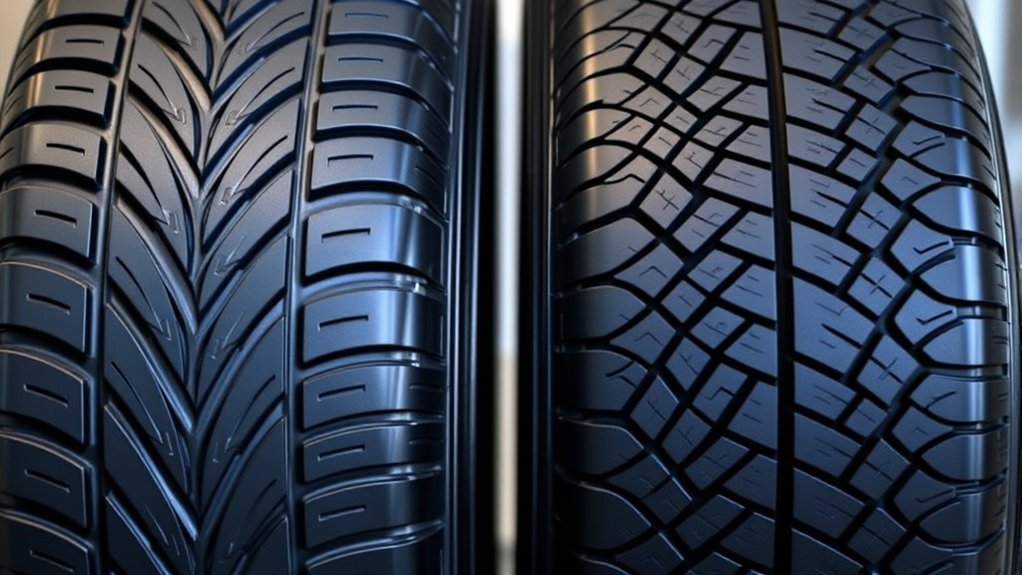
The main difference is tread orientation. A directional tire is designed to roll forward in one direction only. It usually has swept grooves or a V-shaped pattern, plus an arrow on the sidewall showing the correct rotation direction.
A non-directional tire does not have a required one-way rolling direction. Many non-directional tires are symmetrical, meaning the tread looks the same across the tire and the tire can be rotated in several common patterns. Some are asymmetrical, meaning the inner and outer tread sections are different. Asymmetrical tires may not be directional, but they still must be mounted with the side marked “outside” facing outward.
For a Hyundai Sonata, do not choose a tire by tread style alone. First confirm the correct tire size, load index, speed rating, and cold inflation pressure using your vehicle’s driver-door tire label or Hyundai owner’s manual.
Note: The tire’s sidewall may show a maximum pressure, but that is not the pressure you should automatically use. For normal driving, use the Sonata’s tire placard or owner’s manual recommendation.
Identifying Directional Tires: Key Features to Look For
Before buying, mounting, or rotating tires on your Sonata, look closely at the sidewall and tread. Directional tires are easy to spot once you know what to check:
- Rotation arrow: The sidewall usually has an arrow with wording such as “rotation.” The arrow must point forward when the tire rolls.
- V-shaped or arrow-like tread: Many directional tires have grooves that meet near the center and sweep outward.
- One-way mounting requirement: If installed backward, the tread cannot evacuate water as designed.
- No cross-rotation unless remounted: A directional tire cannot simply move from the left side of the car to the right side while staying on the same wheel.
Also check for the words “inside” and “outside.” Those markings usually indicate an asymmetrical tire. If a tire has both a rotation arrow and an outside marking, both rules matter: it must roll in the correct direction and face outward correctly.
Why Choose Directional Tires for Enhanced Performance in Your Sonata?
Directional tires can make sense for a Hyundai Sonata if you often drive in rain, want responsive wet-road handling, or choose a performance-oriented tire model. The V-shaped groove layout can help move water away from the contact patch, which may reduce hydroplaning risk when the tire has enough tread depth and is installed correctly.
That does not mean every directional tire is automatically better than every non-directional tire. Tire compound, tread depth, treadwear rating, wet-traction rating, temperature rating, age, pressure, alignment, and driving style all matter. A premium non-directional touring tire can outperform a worn or poorly matched directional tire.
Warning: Do not drive long-term on a directional tire mounted backward. Incorrect direction can reduce wet-weather performance and cause uneven wear. Have the tire corrected by a qualified tire shop.
[Products Worth Considering]

The SAFELIFE dial tire tread depth gauge measures tread depth in 1/32 inch increments with clear, easy-to-read 2-inch dial face. Color zones using a traffic light system help you quickly judge whether tread is low, marginal, or ample for safer driving. Built with a durable zinc cast body and a metal detect probe for precise, comfortable use across cars, motorcycles, trucks, and buses.

Monitor tire tread wear with a smart, color-coded depth gauge that shows clear condition ranges at a glance. The bar is range marked for fast, easy readings, helping you maintain safer traction and performance. Each gauge is portable with a pocket clip, and the set includes 20 units for daily use and sharing.

Keep your tires properly inflated with this analog VONDIOR tire pressure gauge, designed for fast, easy readings without batteries. The swiveling, two-axis hose and large glow dial help you measure at any tire angle with instant visibility. Built with a protective rubber shield, it supports durable, low-maintenance use for cars and trucks.
The Benefits of Non-Directional Tires for Everyday Driving
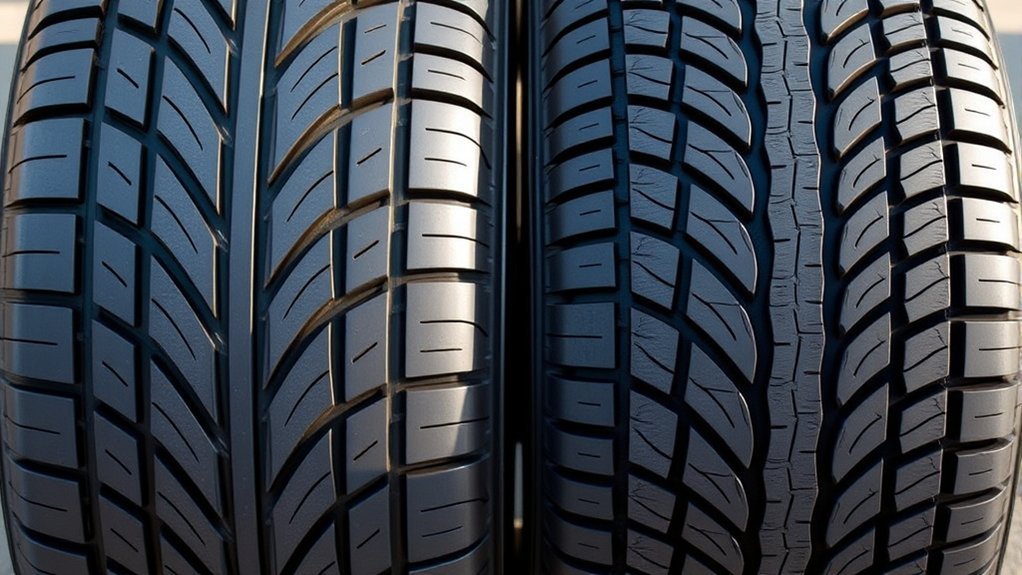
Non-directional tires are often the practical choice for everyday Sonata driving. They are usually easier to rotate, which can help even out tread wear when you keep up with pressure checks, alignment, and regular service.
For a commuter Sonata, a quality non-directional all-season touring tire may offer:
- more flexible rotation patterns;
- a quiet and comfortable ride;
- balanced dry and wet performance;
- simple maintenance for daily driving;
- good value if you do not need a performance-focused tread pattern.
Symmetrical non-directional tires offer the most rotation flexibility. Asymmetrical tires can still be excellent, but they must keep the correct side facing outward. Always read the sidewall before assuming a tire can be mounted or rotated any way you like.
Directional vs Non-Directional Tires: Comparison for Sonata Drivers
| Factor | Directional Tires | Non-Directional Tires |
|---|---|---|
| Best for | Wet-road grip, sporty feel, some winter/performance tire designs | Daily commuting, comfort, flexible maintenance |
| Mounting | Must follow sidewall rotation arrow | Symmetric tires are flexible; asymmetric tires must keep “outside” outward |
| Rotation | Usually front-to-rear on the same side | More patterns are possible if all tires and wheels match |
| Wet performance | Often strong when tread depth is healthy and direction is correct | Can still be excellent depending on tire model and rating |
| Maintenance simplicity | Less flexible | Usually easier |
[Products Worth Considering]

Measure tire tread depth quickly and accurately with this LUMITECO dial gauge that reads in 1/32" increments up to 14/32". The color-coded green/yellow/red zones make it easy to judge tire wear and know when replacement is needed. A rugged, compact design with a protective pouch helps keep the gauge ready for use on cars, trucks, motorcycles, and more.

Measure tyre tread depth precisely with a digital gauge that reads in both MM and inches, helping you monitor safe driving conditions. The large LCD screen is easy to operate, and the compact tool fits for cars, trucks, and motorcycles. It provides high accuracy with a 0-25.4mm range and includes a 1-year warranty for added peace of mind.

Accurately measure tire tread depth with a calibrated gauge marked from 0 to 1 inch in 1/32 inch increments. The color-coded bar helps you quickly identify tread condition ranges, supporting safe driving for trucks, motorcycles, automobiles, and passenger vehicles.
How to Properly Mount and Rotate Your Directional Tires
Correct mounting is essential for directional tires. The arrow on the sidewall must point in the direction the wheel moves when the Sonata drives forward. If the arrow points backward, the tire is on the wrong side or mounted incorrectly.
Directional Tire Rotation Pattern
If all four tires and wheels are the same size, rotate directional tires front-to-rear on the same side:
- left front moves to left rear;
- left rear moves to left front;
- right front moves to right rear;
- right rear moves to right front.
This keeps the tire rolling in the intended direction. If uneven wear still appears, a tire shop may need to dismount, remount, and rebalance the tires so they can move to the opposite side while keeping the correct rotation direction.
Non-Directional Tire Rotation Pattern
For matching non-directional tires and wheels, your Sonata may be able to use common patterns such as forward cross, X-pattern, or front-to-rear rotation, depending on drivetrain, tire type, and vehicle guidance. Always check your owner’s manual first.
Pro Tip: Mark each tire’s current position with chalk or tape before removal. This makes it easier to confirm the final rotation pattern before the wheels go back on the car.
Tread Pattern Comparison: Directional vs Non-Directional
Tread pattern affects how a tire handles water, noise, comfort, and cornering. Here is the simple breakdown:
- Directional tread: usually has a V-shape or swept grooves. It is designed to roll one way and can be effective for water evacuation.
- Symmetrical tread: looks the same across the tread face. It is usually quiet, stable, and easy to rotate.
- Asymmetrical tread: has different inner and outer tread zones. The inner side may help water movement, while the outer side may support cornering stability.
For Sonata drivers, the best tread pattern depends on climate and use. In a rainy area, prioritize wet traction and tread depth. For highway commuting, comfort, noise, and treadwear may matter more. For winter conditions, use tires designed for winter service rather than relying only on directional tread shape.
Debunking Myths About Directional Tires
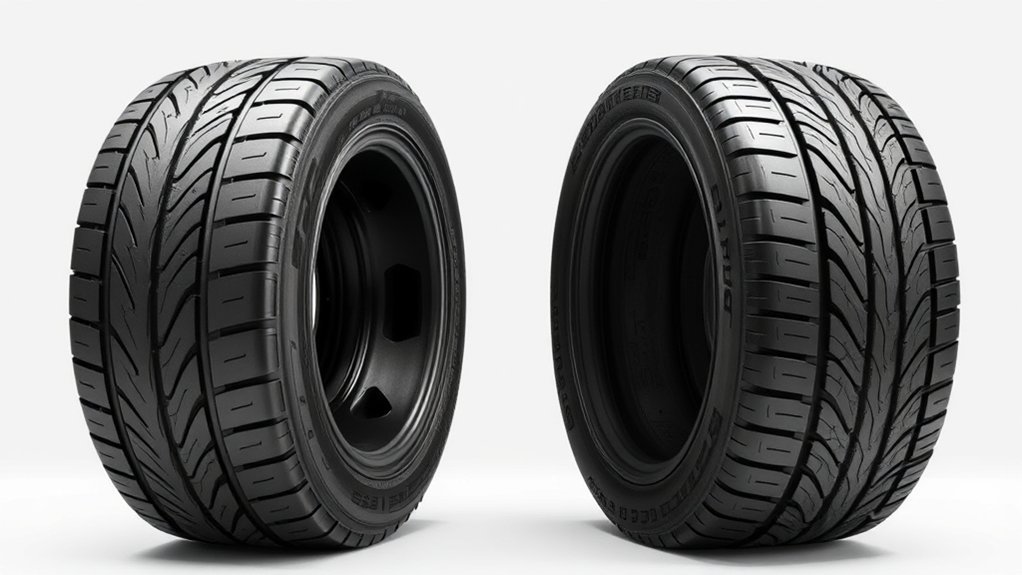
Directional tires are useful, but they are not magic. Many tire problems come from wrong pressure, poor alignment, old rubber, low tread depth, or mismatched tires rather than tread direction alone.
Performance Enhancements Misconception
A directional tire can improve water evacuation when it is properly designed, mounted, and maintained. Still, tread direction is only one part of performance. A tire’s compound, construction, tread depth, UTQG rating, and road temperature can matter just as much.
For example, a worn directional tire with low tread depth may perform worse in rain than a newer non-directional tire with a strong wet-traction rating. Choose by the full tire specification, not just by the tread shape.
Aesthetic Appeal vs. Functionality
Directional tires often look sporty because of their arrow-like tread. Looks alone should not decide your purchase. On a Hyundai Sonata, the tire should match your driving conditions, comfort expectations, budget, and required specifications.
If you like the look of directional tires and drive in frequent rain, they may be a good fit. If you mainly commute on dry roads and want simple maintenance, a high-quality non-directional touring tire may be the smarter choice.
Essential Factors for Selecting Tires for Your Sonata
Before choosing directional or non-directional tires, check the basics that actually determine whether a tire is safe for your Sonata.
[Products Worth Considering]

Black Magic Intense Foam Wheel & Tire Cleaner uses a high-foaming action to lift away dirt, grime, and brake dust without scrubbing. The color-changing formula helps show contaminants being dissolved as foam turns from white to brown. Safe for all wheel types and even wheel wells, it leaves a like-new, slick finish with a fresh cherry scent.

The Topeak SmartGauge D2 delivers precise digital tire pressure readings for bikes, motorcycles, and sports equipment up to 250 psi (17 bar). Its rotating SmartHead works with both Presta and Schrader valves, so you can check pressure quickly without adapters. The LCD display makes it easy to read results in psi, bar, or kg/cm² with an included CR2032 battery for immediate use.

ETENWOLF’s calibrated digital tire pressure gauges deliver accurate readings across a wide pressure range, from below 12 PSI to above 140 PSI. The built-in thermal compensation helps maintain performance in extreme cold and hot conditions, while the LED light improves visibility for quick checks. Includes replaceable AAA batteries for long-lasting use and convenience for everyday tire monitoring.
Tire Performance Considerations
- Correct size: Match the tire size on your Sonata’s placard or approved owner’s manual options.
- Load index: Use a tire rated to carry the vehicle’s required load.
- Speed rating: Match or exceed the required rating unless a qualified tire professional confirms a safe alternative.
- Climate: Wet, snowy, hot, and cold conditions affect tire choice.
- Ride comfort: Touring tires often prioritize quietness and comfort, while performance tires may feel firmer.
- Treadwear rating: Compare the treadwear grade when longevity matters.
Cost vs. Benefit Analysis
Directional tires can cost more if they are part of a performance or specialty line, but the tread pattern alone does not determine price. Non-directional tires often give Sonata owners a broad range of affordable touring and all-season choices.
Think in terms of total value. A tire that costs less upfront may not be cheaper if it wears quickly, performs poorly in your climate, or causes uneven wear because it is not rotated properly. A tire that costs more may be worth it if it improves wet confidence, comfort, or tread life for your driving conditions.
Maintaining Your Directional Tires for Optimal Performance
Maintenance matters more than tread style. Check pressure at least monthly when tires are cold, inspect tread depth, and rotate on schedule. The National Highway Traffic Safety Administration says tires should be replaced when tread reaches 2/32 inch. For frequent rain or winter driving, consider replacing earlier because wet and snow traction can drop before the legal minimum.
| Task | Frequency | Why It Matters |
|---|---|---|
| Check cold tire pressure | Monthly and before long trips | Improves safety, tread life, ride quality, and fuel economy |
| Inspect tread depth | Monthly | Low tread increases stopping distance and hydroplaning risk |
| Rotate tires | Follow Hyundai or tire-maker guidance; many drivers rotate around 5,000–7,500 miles | Helps even out wear across all four tires |
| Check alignment and balance | When you see uneven wear, vibration, or pulling | Prevents premature wear and steering vibration |
| Inspect sidewalls | Monthly | Catches cuts, cracks, bulges, and impact damage early |
Tread direction helps only when the tire is correctly mounted, properly inflated, and deep enough to move water through the grooves.
Common Mistakes to Avoid
- Cross-rotating directional tires: This reverses the intended rolling direction unless the tire is dismounted and remounted.
- Using sidewall maximum PSI as normal pressure: Use the Sonata tire placard or owner’s manual instead.
- Mixing tire types randomly: Avoid mixing sizes, tread patterns, speed ratings, or load indexes unless a tire professional confirms compatibility.
- Ignoring asymmetric markings: “Outside” must face outward even if the tire is not directional.
- Waiting until tires are bald: Replace at 2/32 inch at the latest, and consider earlier replacement for heavy rain or winter use.
Frequently Asked Questions
Can I mix directional and non-directional tires on my Sonata?
It is best not to mix them. Mixing different tread patterns, sizes, speed ratings, or load indexes can affect handling and braking. If you must replace fewer than four tires, ask a qualified tire professional to match the tire type and place the newest suitable pair correctly.
Do tire pressure recommendations differ between directional and non-directional tires?
No. Tire pressure should follow your Hyundai Sonata’s driver-door tire label or owner’s manual. Directional tread does not automatically require higher pressure. Check pressure when tires are cold and adjust to the vehicle recommendation.
Are directional tires more expensive than non-directional tires?
Sometimes, but not always. Price depends more on brand, tire size, compound, performance category, warranty, and season rating than tread direction alone. Compare full specs, not just the tread pattern.
Do directional tires wear unevenly compared to non-directional tires?
They can wear unevenly if they are not rotated correctly, driven underinflated, or used on a car with alignment problems. The main limitation is that directional tires usually rotate only front-to-rear on the same side.
Can I use directional tires in all-season conditions?
Yes, if the tire itself is rated as an all-season tire and matches your Sonata’s required size and specifications. Directional tread describes the pattern, not the season rating. For snow and ice, consider dedicated winter tires if conditions are severe.
How do I know if my Sonata tires are directional?
Look for a rotation arrow on the sidewall. If the arrow is present, the tire must roll in that direction when the car moves forward. Do not rely only on the tread shape because some asymmetric tires may look directional but are not one-way tires.
Can directional tires be moved from left to right?
Not while staying mounted on the same wheel. Moving a directional tire from one side to the other reverses its rolling direction. A shop can sometimes dismount, remount, and rebalance the tire so it can move sides correctly.
Conclusion
For a Hyundai Sonata, directional tires are worth considering if wet-road confidence or sporty response is a priority. Non-directional tires are often the easier everyday choice because they allow more flexible rotation and simple maintenance. The best tire is not just directional or non-directional; it is the tire that matches your Sonata’s required specs, your climate, and your driving style.
Before buying, check the sidewall markings, confirm the correct size and pressure from the vehicle placard or owner’s manual, and choose a tire with the wet traction, comfort, treadwear, and season rating you actually need.
Sources
- Hyundai Owner’s Manual — Sonata tire specifications, tire placard guidance, and vehicle-specific maintenance reference
- NHTSA TireWise Tire Safety — tire pressure, tread depth, tire safety checks, and replacement threshold guidance
- Continental Tire Tread Guide — directional, symmetrical, and asymmetrical tread pattern explanations
- Continental Fitting Tires Guide — directional sidewall arrow and correct mounting guidance
- Michelin Visual Tire Inspection Before Mounting — directional arrows, asymmetric outside markings, and pre-mounting inspection guidance
- Tire Rack Tire Rotation Instructions — rotation patterns for directional and non-directional tire setups