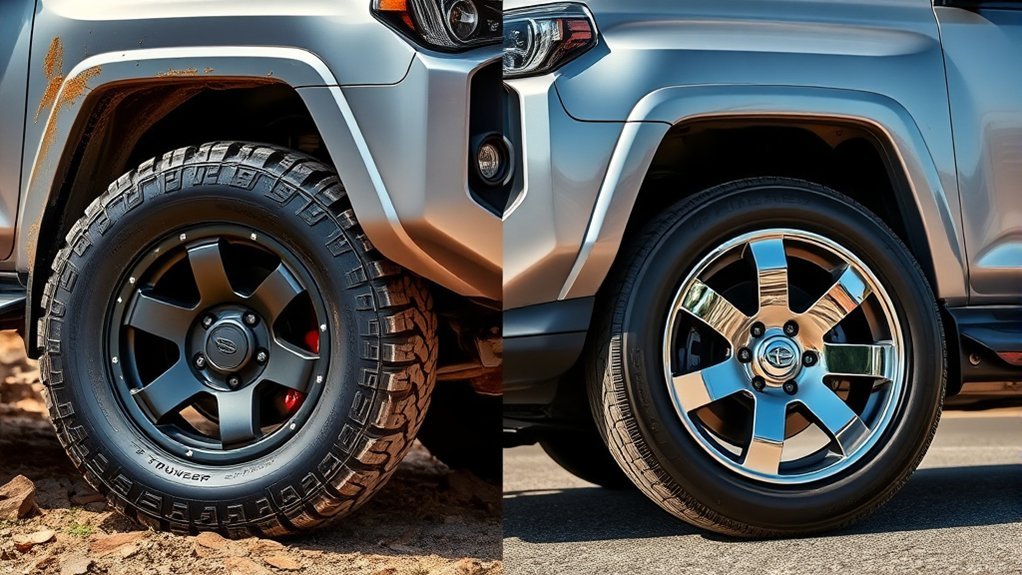
Choosing between 17-inch and 20-inch wheels for your Toyota 4Runner changes more than the way it looks. Wheel size affects ride comfort, tire sidewall height, off-road durability, tire cost, and fitment. For most 4Runner owners who drive rough roads, trails, snow, or pothole-heavy streets, 17-inch wheels are usually the more practical choice. If you mostly drive on pavement and want a factory sport or Limited-style look, 20-inch wheels can still make sense.
Quick Answer
For most 4Runner drivers, 17-inch wheels are better for comfort, tire choice, rim protection, and off-road use. 20-inch wheels look sportier and may suit pavement-focused builds, but they usually leave less sidewall to cushion impacts. Always confirm tire size, load rating, offset, brake clearance, and TPMS fitment before switching.
Key Takeaways
- Choose 17-inch wheels if you want more sidewall, better impact cushioning, and stronger off-road tire options.
- Choose 20-inch wheels if you prefer a cleaner street look and mostly drive on smooth pavement.
- Do not judge fitment by rim diameter alone. Overall tire diameter, width, offset, load index, and brake clearance matter.
- Current 4Runner fitment depends on model year and trim. Newer 2026 trims also include 18-inch off-road wheel setups.
- The safest choice is a tire size recommended by Toyota or confirmed by a qualified tire professional.
Check Your 4Runner Generation and Factory Wheel Size First
Before you compare 17-inch and 20-inch wheels, check your 4Runner’s model year, trim, door-jamb tire placard, and owner’s manual. For many 2010–2024 5th-generation 4Runners, Toyota listed 17-inch wheels with P265/70R17 tires on trims such as SR5, TRD Off-Road, and TRD Pro, while Limited and TRD Sport-style trims used 20-inch wheels with P245/60R20 tires in the 2023 Toyota 4Runner brochure.
The current 2026 4Runner lineup is different. Toyota lists 17-inch alloy wheels on SR5, 20-inch wheels on pavement-focused trims such as TRD Sport and Limited, and 18-inch all-terrain setups on several off-road-focused trims in the official 2026 4Runner lineup. That means the best answer depends on your generation, trim, and driving style.
Warning: Do not install wheels or tires only because they fit the wheel well. The NHTSA TireWise guide recommends using the same tire size as the original tire or another size recommended by the vehicle manufacturer. If you change sizes, confirm load rating, speed rating, overall diameter, brake clearance, offset, TPMS compatibility, and spare-tire strategy before driving.
Advantages of 17-Inch Wheels for a 4Runner
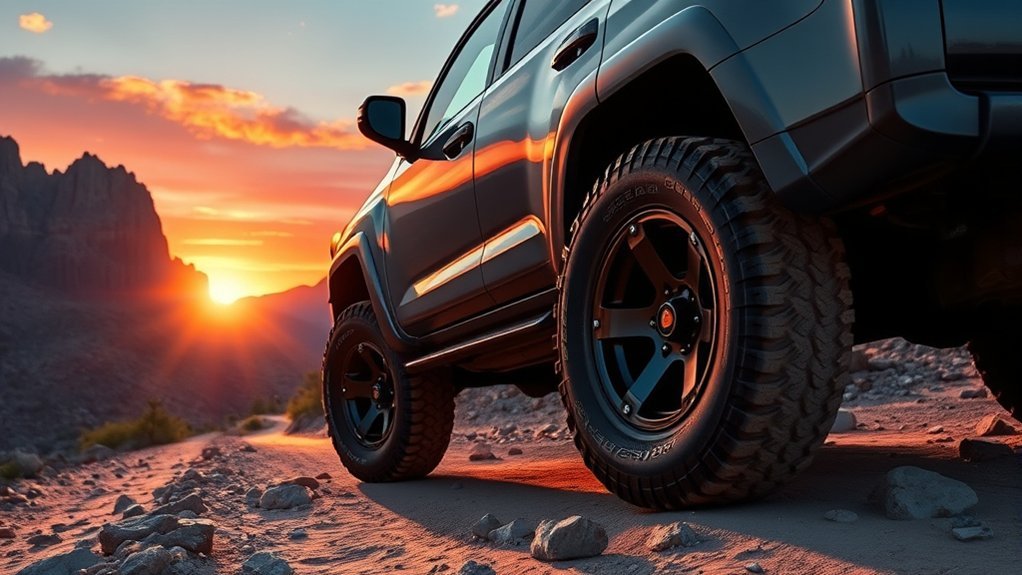
For many 4Runner owners, 17-inch wheels offer the best mix of comfort, durability, and tire choice. A 17-inch wheel usually allows a taller tire sidewall than a 20-inch wheel when the overall tire diameter stays similar. That extra sidewall gives the tire more room to flex over potholes, washboard roads, rocks, and trail debris.
Sidewall height matters because the tire is part of the suspension system. BFGoodrich explains that a lower aspect ratio means a smaller sidewall height, which can improve cornering feel but create a rougher ride. On a 4Runner, that usually makes 17-inch wheels better for daily comfort and off-road compliance.
Seventeen-inch wheels also work well with all-terrain and off-road tires. You typically get more sidewall protection around the rim, more room to air down for trail use, and more cushion when the tire hits sharp edges. If you drive forest roads, gravel, snow, mud, or rocky trails, that added tire sidewall can reduce the chance of bending or scuffing a wheel.
Cost can also favor 17-inch wheels. In many tire lines, equivalent 17-inch all-terrain tires cost less than similar 20-inch options, although prices vary by brand, load range, size, and tread design. The practical advantage is simple: you often get more tire for the money.
Key Disadvantages of 20-Inch Wheels
Twenty-inch wheels can look sharp on a 4Runner, especially on Limited, TRD Sport, and street-focused builds. The trade-off is sidewall height. When overall tire diameter stays close to stock, a 20-inch wheel usually requires a tire with a shorter sidewall than a 17-inch setup.
That shorter sidewall can make the ride feel firmer. You may feel more road texture, expansion joints, potholes, and gravel chatter in the cabin. The wheel also sits closer to road hazards, so curb rash and impact damage become bigger concerns, especially if you use lower-profile street tires.
Tire choice can be another drawback. You can still buy good 20-inch tires, including all-terrain options, but the selection may be narrower or more expensive than common 17-inch 4Runner sizes. If you want aggressive off-road tires, stronger sidewalls, or a specific load range, 17-inch wheels often give you more flexibility.
Twenty-inch wheels are not automatically bad. They can suit a pavement-focused 4Runner that values steering response and appearance over trail comfort. They simply ask you to accept a firmer ride, less rim protection, and potentially higher replacement-tire costs.
[Products Worth Considering]

Upgrade your 2024-2026 Tesla Model 3 Highland with REEVAA all-weather mud flaps designed for seamless fit along the original body lines. The set of four delivers strong splash protection against mud, gravel, and road debris while using OEM-grade durable materials. Installation is non-destructive with original hole positions and snap-in clips, and the aerodynamic design helps minimize impact on efficiency.

This manual duck head tire changer kit makes tire installation and removal simpler by letting you embed the duck head into the tire with applied pressure. The integrated design and durable steel construction help reduce friction and improve efficiency and safety during use. Suitable for 16–21 inch wheels, it’s convenient for cars, trucks, SUVs, and ATV tires, with 24-hour after-sales support.

This 3-piece wheel and tire brush set makes it easy to clean light, medium, and heavy dirt from wheels, rims, tires, and exterior surfaces. It includes both soft and stiff bristle options for gentle scrubbing and tough grime removal, helping lift brake dust and road buildup. The long-handle design supports comfortable cleaning across cars, trucks, SUVs, RVs, motorcycles, and more, with simple care instructions to restore brush shape.
Ride Quality: 17-Inch vs. 20-Inch Wheels
Ride quality is the biggest difference most drivers notice. With a comparable overall tire diameter, 17-inch wheels leave more room for tire sidewall. That sidewall can bend and recover when it meets rough pavement, gravel, or trail obstacles. Twenty-inch wheels leave less sidewall, so the tire has less room to absorb the same impact.
Comfort and Smoothness Comparison
If your 4Runner feels jumpy or harsh on 20-inch wheels, switching to 17-inch wheels with the correct tire size can improve comfort. The change is most noticeable on broken pavement, dirt roads, and long highway drives where small impacts add up. A taller-sidewall tire can reduce vibration and make the vehicle feel calmer.
Tire construction still matters. A heavy-duty E-load all-terrain tire on 17-inch wheels can feel firmer than a passenger-rated highway tire. Tire pressure also plays a major role. Use the cold tire pressure listed on your vehicle’s tire placard or the pressure recommended for your approved replacement size.
Impact of Sidewall Height
Sidewall height affects comfort, rim protection, and off-road behavior. A taller sidewall can flex over rocks and ruts, which helps the tire stay in contact with uneven terrain. It also gives the wheel more protection from pothole edges and trail strikes.
A shorter sidewall can make steering feel more direct on smooth roads, but that sharper response comes with less cushion. For a 4Runner, which many owners buy for utility and trail capability, the comfort and durability advantage often favors 17-inch wheels.
Aesthetic Appeal: Finding the Right Look for Your 4Runner
Wheel size changes your 4Runner’s personality. Seventeen-inch wheels with a taller all-terrain tire give the SUV a rugged, trail-ready look. Twenty-inch wheels fill the wheel wells with more metal and less rubber, which creates a cleaner street-focused appearance.
Wheel Size Impact
Think about the look you want before buying. A 17-inch setup usually pairs well with black, bronze, or machined off-road wheels and all-terrain tires. A 20-inch setup often suits a Limited-style build, highway tire, and polished or gloss-black finish.
Do not let looks override fitment. Toyota’s genuine TRD 17-inch alloy wheel description notes proper weight, offset, and brake clearance as part of the fitment design. Aftermarket wheels need the same level of checking before installation.
| Factor | 17-Inch Wheels | 20-Inch Wheels |
|---|---|---|
| Ride comfort | Usually smoother with more sidewall | Usually firmer with less sidewall |
| Off-road use | Better for rough trails, airing down, and rim protection | Better for light-duty dirt roads than serious trails |
| Tire selection | Strong selection of all-terrain and off-road tires | Good street tire selection, fewer rugged choices in some sizes |
| Appearance | Rugged and utilitarian | Sporty and street-focused |
| Best for | Daily comfort, trails, snow, gravel, and long-term practicality | Street styling, smooth roads, and factory Sport/Limited appearance |
Personal Style Preferences
Your wheel choice should match how you use the vehicle. If your 4Runner is a weekend trail rig, overland build, camping vehicle, or snow commuter, 17-inch wheels usually look right and work better. If your 4Runner is mostly a city or highway SUV, 20-inch wheels may give you the sharper visual style you want.
- Pick 17-inch wheels for a rugged build with taller all-terrain tires.
- Pick 20-inch wheels for a cleaner street look and factory Limited-style stance.
- Choose wheel color after you choose the correct size, offset, and tire type.
- Match the tire’s load rating and speed rating to your vehicle and driving use.
Comparing Short-Term and Long-Term Costs of Wheel Sizes
Seventeen-inch wheels often win the cost comparison because tires in common 4Runner 17-inch sizes are widely available. You may also save money over time because the taller sidewall gives the wheel more protection from potholes and trail impacts.
Twenty-inch setups can cost more when you compare similar tire quality, tread type, and load rating. The difference is not always a fixed percentage, so compare real tire models before buying. A premium 17-inch all-terrain tire can still cost more than a basic 20-inch highway tire.
Fuel economy is also more complicated than wheel diameter alone. Tire design, pressure, tread, rolling resistance, and weight all matter. The NHTSA TireWise guide explains that tire design affects performance, fuel efficiency, rolling resistance, ride comfort, and durability. A heavy aggressive all-terrain tire can reduce mileage on either wheel size, while a properly inflated highway tire may do better.
[Products Worth Considering]

Vigorder rubber cement glue delivers superior adhesion and cures quickly within about 30 seconds for seamless rubber bonding. Once cured, it helps provide a strong, durable, waterproof seal that holds up to vehicle weight, pressure, and heat. Suitable for cars, motorcycles, trucks, bicycles, and off-road tires, it’s designed for emergency patch and maintenance repairs.
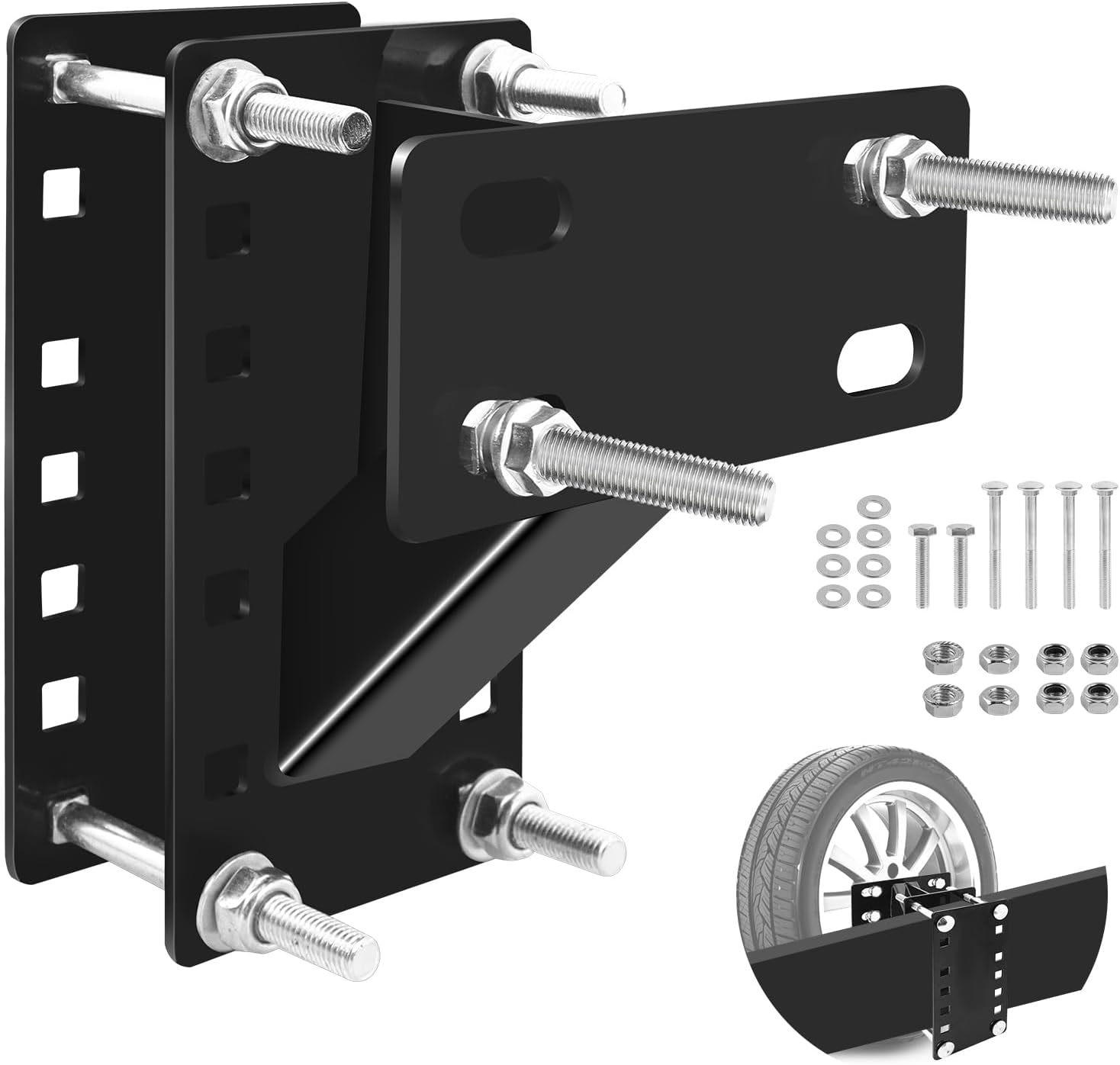
This universal spare tire mount carrier holder is built for utility trailers and boat trailers, offering a secure fit for 4, 5, and 6 lug wheels. It supports multiple bolt pattern sizes and a heavy-duty load capacity while resisting rust with a durable finish. The design allows easy installation and lets you choose the steel beam height for a better fit.
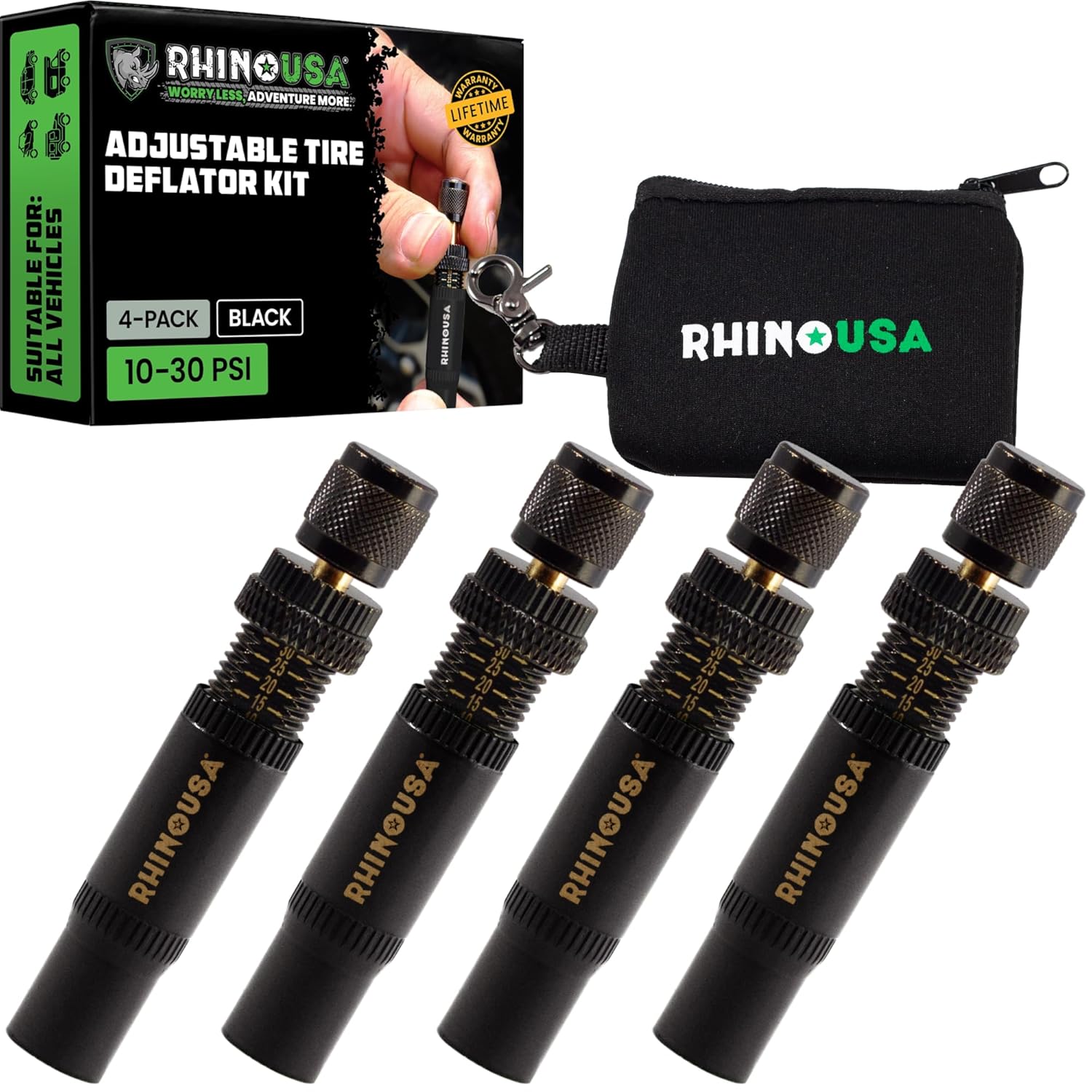
Use the Rhino USA adjustable tire deflators to air down all four tires at once by screwing one deflator onto each valve stem, letting you step away while the tires reach your preset pressure. Each deflator independently adjusts across a 10–30 PSI range with laser-etched indicators for quick setup and verification, making it ideal for beach, sand, and rocky off-road trails.
Evaluating Off-Road Performance: 17-Inch vs. 20-Inch Wheels?
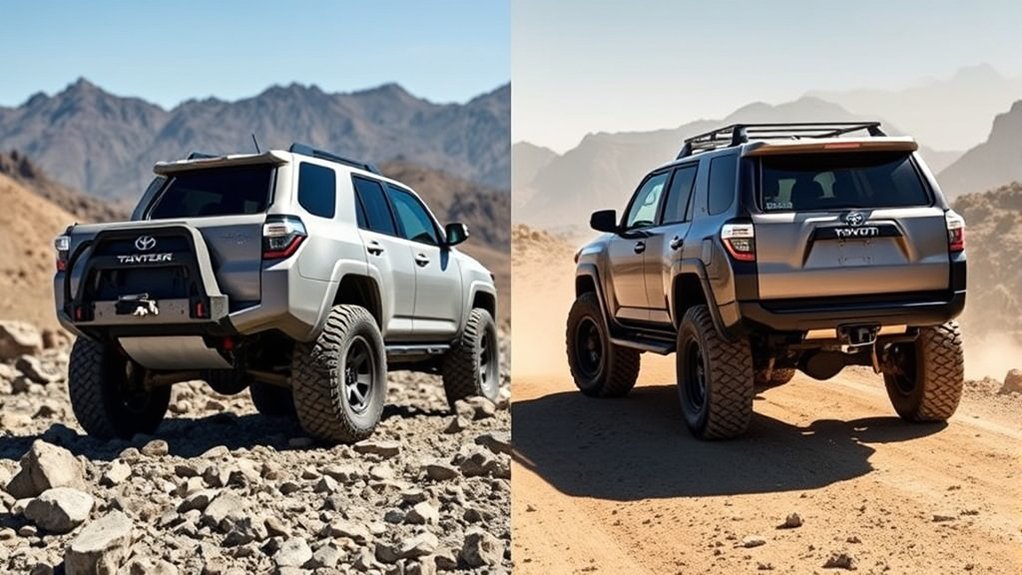
For off-road driving, 17-inch wheels are usually the stronger choice. They allow more tire sidewall, and that extra sidewall helps the tire flex over rocks, ruts, washboard roads, and uneven ground. More sidewall also gives you more cushion between the wheel and the obstacle.
- More tire sidewall helps absorb trail impacts.
- More rubber around the rim helps reduce curb and rock damage.
- Common 17-inch sizes offer strong all-terrain and mud-terrain tire choices.
- Airing down for off-road traction is more practical with taller-sidewall tires.
Twenty-inch wheels can handle gravel roads and light dirt use with the right tire, but they are not ideal for repeated rock strikes, deep ruts, or low-pressure trail driving. If off-road capability matters more than street style, choose 17-inch wheels or the factory-style off-road wheel size recommended for your model year.
[Products Worth Considering]

This ALL-TOP auto-stop tire deflator valve kit lets you air down off-road tires quickly without watching pressure, automatically stopping when your preset PSI is reached. Each valve is individually calibrated for reliable performance with an acceptable +/- 2 PSI tolerance. The adjustable deflator range covers 10 to 30 PSI and includes four valves plus valve caps and a zipper pouch for easy setup on trucks, SUVs, RVs, UTVs, and powersports.

Replace worn or missing TPMS sensors with a pre-programmed 4-pack designed for compatible GM vehicles. These 315MHz sensors provide real-time tire pressure monitoring and alert you if pressure is too high, too low, or if a rapid air leak occurs. Most installations are ready with minimal relearn effort after mounting, helping improve safety and driving confidence.

This 15-inch tire spoons kit makes tire removal and installation easier with added leverage, reducing time and effort for everyday repairs. It includes tire spoons, rim protectors, a valve tool, and valve cores/caps, helping protect rims and streamline deflation and re-sealing. Built with durable hardened steel and a non-slip ergonomic grip for confident use on motorcycles, dirt bikes, ATVs, and lawn equipment.
Fitment Checks Before You Switch Wheel Sizes
A wheel swap should keep your 4Runner safe, predictable, and legal. Before buying, check these items with Toyota’s specifications, your tire placard, or a qualified tire shop:
- Overall tire diameter: A much taller or shorter tire can affect speedometer accuracy, gearing feel, ABS behavior, and clearance.
- Tire width: Wider tires may rub the fender liner, mud flaps, body mount area, or suspension parts.
- Wheel offset and backspacing: The wrong offset can cause rubbing or place extra stress on wheel bearings and suspension parts.
- Brake clearance: Make sure the wheel clears calipers and other brake hardware.
- Load index: The tire must support the weight of your 4Runner, passengers, cargo, and towing use.
- TPMS compatibility: Confirm your tire pressure monitoring sensors work with the replacement wheels.
- Spare tire plan: A mismatched spare can create problems, especially on 4WD models.
Pro Tip: If you want a simple, proven setup for a 5th-generation 4Runner, start by comparing factory-style 17-inch tire sizes before moving to oversized tires. You can improve ride comfort and tire selection without creating unnecessary rubbing or calibration problems.
Frequently Asked Questions
What are the disadvantages of 20-inch rims on a 4Runner?
The main disadvantages are a firmer ride, less sidewall cushion, less rim protection, and potentially higher tire replacement costs. They can still work well for pavement-focused driving, but they are usually less practical for rough trails and pothole-heavy roads.
What is the best wheel size for a 4Runner?
For most 4Runner owners, 17-inch wheels are the best all-around choice because they support taller-sidewall tires, better comfort, stronger off-road tire options, and more rim protection. For 2026 and newer models, also check Toyota’s factory 18-inch off-road setups by trim.
Is it worth putting 20-inch rims on a 4Runner?
It can be worth it if you mostly drive on pavement and want a sportier or Limited-style look. It is usually not the best choice if you prioritize ride comfort, trail use, tire sidewall, or lower long-term tire costs.
Do 20-inch wheels get better mileage?
Not automatically. Fuel economy depends on tire rolling resistance, tread pattern, tire pressure, wheel and tire weight, and overall tire size. A heavy aggressive tire can reduce mileage on either 17-inch or 20-inch wheels.
Can I put 17-inch wheels on a 4Runner that came with 20-inch wheels?
Often, yes, especially on many 5th-generation 4Runners, but you must confirm brake clearance, offset, bolt pattern, hub fitment, tire diameter, load rating, and TPMS compatibility. Use Toyota-approved sizing or have a tire professional verify the setup before installation.
Are 17-inch wheels better for off-roading?
Yes, in most cases. Seventeen-inch wheels leave more room for tire sidewall when the overall tire diameter is similar. That extra sidewall helps with impact absorption, rim protection, and airing down on rough terrain.
Conclusion
If you want the most practical 4Runner wheel size for comfort, tire choice, trail use, and long-term durability, choose 17-inch wheels with the correct tire size and load rating. If you want a sharper street look and mostly drive on smooth pavement, 20-inch wheels can still be a good fit. The smartest choice is not just the wheel diameter. It is the full wheel-and-tire package, including sidewall height, overall diameter, offset, brake clearance, tire pressure, and how you actually drive your 4Runner.
Sources
- Toyota 2026 4Runner official model page — confirms current trim-level wheel options, including 17-inch, 18-inch, and 20-inch setups.
- Toyota 2023 4Runner brochure — confirms 5th-generation factory 17-inch and 20-inch wheel/tire examples.
- NHTSA TireWise — supports tire-size, tire-pressure, rolling-resistance, and tire-safety guidance.
- BFGoodrich: How to Read a Tire Sidewall — explains aspect ratio, sidewall height, load index, speed rating, and ride-quality trade-offs.
- Toyota Genuine TRD 17-Inch Alloy Wheel — supports fitment checks for offset, weight, brake clearance, and tested wheel compatibility.