Finding the right tire size for your 2019 Toyota Camry starts with the label Toyota placed on the driver-side door jamb. That label lists the correct factory tire size and cold tire pressure for your exact vehicle. You can also check your owner’s manual or read the sidewall of your current tire, but the door label should guide your final choice.
Quick Answer
Your 2019 Toyota Camry tire size depends on the trim. Common factory sizes include 205/65R16, 215/55R17, 235/45R18, and 235/40R19. Check the driver-side door-jamb label first, then match the tire size, load rating, speed rating, and cold tire pressure listed for your car.
Key Takeaways
- The most reliable place to find your Camry’s tire size is the Tire and Loading Information Label on the driver-side door jamb.
- Factory 2019 Camry tire sizes vary by trim, so do not buy tires based only on another Camry owner’s setup.
- Use the vehicle placard for cold tire pressure. Do not use the maximum pressure printed on the tire sidewall as your normal setting.
- Rotate tires at the schedule in Toyota’s maintenance guide, commonly every 5,000 miles or 6 months for the 2019 Camry.
- Replace tires when tread reaches 2/32 inch, or sooner if you see cracks, bulges, vibration, or uneven wear.
At a Glance
| Time Required | 5 to 10 minutes |
| Difficulty | Easy |
| Tools Needed | Flashlight, phone camera, tire pressure gauge, and tread depth gauge or penny |
| Cost | $0 if you already have a gauge, or about $5 to $15 for a basic tire pressure gauge |
Locate Your 2019 Toyota Camry’s Tire Size
Open the driver door and look for the Tire and Loading Information Label on the door jamb or door edge. NHTSA says this label lists the proper tire size and inflation pressure for the vehicle. Toyota’s 2019 Camry Quick Reference Guide also points owners to the load label on the door jamb or the owner’s manual for tire inflation specifications.
The sidewall of your current tire is also useful, but use it carefully. It tells you what is installed now, not always what came from the factory. If a previous owner changed wheel size, the sidewall may not match the original Toyota placard.
Note: If the door label, owner’s manual, and current tire sidewall do not match, trust the door label first. Ask a Toyota dealer or tire professional before changing wheel diameter or tire size.
[Products Worth Considering]

Keep your tires properly inflated with this analog VONDIOR tire pressure gauge, designed for fast, easy readings without batteries. The swiveling, two-axis hose and large glow dial help you measure at any tire angle with instant visibility. Built with a protective rubber shield, it supports durable, low-maintenance use for cars and trucks.

Monitor tire tread wear with a smart, color-coded depth gauge that shows clear condition ranges at a glance. The bar is range marked for fast, easy readings, helping you maintain safer traction and performance. Each gauge is portable with a pocket clip, and the set includes 20 units for daily use and sharing.

Measure tire tread depth quickly and accurately with this LUMITECO dial gauge that reads in 1/32" increments up to 14/32". The color-coded green/yellow/red zones make it easy to judge tire wear and know when replacement is needed. A rugged, compact design with a protective pouch helps keep the gauge ready for use on cars, trucks, motorcycles, and more.
2019 Toyota Camry Tire Size by Trim
The 2019 Camry used different tire sizes across gas and hybrid trims. Use this table as a quick guide, then confirm your own car’s label before buying tires.
| 2019 Camry Trim | Common Factory Tire Size | Common Wheel Size |
|---|---|---|
| L | 205/65R16 | 16 inch |
| Hybrid LE | 205/65R16 | 16 inch |
| LE | 215/55R17 | 17 inch |
| SE | 235/45R18 | 18 inch |
| Hybrid SE | 235/45R18 | 18 inch |
| XLE | 235/45R18 | 18 inch |
| Hybrid XLE | 235/45R18 | 18 inch |
| XSE | 235/40R19 | 19 inch |
Some vehicles may have optional wheels or replacement wheels installed. That is why the label on your own car matters more than any online chart.
[Products Worth Considering]

Accurately measure tire tread depth with a calibrated gauge marked from 0 to 1 inch in 1/32 inch increments. The color-coded bar helps you quickly identify tread condition ranges, supporting safe driving for trucks, motorcycles, automobiles, and passenger vehicles.

Milton S-921 pencil tire pressure gauge helps you maintain optimal tire pressure for passenger cars with accurate readings in PSI and kPa. It features a built-in deflator valve for convenient pressure adjustments, plus a single chuck head and nylon indicator bar for easy use on the go. Built from durable plated brass and designed for reliable performance, it’s a practical road trip and cold-weather maintenance tool.

The SAFELIFE dial tire tread depth gauge measures tread depth in 1/32 inch increments with clear, easy-to-read 2-inch dial face. Color zones using a traffic light system help you quickly judge whether tread is low, marginal, or ample for safer driving. Built with a durable zinc cast body and a metal detect probe for precise, comfortable use across cars, motorcycles, trucks, and buses.
Decode Tire Size Numbers for Better Choices
A tire size such as 215/55R17 tells you four important details. The first number, 215, is the tire width in millimeters. The second number, 55, is the sidewall height as a percentage of the width. The letter R means radial construction. The final number, 17, is the wheel diameter in inches.
This code helps you avoid a common mistake: buying a tire that fits the wheel but does not match your Camry’s overall tire diameter, load needs, or speed rating. For normal replacement, choose the size listed on the door label and match or exceed the required load index and speed rating.
Pro Tip: Take a photo of the door-jamb label before you shop. It helps you compare tire size, cold PSI, seating capacity, and load information without standing beside the car.
Check Proper Tire Pressure for Safety and Performance
Use the cold tire pressure listed on your Camry’s door label. Many 2019 Camry factory-size listings are around 35 psi cold for both front and rear tires, but your specific placard is the final authority. Check pressure when the tires are cold, meaning the car has been parked for at least three hours or driven only a short distance at low speed.
FuelEconomy.gov says properly inflated tires can improve gas mileage by 0.6% on average and up to 3% in some cases. It also notes that under-inflated tires can lower gas mileage by about 0.2% for every 1 psi drop in the average pressure of all tires.
Warning: Do not use the maximum PSI printed on the tire sidewall as your normal tire pressure. That number is a tire limit, not Toyota’s recommended cold pressure for your Camry.
Your Camry’s Tire Pressure Monitoring System can warn you when a tire is significantly underinflated. Still, NHTSA recommends monthly pressure checks with an accurate gauge because TPMS is not a substitute for regular tire maintenance.
Explore Recommended Tire Options for Your Toyota Camry

Choose replacement tires based on your trim, climate, and driving habits. A daily commuter in mild weather usually does well with a quality touring or all-season tire. If you drive in regular snow, a dedicated winter tire gives better cold-weather grip than an all-season tire. If you drive an XSE and care more about steering response, a performance all-season tire may fit your needs better.
Brands such as Michelin, Goodyear, Bridgestone, Continental, Yokohama, Pirelli, and Toyo all make tires that may fit different 2019 Camry trims. The brand matters, but the exact size, load index, speed rating, climate rating, treadwear warranty, and road-noise profile matter more.
Before changing to a different tire size, check wheel clearance, speedometer accuracy, load rating, and insurance or inspection rules in your area. For most owners, the safest and simplest choice is to stay with the factory size on the door label.
[Products Worth Considering]

This 62-inch extra-long car wash brush kit makes it easy to clean hard-to-reach areas on cars, trucks, SUVs, and RV roofs with lightweight, sturdy poles. It includes soft, non-scratch microfiber and bristles with protective bumpers to help prevent scratches while cleaning effectively. A rubber squeegee helps remove water stains quickly, plus a wheel/tire brush and absorbent towels for complete exterior detailing.
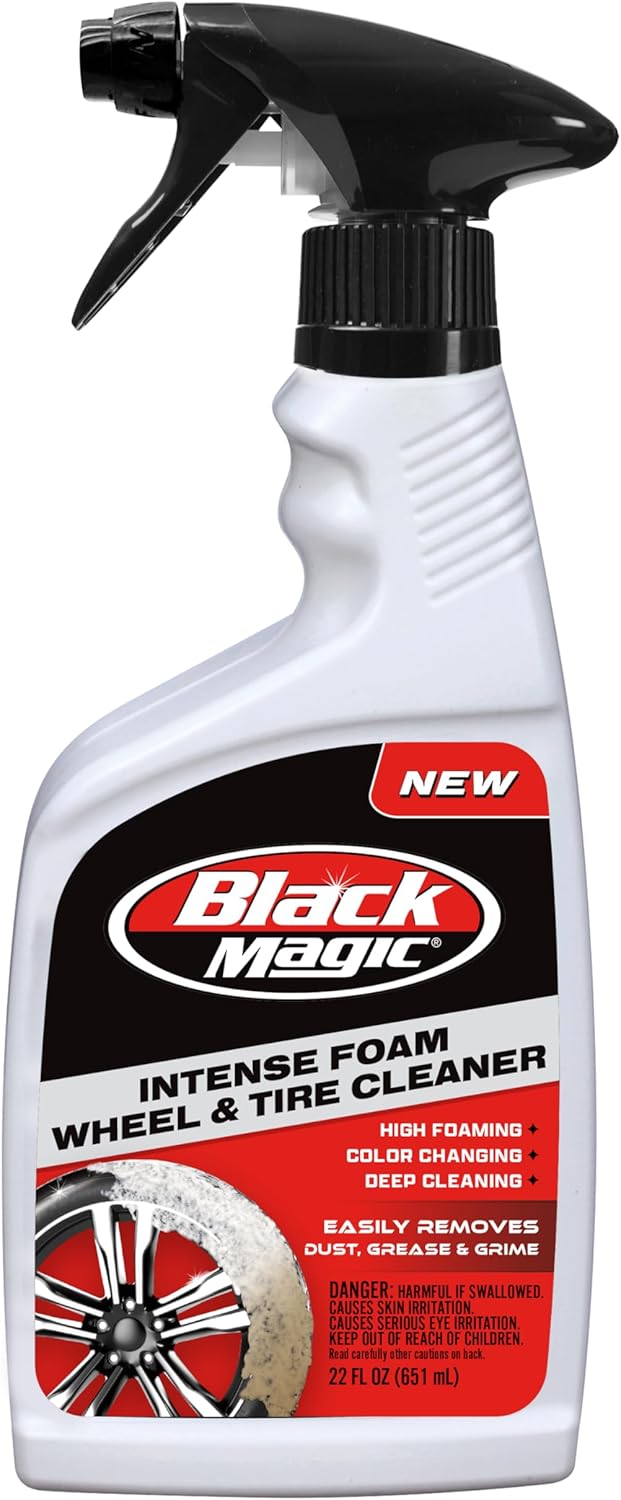
Black Magic Intense Foam Wheel & Tire Cleaner uses a high-foaming action to lift away dirt, grime, and brake dust without scrubbing. The color-changing formula helps show contaminants being dissolved as foam turns from white to brown. Safe for all wheel types and even wheel wells, it leaves a like-new, slick finish with a fresh cherry scent.

Replace your worn or missing TPMS sensors with pre-programmed, direct-fit sensors for compatible Ford, Lincoln, and select Mazda models. Each sensor comes ready to activate with a scan tool, helping restore accurate tire pressure monitoring and trouble-free installation. Built with a long-life CR2032 battery and tested before factory release, this set provides dependable performance with a one-year warranty.
Learn Maintenance Tips for Tire Longevity
Good tire care helps your Camry ride better, brake better, and use fuel more efficiently. Toyota’s 2019 Camry maintenance log lists tire rotation at 5,000 miles or 6 months, and the schedule repeats rotation at later service intervals. Follow that schedule unless your tire shop or Toyota dealer recommends a shorter interval because of uneven wear.
Check tread depth at least once a month. NHTSA says tires are not safe and should be replaced when tread wears down to 2/32 inch. You should also replace or inspect tires immediately if you see sidewall cracks, bulges, exposed cords, vibration, repeated pressure loss, or uneven wear.
| Maintenance Task | Recommended Frequency | Why It Matters |
|---|---|---|
| Check tire pressure | Monthly and before long trips | Improves safety, tire life, and fuel economy |
| Rotate tires | Every 5,000 miles or 6 months | Helps reduce uneven tread wear |
| Check tread depth | Monthly | Confirms wet-road grip and replacement timing |
| Inspect for damage | Monthly and after pothole impacts | Finds cracks, bulges, punctures, and sidewall damage early |
| Check alignment and balance | When the car pulls, shakes, or wears tires unevenly | Protects handling and prevents rapid tire wear |
| Check tire age | During inspections and before buying used tires | Older rubber can fail even if tread remains |
Proper tire pressure does more than save fuel. It also helps your Camry brake, steer, and carry load as Toyota intended.
Frequently Asked Questions
What are the benefits of upgrading my 2019 Camry’s tires?
Better tires can improve wet traction, braking feel, steering response, road noise, and ride comfort. The best upgrade depends on your goal. Choose touring tires for comfort, winter tires for snow and ice, or performance all-season tires for sharper handling.
How do I know when to replace my tires?
Replace tires when tread depth reaches 2/32 inch, when treadwear bars are flush with the tread, or when you see cracks, bulges, exposed cords, vibration, or repeated pressure loss. For better wet-weather safety, many drivers replace tires before the legal minimum.
Can I use winter tires on my 2019 Camry?
Yes. Winter tires can improve grip in cold weather, snow, and ice. Use a size approved for your Camry, install winter tires as a full set of four, and keep them inflated to the pressure shown on your vehicle placard unless your tire professional gives specific guidance.
What is the warranty on OEM tires for the Camry?
OEM tire warranty terms usually come from the tire manufacturer, not from Toyota’s basic vehicle warranty. Coverage often focuses on defects in materials or workmanship. Treadwear coverage may vary by tire model, so check the tire warranty booklet or the tire brand’s warranty page.
How does tire size affect my Camry’s fuel efficiency?
Tire size can affect weight, rolling resistance, and overall diameter. A heavier or wider tire may reduce fuel economy, while a low-rolling-resistance tire may help preserve mileage. Correct inflation matters too because under-inflated tires increase rolling resistance.
Can I use a different tire size than the one on the door label?
Sometimes, but you should not guess. A different size can affect speedometer accuracy, braking, traction control, ride height, and wheel clearance. Ask a tire professional or Toyota dealer before changing from the factory size.
Conclusion
Your 2019 Toyota Camry tire size depends on the trim, so start with the driver-side door-jamb label before you shop. Most owners will see one of four factory sizes: 205/65R16, 215/55R17, 235/45R18, or 235/40R19. Match the placard, keep tire pressure correct, rotate on schedule, and inspect tread monthly. Those simple habits help your Camry stay safer, smoother, and more efficient.
Sources
- Toyota 2019 Camry Quick Reference Guide — backs door-jamb label and TPMS guidance.
- Toyota 2019 Camry Warranty & Maintenance Guide — backs the 5,000-mile or 6-month tire rotation schedule.
- NHTSA TireWise — backs tire pressure, tire label, tread depth, TPMS, rotation, and aging guidance.
- FuelEconomy.gov: Keeping Your Vehicle in Shape — backs fuel-economy benefits from proper tire inflation.
- Goodyear 2019 Toyota Camry Tire Guide — backs common 2019 Camry tire sizes by trim.