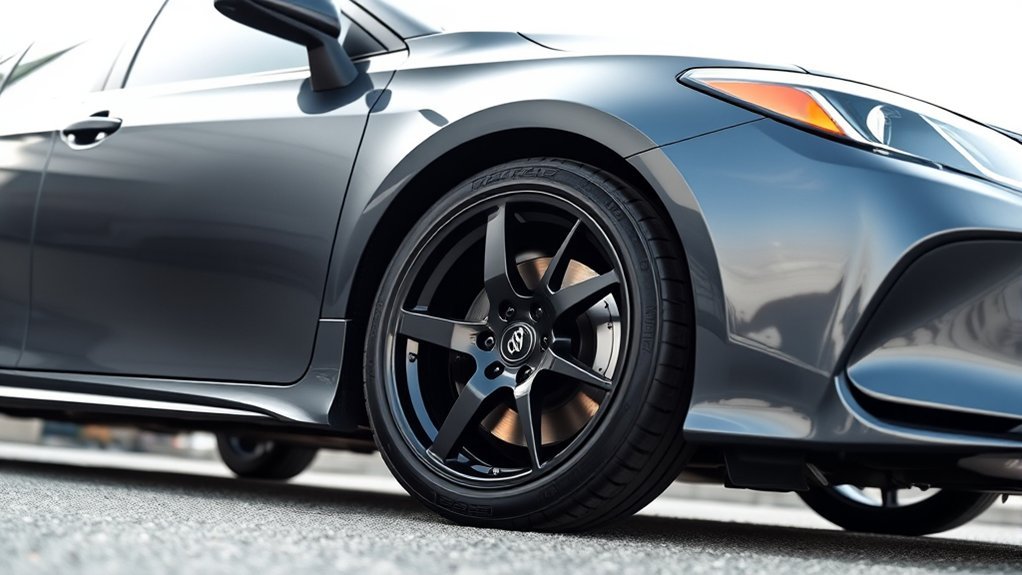
The Toyota Camry TRD is more sensitive to tire size than a standard Camry because it uses a lower, sport-tuned setup, larger front brakes, and 19-inch TRD wheels. The safest answer always starts with the Tire and Loading Information label on your driver-side door jamb, then moves to fitment checks if you want a wider or more aggressive setup.
Quick Answer
For most U.S.-market Toyota Camry TRD sedans, the commonly listed factory replacement size is 235/40R19 on Toyota’s 19×8.5-inch TRD wheels. Always confirm the exact size on your driver-side tire placard. A 245/40R19 tire should be treated as a wider fitment change, not the universal stock answer.
Key Takeaways
- The Camry TRD’s factory wheel is a 19×8.5-inch TRD matte-black alloy wheel, according to Toyota’s 2024 Camry brochure.
- Use the driver-side Tire and Loading Information label as the final source for the correct tire size and cold tire pressure.
- Do not assume 245/40R19 is stock; it is better handled as a possible upsized tire that needs clearance, load-rating, and speedometer checks.
- Keep the same or better load index and speed rating when replacing tires, and make sure TPMS sensors are serviced during tire changes.
- Check tire pressure cold at least monthly, inspect tread, and rotate on the Toyota maintenance schedule or every 5,000–8,000 miles if recommended.
Understanding Stock Tire Sizes for the Toyota Camry TRD

For U.S.-market Toyota Camry TRD models from the prior generation, especially 2020–2024, the tire-size conversation should start with Toyota’s original equipment setup. Toyota’s 2024 Camry brochure lists the TRD with 19-in. x 8.5-in. TRD matte-black alloy wheels, a 301-hp 3.5L V6, TRD suspension hardware, and upgraded front brakes.
The tire size most Camry TRD shoppers are looking for is 235/40R19. That said, the best source is not a forum post or a generic tire-size chart. Check the Tire and Loading Information label on the driver-side door edge or B-pillar. The National Highway Traffic Safety Administration recommends using that label or the owner’s manual to confirm the correct tire size and cold inflation pressure for your vehicle.
| Common factory replacement tire size | 235/40R19; verify against your driver-side tire placard. |
| Factory TRD wheel | 19×8.5-inch TRD matte-black alloy wheel. |
| Often-mentioned wider size | 245/40R19 can be considered an upsized fitment, but it needs clearance, offset, load-rating, and speedometer checks. |
| Final authority | The tire placard on your car and the Toyota owner’s manual or maintenance guide. |
Note: The current new Camry lineup is different from the Camry TRD era. Toyota’s current Camry page lists an all-hybrid lineup and does not list a TRD trim, so this guide is aimed at U.S.-market Camry TRD models from the prior generation.
How to Read Camry TRD Tire Size Numbers
A tire size such as 235/40R19 tells you three important things:
- 235 is the tire section width in millimeters.
- 40 is the aspect ratio, meaning the sidewall height is 40% of the tire’s width.
- R19 means the tire is a radial tire made for a 19-inch wheel.
Moving from 235/40R19 to 245/40R19 adds width and slightly changes overall diameter. That can give a fuller look and possibly more tire contact patch, but it can also affect fender clearance, inner suspension clearance, steering lock, ride feel, and speedometer accuracy. This is why a wider tire should be checked before installation instead of being treated as a simple stock replacement.
How Tire Size Impacts Performance and Handling
Tire size affects your Camry TRD’s grip, steering response, ride quality, braking feel, and fuel economy. The TRD’s 19-inch wheel setup gives the car a sharper feel than a taller-sidewall touring tire, but the tire compound and pressure matter just as much as the numbers printed on the sidewall.
A wider tire can improve grip if the tire compound, wheel width, alignment, and road conditions all work together. It is not an automatic upgrade. A wider tire that rubs, has the wrong load index, or is mounted on a poorly chosen wheel can make the car worse, not better.
Warning: Never buy tires by size alone. Match or exceed the original load index and speed rating, keep the correct tire diameter range, confirm brake and suspension clearance, and make sure the tire is suitable for your climate.
All-season tires are the practical choice for most daily drivers. Summer tires can sharpen dry and wet warm-weather grip, but they are not designed for freezing temperatures, snow, or ice. If your Camry TRD came with summer tires or you install them later, plan for seasonal tire changes if you drive in cold weather.
[Products Worth Considering]

Keep your tires properly inflated with this analog VONDIOR tire pressure gauge, designed for fast, easy readings without batteries. The swiveling, two-axis hose and large glow dial help you measure at any tire angle with instant visibility. Built with a protective rubber shield, it supports durable, low-maintenance use for cars and trucks.
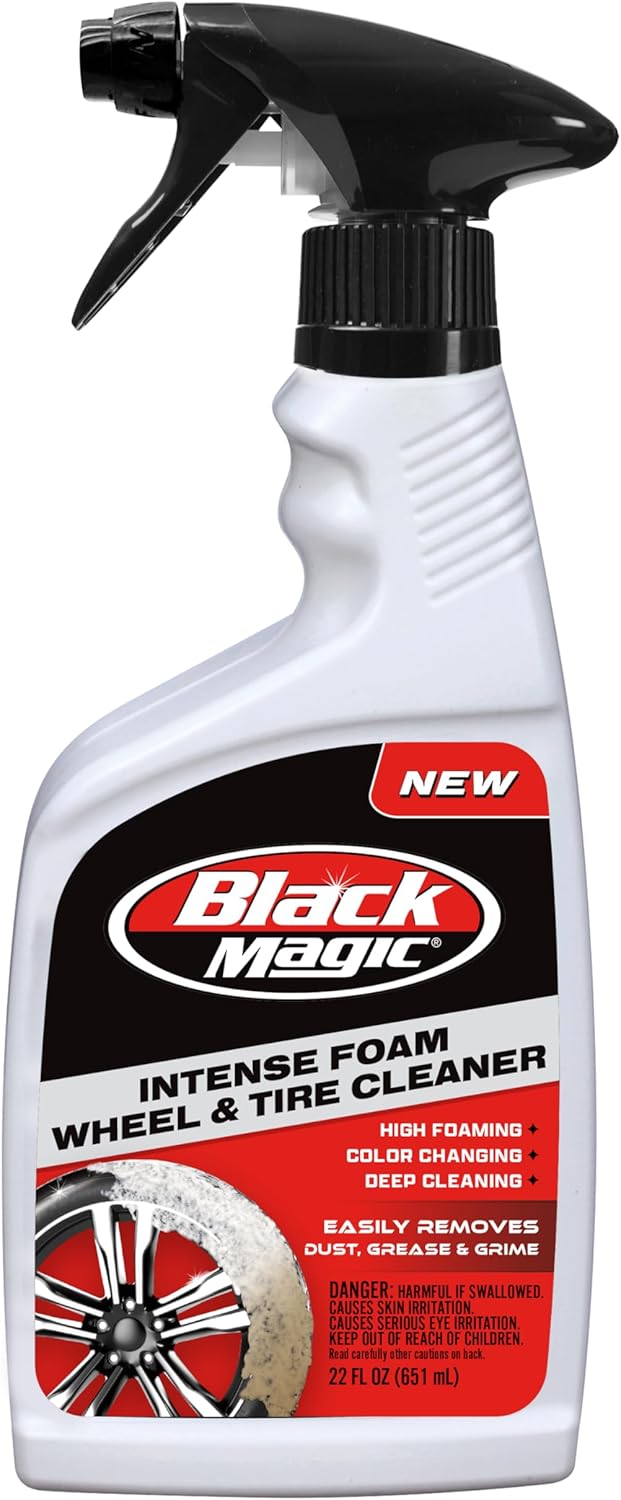
Black Magic Intense Foam Wheel & Tire Cleaner uses a high-foaming action to lift away dirt, grime, and brake dust without scrubbing. The color-changing formula helps show contaminants being dissolved as foam turns from white to brown. Safe for all wheel types and even wheel wells, it leaves a like-new, slick finish with a fresh cherry scent.

This TPMS relearn tool helps you quickly activate, match, and reset GM tire pressure sensors to keep the vehicle monitoring system working properly. It clears tire pressure alarms and dashboard warning lights after sensor replacement or tire rotation, and supports learning for common 315/433 MHz TPMS sensors. Designed for simple one-button operation, it can help you avoid unnecessary trips to repair shops.
Can You Use 245/40R19 on a Camry TRD?
A 245/40R19 tire may fit some Camry TRD setups, but it should be approached as an upsized tire, not the default factory answer. The extra 10 mm of section width can make the tire sit closer to the fender, strut, inner liner, and suspension components. Actual fit depends on the tire brand’s real measured width, wheel offset, alignment settings, ride height, and whether the car is lowered.
Before installing 245/40R19 tires, ask the tire shop to check:
- Full steering lock clearance on both sides.
- Inner strut and suspension clearance.
- Fender and liner clearance over bumps.
- Load index and speed rating compared with the original tire.
- TPMS sensor condition and compatibility.
- Whether the tire’s overall diameter stays close enough to avoid noticeable speedometer or ABS issues.
Pro Tip: If your goal is sharper handling, choose a better tire compound in the correct factory size before jumping to a wider size. A high-quality 235/40R19 tire often performs better than a budget 245/40R19 tire.
[Products Worth Considering]

This metal-free wheel and tire cleaning brush uses dense, fluffy synthetic wool to safely clean rims, spokes, fenders, and engine areas without worrying about damaging surfaces. Its flexible, comfortable design helps you reach detailed areas while maintaining durability, and the extra absorbent fibers work well with wheel spray cleaners for faster cleanup. Reusable and washable performance helps prevent grime and build-up for cleaner vehicles and easier maintenance at home.

Suds Lab WB Premium Detailing Wheel Brush delivers a scratch-free clean using ultra-soft microfiber bristles that lift brake dust, dirt, and grime without swirling. The ergonomic non-slip handle helps you deep-clean rims, wheels, and tires with reduced hand fatigue while reaching tight contours. It’s reusable and machine washable for long-term detailing, and works across cars, trucks, SUVs, and motorcycles plus multi-purpose cleaning tasks.

Marsflex brand TPMS replacement sensors help restore tire pressure monitoring for compatible Toyota, Lexus, Scion, and Pontiac models. Each sensor is pre-programmed for the vehicle application and includes a long-life battery for up to 8 years of normal use. Designed to replace common OE numbers and requires relearning using a TPMS scan tool after installation.
Popular Aftermarket Options for Enhancing Your Camry TRD
Aftermarket tires and wheels can improve the Camry TRD’s stance and response, but the upgrade needs to respect the car’s brake package, suspension travel, and front-wheel-drive layout. The safest path is to keep the overall tire diameter close to the original setup and choose wheels that properly clear the TRD’s larger front brake hardware.
Good upgrade paths include:
- Performance all-season tires: Best for daily driving, rain, and mixed climates.
- Summer performance tires: Best for warm-weather grip and steering response, but not for snow or freezing temperatures.
- Lightweight 19-inch wheels: Can reduce unsprung weight, but only if the wheel has the correct load rating, hub fitment, offset, and brake clearance.
- Quality alignment after changes: Helps prevent uneven wear and keeps the car tracking straight.
Be cautious with aggressive offsets, 19×9.5 wheels, lowering springs, and coilovers. They can look great, but they also reduce margin for tire clearance. A setup that fits one Camry TRD may rub on another if the alignment, tire brand, ride height, or wheel offset is different.
[Products Worth Considering]

Replace worn or malfunctioning GM TPMS sensors with this 433MHz pre-programmed sensor set designed for compatibility with many Chevrolet, Buick, GMC, and Cadillac models. It includes guidance for proper OBDII relearning/pairing after installation and supports reliable long-term operation with a high-performance CR2032 battery. Quality tested for durability and performance to help restore accurate tire pressure monitoring.

Masoll Gen 2 external TPMS sensors are a DIY replacement set of 4 for select GM vehicles made after 2006, helping you shut off the TPMS warning light quickly. Simply screw the sensors onto the tire valves and sync to your car ECU using the included EL-50448 relearn tool. Dual-frequency 315/433 MHz design provides OEM-level performance with accurate readings and replaceable batteries for about two years.

Autel MX TPMS sensors combine 315MHz and 433MHz in a single easy-to-install press-in design for faster tire service. They support wireless programming with strong signal performance, and the sensors are clone-able for streamlined replacement. Built for reliability and tested to SAE standards, each sensor includes a series number for quality control.
Tips for Maintaining Your Camry TRD Tires and Wheels
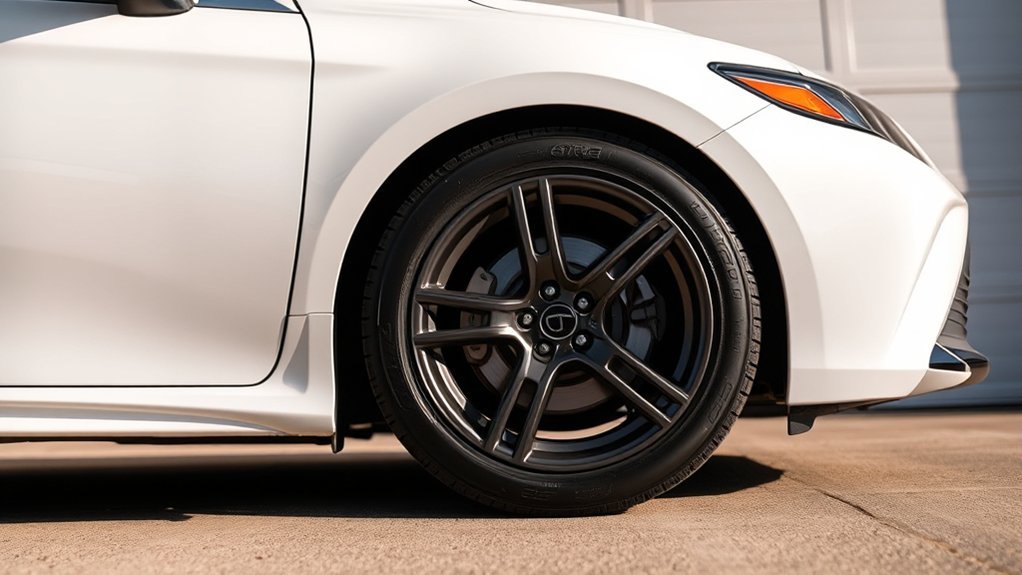
To keep your Toyota Camry TRD performing correctly, treat tire maintenance as part of the performance package. The NHTSA recommends checking tire pressure at least once a month when the tires are cold, meaning the car has been parked for at least three hours. Use the pressure listed on the vehicle’s tire placard, not the maximum pressure molded into the tire sidewall.
NHTSA reported 511 fatalities in tire-related crashes in 2024, which is a strong reminder that tire pressure, tread condition, and correct sizing are safety issues, not just performance details.
Check the tread at the same time you check pressure. Tires should be replaced when tread reaches 2/32 inch, but performance in rain can drop before that point. If you see feathering, cupping, one-edge wear, center wear, or shoulder wear, schedule an alignment and have the tires inspected.
Rotation also matters. Follow your Toyota maintenance guide first. If the manufacturer recommends rotation and your tire setup allows it, NHTSA notes that many vehicles rotate tires every 5,000 to 8,000 miles or sooner if uneven wear appears.
- Check pressure: Monthly, cold, with a reliable gauge.
- Inspect tread: Look for low tread, cracks, bulges, nails, and uneven wear.
- Rotate tires: Follow the Toyota maintenance schedule and the correct rotation pattern.
- Balance when needed: Vibration at speed often points to a balance, tire, or wheel issue.
- Align after changes: New wheels, new tires, suspension work, or curb impacts can all require alignment.
- Protect wheels: Use a pH-balanced wheel cleaner and avoid harsh chemicals on matte or painted finishes.
What Should You Know About Your Camry TRD Wheels?
The Camry TRD’s important factory wheel spec is 19×8.5 inches. That width is part of why the TRD has a more planted stance than lower Camry trims. It also means replacement wheels should be chosen carefully, especially because the TRD uses larger front brake components than standard models.
When shopping for wheels, confirm these fitment details before buying:
- Wheel diameter and width.
- Offset and how far the wheel moves inward or outward.
- Brake caliper clearance.
- Hub fitment and whether hub-centric rings are needed.
- Load rating for the vehicle.
- TPMS sensor compatibility.
- Correct lug hardware and safe torque procedure.
A lower offset pushes the wheel outward and can create a flush look, but it can also increase fender-rub risk. A higher offset pulls the wheel inward and can create inner clearance problems. For a daily-driven Camry TRD, a conservative fitment with the correct tire size usually drives better than a very aggressive setup.
Frequently Asked Questions
What is the stock Toyota Camry TRD tire size?
For most U.S.-market Camry TRD models, the commonly listed replacement size is 235/40R19 on 19×8.5-inch TRD wheels. Confirm your exact size on the Tire and Loading Information label on the driver-side door jamb.
Is 245/40R19 stock on the Camry TRD?
Do not treat 245/40R19 as the universal stock Camry TRD size. It is better considered a wider fitment option that needs clearance, load-rating, speed-rating, and speedometer checks before installation.
Can I put 18-inch wheels on a Camry TRD?
Possibly, but it is not the factory TRD wheel size. The TRD uses larger front brakes, so any 18-inch wheel must be test-fitted for caliper clearance, offset, hub fitment, load rating, and overall tire diameter.
What tire pressure should I use?
Use the cold tire pressure printed on your driver-side Tire and Loading Information label. Check pressure when the tires are cold, at least monthly, and do not rely only on the TPMS warning light.
Is the XSE or TRD faster?
The Camry TRD and XSE V6 both used Toyota’s 301-hp 3.5L V6 in recent prior-generation models. The TRD’s advantage is not simply horsepower; it is the more focused suspension, bracing, brakes, exhaust, aero pieces, and sportier chassis feel.
Are summer tires worth it on a Camry TRD?
Summer tires can improve warm-weather grip, braking, and steering response. They are not a good year-round choice if you drive in freezing temperatures, snow, or ice. In colder climates, use a proper winter or all-season setup.
Do I need an alignment after changing tire or wheel size?
An alignment is strongly recommended after suspension changes, lowering, curb impacts, or if you see uneven tire wear. If you only replace tires in the same size and the car tracks straight, an alignment may not be mandatory, but it is still a smart wear-prevention check.
Conclusion
Choosing the right Toyota Camry TRD tire size starts with the door-jamb placard, not guesswork. The factory TRD wheel is 19×8.5 inches, and the commonly listed replacement tire size for many U.S. Camry TRD models is 235/40R19. If you want to move to 245/40R19 or another wider setup, treat it as a fitment change and check clearance, load rating, speed rating, TPMS, alignment, and tire type before buying. The right tire keeps the TRD sharp, safe, and enjoyable without creating rubbing or wear problems.
Sources
- Toyota 2024 Camry e-brochure — backs up the Camry TRD’s 19×8.5-inch TRD wheels, V6 output, suspension, brakes, and tire-option context.
- NHTSA TireWise — backs up tire-size placard guidance, cold monthly pressure checks, tread-depth guidance, rotation guidance, and tire safety context.
- Toyota Camry current model page — backs up the freshness note that the current Camry lineup differs from the prior Camry TRD era.
- Toyota Manuals and Warranties — backs up using Toyota owner materials and maintenance guides for vehicle-specific service information.