
Need the correct Toyota Camry tire size before you buy replacements? Start with the tire and loading placard on the driver-side door jamb, then confirm it in your owner’s manual. Online charts are helpful, but the exact size can change by model year, trim, hybrid version, AWD option, wheel package, and market.
Quick Answer
The correct Toyota Camry tire size is the size printed on your driver-side door placard and owner’s manual. Common late-model Camry sizes include P205/65R16, 215/55R17, 235/45R18, and 235/40R19, but trim and wheel package matter. Match the tire size, load index, speed rating, and cold PSI before buying.
Key Takeaways
- The door placard is the final authority because it matches your Camry’s factory wheel and tire setup.
- A tire size code such as P205/65R16 tells you the tire type, width, sidewall ratio, construction, and wheel diameter.
- Never install a tire with a lower load index or speed rating than Toyota specified for your vehicle.
- If you change sizes, keep overall diameter close to stock and verify rim width, clearance, TPMS, and alignment with a tire professional.
At a Glance
| Time Required | 5–10 minutes to confirm your tire size and pressure |
| Difficulty | Easy if you use the door placard first |
| Tools Needed | Flashlight, tire pressure gauge, phone camera, owner’s manual |
| Cost | Free to check; tire cost depends on size, brand, season, and speed/load rating |
Importance of Correct Tire Size for Your Toyota Camry
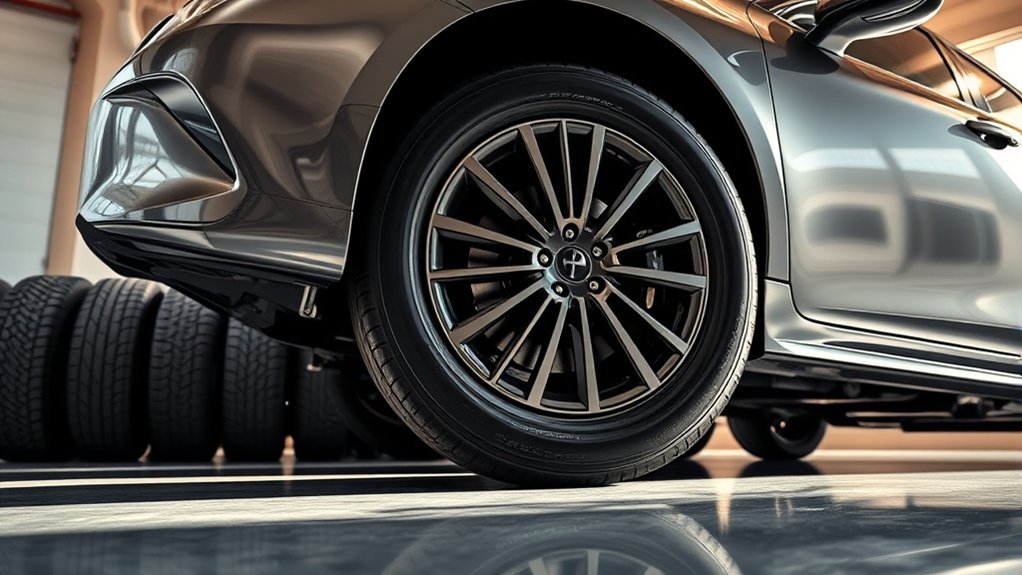
Using the correct tire size is not just a small detail. It affects how your Camry steers, brakes, rides, and reports speed. A tire with the wrong overall diameter can affect speedometer accuracy and may interfere with systems such as ABS, traction control, and vehicle stability control.
For the safest match, use the tire size and cold inflation pressure printed on the vehicle’s tire placard, then verify details in the Toyota owner’s manual library. The NHTSA TireWise guide also recommends using the vehicle manufacturer’s cold tire pressure listed on the placard or certification label.
Warning: Do not choose a tire only because it fits the wheel. The tire must also match the proper load index, speed rating, rim width range, and clearance for your Camry. If you are changing from the factory size, have a tire professional confirm fitment before installation.
How to Determine Your Toyota Camry’s Exact Tire Size
The easiest way to avoid buying the wrong tire is to follow a simple order: door placard first, owner’s manual second, current tire sidewall third. The current tire is useful, but it may not be original, especially on a used Camry.
Check the Driver-Side Door Placard
Open the driver’s door and look on the door jamb or B-pillar for the tire and loading information placard. It normally shows the factory tire size, recommended cold tire pressure, seating/load information, and sometimes the spare tire information.
On many Camrys, the size may look like P205/65R16, 215/55R17, 235/45R18, or 235/40R19. Write it down exactly, including any load index and speed rating printed after the size, such as 95H or 94V.
Use the Owner’s Manual and Official Toyota Specs
Your owner’s manual explains tire pressure, tire rotation, spare tire use, TPMS behavior, and tire replacement precautions. For newer models, also check Toyota’s official model specifications. Toyota notes that specifications can vary by region and available equipment, so your door placard still wins if there is a conflict.
Read the Sidewall Tire Code
The sidewall code tells you the tire’s physical size and service rating. In P205/65R16 95H:
- P means passenger tire. Some sizes may appear without the P.
- 205 is the tire width in millimeters.
- 65 is the aspect ratio, meaning the sidewall height is 65% of the tire width.
- R means radial construction.
- 16 is the wheel diameter in inches.
- 95H is the load index and speed rating.
Note: If the sidewall size does not match the door placard, do not assume the current tires are correct. A previous owner may have changed wheels or installed a non-factory size.
Toyota Camry Tire Sizes: Chart by Model Year and Trim
Camry tire sizes changed as Toyota moved from smaller economy-focused wheels to larger comfort and sport wheel packages. The chart below is a practical reference for common U.S.-market factory sizes by generation and year range. Use it to narrow your search, then confirm the exact tire on your door placard.
| Model Years | Common Factory Tire Sizes | Best Use of This Row |
|---|---|---|
| 1983–1986 | 185/70R13, 195/60R14 | Early Camry sizes; verify carefully because wheels may have been changed over time. |
| 1987–1991 | 185/70R14, 195/60R15 | Second-generation fitments vary by trim and market. |
| 1992–1996 | 195/70R14, 205/65R15 | Common 14- and 15-inch wheel era. |
| 1997–2001 | 195/70R14, 205/65R15 | Check trim and wheel diameter before ordering. |
| 2002–2006 | 205/65R15, 215/60R16 | Larger 15- and 16-inch sizes became common. |
| 2007–2011 | 215/60R16, 215/55R17 | Base, LE, XLE, SE, and Hybrid trims may differ. |
| 2012–2014 | 205/65R16, 215/55R17 | Hybrid and sport trims need trim-specific confirmation. |
| 2015–2017 | 205/65R16, 215/55R17, 225/45R18 | Sport trims may use larger wheels and lower-profile tires. |
| 2018–2024 | 205/65R16, 215/55R17, 235/45R18, 235/40R19 | Hybrid LE, LE, SE, XLE, XSE, TRD, and Nightshade trims can differ. |
| 2025–2026 | P205/65R16, P235/45R18, P235/40R19 | Current hybrid-only generation; LE, SE, XLE, XSE, and Nightshade-style packages vary. |
Tire Sizes by Model Year: A Detailed Breakdown
The fastest way to use a model-year chart is to match three things: year, trim, and wheel diameter. A 2024 Camry Hybrid LE can use a different size from a 2024 XSE or TRD. A 2025 Camry LE can also differ from a 2025 XSE because the current generation uses different wheel sizes by trim.
Current Camry Trim Examples
For the 2025 Toyota Camry, Toyota’s official eBrochure lists these all-season tires by trim:
- LE: P205/65R16
- SE: P235/45R18
- XSE: P235/40R19
- XLE: P235/45R18
For 2026 models, current fitment references commonly list 205/65R16 for LE, 235/45R18 for SE and XLE, and 235/40R19 for XSE or 19-inch wheel packages. Because Toyota equipment and regional availability can change, verify the door placard before purchasing.
How Trim Levels Influence Tire Selection
Trim level matters because Toyota often pairs comfort trims, efficiency trims, and sport trims with different wheel diameters and tire sidewalls.
- Efficiency-focused trims often use taller sidewalls for lower rolling resistance, lower replacement cost, and better ride comfort.
- Sport trims often use wider, lower-profile tires for sharper response and more aggressive styling.
- Luxury-oriented trims may balance ride comfort with larger wheels and premium tire options.
- Hybrid and AWD versions may have their own pressure, load, or fitment details, even when the tire size looks familiar.
Impact of Trim Variations on Tire Sizes
A wider, lower-profile tire can improve steering response and cornering feel, but it can also ride firmer, cost more, and be more vulnerable to pothole damage. A taller sidewall can feel smoother and may be better for rough roads, but it usually looks less sporty.
That is why you should not simply copy another Camry owner’s tire size. A 235/40R19 tire that works on an XSE wheel may not be the right choice for a Camry equipped with 16-inch wheels. Wheel diameter, rim width, offset, suspension clearance, brake clearance, and load rating all have to work together.
Can You Change the Tire Size on Your Toyota Camry?

You can change tire size on a Toyota Camry, but it should be done carefully. The common plus-sizing rule is to keep the new tire’s overall diameter close to the factory diameter so the speedometer, gearing, ground clearance, ABS, traction control, and stability control continue to work properly. Tire Rack explains that plus sizing works by increasing wheel diameter while maintaining a similar overall tire diameter.
Tire Size Flexibility
Before changing from the factory size, check all of the following:
- Overall diameter: Keep the tire diameter close to stock, commonly within about 3% as a practical fitment guideline.
- Load index: Do not use a tire with a lower load index than Toyota specified.
- Speed rating: Match or exceed the original speed rating unless a qualified tire professional recommends otherwise for a specific seasonal setup.
- Wheel width: Make sure the tire is approved for your wheel’s rim width.
- Clearance: Check suspension, fender, brake, and turning clearance.
- TPMS and alignment: Confirm TPMS service and get an alignment if wear patterns or steering pull are present.
Performance vs. Comfort
Wider tires can add grip and steering response, but they may increase road noise, rolling resistance, and replacement cost. Lower-profile tires can look sharper and feel more precise, but they often ride firmer. If your Camry is a daily commuter, the factory size is usually the best balance of comfort, efficiency, and predictable handling.
Pro Tip: If you want a sportier look without creating fitment problems, compare factory Camry sizes from higher trims first. Toyota-tested sizes are a safer starting point than random aftermarket combinations.
Common Replacement Tire Sizes for Toyota Camry
The most common Camry replacement sizes depend on the generation, but these sizes appear often across recent and older models:
- 205/65R16: Common on some hybrid and base-oriented trims, including current LE-style applications.
- 215/60R16: Common on several 2007–2011 Camry trims and some older base/hybrid configurations.
- 215/55R17: Common on many 2018–2024 LE-style trims and some older sport trims.
- 235/45R18: Common on modern SE and XLE-style trims.
- 235/40R19: Common on XSE, TRD, Nightshade, or 19-inch wheel packages.
The best replacement tire is not just the same diameter. It is the correct size, load index, speed rating, season type, pressure rating, and fitment for your exact Camry.
[Products Worth Considering]

These aluminum alloy tire valve stem caps with an O-ring seal help protect valve stems from corrosion while adding a clean, stylish look to your vehicle. The universal fit works across cars, trucks, motorcycles, bicycles, and more, making them an easy upgrade for everyday driving and off-road use. Installation is quick, and the included four-pack keeps all your tires dressed and protected.

Upgrade your wheels with MIKKUPPA M12x1.5 mag seat lug nuts built for secure, corrosion-resistant performance. These closed-end chrome lug nuts are a direct replacement for select Toyota models, including Camry, Corolla, RAV4, Sienna, Avalon, Highlander, Matrix, Venza, and Prius. Triple-chromium plating and cold-forged, heat-treated steel help deliver strength for daily driving and replacement needs.
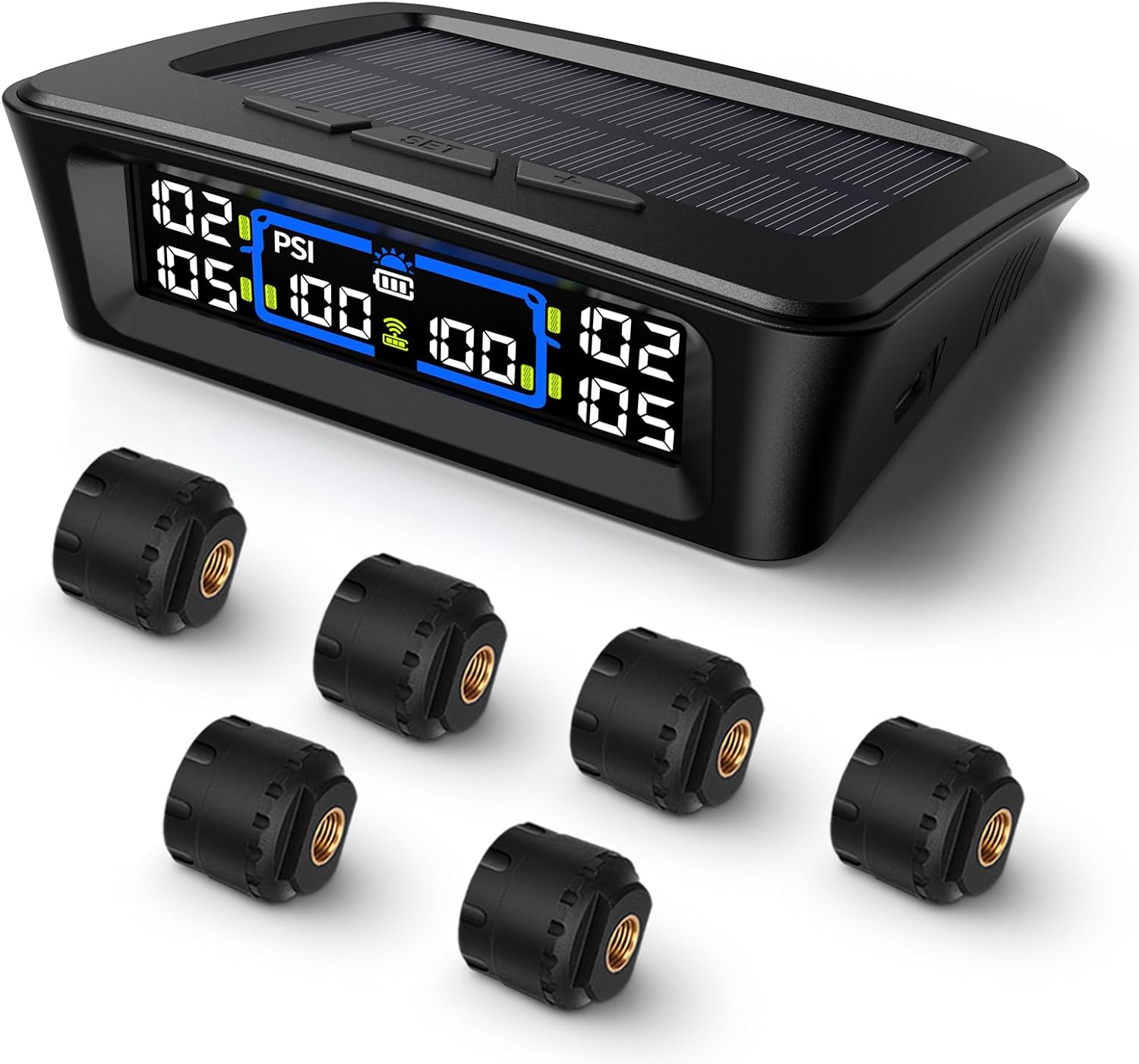
The Tymate TM12 RV TPMS delivers real-time tire pressure and temperature monitoring with a stable 433Hz display for safer long-distance driving. It supports simultaneous monitoring across vehicle and trailer zones, includes six alarm modes for pressure, temperature, leakage, battery, and signal loss, and features easy DIY installation with auto calibration. Power is supplied via USB-C charging or solar recharging, with a wide 0–144 PSI range and up to 50 ft signal coverage for RVs and towable trailers.
Essential Factors for Selecting the Right Tires for Your Camry
Once you know the correct size, choose the tire type that fits your climate and driving style.
- All-season tires: Best for most Camry drivers who want year-round comfort and long tread life in mild climates.
- Touring tires: Good for quiet ride quality and highway comfort.
- Performance all-season tires: Better for SE, XSE, and drivers who want sharper steering feel.
- Winter tires: Best for regular snow, ice, or freezing temperatures.
- Summer tires: Strong warm-weather grip, but not suitable for cold or snowy conditions.
[Products Worth Considering]

The SAFELIFE dial tire tread depth gauge measures tread depth in 1/32 inch increments with clear, easy-to-read 2-inch dial face. Color zones using a traffic light system help you quickly judge whether tread is low, marginal, or ample for safer driving. Built with a durable zinc cast body and a metal detect probe for precise, comfortable use across cars, motorcycles, trucks, and buses.

Measure tire tread depth quickly and accurately with this LUMITECO dial gauge that reads in 1/32" increments up to 14/32". The color-coded green/yellow/red zones make it easy to judge tire wear and know when replacement is needed. A rugged, compact design with a protective pouch helps keep the gauge ready for use on cars, trucks, motorcycles, and more.

This professional wheel and rim brush kit makes it easy to lift brake dust, grime, and dirt from wheels and tires without scratching finishes. The brushes feature soft, metal-free wool heads and a flexible 360-degree rim brush design for reaching hard-to-clean areas. Includes multiple brush types plus accessories for thorough car, motorcycle, and general vehicle detailing.
Check Pressure and Tread Depth
Always set tire pressure when the tires are cold, using the cold PSI listed on your Camry’s placard. Do not use the maximum PSI printed on the tire sidewall as your normal inflation target. Also, do not rely only on TPMS; Toyota notes that TPMS warns when pressure is critically low, but pressure should still be checked regularly with a gauge.
For tread depth, tires must be replaced when they reach the treadwear indicators or about 2/32 inch of remaining tread. If you drive often in heavy rain, snow, or mountain conditions, plan replacement earlier because traction drops before the legal minimum.
Temporary Spare Tire Warning
If your Camry has a temporary spare, use it only as a short-distance emergency tire. Follow the speed and distance limits printed on the spare or in the owner’s manual, and replace or repair the full-size tire as soon as possible.
Toyota Camry Tire Buying Checklist
- Take a photo of the driver-side tire placard.
- Write down the full tire code, including load index and speed rating.
- Check whether your Camry has factory wheels or aftermarket wheels.
- Choose the right tire category for your climate: all-season, touring, performance, winter, or summer.
- Replace tires in matched pairs at minimum; replacing all four is best for even handling.
- Ask for new valve stems or TPMS service when needed.
- Have the installer torque lug nuts to specification and recheck pressure cold.
- Schedule alignment if the old tires show uneven wear.
[Products Worth Considering]

Monitor tire tread wear with a smart, color-coded depth gauge that shows clear condition ranges at a glance. The bar is range marked for fast, easy readings, helping you maintain safer traction and performance. Each gauge is portable with a pocket clip, and the set includes 20 units for daily use and sharing.

Vigorder rubber cement glue delivers superior adhesion and cures quickly within about 30 seconds for seamless rubber bonding. Once cured, it helps provide a strong, durable, waterproof seal that holds up to vehicle weight, pressure, and heat. Suitable for cars, motorcycles, trucks, bicycles, and off-road tires, it’s designed for emergency patch and maintenance repairs.

This 15-inch tire spoons kit makes tire removal and installation easier with added leverage, reducing time and effort for everyday repairs. It includes tire spoons, rim protectors, a valve tool, and valve cores/caps, helping protect rims and streamline deflation and re-sealing. Built with durable hardened steel and a non-slip ergonomic grip for confident use on motorcycles, dirt bikes, ATVs, and lawn equipment.
Frequently Asked Questions
Where do I find the correct Toyota Camry tire size?
Check the tire and loading placard on the driver-side door jamb first. Then confirm it in the owner’s manual. The current tire sidewall is helpful, but it may not be the original size if the wheels or tires were changed.
What tire size does a 2025 Toyota Camry use?
Toyota’s 2025 Camry eBrochure lists P205/65R16 for LE, P235/45R18 for SE, P235/40R19 for XSE, and P235/45R18 for XLE. Always verify your own door placard because equipment and regional availability can vary.
Can I put bigger tires on my Toyota Camry?
Sometimes, but do not guess. The new size should keep overall diameter close to stock and must match proper load index, speed rating, rim width, and clearance. A tire professional should confirm non-factory fitment before installation.
Do Toyota Camry Hybrid models use different tire sizes?
They can. Some Camry Hybrid trims use efficiency-focused sizes, while sportier hybrid trims use wider, lower-profile tires. For example, recent Hybrid LE-style trims may use 205/65R16, while SE, XLE, or XSE-style trims may use 18- or 19-inch sizes.
Should I replace Camry tires at 5/32 inch tread depth?
At 5/32 inch, start planning if you drive in rain, snow, or long highway conditions. The minimum replacement point is usually around 2/32 inch when treadwear indicators are flush, but wet-weather performance declines before that.
Is there a Toyota Camry year to avoid for tire-size reasons?
No Camry year is a problem simply because of tire size. The key is confirming the correct size for that exact year, trim, and wheel package. Older Camrys need extra care because previous owners may have changed the wheels.
Conclusion
Choosing the correct Toyota Camry tire size starts with one simple rule: trust the door placard before any online chart. Once you confirm the size, match the load index, speed rating, cold pressure, and tire type to your driving conditions. If you want to change sizes, stay close to the factory diameter and have a professional confirm rim width and clearance. That approach keeps your Camry safe, comfortable, and predictable on the road.
Sources
- Toyota 2025 Camry eBrochure — official 2025 Camry trim and tire-size specifications.
- Toyota Camry Full Specs — current Toyota specification reference and equipment caveats.
- Toyota Owner’s Manuals and Warranties — official owner manual lookup for tire pressure, TPMS, spare tire, and service details.
- NHTSA TireWise — tire pressure, tire safety, placard, and cold inflation guidance.
- Tire Industry Association: Tire Replacement — treadwear indicators and replacement threshold guidance.
- Tire Rack: Plus Sizing Wheels and Tires — plus-sizing effects on diameter, speedometer, clearance, ABS, and stability systems.