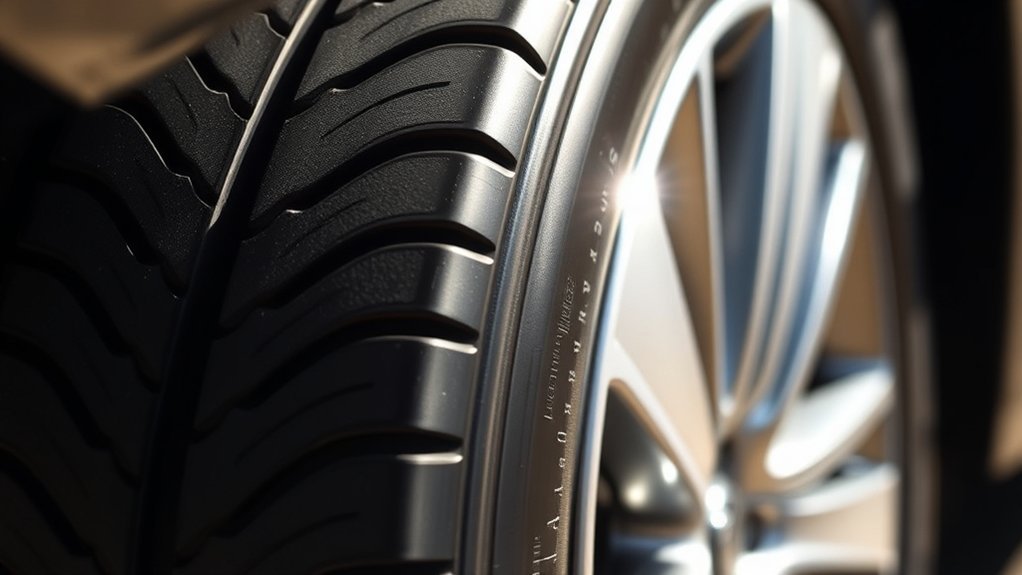
If you own a 7th generation Toyota Camry from 2012 to 2017, start every tire decision with the Tire and Loading Information Label on the driver-side door jamb. Most U.S. models use 16-, 17-, or 18-inch wheels, but the exact size, load rating, speed rating, and cold tire pressure can vary by trim, model year, and market.
Last updated: July 6, 2026.
Quick Answer
Common 2012-2017 Toyota Camry OEM tire sizes include P205/65R16, P215/55R17, and P225/45R18. Toyota manual data lists 35 psi cold for many 16- and 17-inch setups and 33 psi cold for the 18-inch setup, but your door placard is the final source for your car.
Key Takeaways
- Check the driver-side Tire and Loading Information Label before buying tires or setting pressure.
- Do not use the tire sidewall maximum as your daily Camry tire pressure.
- Match or exceed the original load index and speed rating when replacing tires.
- Use four matching winter tires in snow and ice, not just two tires on one axle.
- After rotation, pressure changes, or tire-size changes, your Camry may need TPMS initialization.
At a Glance
| Time Required | 5-10 minutes to check the placard, inspect tire size, and measure pressure |
| Difficulty | Easy |
| Tools Needed | Tire pressure gauge, tread depth gauge or penny, owner’s manual, and tire placard |
| Cost | Free to inspect; replacement cost depends on tire size, tire category, brand, installation, and road-hazard coverage |
Overview of the 7th Generation Toyota Camry Tire Specifications
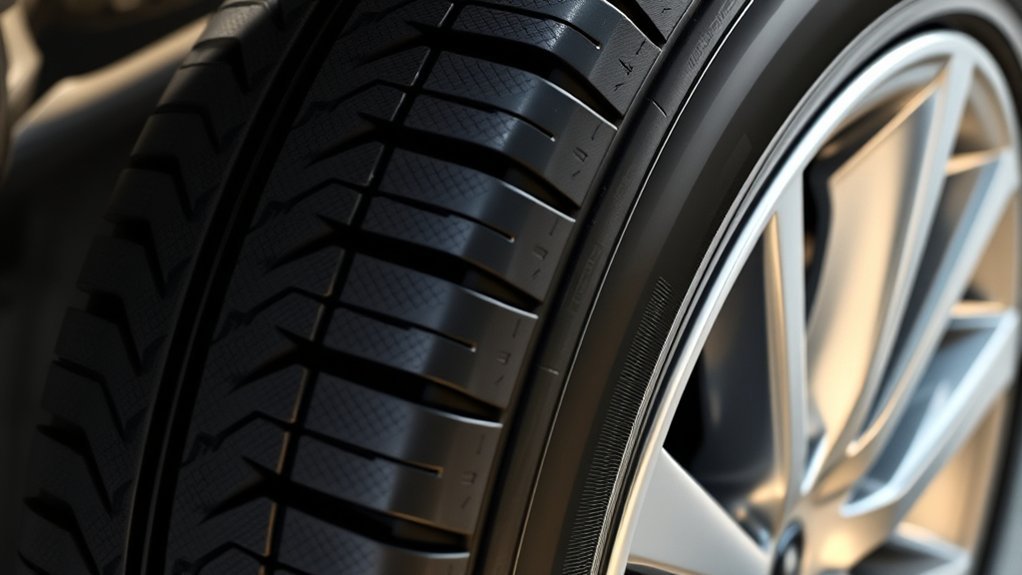
The 7th generation Toyota Camry, also known as the XV50 generation, commonly uses passenger-car tire sizes with 16-, 17-, or 18-inch wheels. The most common U.S. OEM sizes you will see are P205/65R16, P215/55R17, and P225/45R18. Some online fitment databases may list other sizes for certain markets or trim packages, so always confirm your exact car before ordering.
The two best places to confirm the correct tire size are the Toyota Camry owner’s manual and the Tire and Loading Information Label on the driver-side door jamb. The label matters because it applies to your exact vehicle, not just the Camry nameplate.
Note: Your tire sidewall shows the tire’s maximum cold inflation pressure. That number is not the daily pressure Toyota recommends for your Camry. Use the door placard or owner’s manual for normal driving pressure.
Where to Find Your Camry Tire Placard
Open the driver’s door and look at the door jamb or door edge for the Tire and Loading Information Label. This label lists the original tire size, recommended cold tire pressure, seating capacity, and load information for that specific vehicle.
Before buying tires, compare three things:
- Door placard size: This is your first source for the correct replacement size.
- Current tire sidewall: This tells you what is installed now, which may or may not match the original setup.
- Owner’s manual: This helps verify pressure, spare-tire pressure, TPMS guidance, winter-tire rules, and wheel information.
If the placard and current tires do not match, do not assume the current tire is correct. A previous owner may have changed wheel size, installed a non-OEM fitment, or used a size that fits physically but does not match the correct load rating or overall diameter.
Common OEM Tire Sizes and Pressure Chart
The table below uses Toyota manual data for common late 7th-generation Camry fitments. It gives you a practical starting point, but your door placard still wins if it shows different information.
| Common fitment | OEM tire size | Load / speed rating | Wheel size | Normal cold pressure |
|---|---|---|---|---|
| 16-inch wheel | P205/65R16 | 94S | 16 x 7J on the cited 2017 manual; some earlier hybrid manual data lists 16 x 6 1/2 JJ | 35 psi front / 35 psi rear |
| 17-inch wheel | P215/55R17 | 93V | 17 x 7J | 35 psi front / 35 psi rear |
| 18-inch wheel | P225/45R18 | 91V | 18 x 7.5J | 33 psi front / 33 psi rear |
| Compact spare | T155/70D17 | 110M | 17 x 4T | 60 psi |
| Wheel nut torque | Applies when a wheel has been removed and reinstalled | Follow Toyota procedure | All listed OEM wheel sizes | 76 ft-lbf, according to the cited Toyota manual |
Warning: Do not inflate your Camry tires to 43-50 psi for normal driving unless your specific vehicle placard says to do so. Too much pressure can reduce comfort, change handling, and cause uneven center tread wear.
Toyota also lists separate high-speed pressure guidance in the owner’s manual for countries where sustained speeds above 100 mph are permitted by law. That is not a normal commuting setting. For U.S. daily driving, use the cold pressure on your placard unless your manual and driving conditions clearly require a different Toyota-approved setting.
How to Read Your Camry Tire Size
A tire size such as P215/55R17 93V looks confusing at first, but each part has a job:
- P means passenger-car tire.
- 215 is the section width in millimeters.
- 55 is the aspect ratio, or sidewall height as a percentage of tire width.
- R means radial construction.
- 17 is the wheel diameter in inches.
- 93 is the load index.
- V is the speed symbol.
When you shop for replacement tires, match the full size and service description unless a tire professional confirms a safe alternate size. A tire that fits the wheel may still be wrong if its load rating, outside diameter, or clearance does not match your Camry.
Base vs. Sport Model Tire Differences
Base and comfort-focused Camry trims often use 16-inch wheels because the taller sidewall helps absorb road bumps. Sportier trims often use 17- or 18-inch wheels because the shorter sidewall can sharpen steering response and give the car a firmer, more planted feel.
Base Model Tire Specs
A common base-size setup is P205/65R16. This size gives the Camry a comfortable ride and usually costs less to replace than larger sport sizes. The taller sidewall also gives you more protection against pothole impacts than a lower-profile tire.
If your placard lists P205/65R16, stay with that size unless you are doing a complete wheel-and-tire change with proper fitment checks. For daily commuting, this size makes sense if you care most about comfort, tread life, and replacement cost.
Sport Model Tire Specs
Sport-oriented Camry trims may use P215/55R17 or P225/45R18. These tires give you a wider contact patch and shorter sidewall, which can improve steering feel. The tradeoff is a firmer ride, more road noise on rough pavement, and higher risk of wheel or tire damage from potholes.
The 18-inch tire is the most sensitive of the common OEM sizes because it has the shortest sidewall. If your roads are rough, a 17-inch setup may be the better balance.
Tire Size Comparison
| Tire size | Ride feel | Handling feel | Best for |
|---|---|---|---|
| P205/65R16 | Softest of the common OEM sizes | Relaxed steering response | Comfort, commuting, lower replacement cost |
| P215/55R17 | Balanced | More responsive than 16-inch tires | Daily driving with better steering feel |
| P225/45R18 | Firmest | Sharpest of the common OEM sizes | Sport appearance and crisp response |
How Tire Size Affects Ride Quality and Handling
Tire size changes how your Camry feels because width, sidewall height, and wheel diameter all work together. A taller sidewall can flex over bumps and reduce harshness. A shorter sidewall usually reacts faster to steering input, but it also sends more impact into the cabin.
Comfort
If comfort matters most, the 16-inch size is usually the easiest to live with. It gives you more rubber between the wheel and road, which helps on cracked pavement, expansion joints, and potholes. It can also make tire shopping easier because many touring all-season tires come in this size.
Handling
If steering feel matters more, the 17- and 18-inch sizes can make the Camry feel more direct. The difference feels most noticeable during lane changes, curved ramps, and quick steering inputs. You should still choose a tire model that fits your climate, because tire compound and tread design affect grip as much as size does.
Understanding Load Index and Speed Ratings for Camry Tires
The load index tells you how much weight a tire can carry. The speed symbol tells you the maximum speed category the tire was designed to handle under proper conditions. Your replacement tire should meet or exceed the original service description on the placard or manual.
For example, the Toyota manual data above lists 94S for P205/65R16, 93V for P215/55R17, and 91V for P225/45R18. Do not replace a V-rated tire with a lower-rated tire unless a qualified tire professional confirms it is safe and legal for your use.
Pro Tip: When comparing tires online, search by the full size and service description, such as P215/55R17 93V. That reduces the chance of buying a tire that looks close but has the wrong rating.
How to Check and Set Camry Tire Pressure
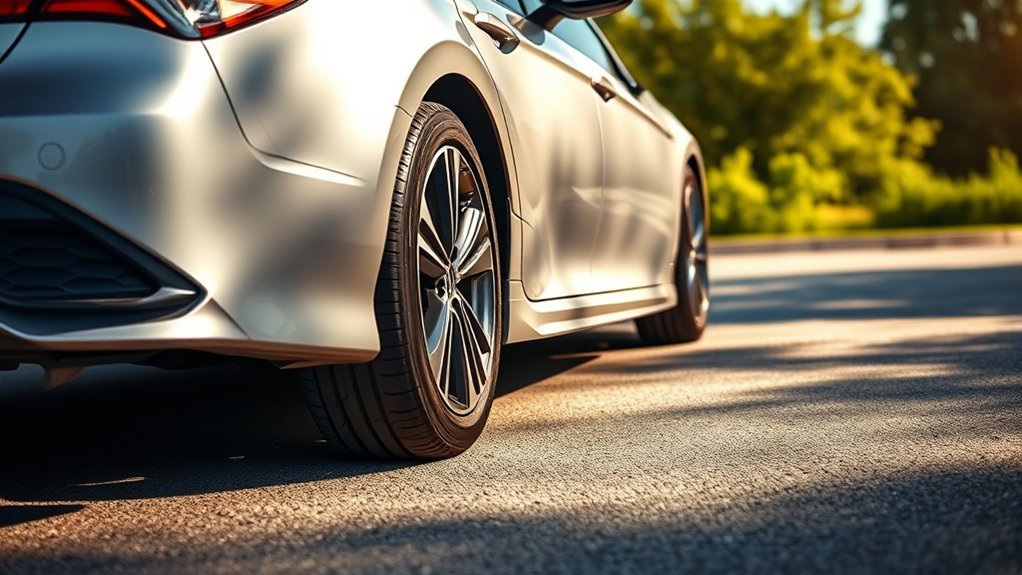
Check tire pressure when the tires are cold. That means the car has been parked for at least three hours or has been driven less than about one mile. Heat from driving raises pressure, so a warm reading can make you think the tire has more air than it really has at cold pressure.
- Find the recommended cold pressure on the driver-side Tire and Loading Information Label.
- Remove the valve cap from one tire.
- Press a reliable tire pressure gauge firmly onto the valve stem.
- Add or release air until the tire matches the placard pressure.
- Repeat for all four tires and check the spare if your Camry has one.
- Reinstall every valve cap to help keep dirt and moisture out of the valve.
Check pressure at least once a month and before long trips. Also check after a sharp temperature drop, a hard pothole hit, or a curb impact. NHTSA also recommends checking tread while you check pressure.
A Camry tire can look normal and still be several psi low. Use a gauge instead of judging by appearance.
TPMS Reset After Rotation or Pressure Changes
Many 7th-generation Camry models use a tire pressure warning system. After you rotate tires, change tire size, adjust the pressure benchmark, or replace sensors, the system may need initialization. Your owner’s manual explains the exact reset steps for your model.
Use this basic workflow before initialization:
- Park in a safe, level place.
- Let the tires cool so you can set true cold pressure.
- Adjust all four tires to the placard pressure.
- Check the compact spare if your model includes one.
- Use the TPMS reset procedure in your Camry manual.
- Drive normally and confirm the warning light stays off.
If the TPMS light comes on, do not ignore it. Stop when safe, check all tires with a gauge, and inflate them to the placard pressure. If the warning stays on after proper inflation or flashes for about a minute before staying on, have the system inspected.
Upgrading to Larger Rims: What to Consider
Larger rims can make your Camry look sportier, but they also change ride quality, tire cost, impact resistance, and sometimes speedometer accuracy. Before you move from 16 to 17 or 18 inches, compare the full tire diameter, load rating, wheel width, offset, and brake clearance.
[Products Worth Considering]

Measure tire tread depth quickly and accurately with this LUMITECO dial gauge that reads in 1/32" increments up to 14/32". The color-coded green/yellow/red zones make it easy to judge tire wear and know when replacement is needed. A rugged, compact design with a protective pouch helps keep the gauge ready for use on cars, trucks, motorcycles, and more.

The VEHLIVE SU-50448 II TPMS relearn tool provides a fast activation reset to restore accurate tire pressure monitoring after sensor replacement or tire rotation. It supports 315 MHz and 433 MHz GM series sensors and helps clear dashboard pressure warnings. With simple two-button operation and horn-confirmed relearning order, you can reprogram sensors conveniently at home.

Keep your tires properly inflated with this analog VONDIOR tire pressure gauge, designed for fast, easy readings without batteries. The swiveling, two-axis hose and large glow dial help you measure at any tire angle with instant visibility. Built with a protective rubber shield, it supports durable, low-maintenance use for cars and trucks.
Performance Impact
A larger wheel with a lower-profile tire can improve steering response. It can also add weight, reduce ride comfort, and make the car more sensitive to potholes. A heavier wheel-and-tire package may hurt acceleration, braking feel, and fuel economy.
Aesthetic Considerations
The 17-inch setup often gives the best balance of style and comfort. The 18-inch setup looks more aggressive and feels sharper, but it also costs more to replace and gives less cushion on rough roads. Wheel sizes outside the common OEM range need extra fitment checks before installation.
Tire Compatibility Issues
Do not choose a tire only because it fits the rim. The tire must clear the fenders and suspension, support the car’s load, keep the overall diameter close to the original size, and work with the TPMS. If you are unsure, ask a tire shop to check fitment before installation.
Best Seasonal Tires for Your Toyota Camry
The best seasonal tire for your Camry depends on climate, road conditions, and how you drive. Instead of chasing one “best” tire name, choose the right tire category first.
- All-season touring tires: Best for mild climates, commuting, comfort, and long tread life.
- Grand touring all-season tires: Best if you want a better mix of comfort, wet grip, and highway stability.
- Performance all-season tires: Best for SE-style drivers who want sharper handling without switching to summer tires.
- Winter tires: Best for regular snow, slush, ice, and freezing temperatures.
- Summer tires: Best for warm-weather grip, but not safe for snow or freezing conditions.
If you use winter tires, install them on all four wheels. Mixing winter tires on only one axle can make the car less predictable during braking and turning. Toyota also notes that snow-tire effectiveness is lost when snow-tire tread wears below 0.16 inch, or 4 mm.
If you use tire chains, follow the Toyota manual and local rules. For the cited 2017 Camry manual, Toyota instructs drivers to install chains on the front tires, not the rear tires, and to retighten them after a short distance as directed.
[Products Worth Considering]
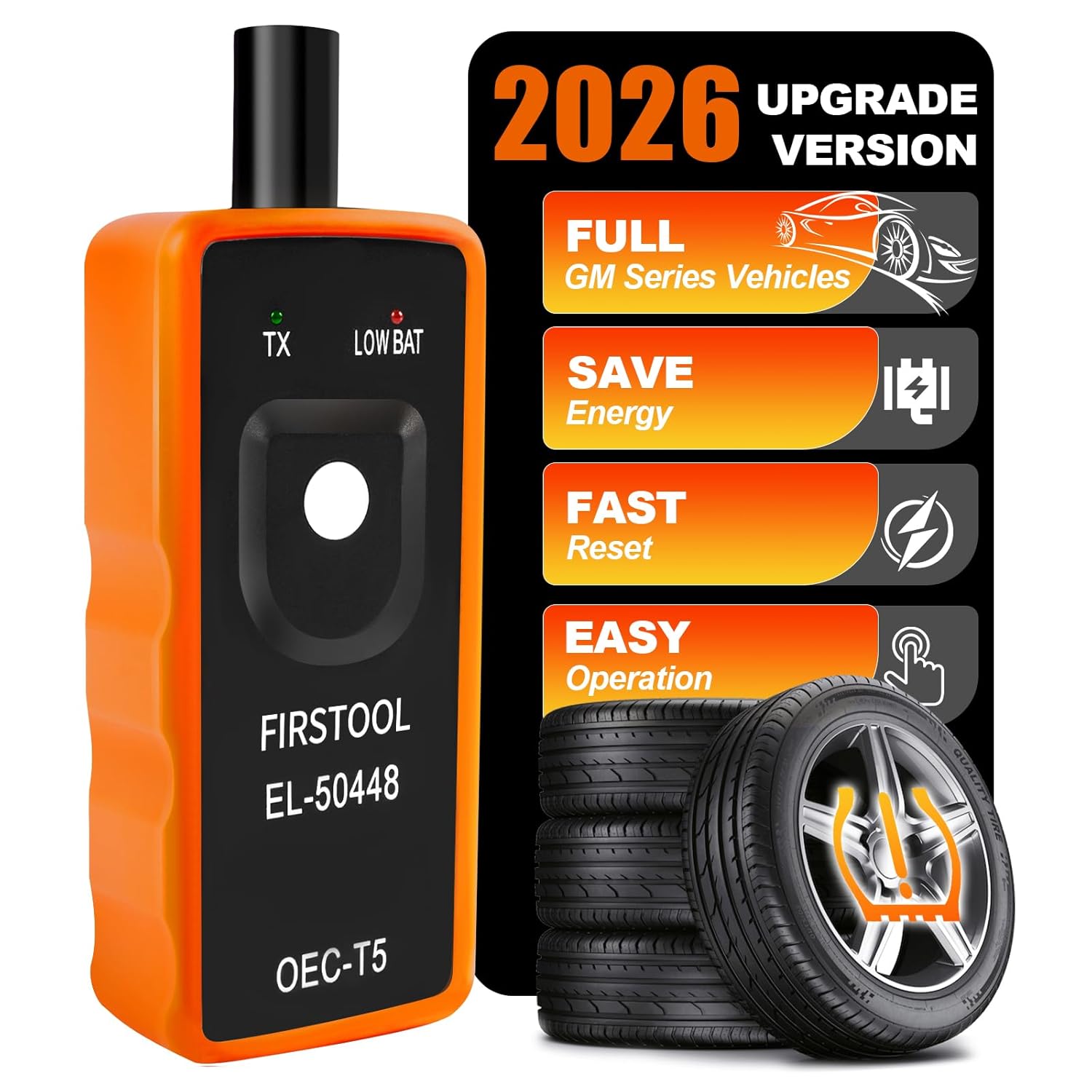
This TPMS relearn tool helps you quickly activate, match, and reset GM tire pressure sensors to keep the vehicle monitoring system working properly. It clears tire pressure alarms and dashboard warning lights after sensor replacement or tire rotation, and supports learning for common 315/433 MHz TPMS sensors. Designed for simple one-button operation, it can help you avoid unnecessary trips to repair shops.

These aluminum alloy tire valve stem caps with an O-ring seal help protect valve stems from corrosion while adding a clean, stylish look to your vehicle. The universal fit works across cars, trucks, motorcycles, bicycles, and more, making them an easy upgrade for everyday driving and off-road use. Installation is quick, and the included four-pack keeps all your tires dressed and protected.

These universal tire valve stem caps help protect valve cores from dust, debris, and moisture while helping maintain stable tire pressure. The corrosion-resistant metal construction and sealed design provide reliable protection in road grime, mud, and winter conditions. Twist-on installation makes them quick to fit on cars, SUVs, trucks, and motorcycles.
Top Tire Brands for Toyota Camry Models
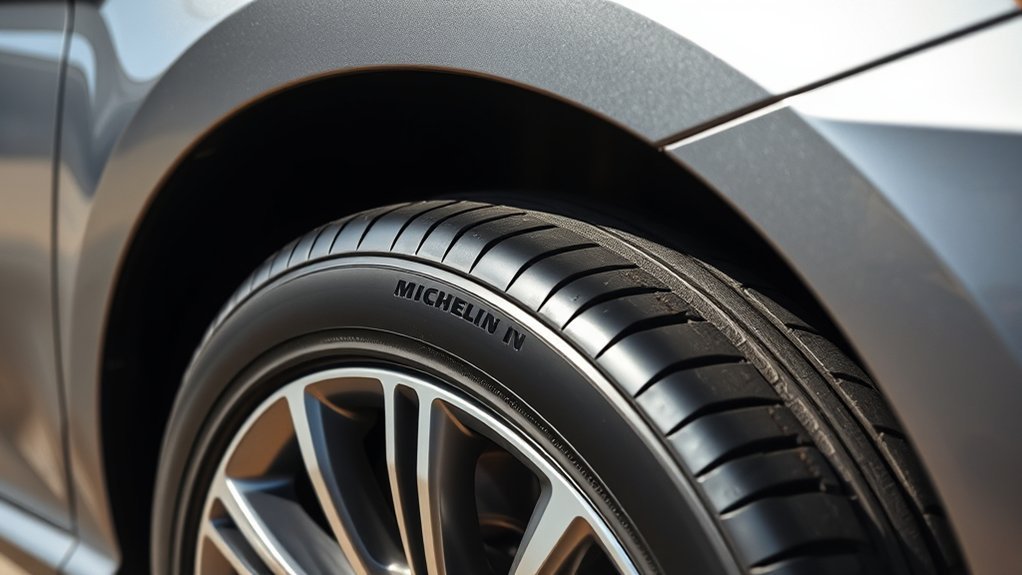
Several major tire brands make Camry-size tires, including Michelin, Bridgestone, Continental, Goodyear, Pirelli, Yokohama, Hankook, Kumho, General, Firestone, Cooper, and Nexen. The right choice depends less on the brand name and more on the tire’s category, test results, warranty terms, wet braking, road noise, and winter rating if you need one.
For most Camry owners, a quality touring all-season tire is the safest default. Choose a performance all-season tire if you want sharper steering. Choose a dedicated winter tire if you drive in snow or ice often. Always check that the tire you choose matches the placard size and service description.
[Products Worth Considering]

The SAFELIFE dial tire tread depth gauge measures tread depth in 1/32 inch increments with clear, easy-to-read 2-inch dial face. Color zones using a traffic light system help you quickly judge whether tread is low, marginal, or ample for safer driving. Built with a durable zinc cast body and a metal detect probe for precise, comfortable use across cars, motorcycles, trucks, and buses.

Monitor tire tread wear with a smart, color-coded depth gauge that shows clear condition ranges at a glance. The bar is range marked for fast, easy readings, helping you maintain safer traction and performance. Each gauge is portable with a pocket clip, and the set includes 20 units for daily use and sharing.

This TPMS sensor training and relearn reset tool is customized for Ford, Lincoln, and Mercury vehicles to help activate tire pressure programming after sensor replacement or tire rotation. It can activate individual tire pressure sensors with one-button operation, helping prevent TPMS warning light illumination. It is not a sensor programming tool and cannot program replacement sensors—use it to trigger/activate sensors only.
Replacement Checklist Before You Buy
Before ordering tires for your 2012-2017 Camry, check these points:
- Size: Match the tire placard unless you have a verified alternate size.
- Load index: Match or exceed the original load index.
- Speed rating: Match or exceed the original speed symbol when practical.
- Season type: Pick all-season, winter, summer, or performance all-season based on your climate.
- UTQG ratings: Compare treadwear, traction, and temperature grades, but remember they are not the only measure of real-world performance.
- Manufacture date: Check the DOT date code so you are not buying old stock.
- Road hazard needs: Consider protection if your area has potholes or construction debris.
- Installation: Plan for mounting, balancing, valve stems, TPMS service, and alignment if wear looks uneven.
When You Should Not Drive on a Camry Tire
Some tire problems are not wait-and-see issues. Stop driving as soon as you can do so safely if you notice any of these problems:
- A sidewall bulge, bubble, deep crack, or exposed fabric.
- A tire that repeatedly loses air after inflation.
- Severe vibration, thumping, or pulling after a pothole hit.
- A puncture near the sidewall or shoulder area.
- Tread worn to 2/32 inch or level with the treadwear indicators.
- A TPMS warning light that stays on after you set pressure correctly.
A compact spare is for temporary emergency use. After installing it, drive gently, avoid unnecessary trips, and replace or repair the full-size tire as soon as possible.
Tips to Extend Tire Life
Good tire care can make your Camry safer, quieter, and cheaper to own. You do not need special tools beyond a gauge and a few minutes each month.
- Check pressure cold: Use the placard pressure, not the sidewall maximum.
- Inspect tread monthly: Replace tires when tread reaches 2/32 inch or sooner if wet grip has become poor.
- Rotate on schedule: Follow your Toyota maintenance schedule and reset TPMS if your model requires it.
- Watch for uneven wear: Feathering, cupping, or one-edge wear can point to alignment, balance, or suspension problems.
- Avoid hard impacts: Potholes and curbs can damage low-profile tires and wheels.
- Check tire age: Look for the DOT date code and ask a tire professional to inspect older tires, even if tread remains.
Frequently Asked Questions
What tire size does a 2012-2017 Toyota Camry use?
Common U.S. sizes include P205/65R16, P215/55R17, and P225/45R18. Your exact size depends on trim, wheel package, model year, and market, so check the driver-side tire placard before buying.
What tire pressure should I use on a 7th generation Camry?
Use the pressure on your driver-side Tire and Loading Information Label. In the cited Toyota manual data, common normal cold pressures are 35 psi for P205/65R16 and P215/55R17, and 33 psi for P225/45R18.
Should I use the pressure printed on the tire sidewall?
No. The sidewall number is the tire’s maximum cold inflation pressure, not the daily recommended pressure for your Camry. Use the door placard or owner’s manual instead.
How does the Camry handle in winter?
The Camry can handle winter roads well when fitted with the right tires. Use four matching winter tires for regular snow or ice, keep them properly inflated, and drive gently. All-season tires are not equal to winter tires in deep snow or freezing conditions.
Can I put 18-inch wheels on a Camry that came with 16-inch wheels?
Yes, it may be possible, but you need the correct wheel width, offset, tire size, load rating, and clearance. A tire shop should confirm fitment before installation because the wrong setup can rub, ride harshly, or affect speedometer accuracy.
When should I replace my Camry tires?
Replace tires when tread reaches 2/32 inch, when you see cracks, bulges, puncture damage, uneven wear, vibration, or when a tire cannot hold pressure. Also check tire age using the DOT date code.
Do I need to reset TPMS after rotating Camry tires?
Many 7th-generation Camry models need TPMS initialization after tire rotation, pressure benchmark changes, or tire-size changes. Set all tires to the correct cold pressure first, then follow the reset procedure in your owner’s manual.
What torque should Camry wheel nuts use?
The cited Toyota manual lists 76 ft-lbf for wheel nut torque. If you remove a wheel, tighten nuts in the correct pattern and have the torque checked with a calibrated torque wrench.
Conclusion
Your Toyota Camry’s tire specs affect comfort, steering, braking, fuel use, and safety. Start with the tire placard, match the full tire size and service rating, and use the correct cold pressure. For many 7th-generation Camry models, that means one of three common OEM sizes: P205/65R16, P215/55R17, or P225/45R18.
If you want the smoothest ride, the 16-inch setup usually makes the most sense. If you want sharper handling, the 17- or 18-inch setup can feel more responsive. Either way, proper pressure, regular rotation, tread checks, and climate-appropriate tires matter more than the logo on the sidewall.
Sources
- Toyota 2017 Camry Owner’s Manual: OEM tire sizes, wheel sizes, cold tire pressures, compact spare pressure, wheel nut torque, TPMS, snow tire, and tire chain guidance.
- Toyota 2012 Camry Hybrid Owner’s Manual: early 7th-generation Camry tire and pressure reference for 16- and 17-inch fitments.
- NHTSA TireWise: tire pressure, tire size, tread depth, TPMS, rotation, aging, and tire safety guidance.