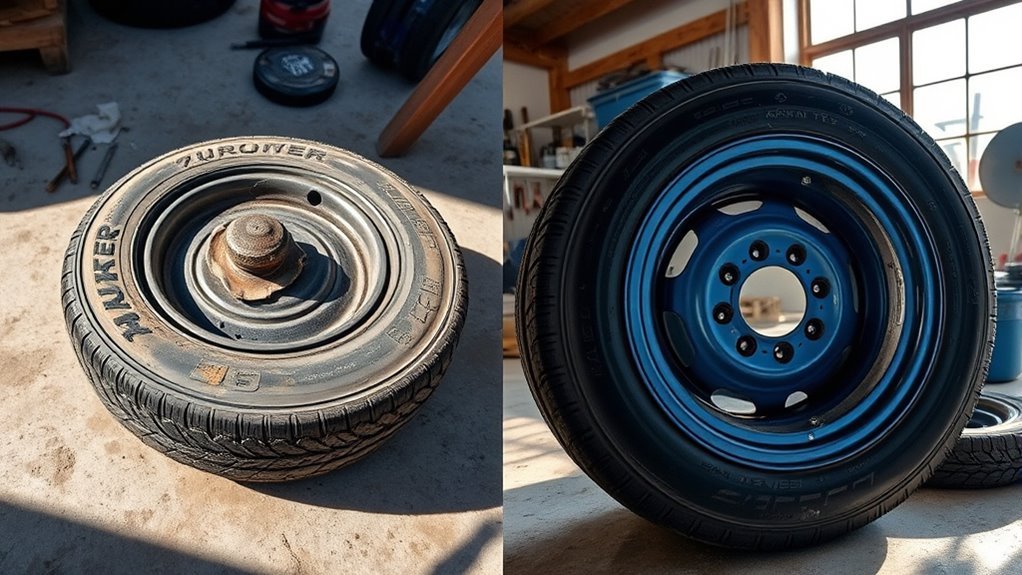
For your 4Runner, the safest answer is not “plug or patch” in the simple DIY sense. A trail plug can get you moving when you are stranded, but the permanent highway repair is a professional internal plug-patch combination after the tire is removed and inspected. If the puncture is too large, too close to the shoulder, in the sidewall, or paired with hidden damage, replacement is the only safe call.
Quick Answer
Use a tire plug only as a temporary trail or roadside fix. For daily driving or highway speeds, use a professional internal plug-patch combination repair. Replace the tire if the puncture is in the sidewall or shoulder, larger than 1/4 inch, overlapping another repair, or the tire shows internal or structural damage.
Key Takeaways
- A string plug is a temporary mobility fix, not a proper permanent repair for highway use.
- The industry-preferred permanent repair fills the injury with a rubber stem and seals the inner liner with a patch.
- Repairable punctures are limited to the center tread area and no larger than 1/4 inch / 6 mm.
- Sidewall, shoulder, overlapping, or driven-flat damage means the tire should be replaced.
- A loaded 4Runner, towing setup, or off-road trip leaves less room for tire-repair shortcuts.
At a Glance
| Time Required | Emergency plug: about 10–20 minutes if the puncture is accessible. Professional plug-patch repair: varies by shop because the tire must be demounted and inspected. |
| Difficulty | Emergency plug: moderate. Permanent repair: professional service recommended. |
| Tools Needed | Emergency plug kit, pliers, reamer, insertion tool, tire inflator or compressor, pressure gauge, soapy water, gloves, and a safe place to work. |
| Cost | A DIY plug kit is usually low-cost. Professional repair pricing varies by shop, warranty, region, and tire type. Replacement costs depend on tire size, brand, load rating, and tread match. |
Plug or Patch? Quick Decision Guide for 4Runner Owners
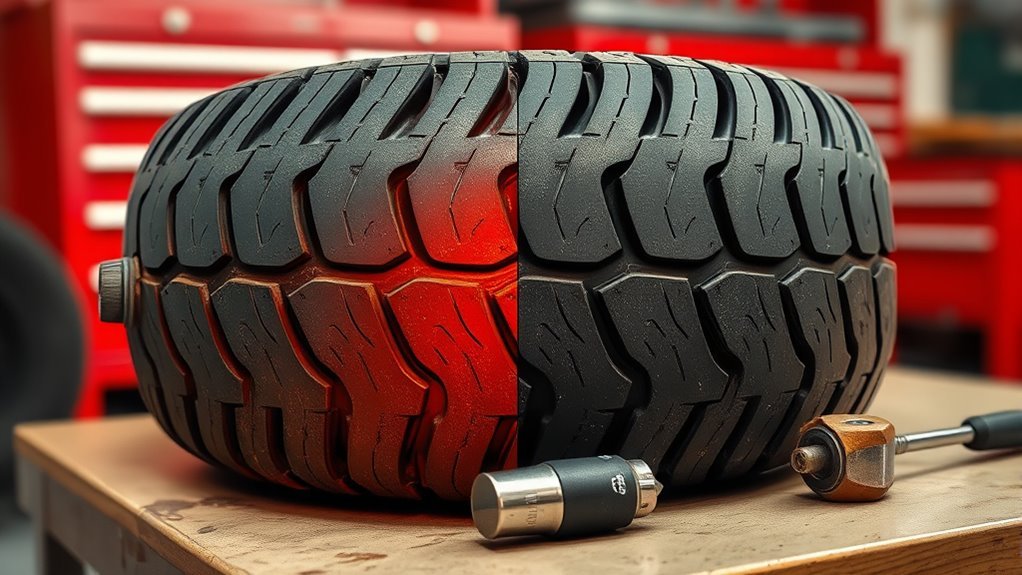
When a screw or nail punctures your 4Runner tire, start with three questions: where is the puncture, how large is it, and was the tire driven while low or flat? Those three answers decide whether you can use a temporary plug, need a professional plug-patch repair, or must replace the tire.
| Situation | Best Action |
|---|---|
| Small nail or screw in the center tread, no visible sidewall damage | Use a temporary plug only if you must keep moving, then get a professional internal plug-patch inspection and repair. |
| Puncture larger than 1/4 inch / 6 mm | Replace the tire. Do not try to “upgrade” to a bigger patch. |
| Shoulder, belt-edge, or sidewall puncture | Replace the tire. This area flexes too much for a safe repair. |
| Bulge, blister, exposed cord, cracking, or driven-flat damage | Replace the tire and inspect the wheel. |
| You are towing, carrying heavy cargo, or heading off-road again | Do not rely on a plug. Have the tire demounted and inspected before loading the vehicle. |
Warning: If the tire was driven while flat or severely underinflated, do not judge it from the outside. The sidewall and inner liner can be damaged even when the tread puncture looks small.
What the Approved Repair Actually Is
The safest permanent repair is usually a professional plug-patch combination, not a simple outside plug and not a patch-only job. The U.S. Tire Manufacturers Association explains that the tire should be removed from the wheel, inspected from the inside, filled with a rubber stem, and sealed at the inner liner with a patch. The Tire Industry Association gives the same practical warning: a plug alone does not seal the inner liner, and a patch alone does not fill the injury channel.
That matters on a 4Runner because the tire may be carrying more than a commuter car tire. Cargo, recovery gear, passengers, towing tongue weight, aired-down trail use, and rocky impacts all raise the stakes. A repair that might hold air in your driveway still needs to be safe under heat, load, speed, and flex.
4Runner Risks: Sidewalls, Load Ratings, and Trail Damage
Your 4Runner gives you room to travel, haul, and explore, but that capability depends on tires that match the job. Before repairing a puncture, check the damage location, tire load rating, tread depth, tire age, and the vehicle’s tire-and-loading label.
Sidewall Vulnerability Factors
Sidewall punctures are not safe repair candidates. The sidewall flexes every rotation, and that flex works against a plug, a patch, or any adhesive repair. If the injury reaches the shoulder, belt edge, or sidewall, replace the tire.
Off-road damage is especially tricky. A rock can slice a sidewall, bruise internal cords, or create a small-looking cut that spreads later. After a trail run, inspect both sidewalls, the tread blocks, the bead area, and the valve stem. If you see a bulge, cord, deep cut, or crack, do not repair it.
Load Rating Importance
Load rating is not a decoration on the sidewall. It tells you how much weight the tire is designed to carry at the correct inflation pressure. When your 4Runner is packed with camping gear, tools, water, passengers, roof cargo, or trailer tongue weight, the tire has less margin for a questionable repair.
Toyota’s owner information warns against overloading because it can damage tires and reduce steering and braking performance. Use your door-jamb tire-and-loading label for your exact year and trim, then match replacement tires by size, load index, speed rating, and type.
Trail Damage Risks
Trail damage is not always a clean nail hole. Rocks, roots, sharp gravel, and aired-down flex can create irregular wounds that are harder to repair. A professional shop should inspect the inside of the tire before you trust it on the highway again.
Post-trail tire inspection checklist:
- Check both sidewalls for cuts, bubbles, scuffs, and exposed cord.
- Look for nails, screws, thorns, and embedded rock chips in the tread.
- Check pressure cold, then check again after the tire sits overnight.
- Spray soapy water on the repair area, valve stem, and bead to look for bubbles.
- Inspect the spare tire and tools before the next trip.
Pro Tip: Carry a real pressure gauge, a 12-volt compressor, a quality plug kit, pliers, valve cores, and a usable spare. A plug kit is for mobility; the spare is still your safer way home when damage is questionable.
When Tire Plugs Work for Trail Emergencies
A tire plug earns its place when you are away from a shop and need to regain enough air pressure to leave the trail, reach pavement, or avoid being stranded. Treat it like a temporary field repair, not a final fix.
[Products Worth Considering]

AUTOWN’s 68-piece tire repair kit helps you fix punctures and plug flats quickly and effectively. It includes a T-handle and spiral probe tool for easy insertion, while the steel patch and plug materials are designed for strong adhesion and long-lasting airtight performance. The compact case makes it convenient for roadside repairs across a wide range of vehicles.

TP-M13W combination repair unit kit includes wrapped stems with matching patches for fast, reliable tire repairs. It’s suitable for both radial and bias ply tires and is designed for chemical or heat vulcanization. Gray vulcanizing gum with blue backing helps create a strong bond, with the stem portion wrapped for added effectiveness.

Wykodra tire plugs provide quick vulcanizing repairs for tubeless tires, helping you seal punctures and get back on the road. The industrial-strength rubber creates a long-lasting, leak-resistant bond and is designed for emergency fixes without removing the tire. Choose between two standard plug sizes with color-matched options for small to larger damage across many vehicles and off-road uses.
Quick Trail Fixes
If the puncture is a small, straight injury in the center tread and the tire still looks structurally sound, you can use a plug kit to restore mobility.
- Get safe first: park on stable ground, set the brake, and keep passengers away from traffic or trail traffic.
- Find the leak: listen for air, use soapy water if available, and confirm the puncture is in the center tread.
- Remove the object: pull the nail or screw only when you are ready to plug and reinflate.
- Prepare the injury: follow the plug-kit instructions with the reamer and insertion tool.
- Insert the plug: seat it according to the kit instructions and trim excess only after it is secure.
- Reinflate and leak-check: bring the tire to the correct pressure, then check the repair with soapy water.
- Drive conservatively: avoid towing, heavy loads, high speeds, and long highway trips until a shop inspects the tire.
Temporary Repair Limits
A plug is not a free pass. Do not plug a puncture in the sidewall or shoulder. Do not plug a cut, gash, torn tread block, or hole larger than 1/4 inch / 6 mm. Do not keep driving if the tire loses pressure again.
Note: If your tire-pressure warning light comes back on after a plug, stop and recheck pressure. A slow leak after repair means the tire needs professional inspection or replacement.
Why Professional Plug-Patch Repairs Win for Highway and Daily Driving
Highway driving adds heat, speed, and sustained flex. That is where a professional internal repair matters. The shop removes the tire from the wheel, checks the inner liner, looks for run-flat damage, prepares the injury, fills the puncture channel, seals the liner, and verifies the tire holds air.
Three reasons professional repair is safer than a string plug:
- Internal inspection: the technician can see hidden liner damage, belt damage, and sidewall scuffing.
- Complete sealing: the rubber stem fills the injury path while the patch seals the inner liner.
- Repair-limit screening: the shop can reject tires with shoulder damage, overlapping repairs, low tread, age cracks, or prior improper repairs.
That does not mean every puncture can be saved. A proper shop should say “replace it” when the tire falls outside the repair limits. That answer may cost more today, but it is cheaper than trusting a compromised tire at highway speed.
[Products Worth Considering]

This tire repair screw plug kit includes 60 pieces in two sizes to help you fix punctures quickly on the road. Choose the right screw by puncture size, then drive it in with a screwdriver for an effective seal without needing a flaring tool. The coated screws help prevent leaks and are designed for convenient emergency use across cars, trucks, ATVs, motorcycles, and bicycles.
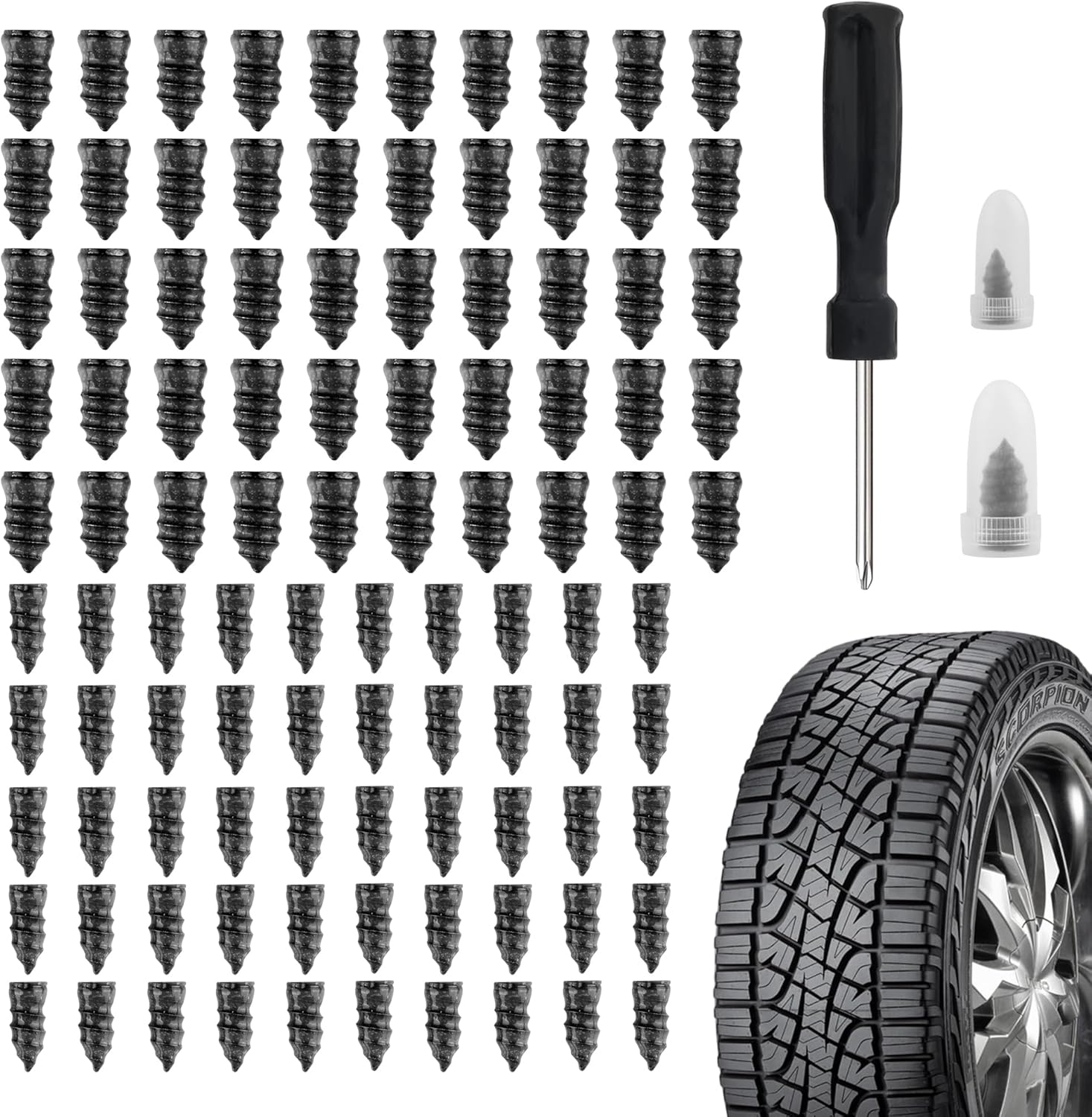
Salior’s tire plug kit provides a fast, reliable self-service fix for punctured or leaking tires without the need for flaring tools. Choose the correct plug size, then screw the nail into the puncture using the included screwdriver for an enhanced seal. The set is durable and convenient for on-the-go maintenance across multiple vehicle types.
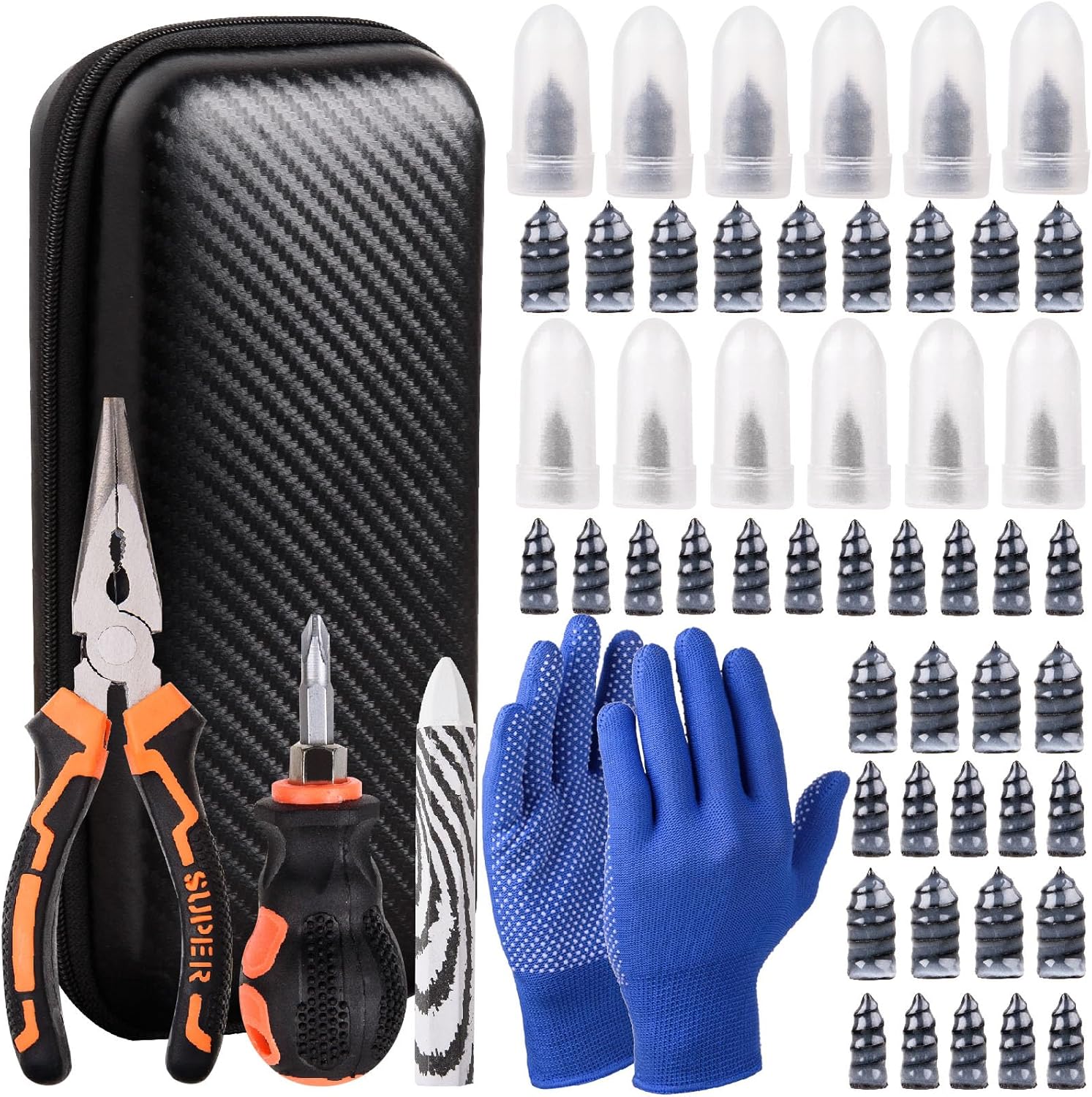
This tire sidewall puncture repair kit fixes flats fast without removing the tire, helping you get back on the road in minutes. It includes self-tapping repair nails, essential tools, gloves, and a portable storage bag for convenient roadside use. Designed for tubeless tires, it helps create a tight, leak-resistant seal for cars, motorcycles, trucks, SUVs, and ATVs.
DIY vs. Shop: What Installation Really Requires
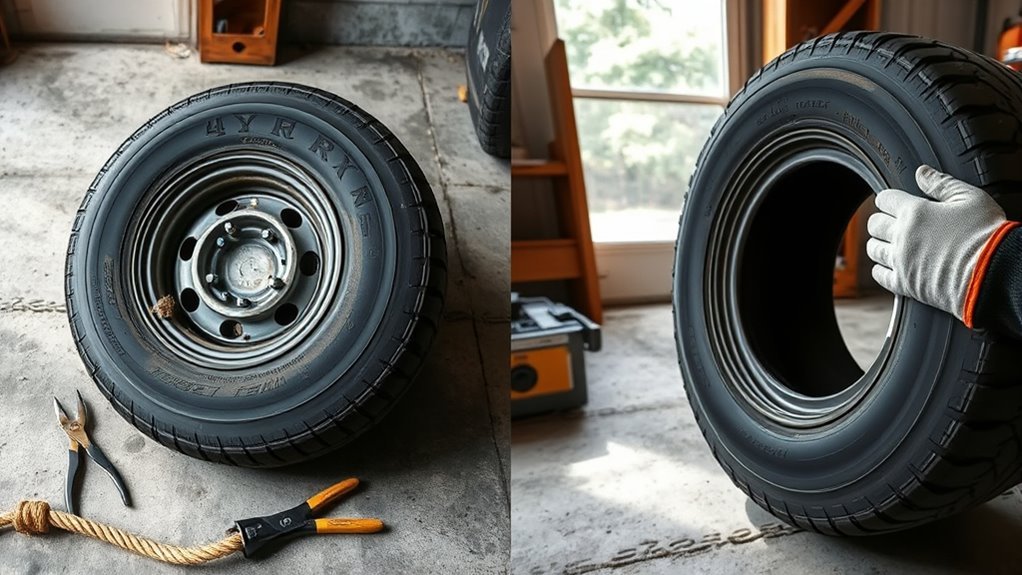
DIY plug installation requires minimal tools, which is why it works well as a trail emergency fix. You can often plug a simple tread puncture without removing the wheel. That speed is the advantage.
The disadvantage is what you cannot see. You cannot inspect the inner liner, confirm the tire was not damaged by low-pressure driving, check the steel belts, or apply a proper internal repair unit while the tire remains mounted.
A professional plug-patch repair requires tire demounting, interior inspection, cleaning, buffing, repair-unit installation, sealing, remounting, inflation, leak-checking, and often balancing. That extra work is exactly why it is the right choice before sustained highway driving.
[Products Worth Considering]

KEVWR self-service tire repair nails are made to firmly fix punctures with strong bite and reliable sealing, helping prevent water from entering the wound. The spiral rubber screws are easy to insert without removing the tire, providing a simple DIY repair for many vehicle and tire types. Suitable for cars, motorcycles, trucks, bikes, buses, and agricultural tires with two size options for different puncture nails.

This screw-in tire plug kit offers quick, DIY tire repairs for punctures from nails, screws, and sharp debris. Simply screw the vacuum tire mending nail into the puncture for a fast roadside fix, designed to create a strong, air-tight seal. It fits most tubeless tires for cars, trucks, motorcycles, and more, helping you avoid costly replacements until professional service is available.

This self-service tire repair nail kit includes 60 pieces (30 small + 30 large) to help seal punctures quickly without needing an auto shop visit. The nails are designed to fit different hole sizes and provide a tight connection with sealing glue to help prevent air and water intrusion. Suitable for cars, motorcycles, trucks, and other vehicles, it’s an easy, efficient way to patch roadside tire damage.
Lifespan Reality: How Long Each Repair Lasts
Do not judge a tire repair by how long it “might” hold air. Judge it by whether it was repaired correctly and whether the tire was repairable in the first place. A string plug may hold for a while, or it may leak without warning. Its role is temporary mobility.
The right question is not “how long can a plug last?” It is “has this tire been inspected from the inside and repaired within industry limits?”
A proper professional repair can last for the remaining usable life of the tire when the puncture is within repair limits, the tire is otherwise healthy, and the repair is installed correctly. But tread depth, tire age, weather cracking, uneven wear, and future impacts still matter.
Check repaired tires monthly, before road trips, and after trail use. Look for air loss, vibration, bulges, cracks, and uneven wear. If anything changes, have the tire inspected again.
Cost vs. Safety: What Cheap Repairs Hide
A cheap plug kit can be a trip-saver. It can also hide damage you have not inspected. Cost only tells you what you pay today; it does not tell you whether the tire is safe for a loaded 4Runner at highway speed.
| Outside Plug | Professional Plug-Patch Repair | Replacement |
|---|---|---|
| Fast trail mobility | Best choice for repairable punctures | Required for unsafe damage |
| No internal inspection | Tire is demounted and inspected | Restores full tire integrity |
| Temporary only | Permanent when within repair limits | Needed for sidewall, shoulder, large, old, or structurally damaged tires |
If a shop refuses to repair your tire, ask why. A good answer will mention puncture location, puncture size, tread depth, sidewall condition, prior repairs, age, or internal damage. Those are safety reasons, not upsells.
When to Replace Your 4Runner Tire Instead
Repair is only smart when the tire is a safe repair candidate. If the damage crosses a repair limit, replacement is the right move.
Replace the tire if you see any of these:
- Sidewall or shoulder damage: punctures, slices, bubbles, or cracks in these areas are not safe to repair.
- Puncture larger than 1/4 inch / 6 mm: passenger and light-truck repair limits do not cover larger injuries.
- Overlapping or opposite repairs: repairs too close together can weaken the tire.
- Existing improper repair: a tire with a previous outside-only plug may need to be scrapped if it cannot be properly repaired.
- Driven-flat damage: inner sidewall abrasion, rubber dust inside the tire, or liner damage means replacement.
- Tread at 2/32 inch or wear bars: the tire is already at the legal minimum and should not be repaired.
- Bulges, blisters, exposed cord, or deep weather cracking: these point to structural failure or aging.
- Manufacturer restrictions: some run-flat or specialty tires have stricter repair rules.
Also consider tread matching. On a 4WD 4Runner, a new tire with much deeper tread than the others can create a rolling-diameter difference. Check your owner’s manual, tire shop guidance, and drivetrain requirements before replacing only one tire.
Frequently Asked Questions
Is it safer to patch or plug a 4Runner tire?
For a permanent repair, the safest option is a professional internal plug-patch combination. A string plug is useful for trail or roadside mobility, but it should be treated as temporary until the tire is removed, inspected, and properly repaired.
Can I drive on the highway after plugging a tire?
Drive only as far as needed to reach a safe place or tire shop. Avoid high speeds, towing, heavy cargo, and long highway trips on an outside plug because the tire has not been inspected internally.
What punctures can be repaired?
A puncture may be repairable when it is in the center tread area, no larger than 1/4 inch / 6 mm, not overlapping another repair, and the tire has no sidewall, shoulder, internal, or structural damage.
What is the 3% tire rule?
The 3% tire rule is usually a tire-size guideline about keeping replacement tire diameter close to the original size. It is not a puncture-repair rule. For puncture repair, use the 1/4 inch / 6 mm center-tread limit and the tire manufacturer’s repair policy.
Should I replace one tire or all four on a 4Runner?
It depends on drivetrain, tread depth, tire size, and the remaining tires. On 4WD vehicles, mismatched rolling diameter can matter. Ask the tire shop to measure tread depth and confirm whether one tire, two tires, or a full set is appropriate for your 4Runner.
Conclusion
A plug can save the day on the trail, but it is not the repair you trust blindly at 70 mph with your family, gear, and 4Runner riding on it. For a small center-tread puncture, get a professional internal plug-patch combination repair after demounting and inspection. For sidewall damage, shoulder damage, large punctures, worn tread, old rubber, or hidden internal damage, replace the tire. The right repair is the one that still makes sense under speed, heat, load, and distance.
Sources
- U.S. Tire Manufacturers Association — Tire Repair Basics — repairable area, demounting, inspection, 1/4 inch limit, and plug-patch repair requirements.
- Tire Industry Association — Tire Repair — why plugs alone and patches alone are not acceptable permanent repairs.
- NHTSA TireWise — tire safety, maintenance, labeling, pressure, and recall awareness.
- Toyota Owners — 4Runner Vehicle Load Limits — tire-and-loading label, cargo capacity, towing weight, and overloading caution.
- Bridgestone — Tire Replacement Guidance — 2/32 inch tread threshold, tire age, inspection, and replacement considerations.