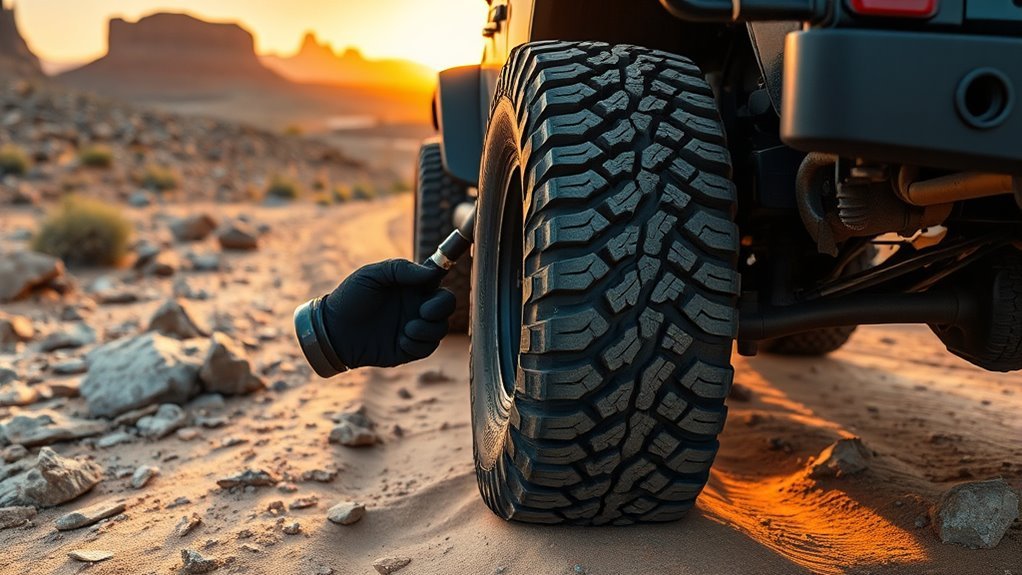
Airing down can turn a rough, slippery trail into a smoother, safer drive, but too little pressure can damage tires or unseat a bead. You should air down whenever soft, uneven, or sharp terrain reduces traction or makes the ride harsh. Start by dropping about 10–15 PSI from street pressure, then adjust for terrain, load, tire type, and wheel setup.
Key Takeaways
- Start with a 10–15 PSI drop from your normal street pressure, then fine-tune from there.
- Use about 15 PSI for deep sand, 10–15 PSI for mud, and 15–25 PSI for rocky trails.
- Avoid going below about 10 PSI on standard wheels because the tire bead can unseat.
- Keep speeds low when aired down, and avoid sharp steering inputs at low pressure.
- Reinflate to your vehicle’s recommended street PSI before sustained pavement driving.
Quick Answer: How Low to Air Down Tires for Off-Roading
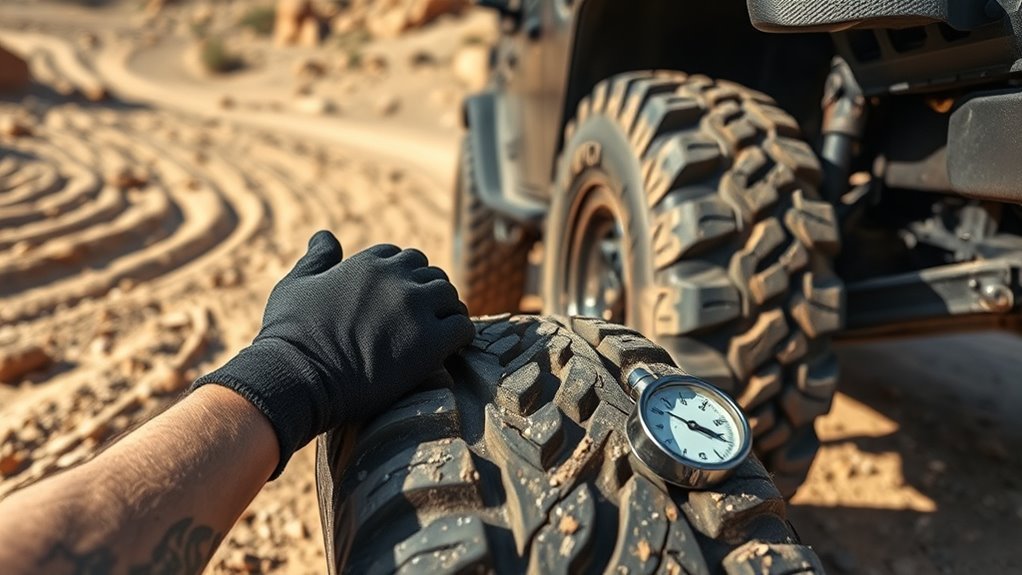
For most off-road driving, air down about 10–15 PSI below your normal street pressure. Many drivers use about 15 PSI in deep sand, 10–15 PSI in mud, and 15–25 PSI on rocky trails. For extreme rock crawling or very soft sand, you may go down to 6–12 PSI only if you use beadlock wheels and understand the risks. Check pressure often, watch handling, and reinflate before highway driving.
How Tire Pressure Affects Traction, Flotation, and Ride Comfort
Lower tire pressure lets more tread touch the ground. That larger contact patch can improve traction on loose surfaces like sand, mud, snow, and gravel.
When you air down, the tire also flexes more. That flex helps the tread wrap around rocks, roots, ruts, and bumps, which can improve grip and control.
Lower pressure can also make the ride feel smoother. Softer tires absorb more trail impact, which can reduce harsh bumps and driver fatigue on long off-road routes.
On soft terrain, the main goal is flotation. A wider, longer footprint helps keep the tire on top of sand or mud instead of digging down.
How Vehicle Weight, Tire Type, and Beadlocks Change Your Target PSI
Your vehicle’s weight, tire build, and wheel type all affect how low you can safely air down. A light trail rig can often run less pressure than a heavy truck with armor, gear, passengers, and cargo.
Start conservatively if your vehicle carries extra weight. Heavy rigs place more stress on sidewalls, beads, and wheels, so they often need a higher off-road PSI than lighter vehicles.
Vehicle Weight Effects
Vehicle weight changes how much load each tire carries. If your rig is heavy, drop pressure in smaller steps and check how the tire looks under load.
Uneven weight also matters. A loaded rear cargo area, rooftop tent, winch, bumper, or trailer tongue weight may mean one axle needs a different pressure than the other.
Higher load-range tires, such as D, E, or F tires, usually have stronger sidewalls. They can support heavy loads better, but they may also feel stiff at higher pressures.
Tire Construction Differences
Tire construction shapes how the tire flexes at low pressure. Many radial off-road tires can run lower pressure than standard street tires while keeping better ride comfort and traction.
All-terrain and mud-terrain tires often include stronger sidewalls and deeper tread blocks. Those features can help when you air down on rocks, mud, and uneven trails.
Standard highway tires need more caution. Keep more pressure in them to reduce sidewall damage, rim contact, and bead loss.
Beadlock Versus Standard
Beadlock wheels clamp the tire bead to the wheel, which helps keep the tire seated at very low pressure. Standard wheels do not provide that same bead security.
Without beadlocks, stay above about 10 PSI unless your tire and wheel setup clearly supports lower pressure. Sharp turns, side loads, and heavy throttle can unseat the bead at low PSI.
Warning: Very low tire pressure can cause de-beading, rim damage, poor steering, and tire failure if you drive too fast or turn sharply.
| Wheel Type | Typical Safe PSI | Notes |
|---|---|---|
| Beadlock | 5–12 | Best for extreme crawling and very low pressure |
| Standard | 10–15 | Higher risk of de-beading below this range |
| Heavy Vehicle | +2–5 | Use more pressure to protect sidewalls |
Target PSI by Terrain: Dirt/Trails, Rocks, Sand, Mud, Snow
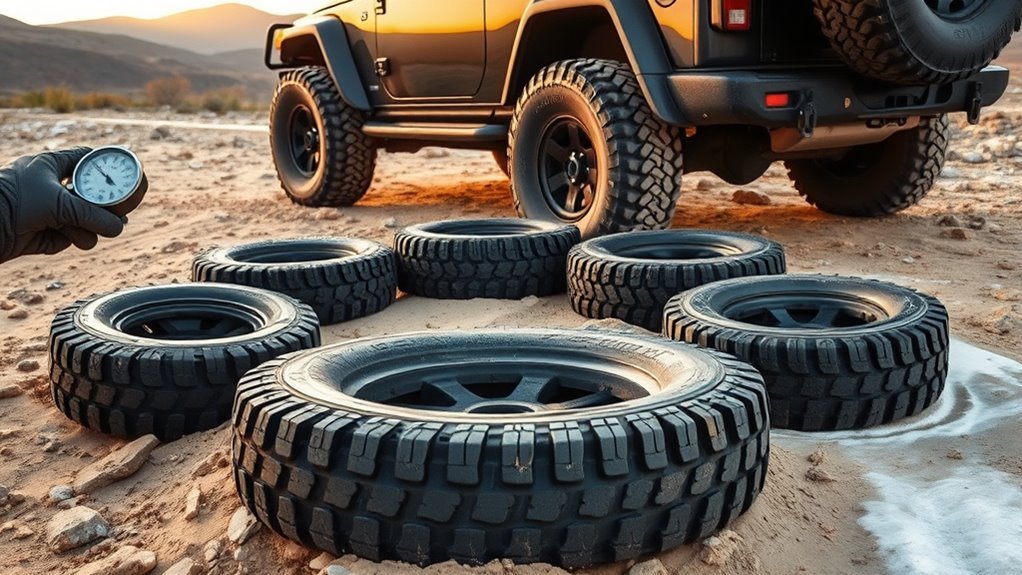
Match your tire pressure to the terrain, your vehicle weight, and your tire setup. Use these ranges as starting points, not fixed rules.
- Dirt roads and light trails: Try about 22–28 PSI for better comfort while keeping good steering response.
- Rocky trails: Use about 15–25 PSI so the tire can flex around rocks while still protecting the sidewall.
- Deep sand: Try about 15 PSI to improve flotation and reduce digging.
- Mud: Use about 10–15 PSI to widen the footprint and improve grip.
- Snow and ice: Try about 18–22 PSI to improve contact area, but keep steering and braking stable.
Lower pressure helps most in loose or uneven terrain. Raise pressure when you return to hard-packed roads, pavement, or higher speeds.
[Products Worth Considering]

This ALL-TOP auto-stop tire deflator valve kit lets you air down off-road tires quickly without watching pressure, automatically stopping when your preset PSI is reached. Each valve is individually calibrated for reliable performance with an acceptable +/- 2 PSI tolerance. The adjustable deflator range covers 10 to 30 PSI and includes four valves plus valve caps and a zipper pouch for easy setup on trucks, SUVs, RVs, UTVs, and powersports.
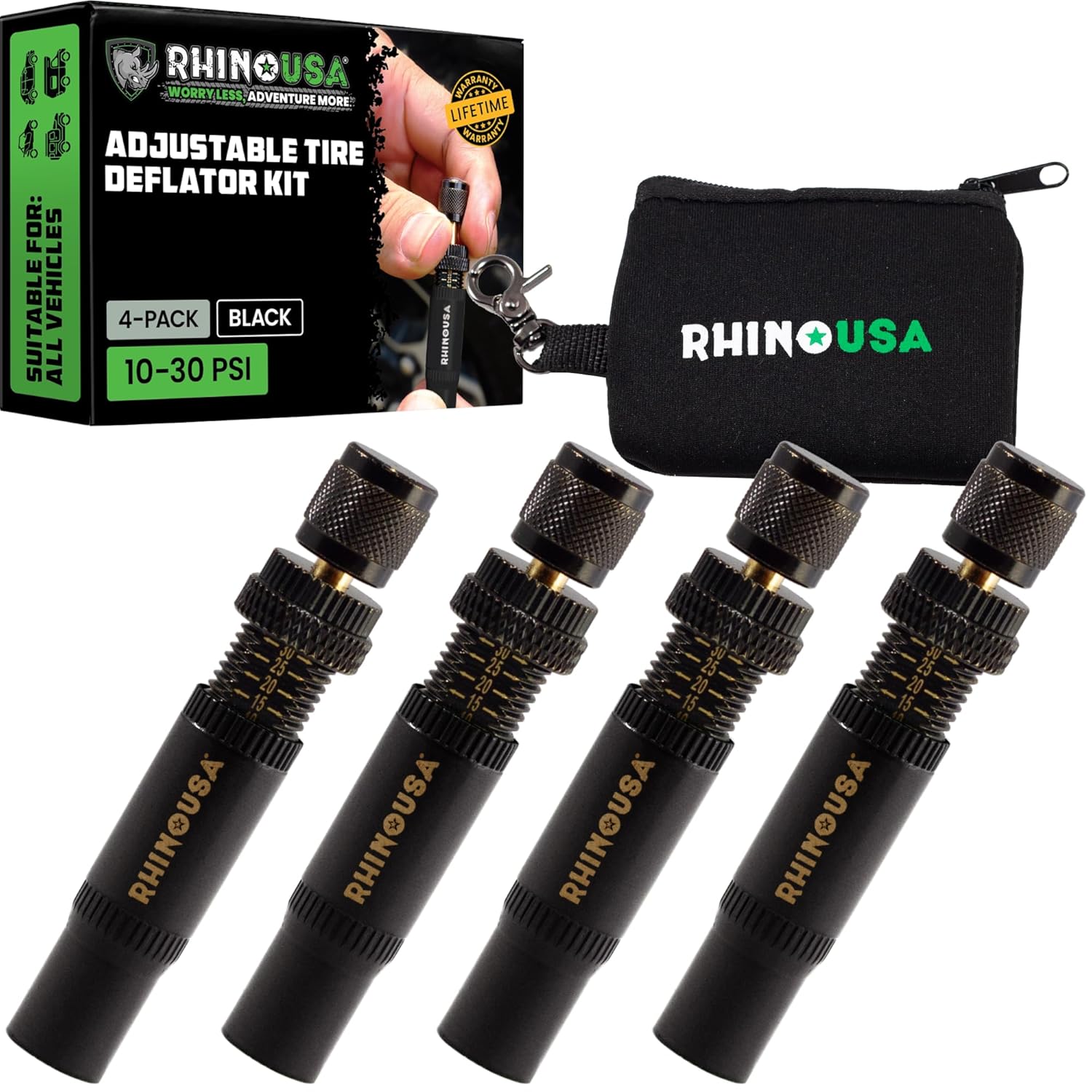
Use the Rhino USA adjustable tire deflators to air down all four tires at once by screwing one deflator onto each valve stem, letting you step away while the tires reach your preset pressure. Each deflator independently adjusts across a 10–30 PSI range with laser-etched indicators for quick setup and verification, making it ideal for beach, sand, and rocky off-road trails.

This Rhino USA tire pressure gauge with inflator combines an analog dial, locking chuck, and bleed valve in one no-battery tool for inflating, checking, and bleeding in a single connection. It fits standard 1/4" NPT air compressor fittings and is built for reliable shop, roadside, and fleet use on cars, trucks, motorcycles, SUVs, RVs, and trailers. A lifetime replacement helps keep your tire maintenance routine covered.
Tools for Airing Down: Deflators, Gauges, Compressors (Rhino USA Checklist)
A simple tire pressure kit makes airing down faster and safer. Pack a tire deflator, an accurate gauge, a compressor, valve caps, valve cores, and a valve core tool.
A preset deflator helps you reach the same pressure on each tire. A good gauge helps you avoid guessing, especially when you make small pressure changes.
You also need a compressor that can reinflate your tires after the trail. Choose one with enough airflow for your tire size, and check its duty cycle before long trips.
Pro tip: Record your street PSI before the trail so you can return each tire to the right pressure later.
[Products Worth Considering]

This tire inflator with pressure gauge delivers long-lasting performance with a durable rubber-protected gauge and sturdy build. The longer hose and 360 swivel air chuck help you seal the valve securely and keep your hands free while measuring, inflating, or deflating. It’s battery-free for reliable use and provides ±2 PSI accuracy in the mid-range for most typical tires, with universal compatibility for 1/4 NPT compressor outputs.
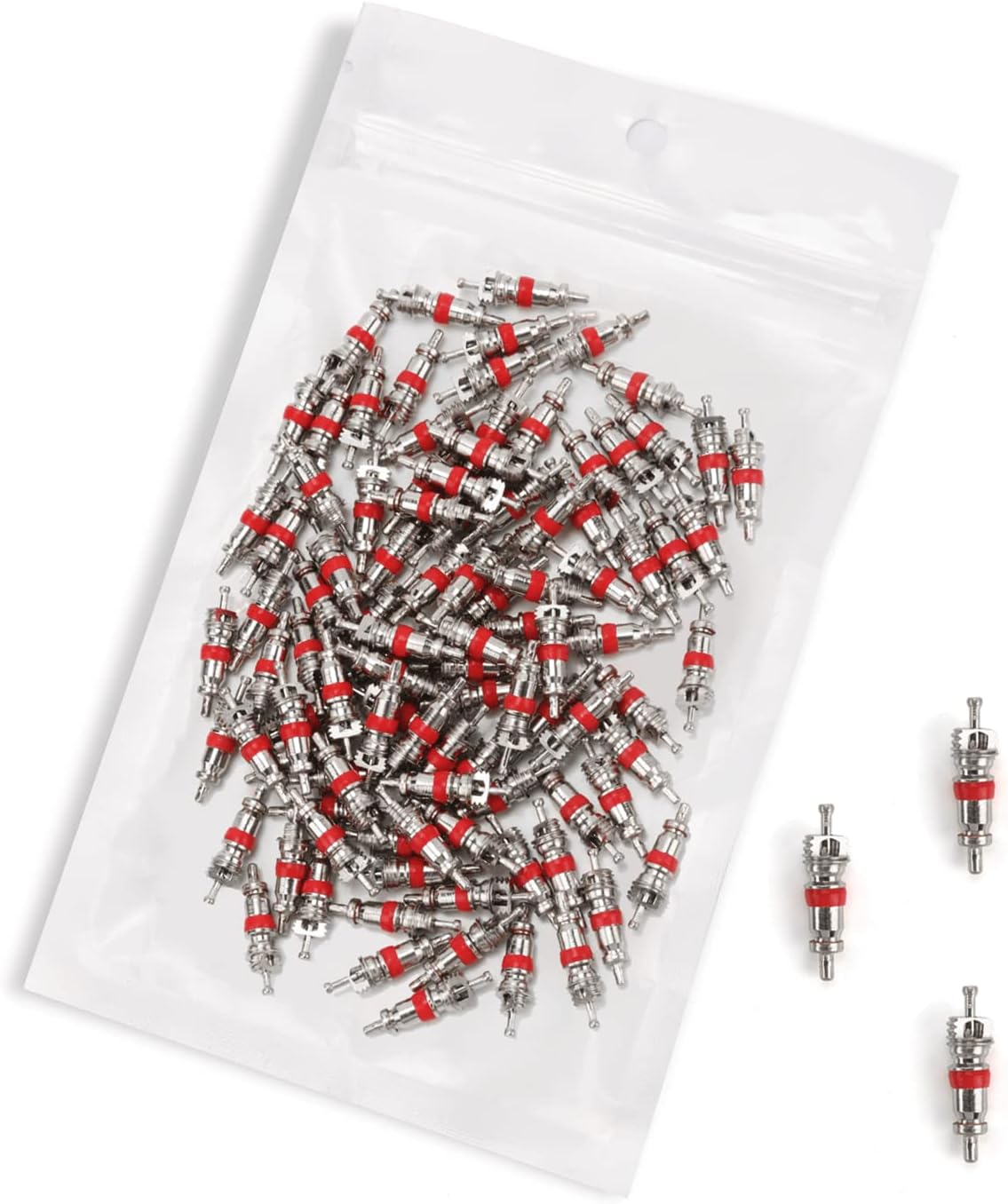
Replace worn Schrader valve cores with durable, nickel-plated replacements designed to resist rust and corrosion for a longer service life. Each core is 100% leakage tested and rated for up to 300 PSI, helping maintain a safe, reliable tire pressure system. Universal fit makes them suitable for cars, RVs, ATVs, motorcycles, bicycles, and many refrigeration/air conditioning applications.

The Trivd Frol 1/2" air impact wrench delivers high performance torque up to 1500 ft-lbs with a twin hammer impact mechanism for strong, balanced blows. It features an ergonomic grip, compact lightweight design, and quick-stop control with 3 forward speeds up to 8000 RPM plus a reverse speed. Built for demanding automotive repair and tire shop work, the rear exhaust helps keep debris away from the surface.
Step-by-Step: Safely Air Down Your Tires
Estimated total time: about 10–20 minutes, depending on your tools and tire size.
Before you begin, park on level ground away from traffic. Check your vehicle’s recommended tire pressure on the driver’s door placard, then record your current PSI.
- Check each tire: Use your gauge to measure the starting pressure on all four tires.
- Set your target: Choose a PSI based on terrain, load, tire type, and wheel type.
- Deflate in small steps: Use your deflator to drop a few PSI at a time.
- Measure again: Recheck pressure after each drop so you do not overdeflate.
- Match all tires: Bring each tire to the correct target pressure for your setup.
- Inspect the tires: Look for sidewall bulge, bead movement, valve leaks, or rim contact.
- Drive slowly at first: Test steering, braking, and ride feel before you continue down the trail.
Check pressure again if the terrain changes. Make small adjustments instead of large drops, especially on heavy vehicles or standard wheels.
Safety Limits & Common Mistakes (De-beading, Speed, Reinflation Timing)
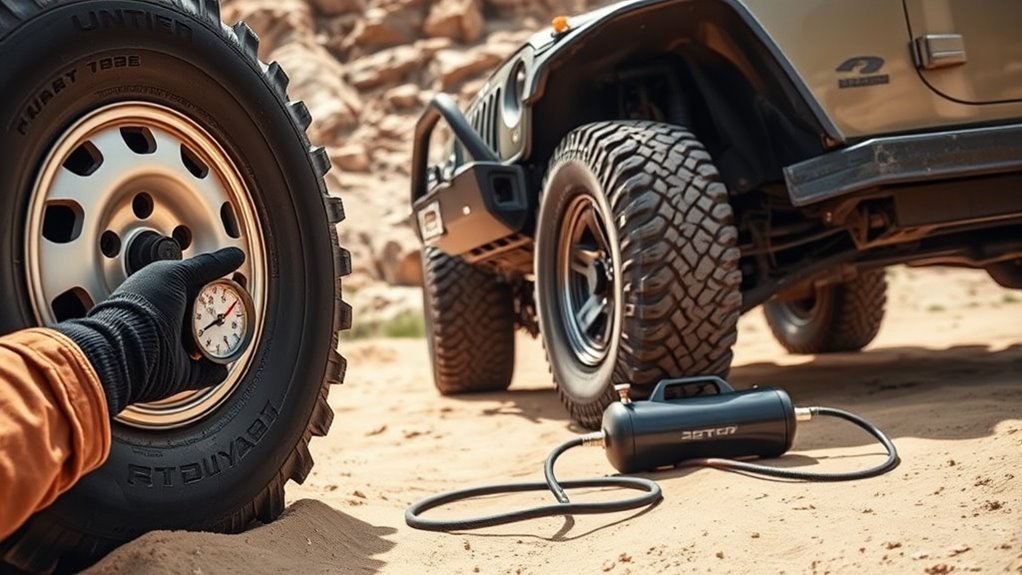
Low tire pressure changes how your vehicle steers, brakes, and handles side loads. Respect those changes, especially on standard wheels.
Without beadlock wheels, avoid dropping below about 10 PSI. Keep speeds under 35 mph when aired down, and go slower on rough trails, sharp turns, and rocky climbs.
Avoid these common mistakes:
- Dropping too much pressure at once instead of adjusting in small steps.
- Driving fast on pavement before reinflating to street pressure.
- Turning sharply at low PSI and forcing the bead sideways.
- Forgetting to inspect tires for cuts, leaks, or bead movement.
- Using a cheap or inaccurate gauge and trusting the wrong number.
Reinflation and Recovery: When to Air Up, Compressor Tips, and Stuck-Vehicle Best Practices
Air up when the trail ends or when you need to drive faster on firm surfaces. Use the manufacturer’s recommended PSI from the door placard for normal pavement driving.
Do not drive long distances on pavement while aired down. Low pressure builds heat, worsens handling, and can cause tire damage.
[Products Worth Considering]

Black Magic Tire Wet delivers a deep wet-look shine that makes tires appear dark, rich, and freshly detailed. Its long-lasting formula helps resist rain, dust, and road grime for weeks of glossy protection, not days. Apply by spraying onto clean, dry tires—no buffing or wiping required—with a low-sling design to reduce splatter on paint and wheels.

Adam’s Pro Tire Hex Grip applicators are molded foam sponges designed for precise, even tire dressing application. The ergonomic grip helps you spread product without overapplying, reducing sling that can splash onto paint and helping keep your hands clean during wheel and trim detailing. They’re durable, washable, and reusable for repeated detailing sessions.

The JACO FlowPro Tire Inflator measures, inflates, and airs down tires up to 100 PSI with battery-free operation and ±2% accuracy after calibration. It features a glowing pressure dial for night visibility, a heavy-duty steel build with a hybrid hose, and a precision push-to-inflate thumb trigger. The patented Lightning Air Chuck locks on for a secure seal, and the kit includes quick-connect hardware for easy inline use with your air compressor.
When To Reinflate
Reinflate before sustained pavement driving, highway speed, or heavy braking. Your tires need proper pressure to carry the vehicle safely at road speed.
- Park on firm, level ground before using the compressor.
- Inflate each tire to the vehicle’s recommended street PSI.
- Check pressure with a separate gauge instead of relying only on the compressor gauge.
- Drive a short distance, then recheck pressure once the tires settle.
Compressor Selection Tips
Choose a compressor that fits your tire size and how often you off-road. Small 12-volt units can work for occasional use, but larger tires need more airflow.
Check cubic feet per minute (CFM), duty cycle, hose length, and battery connection style before buying. A dual-hose or four-hose setup can save time if you air down often.
What PSI Should You Use for Daily Driving After Off-Roading?
Use the tire pressure listed on your vehicle’s driver’s door placard for normal daily driving. That number reflects your vehicle’s weight, handling needs, and original tire size.
If you run a much larger tire than stock, the door placard may not give the perfect number. In that case, ask a qualified tire shop to help you set a safe street pressure for your tire and load.
Frequently Asked Questions
Is 40 PSI Too High for 4WD?
Forty PSI may work for some vehicles on pavement, but it’s usually too high for 4WD off-roading. High pressure gives the tire a smaller contact patch and a harsher ride on loose or uneven terrain.
Can you air down without beadlocks?
Yes, you can air down without beadlocks, but you need to stay conservative. Avoid going below about 10 PSI on standard wheels unless your tire, wheel, and vehicle setup support it.
How fast can you drive when aired down?
Keep speeds low when aired down, and stay under about 35 mph as a general safety limit. Slow down more on rocks, turns, washboards, and uneven trails.
Do you air down all four tires?
Most drivers air down all four tires for balanced traction and predictable handling. You may adjust front and rear pressures differently if your vehicle carries much more weight on one axle.
What happens if you forget to air up?
Driving on pavement with low tire pressure can cause heat buildup, poor handling, uneven wear, and tire failure. Reinflate before highway speed or long paved sections.
Conclusion
Smart airing down gives you better traction, more flotation, and a smoother ride without pushing your tires past safe limits. Start with a modest pressure drop, then adjust based on terrain, load, and tire behavior.
Carry a gauge, deflator, and compressor every time you leave pavement. Air down with care, drive with control, and air back up before the road home.