
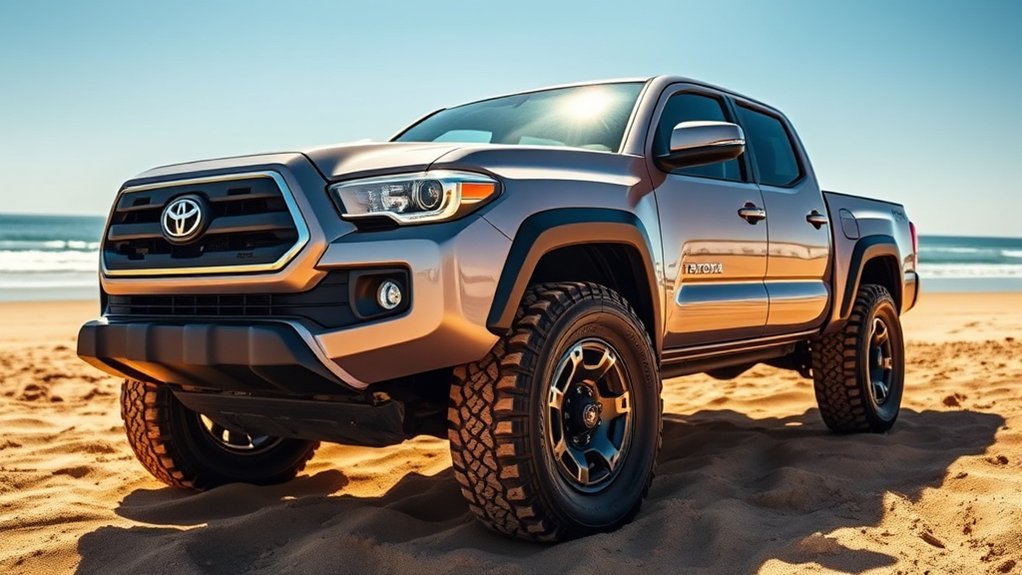
Driving a Toyota Tacoma on sand is less about choosing the most aggressive tire and more about choosing the right tire type, lowering pressure safely, using the correct 4WD mode, and carrying recovery gear. For most Tacoma owners, a quality all-terrain or hybrid-terrain tire is the best beach-driving choice because it balances flotation, sidewall strength, road manners, and off-road grip.
Quick Answer
The best tires for sand driving in a Toyota Tacoma are all-terrain or hybrid-terrain light-truck tires with a strong sidewall, wide footprint, and moderate tread voids. Start around 18–20 PSI on beach sand, lower toward 15 PSI if the sand gets softer, and reinflate to the door-placard pressure before pavement.
Key Takeaways
- For most Tacoma beach trips, all-terrain or hybrid-terrain tires are more practical than mud-terrain or paddle-style sand tires.
- Airing down helps the tire float on top of sand, but go low gradually and avoid sharp, fast turns at very low pressure.
- Use 4Hi for normal beach travel and 4Lo only for slow, deep sand, steep approaches, or controlled recovery.
- Carry a tire gauge, compressor, shovel, traction boards, gloves, and rated recovery gear before leaving pavement.
- Always check beach permits, tide timing, posted routes, wildlife closures, and local speed limits before driving on sand.
At a Glance
| Time Required | 10–20 minutes to air down, inspect gear, and switch into the right drive mode before entering sand |
| Difficulty | Easy to moderate; soft sand and recovery situations require more care |
| Tools Needed | Tire gauge, deflator, portable compressor, shovel, traction boards, gloves, rated recovery strap, shackles, and a full-size spare |
| Cost | $50–$150 for basic air tools; $200–$500+ for quality recovery gear; tire cost varies by size and load range |
How to Choose the Best Tires for Sand Driving
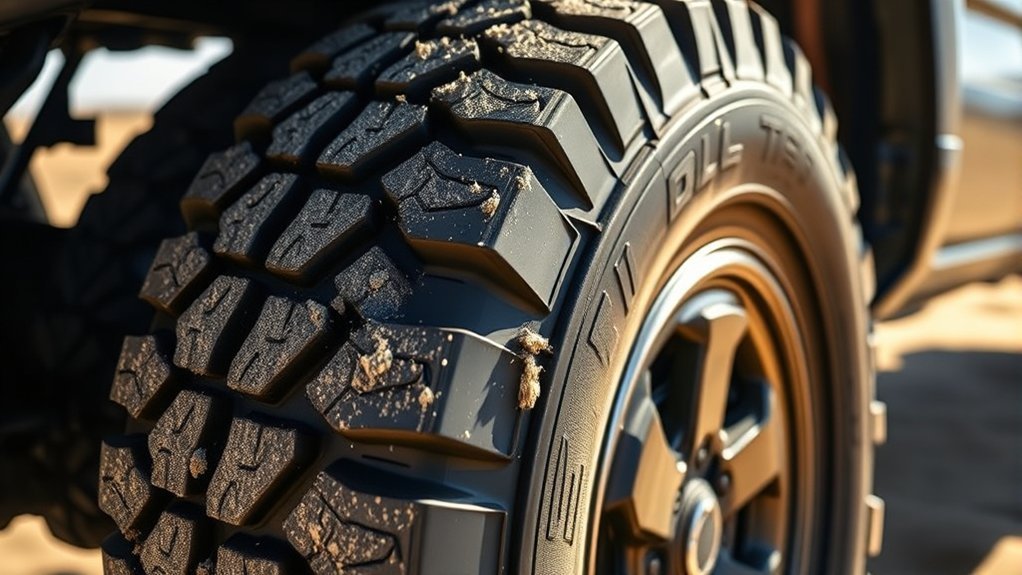
The best sand-driving tire for a Tacoma is not always the most aggressive tire. Sand rewards flotation more than digging. A tire that is too narrow, too stiff, or too aggressively lugged can dig holes instead of floating across the surface.
For a daily-driven Tacoma, start with a strong all-terrain tire or hybrid-terrain tire. Examples include the Nitto Ridge Grappler, BFGoodrich All-Terrain T/A KO2, and Yokohama GEOLANDAR A/T G015. These tires are built for mixed pavement and off-road use, which makes them more realistic for beach trips than specialty sand-only tires.
Before changing tire size, check your Tacoma’s door placard, owner’s manual, wheel width, load index, spare tire size, and fender clearance. A common mistake is choosing a bigger tire for looks, then discovering it rubs at full steering lock or does not match the spare.
Note: Tire size and pressure recommendations vary by Tacoma year, trim, wheel package, tire construction, and load. Use the tire placard and the Toyota Tacoma owner’s manual as your baseline before changing tire size or pressure.
[Products Worth Considering]

This ALL-TOP auto-stop tire deflator valve kit lets you air down off-road tires quickly without watching pressure, automatically stopping when your preset PSI is reached. Each valve is individually calibrated for reliable performance with an acceptable +/- 2 PSI tolerance. The adjustable deflator range covers 10 to 30 PSI and includes four valves plus valve caps and a zipper pouch for easy setup on trucks, SUVs, RVs, UTVs, and powersports.
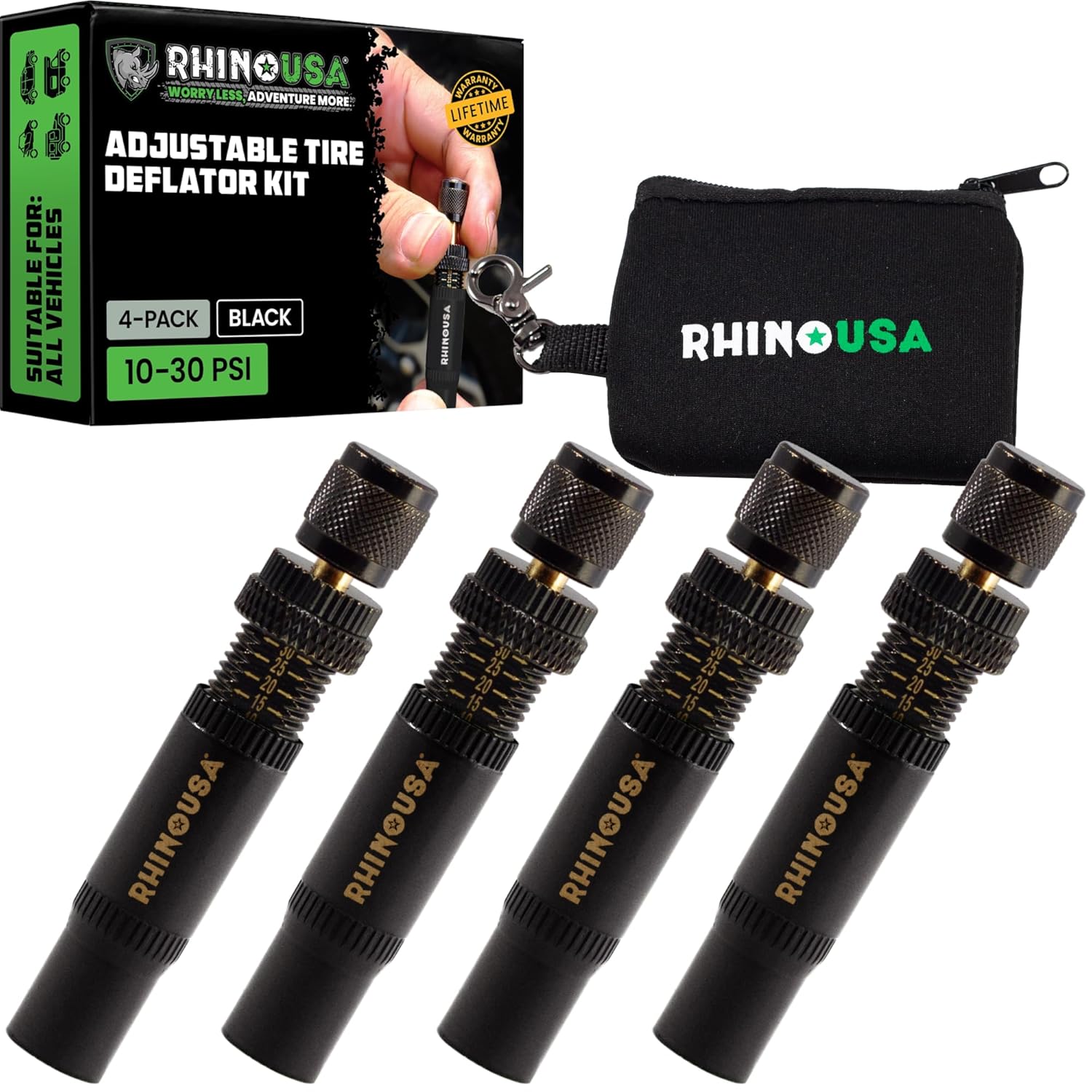
Use the Rhino USA adjustable tire deflators to air down all four tires at once by screwing one deflator onto each valve stem, letting you step away while the tires reach your preset pressure. Each deflator independently adjusts across a 10–30 PSI range with laser-etched indicators for quick setup and verification, making it ideal for beach, sand, and rocky off-road trails.

These aluminum alloy tire valve stem caps with an O-ring seal help protect valve stems from corrosion while adding a clean, stylish look to your vehicle. The universal fit works across cars, trucks, motorcycles, bicycles, and more, making them an easy upgrade for everyday driving and off-road use. Installation is quick, and the included four-pack keeps all your tires dressed and protected.
Why All-Terrain Tires Are Best for Your Tacoma
All-terrain tires are usually the best beach-driving choice because they give a Tacoma enough tread strength for off-road use without the harsh road noise and digging behavior of many mud-terrain tires. They also come in load ranges and sizes that fit common Tacoma builds.
Enhanced Traction Off-Road
All-terrain tires use tread blocks, grooves, and biting edges to maintain grip on loose surfaces. On sand, however, the pressure setting matters as much as the tread. Lowering pressure spreads the tire footprint, helping the truck stay on top of the sand instead of cutting into it.
Versatile Terrain Handling
A Tacoma beach trip often includes pavement, gravel, packed sand, soft sand, and a boat ramp or campsite. A quality all-terrain tire handles that mix better than a sand-only tire. Hybrid-terrain tires, such as the Nitto Ridge Grappler, can be a good fit for drivers who want more sidewall bite and a tougher look while keeping reasonable highway comfort.
Load Rating and Sidewall Strength
Do not assume every all-terrain tire automatically carries more weight. Load capacity depends on the exact tire size, load index, and load range. If your Tacoma carries camping gear, recovery tools, coolers, passengers, or a rooftop tent, choose a tire with an appropriate load rating and avoid exceeding the vehicle’s payload limit.
Pro Tip: If you upsize tires, make sure your spare is close enough in diameter to use safely off-road. A mismatched spare can create drivetrain stress, especially in 4WD.
Best Tire Type by Sand Condition
| Sand Condition | Best Tire Choice | Why It Works |
| Packed beach sand | All-terrain or highway all-terrain | Good stability and comfort with enough grip for firm sand |
| Soft dry beach sand | All-terrain or hybrid-terrain, aired down | A wider footprint helps flotation and keeps the truck from digging |
| Deep soft sand | Strong A/T or hybrid tire with careful PSI control | Pressure, momentum, and 4WD technique matter more than aggressive tread |
| Closed-course dunes or off-road sand parks | Specialized sand tires only if legal and trailered | Paddle-style tires can work in sand but are not practical for normal road-driven beach trips |
[Products Worth Considering]

The Airmoto portable tire inflator quickly and accurately fills car, truck, SUV, motorcycle, and bicycle tires up to 120 PSI with auto shut-off when your target pressure is reached. Its large LCD, multi-unit pressure display, and digital gauge make it easy to dial in settings and verify readings, while the built-in LED flashlight helps in low light. The included polyurethane hard carrying case and storage mesh pocket keep the inflator and accessories protected and organized.

The SPTA wheel and tire brush kit makes it easy to remove dirt from wheels, rims, and hard-to-reach areas without needing a high pressure washer. Ergonomic handles and soft, chemical-resistant bristles help you clean faster while reducing the risk of scratching. The set is versatile for cars, trucks, motorcycles, bicycles, RVs, boats, and more.

Replace worn tires quickly with this universal 4.80/4.00-8 tire and inner tube set designed for wheelbarrows and outdoor utility carts. The ribbed tread helps reduce turf damage while the natural rubber construction supports longer service life. Compatible with 15.5-inch outer diameter, 4-inch width, and 8-inch rim diameter wheels, it uses a straight TR-13 valve stem for easy installation. For best results, inflate with a manual pump and do not exceed 25 PSI.
When to Choose Specialized Sand Tires?
Specialized sand tires are only worth considering if your Tacoma is used mainly in legal off-road sand areas, not as a normal road-driven beach vehicle. Paddle-style or sand-specific tires can help in dunes, but they are usually poor for pavement, wet roads, rocks, and mixed terrain.
[Products Worth Considering]

This tire inflator with pressure gauge delivers long-lasting performance with a durable rubber-protected gauge and sturdy build. The longer hose and 360 swivel air chuck help you seal the valve securely and keep your hands free while measuring, inflating, or deflating. It’s battery-free for reliable use and provides ±2 PSI accuracy in the mid-range for most typical tires, with universal compatibility for 1/4 NPT compressor outputs.

Milton S-921 pencil tire pressure gauge helps you maintain optimal tire pressure for passenger cars with accurate readings in PSI and kPa. It features a built-in deflator valve for convenient pressure adjustments, plus a single chuck head and nylon indicator bar for easy use on the go. Built from durable plated brass and designed for reliable performance, it’s a practical road trip and cold-weather maintenance tool.
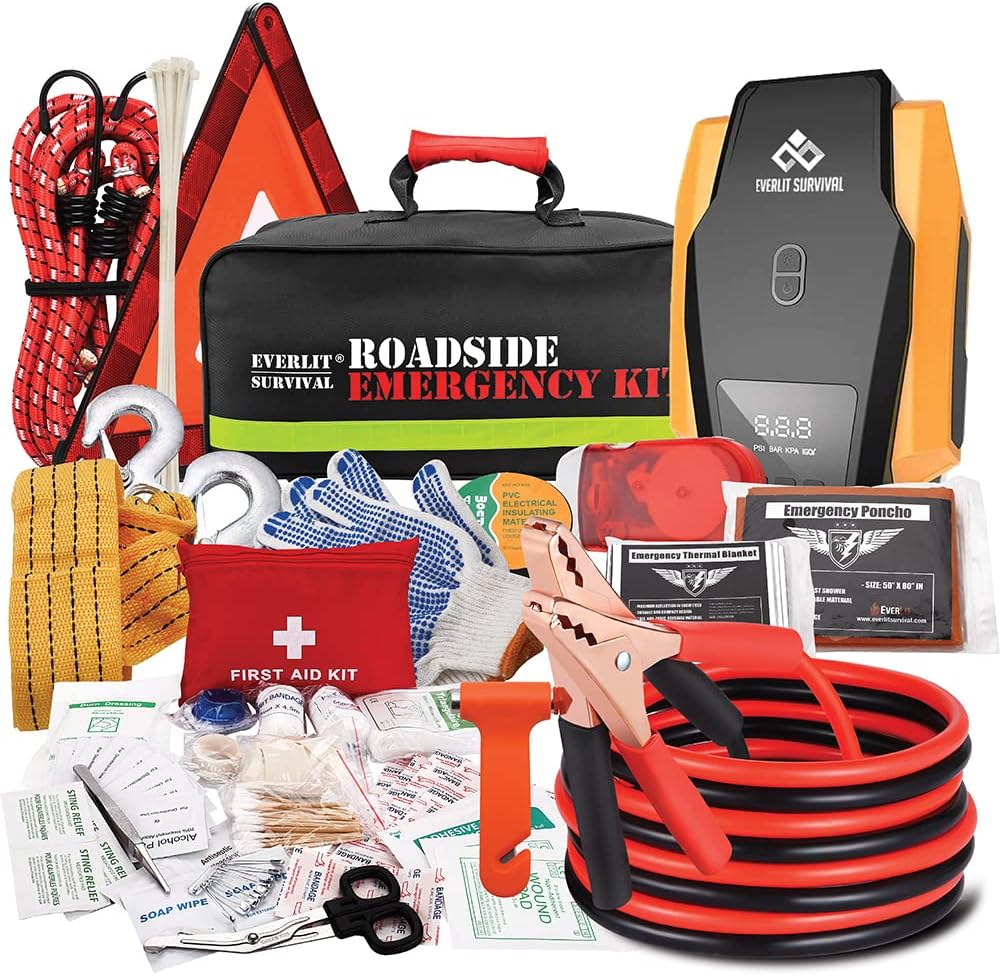
The Everlit Road Guardian emergency kit is designed for roadside breakdowns, combining essential safety gear and roadside tools in one compact bag. It includes a digital 12V auto tire inflator with preset and auto shutoff, plus 12-foot 8-gauge jumper cables to get you moving again. You also get a full 108-piece first aid kit, reflective warning tools, safety gloves, and emergency convenience items for safer travel.
Tire Performance in Sand
Sand tires work by spreading weight and pushing against soft sand. That can help a lightweight off-road vehicle, but a Tacoma still needs careful throttle, low pressure, and enough momentum. For most drivers, a quality all-terrain tire aired down correctly is the better all-around setup.
Types of Sand Tires
There are three practical categories to understand:
- All-terrain tires: Best overall choice for most Tacoma beach driving.
- Hybrid-terrain tires: More aggressive than many A/T tires, with good sidewall bite and acceptable road use.
- Paddle or sand-only tires: Best reserved for legal sand parks, trailers, and dedicated off-road use.
Conditions for Specialized Tires
Choose specialized sand tires only when the route is legal, the vehicle is set up for sand use, and you do not need normal highway performance. On public beaches, marked routes, speed limits, and access rules matter more than tire aggression.
Warning: Do not drive on dunes, vegetation, wildlife areas, or closed beach routes unless signs clearly allow it. Many beaches require permits and restrict vehicles to marked corridors.
Ideal Tire Pressure for Sand Driving
The ideal Tacoma tire pressure for sand depends on tire size, sidewall stiffness, load, wheel width, and sand depth. A safe approach is to start higher, test traction, and lower pressure only as needed.
| Surface | Starting PSI Range | Notes |
| Firm packed sand | 20–25 PSI | Often enough for short, firm beach access routes |
| Typical beach sand | 18–20 PSI | Good starting point for many Tacoma setups |
| Soft dry sand | 15–18 PSI | Use smoother throttle and avoid sharp, fast turns |
| Very soft sand or recovery | 10–15 PSI with caution | Higher bead-unseating risk; drive slowly and reinflate before pavement |
The National Park Service guidance for Cape Hatteras recommends lowering tire pressure before driving designated beach routes and reinflating as soon as possible after returning to paved roads. The NHTSA TireWise guide also points drivers back to the vehicle manufacturer’s cold tire pressure on the tire placard for road use.
Why Airing Down Your Tires Matters
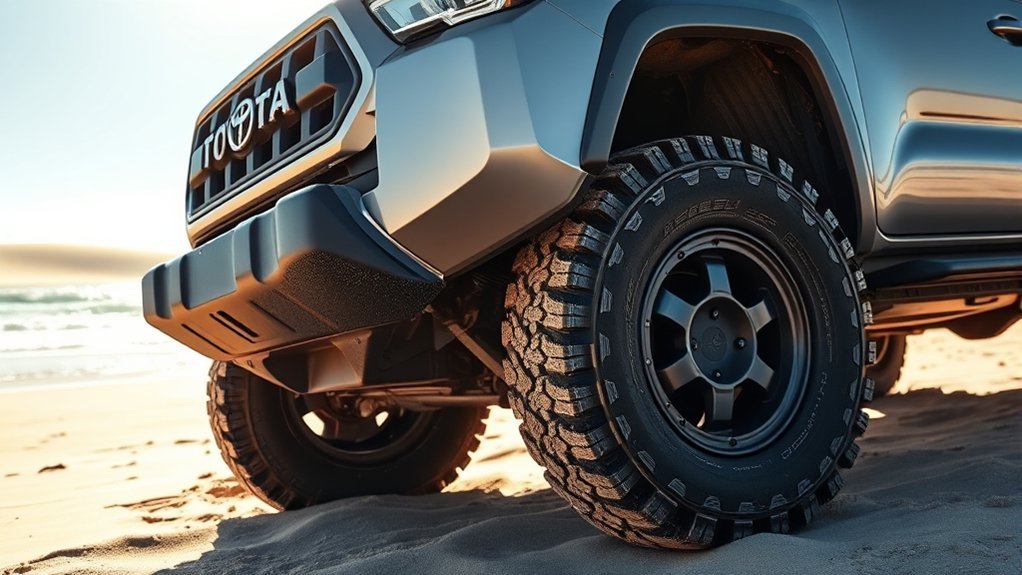
Airing down increases the tire’s footprint. Instead of cutting a narrow trench into the sand, the tire spreads the Tacoma’s weight over a larger area. That improves flotation, ride comfort, and control.
Here is the simple process:
- Stop before entering soft sand. Do not wait until the truck is already stuck.
- Measure all four tires. Use a real gauge, not a guess.
- Lower pressure evenly. Start around 18–20 PSI for typical beach sand.
- Drive a short test section. If the truck bogs down, lower pressure a few PSI at a time.
- Avoid sharp steering at low PSI. Fast turns can stress the bead and sidewall.
- Air back up before pavement. Return to the cold pressure listed on your Tacoma’s tire placard.
Warning: Aired-down tires are for low-speed off-road sand use. Do not drive highway speeds on underinflated tires. Heat buildup, poor handling, and tire damage can occur.
4Hi vs. 4Lo: Which Is Better for Sand Driving?
Use 4Hi for most beach driving. It lets the Tacoma maintain steady momentum on packed sand and moderately soft sand without the low gearing of 4Lo. Keep your inputs smooth and avoid sudden braking, hard throttle, or sharp steering.
Use 4Lo only when you need slow-speed torque and control. That includes deep soft sand, steep sandy approaches, careful crawling, and recovery situations. The National Park Service guidance for Great Sand Dunes specifically advises 4L in deep soft sand sections to help keep wheels moving forward.
Do not cruise fast in 4Lo. If the truck is moving easily, shift back to the correct higher-range mode according to your owner’s manual. Newer Tacoma trims and hybrid models may have different 4WD systems and off-road drive modes, so always follow the instructions for your exact truck.
Pro Tip: Momentum matters, but wheelspin is not momentum. If the Tacoma starts digging, ease off the throttle, stop early, air down a little more if safe, and reset your line.
Essential Recovery Gear for Sand Driving
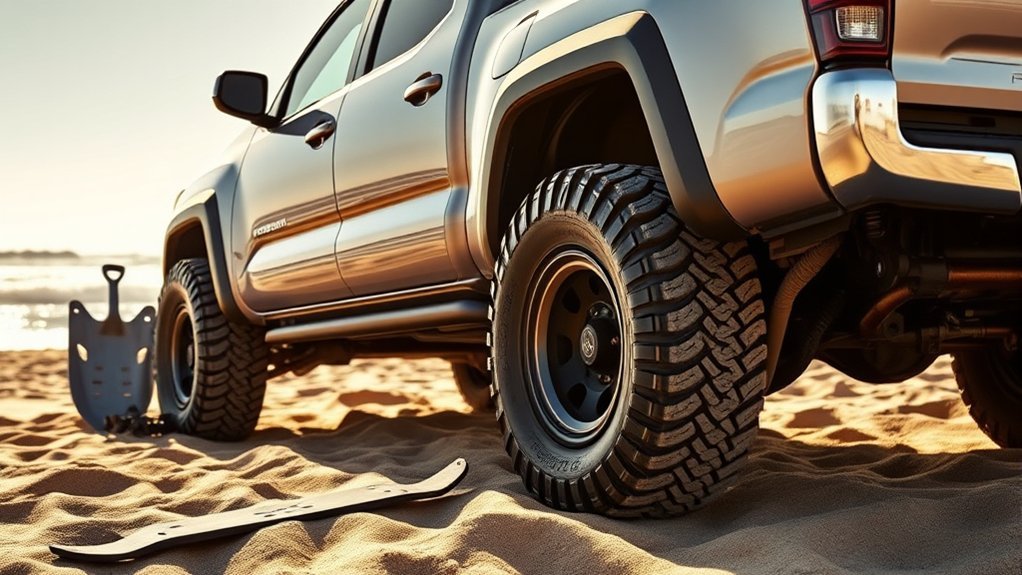
Sand recovery is easier when you stop digging early. If the tires spin and the truck sinks, continuing to throttle usually makes the recovery harder. Carry the right equipment and keep it easy to reach.
- Tire gauge and deflator: For accurate pressure changes.
- Portable compressor: Required for airing back up before pavement.
- Traction boards: Helpful under the tires after clearing sand.
- Shovel: Use it to clear sand from in front of the tires and under the frame.
- Gloves: Protect your hands while digging or handling hot gear.
- Rated recovery strap and shackles: Use only with rated recovery points.
- Full-size spare: Sand and sidewall damage can end a beach trip quickly.
- Water, phone, and tide awareness: Recovery can take longer than expected.
If you get stuck, follow this sequence: stop spinning, clear sand from the tires and chassis, lower pressure slightly if safe, place traction boards in the direction of travel, select the right 4WD mode, and use gentle throttle. Keep people clear of straps and recovery points.
How to Maintain Momentum on Soft Sand
Soft sand rewards steady driving. Pick a clean line, build gentle momentum before the soft patch, and keep the steering wheel as straight as possible. Sudden throttle digs holes, while sudden braking piles sand in front of the tires.
Use these Tacoma sand-driving habits:
- Look ahead. Avoid stopping in deep, dry, churned-up sand.
- Stay smooth. Use gradual throttle and gradual steering.
- Use existing legal ruts. They can reduce resistance, but do not follow ruts into closed or unsafe areas.
- Turn wide. Tight turns increase drag and can unseat a low-pressure tire.
- Watch temperature and warning lights. Deep sand can increase drivetrain load.
On sand, the goal is to float and roll, not spin and dig.
What to Keep in Mind for Safe Beach Driving?
Safe beach driving starts before the tires touch sand. Check local access rules, permit requirements, route maps, tide timing, weather, and closures. The National Park Service beach-driving tips for Cape Lookout remind drivers to stay on approved routes, avoid dunes and closed areas, and watch for pedestrians and wildlife.
- Check permits: Many beaches require an ORV permit or access pass.
- Check tides: Avoid driving where a rising tide can trap the truck.
- Respect signs: Wildlife and nesting closures can change by season.
- Control speed: Beaches often have lower speed limits near people and camps.
- Avoid saltwater: Saltwater can damage brakes, bearings, wiring, and frame components.
- Do not go alone if conditions are poor: A second vehicle makes recovery safer.
Common Sand Driving Mistakes to Avoid
- Entering soft sand at street pressure: This is one of the fastest ways to get stuck.
- Using mud tires because they look aggressive: Some mud tires dig more than they float.
- Driving too fast in 4Lo: 4Lo is for slow control, not beach cruising.
- Forgetting to air up: Underinflated tires are unsafe for sustained pavement driving.
- Ignoring payload: Heavy camping loads need more tire and pressure awareness.
- Spinning after getting stuck: Stop early, dig, air down, and use traction boards.
- Driving off-route: Dunes, vegetation, and closed wildlife areas are often protected.
Frequently Asked Questions
What are the best tires for driving a Tacoma on sand?
For most Tacoma owners, the best sand-driving tires are all-terrain or hybrid-terrain light-truck tires. They offer a good mix of flotation, sidewall strength, off-road traction, and highway comfort. Choose the correct size, load index, and load range for your Tacoma instead of picking a tire based only on tread appearance.
What PSI should I use for beach sand?
Start around 18–20 PSI for typical beach sand, then lower toward 15 PSI if the sand is soft and the truck is struggling. Very soft sand or recovery may require 10–15 PSI, but that increases bead and sidewall risk. Always reinflate to your Tacoma’s recommended road pressure before highway driving.
Should I use 4Hi or 4Lo in sand?
Use 4Hi for most beach driving because it supports steady momentum. Use 4Lo only for slow-speed deep sand, steep sandy sections, or recovery. If your Tacoma is moving easily, 4Lo is usually not needed.
Are mud-terrain tires good for sand?
Mud-terrain tires can work in some sand, but they often dig more aggressively than all-terrain tires, especially if pressure is too high. For a street-driven Tacoma, an all-terrain or hybrid-terrain tire is usually the better beach choice.
Do I need special sand tires for my Tacoma?
Usually, no. Special sand or paddle tires are mainly for legal off-road sand parks or dedicated dune vehicles. For beach access, camping, fishing, and overlanding, a properly aired-down all-terrain tire is more practical.
What should I do if my Tacoma gets stuck in sand?
Stop spinning the tires. Dig sand away from the tires and undercarriage, lower pressure slightly if safe, place traction boards in the direction of travel, select the right 4WD mode, and use gentle throttle. Avoid unsafe pulling angles and use only rated recovery points.
Conclusion
The best Tacoma setup for sand driving is a balanced one: strong all-terrain or hybrid-terrain tires, the right tire pressure, smooth throttle, legal routes, and recovery gear you know how to use. Start around 18–20 PSI, lower only as conditions require, use 4Hi for normal beach travel, and save 4Lo for slow deep sand or recovery. Most importantly, air back up before pavement and respect local beach rules so the trip stays safe, legal, and fun.
Sources
- National Park Service — Cape Hatteras Beach Access Conditions — tire pressure and reinflation guidance for designated beach routes
- National Park Service — Medano Pass Primitive Road — deep soft sand, 15–20 lb tire pressure guidance, and 4L use
- Toyota Owners — Tacoma Manuals and Warranties — model-specific Tacoma owner’s manual reference
- NHTSA TireWise — cold tire pressure, tire placard, and tire safety guidance
- BFGoodrich All-Terrain T/A KO2 — manufacturer tire features and off-road positioning
- Nitto Ridge Grappler — manufacturer hybrid-terrain tire features

