

Why Your RAV4 Is Noisy: Tire Noise Causes and Fixes
What’s in This Article
- Why Your RAV4 Is Noisy: Short Answer and Top Fixes
- Quick Checks on a RAV4 to Rule Out Bearings, Brakes, Suspension
- Test In-Car: Tell Whine, Roar, or Vibration Apart
- How Tread and Construction Affect Cabin Noise
- Why Outside Noise Ratings Don’t Match What You Hear Inside
- Quiet Tyres RAV4 Owners Recommend
- How Tyre Pressure and Wheel Alignment Change Noise and Ride
- When Should You File a Warranty Claim or Swap Tyres Yourself?
- Practical Upgrades: Sound Deadening, Tyre Types, and Cost Rundown
- How to Document Noise and Troubleshoot Step by Step
- Frequently Asked Questions
Your RAV4’s tire noise can turn a normal drive into a loud, tiring trip. Most road roar comes from tyres, tyre pressure, wear, balance, and alignment, not from one single flaw in the vehicle. This guide shows you how to separate tyre noise from brake, bearing, and suspension problems so you can choose the right fix.
Quick Answer
Your RAV4 is usually noisy because the tyres create road roar, whine, or vibration. Start with cold tyre pressure, tread wear, sidewall damage, balance, and alignment. If those checks look normal, inspect wheel bearings, brakes, and suspension parts before you replace tyres.
Key Takeaways
- Check cold tyre pressure first because low or high pressure can raise noise and harshness.
- Inspect tread wear, sidewalls, balance, and alignment before you blame the vehicle.
- Listen for changes while turning because bearing noise often changes with side load.
- Choose quieter touring tyres when wear, tread design, or compound causes the noise.
- Document noise, photos, and service checks before you file a warranty claim.
Why Your RAV4 Is Noisy: Short Answer and Top Fixes

If your RAV4 sounds louder than expected, start with tire-related causes. Tread design, rubber compound, improper inflation, sidewall damage, wheel balance, and alignment can all raise cabin noise.
You should first check tyre design and condition. Touring-style tread patterns and softer compounds often feel quieter than aggressive, blocky tread designs. Some owners report quieter rides after switching to tyres such as Michelin Primacy, Michelin CrossClimate, Continental touring tyres, Yokohama touring tyres, or Vredestein all-season tyres.
Check and set cold tyre pressure to the number on your RAV4’s door placard. Inspect sidewalls for bubbles, bulges, cuts, or impact damage. Then schedule routine balancing and alignment because unbalanced wheels and misalignment create vibration, uneven wear, and more noise.
Quick Checks on a RAV4 to Rule Out Bearings, Brakes, Suspension
Start with a focused check of brakes, suspension, bearings, and tyres. This helps you avoid replacing good tyres when another part causes the noise.
Begin with a brake inspection. Look for thin pads, scored rotors, uneven rotor wear, and loose hardware. Then inspect struts, shocks, mounts, control arms, and bushings for leaks, play, cracks, or damage.
Check the tyres for uneven wear, cupping, bubbles, and cuts. Confirm pressure against the door placard while the tyres are cold. During a short test drive, note whether the sound changes when you turn, brake, or drive over bumps.
| Item | What to look for |
|---|---|
| Brakes | Pad wear, rotor scoring, loose hardware |
| Suspension | Leaks, play, broken bushings |
| Tires | Wear patterns, bubbles, cupping |
| Bearings | Growl that changes while turning |
Warning: Do not keep driving on a tyre with a sidewall bulge, deep cut, or exposed cords.
Test In-Car: Tell Whine, Roar, or Vibration Apart
After you rule out obvious brake, bearing, and suspension issues, run a controlled test from the cabin. You want to separate whine, roar, and vibration by how each sound reacts to speed, load, and steering.
A whine often sounds tonal and may change with tyre tread pattern or driveline load. A roar usually rises with speed and often points to tyre wear, coarse road texture, or a wheel bearing. A vibration that comes through the steering wheel or floor often points to balance, alignment, or tyre damage.
- Accelerate at steady engine speed: note any tonal whine that changes with load, then inspect tread and pressure.
- Cruise at several speeds: map when roar gets louder, then check for uneven wear and bearing noise.
- Turn slowly and brake gently: feel for vibration, then verify balance, alignment, brakes, and sidewall condition.
Use your results to target the likely repair. This saves time and helps you avoid guessing.
How Tread and Construction Affect Cabin Noise
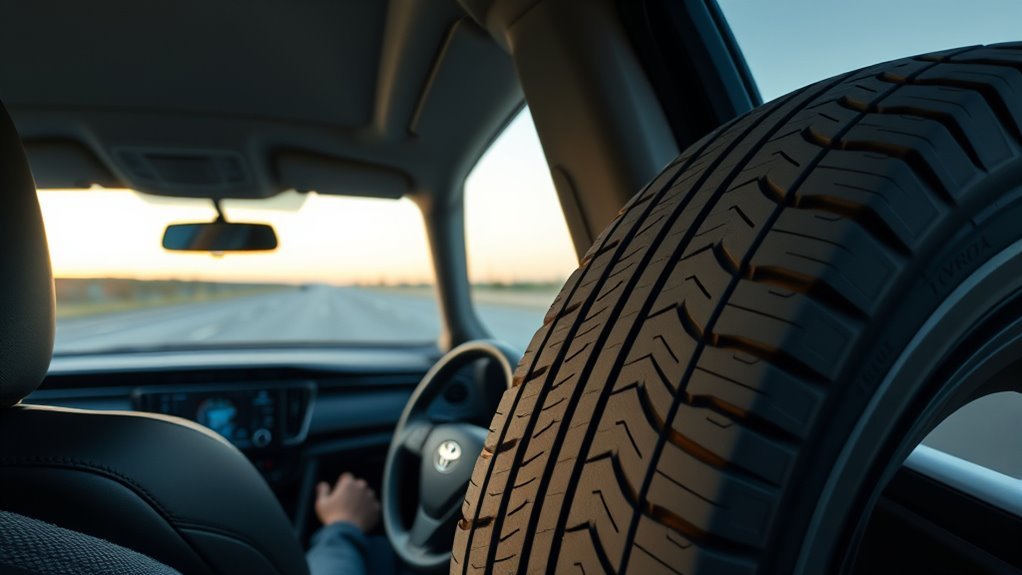
When you compare tyres for a quieter RAV4, tread design and construction matter more than brand name alone. You should look at tread pattern, block size, groove spacing, rubber compound, sidewall stiffness, and internal damping.
Aggressive tread blocks and wide voids can create more tonal road noise. Touring tyres often use smaller blocks, varied pitch patterns, and more comfort-focused construction to reduce cabin harshness. Softer compounds can absorb more vibration, but they may trade some tread life or steering feel.
Maintain the right pressure because both low and high pressure can change the contact patch. Poor pressure can increase noise, wear, and ride harshness.
| Feature | Effect on Noise | Action |
|---|---|---|
| Touring tread | Often lowers road roar | Prefer for highway comfort |
| Softer compound | Can absorb vibration | Compare comfort and tread life |
| Wide tread gaps | Can raise tonal peaks | Avoid very aggressive patterns |
Why Outside Noise Ratings Don’t Match What You Hear Inside
Outside noise ratings can help you compare tyres, but they don’t predict cabin sound on their own. Those ratings don’t capture your RAV4’s body structure, interior trim, sound insulation, suspension tuning, or road surface.
You should treat outside decibel labels as one clue, not a final answer. Cabin noise perception depends on how tread pattern energy moves through body panels and how your interior absorbs or masks sound.
Focus on the factors you can control:
- Check tread and construction: choose a tyre pattern built for comfort and low road noise.
- Review vehicle condition: inspect suspension, wheel bearings, brakes, and interior rattles.
- Control operating factors: keep tyre pressure correct and note which road surfaces trigger noise.
Note: A tyre that tests quiet outside the vehicle may still sound loud inside your RAV4.
Quiet Tyres RAV4 Owners Recommend (Michelin, Yokohama, Vredestein)
If you want a quieter, more comfortable drive, RAV4 owners often discuss Michelin, Yokohama, Continental, Bridgestone, and Vredestein tyres. Treat those comments as owner feedback, not proof that one tyre will sound quiet on every RAV4.
Michelin Primacy and CrossClimate tyres often earn praise for comfort and stable road manners. Yokohama touring tyres may suit you if you want a softer ride. Vredestein Quatrac tyres may appeal if you want an all-season tyre with a comfort-focused tread pattern.
Before you buy, check your RAV4’s tyre size, load rating, speed rating, climate needs, and expected road surfaces. Also compare independent tyre tests where possible, because owner reports can vary by road texture, trim level, wheel size, and tyre age.
[Products Worth Considering]

Monitor tire tread wear with a smart, color-coded depth gauge that shows clear condition ranges at a glance. The bar is range marked for fast, easy readings, helping you maintain safer traction and performance. Each gauge is portable with a pocket clip, and the set includes 20 units for daily use and sharing.

Measure tyre tread depth precisely with a digital gauge that reads in both MM and inches, helping you monitor safe driving conditions. The large LCD screen is easy to operate, and the compact tool fits for cars, trucks, and motorcycles. It provides high accuracy with a 0-25.4mm range and includes a 1-year warranty for added peace of mind.

The SAFELIFE dial tire tread depth gauge measures tread depth in 1/32 inch increments with clear, easy-to-read 2-inch dial face. Color zones using a traffic light system help you quickly judge whether tread is low, marginal, or ample for safer driving. Built with a durable zinc cast body and a metal detect probe for precise, comfortable use across cars, motorcycles, trucks, and buses.
How Tyre Pressure and Wheel Alignment Change Noise and Ride

Quieter tyres help, but tyre pressure and wheel alignment decide how much of that comfort reaches the cabin. Use the pressure listed on your driver-side door placard, not a general range or the number printed on the tyre sidewall.
Low pressure can increase heat, edge wear, rolling resistance, and noise. High pressure can make the ride feel sharper and may increase impact noise. Check pressure when the tyres are cold and recheck it at least monthly.
Misaligned wheels change how the tread contacts the road. This creates uneven wear, more road noise, and weaker handling.
- Measure tyre pressure cold, set it to the door placard, and recheck it monthly.
- Inspect wheel alignment after hard impacts, suspension repairs, or uneven tyre wear.
- Combine correct pressure and alignment to improve handling, tyre life, and cabin comfort.
[Products Worth Considering]

Accurately measure tire tread depth with a calibrated gauge marked from 0 to 1 inch in 1/32 inch increments. The color-coded bar helps you quickly identify tread condition ranges, supporting safe driving for trucks, motorcycles, automobiles, and passenger vehicles.

Measure tire tread depth quickly and accurately with this LUMITECO dial gauge that reads in 1/32" increments up to 14/32". The color-coded green/yellow/red zones make it easy to judge tire wear and know when replacement is needed. A rugged, compact design with a protective pouch helps keep the gauge ready for use on cars, trucks, motorcycles, and more.

This universal wheel alignment tool helps you accurately restore tire tilt angles after tire or suspension repairs using an adjustable camber gauge. It features a powerful magnetic base that firmly attaches to brake rotors for stationary, slip-free readings, improving consistency during measurement. Built from durable PC plastic, it resists wear and corrosion and is compact enough for car, truck, RV, and motorcycle alignment tasks.
When Should You File a Warranty Claim or Swap Tyres Yourself?
If you hear persistent noise after balance, alignment, and mechanical checks, review your tyre warranty. You should also consider a claim if you find sidewall bubbles, early abnormal wear, or repeated failed balance checks during the warranty period.
If the warranty process costs too much time or the tyre damage affects safety, replacing the tyres yourself may make more sense. Keep all service records, photos, pressure logs, and shop notes so you can make a clear decision.
Signs You Should Claim
File a warranty claim when the evidence points to a tyre defect and your warranty still applies. Ask the installer for a written inspection and a noise evaluation.
- Log continuous whirring soon after installation: document speeds, road surfaces, dates, and service feedback.
- Photograph sidewall bubbles or bumps: show the location and record any change in noise or ride quality.
- Keep failed balance reports: if balancing, bearings, and alignment check out, tyre defects become more likely.
When To Replace Yourself
Replace tyres yourself when damage affects safety or comfort and you don’t want to wait for a claim. Sidewall bubbles, exposed cords, severe uneven wear, or pressure loss need prompt action.
Also consider replacement when the tyres have enough tread but use a loud tread design that doesn’t fit your comfort goals. Choose a tyre that matches your climate, wheel size, load rating, and driving style.
Cost Vs Benefit
Compare the likely warranty credit, claim approval chances, inspection time, and downtime with the cost of new tyres. A prorated warranty may save money, but it may not solve the noise fast enough for you.
- Estimate warranty coverage against the price of replacement tyres.
- Gather inspection records that support your claim.
- Choose self-replacement when safety, comfort, or time matters more than the claim value.
Practical Upgrades: Sound Deadening, Tyre Types, and Cost Rundown
Quieter tires and targeted sound deadening can reduce cabin noise, but they work best after you fix pressure, wear, alignment, and balance. Start with tyre condition because tyres cause many road-noise complaints.
Touring tyres usually cost more than economy tyres, but they often improve comfort, wet grip, and cabin sound. Sound-deadening mats in the cargo floor, doors, and wheel-arch areas can also help reduce structure-borne noise.
Balance the benefits against cost, added weight, and installation time. If your tyre tread already has cupping or feathering, fix the mechanical cause before you add insulation.
Pro tip: Rotate the tyres after an alignment check so you can see whether the noise follows a tyre position.
[Products Worth Considering]

The Ziopetru adjustable magnetic wheel alignment tool helps you check and restore camber and caster positioning after removing and reinstalling undercarriage components. With a clear leveling/bubble measurement system and an easy zeroing adjustment knob, it supports precise horizontal angle checking. The strong magnetic base mounts to metal surfaces for convenient use at home on cars, motorcycles, trucks, vans, and SUVs.

ETENWOLF’s calibrated tire pressure gauge delivers accurate readings for cars, trucks, motorcycles, bikes, SUVs, RVs, and ATVs across a 0–75 PSI range. The large glow dial improves visibility in low light, while the 360° swivel chuck makes it easy to check valve pressure from any angle. It’s designed to stay accurate even in extreme hot or cold weather.
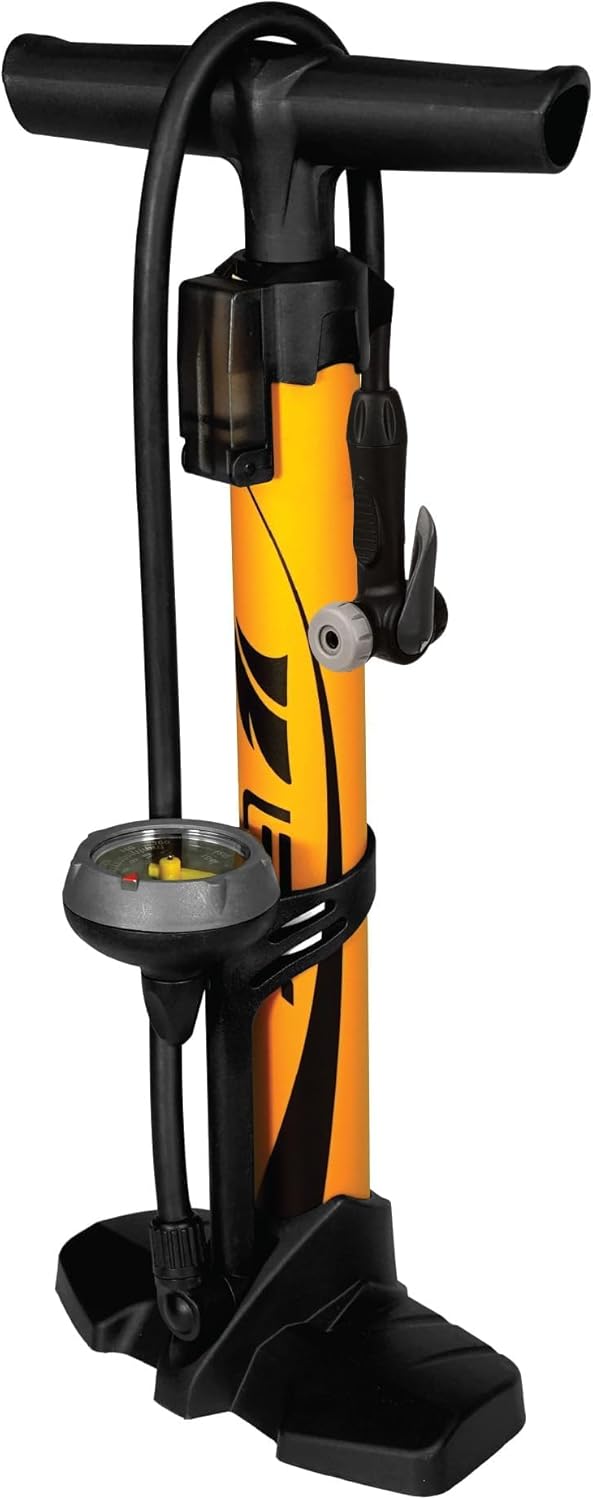
This durable BV floor pump delivers up to 160 PSI for confident inflation of bikes and other high-pressure uses. Its twin valve head lets you quickly switch between Presta and Schrader valves by reversing the components, with no compromise. The ergonomic handle makes pumping comfortable, and the compact size is easy to carry for rides and home storage.
How to Document Noise and a Step-by-Step Troubleshooting Flow
Start by recording noise levels at set speeds and on different road surfaces. Note steering vibration, floor vibration, weather, tyre pressure, and any repeatable pattern.
Then inspect the tyres for visible defects, uneven wear, bubbles, cuts, and age cracks. Verify pressure, balance, and alignment against your RAV4’s specifications.
Use a systematic elimination flow. Rotate or swap tyres, recheck after each change, and compare notes with a trusted technician if the sound remains.
Record The Noise
Record tire noise at several speeds and on several road surfaces. Track cabin sound, exterior sound if safe, tyre pressure, tread depth, and visible tyre issues.
A smartphone sound meter app can help you compare changes, but it won’t replace a professional inspection. Use the same phone position and road route for each test so your notes stay consistent.
- Record: speed, road surface, cabin sound, exterior sound, and noise type.
- Measure: tyre pressure, tread depth, alignment results, balance results, and dates.
- Share: give your log, photos, and recordings to a technician for targeted checks.
Inspect Physical Signs
After you capture sound samples, move to a clear physical inspection. You want to connect the noise with visible or measurable defects.
Scan sidewalls for bubbles, cuts, cracks, and impact marks. Photograph each issue and note the wheel position. Measure tread depth across the inner, center, and outer tread so you can spot alignment or suspension wear.
Check cold tyre pressures and record the values before and after adjustment. Then repeat your road test and compare the results.
Systematic Elimination Steps
Create a dated log that captures the exact sound, speed range, road surface, engine speed, tyre pressure, and repair steps. This gives you a clear path instead of a list of guesses.
- Verify: check cold pressure, sidewall damage, tread wear, and repeatable speed ranges.
- Test: balance the wheels, check alignment, and record any change in vibration or noise.
- Isolate: rotate or swap tyres, then compare sound levels and driving feel.
Frequently Asked Questions
Does the RAV4 Have a Lot of Road Noise?
Some RAV4 drivers notice road noise, especially on coarse pavement or with worn tyres. Tyre type, wheel size, tread wear, pressure, alignment, and cabin insulation all affect how loud it feels.
Is the 2026 RAV4 Quieter Than the 2025?
The article’s original claim that the 2026 RAV4 is quieter than the 2025 needs model-specific testing before you rely on it. Compare road tests, trim levels, tyre sizes, and hybrid or gas versions before you judge cabin noise.
Why does my RAV4 hum louder as I drive faster?
A hum that grows with speed often points to tyre wear, coarse road texture, wheel balance, or a wheel bearing. If the sound changes while turning, have a technician check the wheel bearings.
Can alignment make my RAV4 tyres noisy?
Yes, poor alignment can create feathered or uneven tread wear. Once that wear pattern forms, the tyre may keep making noise even after you correct the alignment.
Will sound deadening fix RAV4 tyre noise?
Sound deadening can reduce some cabin noise, but it won’t fix damaged tyres, bad bearings, poor alignment, or brake problems. Fix mechanical causes first, then add insulation if you still want a quieter cabin.
Conclusion
Your best first move is simple: check the tyres, pressure, balance, and alignment before you spend money elsewhere. Then test for bearing, brake, and suspension noise so you don’t replace parts blindly.
Keep a dated log with photos, pressure readings, tread depth, and road-test notes. That record helps your technician find the cause and supports a warranty claim if the tyre has a defect.
A quieter RAV4 starts with careful checks and smart tyre choices. Follow the evidence, and you’ll get closer to a calmer drive.
References
- Tires — National Highway Traffic Safety Administration
- Tire Safety Ratings and Maintenance — National Highway Traffic Safety Administration
- Toyota Warranty and Owner Manuals — Toyota

