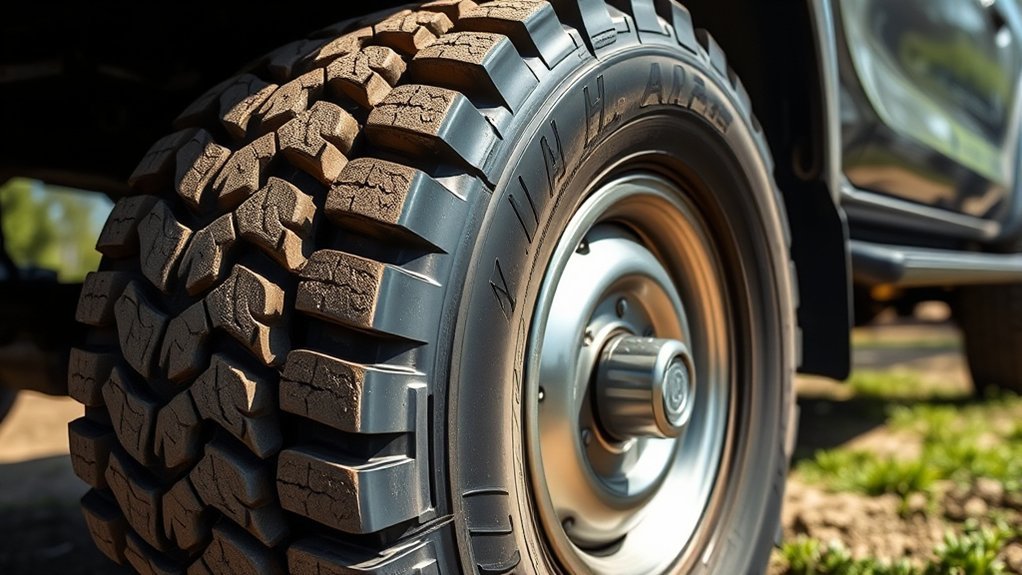
Wheel spacers can change how your Toyota Hilux steers and how much load reaches its wheel-end parts, but they do not automatically cause uneven tire wear. Problems usually appear when the spacer changes offset too far, fits poorly, loosens, causes tire rubbing, or is used with worn suspension parts or incorrect alignment. A careful fitment check matters more than the spacer alone.
Quick Answer
Wheel spacers can contribute to uneven tire wear on a Toyota Hilux, but they are rarely the only cause. Correctly fitted spacers do not directly change static camber or toe. Wear is more likely when offset changes steering geometry, parts are loose or worn, tires rub, pressure is wrong, or alignment is already outside specification.
Key Takeaways
- A spacer moves the wheel outward and changes effective wheel offset, track width, and usually scrub radius.
- Spacers do not directly alter static camber or toe, so a spacer alone should not automatically create edge wear.
- Poor fitment, loose fasteners, tire contact, worn joints, incorrect pressure, imbalance, and bad alignment can create rapid or irregular wear.
- Use the correct hub-centric design, compatible hardware, sufficient thread engagement, and the torque instructions for your exact Hilux and spacer kit.
- Check local modification rules and tell your insurer before installation when your policy requires disclosure.
Warning: Stop driving and inspect the setup if you notice loose wheel nuts, a new vibration, rubbing, steering pull, clunking, or visible movement between the wheel, spacer, and hub. A loose or incompatible spacer can create a wheel-retention hazard.
What Are Wheel Spacers?
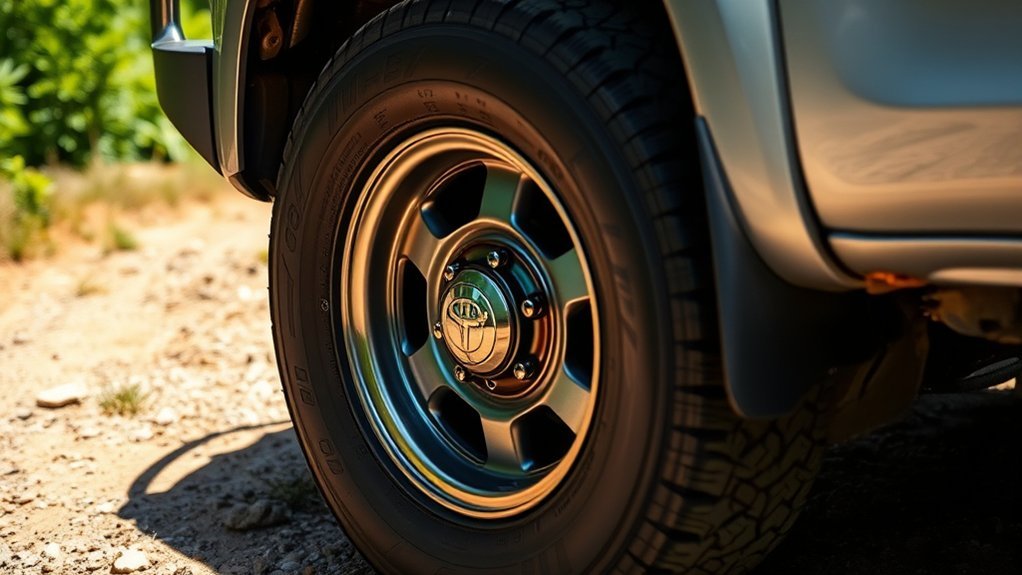
Wheel spacers fit between the hub and wheel to move the wheel farther outward. Owners commonly use them to clear brake or suspension parts, correct the stance after fitting different wheels, or widen the track for appearance. Moving the wheel outward has a similar geometric effect to choosing a wheel with a lower positive offset.
Two common designs are slip-on spacers and bolt-on spacers. A thin slip-on spacer sits over the original studs, so you must confirm that enough usable thread remains for the wheel nuts. A bolt-on spacer attaches to the hub with one set of fasteners and provides another set of studs for the wheel. Some products are adapters that also change the bolt pattern. An adapter adds more compatibility concerns than a same-pattern spacer.
A hub-centric spacer matches the Hilux hub bore and supports accurate wheel centering. A lug-centric spacer relies mainly on the wheel fasteners to center the assembly. Centering errors can cause vibration even when the wheel nuts feel tight.
Do Wheel Spacers Directly Change Alignment?
Installing a spacer does not directly change the wheel’s static camber, caster, or toe because it moves the wheel outward without changing the control-arm or tie-rod adjustment. That means a properly seated spacer should not automatically create inside-edge or outside-edge tire wear.
However, the wider effective offset changes where the tire contact patch sits relative to the steering axis and wheel bearing. It can also make existing play in ball joints, tie rods, control-arm bushes, or wheel bearings easier to feel. A vehicle that was already near the edge of its alignment tolerance may show symptoms sooner after the change.
Note: An alignment machine measures the wheel angles, not the spacer itself. Ask for a before-and-after printout so you can confirm toe and camber instead of guessing from steering feel.
How Wheel Spacers Alter Vehicle Dynamics
Wheel spacers change effective wheel offset and track width. Those changes can affect steering feedback, kickback over bumps, clearance, and the loads carried by wheel-end components. The result depends on spacer thickness, wheel offset, tire size, suspension condition, and how the Hilux is used.
Steering Dynamics and Scrub Radius
Scrub radius is the ground-level distance between the steering-axis intersection point and the center of the tire contact patch. Moving the wheel outward usually changes that distance. Australian VSB 14 guidance notes that changes in wheel width and offset can alter scrub radius and may produce unpredictable steering response. SAE testing has also shown that scrub radius affects SUV and light-truck handling.
You may feel stronger steering kickback on potholes, more sensitivity under split-traction braking, or a heavier steering response. These effects do not prove that tire wear has started, but they show that the steering geometry no longer behaves exactly as Toyota designed it.
Track Width, Clearance, and Handling
A wider track can reduce lateral load transfer slightly, but it does not guarantee better handling. The same modification can increase steering effort, expose the tire beyond the bodywork, or cause contact with the fender, liner, mud flap, or suspension at full lock and full compression.
| Change | Possible Result | What to Check |
|---|---|---|
| Wheel moves outward | Wider track and changed effective offset | Fender coverage and full-travel clearance |
| Scrub radius changes | Different kickback, steering effort, or braking feel | Road test on a safe, level route |
| Load path moves outward | More bending moment at bearings, studs, and joints | Play, noise, heat, and fastener condition |
| Tire sits closer to bodywork | Rubbing and localized tread or sidewall damage | Both steering locks and suspension compression |
Wheel Bearing and Stud Loads
Moving the tire farther from the hub increases the lever arm through which road forces act on the wheel bearing and suspension. VSB 14 states that changes in wheel width and offset can significantly increase stress in suspension and steering components. That does not mean every Hilux with spacers will suffer a bearing failure, but thicker spacers, heavy tires, rough roads, overloading, and hard off-road impacts can raise the risk.
Studs and nuts also need the correct seating type, material compatibility, thread size, and engagement. A bolt-on spacer must sit flat against a clean hub, and the wheel must sit flat against the spacer. Paint buildup, corrosion, dirt, clips, or protruding original studs can prevent full contact.
How Spacers Can Contribute to Uneven Tire Wear
Scrub radius affects steering feel and force feedback, but it is not the usual direct cause of a simple inner-edge or outer-edge wear pattern. Toe, camber, tire pressure, worn parts, imbalance, and rubbing provide more direct explanations. Spacers can contribute by changing the load path, increasing sensitivity to looseness, or creating clearance problems.
Steering Pull, Kickback, and Wandering
A new pull or wandering feeling after installation can point to unequal tire pressure, a spacer that is not seated evenly, incorrect wheel centering, tire conicity, brake drag, or an existing alignment problem. It can also reflect the changed scrub radius. Do not assume the spacer has changed toe without measuring it.
Common Tire Wear Patterns and Likely Causes
| Wear Pattern | Common Causes | Spacer-Related Check |
|---|---|---|
| Inner or outer edge wear | Camber, toe, worn bushes, or overloaded use | Confirm no new joint play and obtain an alignment printout |
| Feathered tread blocks | Incorrect toe or loose steering parts | Check tie rods, wheel play, and fastener seating |
| Cupping or scalloping | Imbalance, worn dampers, loose bearings, or bent parts | Verify hub-centric fit and wheel balance |
| Both shoulders worn | Underinflation or repeated heavy loading | Use the pressure specified for the tire size and load |
| Center tread worn | Overinflation for the load and tire | Do not increase pressure simply because spacers are fitted |
| Localized cuts or polished areas | Contact with liner, body, or suspension | Inspect at full lock and through suspension travel |
NHTSA recommends correct alignment, balance, rotation, pressure, and regular tread checks to maximize tire life. If wear began soon after spacer installation, compare all four tires and record tread depth at the inner, center, and outer ribs. A repeatable measurement helps separate real wear from a change in steering feel.
Grip and Cornering Balance
A wider stance may feel more planted in some conditions, but the complete wheel and tire package determines grip. Tire compound, pressure, width, sidewall, alignment, and suspension condition matter more than stance alone. A large offset change can also alter steering feedback and the way the Hilux reacts over bumps or during braking.
Do not treat spacers as a correction for understeer, body roll, or poor tire grip. Fix worn parts, fit suitable tires, and verify alignment before changing wheel position.
The Strain on Wheel Bearings Explained

A wheel bearing supports vertical, cornering, braking, and impact loads. Moving the wheel centerline outward increases the bending moment at the bearing because the same road force acts through a longer distance. Wider or heavier tires can add more load, especially during pothole strikes and off-road use.
Bearing life cannot be predicted from spacer thickness alone. Hub design, vehicle load, tire mass, road impacts, lubrication, sealing, and existing wear all matter. Watch for humming that changes with speed or direction, looseness at the wheel, ABS warnings, heat near one hub, or roughness when the wheel is rotated by hand. A qualified technician should diagnose those symptoms because tires, brakes, and driveline parts can produce similar noises.
A spacer does not guarantee bearing failure, but moving the wheel load outward increases leverage on the wheel-end assembly.
Pros and Cons of Wheel Spacers
| Potential Benefits | Potential Drawbacks |
|---|---|
| Creates clearance for some wheel, brake, or suspension combinations | Changes effective offset and scrub radius |
| Moves the tire closer to the outer fender line | Can create fender, liner, or mud-flap contact |
| May provide the stance an owner wants | Adds fasteners and mating surfaces that require correct installation |
| Can be reversible when no permanent changes are made | May affect legal compliance, inspection, warranty decisions, or insurance terms |
The safest choice is usually a correctly specified wheel with the required offset and load rating. A spacer may still be appropriate when a qualified installer confirms the fitment, hardware, clearance, and local rules.
Why Hilux Owner Experiences Differ
One owner may run modest spacers for years without obvious wear, while another may develop vibration or rubbing quickly. The difference often comes from the full setup rather than the model name alone. Hilux generations, trims, hubs, wheels, tires, lifts, loads, and driving conditions vary.
Online reports can help you identify symptoms, but they cannot verify the condition of your vehicle. A spacer that works on a lightly loaded road vehicle may behave differently on a Hilux carrying accessories, towing, driving corrugated roads, or using larger off-road tires.
How to Choose a Safer Spacer Setup
Match the spacer to your exact Hilux generation, hub bore, bolt pattern, stud or bolt thread, wheel-seat type, and load requirements. Do not buy only by advertised thickness or vehicle name.
- Prefer hub-centric fitment: The center bore should match the hub and the wheel should fit the spacer’s locating lip.
- Use compatible hardware: Confirm thread pitch, nut seat, stud grade, and whether the original studs need clearance pockets in the wheel.
- Avoid stacking: Multiple spacers add interfaces and make correct seating harder to verify.
- Check load rating: The spacer and hardware should be suitable for the Hilux’s axle loads and intended use.
- Confirm full contact: The hub, spacer, and wheel mating faces must be clean, flat, and free from interference.
- Keep the change modest: Larger offset changes create larger geometry and clearance changes.
Pro Tip: Before buying spacers, measure the clearance you actually need and compare it with a wheel that has the correct offset. A suitable wheel can remove one bolted interface and may provide a cleaner long-term fitment.
[Products Worth Considering]

Monitor tire tread wear with a smart, color-coded depth gauge that shows clear condition ranges at a glance. The bar is range marked for fast, easy readings, helping you maintain safer traction and performance. Each gauge is portable with a pocket clip, and the set includes 20 units for daily use and sharing.

The Ziopetru adjustable magnetic wheel alignment tool helps you check and restore camber and caster positioning after removing and reinstalling undercarriage components. With a clear leveling/bubble measurement system and an easy zeroing adjustment knob, it supports precise horizontal angle checking. The strong magnetic base mounts to metal surfaces for convenient use at home on cars, motorcycles, trucks, vans, and SUVs.

Measure tire tread depth quickly and accurately with this LUMITECO dial gauge that reads in 1/32" increments up to 14/32". The color-coded green/yellow/red zones make it easy to judge tire wear and know when replacement is needed. A rugged, compact design with a protective pouch helps keep the gauge ready for use on cars, trucks, motorcycles, and more.
Installation and Inspection Checklist
Have a competent installer inspect the hub, studs, wheel nuts, bearings, steering joints, and suspension before installation. Correct torque depends on the exact Hilux, wheel, fastener, and spacer design. Toyota’s current Japanese Hilux manual lists 105 N·m for its specified wheel nuts, but you should use the value in the owner’s manual for your own market and model year, together with the spacer maker’s instructions.
- Clean the mating surfaces. Remove rust flakes, dirt, and debris without damaging the hub face.
- Test-fit the spacer. It should sit fully flush without rocking or catching on clips, studs, or the hub radius.
- Check stud and nut compatibility. Confirm sufficient thread engagement and make sure closed-end nuts do not bottom out.
- Tighten in stages. Follow the correct cross pattern with a calibrated torque wrench.
- Fit the wheel flush. Confirm that the wheel does not contact protruding studs or spacer hardware.
- Check clearance. Turn from lock to lock and inspect the tire at normal ride height and through expected suspension movement.
- Follow the spacer maker’s recheck instructions. Some systems require a torque inspection after an initial driving interval.
- Road-test carefully. Start at low speed and stop if you feel vibration, pulling, rubbing, or noise.
Never apply a universal torque value to every Hilux or every aftermarket fastener. Lubricants, coatings, nut design, and thread condition affect clamping force, so follow the instructions supplied for the exact parts.
[Products Worth Considering]

Steelman white tire marking crayons provide high-contrast, semi-permanent marks for repairing and inspecting tires and equipment. They write on wet or dry, smooth or coarse surfaces including rubber, metal, glass, and wood, making them ideal for puncture location and damage outlining. The lead- and zinc-free crayons resist weather and fading yet wipe away when you no longer need the marks.
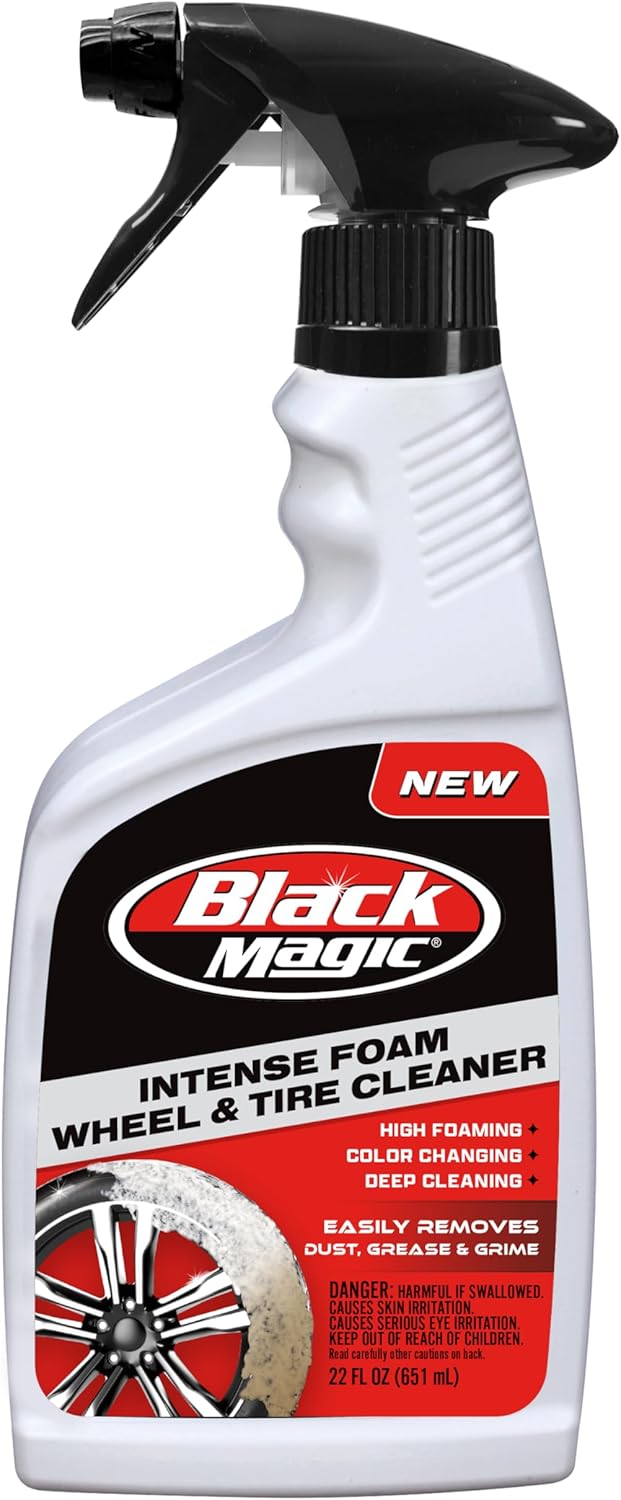
Black Magic Intense Foam Wheel & Tire Cleaner uses a high-foaming action to lift away dirt, grime, and brake dust without scrubbing. The color-changing formula helps show contaminants being dissolved as foam turns from white to brown. Safe for all wheel types and even wheel wells, it leaves a like-new, slick finish with a fresh cherry scent.

These aluminum alloy tire valve stem caps with an O-ring seal help protect valve stems from corrosion while adding a clean, stylish look to your vehicle. The universal fit works across cars, trucks, motorcycles, bicycles, and more, making them an easy upgrade for everyday driving and off-road use. Installation is quick, and the included four-pack keeps all your tires dressed and protected.
Essential Maintenance Practices for Wheel Spacers and Bearings
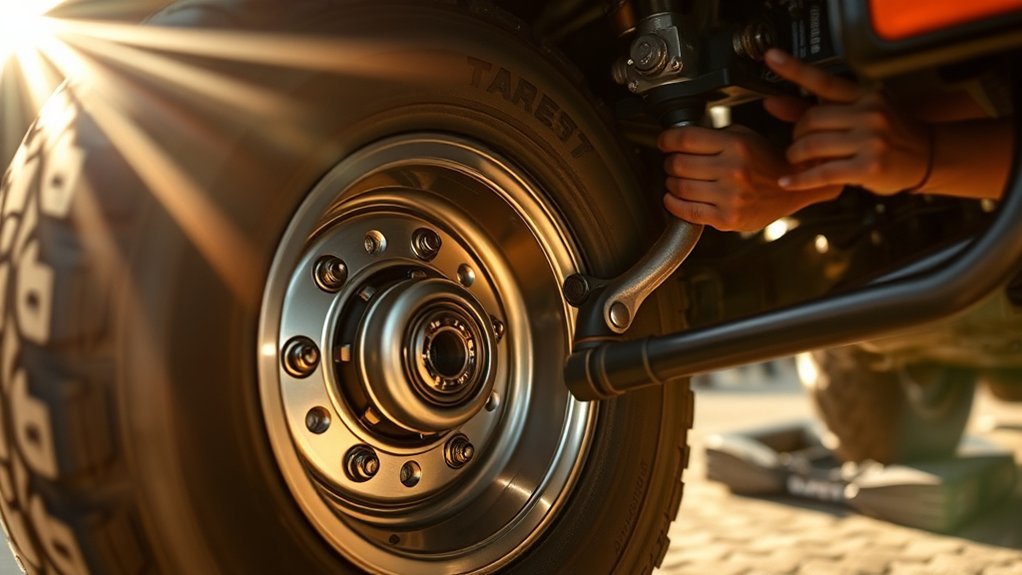
Inspect the tires and wheel-end parts more often after changing offset, especially if you drive off-road, tow, carry heavy loads, or use larger tires. Keep a simple tread-depth record so you can spot a developing pattern early.
- Check tire pressure cold: Use the vehicle placard or the correct guidance for the installed tire and load.
- Measure tread depth: Record the inner, center, and outer ribs on each tire.
- Inspect for rubbing: Look for polished plastic, fresh cuts, sidewall scuffs, or rubber dust.
- Watch for vibration: Recheck centering, balance, mating surfaces, and fastener torque if vibration starts after installation.
- Check wheel play: Have a technician inspect bearings and steering joints if looseness or clunking develops.
- Rotate as specified: Follow the Hilux manual and tire maker’s pattern when the tire setup allows rotation.
- Align after related changes: Recheck alignment after suspension work, a lift, major impacts, or any sign of irregular wear.
[Products Worth Considering]

These M14x1.5 closed-end chrome lug nuts are a one-piece replacement designed for secure fitment on compatible GM, Ford, and select Chrysler/Dodge models. Featuring a 60-degree conical seat and anti-rust chrome plating, they help resist corrosion and maintain a bright look for everyday driving. Built for long-term durability, they include OEM-style part references and are backed by 12 months of support.

The 22800 wheel stud installer makes replacing wheel studs quick and secure, saving time and effort during tire service. It uses a ratchet or impact wrench to pull new studs firmly into place, helping when existing studs are too long. Compatible with most automotive wheels and light-duty truck wheel studs, it’s designed for easy, tool-assisted installation.

This 4-in-1 tire valve core removal tool helps you deflate, unblock, and remove or install valve cores quickly for easier tire repair. The multifunction design also supports re-taping damaged threads and reaming inside the valve stem for smoother service. Included as a 2-pack, it’s compact for convenient carry and works for cars, bicycles, and motorcycles.
Alternatives to Wheel Spacers
If your goal is better stability or tire life, address the cause directly. Replace worn shocks, bushes, ball joints, tie rods, or bearings. Fit tires with the correct load rating and pressure. Set toe and camber within specification. Use wheels with an appropriate offset and confirm that the complete tire and wheel package clears the body and suspension.
Anti-roll bars, springs, and dampers can change handling, but they must match the vehicle’s load and use. A spacer should not compensate for a damaged suspension, incorrect wheel, poor alignment, or unsuitable tire.
Legal, Insurance, and Warranty Considerations
Spacer rules vary by country, state, and vehicle category. Australian VSB 14 provides national technical guidance for light-vehicle modifications, but registration authorities apply their own administrative requirements. Other jurisdictions use different limits or approval systems. Check the current rule where the Hilux is registered before buying parts.
Insurance treatment also varies. The UK’s Financial Ombudsman Service warns that undeclared vehicle modifications can affect cover or claims when a policy requires disclosure. Contact your insurer and keep written confirmation. A dealer or manufacturer may also assess a warranty claim based on whether the modification contributed to the failure.
Final Thoughts on Wheel Spacers for Your Hilux
Wheel spacers can contribute to uneven tire wear, but the connection is usually indirect. They change effective offset, scrub radius, clearance, and the load path through wheel-end parts. Static camber and toe do not change simply because a correctly seated spacer was added.
A modest, vehicle-specific, hub-centric setup can work without obvious tire wear when it is installed correctly and monitored. A poor fit, excessive thickness, loose hardware, rubbing, worn parts, or bad alignment can turn the same modification into a safety and maintenance problem. Measure first, verify the rules, use suitable parts, and inspect the Hilux after installation.
Frequently Asked Questions
Are wheel spacers safe for a 4×4 Toyota Hilux?
They can be used safely only when the design is compatible, the parts are strong enough for the vehicle and its use, the mating surfaces fit correctly, the fasteners provide proper clamping, and local rules allow them. Off-road impacts, heavy loads, and larger tires increase the importance of regular inspections.
Will wheel spacers ruin the alignment?
Not by themselves. A correctly seated spacer moves the wheel outward without directly changing static camber or toe. However, it changes effective offset and scrub radius, can make worn parts more noticeable, and may create rubbing. Check alignment if the vehicle pulls, the steering wheel is off-center, or tire wear changes.
Do wheel spacers always damage wheel bearings?
No. They increase the lever arm acting on the wheel-end assembly, but bearing life also depends on spacer thickness, wheel and tire mass, load, road impacts, installation quality, sealing, and existing condition. Noise, heat, looseness, or rough rotation needs professional inspection.
Do I need to tell my insurer about wheel spacers?
Check your policy and ask the insurer before installation. Many insurers treat non-standard wheels, suspension changes, and spacers as modifications that must be declared. Requirements vary, so keep written confirmation instead of assuming the modification is automatically covered.
Should I get an alignment after fitting spacers?
An alignment check is sensible when the Hilux already shows pull, irregular wear, steering-wheel offset, or worn suspension parts. It is also useful after a lift or suspension repair. A before-and-after printout confirms whether toe and camber changed for another reason.
Conclusion
Wheel spacers do not automatically cause uneven tire wear on a Toyota Hilux, and they do not directly change static camber or toe. They can still contribute to wear by changing effective offset, scrub radius, component loading, and tire clearance. Correct sizing, hub-centric fit, compatible hardware, accurate torque, alignment checks, and regular inspection make the difference between a controlled modification and an avoidable problem.
Sources
- Toyota Hilux Owner’s Manual Portal – model-specific wheel, tire, and service instructions.
- Toyota Hilux 2026 Maintenance Data – tire information and the wheel-nut torque listed for this Japanese-market specification.
- Australian VSB 14, Section LS – official guidance on wheel offset, scrub radius, component stress, and modified-vehicle handling.
- SAE Technical Paper 982834 – instrumented research on scrub radius and SUV handling.
- NHTSA TireWise – official tire pressure, tread, alignment, balance, and rotation guidance.
- Financial Ombudsman Service: Car Modifications and Insurance – guidance on disclosure and policy consequences.