
A new humming, roaring, or droning sound from your Toyota Camry at highway speeds deserves a closer look. The cause may be as simple as coarse pavement or a naturally louder tire design, but uneven tread wear, incorrect inflation, wheel imbalance, suspension wear, or a failing wheel bearing can produce similar sounds. The checks below will help you narrow down the source safely.
Quick Answer
Toyota Camry tire noise at highway speeds commonly comes from rough pavement, noisy tread design, incorrect pressure, uneven wear, wheel imbalance, or alignment problems. A humming sound that changes while turning may involve a wheel bearing. Check cold tire pressure, tread condition, vibration, and whether the sound changes on a smoother road.
Key Takeaways
- Noise that changes noticeably between coarse and smooth pavement is often related to normal tire and road interaction.
- Cupping, feathering, incorrect pressure, imbalance, or suspension wear can make a tire increasingly loud.
- Use the cold-pressure specification on the driver-door placard, not the maximum pressure printed on the tire.
- A hum or growl that changes while turning may come from a wheel bearing rather than the tire itself.
- Stop driving and arrange an inspection if you find a bulge, exposed cords, rapid pressure loss, grinding, or severe vibration.
At a Glance
| Time Required | About 15 to 30 minutes for an initial inspection and controlled road test |
| Difficulty | Beginner for basic checks; professional diagnosis may be required |
| Tools Needed | Tire-pressure gauge, flashlight, tread-depth gauge, and a notepad or phone for recording symptoms |
| Cost | Usually no cost if you own the basic tools; professional diagnosis and repairs vary |
Why Your Toyota Camry Is Making Noise at Highway Speeds

A tire creates sound whenever its tread contacts the road. As your speed rises, the tread strikes the surface more frequently, and vibrations travel through the wheels, suspension, floor, and body of the Camry. The tires can also act like resonating chambers, making some frequencies sound like a hum or drone inside the cabin.
The amount of noise depends on the pavement, tire size, tread pattern, compound, inflation, wear, and vehicle condition. Continental explains that rough surfaces, tire construction, and tread design all affect rolling noise. Michelin also notes that road texture and speed can change the sound heard inside a vehicle.
When the Sound May Be Normal Road Noise
Normal road noise usually changes quickly when you move from coarse concrete or rough asphalt onto a smoother surface. It tends to come from the general floor or wheel-well area rather than one specific corner. You may also notice it from the day a new set of tires is installed, particularly if the replacement tires use a more performance-focused or winter-oriented tread.
A sound is more concerning when it is new, grows steadily louder, comes from one corner, creates vibration, or remains nearly unchanged on different road surfaces.
When the Tires May Not Be the Source
A worn wheel bearing can create a humming, growling, or grinding sound that increases with vehicle speed. Bearing-related noise may also change when the vehicle turns and transfers weight from one side to the other. Brake contact, a bent dust shield, worn suspension parts, a damaged wheel, or a drivetrain problem can produce similar symptoms.
Note: A road test can narrow down the possibilities, but it cannot confirm a wheel-bearing, suspension, or drivetrain failure. A technician may need to inspect the vehicle on a lift and test each component.
Common Causes of Tire Noise
- Road surface: Coarse concrete, patched asphalt, grooves, and rough aggregate can produce much more rolling noise than smooth pavement. A sudden change when the road surface changes often points toward normal tire-road interaction.
- Tread design: Tread block size, spacing, pitch sequence, groove arrangement, tire width, and construction affect sound. Performance, winter, and aggressive all-season patterns may sound louder than comfort-focused touring tires.
- Uneven tread wear: Cupping, feathering, scalloping, or heel-to-toe wear causes the tread to contact the road unevenly. Michelin identifies irregular wear as a common cause of loud tire noise.
- Incorrect tire pressure: Underinflation or overinflation changes the tire’s contact with the road and may worsen noise, ride quality, handling, and wear.
- Wheel imbalance or damage: An imbalanced tire, bent wheel, or tire with excessive runout may produce vibration and a repeating hum or thump at certain speeds.
- Alignment or suspension problems: Incorrect toe, worn shocks or struts, loose steering parts, and damaged bushings can create irregular tire wear. The worn pattern may remain noisy even after the underlying problem is repaired.
- Tire damage or deterioration: A separated belt, sidewall bulge, flat spot, cut, exposed cord, or other structural damage may cause rhythmic thumping, vibration, or sudden noise.
- Wheel bearings, brakes, or drivetrain parts: A worn bearing may hum or growl, while brake or drivetrain faults may scrape, grind, click, or change with acceleration and turning.
Warning: Do not continue a highway test if you find a sidewall bulge, exposed cords, severe vibration, rapid pressure loss, a loose-feeling wheel, or a heavy rhythmic thump. Reduce speed safely, pull over, and arrange professional tire or towing assistance.
How to Diagnose Toyota Camry Tire Noise
Work from the simplest checks to the more complex possibilities. Record when the sound starts, where it seems to come from, and whether it changes with the road, speed, steering, braking, or acceleration.
[Products Worth Considering]

Measure tire tread depth quickly and accurately with this LUMITECO dial gauge that reads in 1/32" increments up to 14/32". The color-coded green/yellow/red zones make it easy to judge tire wear and know when replacement is needed. A rugged, compact design with a protective pouch helps keep the gauge ready for use on cars, trucks, motorcycles, and more.

Monitor tire tread wear with a smart, color-coded depth gauge that shows clear condition ranges at a glance. The bar is range marked for fast, easy readings, helping you maintain safer traction and performance. Each gauge is portable with a pocket clip, and the set includes 20 units for daily use and sharing.
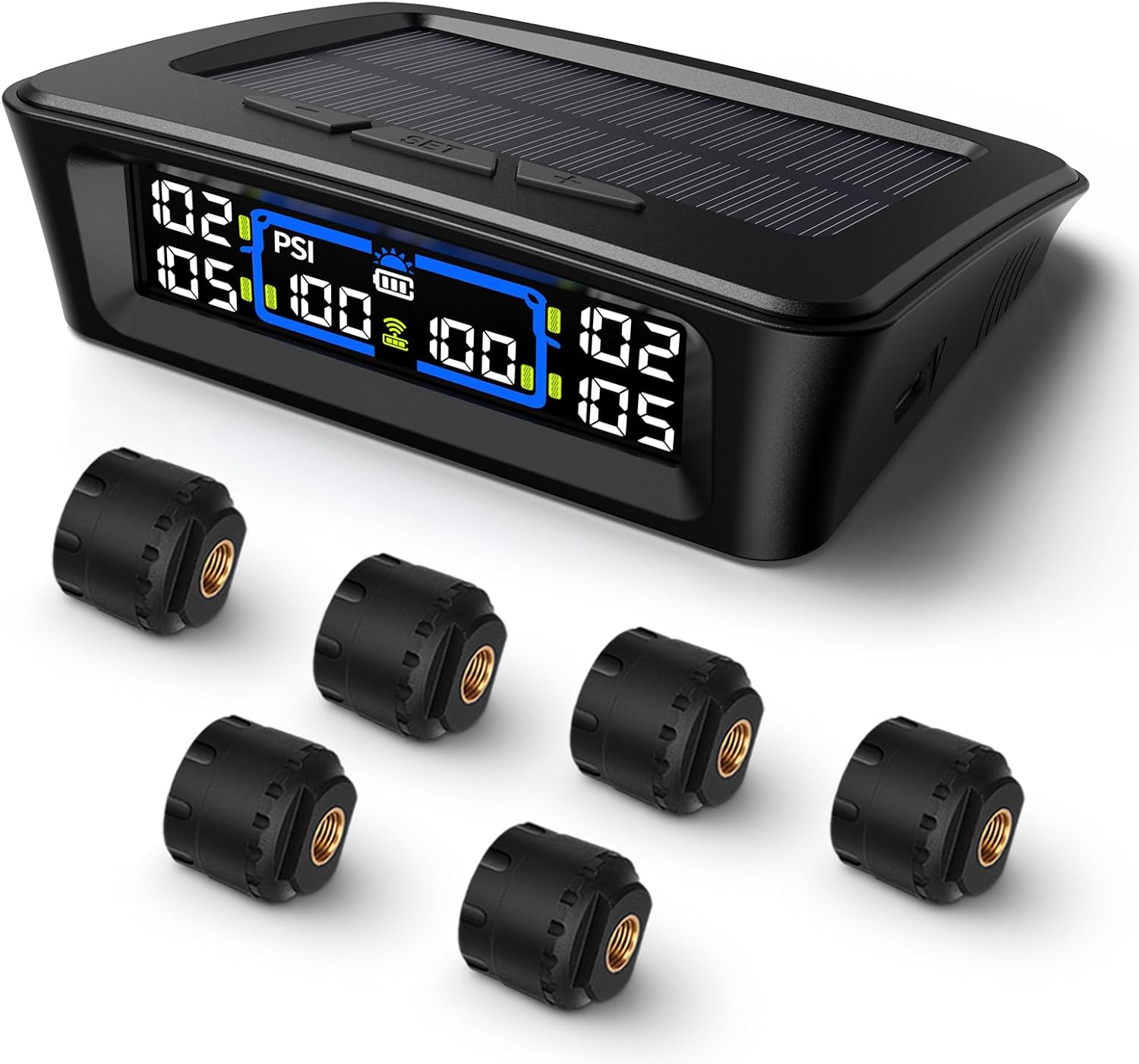
The Tymate TM12 RV TPMS delivers real-time tire pressure and temperature monitoring with a stable 433Hz display for safer long-distance driving. It supports simultaneous monitoring across vehicle and trailer zones, includes six alarm modes for pressure, temperature, leakage, battery, and signal loss, and features easy DIY installation with auto calibration. Power is supplied via USB-C charging or solar recharging, with a wide 0–144 PSI range and up to 50 ft signal coverage for RVs and towable trailers.
1. Check the Tire Pressure When Cold
Park the Camry for at least three hours before measuring pressure, or check it before driving for the day. Use the recommended cold pressure on the Tire and Loading Information label inside the driver-door area or in the owner’s manual.
Do not use the maximum pressure molded into the tire sidewall as the normal inflation target. That marking describes a tire limit, not the vehicle manufacturer’s recommended operating pressure.
The National Highway Traffic Safety Administration recommends checking all tires at least monthly. A Tire Pressure Monitoring System warning does not replace a manual check because the warning may appear only after a tire is already significantly underinflated.
2. Inspect Each Tire Carefully
Look across the full tread and both visible sidewalls. Check for:
- Cupped or scalloped dips around the tread
- Feathered tread edges that feel smooth in one direction and sharp in the other
- More wear on one shoulder than the other
- Alternating high and low tread blocks
- Embedded objects, cuts, cracks, or exposed cords
- Bulges or distorted areas in the sidewall or tread
- A tire that repeatedly loses pressure
Run your open palm lightly across the tread only while the vehicle is parked, switched off, and secured on level ground. Do not place your hand behind the tire or under the vehicle.
3. Compare Two Different Road Surfaces
Drive at a safe, legal speed on a familiar route with both rough and smooth pavement. Keep the windows, fan speed, and audio settings consistent. A major reduction on smooth pavement suggests that the road and tread combination is contributing heavily to the noise.
4. Note How the Sound Responds to Speed
A tire or bearing-related hum often rises with road speed rather than engine speed. If the pitch changes when the transmission shifts or when engine rpm changes while vehicle speed stays similar, the source may be in the engine or drivetrain instead.
5. Check for Vibration or Pulling
Steering-wheel vibration at a limited speed range often points toward wheel balance, tire runout, or wheel damage. A pull to one side or an off-center steering wheel can indicate an alignment, pressure, tire, brake, or suspension issue.
6. Listen During Gentle Turns
On a safe, open road, notice whether a steady hum changes during a gentle left or right curve. A sound that changes as weight transfers between sides may involve a wheel bearing, but tire wear can also react to steering load. Treat this only as a clue and have the component inspected.
7. Arrange a Tire and Chassis Inspection
Ask the shop to inspect tire wear, pressure, balance, wheel runout, alignment, shocks, struts, bushings, steering joints, brakes, and wheel bearings. Providing details from your road test can reduce guesswork.
| Sound or Symptom | Possible Causes | Best Next Step |
|---|---|---|
| Noise changes greatly with pavement | Road texture or normal tread noise | Inspect the tires and compare several safe road surfaces |
| Steady roar with visible uneven wear | Cupping, feathering, alignment, balance, or suspension wear | Request a tire, balance, alignment, and suspension inspection |
| Vibration at a particular speed | Imbalance, bent wheel, tire runout, or tire damage | Have the wheel and tire assembly checked promptly |
| Hum or growl changes during turns | Wheel bearing or load-sensitive tire wear | Arrange a wheel-bearing and tire inspection |
| Rhythmic thump with each wheel rotation | Flat spot, separated belt, damaged tire, or bent wheel | Stop if severe and have the tire inspected before highway driving |
| Grinding or scraping | Brake contact, dust shield, bearing, or another rotating component | Avoid unnecessary driving and obtain professional diagnosis |
Pro Tip: Record a short audio clip and write down the road type, speed, steering input, and whether you felt vibration. These details can help a technician reproduce the condition and avoid replacing parts based only on guesswork.
Maintenance Tips for Reducing Tire Noise

- Maintain the correct cold pressure: Check the tires monthly and before long trips. Use the pressure listed for your Camry, which may differ between tire sizes or front and rear positions.
- Follow the proper rotation schedule: Toyota gives 5,000 to 8,000 miles as general rotation guidance, but the maintenance guide for your exact model year and tire setup takes priority. Directional, staggered, or special tire arrangements may require a different pattern.
- Balance the wheel and tire assemblies: Request balancing when installing tires, after a wheel impact, or when vibration develops. Balancing is not a guaranteed cure for a tire that has already developed permanent irregular wear.
- Correct alignment or suspension faults early: Have the alignment and suspension checked when the Camry pulls, the steering wheel sits off-center, or the tread wears unevenly.
- Inspect after pothole or curb impacts: A hard impact can damage a tire, bend a wheel, disturb alignment, or affect steering and suspension components.
- Use suitable replacement tires: Choose the correct Toyota-approved size with an adequate load index and speed rating. If cabin quietness is a priority, compare touring tires marketed and tested for low road noise rather than relying on tread appearance alone.
- Replace damaged or permanently noisy tires: Repairs to alignment or suspension can prevent further wear, but they may not remove noise from tread that is already heavily cupped or feathered.
A quiet tire starts with correct pressure and even tread contact, but a tire that has already developed severe irregular wear may remain noisy after the mechanical cause is fixed.
[Products Worth Considering]

Steelman white tire marking crayons provide high-contrast, semi-permanent marks for repairing and inspecting tires and equipment. They write on wet or dry, smooth or coarse surfaces including rubber, metal, glass, and wood, making them ideal for puncture location and damage outlining. The lead- and zinc-free crayons resist weather and fading yet wipe away when you no longer need the marks.
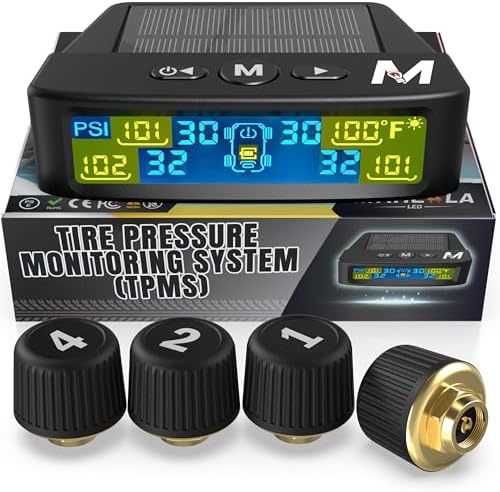
Marcala’s TPMS set of four sensors helps you monitor tire pressure and temperature in real time while driving, with updates every second. The bright color LCD uses auto-dimming for easy viewing, powered by dual solar and USB charging, and offers six alarm modes. Built for trailers, RVs, campers, trucks, and towing setups, the sensors support monitoring 1-4 wheels up to 98 PSI with IP67 waterproof protection.

The TYAMATE TM8 solar-powered wireless TPMS delivers real-time tire pressure and temperature monitoring with six alarm modes for safer driving. A vibrant color LCD display shows readings clearly while windshield mounting keeps it hands-free and easy to read. With a wide 0–87 PSI range, strong 433.92 MHz signal transmission, and quick sensor pairing, it’s ideal for RV, sedan, SUV, MPV, and truck use.
When to Call an Expert About Tire Noise
Schedule an inspection when the noise is new, continues on different road surfaces, or comes with another symptom. Seek help promptly when the sound grows louder over a short period or appears after a pothole impact, curb strike, tire installation, or suspension repair.
| Indication | What It May Mean | Action Needed |
|---|---|---|
| Sudden increase in noise | Tire damage, lost balance weight, wheel damage, or bearing wear | Arrange an inspection before extended highway driving |
| Vibration or pulling | Pressure, balance, alignment, tire, brake, wheel, or suspension issue | Have the tires and chassis checked |
| Noise changes while turning | Possible wheel-bearing or load-sensitive tire issue | Request professional wheel-end diagnosis |
| Noise or shudder during acceleration | Tire, wheel, axle, mount, bearing, or drivetrain problem | Obtain a mechanical evaluation |
| Noise remains after rotation or balancing | Permanent irregular wear, incorrect diagnosis, suspension wear, or bearing problem | Request a complete tire and chassis inspection |
| Bulge, cords, pressure loss, or severe thumping | Possible structural tire failure | Stop driving and arrange tire or towing assistance |
Effective Solutions for Minimizing Tire Noise
The right solution depends on the confirmed cause. Start with low-cost maintenance rather than replacing parts or adding sound insulation immediately.
- Correct the pressure: Adjust all tires to the recommended cold specification and recheck them for pressure loss.
- Rotate and balance the tires: This can improve uniform wear and correct imbalance, provided the tire is not structurally damaged or permanently deformed.
- Correct the alignment: Alignment can stop new feathering or shoulder wear. It will not restore rubber that has already worn into an uneven pattern.
- Repair worn suspension or steering parts: Replace worn shocks, struts, bushings, joints, or other components identified during inspection before fitting new tires.
- Repair wheel, bearing, or brake faults: Do not try to hide a mechanical hum or grinding sound with additional cabin insulation.
- Replace damaged or unsuitable tires: Select the correct size and rating, then compare manufacturer information and independent testing for ride comfort and interior noise.
- Consider sound-control improvements last: Wheel-well liners, door seals, and approved automotive insulation may reduce ordinary road sound, but only after all tire and mechanical safety issues have been ruled out.
[Products Worth Considering]

Keep your tires properly inflated with this analog VONDIOR tire pressure gauge, designed for fast, easy readings without batteries. The swiveling, two-axis hose and large glow dial help you measure at any tire angle with instant visibility. Built with a protective rubber shield, it supports durable, low-maintenance use for cars and trucks.

This professional wheel and rim cleaning brush set lifts brake dust, grime, and dirt with soft, scratch-free microfiber and synthetic wool fibers. The rim brush bends up to 360 degrees for easy access to hard-to-reach areas around spokes, lips, and faces. Ideal for thorough cleaning of car, truck, motorcycle, bicycle, RV, and more wheel and tire surfaces.

The Ziopetru adjustable magnetic wheel alignment tool helps you check and restore camber and caster positioning after removing and reinstalling undercarriage components. With a clear leveling/bubble measurement system and an easy zeroing adjustment knob, it supports precise horizontal angle checking. The strong magnetic base mounts to metal surfaces for convenient use at home on cars, motorcycles, trucks, vans, and SUVs.
Frequently Asked Questions
Why do my Toyota Camry tires make noise on the freeway?
Freeway tire noise can come from rough pavement, tread design, incorrect pressure, uneven wear, imbalance, alignment problems, or damaged tires. If the sound is new, comes from one corner, creates vibration, or remains unchanged on different road surfaces, arrange an inspection.
How can I tell tire noise from wheel-bearing noise?
Tire noise often changes with pavement and may accompany visible tread wear. Wheel-bearing noise may sound like a steady hum, rumble, or growl that increases with speed and changes during turns. These clues are not conclusive, so a technician should confirm the source.
Can incorrect tire pressure make a Camry louder?
Yes. Incorrect pressure changes how the tread contacts the road and can contribute to poor ride quality, abnormal wear, and additional noise. Check pressure when the tires are cold and use the specification on the driver-door placard.
Will a wheel alignment stop tire noise?
An alignment can correct the condition causing new feathering or shoulder wear, but it may not silence a tire that is already badly worn. The shop should inspect the suspension and determine whether the affected tires remain serviceable.
Can rotating the tires reduce the noise?
Rotation may change or reduce mild noise and can prevent uneven wear from becoming worse. It will not repair structural damage or erase severe cupping. If the noise moves to a different area after rotation, that result can help identify the affected tire.
When should I stop driving because of tire noise?
Stop when the noise comes with severe vibration, a heavy rhythmic thump, rapid pressure loss, a sidewall bulge, exposed cords, visible tread separation, or unstable steering. Pull over safely and arrange professional assistance.
Sources
- National Highway Traffic Safety Administration: TireWise — cold tire-pressure checks, tire placard guidance, damage inspection, TPMS limitations, and tire safety.
- Toyota: Basic Car Maintenance Tips and Services Checklist — general tire-rotation, balance, and alignment guidance.
- Michelin Tire FAQ — irregular tread wear as a common cause of loud tire noise.
- Michelin: Tread Cupping — links between cupping, imbalance, and worn steering or suspension parts.
- Continental: Tire Noise Causes and Solutions — effects of road surface, tire type, tread, and wear on rolling noise.
- SKF: Wheel-Bearing Inspection Guidance — unusual noise, vibration, and heat as possible bearing deterioration indicators.
Conclusion
Toyota Camry tire noise at highway speeds is often caused by the road surface, tread design, pressure, or uneven wear, but you should not assume the tires are always responsible. Check the cold pressure, inspect every tread and sidewall, compare different road surfaces, and note any vibration or change during turns. If the sound is new, persistent, or accompanied by damage or unstable handling, have the tires, wheels, suspension, brakes, and wheel bearings inspected before continuing regular highway driving.