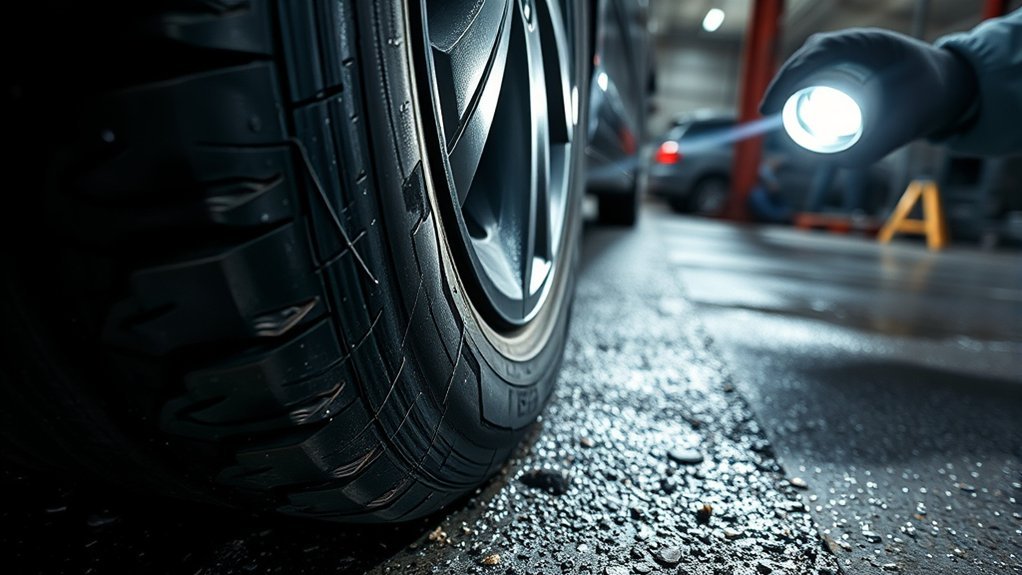
If your tires suddenly hum, thump, squeal, click, or grind, pay attention to when the sound happens and whether it changes with speed, steering, or road surface. Tire noise can come from normal tread contact, uneven wear, low pressure, a flat spot, or tire damage, but nearby parts such as wheel bearings, brakes, CV joints, and suspension components can sound similar.
Quick Answer
Tire noises are clues, not diagnoses. Humming or roaring can come from uneven tread or a wheel bearing, while rhythmic thumping may point to flat spots, cupping, imbalance, or tire damage. Clicking in turns can involve a CV joint. Check cold pressure and tread first, and stop driving for severe wobble, rapid air loss, bulges, or major grinding.
Key Takeaways
- A new hum, roar, thump, or vibration deserves inspection, especially if it grows with speed.
- Uneven wear, cupping, flat spots, incorrect pressure, imbalance, alignment problems, and tire damage can all increase road noise.
- Humming or growling that changes as steering load changes can point to a wheel bearing rather than the tire itself.
- Clicking or popping during tight turns can indicate a worn outer CV joint, but suspension and wheel-end faults can create similar sounds.
- Stop driving if you find a bulge, exposed cords, rapid pressure loss, severe wobble, obvious tread separation, or a tire that will not hold air.
Common Tire Noises and What They Mean
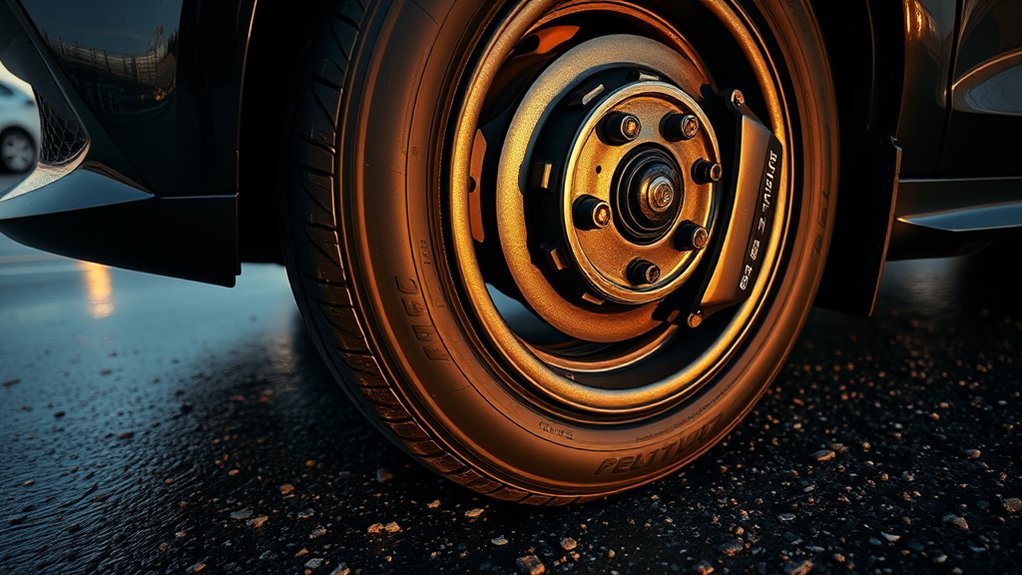
Different sounds can narrow down the problem, but no sound identifies a failed part by itself. The safest approach is to combine the noise with other clues such as tread condition, tire pressure, vibration, steering changes, and whether the sound changes on different pavement.
| Noise | Possible causes | Useful clues |
|---|---|---|
| Hum or roar | Normal tread noise, uneven wear, cupping, wheel bearing | Compare different road surfaces and note whether steering changes the sound |
| Rhythmic thump | Flat spot, cupping, out-of-round tire, imbalance, tire damage | Look for vibration and a repeating pattern that follows wheel speed |
| Squeal | Tire scrub, hard cornering, road surface, inflation or wear issue, brakes | Notice whether it happens while braking, steering, or only on certain pavement |
| Click or pop in turns | CV joint, wheel-end play, steering or suspension component | Repeated clicking during tight, low-speed turns is a common CV-joint clue |
| Grinding | Wheel bearing, brake hardware, severe wheel-end damage | Treat a new or severe grinding sound as a reason for prompt inspection |
| Hiss | Air leak from a puncture, valve, or bead area | Check pressure and look for rapid air loss |
The most useful clue is not only what the noise sounds like, but how it changes with speed, steering, pavement, and vibration.
A tire can also sound louder without being defective. Tread pattern, tire type, vehicle sound insulation, road texture, and speed all affect normal road noise. A sound that has always been present and changes noticeably between smooth asphalt and coarse pavement is less suspicious than a new noise that keeps getting louder on every surface.
When Tire Noise Means You Should Stop Driving
Many tire noises can be checked at a shop without an emergency tow, but some symptoms should change your plan immediately.
Warning: Pull over as soon as you can do so safely if a tire is rapidly losing air, the vehicle develops severe wobbling or shaking, you see a sidewall bulge or exposed cords, the tread appears to be separating, or the tire is visibly deformed. Do not continue normal-speed driving on an obviously damaged tire.
Also take a new grinding sound, major steering change, or repeated heavy thump seriously. Those symptoms can come from a tire, bearing, brake, wheel, or suspension problem, and continuing to drive may make the damage worse.
Normal Road Noise vs. a Developing Problem
Some tire noise is normal. Aggressive tread patterns and larger tread blocks can create more sound, and coarse pavement can make even healthy tires hum. Tire noise can also become easier to hear in a quiet vehicle.
A developing problem is more likely when the sound is new, becomes progressively louder, appears with vibration, follows a repeating wheel-speed rhythm, stays on many different road surfaces, or comes with visible irregular wear.
Note: A change in noise after rotating tires does not automatically mean something was installed incorrectly. An existing irregular wear pattern can sound different after the tire moves to another position. Have persistent noise or vibration checked rather than relying on sound alone.
Humming Noise From Tires
A humming noise may come from the tires, but it can also come from a wheel bearing. Start with the simple causes: look for uneven tread wear, feathering, cupping, low tread, and incorrect tire pressure.
Misalignment can create uneven or feathered tread over time. That irregular tread pattern may then produce a repeating hum or roar. Skipped tire rotations can also allow front and rear tires to develop different wear patterns.
If the hum grows with vehicle speed, pay attention to steering. A worn wheel bearing can produce humming, rumbling, or growling that becomes more noticeable when the load changes during a gentle turn. Tire noise often changes more with pavement than with steering load.
Do not use that steering response as a do-it-yourself proof of bearing failure. Tires, bearings, drivetrain components, and road surfaces can overlap in the sounds they make. A technician can inspect tread condition, wheel play, bearings, brakes, and suspension to identify the actual source.
Tire Noise When Turning
Noise during a turn can come from the tire contact patch or from parts that move and carry load while the vehicle is cornering.
A repetitive clicking or popping sound during tight, low-speed turns is a common clue for a worn outer CV joint. However, wheel-end play, steering joints, suspension parts, or other drivetrain components can create similar noises.
Clicking or popping in a turn can point to a CV joint, but the sound should be confirmed with an inspection rather than treated as a diagnosis by itself.
A humming or growling sound that changes as you steer can suggest a wheel bearing. Timken’s wheel-bearing guidance notes that bearing-related humming, rumbling, or growling may intensify when the steering wheel is turned slightly. See Timken’s wheel hub bearing symptom guide.
Squealing during a turn is less specific. Tires can scrub or squeal on certain pavement or during harder cornering. Incorrect pressure, irregular tread wear, or alignment-related wear can contribute, while brake or suspension noises may also be mistaken for tire squeal.
If the turning noise is new, repeated, or paired with looseness, vibration, grinding, or poor steering response, have the vehicle inspected.
Thumping or Rhythmic Tire Noise
A thumping sound that repeats with wheel speed usually means something is changing each time the tire rotates. Possible causes include a flat spot, cupped tread, an out-of-round tire, imbalance, foreign material, or tire damage.
Flat spotting can occur after a vehicle sits for an extended period. In many cases, a temporary flat spot causes vibration or thumping during the first part of a drive and fades as the tire warms and returns to shape. Michelin explains this temporary behavior in its tire flat-spotting guidance.
A persistent thump is different. Check all four tires for cupping, a visibly flattened area, a bulge, unusual tread movement, or another repeating defect. Do not assume a thump is harmless simply because pressure looks normal.
Severe braking that locks a wheel can also create a worn flat area on the tread, although anti-lock braking systems make this less common on modern vehicles.
If the thump remains after a short drive or comes with strong vibration, have the tire and wheel inspected for balance, runout, structural damage, and suspension problems.
Tire Noise at Highway Speeds
Higher speed makes many tire and wheel problems easier to hear. A low road hum may turn into a roar, and a small imbalance can become a noticeable vibration.
| Noise pattern | Possible cause | Action |
|---|---|---|
| Road hum that changes with pavement | Normal tread/road interaction | Compare on another safe road surface |
| Growing roar with irregular tread | Cupping or uneven wear | Inspect tires, alignment, balance, and suspension |
| Hum or growl that changes in gentle turns | Possible wheel bearing | Schedule wheel-end inspection |
| Steering-wheel or seat vibration | Balance, tire, wheel, or suspension issue | Inspect and balance as needed |
| Sudden new thump or shake | Pressure loss, impact damage, tire defect, or wheel issue | Slow down and inspect promptly |
Because highway speed increases heat and loading, do not continue a high-speed trip while a new severe vibration or thump is getting worse. Reduce speed safely and have the vehicle checked.
Vibration, Cupping, and Uneven Tire Wear
Vibration through the steering wheel, floor, or seat can come from an out-of-balance wheel, irregular tread, an out-of-round tire, a damaged wheel, or worn suspension parts.
Cupping is a scalloped or scooped pattern around the tread. It can increase both noise and vibration. Causes can include wheel imbalance, alignment problems, incorrect inflation, and worn steering or suspension components.
Bridgestone notes that correcting the underlying cause can prevent further cupping, but an alignment or balance service cannot restore tread rubber that has already worn away. Severe cupping, persistent vibration, poor traction, low tread, or other damage may make tire replacement the practical choice. See Bridgestone’s tire-cupping guidance.
Run your hand carefully across the tread when the vehicle is parked and the tires are cool. Feathered edges, alternating high and low areas, bald patches, or major differences in tread depth deserve inspection.
For rotation, follow your vehicle owner’s manual. If it does not specify an interval, the U.S. Tire Manufacturers Association recommends rotation every 5,000 to 8,000 miles. See USTMA Tire Care Essentials.
[Products Worth Considering]

Replace worn wheelchair rear tires with a universal 24x1 no-flat polyurethane foam option designed to mount tightly on 24-inch rims without the tire falling off. Installation is made easier with included tools and multiple methods, including using a pry bar or softening the tire in hot water to reduce resistance. The package includes two tires plus tie ropes for convenient fitting and handling.

Measure tire tread depth quickly and accurately with this LUMITECO dial gauge that reads in 1/32" increments up to 14/32". The color-coded green/yellow/red zones make it easy to judge tire wear and know when replacement is needed. A rugged, compact design with a protective pouch helps keep the gauge ready for use on cars, trucks, motorcycles, and more.

Steelman white tire marking crayons provide high-contrast, semi-permanent marks for repairing and inspecting tires and equipment. They write on wet or dry, smooth or coarse surfaces including rubber, metal, glass, and wood, making them ideal for puncture location and damage outlining. The lead- and zinc-free crayons resist weather and fading yet wipe away when you no longer need the marks.
How Low Tire Pressure Causes Tire Noise
Underinflation makes a tire flex more than intended and can increase heat, rolling resistance, irregular wear, and changes in ride feel. It may also make existing road noise or vibration more noticeable.
Do not diagnose pressure by appearance. A tire can be significantly underinflated without looking obviously flat.
According to NHTSA TireWise, check all tires at least monthly when they are cold. NHTSA defines cold for this purpose as the vehicle having been parked for at least three hours.
Pro Tip: Use the tire pressure listed on the driver’s door-jamb Tire and Loading Information label or in the owner’s manual. The pressure molded into the tire sidewall is not the vehicle manufacturer’s recommended operating pressure.
If you hear hissing, check for falling pressure. Air can escape through a tread puncture, valve, valve core, bead area, or other damage. A tire that is losing air rapidly should not be driven on normally.
Note: A TPMS warning is not a substitute for checking pressure with a gauge. NHTSA says TPMS is designed to warn when a tire is already significantly underinflated, so monthly manual checks still matter.
How to Check Tire Noise Safely at Home
You can narrow down many tire-noise problems without dismantling anything. Do the inspection with the vehicle parked on level ground, the engine off, and the parking brake set.
- Check cold tire pressure. Compare each reading with the vehicle’s door-jamb label or owner’s manual.
- Inspect the tread. Look for cupping, feathering, flat areas, embedded objects, unusual smooth patches, and different wear from one side to the other.
- Check tread depth. NHTSA says tires should be replaced when tread is worn to 2/32 inch. Built-in treadwear bars provide another quick reference.
- Inspect the sidewalls. Look for cuts, cracks, bulges, bubbles, exposed material, and damage after pothole or curb impacts.
- Look for pressure loss. A tire that repeatedly loses air needs leak diagnosis even if the noise is mild.
- Notice when the sound occurs. Record whether it changes with road speed, steering, braking, acceleration, or pavement type.
- Note where you feel vibration. Steering-wheel, floor, and seat vibration can help a technician narrow down which wheel or system needs inspection.
Avoid crawling under an unsupported vehicle or trying to diagnose wheel-bearing play from a raised wheel unless you have the correct lifting equipment and know the vehicle’s service procedure.
Tire Blowout Warning Signs
A blowout is a rapid loss of tire pressure. Some tire problems produce symptoms beforehand, such as repeated pressure loss, a bulge, severe vibration, obvious impact damage, or an unusual thumping sound. However, you should not assume every blowout will provide a useful advance warning.
Underinflation, overloading, road impacts, physical damage, and badly worn tires can increase tire stress. Inspect cuts, cracks, bulges, abnormal tread wear, and damage after hitting potholes, curbs, or road debris.
If the vehicle develops rapid air loss, severe wobbling, or an obvious tire deformation, pull off the road as soon as you can do so safely.
What to Do During a Tire Blowout
NHTSA recommends focusing first on keeping the vehicle balanced and controllable:
- Hold the steering wheel firmly with both hands.
- Avoid slamming on the brakes or making an abrupt steering move.
- Maintain control and gradually release the accelerator.
- Correct the steering as needed and look where you want the vehicle to go.
- Once the vehicle is stable, slow down and move off the road when it is safe.
See NHTSA’s tire safety guidance for its complete blowout recommendations.
Is It a Tire, Wheel Bearing, or Balance Problem?
Use the way the symptom changes to narrow down the source. Tire wear, wheel imbalance, and wheel-bearing damage can all create noises or vibrations that seem to come from the same corner of the vehicle.
[Products Worth Considering]

Monitor tire tread wear with a smart, color-coded depth gauge that shows clear condition ranges at a glance. The bar is range marked for fast, easy readings, helping you maintain safer traction and performance. Each gauge is portable with a pocket clip, and the set includes 20 units for daily use and sharing.

This tire inflator with pressure gauge delivers long-lasting performance with a durable rubber-protected gauge and sturdy build. The longer hose and 360 swivel air chuck help you seal the valve securely and keep your hands free while measuring, inflating, or deflating. It’s battery-free for reliable use and provides ±2 PSI accuracy in the mid-range for most typical tires, with universal compatibility for 1/4 NPT compressor outputs.

Accurately measure tire tread depth with a calibrated gauge marked from 0 to 1 inch in 1/32 inch increments. The color-coded bar helps you quickly identify tread condition ranges, supporting safe driving for trucks, motorcycles, automobiles, and passenger vehicles.
Tire Noise Clues
Tire-related noise often follows road speed and may change noticeably when the pavement changes. Inspect for cupping, feathering, uneven shoulder wear, low tread, flat spots, and visible damage.
A repeating thump that matches wheel speed is more consistent with a tire or wheel condition than a random rattle. If it appears after the vehicle has been parked for a long time and fades as the tires warm, temporary flat spotting may be involved.
If the noise remains on smooth and rough pavement and changes when you gently steer, a wheel bearing becomes a stronger possibility.
Clicking during tight turns can point toward a CV joint, while clunks over bumps more often suggest steering or suspension components. Brake noise can also be mistaken for tire noise.
Wheel Bearing Or Balance
A worn wheel bearing commonly produces a hum, rumble, or growl that increases with vehicle speed. Bearing-related noise can also intensify when steering changes the load on the wheel.
A balance problem is more likely to produce a speed-related vibration or shimmy. Timken notes that vibration at a constant speed is commonly associated with worn or damaged tires, suspension components, or tires that are out of balance or out of round rather than being a typical wheel-bearing symptom.
- Inspect the tread first: cupping, flat spots, or irregular edges point toward a tire, balance, alignment, or suspension issue.
- Note steering changes: a hum or growl that changes during a gentle turn may support a wheel-bearing diagnosis, but it does not prove which side has failed.
- Note vibration: speed-specific steering or seat vibration makes tire, wheel, balance, and suspension inspection important.
- Have the wheel end checked: persistent bearing-like noise should be confirmed by a qualified technician rather than diagnosed only from a road test.
Tire Age and the DOT Date Code
Tread depth is not the only reason a tire may need replacement. Tires also age, and environmental exposure, heat, storage conditions, maintenance, and vehicle use affect that aging process.
NHTSA notes that some vehicle and tire manufacturers recommend replacing tires between six and ten years old regardless of treadwear. That is not a single universal age limit, so check the recommendations for your vehicle and tire brand.
You can find the tire’s manufacturing date in the DOT Tire Identification Number on the sidewall. For tires made since 2000, the final four digits identify the production week and year. For example, a code ending in 3524 means the tire was made in the 35th week of 2024.
Age does not override visible condition. Replace or professionally evaluate a tire sooner if it reaches minimum tread, develops a bulge, has serious cracking or impact damage, will not maintain pressure, or shows other signs that it is no longer serviceable.
Repair or Replace the Tire?
Not every puncture means a new tire, but a safe repair depends on the injury’s location, size, and the tire’s overall condition.
Under USTMA tire-repair guidance, a puncture may be considered for repair when it is confined to the repairable tread area and is no greater than 1/4 inch (6 mm) in diameter. The tire must be removed from the wheel so its interior can be inspected.
A proper industry repair fills the puncture injury with a rubber stem or plug and seals the inner liner with a patch. A plug-only repair installed from outside the tire is not the recommended permanent repair method.
| Condition | Recommended action |
|---|---|
| Tread-area puncture no greater than 1/4 inch (6 mm) | May be repairable after tire removal and internal inspection |
| Shoulder or sidewall puncture | Do not repair; replace the tire |
| Tire driven while flat or severely underinflated | Remove from service and inspect internally; replace if structural damage is present |
| Bulge, exposed cords, serious cracking, or structural damage | Replace |
| Tread at 2/32 inch | Replace |
| Older tire | Follow the vehicle and tire manufacturer’s age and inspection guidance |
If you are unsure whether a tire has been damaged internally, do not judge it only from the outside. Running at very low or zero pressure can damage the inner structure in ways that may not be visible until the tire is removed from the wheel.
[Products Worth Considering]

The SAFELIFE dial tire tread depth gauge measures tread depth in 1/32 inch increments with clear, easy-to-read 2-inch dial face. Color zones using a traffic light system help you quickly judge whether tread is low, marginal, or ample for safer driving. Built with a durable zinc cast body and a metal detect probe for precise, comfortable use across cars, motorcycles, trucks, and buses.

Vigorder rubber cement glue delivers superior adhesion and cures quickly within about 30 seconds for seamless rubber bonding. Once cured, it helps provide a strong, durable, waterproof seal that holds up to vehicle weight, pressure, and heat. Suitable for cars, motorcycles, trucks, bicycles, and off-road tires, it’s designed for emergency patch and maintenance repairs.

Replace or upgrade your zero-turn lawn mower tires with a universal fit flat-free tire and wheel assembly in a convenient 2-pack. Smooth tread front-caster style helps turning with reduced turf damage, while flat-free design eliminates the maintenance and downtime of air-filled flats. The included adapter kit supports 5/8-inch axles and hub lengths from 3.4 to 5 inches for compatibility across most ZTR mowers.
Frequently Asked Questions
What Kind of Noise Does a Bad Tire Make?
A damaged or irregularly worn tire can thump, rumble, hum, roar, hiss, or create vibration. Cupped tread often becomes noisy, while a flat spot can create a repeating thump. A hiss may indicate an air leak. Grinding and clicking can come from nearby wheel-end, brake, or drivetrain parts rather than the tire itself.
What Sounds Like Tire Noise but Isn’t?
Wheel bearings, brakes, CV joints, differential or drivetrain components, suspension parts, and even road surface can sound like tire noise. A technician usually separates them by checking when the sound occurs, how it changes with steering or speed, and whether the tire has visible irregular wear.
How Do You Tell Tire Noise From Wheel Bearing Noise?
Tire noise often changes with pavement and is commonly paired with visible tread wear. A worn wheel bearing can produce humming, rumbling, or growling that changes as steering shifts load on the wheel. Neither clue is conclusive, so persistent noise should be confirmed by inspecting the tire, wheel, bearing, brakes, and suspension.
What Does a Bad Alignment Sound Like?
Wheel misalignment does not have one distinctive sound. Its stronger signs are pulling, an off-center steering wheel, and uneven or feathered tread wear. As that irregular tread develops, the tires themselves may begin to hum or roar. Correcting the alignment stops the cause but does not restore tread that has already worn away.
Can Low Tire Pressure Cause Noise?
Yes, underinflation can change tire flex, increase heat and rolling resistance, contribute to irregular wear, and make vibration or road noise more noticeable. It is not possible to confirm low pressure from sound alone, so check cold pressure with a gauge and use the vehicle’s door-jamb pressure specification.
Is It Safe to Drive With a Humming or Thumping Tire?
A mild, familiar road hum may be normal, but a new or worsening hum or thump should be inspected. Stop driving normally if the noise comes with rapid pressure loss, a bulge, exposed cords, severe vibration, obvious tread separation, or major handling changes. Those symptoms can indicate a tire or wheel-end problem that needs immediate attention.
Conclusion
A tire hum, thump, squeal, roar, hiss, or vibration should be treated as a diagnostic clue rather than proof of one specific failure. Start with cold tire pressure, tread depth, irregular wear, and visible damage. Then notice how the symptom changes with road speed, steering, braking, and pavement.
Uneven tread, cupping, flat spots, imbalance, alignment-related wear, wheel bearings, CV joints, brakes, and suspension parts can produce overlapping symptoms. Catching the cause early can prevent additional tire wear and help you avoid driving on a tire or wheel-end component that has become unsafe.
If you find rapid air loss, a bulge, exposed cords, severe wobble, visible tread separation, or another major change in handling, stop driving normally and have the vehicle inspected before continuing.
Sources
- National Highway Traffic Safety Administration — TireWise — tire pressure, tread depth, TPMS, tire aging, maintenance, and blowout guidance.
- U.S. Tire Manufacturers Association — Tire Care Essentials — tire pressure, tread, rotation, and alignment guidance.
- U.S. Tire Manufacturers Association — Tire Repair Basics — repairable tread area, 1/4-inch puncture limit, tire removal, and patch/stem repair requirements.
- Bridgestone — Tire Cupping — causes, inspection clues, prevention, and when cupped tires may need replacement.
- Michelin — Tire Flat Spotting — temporary and persistent flat-spotting causes and symptoms.
- Timken — Symptoms of a Worn Wheel Hub Bearing — humming, rumbling, growling, vibration, and steering-load clues.