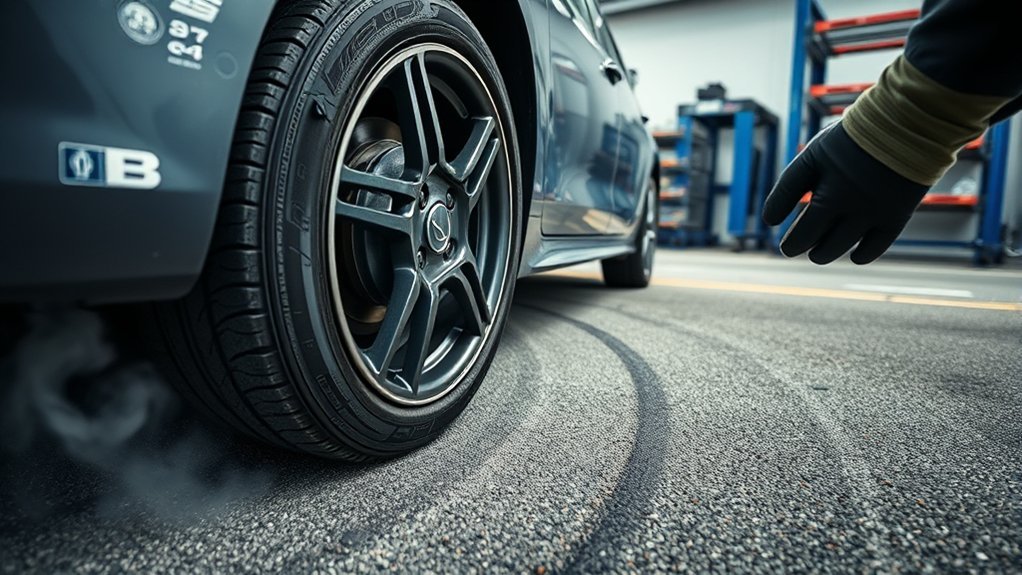
Tire squeal when turning is usually the sound of rubber scrubbing across the road, but the cause can range from a harmless tight-turn chirp to low tire pressure, worn or uneven tread, bad alignment, brake drag, or a steering or suspension problem. Start with cold tire pressure and a visual tire check, then use the sound pattern and vehicle behavior to decide whether you need professional service.
Quick Answer
If your tires squeal when turning, first check cold PSI against the driver-door placard, then inspect tread depth, uneven wear, cracks, bulges, and rubbing marks. A brief chirp in a very tight turn can be normal, but repeated squeal during ordinary turns, pulling, vibration, brake drag, or steering changes deserves an inspection.
Key Takeaways
- Tire squeal during a turn usually comes from tread scrub or brief loss of grip, especially with hard cornering or a very tight steering angle.
- Incorrect or uneven tire pressure can change handling and tread flex, so check PSI when the tires are cold and use the vehicle placard—not the tire sidewall maximum.
- Worn tread, feathering, edge wear, cracks, bulges, or exposed cords need prompt attention.
- Pulling, an off-center steering wheel, or uneven wear can point to alignment or worn steering and suspension parts.
- A squeal that changes when you press the brake or comes from under the hood may not be tire squeal at all.
- Drive smoothly, follow the vehicle maker’s rotation schedule, and have alignment checked when symptoms or abnormal wear appear.
At a Glance
| Time Required | About 10–15 minutes for the basic tire checks |
| Difficulty | Easy for inspection; professional equipment is needed for alignment and some brake, steering, or suspension faults |
| Tools Needed | Accurate tire-pressure gauge, tread-depth gauge or penny, flashlight |
| Cost | Usually little or nothing for the initial checks if you already have a gauge; repair cost depends on the actual cause |
Why Tires Squeal When Turning
Tires develop side force when you turn. If the tread blocks deform and scrub across the pavement—or if you ask for more cornering grip than the tires can provide—you can hear a high-pitched squeal. Hard cornering, rapid acceleration while turning, smooth painted surfaces, sealed concrete, and some pavement textures can make the sound easier to hear.
A brief chirp at a very tight steering angle is not the same as repeated squealing during normal turns. The second pattern deserves a tire, alignment, brake, steering, and suspension check.
Worn or uneven tread can reduce predictable grip, while low pressure increases tire flex and heat. Misalignment can also make a tire scrub because the wheel is not pointing at the intended angle. Worn steering or suspension parts may let the alignment change as the vehicle loads up in a corner.
Road surface matters too. A tire may chirp on a painted line or smooth parking-garage floor and stay quiet on coarse asphalt. That is why you should look at the whole pattern—speed, steering angle, road surface, braking, and vehicle behavior—rather than judging the sound alone.
What the Sound Pattern Can Tell You
| When it happens | What to check first |
| Only during fast or hard cornering | Driving speed, tire pressure, tread condition, and available grip |
| At low speed near full steering lock | Normal tire scrub versus rubbing marks, wrong tire/wheel fitment, or steering/suspension issues |
| During gentle, ordinary turns | Pressure, uneven tread wear, alignment, and worn steering/suspension parts |
| Gets louder when the brake pedal is pressed | Brake pads, rotor contact, dust shield, caliper, or brake hardware |
| Comes from under the hood while steering | On hydraulic systems, power-steering fluid, pump, or drive belt; electric power steering has no hydraulic fluid or pump |
Note: A squeal is not the same as a click, clunk, grind, or rubbing scrape. Those sounds can point to different faults, including CV joints, wheel bearings, brake hardware, tire-to-body contact, or worn suspension parts.
Check Tire Pressure First
Start by checking all four tires with a reliable gauge when the tires are cold. NHTSA says the correct pressure is the vehicle manufacturer’s recommended cold PSI on the Tire and Loading Information label or in the owner’s manual—not the maximum pressure molded into the tire sidewall. NHTSA TireWise also recommends checking tire pressure at least monthly.
Underinflation makes the tire flex more and can affect handling, heat buildup, tread wear, and fuel economy. Pressure above the vehicle placard can also change ride and handling, so do not use extra pressure as a way to stop squeal.
If one tire keeps losing air, inspect the tread and sidewall for damage and have the tire, valve, and wheel checked for a leak. A TPMS warning is useful, but NHTSA notes that the system warns only after a tire is already significantly underinflated, so it does not replace a gauge.
Proper PSI Matters
Use the driver-door placard or owner’s manual as your pressure target. Check pressure before driving, or after the vehicle has been parked long enough for the tires to cool. This gives you a more useful reading than checking immediately after a drive.
Do not wait for the TPMS light before checking pressure. Federal rules require TPMS on passenger cars, light trucks, and vans from model year 2008 onward, but the warning threshold is not a day-to-day maintenance target. Keeping the tires at the placard pressure gives you a better baseline for judging whether the squeal is caused by tire scrub or something else.
Pro Tip: Record the four cold PSI readings before adding air. If the same tire is repeatedly lower than the others, you have a useful clue for finding a slow leak instead of repeatedly topping it off.
Inspect for Pressure Loss
Temperature changes can move the gauge reading even when there is no puncture. Bridgestone’s tire-safety guidance says tire pressure can drop about 1 PSI for each 10°F drop in temperature, so seasonal cold snaps are a good time to recheck all tires. Bridgestone Tire Maintenance and Safety Manual
Also check before long trips and whenever a tire looks low, the TPMS light comes on, or handling changes. If pressure drops again soon after correction, have the tire inspected rather than assuming temperature is the only cause.
Look for Tread Wear and Damage
Inspect the full tread width on every tire. NHTSA says tires are not safe and should be replaced when tread reaches 2/32 inch. You can use a tread-depth gauge or the penny test: place a penny into a main tread groove with Lincoln’s head upside down; if the top of his head remains visible, the tread is at the replacement point. NHTSA TireWise
Look for feathering, one-sided shoulder wear, cupping, flat spots, cracks, cuts, punctures, bulges, or exposed cords. Uneven wear can point to pressure, alignment, balance, or worn suspension problems. A bulge or exposed cord is more serious than a noise complaint because it can indicate structural tire damage.
Tire age can matter too. Rubber changes with time even when tread remains. If the tires are older or show cracking or performance changes, check the DOT Tire Identification Number and follow the vehicle and tire manufacturer’s age guidance.
Rotation helps tires wear more evenly, but use your vehicle owner’s manual first because some directional, staggered, or special fitments have different rules. Michelin’s current guidance gives 5,000–7,000 miles as a common interval while still telling owners to follow the vehicle maker’s schedule. Michelin tire-rotation guidance
Warning: Do not keep driving normally on a tire with a bulge, exposed cords, rapid pressure loss, or severe vibration. Slow down safely, stop in a safe place, and use the proper spare or roadside/towing help as needed. Tire failure can cause loss of control.
See If Your Alignment Is Off
Alignment problems can make the tread scrub even during normal driving. Common clues include feathered tread blocks, heavy wear on one edge, a steering wheel that is off-center while driving straight, or a vehicle that consistently pulls or drifts on a level road.
Camber, caster, and toe are measured against the vehicle maker’s specifications. You cannot confirm those angles by eye, so a shop needs alignment equipment to tell whether adjustment is actually required.
There is no universal rule that every vehicle needs an alignment every 6,000 miles or every 6–12 months. A better trigger is the manufacturer’s maintenance guidance plus symptoms: abnormal wear, pulling, a crooked steering wheel, a hard pothole or curb impact, steering/suspension repairs, or new tires when the previous set wore unevenly.
Alignment Wear Patterns
Feathering often suggests a toe problem, while heavy inner- or outer-edge wear can be related to alignment, pressure, loading, or worn parts. Michelin recommends an alignment check when you see uneven front or rear tire wear or changes in steering response such as pulling to one side. Michelin uneven-wear guidance
- Fresh tires can wear out early if the underlying alignment or suspension problem is not corrected.
- Uneven tread can reduce predictable grip, especially in wet conditions.
- Feathering can also add road noise even when the car is driving straight.
- Fixing worn steering or suspension parts may be necessary before the final alignment is set.
If the wear is severe or cords are visible, replace the damaged tire as well as correcting the cause.
Steering Wheel Pull
A vehicle that pulls left or right can have an alignment problem, but alignment is not the only possibility. Unequal tire pressure, tire construction or wear, road crown, brake drag, and worn steering or suspension parts can also affect tracking.
If the steering wheel remains off-center on a straight, level road, or the vehicle began pulling after a pothole or curb strike, inspect tire pressure and damage first, then have the steering, suspension, and alignment measured if the symptom remains.
Correct alignment can help protect tread life and restore predictable steering, but adjustment should be based on measured specifications rather than a fixed mileage interval.
Rule Out Brake, Steering, or Suspension Issues
Not every high-pitched sound in a turn comes from the tires. Brake pads have wear indicators that can create a squeal, and a sticking caliper or other brake hardware can make noise or drag more noticeably when cornering. If the sound changes when you lightly press or release the brake pedal, inspect the brake system rather than assuming the tread is squealing.
Use the trigger to narrow the source: tire squeal follows road contact and cornering load, brake squeal often changes with pedal input, and steering-system noise may appear as you turn the wheel even at very low speed.
Suspension and steering parts such as bushings, ball joints, tie-rod ends, strut mounts, and related joints can squeak or allow wheel alignment to shift under load. Look for looseness, torn boots, leakage where applicable, clunks over bumps, or changes in steering feel.
Hydraulic power-steering systems add another possibility. Low fluid, a slipping drive belt, or a worn pump can squeal or groan during steering. However, many newer vehicles use electric power steering and have no hydraulic power-steering fluid or pump. AAA’s current maintenance guidance makes the same distinction between steering-related squeal and other vehicle noises. AAA maintenance warning signs
- A squeal that worsens with the brake pedal points more strongly toward brakes.
- A clunk or click in turns is a different symptom and needs separate diagnosis.
- A hot wheel, burning smell, or vehicle drag can indicate a brake that is not releasing normally.
- Pulling, looseness, or abnormal tire wear can point to steering, suspension, or alignment faults.
[Products Worth Considering]

This universal wheel alignment tool helps you accurately restore tire tilt angles after tire or suspension repairs using an adjustable camber gauge. It features a powerful magnetic base that firmly attaches to brake rotors for stationary, slip-free readings, improving consistency during measurement. Built from durable PC plastic, it resists wear and corrosion and is compact enough for car, truck, RV, and motorcycle alignment tasks.

Monitor tire tread wear with a smart, color-coded depth gauge that shows clear condition ranges at a glance. The bar is range marked for fast, easy readings, helping you maintain safer traction and performance. Each gauge is portable with a pocket clip, and the set includes 20 units for daily use and sharing.

The SAFELIFE dial tire tread depth gauge measures tread depth in 1/32 inch increments with clear, easy-to-read 2-inch dial face. Color zones using a traffic light system help you quickly judge whether tread is low, marginal, or ample for safer driving. Built with a durable zinc cast body and a metal detect probe for precise, comfortable use across cars, motorcycles, trucks, and buses.
Is Squeal at Low Speed or Full Steering Lock Normal?
Sometimes. In a very tight parking-lot turn, the front tires follow different arcs and the tread can scrub slightly. Smooth concrete, painted surfaces, warm high-grip tires, and a large steering angle can make a brief chirp easier to hear.
What is less normal is loud or repeated squealing during gentle everyday turns, a new rubbing scrape, steering that binds, or visible contact marks inside the wheel well. Those signs deserve an inspection, especially after changing tire size, wheel offset, suspension height, or steering/suspension parts.
If you can reproduce the noise safely in an empty area, notice whether it appears only near full lock, only while braking, only on one surface, or throughout normal cornering. Do not perform aggressive test turns on public roads just to create the noise.
How to Stop Tire Squeal: Step-by-Step Checks
- Slow the driving input. Ease off hard cornering and rapid acceleration. If the noise disappears only when you stop pushing the tires near their grip limit, driving style or road surface may be the main trigger.
- Check cold tire pressure. Compare each tire with the driver-door placard or owner’s manual and correct any low or high readings.
- Inspect tread and sidewalls. Measure tread depth and look for feathering, edge wear, cupping, cracks, bulges, punctures, exposed cords, and rubbing marks.
- Compare the sound with braking. If the squeal changes when you touch the brake pedal, have the pads, rotors, shields, calipers, and hardware checked.
- Watch the steering. Pulling, an off-center wheel, looseness, or a change after a pothole or curb impact supports an alignment or steering/suspension inspection.
- Check the steering system type. If the noise comes from under the hood, determine whether the vehicle has hydraulic or electric power steering before looking for fluid or a pump.
- Get measured diagnosis if it persists. A shop can check alignment angles, brake drag, wheel/tire clearance, and worn steering or suspension parts.
These steps are designed to identify the cause, not hide the sound. Do not use extra tire pressure, tire dressings, or other shortcuts to silence a squeal without correcting the underlying problem.
[Products Worth Considering]

The Ziopetru adjustable magnetic wheel alignment tool helps you check and restore camber and caster positioning after removing and reinstalling undercarriage components. With a clear leveling/bubble measurement system and an easy zeroing adjustment knob, it supports precise horizontal angle checking. The strong magnetic base mounts to metal surfaces for convenient use at home on cars, motorcycles, trucks, vans, and SUVs.

Measure tire tread depth quickly and accurately with this LUMITECO dial gauge that reads in 1/32" increments up to 14/32". The color-coded green/yellow/red zones make it easy to judge tire wear and know when replacement is needed. A rugged, compact design with a protective pouch helps keep the gauge ready for use on cars, trucks, motorcycles, and more.

Accurately measure tire tread depth with a calibrated gauge marked from 0 to 1 inch in 1/32 inch increments. The color-coded bar helps you quickly identify tread condition ranges, supporting safe driving for trucks, motorcycles, automobiles, and passenger vehicles.
How to Prevent Tire Squeal Later
Keep the tires at the vehicle maker’s recommended cold pressure and check them monthly. Inspect tread and sidewalls at the same time so you catch irregular wear or damage before it becomes severe.
Rotate tires on the schedule in your owner’s manual. If the manufacturer does not give an interval, follow the tire maker’s guidance for your fitment. Directional or staggered setups may have limited rotation options.
Have alignment checked when the vehicle pulls, the steering wheel sits off-center, tread wears unevenly, or the vehicle takes a hard impact. Do not pay for repeated alignment adjustments without also checking worn steering or suspension parts that could keep moving the wheels out of specification.
Choose replacement tires in the correct size, load rating, speed rating, and type for your vehicle and use. Even a properly maintained tire can squeal if you enter a turn too fast for the available grip, so smooth steering, braking, and acceleration still matter.
- Maintain predictable grip in wet and dry turns.
- Reduce avoidable tread scrub and uneven wear.
- Catch pressure loss, damage, and alignment symptoms early.
- Separate harmless surface noise from a mechanical problem that needs service.
When to Get Professional Help
Book an inspection if the squeal continues after pressure and tread checks, happens during normal gentle turns, or comes with pulling, steering looseness, vibration, brake drag, a burning smell, or abnormal tire wear. These symptoms require measurements or component inspection that a driveway check cannot provide.
Seek more urgent help if you find a bulge, exposed cords, rapid air loss, severe vibration, or a major change in steering or braking. Do not keep driving just to see whether the sound gets worse.
[Products Worth Considering]
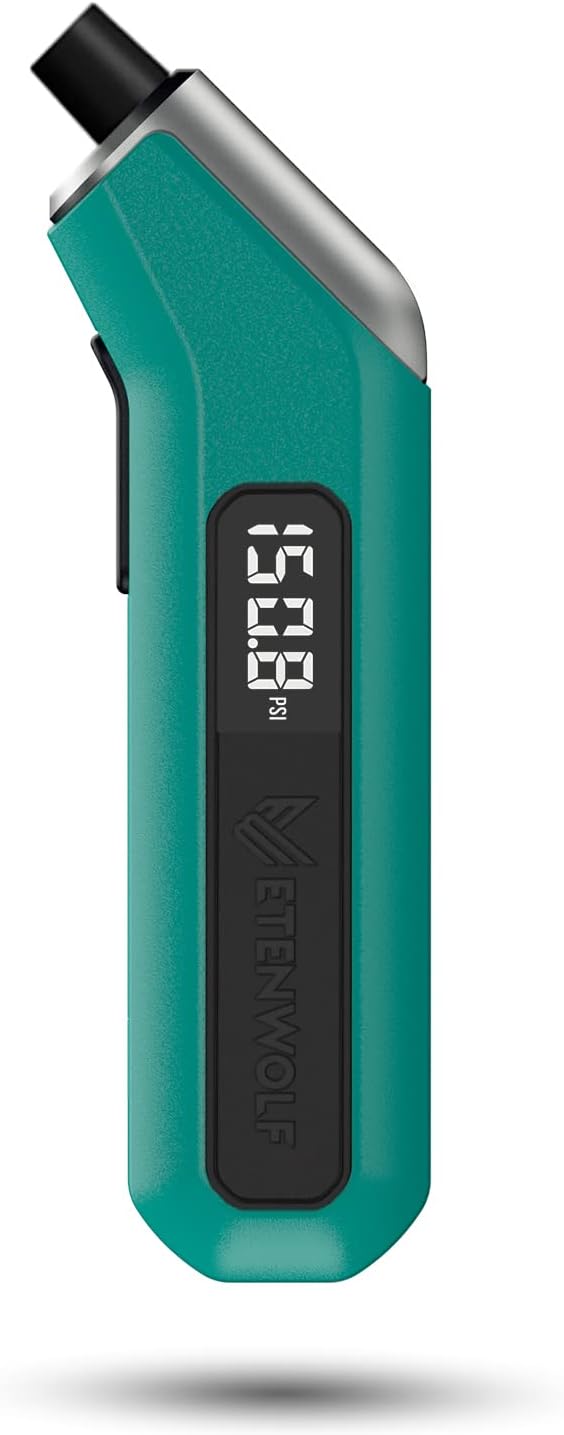
ETENWOLF T300 is a calibrated digital tire pressure gauge designed for reliable readings across low and high pressure ranges. It includes thermal compensation for stable performance in extreme cold or heat, an LED light for visibility, and an auto shut-off to help preserve battery life. Ideal for pickups, RVs, and heavy-duty vehicles, it delivers accurate PSI measurements with sturdy durability.

Keep your tires properly inflated with this analog VONDIOR tire pressure gauge, designed for fast, easy readings without batteries. The swiveling, two-axis hose and large glow dial help you measure at any tire angle with instant visibility. Built with a protective rubber shield, it supports durable, low-maintenance use for cars and trucks.

Steelman white tire marking crayons provide high-contrast, semi-permanent marks for repairing and inspecting tires and equipment. They write on wet or dry, smooth or coarse surfaces including rubber, metal, glass, and wood, making them ideal for puncture location and damage outlining. The lead- and zinc-free crayons resist weather and fading yet wipe away when you no longer need the marks.
Frequently Asked Questions
Why are my tires squealing every time I turn?
Repeated squeal in ordinary turns can come from incorrect tire pressure, uneven or worn tread, alignment problems, aggressive driving, certain road surfaces, or steering/suspension wear. Start with cold PSI and tire condition. If the vehicle also pulls, vibrates, or wears one edge of a tire, have the alignment and related parts inspected.
Why is my car squealing when I turn my steering wheel?
First locate the sound. Tire tread can scrub on pavement, but a squeal from under the hood can come from a hydraulic power-steering belt or pump. A squeak near a wheel can come from brakes or suspension parts. Many newer cars use electric power steering, so they do not have hydraulic steering fluid or a power-steering pump.
Does squealing tires ruin your car?
An occasional brief chirp does not automatically damage the car. Repeated tire sliding or scrubbing can speed up tread wear, and persistent squeal may be a warning of pressure, alignment, brake, steering, or suspension problems. Treat the pattern as a diagnostic clue rather than judging damage by the sound alone.
Can low tire pressure cause squealing when turning?
Yes. Low pressure increases tire flex and can change how the tread loads and scrubs in a turn. Check pressure cold with a gauge and compare it with the vehicle placard. Do not use the maximum pressure printed on the tire sidewall as your target.
Why do my tires squeal only at low speed or full lock?
A brief chirp in a very tight turn can be normal tire scrub, especially on smooth concrete or painted surfaces. Inspect further if the sound is loud, new, one-sided, accompanied by binding, or leaves rubbing marks in the wheel well.
Can new tires squeal when turning?
They can. Tread design, rubber compound, road surface, steering angle, and driving style all affect noise. However, new tires do not rule out incorrect pressure or alignment. If the old tires wore unevenly, correct the cause so the new set does not develop the same pattern.
How much does it cost to fix a squeaky steering wheel?
There is no reliable single price because “squeaky steering” is a symptom, not one repair. Correcting tire pressure may cost nothing, while tire replacement, alignment, brake work, suspension repairs, a belt, or a hydraulic power-steering repair can cost very different amounts. Get the noise diagnosed before accepting a repair estimate.
Conclusion
When tires squeal in a turn, start with the simple checks: cold tire pressure, tread depth, damage, and uneven wear. Then use the sound pattern to separate tire scrub from brake, steering, or suspension noise. A brief chirp in a tight turn can be harmless, but repeated squeal during normal driving, pulling, vibration, brake drag, or visible tire damage should not be ignored. Fix the cause instead of trying to mask the noise.
Sources
- NHTSA TireWise — cold tire pressure, TPMS, tread depth, penny test, tire damage, and alignment guidance.
- NHTSA Summer Driving Tips — manufacturer placard pressure, cold-pressure checks, and tire-damage inspection.
- Bridgestone Tire Maintenance and Safety Manual — pressure changes with temperature, monthly pressure checks, rotation, and tire-failure warning signs.
- Michelin Tire Rotation Guide — rotation intervals and fitment limitations.
- Michelin Uneven Wear Guidance — alignment symptoms and steering pull.
- AAA Signs Your Car Needs Maintenance — brake squeal and steering-related squeal clues.