
What Do Tire Spacers Do? Effects on Handling, Safety & Look

Tire spacers, more accurately called wheel spacers, move the wheel outward from the hub. That wider position can improve stance, create clearance for certain wheels, tires, or brake calipers, and slightly change how the vehicle feels in corners. The tradeoff is that spacers also change wheel offset, scrub radius, and leverage on wheel bearings and suspension parts, so sizing and installation matter.
Quick Answer
Tire spacers push the wheels outward to widen track width, improve visual stance, and add clearance for some wheel, tire, or brake setups. They can be safe when vehicle-specific, hub-centric, correctly torqued, and rechecked, but poor sizing can cause rubbing, vibration, faster bearing wear, or unsafe wheel attachment.
Key Takeaways
- Wheel spacers move the wheel outward, increasing track width and reducing the effective positive offset of the wheel.
- They are most useful for correcting fitment, clearing brake calipers, reducing inner tire rub, or achieving a flush stance.
- They do not automatically improve grip; tires, alignment, suspension condition, and spacer size decide the real handling result.
- Spacers can increase scrub radius and leverage on wheel bearings, studs, ball joints, and suspension bushings.
- Safe fitment requires the correct bolt pattern, hub bore, spacer thickness, hardware, thread engagement, and torque spec.
- Never stack spacers, never install a spacer that does not sit flush, and always recheck fasteners after driving.
At a Glance
| Time Required | About 45–90 minutes for a careful DIY install, plus a short test drive and later recheck. |
| Difficulty | Moderate. The work is simple, but mistakes affect wheel attachment and safety. |
| Tools Needed | Floor jack, jack stands, wheel chocks, lug wrench, torque wrench, socket set, wire brush, caliper or ruler, and the correct spacer hardware. |
| Cost | Usually low to moderate for quality parts, but professional installation, extended studs, or alignment checks can add cost. |
What Tire Spacers Do
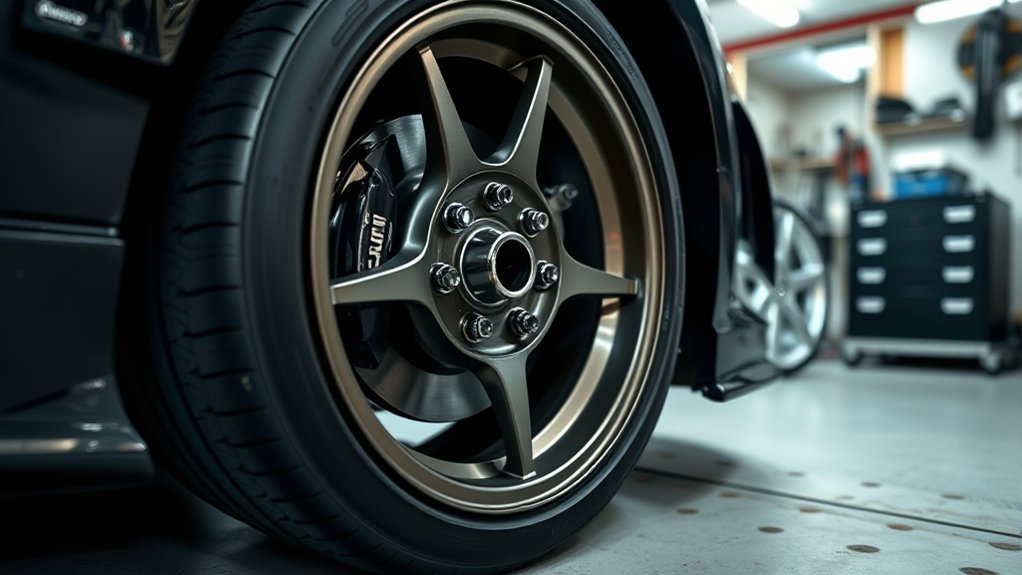
Tire spacers are metal discs that sit between the vehicle hub and the wheel. Their job is simple: move the wheel outward. Moving the wheel outward widens the track width, changes the wheel’s effective offset, and creates more room on the inner side of the wheel.
That extra room can help when a wheel or tire is too close to a suspension arm, strut, inner fender, or brake caliper. Spacers are also used to bring wheels closer to flush with the fender for a wider stance. The right spacer can solve a real fitment problem, but it should be treated like a wheel-mounting part, not a cosmetic accessory.
Note: “Tire spacer” is the common phrase, but the part actually spaces the wheel away from the hub. “Wheel spacer” is the more technically accurate name.
How Tire Spacers Affect Stance, Clearance, and Handling
Wider Track Width
When spacers move the wheels outward, the left and right tires sit farther apart. This wider track can make the vehicle feel more planted, especially during side-to-side transitions. It can also make the vehicle look broader and more aggressive.
The key word is can. A wider track does not automatically create more tire grip. Grip still depends on tire compound, tire size, air pressure, alignment, suspension condition, and road surface. Spacers mainly change where the tire sits relative to the hub and steering axis.
More Clearance for Wheels, Tires, and Brakes
One of the best reasons to use spacers is clearance. A small, correctly sized spacer may help an aftermarket wheel clear a brake caliper, stop a tire from touching a strut, or make a wider wheel fit without rubbing on the inside.
Clearance must be checked in more than one position. Turn the steering from lock to lock, inspect the inside sidewall, check brake clearance, and look for contact at the fender liner. If the vehicle has been lifted or lowered, also check clearance under suspension compression.
Reduced Body Roll Feel
A wider stance can reduce the feeling of body roll because the tires are spread farther apart. However, spacers do not lower the vehicle’s actual center of gravity, and they do not replace springs, shocks, sway bars, or a proper alignment. If the vehicle leans heavily in corners, spacers alone are not the real fix.
Aggressive Stance Appearance
Spacers can make wheels sit closer to the fender line, giving the vehicle a wider, more deliberate look. This is the most visible benefit. The safest setup is one that improves appearance while keeping the tire covered, the wheel centered, the spacer flush, and all hardware properly engaged.
How Tire Spacers Change Scrub Radius
Scrub radius is the distance at the road surface between the tire contact patch center and the steering axis. When a spacer pushes the wheel outward, it usually increases positive scrub radius or moves a negative scrub setup closer to zero or positive.
That change can affect steering weight, road feedback, bump reaction, braking feel, and torque steer on some front-wheel-drive or all-wheel-drive vehicles. A small spacer may be barely noticeable. A large spacer can make the steering heavier, more nervous over bumps, or more sensitive under braking.
Warning: Do not choose spacer thickness by looks alone. The farther the wheel moves outward, the more leverage it places on bearings, studs, and suspension parts.
The Downsides: Wear, Stress, and Rubbing
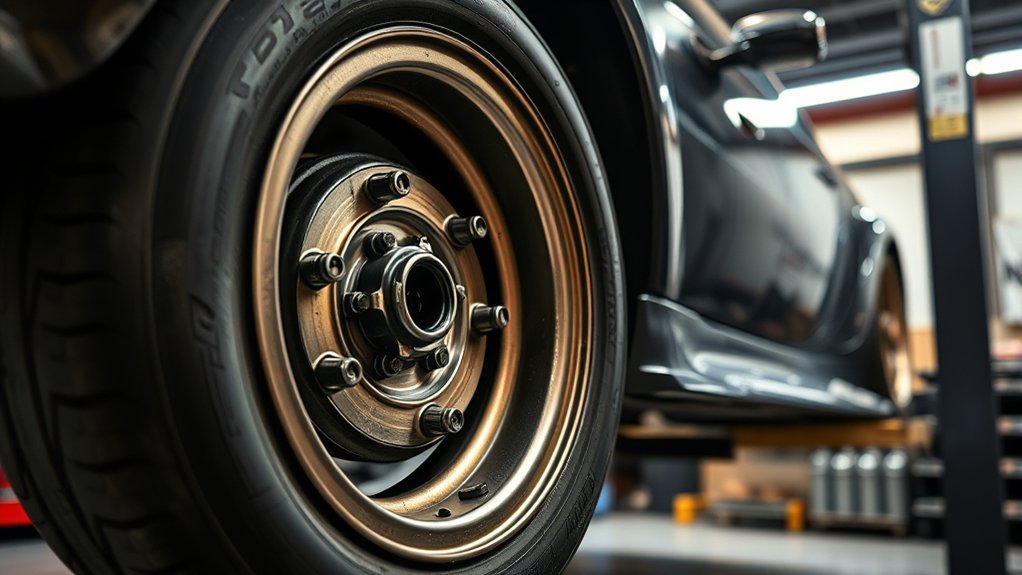
Spacers can solve fitment problems, but they also create new checks. By moving the wheel farther away from the hub, they increase leverage on parts that were designed around the original wheel offset.
- Wheel bearing load: More outward leverage can shorten bearing life, especially with thick spacers, heavy wheels, large tires, or hard off-road use.
- Stud and bolt stress: Incorrect hardware, too little thread engagement, or improper torque can loosen the wheel assembly.
- Suspension wear: Ball joints, tie rods, bushings, and dampers may see extra load when offset changes are aggressive.
- Rubbing: Moving the wheel outward may fix inner clearance but create fender, liner, or bumper contact.
- Vibration: Poorly machined spacers, dirt on the hub face, or lug-centric misalignment can cause vibration at speed.
- Legal or inspection issues: Some regions restrict spacers or require tires to remain covered by the bodywork. Rules vary by location and vehicle class.
Are Tire Spacers Safe for Daily Drivers?
Tire spacers can be safe for daily driving when they are high-quality, vehicle-specific, correctly installed, and checked regularly. The safest daily-driver setup is usually a modest spacer that keeps the wheel hub-centered, uses the correct hardware, maintains full thread engagement, and does not cause rubbing or vibration.
| Condition | What It Means |
|---|---|
| Vehicle-specific hub-centric spacer | Better centering and lower vibration risk. |
| Correct hardware and thread engagement | The wheel can clamp securely to the hub/spacer assembly. |
| Torque wrench used to specification | Fasteners are tightened evenly without under- or over-torque. |
| No rubbing or vibration | The fitment is more likely to remain safe in daily use. |
| Regular rechecks | Loose hardware, contact marks, or early wear can be caught before they become dangerous. |
For heavy towing, track driving, large off-road tires, or commercial use, get professional guidance before installing spacers. These situations place more load on wheel and suspension parts.
How to Choose the Right Spacer Size
The right spacer is the thinnest spacer that solves the fitment problem without creating a new one. Start with measurement, not guesswork.
[Products Worth Considering]
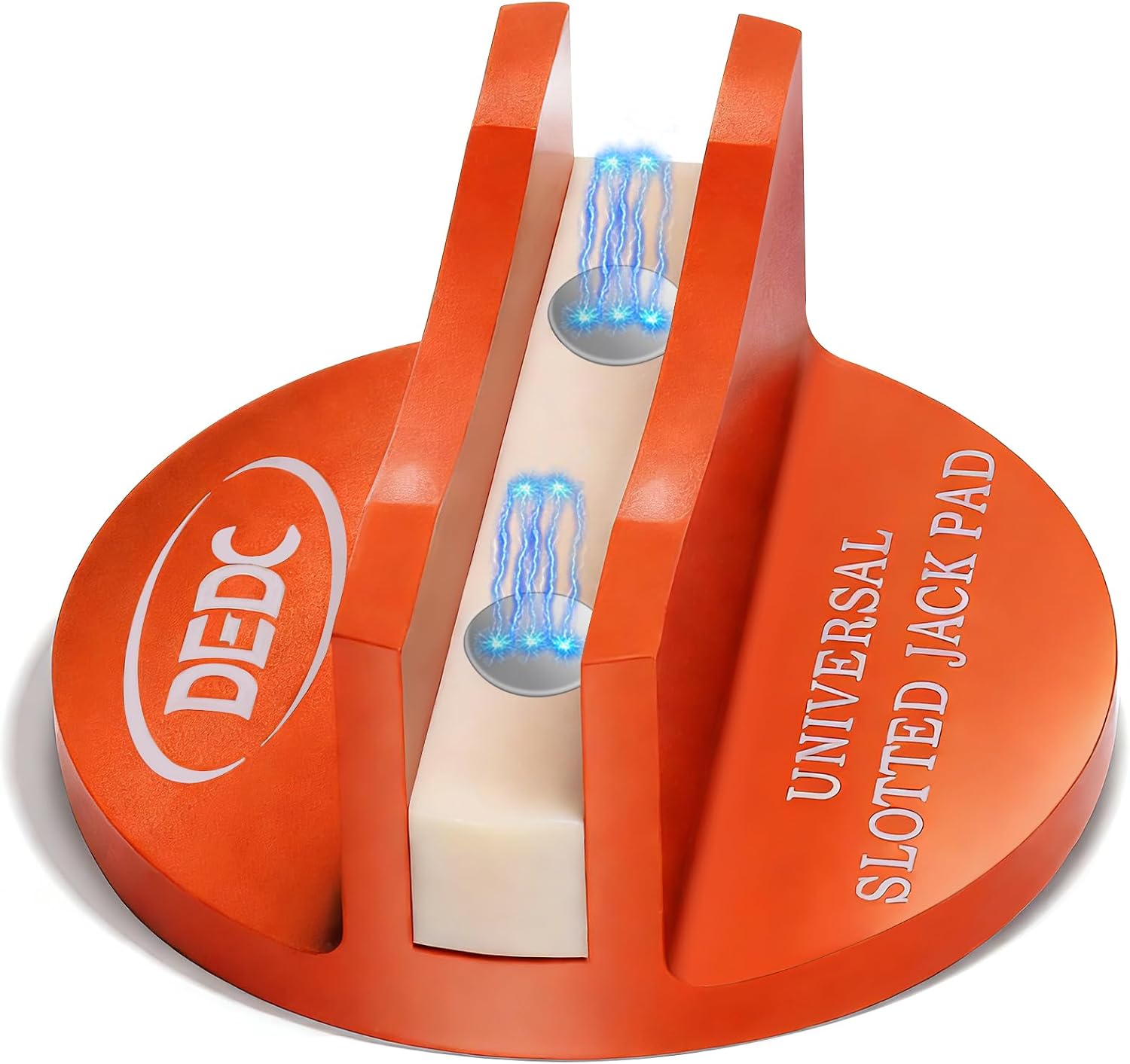
This universal magnetic jack pad is designed to protect pinch welds when lifting vehicles, helping prevent seam damage or warping. Crafted from solid aluminum with a nylon pad insert, it provides reinforced structural support and a secure fit for most single-vehicle pinch welds. Slotted for strong magnet holding, it supports safe jacking for cars, SUVs, trucks, and more.

The 22800 wheel stud installer makes replacing wheel studs quick and secure, saving time and effort during tire service. It uses a ratchet or impact wrench to pull new studs firmly into place, helping when existing studs are too long. Compatible with most automotive wheels and light-duty truck wheel studs, it’s designed for easy, tool-assisted installation.

This 1/2-inch drive breaker bar delivers powerful leverage for loosening and tightening stubborn lug nuts and automotive fasteners. The 180-degree flex head helps you reach tight spaces at the angle you need, making tire and brake jobs easier. A spring-loaded ball detent design holds 1/2-inch sockets securely while the chrome-moly head provides durable strength for everyday use.
Measure Wheel Clearance
Measure the gap between the tire/wheel and the nearest suspension, brake, and body components. Then measure how far the wheel can move outward before it contacts the fender, liner, bumper, or bodywork.
Check clearance with the steering straight, at full left lock, and at full right lock. If possible, check again with the suspension compressed. A spacer that clears while parked may still rub during braking, turning, or hitting a bump.
Pro Tip: If you only need 5 mm of extra brake or strut clearance, do not install a 25 mm spacer for looks. Smaller spacers usually create fewer geometry and wear problems.
Match Bolt Pattern, Hub Bore, and Seat Type
Spacer fitment must match the vehicle and wheel. Confirm all of the following before buying:
- Bolt pattern: The spacer must match the vehicle’s stud or bolt pattern exactly.
- Center bore: A hub-centric spacer should fit snugly on the vehicle hub and support the wheel’s center bore correctly.
- Thread size and pitch: Studs, bolts, and lug nuts must match the vehicle hardware.
- Lug seat type: Cone, ball, mag, and other seat styles are not interchangeable.
- Spacer thickness: The spacer must solve clearance without causing fender or suspension contact.
- Wheel pockets: Bolt-on spacers may require pockets on the back of the wheel if original studs protrude beyond the spacer face.
Check Stud Length and Thread Engagement
Thread engagement is one of the most important safety checks. The wheel fastener must have enough thread contact after the spacer is installed. A useful general rule is that thread engagement should be at least equal to the stud or bolt diameter, but the vehicle manual, wheel maker, and spacer maker instructions take priority.
| Check | Safe Result |
|---|---|
| Slip-on spacer with factory studs | Enough thread engagement remains after the spacer is added. |
| Spacer requiring longer bolts | Bolts are the correct thread, seat type, and added length for the spacer. |
| Spacer requiring longer studs | Studs are professionally installed and match the knurl, thread, and length requirements. |
| Bolt-on spacer | Spacer hardware seats fully, and no original stud or bolt head prevents the wheel from sitting flat. |
If you cannot confirm thread engagement, do not install the spacers. Use the correct longer studs or bolts, or have the setup checked by a qualified technician.
Hub-Centric vs Lug-Centric Spacers
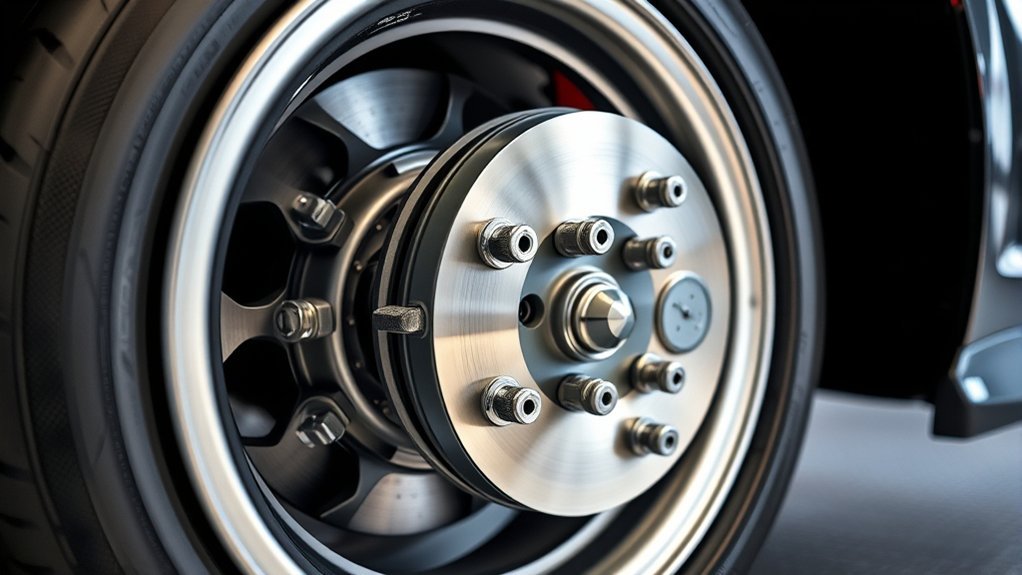
Hub-centric spacers are machined to fit the vehicle hub and the wheel center bore. This helps keep the wheel centered on the hub, which reduces the chance of vibration and uneven clamping.
Lug-centric spacers rely mainly on the lug nuts or bolts to center the wheel. They can work in some applications, but they demand more care during installation and are less forgiving if the machining, hardware, or tightening sequence is imperfect.
For most modern daily drivers, hub-centric spacers are the safer and smoother choice. The spacer should fit the hub without play, sit flush against the mounting face, and provide proper support for the wheel.
[Products Worth Considering]

Universal magnetic jack pad with aluminum grooved design to protect vehicle pinch welds during lifting. Durable nylon pad inserts are upgraded and secured with screws to resist damage and keep in place. Designed to fit most single vehicle pinpoint welds for safer, stable jacking when changing tires, repairs, or performing oil changes.

Make hard-to-reach areas easier to access with the MAXXHAUL truck tire service step featuring an adjustable width and height. The foldable design stores compactly, while the serrated non-slip platform provides secure footing for tire-related maintenance. It fits most stock tire sizes up to 31-inch diameter with a 300-lb capacity.
Slip-On vs Bolt-On Wheel Spacers
There are two common spacer styles:
- Slip-on spacers: These slide over the existing studs or wheel bolts. Thin slip-on spacers may work with factory hardware only if thread engagement remains correct. Thicker slip-on spacers usually need longer studs or bolts.
- Bolt-on spacers: These bolt to the hub first and provide a second set of studs or threaded holes for the wheel. They are common in thicker sizes, but they still require correct torque, flush seating, and wheel-back clearance.
Neither style is automatically safe or unsafe. The right choice depends on spacer thickness, vehicle design, wheel design, and hardware compatibility.
How to Install Tire Spacers Correctly
Install wheel spacers only when you have the correct parts, the correct torque specification, and a safe way to lift and support the vehicle. If any step feels uncertain, have the work done by a professional.
- Park safely. Use a flat surface, engage the parking brake, and chock the wheels that stay on the ground.
- Loosen the lug nuts or bolts slightly. Do this before lifting the vehicle.
- Lift and support the vehicle. Use the proper jacking points and place the vehicle securely on jack stands.
- Remove the wheel. Inspect the wheel, studs, lug nuts, and hub face.
- Clean the mounting surfaces. Remove rust, dirt, paint buildup, and debris so the spacer can sit perfectly flat.
- Test-fit the spacer. Confirm bolt holes line up, the center bore fits, and the spacer sits flush with no gap or wobble.
- Install the spacer hardware. Hand-start every nut or bolt to avoid cross-threading. Use the hardware supplied or specified by the spacer manufacturer.
- Tighten in a star pattern. Snug first, then torque with a calibrated torque wrench to the vehicle, wheel, or spacer manufacturer’s specification.
- Check for protrusion. On bolt-on spacers, make sure original studs or bolt heads do not prevent the wheel from sitting flat.
- Reinstall the wheel. Hand-start the wheel fasteners, snug in a star pattern, and torque to specification.
- Spin and inspect. Turn the wheel by hand and check for brake, suspension, ABS sensor, and fender contact.
- Road test carefully. Listen for noise, feel for vibration, and stop immediately if anything feels wrong.
- Recheck fasteners. Recheck torque after the first short drive and again after the spacer manufacturer’s recommended mileage.
Warning: Never use an impact wrench for final tightening, never stack spacers, and never drive on a spacer that does not sit flush against the hub.
When Tire Spacers Are Worth It
Tire spacers are worth it when they solve a specific fitment or clearance problem and can be installed safely. Good reasons include clearing brake calipers, moving the tire away from a strut, correcting a wheel that sits too far inward, or achieving a mild flush stance with proper clearance.
They are less convincing when the only goal is an extreme wide look. Once the spacer becomes thick enough to create heavy steering, rubbing, vibration, or bearing stress, the better solution may be a wheel with the correct offset instead of a spacer.
When to Skip Tire Spacers
Skip spacers if any of these are true:
- The spacer does not match the bolt pattern or hub bore.
- The spacer does not sit perfectly flush on the hub.
- You cannot confirm the correct torque specification.
- You do not have enough thread engagement.
- The wheel vibrates after installation.
- The tire rubs the fender, liner, bumper, or suspension.
- The studs, lug nuts, wheel bolts, or wheel seats are damaged.
- Local inspection or road-use rules do not allow your setup.
- The vehicle is used for heavy towing, racing, or commercial work without expert approval.
Frequently Asked Questions
Is there a downside to wheel spacers?
Yes. Wheel spacers can increase leverage on wheel bearings, studs, steering parts, and suspension components. They can also increase scrub radius, cause rubbing, create vibration, or create legal/inspection problems if the setup is poorly sized or installed incorrectly.
Do you put spacers on all four tires?
You can install spacers on all four wheels, but you do not always need to. Some vehicles need different front and rear spacer thicknesses to achieve even fitment. The important part is keeping clearance, steering behavior, and handling balance safe.
Do spacers throw off alignment?
Spacers usually do not directly change static toe, camber, or caster by themselves. They do change effective offset, track width, scrub radius, and clearance. After installing spacers, check tire wear, steering feel, and alignment, especially if you also changed wheels, tires, ride height, or suspension parts.
What are the benefits of tire spacers?
The main benefits are a wider stance, improved wheel fitment, extra inner clearance, and a more flush appearance. In some setups, spacers can also make the vehicle feel more stable, but they should not be treated as a guaranteed grip or handling upgrade.
Are hub-centric spacers better than lug-centric spacers?
For most daily-driven vehicles, hub-centric spacers are preferred because they help center the wheel on the hub and reduce vibration risk. Lug-centric spacers rely more heavily on the fasteners to center the wheel, so installation accuracy becomes even more important.
How often should wheel spacers be rechecked?
Recheck spacer and wheel fasteners after the first short drive, then again after the mileage recommended by the spacer manufacturer. Also inspect them during tire rotations, after off-road use, and any time you notice vibration, clicking, rubbing, or steering changes.
Conclusion
Tire spacers can improve stance and solve real clearance problems, but they are not a shortcut around proper wheel fitment. The safest setup uses vehicle-specific spacers, correct hub centering, correct hardware, enough thread engagement, clean mounting surfaces, and torque applied with a torque wrench. Choose the smallest spacer that solves the problem, check local rules, and inspect the setup regularly.
Sources
- H&R TRAK+ Installation Tips — flush seating, star-pattern tightening, interference checks, and torque wrench guidance.
- Eibach Pro-Spacer Installation Instructions — fitment checks, hardware verification, thread engagement, torque, and post-install rechecks.
- NHTSA-hosted Wheel Attachment and Torque Requirements bulletin — torque wrench use, fastener torque maintenance, and wheel attachment cautions.
- NHTSA-hosted Wheel Fitment and Fastener Guidance — fastener seat compatibility, thread engagement, load rating, and fit checks.
- 49 CFR § 393.205 Wheels — U.S. commercial vehicle wheel requirements for cracks, elongated holes, and loose or missing nuts/bolts.

Related Articles
10 Ply Vs 12 Ply Tires: What’s the Difference?
Powerful 10-ply vs 12-ply tire differences affect load, ride, and durability—discover which one fits your needs better.
Read More
10 Ply Vs 14 Ply Tires: Load Range Compared
A 10 ply vs 14 ply tire comparison reveals surprising load range differences, but the best choice depends on more than just ply count.
Read More
4 Ply Vs 6 Ply Tires: Which Do You Actually Need?
Better understand 4 ply vs 6 ply tires before you buy—one choice could change your ride, safety, and load capacity.
Read More