
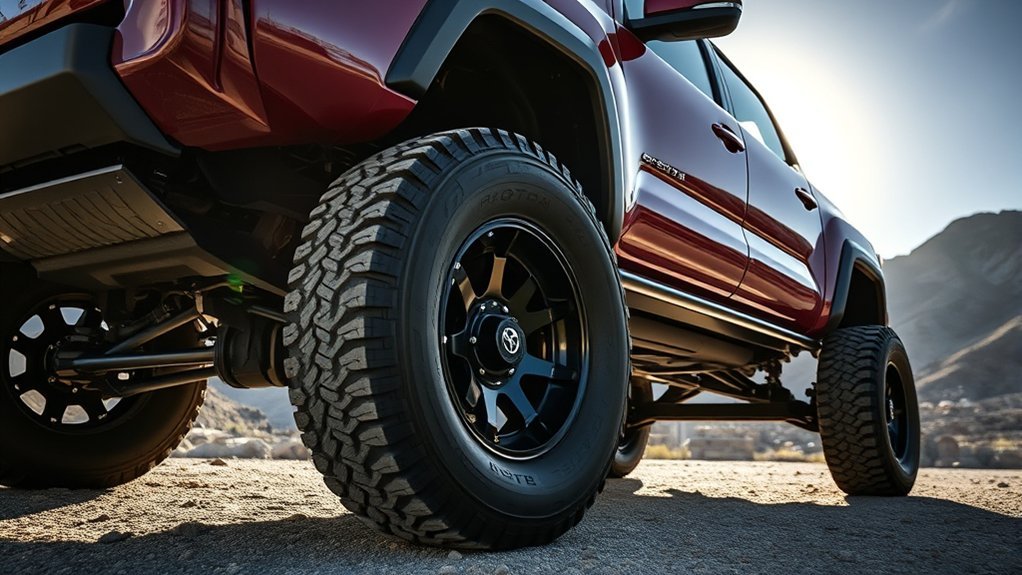
Choosing a wheel offset for a lifted Toyota Tacoma is not as simple as matching one number to the lift height. The correct fit depends on the truck’s generation, wheel width, tire dimensions, suspension parts, alignment, brake clearance, and the amount of fender poke you want. A combination that fits a 2023-or-older Tacoma may be wrong for a 2024-and-newer truck, so treat every offset range as a starting point and verify the complete package before buying.
Quick Answer
For many 2023-and-older lifted Tacomas using 17×8 to 17×8.5 wheels, 0 to -12 mm is a common starting range. For 2024-and-newer Tacomas, many model-specific wheels use +18 to +25 mm. More negative is not automatically better, so confirm the exact wheel, tire, hub, brake, and suspension clearances.
Key Takeaways
- No single offset is best for every lifted Tacoma or every tire size.
- A 2024-and-newer Tacoma often needs a more positive offset than a 2023-or-older Tacoma.
- Wheel width and offset must be compared together because both change inner and outer clearance.
- A lift may add ride-height clearance, but it does not guarantee clearance at full steering lock or suspension compression.
- Verify bolt pattern, center bore, wheel load rating, brake clearance, lug-seat type, TPMS compatibility, and tire load capacity before installation.
Understanding Wheel Offset and Backspacing
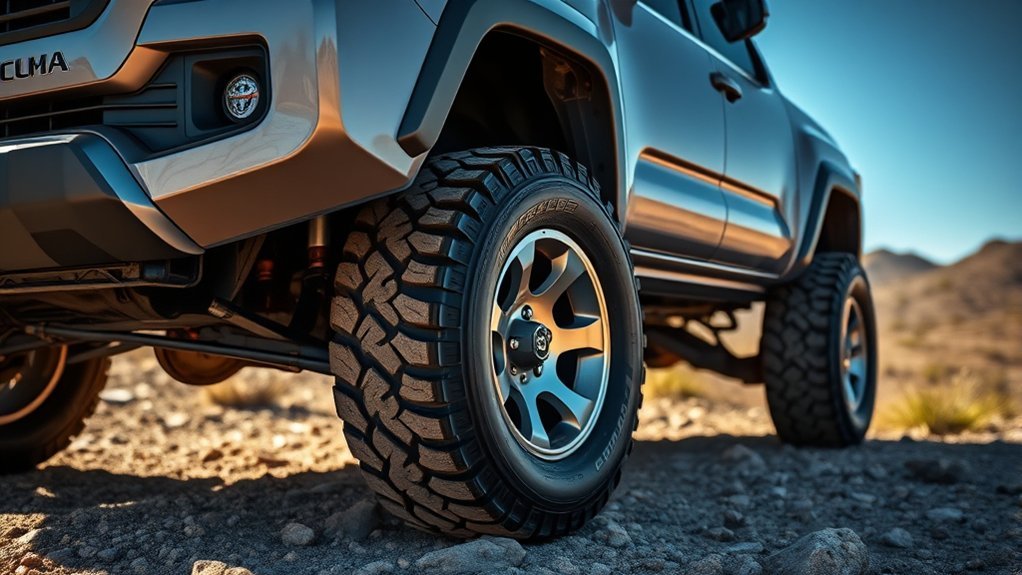
Wheel offset is the distance, measured in millimeters, between the wheel’s centerline and the surface that mounts against the hub. A positive offset places the mounting surface toward the wheel face and generally pulls the wheel inward. Zero offset aligns the mounting surface with the centerline. A negative offset moves the wheel farther outward.
Backspacing measures from the hub-mounting surface to the wheel’s inner edge. It describes inner clearance in inches, while offset describes the mounting surface’s position relative to the wheel centerline. You need both wheel width and offset to predict fitment. A 17×9 wheel and a 17×8 wheel with the same offset will not place their inner and outer edges in the same positions.
Best Wheel Offset by Tacoma Generation
Tacoma generations do not share one universal wheel specification. The ranges below are practical starting points based on commonly offered vehicle-specific wheels, not guarantees that every tire and suspension combination will clear.
| Tacoma setup | Practical starting point | What to expect |
|---|---|---|
| 1995–2004 Tacoma | Use a wheel specifically listed for the exact 2WD or 4WD configuration | First-generation fitment varies enough that later-generation offset ranges should not be copied without measurement. |
| 2005–2023 with a mild lift and 17×8 to 17×8.5 wheels | About 0 to -12 mm | Zero offset usually gives less poke. A -10 to -12 mm wheel moves the tire farther outward and may improve inner upper-control-arm clearance while increasing outer-edge exposure. |
| 2005–2023 aggressive stance | About -25 to -38 mm only for a build designed around it | Expect substantial poke and a greater chance of fender-liner, mud-flap, cab-mount, and body contact during steering or suspension travel. |
| 2024 and newer Tacoma | Many vehicle-specific 17×8 to 17×8.5 wheels use about +18 to +25 mm | The fourth-generation truck commonly uses different hub and wheel fitment from older Tacomas. Confirm the wheel is explicitly listed for 2024-and-newer models. |
A current manufacturer example shows +25 mm fitment for the 2024-and-newer Tacoma and -12 or -25 mm fitment for 2023-and-older models. It also lists a 95.1 mm center bore for its newer-Tacoma fitment and a 106.1 mm center bore for its older-Tacoma negative-offset versions. Those specifications show why shopping by “Tacoma” and offset alone can lead to the wrong wheel.
Note: Positive offset is not automatically unsuitable for an off-road Tacoma. Toyota has sold Tacoma/TRD wheels with a +13 mm offset and another TRD wheel with a +4 mm offset, both designed around the intended vehicle package.
[Products Worth Considering]
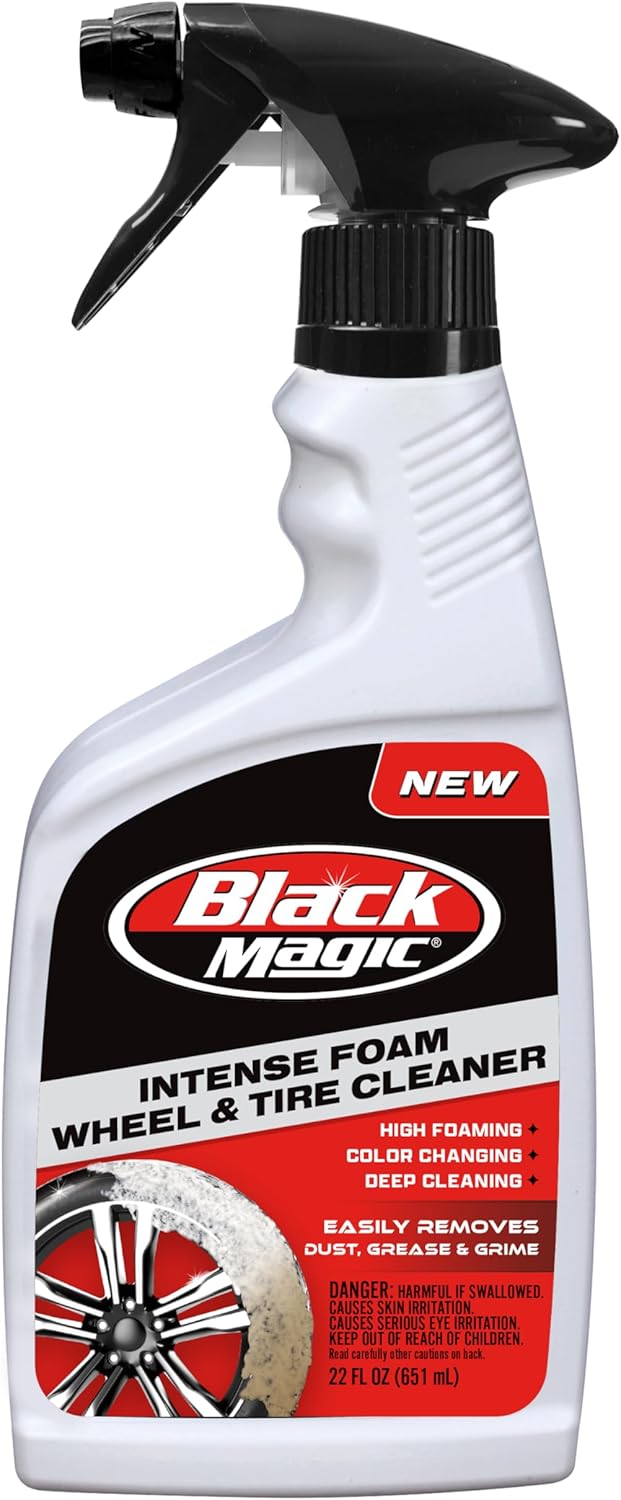
Black Magic Intense Foam Wheel & Tire Cleaner uses a high-foaming action to lift away dirt, grime, and brake dust without scrubbing. The color-changing formula helps show contaminants being dissolved as foam turns from white to brown. Safe for all wheel types and even wheel wells, it leaves a like-new, slick finish with a fresh cherry scent.

These aluminum alloy tire valve stem caps with an O-ring seal help protect valve stems from corrosion while adding a clean, stylish look to your vehicle. The universal fit works across cars, trucks, motorcycles, bicycles, and more, making them an easy upgrade for everyday driving and off-road use. Installation is quick, and the included four-pack keeps all your tires dressed and protected.

These M14x1.5 closed-end chrome lug nuts are a one-piece replacement designed for secure fitment on compatible GM, Ford, and select Chrysler/Dodge models. Featuring a 60-degree conical seat and anti-rust chrome plating, they help resist corrosion and maintain a bright look for everyday driving. Built for long-term durability, they include OEM-style part references and are backed by 12 months of support.
How Offset Changes Backspacing on a 17×8.5 Wheel
The same wheel width makes the effect of offset easier to compare. The following manufacturer measurements show how lower offset reduces backspacing and moves the wheel outward.
| 17×8.5 offset | Approximate backspacing | General position |
|---|---|---|
| +25 mm | 5.73 inches | Farthest inward of these examples |
| 0 mm | 4.75 inches | Balanced inner and outer movement |
| -12 mm | 4.28 inches | More outward position and visible poke |
| -25 mm | 3.77 inches | Aggressive outward position |
These measurements come from one wheel family and should not be transferred blindly to another width or design. Spoke shape, barrel shape, brake clearance, and the wheel’s actual outer width can still affect fitment.
Why More Negative Offset Is Not Always Better
A moderately lower offset can create extra space between the tire and the upper control arm. It can also provide the wider stance many off-road owners want. However, moving the wheel outward changes more than appearance.
- Outer rubbing can increase: The tire may move closer to the front and rear edges of the wheel opening as you steer.
- Fender poke increases: More of the tire may sit outside the body, increasing spray and debris on the paint and side panels.
- Steering feel can change: A large departure from the vehicle’s intended offset changes steering geometry and can increase kickback over bumps.
- Component leverage increases: Moving the tire farther from the hub can increase leverage on wheel bearings, studs, and suspension parts.
- Clearance shifts rather than simply improving: You may gain space near the upper control arm but lose space near the fender liner, mud flap, bumper edge, or cab mount.
Warning: Do not choose a wheel by offset alone. The correct offset cannot make up for the wrong bolt pattern, center bore, lug-seat type, load rating, brake clearance, or insufficient thread engagement.
How Lift Height Affects Wheel Offset Fitment
Lift height changes the truck’s resting position, but it does not determine offset by itself. The tire still travels through an arc as the suspension compresses and the steering turns. A combination that looks clear while parked can rub on a driveway entrance, during braking, or while one front wheel is compressed off-road.
- Leveling kit: Raises the front at ride height but does not move the cab mount, bumper edge, fender liner, or upper control arm.
- Suspension lift: May increase static clearance, but full-compression and full-lock contact can remain.
- Body lift: Changes body-to-frame clearance but does not create more space around every chassis or suspension component.
- Aftermarket upper control arms: May improve alignment range or tire clearance, but arm shape differs by brand and must be checked.
Do not assume a 3-inch lift guarantees room for a 33-inch or 35-inch tire. Actual tire dimensions, wheel width, alignment caster, suspension travel, and body clearances matter as much as the advertised lift height.
[Products Worth Considering]

Upgrade your wheels with MIKKUPPA closed-end lug nuts designed for reliable fit and corrosion resistance. The one-piece, cold-forged and heat-treated steel construction helps resist rust and stripping, while the integrated finish delivers a durable black appearance. Built to OEM standards with a conical 60-degree seat, these nuts provide a secure solution for compatible Ford, Honda, Jeep, and Chevrolet models.

Upgrade your wheels with MIKKUPPA M12x1.5 mag seat lug nuts built for secure, corrosion-resistant performance. These closed-end chrome lug nuts are a direct replacement for select Toyota models, including Camry, Corolla, RAV4, Sienna, Avalon, Highlander, Matrix, Venza, and Prius. Triple-chromium plating and cold-forged, heat-treated steel help deliver strength for daily driving and replacement needs.

Upgrade your 2024-2026 Tesla Model 3 Highland with REEVAA all-weather mud flaps designed for seamless fit along the original body lines. The set of four delivers strong splash protection against mud, gravel, and road debris while using OEM-grade durable materials. Installation is non-destructive with original hole positions and snap-in clips, and the aerodynamic design helps minimize impact on efficiency.
What Actually Causes Tire Rubbing
Rubbing usually comes from several fitment variables interacting, not from offset alone. Check each of these before ordering:
- Actual tire diameter and section width: Two tires with the same labeled size can have different measured dimensions.
- Wheel width: A wider wheel changes both the inner and outer tire position.
- Offset and backspacing: These determine where the wheel sits relative to the hub.
- Caster and alignment: Caster changes the tire’s position inside the wheel opening.
- Upper control arm and sway-bar clearance: Inner contact may appear only at certain steering angles.
- Fender liner, mud flap, bumper edge, and cab mount: These are common outer or rearward contact areas.
- Suspension compression: Clearance must be checked beyond normal parked ride height.
Fitment Specifications You Must Check Beyond Offset
A wheel can have a suitable offset and still be unusable. Confirm all of the following against the wheel manufacturer’s vehicle application list and your Tacoma’s exact model year:
- Bolt pattern and stud size
- Center-bore diameter and whether a hub-centric ring is approved
- Wheel diameter and width
- Brake-caliper and barrel clearance
- Wheel load rating
- Lug-nut seat type and thread engagement
- TPMS sensor compatibility
- Tire size, load index, and load capacity
NHTSA recommends using the original tire size or another size recommended by the vehicle manufacturer and checking the door-jamb Tire and Loading Information label for the specified cold pressure. Modified wheel-and-tire packages may require professional load and inflation guidance because the original placard may no longer describe the new package accurately.
Pro Tip: Compare the current and proposed wheel with a wheel-position calculator, but enter both widths and both offsets. Then verify the result with the wheel manufacturer or a shop that can physically test the exact wheel and tire.
Don’t Make These Wheel Offset Mistakes
- Using one offset recommendation for every Tacoma generation. Fourth-generation fitment can differ significantly from earlier trucks.
- Choosing the tire after buying the wheel. Tire width and measured diameter directly affect clearance.
- Assuming a lift eliminates rubbing. Full-lock and full-compression contact can remain after lifting.
- Ignoring wheel width. Offset without width does not show the true inner and outer positions.
- Buying the most negative offset for appearance. Extra poke can create new clearance, steering, and component-load concerns.
- Ignoring the center bore and lug hardware. A wheel that bolts on is not necessarily centered, clamped, or supported correctly.
- Skipping alignment and post-installation inspection. Larger tires and suspension changes can expose clearance or wear issues.
Testing Fit: Ensuring Proper Clearance
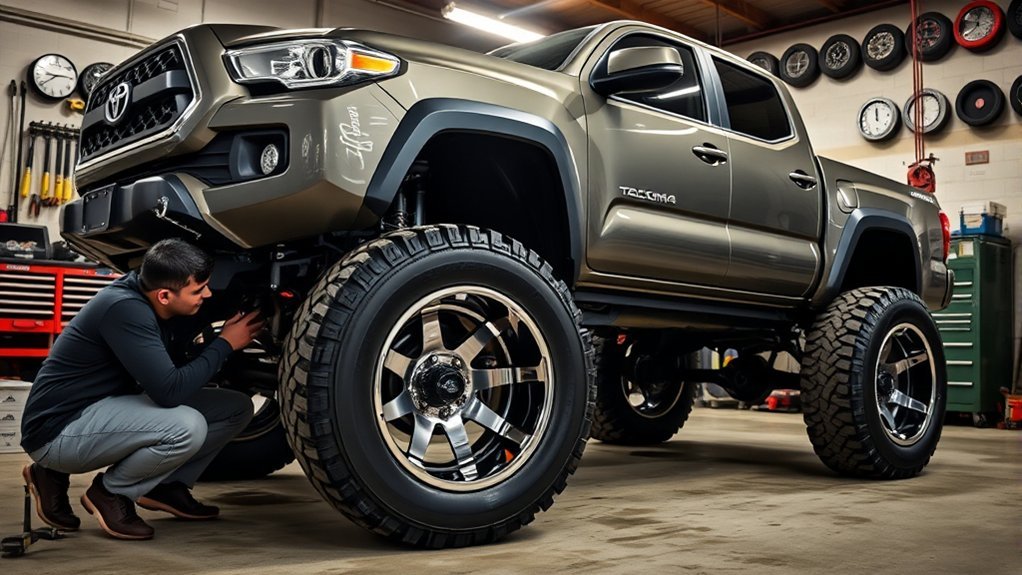
Physical test fitting is the safest way to confirm a proposed wheel-and-tire package. Perform the following checks before normal driving or trail use:
- Confirm the wheel seats flat against the hub and clears the brake caliper, studs, and suspension hardware.
- Verify the correct lug nuts, lug-seat shape, and adequate thread engagement.
- Turn the steering from full left lock to full right lock while checking the upper control arm, sway bar, frame, brake hoses, fender liner, mud flaps, bumper edge, and cab-mount area.
- Repeat the clearance inspection with the suspension compressed in a controlled and safe manner. A qualified off-road alignment or tire shop can perform this check if you do not have suitable equipment.
- Check that the tire remains covered as required by local law and that it does not contact the body during reversing or braking turns.
- Set cold tire pressure using the vehicle placard or qualified guidance for the new load-rated package, then register or initialize TPMS components when required.
- Complete a low-speed road test, listen for contact, and inspect for fresh rub marks before highway or trail driving.
- Have the alignment checked and follow the wheel manufacturer’s lug-torque and re-torque instructions.
For reference, the 2024 Tacoma owner’s manual lists several trim-dependent 17- and 18-inch wheel widths. It also lists 97 ft-lb for applicable aluminum-wheel installations and 154 ft-lb for applicable steel-wheel installations. Older model years and aftermarket wheels can require different procedures, so use the specifications for your exact truck and wheel.
Toyota also states that the 2024 Tacoma tire-pressure warning system must be initialized in situations that include tire-size or inflation-pressure changes, tire rotation, and transmitter registration.
Final Recommendation by Use Case
- 2023-and-older daily driver with a mild lift: Start near 0 to -12 mm on a vehicle-specific 17×8 or 17×8.5 wheel, then choose the least aggressive offset that provides the required inner clearance.
- 2023-and-older trail build with wider tires: A negative offset may help upper-control-arm clearance, but plan for outer clearance work and full-compression testing.
- 2024-and-newer Tacoma: Start with wheels specifically listed for the fourth-generation truck, commonly around +18 to +25 mm in many aftermarket designs.
- Show-style or very aggressive poke: Treat -25 to -38 mm as a specialized fitment rather than a default off-road upgrade.
The best choice is the offset that clears every component with the smallest unnecessary change from a proven vehicle-specific fitment. A less aggressive wheel that clears properly will usually be easier to align, protect from rubbing, and live with every day.
[Products Worth Considering]

ETENWOLF T300 is a calibrated digital tire pressure gauge for accurate readings from 3 to 200 PSI across light and heavy-duty vehicles. It includes thermal compensation for reliable performance in extreme cold or heat, with an auto shut-off to extend battery life and an LED for easier reading. The sturdy design supports rugged everyday use, making it ideal for pickups, RVs, and industrial applications.

This professional wheel and rim cleaning brush set lifts brake dust, grime, and dirt with soft, scratch-free microfiber and synthetic wool fibers. The rim brush bends up to 360 degrees for easy access to hard-to-reach areas around spokes, lips, and faces. Ideal for thorough cleaning of car, truck, motorcycle, bicycle, RV, and more wheel and tire surfaces.

The VEHLIVE SU-50448 II TPMS relearn tool provides a fast activation reset to restore accurate tire pressure monitoring after sensor replacement or tire rotation. It supports 315 MHz and 433 MHz GM series sensors and helps clear dashboard pressure warnings. With simple two-button operation and horn-confirmed relearning order, you can reprogram sensors conveniently at home.
Frequently Asked Questions
What is the best offset for a 2023-or-older lifted Toyota Tacoma?
For many mild-lift setups using 17×8 to 17×8.5 wheels, 0 to -12 mm is a practical starting range. The correct choice still depends on tire width, actual tire diameter, upper-control-arm shape, caster, fender clearance, and how much poke you want.
What is the best offset for a 2024-and-newer Tacoma?
Many fourth-generation Tacoma wheels are offered around +18 to +25 mm. Buy a wheel explicitly listed for the 2024-and-newer Tacoma because center bore, brake clearance, and overall fitment can differ from 2023-and-older trucks.
What does +35 offset mean on a rim?
A +35 mm offset means the hub-mounting surface sits 35 mm toward the wheel face from the wheel’s centerline. Compared with a lower offset on the same-width wheel, it places both wheel edges farther inward. Whether it fits depends on the Tacoma generation, wheel width, brakes, suspension, and tire.
Does negative offset prevent tire rubbing?
Not necessarily. Negative offset can increase inner clearance near the upper control arm, but it moves the tire outward and may increase contact with the fender liner, mud flap, bumper edge, or cab mount. It shifts the clearance problem rather than guaranteeing a solution.
Will 285/70R17 tires fit with a lift and -12 offset?
A lift and -12 mm offset do not guarantee a rub-free fit. Results vary by Tacoma generation, tire model, actual tire dimensions, wheel width, caster, upper control arm, liner position, mud flaps, cab mount, and suspension travel. Test the exact combination at full lock and compression.
Do wheel spacers change effective offset?
Yes. A spacer moves the wheel outward and reduces the effective positive offset by approximately the spacer thickness. For example, a 25 mm spacer on a +25 mm wheel places the mounting position near an effective 0 mm offset. Spacers also affect hardware and loading, so use only properly engineered, vehicle-specific components installed to their manufacturer’s instructions.
Conclusion
The best wheel offset for a lifted Toyota Tacoma depends first on the truck’s generation and then on the complete wheel, tire, suspension, and alignment package. A range near 0 to -12 mm is common on many 2023-and-older mild-lift builds, while many 2024-and-newer applications use +18 to +25 mm. Choose the least aggressive offset that provides the needed clearance, verify every mounting specification, and test at full steering lock and suspension compression before relying on the setup.
Sources
- OZ Racing: The Wheel — definitions of wheel width, offset, bolt pattern, and center bore.
- Toyota Genuine 16-inch TRD Tacoma Wheel — official +13 mm Tacoma wheel example.
- Toyota Genuine 17-inch TRD Wheel — official +4 mm wheel example and Toyota fitment statement.
- Relations Race Wheels RR7-S Specifications — generation-specific Tacoma offsets, center bores, and backspacing examples.
- 2024 Toyota Tacoma Owner’s Manual: Maintenance Data — factory wheel sizes, tire pressures, and wheel-nut torque.
- NHTSA TireWise — tire-size, inflation-pressure, balancing, and alignment safety guidance.

