Heavy tires can make a 4Runner feel slower, lazier on the throttle, harder to stop, and less willing to change direction. The effect is most noticeable on 2010–2024 5th-generation Toyota 4Runner models with the 4.0L V6, because that engine makes its best torque higher in the rev range. The same physics still matters on newer 2025+ turbo and hybrid 4Runners, but the powertrain details are different.
Quick Answer
Yes, tire weight affects 4Runner acceleration. Heavier tires add unsprung and rotating mass, so the engine, brakes, and suspension work harder every time the wheel speeds up, slows down, or hits a bump. The fix is not always the smallest tire; it is choosing the lightest tire that still meets your load, terrain, and safety needs.
Key Takeaways
- Tire weight matters because it is both unsprung mass and rotating mass.
- Rotational inertia rises with added mass and with mass located farther from the hub, so tire construction and diameter both matter.
- A 10-pound increase per tire can be noticeable in city driving, braking feel, ride quality, and MPG, but the exact result depends on the tire model and setup.
- Load Range E is not automatically “better” for a daily-driven 4Runner; check load index, tire pressure, terrain, and actual use.
- A throttle booster can sharpen pedal feel, but it cannot remove tire weight, add torque, improve braking, or reduce rolling resistance.
What Tire Weight Does to a 4Runner
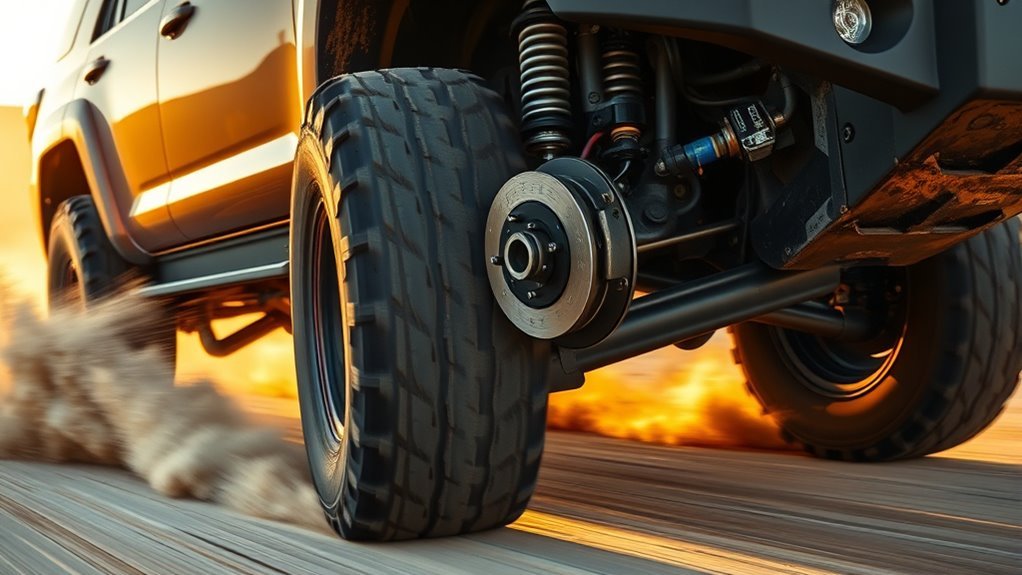
Tire weight affects your 4Runner in two ways at the same time. First, it adds unsprung weight, which is the mass below the suspension springs: tires, wheels, hubs, brakes, and some suspension parts. Second, it adds rotating mass, which the drivetrain must spin every time you accelerate.
That is why two tires with the same outside diameter can feel different. A lighter all-terrain tire can feel more responsive than a heavier tire in the same size because the engine has less mass to spin and the suspension has less mass to control.
The physics is simple but unforgiving. Rotational inertia depends on mass and how far that mass sits from the center of rotation. In other words, tire pounds matter, and pounds near the outer tread matter more than pounds near the hub. That is why tire construction, tread depth, sidewall strength, and diameter all show up in how the vehicle feels.
A tire upgrade is not just a size change. It is a weight, gearing, braking, steering, and ride-quality change all rolled into one.
Where the V6 Feels Heavy Tires Most
The 2010–2024 5th-gen 4Runner uses Toyota’s 4.0L V6. Toyota lists the 2024 model at 270 horsepower and 278 lb-ft of peak torque. That engine is durable and proven, but it is not a low-rpm torque monster. Add heavy all-terrain tires, and the first thing you usually feel is slower response from a stop.
Note: This article focuses on 2010–2024 V6 4Runners. Toyota’s 2025+ 4Runner moved to a 2.4L turbo i-FORCE engine and available i-FORCE MAX hybrid, so the engine details are different even though tire weight still matters.
Acceleration and Throttle Response
Heavier tires make the engine work harder to get the wheels moving. In stop-and-go driving, this can feel like delayed throttle response, slower launches, and more frequent downshifts. The effect is especially noticeable when jumping from a lighter stock-style tire to a deep-tread LT all-terrain tire.
Braking Feel
Extra rotating mass also has to be slowed down. That can make the brake pedal feel less sharp, especially during repeated stops, downhill driving, or when the vehicle is loaded. It does not mean a heavier tire is unsafe by itself, but it does mean your brakes are managing more energy.
Ride and Suspension Control
More unsprung weight makes the suspension work harder over potholes, washboard roads, and broken pavement. A heavier tire can feel tougher, but it can also make the ride busier because the shock and spring have more mass to control.
Tire Mass vs. Tire Diameter: Which Matters More?
Tire diameter matters because it changes effective gearing. A taller tire travels farther per revolution, which can make the vehicle feel slightly taller-geared and less eager off the line. Tire mass matters because every acceleration and braking event has to spin or slow that added mass.
Do not reduce the issue to diameter alone. A modestly taller tire that is fairly light may feel better than a tire in the same size with a heavier carcass, deeper tread, and stronger LT construction. The smartest comparison is always exact size, exact model, exact load range, and listed tire weight.
How 10 Pounds Per Tire Changes Daily Driving
Adding 10 pounds per tire adds 40 pounds across the vehicle, but it is not the same as putting a 40-pound bag in the cargo area. Tire weight is unsprung and rotating, so you can feel it more directly through throttle response, braking feel, and ride control.
Here is where that extra weight usually shows up:
- City driving: More effort is needed each time the vehicle launches from a stop.
- Passing and hills: The transmission may downshift sooner or hold lower gears longer.
- Braking: The brakes have more rotating mass to slow down.
- Fuel economy: Aggressive tread, heavier construction, and rolling resistance can reduce MPG.
- Ride: The suspension has more tire and wheel mass to control over rough surfaces.
The exact MPG or stopping-distance change depends on the tire model, pressure, tread pattern, vehicle weight, gearing, road surface, and driver. Treat any universal “X percent” claim with caution unless it comes from a controlled test on the same vehicle.
Why E-Rated Sidewalls Can Cost More Than C-Rated
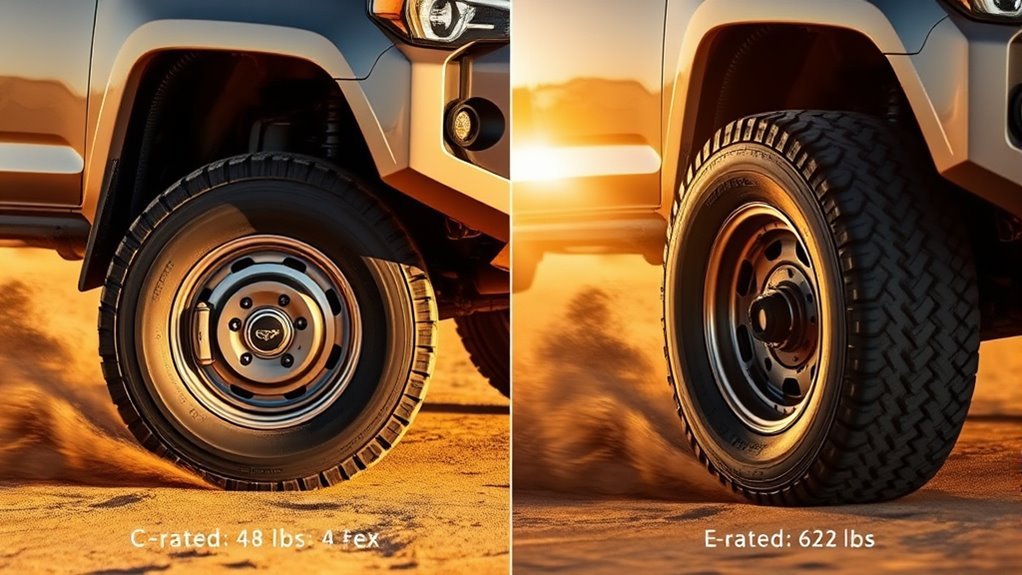
Load Range E tires are built for higher load capacity and tougher service than many lighter passenger or C-rated LT tires. That can be useful for towing, heavy armor, overlanding payload, rocky terrain, or repeated aired-down trail use. The trade-off is that E-rated tires often ride firmer and can weigh more, depending on the exact model and size.
But do not shop by load range alone. Load index is the more specific number that tells you how much weight a tire can carry at its rated pressure. A tire can have the right size but the wrong load rating for your use, or it can have more load capacity than you need while giving up ride comfort and response.
Warning: Never choose tires by weight alone. Confirm tire size, load index, wheel width, speed rating, rubbing clearance, spare-tire fitment, and inflation pressure with your door placard, owner’s manual, tire manufacturer data, or a qualified tire professional.
Why 275/70R17 Tires Often Balance Weight and Performance
For many 5th-gen 4Runner owners, 275/70R17 is a popular middle ground. It is taller and wider than the common factory 265/70R17 size, but it does not jump as aggressively as many 285/70R17 or 34-inch setups. That makes it attractive for drivers who want a stronger stance and more trail confidence without going straight to the heaviest tire option.
The catch is that 275/70R17 tires still vary a lot by model and load range. One 275 may be relatively light; another may be much heavier because of tread depth, sidewall design, and LT construction. Always compare the spec sheet before buying.
Common 275/70R17 All-Terrain Tire Weight Comparison
The examples below show why exact specs matter. These listed weights are for specific 275/70R17 versions and can change by model update, load range, sidewall option, or retailer listing.
| Tire | Listed Size / Load | Listed Weight | Best Use Case |
| Toyo Open Country A/T III | 275/70R17 | 51 lb | Balanced daily driving and trail use |
| Nokian Outpost nAT | 275/70R17 | 51.7 lb | All-weather traction with moderate weight |
| BFGoodrich All-Terrain T/A KO2 | LT275/70R17 E | 55.4 lb | Durability-focused all-terrain use |
| Falken Wildpeak A/T3W | LT275/70R17 C | 57.1 lb | Traction-focused all-terrain use; verify current availability |
This table also proves why brand shortcuts can mislead you. A C-rated tire is not always lighter than an E-rated tire, and a rugged tire is not always the heaviest option in the size. Compare the exact SKU before you buy.
[Products Worth Considering]

These pre-assembled 15x6.00-6 front tire and wheel assemblies are designed for quick replacement on riding lawn mowers and lawn tractors. Built with natural rubber pneumatic tires and turf-friendly tread for solid traction and improved shock absorption. A thickened welded rim and 3/4" sintered iron bushing help provide stable, heavy-duty support for everyday mowing use.

Keep your tires properly inflated with this analog VONDIOR tire pressure gauge, designed for fast, easy readings without batteries. The swiveling, two-axis hose and large glow dial help you measure at any tire angle with instant visibility. Built with a protective rubber shield, it supports durable, low-maintenance use for cars and trucks.

Measure tire tread depth quickly and accurately with this LUMITECO dial gauge that reads in 1/32" increments up to 14/32". The color-coded green/yellow/red zones make it easy to judge tire wear and know when replacement is needed. A rugged, compact design with a protective pouch helps keep the gauge ready for use on cars, trucks, motorcycles, and more.
The Lightest 4Runner Tires That Do Not Sacrifice Grip
The goal is not to buy the lightest tire on the internet. The goal is to buy the lightest tire that still matches your driving. A daily-driven 4Runner that sees gravel roads and weekend trails has different needs than a 4Runner with steel bumpers, skid plates, drawers, a rooftop tent, and regular rocky trail use.
For daily use, prioritize:
- Moderate tire weight: Look for a tire that keeps the setup responsive.
- Correct load index: Do not under-tire the vehicle.
- Wet braking and snow rating: Trail grip means little if road grip is poor.
- Reasonable tread depth: More tread can help off-road, but it often adds weight.
- Real fitment: Check rubbing at full lock and compression, not just parked clearance.
Pro Tip: Before ordering, make a simple spreadsheet with tire model, exact size, load range, load index, tire weight, tread depth, diameter, and price. The best choice usually becomes obvious once the specs sit side by side.
[Products Worth Considering]
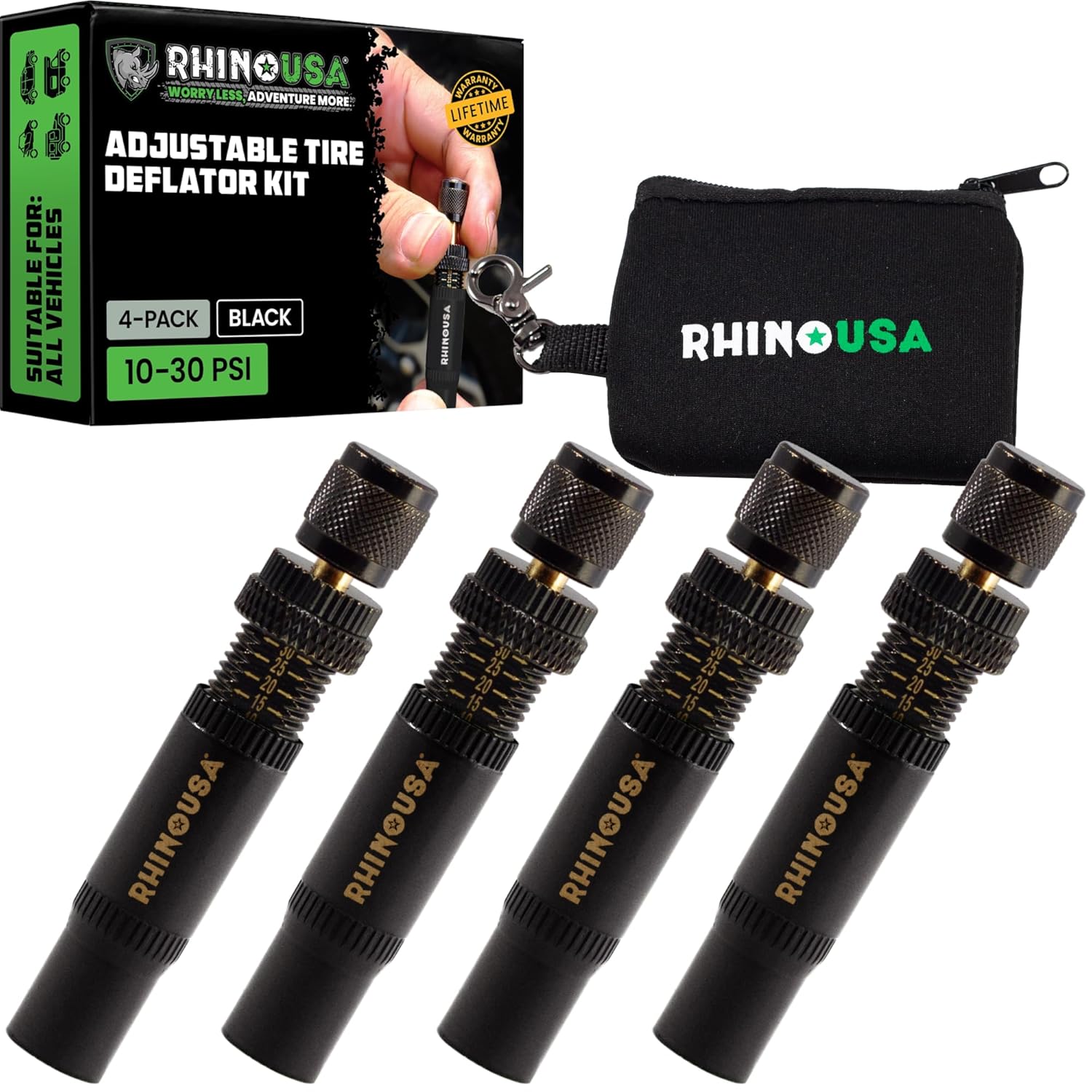
Use the Rhino USA adjustable tire deflators to air down all four tires at once by screwing one deflator onto each valve stem, letting you step away while the tires reach your preset pressure. Each deflator independently adjusts across a 10–30 PSI range with laser-etched indicators for quick setup and verification, making it ideal for beach, sand, and rocky off-road trails.

This manual duck head tire changer kit makes tire installation and removal simpler by letting you embed the duck head into the tire with applied pressure. The integrated design and durable steel construction help reduce friction and improve efficiency and safety during use. Suitable for 16–21 inch wheels, it’s convenient for cars, trucks, SUVs, and ATV tires, with 24-hour after-sales support.

The SAFELIFE dial tire tread depth gauge measures tread depth in 1/32 inch increments with clear, easy-to-read 2-inch dial face. Color zones using a traffic light system help you quickly judge whether tread is low, marginal, or ample for safer driving. Built with a durable zinc cast body and a metal detect probe for precise, comfortable use across cars, motorcycles, trucks, and buses.
How Flow-Forged Wheels Cut Weight Without Downsizing
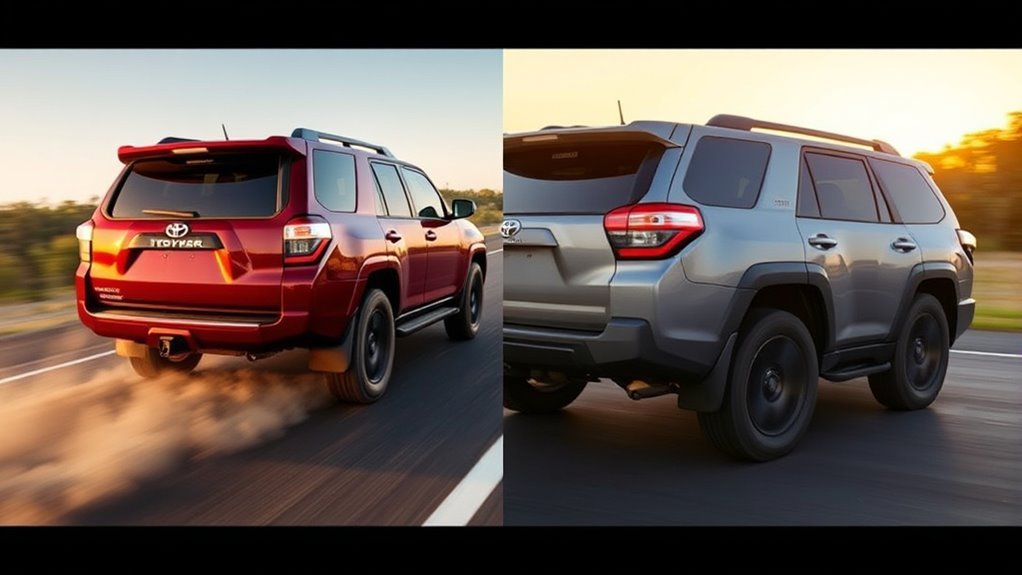
Wheels matter too. A lighter wheel can reduce unsprung and rotating mass without forcing you to downsize the tire. Flow-formed or flow-forged wheels are often lighter than basic cast wheels of similar size, though the actual savings depends on the wheel design, width, offset, load rating, and manufacturer.
Do not assume “flow-forged” automatically means perfect. A wheel still needs the right bolt pattern, offset, hub bore, load rating, brake clearance, and off-road durability for your 4Runner. The win is real only when the wheel is lighter and still strong enough for how you use the vehicle.
[Products Worth Considering]

The Topeak SmartGauge D2 delivers precise digital tire pressure readings for bikes, motorcycles, and sports equipment up to 250 psi (17 bar). Its rotating SmartHead works with both Presta and Schrader valves, so you can check pressure quickly without adapters. The LCD display makes it easy to read results in psi, bar, or kg/cm² with an included CR2032 battery for immediate use.
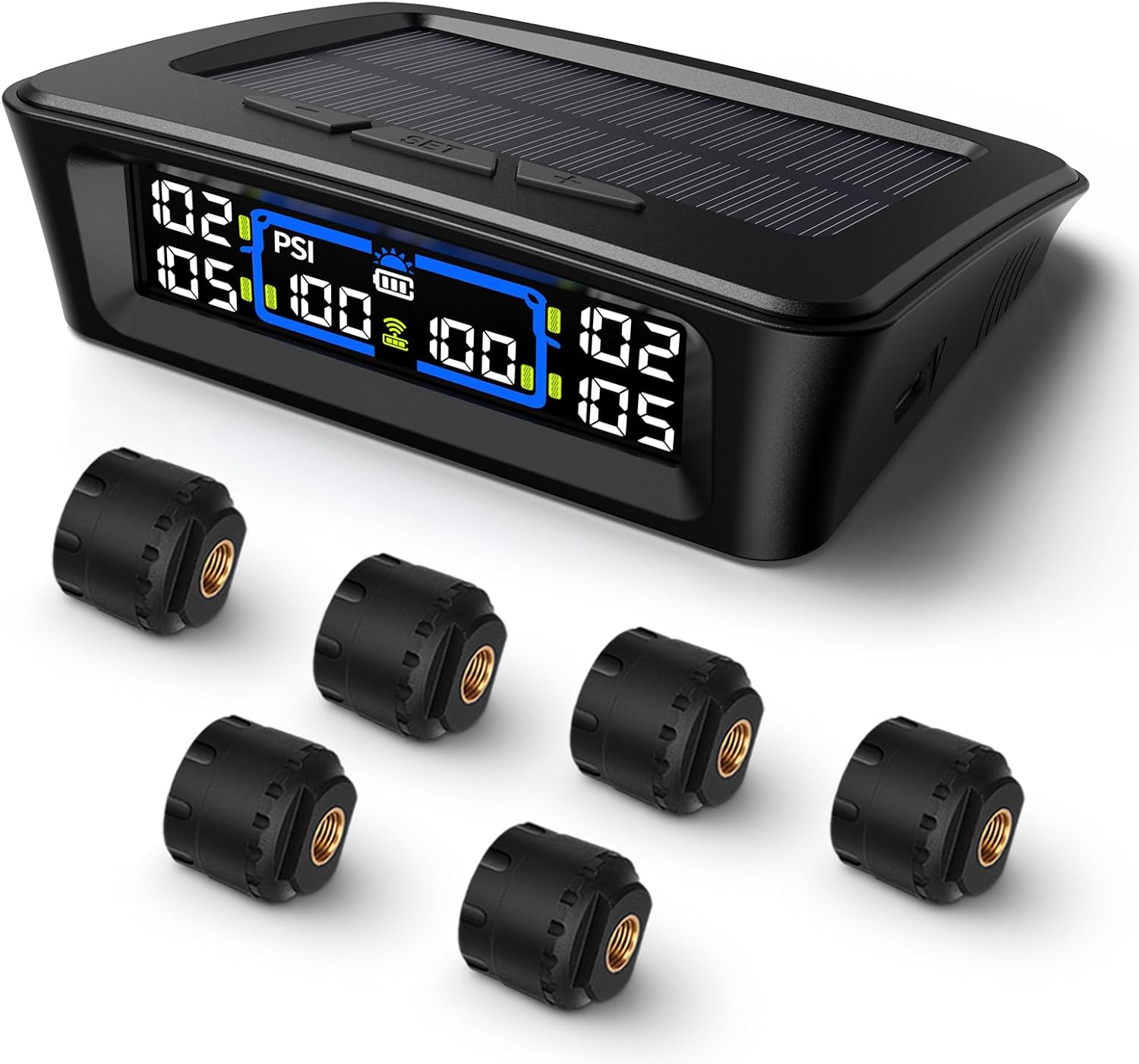
The Tymate TM12 RV TPMS delivers real-time tire pressure and temperature monitoring with a stable 433Hz display for safer long-distance driving. It supports simultaneous monitoring across vehicle and trailer zones, includes six alarm modes for pressure, temperature, leakage, battery, and signal loss, and features easy DIY installation with auto calibration. Power is supplied via USB-C charging or solar recharging, with a wide 0–144 PSI range and up to 50 ft signal coverage for RVs and towable trailers.

The VEHLIVE SU-50448 II TPMS relearn tool provides a fast activation reset to restore accurate tire pressure monitoring after sensor replacement or tire rotation. It supports 315 MHz and 433 MHz GM series sensors and helps clear dashboard pressure warnings. With simple two-button operation and horn-confirmed relearning order, you can reprogram sensors conveniently at home.
Can Throttle Boosters Compensate for Heavy Tire Lag?
A throttle booster can make a heavy-tire 4Runner feel more eager at the pedal. It changes the relationship between pedal movement and throttle input, so the vehicle may respond more quickly to small pedal movements.
But it does not add horsepower, reduce tire weight, change gearing, improve braking, or lower rolling resistance. It can mask some sluggishness in town, but it cannot undo the physics of heavy tires.
Note: If your 4Runner feels dramatically worse after a tire upgrade, check tire pressure, alignment, wheel weight, tire weight, rubbing, and gear ratio before blaming the throttle pedal alone.
Buyer Checklist Before Upgrading 4Runner Tires
Use this checklist before moving to heavier all-terrain tires:
- Confirm the tire fits your wheel width range.
- Confirm load index and load range are appropriate for your vehicle weight and payload.
- Check real tire weight, not just size.
- Compare overall diameter and revolutions per mile.
- Check for rubbing at full steering lock and suspension compression.
- Make sure the spare tire location can handle the size.
- Plan for speedometer error if the diameter changes significantly.
- Set pressure based on safe load/inflation data, not sidewall maximum pressure.
- Recheck alignment after major tire or suspension changes.
Frequently Asked Questions
Does tire weight affect acceleration?
Yes. Heavier tires increase rotating mass, so the engine needs more energy to speed them up. On a 4Runner, the difference is easiest to feel from a stop, on hills, and during passing.
Why does my 4Runner feel sluggish after bigger tires?
Bigger or heavier tires can add rotating mass and effectively raise gearing. That combination makes the engine work harder to accelerate the vehicle, especially at lower rpm.
Does 10 pounds per tire make a difference?
Usually, yes. Ten pounds per tire adds 40 pounds total, and that weight is both unsprung and rotating. You may notice slower launches, duller braking feel, busier ride quality, and lower MPG depending on the tire.
Is Load Range E too heavy for a 4Runner?
Not always. Load Range E can make sense for heavy payloads, towing, armor, and tough trail use. For mostly daily driving, a lighter tire with the correct load index may ride better and feel more responsive.
Are 275/70R17 tires a good size for a 4Runner?
They can be a strong middle-ground size for many 5th-gen 4Runners, but fitment depends on wheel offset, alignment, suspension, tread shape, and trimming tolerance. Always verify clearance before assuming every 275/70R17 will fit the same.
Will a throttle booster fix heavy tire lag?
It can improve perceived pedal response, but it does not reduce tire weight, add power, improve braking, or change gearing. It is a feel adjustment, not a true performance fix.
Conclusion
Tire weight absolutely matters on a 4Runner. A heavier tire can make the vehicle feel slower, brake less sharply, ride more firmly, and burn more fuel, especially on 2010–2024 V6 models. But the right answer is not simply “buy the lightest tire.” The right answer is to match tire weight, load index, load range, tread design, and wheel weight to how you actually drive.
If your 4Runner is mostly a daily driver with weekend trail duty, choose a tire that keeps weight reasonable while still giving you the grip and durability you need. If your build is heavy or your trails are brutal, extra tire strength may be worth the penalty. Performance is not just horsepower; it is how much unnecessary mass you ask that horsepower to move.
Sources
- Toyota USA Newsroom — 2024 Toyota 4Runner: Rugged Capability — backs up 4.0L V6 horsepower and torque.
- Toyota USA Newsroom — The All-New 2025 Toyota 4Runner — backs up 2025+ turbo and hybrid powertrain update.
- OpenStax College Physics — Rotational Inertia — backs up the rotational inertia explanation.
- NHTSA TireWise — backs up tire safety and tire-selection caution.
- National Academies — Tires and Passenger Vehicle Fuel Economy — backs up rolling resistance and fuel economy relationship.
- Discount Tire — Load Range vs. Load Index — backs up load index and load-carrying explanation.