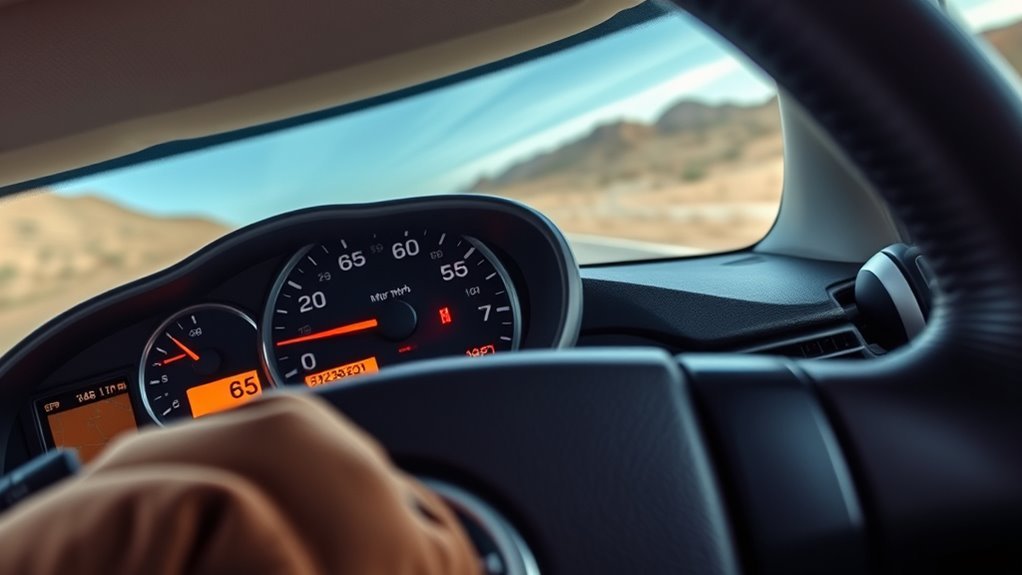
Swapping bigger tires onto your 4Runner changes how far the truck travels with each wheel revolution, so the speedometer, odometer, trip meter, and MPG display can all drift from reality. In most cases, a larger overall tire diameter makes the speedometer read lower than your actual road speed. The fix starts with calculating the tire-size difference, verifying the error with GPS, then choosing a dealer, scan-tool, or inline speed-signal calibrator only if your exact 4Runner generation supports it.
Quick Answer
To fix a 4Runner speedometer after bigger tires, calculate the tire diameter change, confirm the error with GPS, then recalibrate with a compatible dealer scan-tool setting or an inline speed-signal calibrator. Bigger tires usually make the dash read low, so at 70 mph indicated you may be traveling faster than 70 mph.
Key Takeaways
- A larger tire diameter makes each wheel rotation cover more distance, so the speedometer and odometer usually read low.
- The correction percentage is based on overall tire diameter, not just rim size.
- Some 4Runners may have dealer-accessible calibration options, but many do not have an owner-accessible speedometer setting.
- Inline calibrators can work on some speed-signal layouts, but ABS, CAN-bus, TPMS, and stability-control systems make compatibility critical.
- Always verify the fix with GPS, radar signs, or measured mile markers before trusting the dashboard.
At a Glance
| Time Required | 10-20 minutes to calculate and test the error; 30-90 minutes for a compatible calibrator install. |
| Difficulty | Easy for measuring and GPS testing; moderate to advanced for wiring or scan-tool calibration. |
| Tools Needed | Tire-size calculator or tape measure, GPS speed app, owner’s manual, wiring diagram if installing a module, multimeter, and basic hand tools. |
| Cost | Free for calculation and GPS testing; dealer diagnostic labor varies; aftermarket calibrator cost depends on brand and compatibility. |
How Much Do Bigger Tires Throw Off Your Speedometer?
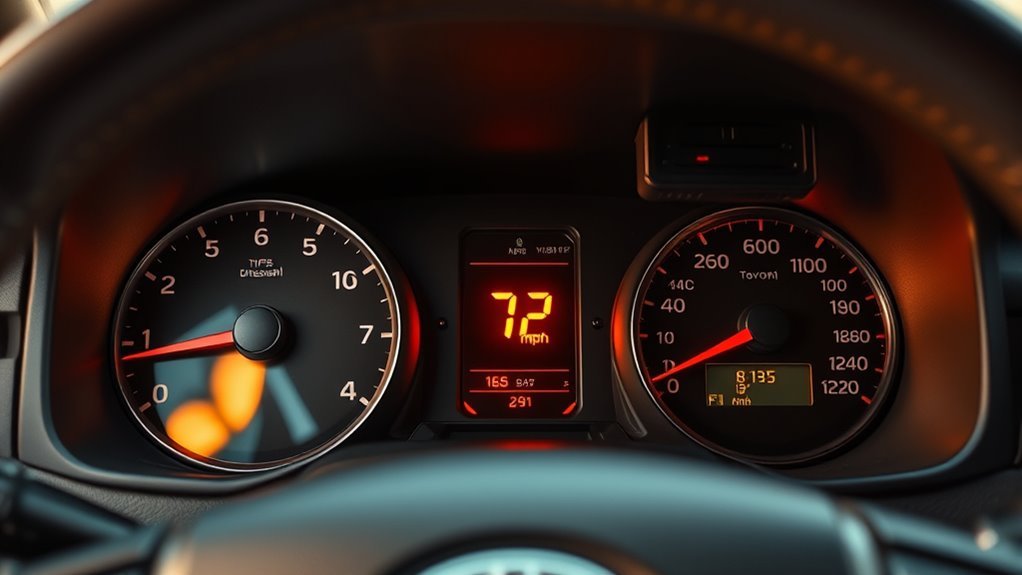
Bigger tires throw off your 4Runner speedometer because the truck’s speed signal is based on wheel, drivetrain, or electronic speed pulses that were calibrated around the factory tire size. When the new tire is taller, it travels farther with each rotation. The truck still counts rotations, but each rotation now covers more ground.
That means your speedometer usually reads too low. If the speedometer says 70 mph, your actual speed may be 73, 76, or more depending on how much larger the tire is. Your odometer also records fewer miles than you actually drive.
Use this basic tire diameter formula for metric tire sizes:
Overall diameter in inches = wheel diameter + 2 × tire width × aspect ratio ÷ 25.4
For example, a 225/75R15 tire is about 28.3 inches tall. A 265/70R16 tire is about 30.6 inches tall. That is roughly an 8.2% increase. With that change, 70 mph indicated is about 75.7 mph actual, and 100 miles on the odometer is about 108 actual miles.
| Tire Change | Approx. Diameter Change | If Dash Shows 70 mph |
| 265/70R17 to 285/70R17 | About 3.4% | About 72.4 mph actual |
| 31.6-inch tire to 33-inch tire | About 4.4% | About 73.1 mph actual |
| 31.6-inch tire to 35-inch tire | About 10.8% | About 77.6 mph actual |
Note: Tire sizes are nominal. The actual mounted diameter can vary by tire brand, tread depth, load, and inflation pressure. Use the manufacturer’s published specs or a GPS road test for final verification.
Check Your Settings Menu and Manual First
Before you buy a module or cut into wiring, check your 4Runner’s owner’s manual, instrument-cluster menus, and infotainment settings. Some Toyota settings may relate to tire pressure, tire registration, or maintenance reminders, but that does not always mean the speedometer can be recalibrated from the dashboard.
Start with the Toyota owner’s manual portal for your exact year. Then check the Tire and Loading Information label on the driver’s door jamb. NHTSA also advises using the owner’s manual or door label to confirm the correct tire size and cold inflation pressure for the vehicle.
Look for these items before moving to a paid fix:
- Factory tire size listed on the door label or owner’s manual.
- Current tire size, load rating, and actual diameter from the tire manufacturer.
- Any menu item for tire registration, TPMS initialization, or tire-size selection.
- Any warning lights after the tire change, especially ABS, traction control, TPMS, or check engine.
- GPS-verified speed error at 30, 50, and 70 mph.
Pro Tip: Do not assume a tire-pressure reset fixes speedometer error. TPMS initialization can help the tire-pressure system, but the speedometer error comes from the changed tire circumference.
Dealer Recalibration: When It Helps and When It Won’t
A dealer or Toyota specialist may be able to check whether your exact 4Runner supports tire-size or speed-signal calibration through factory service software. This depends on generation, drivetrain, ABS design, instrument cluster, and available calibration parameters. Do not rely on a fixed-price “quick recalibration” claim until the shop confirms it for your VIN.
[Products Worth Considering]
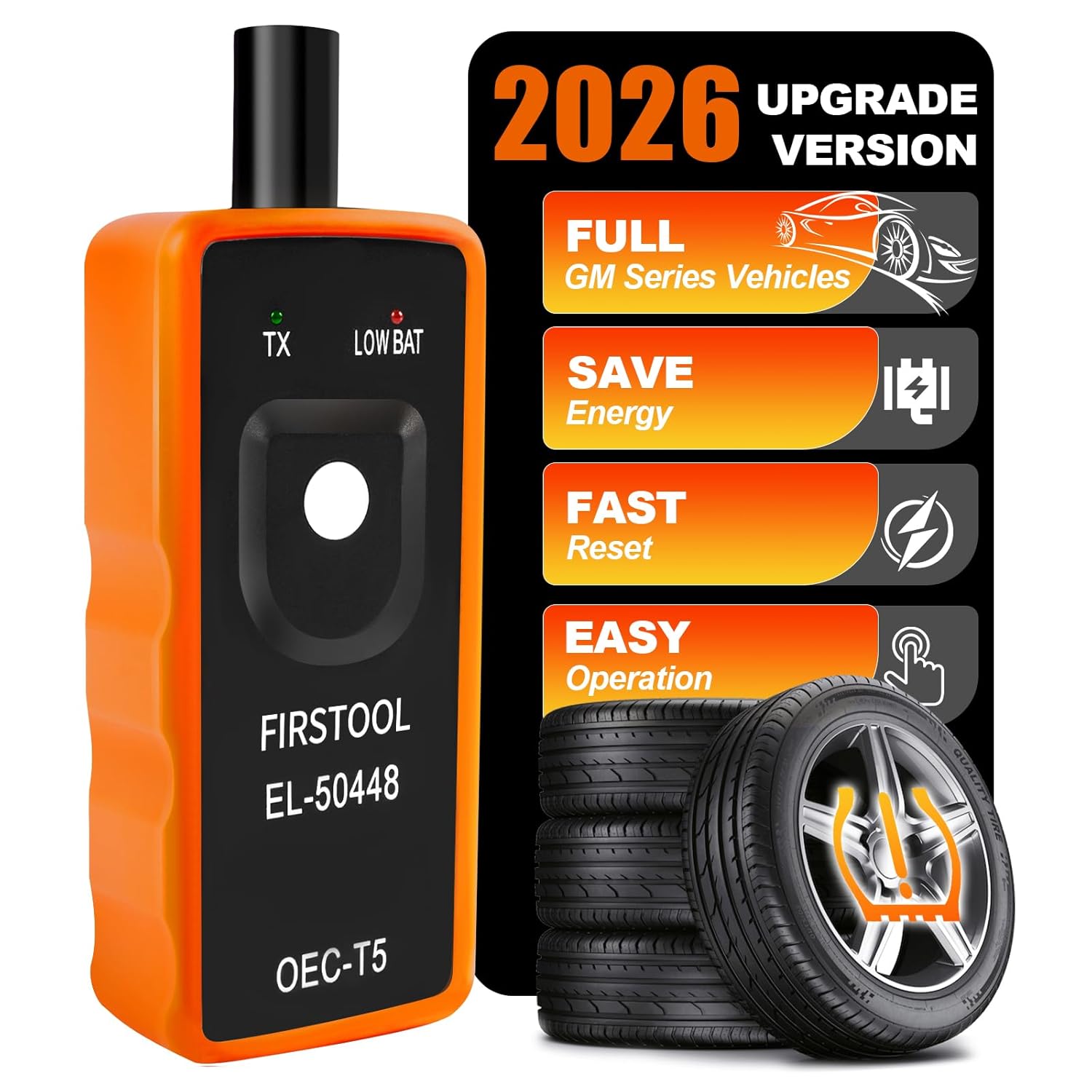
This TPMS relearn tool helps you quickly activate, match, and reset GM tire pressure sensors to keep the vehicle monitoring system working properly. It clears tire pressure alarms and dashboard warning lights after sensor replacement or tire rotation, and supports learning for common 315/433 MHz TPMS sensors. Designed for simple one-button operation, it can help you avoid unnecessary trips to repair shops.
The Tymate TM12 RV TPMS delivers real-time tire pressure and temperature monitoring with a stable 433Hz display for safer long-distance driving. It supports simultaneous monitoring across vehicle and trailer zones, includes six alarm modes for pressure, temperature, leakage, battery, and signal loss, and features easy DIY installation with auto calibration. Power is supplied via USB-C charging or solar recharging, with a wide 0–144 PSI range and up to 50 ft signal coverage for RVs and towable trailers.

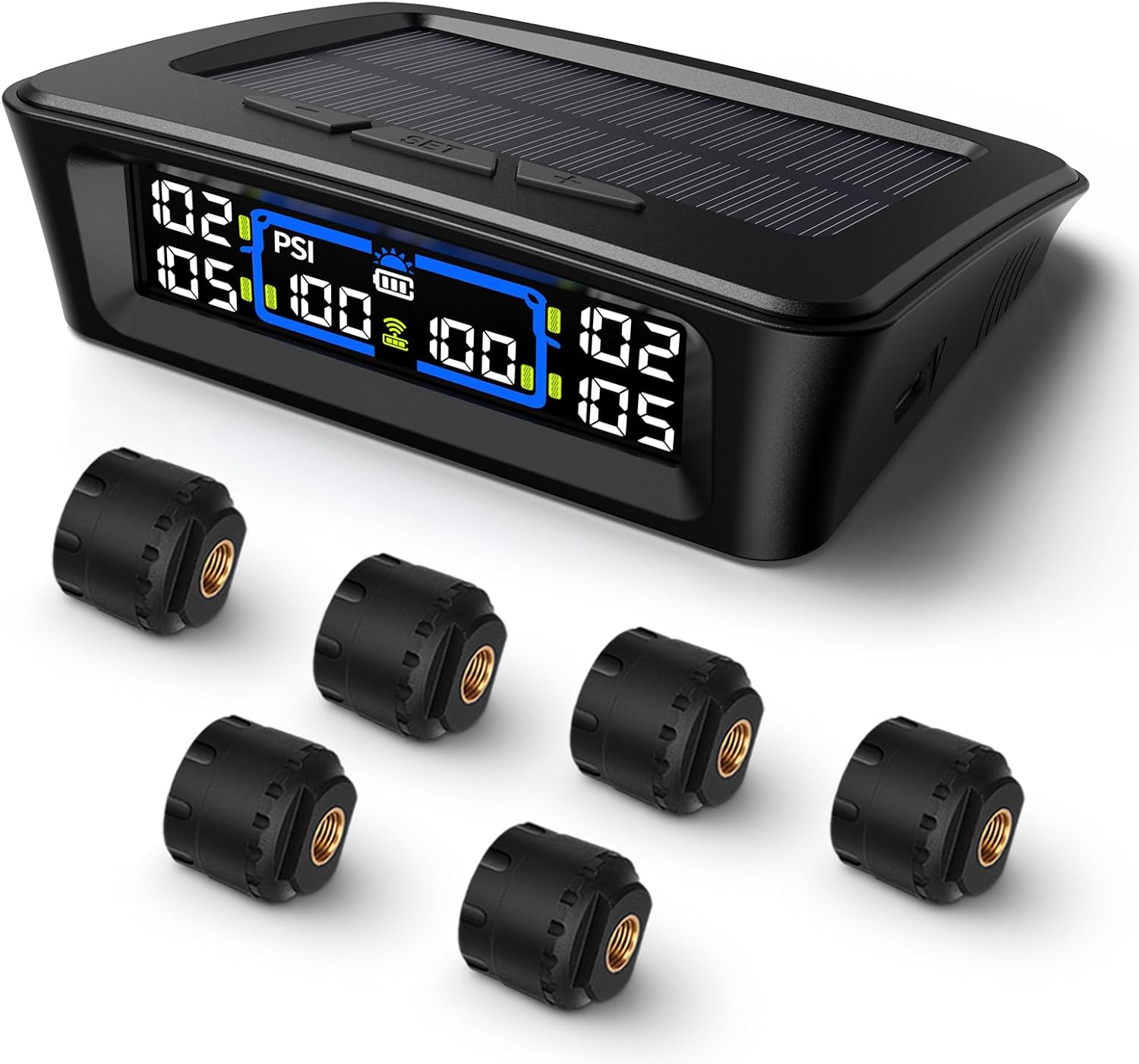
The TYAMATE TM8 solar-powered wireless TPMS delivers real-time tire pressure and temperature monitoring with six alarm modes for safer driving. A vibrant color LCD display shows readings clearly while windshield mounting keeps it hands-free and easy to read. With a wide 0–87 PSI range, strong 433.92 MHz signal transmission, and quick sensor pairing, it’s ideal for RV, sedan, SUV, MPV, and truck use.
Dealer Calibration Cost
Dealer cost varies by shop and by what the technician can actually change. A simple scan-tool check may be inexpensive, while deeper diagnostic work can cost more. Ask for the answer before authorizing work:
- Can you change the speedometer or tire-size parameter for my exact VIN?
- Will the change affect odometer, ABS, traction control, transmission shift logic, or TPMS?
- Can you print or show the calibration setting before and after?
- What tire size range does the factory tool support?
- Will warning lights or diagnostic trouble codes be checked after the change?
If the dealer can only reset TPMS or maintenance data, it will not fix the speedometer. In that case, you may need an aftermarket calibrator or you may decide the error is small enough to live with.
ABS System Limitations
| Factor | Impact on You |
| ABS or wheel-speed-based data | May limit simple inline correction or require a specific module location. |
| CAN-bus cluster data | A basic VSS splicer may not work if the cluster receives processed digital data. |
| Tire-size increase | Small jumps may not justify hardware; large jumps can affect speed, mileage, and shift feel. |
| Post-calibration testing | GPS and warning-light checks are still required after any fix. |
Accuracy Results Vary
Even when calibration is possible, the result may not be perfect. Factory tools may only support certain tire ranges, and some systems round to preset values. That can leave a small 1-2 mph difference at highway speeds.
Expect these common limits:
- Generation limits: Older 4Runners may use different speed-signal paths than newer models.
- Parameter limits: The factory tool may not accept very large tire sizes.
- System interaction: ABS, traction control, TPMS, and transmission data may not all use the corrected value in the same way.
- Verification need: The dashboard should be tested with GPS after the work.
Best Speedometer Calibrators: SpeedoHealer, Yellow Box, and Other Options
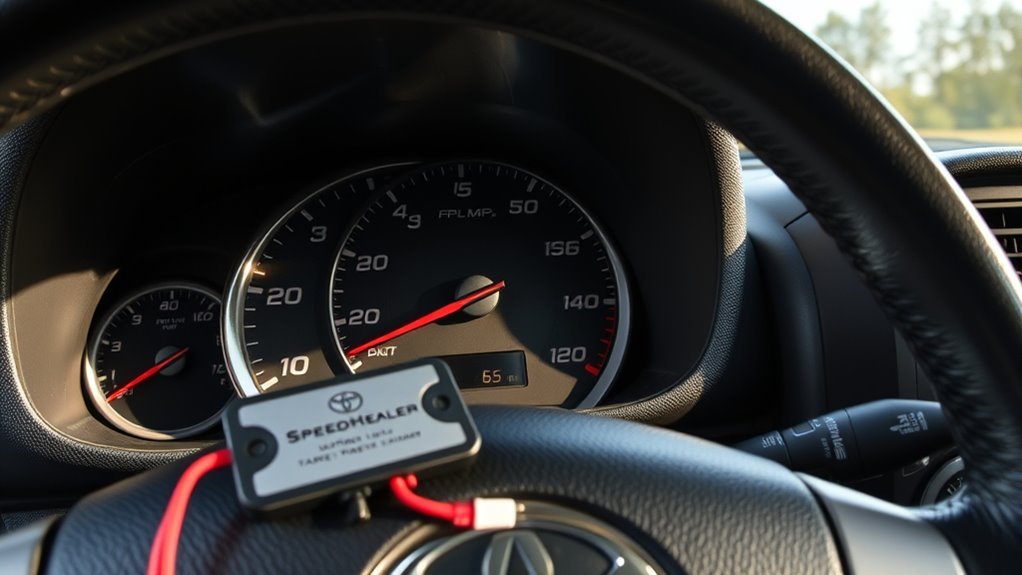
If the dealer cannot adjust your 4Runner’s speedometer, an aftermarket speed-signal calibrator may help. These devices change the pulse rate between the speed signal source and the speedometer or control module, depending on the vehicle design.
SpeedoHealer is a common speedometer correction product used for gearing and tire-size changes on compatible vehicles. Older Yellow Box-style correctors and universal signal interfaces can serve a similar purpose, but you must confirm support for your 4Runner’s generation, wiring layout, and signal type.
Choose a calibrator based on compatibility, not popularity. Ask these questions before buying:
- Does it support your exact 4Runner year and drivetrain?
- Does your truck use a simple VSS signal, ABS-derived speed, or CAN-bus cluster data?
- Will it correct the speedometer only, or also the odometer and trip meter?
- Can it handle your exact correction percentage?
- Does the manufacturer provide a wiring diagram for your vehicle?
Warning: Do not splice into ABS, speed, or cluster wiring without the correct wiring diagram. A wrong connection can trigger warning lights, affect stability-control behavior, or cause erratic speed readings. Use a qualified technician if you are not comfortable diagnosing vehicle wiring.
[Products Worth Considering]

Keep your tires properly inflated with this analog VONDIOR tire pressure gauge, designed for fast, easy readings without batteries. The swiveling, two-axis hose and large glow dial help you measure at any tire angle with instant visibility. Built with a protective rubber shield, it supports durable, low-maintenance use for cars and trucks.

This TPMS sensor training and relearn reset tool is customized for Ford, Lincoln, and Mercury vehicles to help activate tire pressure programming after sensor replacement or tire rotation. It can activate individual tire pressure sensors with one-button operation, helping prevent TPMS warning light illumination. It is not a sensor programming tool and cannot program replacement sensors—use it to trigger/activate sensors only.

The SAFELIFE dial tire tread depth gauge measures tread depth in 1/32 inch increments with clear, easy-to-read 2-inch dial face. Color zones using a traffic light system help you quickly judge whether tread is low, marginal, or ample for safer driving. Built with a durable zinc cast body and a metal detect probe for precise, comfortable use across cars, motorcycles, trucks, and buses.
How to Install Your Speedometer Calibrator: Safer Wiring Guide
Once you have a compatible calibrator, install it only after you identify the correct signal path. Do not guess wire colors from a forum post alone. Toyota wiring can vary by year, trim, drivetrain, and market.
Measure first, wire second, test last. A clean speedometer fix starts with the correct signal wire and ends with GPS proof.
Follow this safer installation path:
- Record your baseline error. Use GPS at steady speeds and write down the difference at 30, 50, and 70 mph.
- Calculate the correction percentage. Divide new tire diameter by stock tire diameter, then convert the difference to a percentage.
- Get the correct diagram. Use a factory service manual, professional wiring database, or the calibrator maker’s vehicle-specific instructions.
- Disconnect the battery if required. Follow the module instructions and avoid shorting any circuit.
- Connect the module correctly. The typical setup places the calibrator between the speed signal source and the device receiving the signal, but the correct location depends on your 4Runner.
- Secure the wiring. Use proper connectors, strain relief, insulation, and moisture protection.
- Program the module. Enter the correction percentage or pulse value according to the manufacturer’s instructions.
- Road test and scan for codes. Confirm speed accuracy and check that no ABS, TPMS, traction control, or check-engine lights appear.
If any warning light appears after installation, stop driving aggressively and diagnose the fault before relying on the truck.
[Products Worth Considering]

This manual duck head tire changer kit makes tire installation and removal simpler by letting you embed the duck head into the tire with applied pressure. The integrated design and durable steel construction help reduce friction and improve efficiency and safety during use. Suitable for 16–21 inch wheels, it’s convenient for cars, trucks, SUVs, and ATV tires, with 24-hour after-sales support.

The Tymate TM2 RV tire pressure monitoring system keeps you informed with a color LCD display, automatic backlight, and solar charging for dependable operation. It supports up to 10 tire positions with four pre-paired sensors, while offering multiple alarm modes for fast leak detection, pressure extremes, temperature alerts, and low-signal warnings. Built-in monitoring uses accurate readings and reliable 433.92MHz communication to help protect your RV, trailer, truck, or SUV.
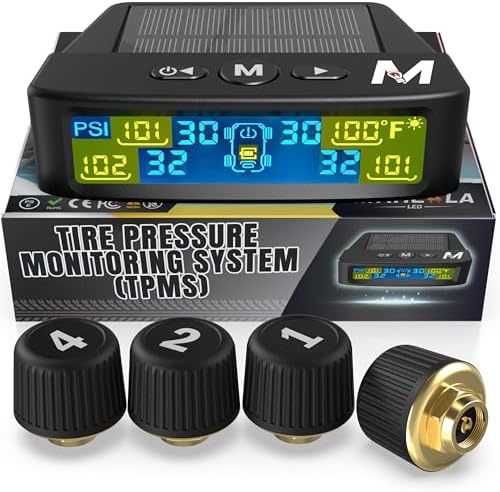
Marcala’s TPMS set of four sensors helps you monitor tire pressure and temperature in real time while driving, with updates every second. The bright color LCD uses auto-dimming for easy viewing, powered by dual solar and USB charging, and offers six alarm modes. Built for trailers, RVs, campers, trucks, and towing setups, the sensors support monitoring 1-4 wheels up to 98 PSI with IP67 waterproof protection.
Why Re-Gearing Won’t Fix Your Speedometer But Helps Performance
Re-gearing your 4Runner can make bigger tires feel much better, but it does not automatically fix the speedometer. Gear changes alter the mechanical ratio between the driveshaft and axle shafts. Tire diameter changes the distance traveled per wheel revolution. Those are related to drivability, but they are not the same calibration problem.
Gear Changes Explained
When you install larger tires, you effectively make the final drive taller. The engine may feel lazier, the transmission may hunt between gears, and towing or hill climbing may suffer. Lower differential gears can restore the torque feel you lost.
Re-gearing can help with:
- Low-speed throttle response.
- Hill climbing and crawling control.
- Reduced transmission hunting.
- Better towing feel with heavy tires.
- More comfortable power delivery after moving to 33-inch or 35-inch tires.
Speedometer Sensor Source
The speedometer still depends on the vehicle’s speed signal. Depending on the generation, that signal may come from a transmission or transfer-case sensor, wheel-speed data, ABS processing, or data shared through the vehicle network. Re-gearing does not change the larger tire’s rolling circumference, so it does not erase the speedometer error by itself.
To correct the reading, you still need a supported scan-tool change, a compatible signal calibrator, or a separate speed reference such as GPS if you choose not to modify the truck.
Performance Benefits Only
Think of re-gearing as a performance and drivability fix, not a speedometer fix. It can make the truck feel right again, but the dash can still read low until the speed signal is corrected.
Re-gearing may be worth it when you run heavy 33-inch or 35-inch tires, tow often, drive mountain roads, or off-road at low speed. For mild tire changes, you may only need a speedometer correction or no correction at all.
Test Your Fix: GPS, Radar Signs, and Mile Marker Methods
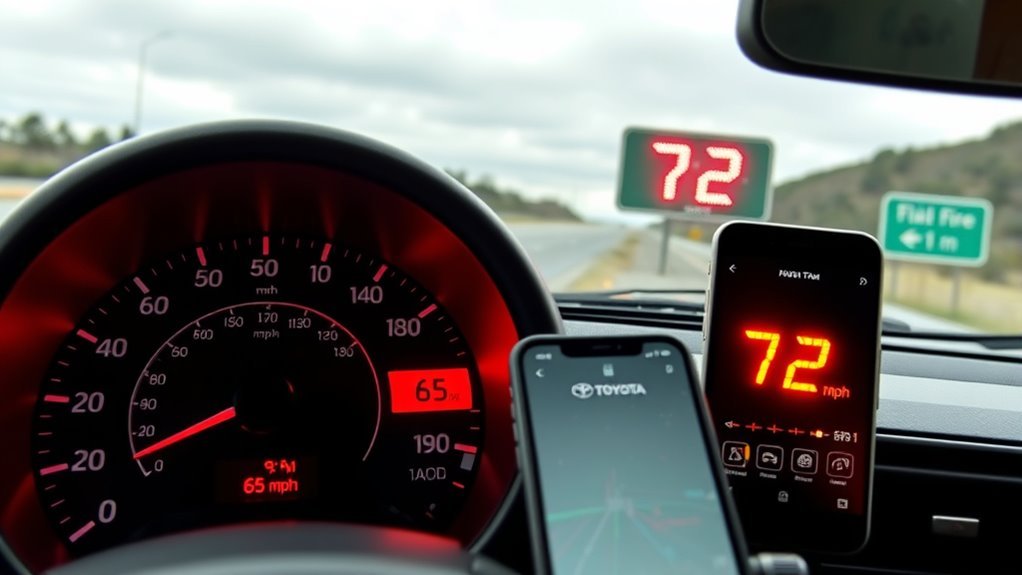
You know the fix worked only when you test it on the road. Do not trust the setting, the module display, or the shop invoice by itself. Verify the result with at least two methods.
Use these checks:
- GPS speed: Drive at a steady speed on a clear road and compare the dash to a GPS speed app or dedicated GPS unit.
- Radar speed signs: Pass a roadside speed display at a steady pace and compare it to the dash.
- OBD speed app: Compare OBD speed to GPS speed. If OBD and dash match but GPS is different, the vehicle speed signal is still off.
- Mile markers: Drive several highway mile markers and compare the trip meter to the known distance.
- Repeat at different speeds: Check at 30, 50, and 70 mph because small errors grow at highway speed.
For best results, test on level ground, hold a steady speed, avoid tunnels and tall buildings during GPS checks, and repeat the run in both directions if wind or grade may affect consistency.
4Runner ABS Systems: Speedometer Fix Limitations You Need to Know
Your 4Runner’s ABS, stability control, TPMS, and speedometer may share vehicle-speed information. That does not mean every system is corrected by one simple setting. It also means careless wiring can create safety-system problems.
ABS Sensor Dependency
ABS-equipped vehicles monitor wheel behavior and use that data for braking and stability functions. Federal TPMS rules also show how tire-pressure monitoring is treated as a safety system, so tire and wheel changes should not be handled casually.
Important realities:
- Wheel-speed data matters: Different tire diameters can affect wheel-speed interpretation.
- Warning lights matter: ABS, TPMS, traction control, or stability-control warnings should be diagnosed, not ignored.
- One fix may not fix all systems: A calibrator may correct the dash but not every internal control strategy.
- Professional help may be safer: Newer systems can require scan-tool work instead of simple wire splicing.
Gear Change Restrictions
Gear changes do not rewrite electronic speed data. They change how the truck feels under power. If your 4Runner uses ABS or networked speed data, mechanical gear changes will not correct the pulse-to-distance mismatch caused by taller tires.
That is why the best workflow is calculation, verification, compatibility research, then correction. Skipping directly to parts can waste money and introduce new problems.
Wiring Workarounds Needed
Some older or simpler layouts can accept an inline signal corrector. Other layouts may not. Before wiring anything, confirm the speed-signal route for your exact model year.
Use this decision path:
- Confirm the factory tire size and current tire size.
- Calculate the diameter change and speed error.
- Verify the error with GPS.
- Check whether dealer calibration is possible for your VIN.
- Confirm aftermarket calibrator compatibility before purchase.
- Install only with the right wiring diagram and proper connectors.
- Retest and scan for diagnostic trouble codes.
Your Odometer and MPG: Other Readings Bigger Tires Affect
Bigger tires affect more than speed. Because the tire travels farther per revolution, the odometer usually underreports distance. If your tire diameter is 8% larger than stock, your odometer may record about 92 miles when you actually drove 100 miles.
That changes your MPG math. Hand-calculated MPG can look worse or better depending on whether you correct the mileage. For the most accurate number, multiply odometer miles by your tire correction factor before dividing by gallons used.
Larger tires can also affect:
- Trip meter: Recorded trip distance may be low.
- Maintenance intervals: Oil changes and tire rotations may come later than intended if you follow the uncorrected odometer only.
- Transmission shift feel: Taller and heavier tires can change load and shift behavior.
- Cruise control: The truck may hold a different actual speed than the dash suggests.
- Fuel economy: Heavier tires and increased rolling resistance can reduce real-world MPG.
- Resale records: Actual use may be higher than the displayed mileage after the tire change.
Keep tire pressure correct for the load and tire type. NHTSA advises checking the owner’s manual or tire placard for correct tire size and cold inflation pressure, and it recommends regular pressure checks for tire safety.
When to Skip the Fix: Speedometer Errors That Don’t Matter
You do not always need a hardware fix. If the tire change is mild and you know the error, you may be able to drive safely with a GPS reference and adjusted habits. The key is knowing the number instead of guessing.
You may skip recalibration when:
- The tire diameter change is under about 2-3%.
- You mostly drive in city traffic and rarely hold highway speeds.
- You use GPS speed on longer trips.
- You manually correct odometer miles for maintenance and MPG.
- Your 4Runner has no practical calibration path and the error is small.
You should not skip the fix when the error is large, you tow often, you drive long highway trips, you already have warning lights, or the tire change affects shift quality and drivability.
Frequently Asked Questions
How do you fix a speedometer after adding bigger tires?
First calculate the tire diameter change, then verify the actual error with GPS. If the error is worth fixing, use a dealer-supported calibration, a compatible scan-tool setting, or an inline speed-signal calibrator that matches your 4Runner’s generation and speed-signal type.
Do bigger tires make the speedometer read fast or slow?
Bigger overall tire diameter usually makes the speedometer read slow. If the dash says 70 mph, your actual speed may be higher because the tire covers more ground per revolution than the factory tire.
Can a Toyota dealer recalibrate a 4Runner speedometer?
Sometimes, but it depends on the exact year, trim, drivetrain, and calibration options available for your VIN. Ask the dealer whether they can change the speedometer or tire-size parameter, not just reset TPMS or maintenance settings.
Will re-gearing fix the speedometer?
No. Re-gearing can restore acceleration, towing feel, and low-speed control after larger tires, but it does not automatically change the speedometer calibration. You still need a supported electronic correction if the speed reading is off.
How much speedometer error do 33-inch tires cause on a 4Runner?
It depends on the stock tire. If you move from a roughly 31.6-inch tire to a 33-inch tire, the change is about 4.4%. At 70 mph indicated, your actual speed would be about 73 mph before correction.
Conclusion
Bigger tires can make your 4Runner more capable, but they also change the math behind your speedometer and odometer. The safest fix is simple: calculate the diameter difference, test the real error with GPS, then choose the least invasive correction that works for your exact model year.
If the error is small, GPS awareness and corrected maintenance math may be enough. If the error is large, use a dealer-supported calibration or a compatible speed-signal calibrator, then road test the result. Once the dash, GPS, odometer, and warning lights all check out, you can drive with confidence knowing your speed and mileage are much closer to reality.
Sources
- Toyota Owner’s Manuals and Warranties — year-specific Toyota manual and service information.
- NHTSA TireWise — tire size, tire pressure, TPMS, and tire maintenance safety guidance.
- 49 CFR 571.138, Tire Pressure Monitoring Systems — federal TPMS performance requirements and safety context.
- HealTech SpeedoHealer — example of an aftermarket speedometer calibration device for compatible vehicles.
- Wired: How wheel size affects speedometer and odometer readings — practical explanation of wheel rotation, tire radius, speedometer error, and odometer error.