
4Runner Tire Cupping: Why It Happens and How to Stop It
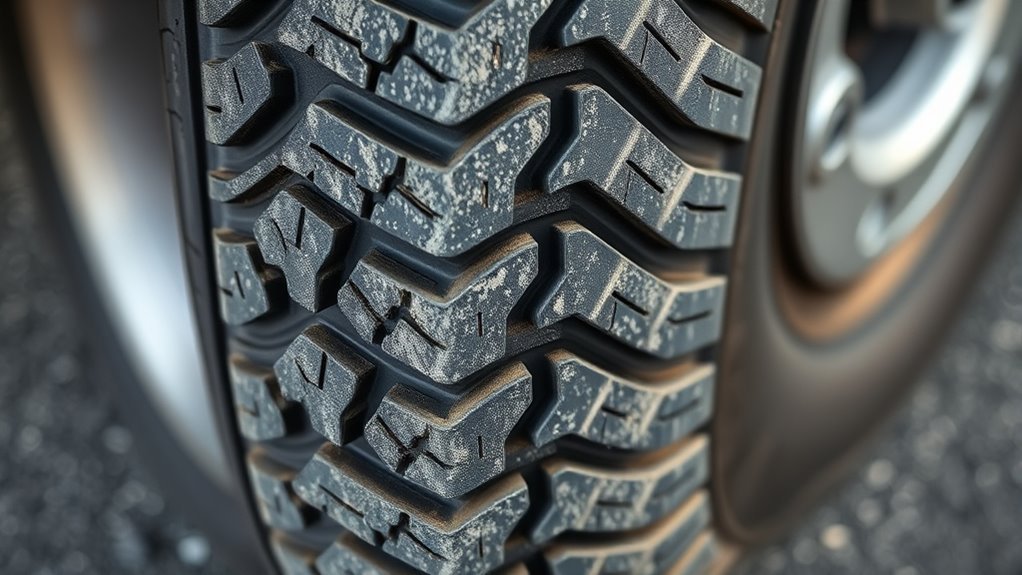
Your 4Runner cups tires when the tread no longer stays in smooth, even contact with the road. The most common triggers are worn shocks or struts, wheel imbalance, alignment drift, wrong tire pressure, worn steering parts, heavy loads, and repeated off-road impacts. You will usually notice scalloped tread, a rhythmic hum, vibration through the wheel or seat, or uneven wear that keeps returning after rotation.
Quick Answer
4Runner tire cupping usually comes from a tire bouncing, scrubbing, or carrying load unevenly. Check shocks and struts, wheel balance, alignment, tire pressure, wheel damage, and worn suspension parts. Mild cupping may improve after fixing the cause, but severe scalloping, vibration, exposed cords, bulges, or low tread means the tire should be replaced.
Key Takeaways
- Cupping looks like repeated high and low spots across the tread, often with a growling noise or vibration at speed.
- Worn shocks or struts are a major cause to check first, but alignment, balance, pressure, tire damage, and worn joints can also create cupping.
- Use the cold tire pressure on your driver-door placard or owner’s manual, not a generic PSI number.
- Rotate tires every 5,000 to 8,000 miles when recommended by the vehicle or tire maker, and sooner if uneven wear appears.
- Replace the tire if tread is at or below 2/32 inch, cords are visible, the tire has bulges or cracks, or vibration remains after the root cause is fixed.
At a Glance
| Time Required | 10-20 minutes for a home inspection; 1-2 hours for shop diagnosis, alignment, or balancing |
| Difficulty | Easy for inspection; professional help recommended for alignment, balance, and suspension repair |
| Tools Needed | Flashlight, tire pressure gauge, tread-depth gauge or penny, gloves, notepad, and a flat safe parking area |
| Cost | Free for a visual check; shop costs vary for balancing, alignment, shocks, suspension parts, or tires |
Warning: Do not keep driving normally if a cupped tire has exposed cords, a sidewall bulge, deep cracks, rapid air loss, tread at or below 2/32 inch, or severe vibration. Use the spare if appropriate, slow down, and have the tire and suspension inspected before highway driving or trail use.
What Is 4Runner Tire Cupping and Why Does It Matter?
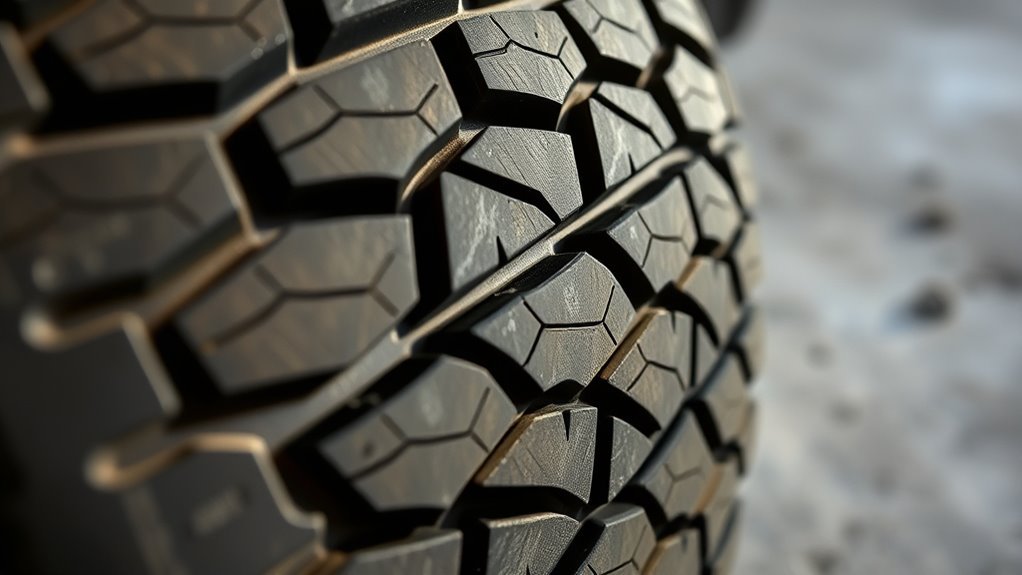
Tire cupping, also called scalloping, is an uneven tread pattern with alternating high and low spots. Instead of wearing flat across the tread, the tire develops small dips that repeat around the tire. On a 4Runner, you may feel it as vibration through the steering wheel, floor, or seat. You may also hear a steady growl or hum that changes with vehicle speed.
Cupping matters because it points to a deeper problem. The tire may be bouncing from weak damping, scrubbing from bad alignment, shaking from imbalance, or carrying load unevenly because the pressure or suspension geometry is wrong. If you only replace the tire without fixing the cause, the new tire can start cupping too.
The National Highway Traffic Safety Administration recommends regular tire pressure checks, tread checks, rotation, balancing, and alignment because poor tire maintenance can affect safety, tire life, and vehicle control.
Cupping is not just a tire problem. It is usually a tire, wheel, alignment, pressure, or suspension problem showing up in the tread.
[Products Worth Considering]

EVOULTES heavy duty tire inflator with an integrated gauge delivers accurate pressure readings from 10–120 PSI, helping you inflate, deflate, and check tires in one tool. The 16.5-inch extended dual-head air chuck with swivel base reaches hard-to-access dual wheel valves on trucks and RVs. A brass trigger core and side-mounted air release valve make operation smooth, with standard 1/4" NPT threading and quick-connect compatibility for easy setup.

The JACO FlowPro Tire Inflator measures, inflates, and airs down tires up to 100 PSI with battery-free operation and ±2% accuracy after calibration. It features a glowing pressure dial for night visibility, a heavy-duty steel build with a hybrid hose, and a precision push-to-inflate thumb trigger. The patented Lightning Air Chuck locks on for a secure seal, and the kit includes quick-connect hardware for easy inline use with your air compressor.

This VEVOR tire bead breaker uses a slide-hammer impact and wedge tip to separate tire beads from rims quickly and efficiently without damaging hub surfaces. The long handle and sturdy steel construction help reduce user strain while providing reliable, portable tire changing for cars, trucks, and more. Ideal for home mechanics and repair shops handling multiple vehicle tire sizes.
How to Spot Cupping on Your 4Runner Tires
Start with the tread. Park on level ground, set the brake, and turn the front wheels so you can see the inner and outer shoulders. Look for a repeated wave pattern, diagonal patches, or dips that appear every few tread blocks.
- Look: Scan the inside edge, center tread, and outside edge for scalloped or chopped wear.
- Feel: Run your palm lightly across the tread. Cupping feels like alternating ridges and dips. Wear gloves if the tread is rough.
- Listen: A cupped tire often makes a rhythmic humming, droning, or growling sound that gets louder with speed.
- Feel the ride: Steering wheel vibration usually points toward front tires, wheel balance, alignment, or front-end parts. Seat or body vibration can point toward rear tires or driveline-related issues.
- Compare tires: If one tire is much worse than the others, look closely at that corner’s shock, wheel, bearing, alignment, and tire pressure history.
Note: Feathering, flat spotting, and cupping are not the same. Feathering feels sharp in one direction across the tread, flat spotting is usually one worn patch from skidding or parking, and cupping is a repeated scalloped pattern around the tire.
Is It Safe to Drive With 4Runner Tire Cupping?
It depends on severity. Mild cupping with plenty of tread and no vibration may be safe enough for a short drive to a tire shop. Severe cupping is different. If the vehicle shakes, the tire growls loudly, tread is low, cords are showing, or the tire has a bulge, treat it as a safety issue.
| Condition | Risk Level | What To Do |
|---|---|---|
| Light scalloping, no vibration, tread well above 2/32 inch | Moderate | Schedule inspection, balance, alignment check, and suspension check. |
| Cupping with steering shake, pulling, or loud road noise | High | Avoid highway speeds and get a professional diagnosis soon. |
| Exposed cords, bulge, crack, tread separation, or tread at 2/32 inch | Unsafe | Replace the tire before normal driving. |
Immediate Safety Risks
Cupped tread can reduce steady road contact. That can hurt braking, wet-road control, ride stability, and steering feel. The risk is higher when the tire is already low on tread, the road is wet, the 4Runner is loaded, or you are driving at highway speed.
Do not rely on the Tire Pressure Monitoring System alone. TPMS warns when pressure is significantly low, but it does not replace a monthly cold pressure check with a gauge.
Long-Term Damage Potential
If you keep driving on cupped tires without fixing the cause, the vibration can stress other parts. Shocks, struts, bushings, ball joints, tie rods, wheel bearings, and steering components may wear faster when a tire keeps bouncing or shaking.
| Stage | What You Notice | Likely Next Step |
|---|---|---|
| Early | Light hum, small scallops, uneven feel by hand | Correct pressure, rotate if appropriate, balance, and inspect suspension. |
| Progressive | Vibration, louder tread noise, visible dips | Road-force balance, alignment printout, and shock/strut inspection. |
| Severe | Heavy shake, very uneven tread, low tread, or tire damage | Replace damaged tires and repair the root cause before normal driving. |
Why 4Runners Cup: Truck Design, Weight, and Off-Road Use
A 4Runner is heavier and more truck-like than many crossovers. Many owners also run all-terrain tires, lifted suspension, aftermarket wheels, roof racks, cargo drawers, recovery gear, or towing loads. Those changes can make small tire, wheel, and suspension problems show up more quickly.
The current-generation 4Runner continues the model’s rugged SUV direction, and older 4Runners also use truck-style construction. Still, exact suspension parts, alignment specs, tire sizes, and pressures vary by model year and trim. Use the Toyota owner’s manual and maintenance guide for your specific 4Runner instead of relying on a generic number.
Off-road use adds another layer. Rocks, washboard roads, potholes, airing down, airing back up, and uneven cargo weight can all change how the tire contacts the ground. If you wheel often, inspect tread and pressure more often than a commuter 4Runner owner would.
Pro Tip: After a hard trail day, clean mud and stones out of the tread and wheels before highway driving. Packed mud inside a wheel can mimic a balance problem and create vibration.
Worn Shocks and Struts: The Common Cause to Check First
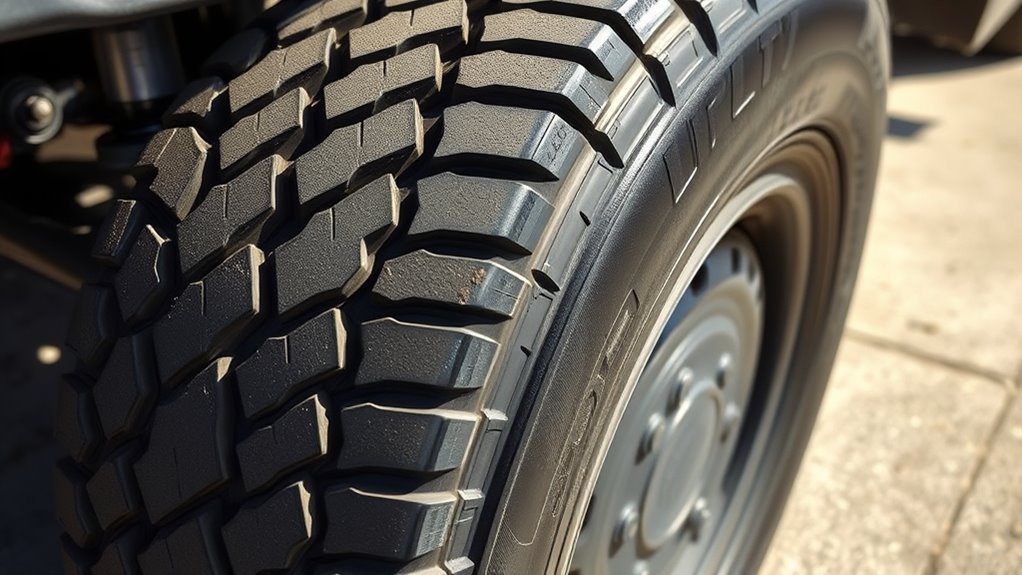
Your shocks and struts help keep each tire pressed against the road. When damping gets weak, the tire can bounce after bumps instead of settling quickly. That repeated bounce can create high and low tread spots.
Do not replace shocks by mileage alone. Inspect them when you see cupping, when the 4Runner bounces after bumps, when ride control feels loose, or when the tire wear appears again after rotation and balancing.
Shock and Strut Wear Signs
- Oil leakage on the shock or strut body
- Excess bounce after pushing down on a vehicle corner
- Nose dive during braking
- Body roll that feels worse than before
- Rear hop or chatter on washboard roads
- Cupping that returns on the same corner
How Tire Bounce Creates Cupping
When a tire bounces, it does not apply even pressure across the tread. It touches down harder in repeated spots, then unloads. Over time, that pattern can carve dips into the tread blocks. The heavier the tire and wheel package, the more important damping and balance become.
What To Check With the Shocks
Ask the shop to inspect shock or strut leakage, mounts, bushings, control arms, ball joints, tie rods, sway bar links, and wheel bearings. A weak shock may start the cupping, but a loose joint or bad bearing can make it worse.
Which Alignment Problems Cup 4Runner Tires?
Alignment controls how the tire points and sits on the road. On a 4Runner, the most important point is simple: use the Toyota alignment specs for your exact model year, suspension height, trim, and tire setup. Do not use a generic internet range as the final target, especially if your 4Runner is lifted or running larger tires.
| Alignment Area | What It Can Do | What To Ask For |
|---|---|---|
| Toe | Too much toe-in or toe-out scrubs tread blocks and can cause feathering or irregular wear. | Before-and-after alignment printout with toe set to Toyota spec. |
| Camber | Too much positive or negative camber can overload one shoulder of the tire. | Camber within model-specific spec and checked after any suspension change. |
| Caster | Uneven caster can cause pulling, unstable steering, and uneven front-tire loading. | Caster balanced side to side and appropriate for stock or lifted suspension. |
| Thrust angle | A rear axle or rear suspension issue can make the vehicle track slightly sideways. | Rear suspension and axle location inspection if rear tires cup or the steering wheel sits off-center. |
Wheel Balance: Why 4Runners Feel It More
Wheel imbalance makes the tire and wheel assembly shake as it rotates. NHTSA notes that balancing helps wheels rotate properly and prevents shaking or vibration. On a 4Runner with heavier tires, all-terrain tread, aftermarket wheels, or trail damage, even a small imbalance can feel obvious.
[Products Worth Considering]

Universal magnetic jack pad with aluminum grooved design to protect vehicle pinch welds during lifting. Durable nylon pad inserts are upgraded and secured with screws to resist damage and keep in place. Designed to fit most single vehicle pinpoint welds for safer, stable jacking when changing tires, repairs, or performing oil changes.

Camco Trailer Aid Plus tandem tire ramp lifts your trailer for quick, safe tire changes with ample clearance from its 5 1/2-inch lift. It helps you change a flat tire without unloading cargo, making roadside and routine maintenance more efficient. The heavy-duty, waterproof and rustproof polymer design supports up to 15,000 lb and is built for easy portability and storage.
Heavier Tire and Wheel Packages
Many 4Runner owners upgrade to heavier all-terrain or mud-terrain tires. That extra rotating weight can magnify vibration if the assembly is not balanced well. If vibration remains after a normal balance, ask for road-force balancing. It can help find tire stiffness variation, wheel runout, or a tire that should be moved to a different wheel.
Off-Road Weight Distribution
Cargo matters too. A rear drawer system, roof tent, spare tire carrier, tools, or water storage can change how the tires wear. Keep heavy cargo low and centered when possible. Check pressure before long highway trips, after airing down, and after loading the vehicle for travel.
Quick Checks: Diagnosing Your 4Runner’s Cupping at Home
You can do a basic diagnosis before paying a shop. This will not replace professional alignment or suspension inspection, but it helps you describe the problem clearly.
- Check cold tire pressure. Use the PSI on the driver-door Tire and Loading Information Label or your owner’s manual. Measure when the tires are cold.
- Measure tread depth. Check the inside, center, and outside tread. Replace tires that are at or below 2/32 inch.
- Feel for scallops. Run your hand around the tread. A repeated dip-rise-dip pattern points toward cupping.
- Inspect for damage. Look for bulges, cracks, exposed cords, punctures, bent wheels, missing wheel weights, and uneven shoulder wear.
- Road test carefully. Note the speed when the hum or vibration starts. Front-end vibration is often felt in the steering wheel. Rear vibration is often felt in the seat or body.
- Check recent changes. New tires, wheel spacers, lift kits, hard trail impacts, potholes, or towing can all change balance or alignment.
- Schedule shop checks. Ask for balance, alignment printout, shock/strut inspection, steering joint inspection, and wheel bearing check.
Fix or Replace? Your Cupped 4Runner Tire Options
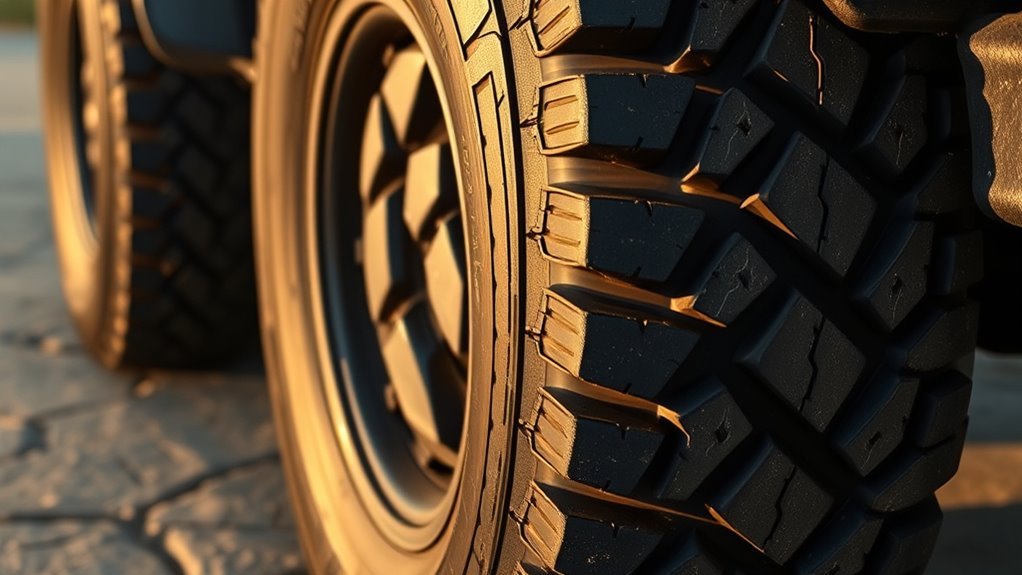
Once a tire is cupped, the tread will not become perfectly smooth again. The real decision is whether the tire is still safe enough to use after the root cause is fixed.
| Tire Condition | Best Choice | Why |
|---|---|---|
| Light cupping, plenty of tread, no tire damage | Fix the cause, then rotate if appropriate | The tire may remain usable, although some noise may stay. |
| Moderate cupping with vibration or loud tread noise | Professional inspection | The tire may need replacement if balance and repairs do not solve vibration. |
| Severe cupping, exposed cords, bulges, cracks, or 2/32 inch tread | Replace | The tire is no longer a good candidate for continued service. |
If you replace only the tires, the new set may cup again. Fix the reason first or at the same time. Common fixes include balancing, alignment, shock or strut replacement, bushing repair, wheel repair, bearing replacement, or pressure correction.
Preventing 4Runner Cupping: Rotation, Pressure, and Suspension Habits
Preventing cupping is easier than saving a tire after the tread is already scalloped. Build a simple tire routine and follow it more closely if you tow, drive off-road, run larger tires, or carry heavy cargo.
| Prevention Step | Recommended Habit |
|---|---|
| Tire pressure | Check monthly when cold and use the driver-door placard or owner’s manual PSI. |
| Rotation | Rotate every 5,000 to 8,000 miles when recommended, or sooner if uneven wear appears. |
| Balance | Balance when installing tires, after wheel impacts, when vibration appears, or after tire/wheel changes. |
| Alignment | Check after suspension work, lift kits, hard impacts, pulling, steering wheel off-center, or repeated uneven wear. |
| Suspension inspection | Inspect shocks, struts, bushings, ball joints, tie rods, and bearings when cupping, bounce, or clunking appears. |
What To Ask the Shop To Check
When you bring the 4Runner in, be specific. Tell the technician which tire is cupped, what speed the vibration starts, whether the vehicle pulls, and whether the problem appeared after new tires, a lift, towing, or trail use.
- Road-force balance on the cupped tire and matching wheel
- Before-and-after alignment printout
- Shock and strut leakage, rebound, and mounts
- Upper and lower control arm bushings
- Ball joints, tie rods, and steering rack play
- Wheel bearings and wheel runout
- Tire age, tread depth, sidewall condition, and belt separation signs
- Correct tire load rating and pressure for your setup
Frequently Asked Questions
What causes tire cupping on a 4Runner?
The most common causes are worn shocks or struts, wheel imbalance, alignment problems, improper tire pressure, tire or wheel damage, loose steering or suspension parts, and repeated off-road impacts. On a 4Runner, heavy tires, cargo weight, lift kits, and trail use can make these problems show up faster.
Can cupped tires smooth out after rotation?
Mild cupping may become less noticeable after the cause is fixed and the tires are rotated, but the tread will not fully return to new condition. Severe cupping usually keeps making noise and may require tire replacement.
Will an alignment fix 4Runner tire cupping?
An alignment can fix cupping only if alignment is the root cause. If the tire is cupping because of bad shocks, imbalance, a bent wheel, loose bushings, or low pressure, alignment alone will not solve it.
What tire pressure should I use to prevent cupping?
Use the cold tire pressure listed on your driver-door Tire and Loading Information Label or in your owner’s manual. Do not use the tire sidewall maximum as your normal driving pressure. Adjust only when needed for the correct tire, load, and vehicle setup.
When should I replace a cupped 4Runner tire?
Replace it if the tread is at or below 2/32 inch, cords are visible, the tire has bulges or cracks, the tread is separating, or vibration remains after balance and repair. Also replace it if a tire professional says the tread pattern or casing is unsafe.
Conclusion
4Runner tire cupping is a warning sign, not just an appearance issue. Start with cold tire pressure, tread depth, and a careful visual check. Then look at the systems that control tire contact: shocks, struts, alignment, balance, wheels, bearings, and steering parts. If the cupping is mild, fixing the cause may let you keep using the tire. If the tire is damaged, badly scalloped, low on tread, or still vibrating, replacement is the safer choice.
Sources
- NHTSA TireWise — tire pressure, tread depth, rotation, balance, alignment, TPMS, and tire safety guidance.
- Toyota Owners Manuals and Warranty Guides — model-specific owner manual and maintenance information for Toyota vehicles.
- Toyota Pressroom: 2025 Toyota 4Runner — official current-generation 4Runner product information and model context.

Related Articles

Best Toyota 4Runner Tires Under $150 2026 – Top Budget All-Terrain Tires
You use your Toyota 4Runner for a mix of highway miles and off-road adventures, so choosing capable all‑terrain tires that cost less than $150…
Read More
Best Budget Tires for Toyota 4Runner 2026 – Top Affordable Performance Tires
You rely on your Toyota 4Runner for a mix of daily driving and weekend adventures, and the tires you choose shape safety, comfort, and…
Read More
Best On Road All Terrain Tires for Toyota 4Runner 2026 – Top Highway-Friendly A/T Tires
You want all-terrain tires that let your 2026 Toyota 4Runner feel planted and quiet on the highway while still offering capable off-road traction when…
Read More