
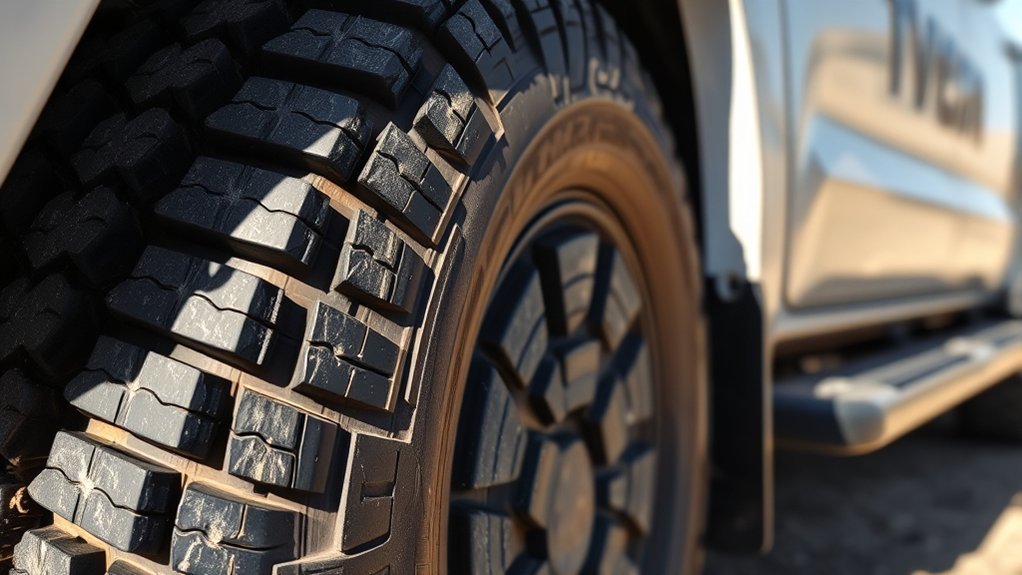
Your Toyota Tundra’s all-terrain tires should not be judged by mileage alone. Replace them when tread is too low, the rubber is too old, the sidewalls are damaged, or the truck starts losing wet-road, towing, or off-road grip. A tread gauge gives the clearest answer, but wear bars, the penny test, tire age, and driving feel all help you decide before a tire becomes unsafe.
Quick Answer
Replace Tundra all-terrain tires immediately at 2/32 inch tread depth, and start planning replacement around 4/32 inch if you drive in rain, tow, haul, or use gravel roads. Consider replacing near 6/32 inch if you rely on mud, snow, or trail traction.
Key Takeaways
- Use a tread depth gauge across several grooves, not just one spot on one tire.
- The penny test means replacement is due if you can see the top of Lincoln’s head.
- Inspect tires closely once they reach six years old, even if the tread still looks usable.
- Replace any tire with bulges, exposed cords, deep sidewall cuts, severe cracking, or repeated air loss.
- For a Tundra, always match the correct size, load rating, and cold pressure listed on the door-jamb placard or Toyota owner resources.
At a Glance
| Time Required | 5 to 10 minutes for a driveway inspection |
| Difficulty | Easy for tread checks; professional inspection recommended for sidewall damage, vibration, or uneven wear |
| Tools Needed | Tread depth gauge, penny, tire pressure gauge, flashlight, and your Tundra door-jamb tire placard |
| Cost | $0 for a penny test; about $5 to $15 for a tread gauge; tire replacement cost varies by size, load rating, and tire model |
When to Replace Tundra All-Terrain Tires by Tread Depth
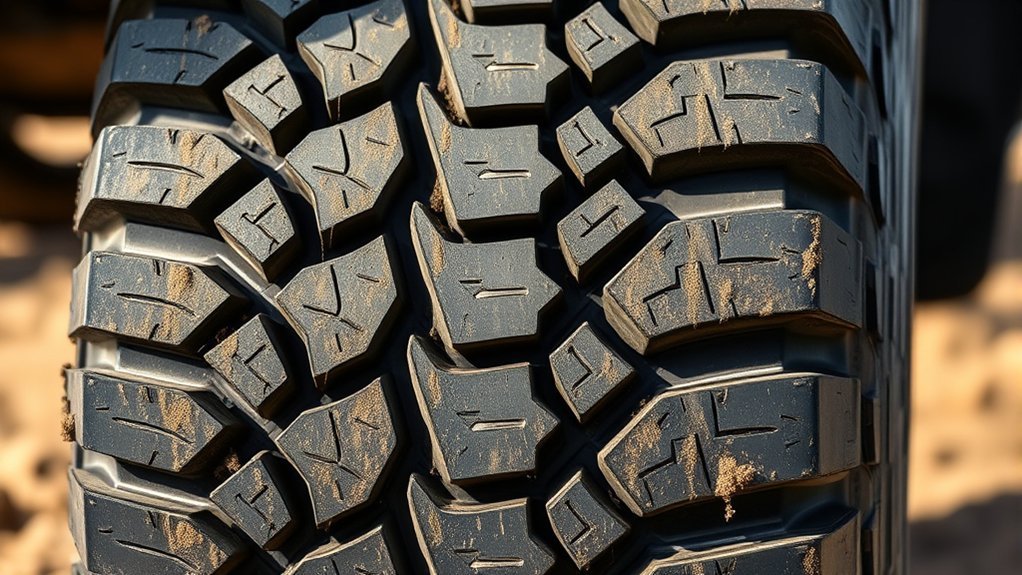
Tread depth matters because it gives your Tundra’s tires space to move water, bite into loose ground, and keep stable contact with the road. NHTSA TireWise says tires are not safe and should be replaced when tread is worn to 2/32 inch. For a heavy pickup used in rain, towing, gravel, mud, or snow, it is smarter to shop earlier.
| Tread Depth | What It Means for a Tundra |
| 6/32 inch | Start watching closely if you depend on snow, mud, trail grip, or wet boat-ramp traction. |
| 4/32 inch | Plan replacement soon, especially if you tow, haul, drive in heavy rain, or use mixed pavement and gravel. |
| 2/32 inch | Replace now. This is the minimum safety threshold used by NHTSA guidance. |
NHTSA reported 511 tire-related traffic fatalities in 2024, which is why tread, pressure, tire age, and damage checks should be part of regular truck maintenance.
Warning: Do not wait for a tread-depth number if you see a bulge, exposed cord, deep sidewall cut, severe cracking, tread separation, or repeated air loss. Replace the tire or have it inspected by a qualified tire professional before driving at highway speed.
[Products Worth Considering]

Monitor tire tread wear with a smart, color-coded depth gauge that shows clear condition ranges at a glance. The bar is range marked for fast, easy readings, helping you maintain safer traction and performance. Each gauge is portable with a pocket clip, and the set includes 20 units for daily use and sharing.

Accurately measure tire tread depth with a calibrated gauge marked from 0 to 1 inch in 1/32 inch increments. The color-coded bar helps you quickly identify tread condition ranges, supporting safe driving for trucks, motorcycles, automobiles, and passenger vehicles.

The SAFELIFE dial tire tread depth gauge measures tread depth in 1/32 inch increments with clear, easy-to-read 2-inch dial face. Color zones using a traffic light system help you quickly judge whether tread is low, marginal, or ample for safer driving. Built with a durable zinc cast body and a metal detect probe for precise, comfortable use across cars, motorcycles, trucks, and buses.
How to Measure Tread Depth Accurately
The best tool is a tread depth gauge that reads in 32nds of an inch. Park your Tundra on level ground, set the parking brake, and check each tire when it is cool enough to touch. Measure the outer, center, and inner tread grooves because one side may wear faster than the other.
- Check several points on each tire. Measure at the front, middle, and rear of the tread area.
- Compare inner, center, and outer readings. A big difference can point to alignment, inflation, or suspension problems.
- Look for treadwear bars. These raised bars run across the grooves. When the tread is level with the bars, replacement is due.
- Use the penny test as a backup. Put a penny into the tread with Lincoln’s head upside down and facing you. If you can see the top of Lincoln’s head, replace the tire.
Pro Tip: Record the lowest tread reading for each tire in your phone. If one tire loses tread much faster than the others, schedule an alignment and suspension check before installing new tires.
Signs Your Tundra Tires Are Aging
Tire age matters even when tread still looks deep. Rubber changes over time because of heat, sunlight, storage, road salt, poor inflation, and heavy use. NHTSA notes that some vehicle and tire manufacturers recommend replacing tires at six to 10 years regardless of treadwear, so check the age as well as the tread.
Find the DOT Tire Identification Number on the sidewall. The last four digits show the week and year the tire was made. For example, a code ending in 2421 means the tire was manufactured in the 24th week of 2021. If the full code is not visible on the outside sidewall, check the inner sidewall or ask a tire shop to help.
Replace or professionally inspect aging tires if you see:
- cracks between tread blocks or on the sidewall;
- dry, faded, brittle rubber;
- bulges or bubbles in the sidewall;
- chunks missing from the tread after trail use;
- exposed cords or steel belts;
- repeated pressure loss even after repair;
- new vibration, thumping, or wandering at highway speed.
Note: You cannot always judge tire aging by looks alone. If your Tundra sits for long periods, carries heavy loads, or runs in hot climates, have the tires inspected more often once they pass six years from the DOT date.
Performance Signs That Mean Replacement Is Needed
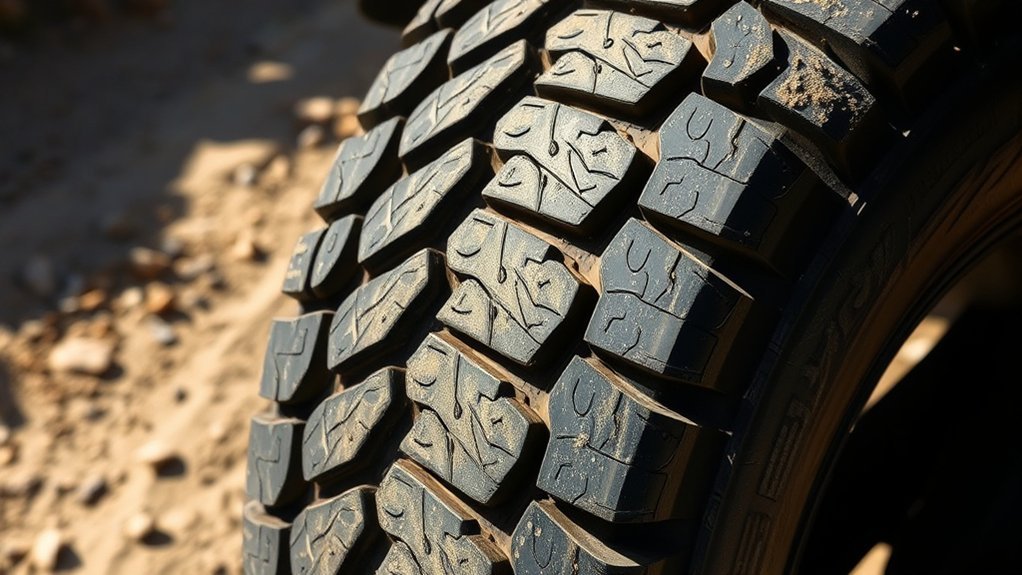
Performance changes often show up before a tire looks completely worn out. On a Tundra, pay close attention because the truck’s weight, towing load, and off-road use can make weak tires feel worse under braking or cornering.
Consider replacement or a tire inspection if you notice:
- longer wet-road stopping distances, especially when towing or hauling;
- hydroplaning at speeds that used to feel stable;
- poor grip on gravel, mud, or wet grass even with steady throttle;
- extra road noise from cupping, feathering, or uneven tread blocks;
- steering wheel vibration that remains after balancing;
- truck pull on a straight, level road;
- repeated TPMS warnings or one tire losing pressure faster than the others.
Do not assume every handling problem means the tire itself is bad. Uneven wear can come from low pressure, overload, worn shocks, alignment issues, bent wheels, or unbalanced tires. Fixing the cause helps your next set of all-terrain tires last longer.
[Products Worth Considering]

Measure tire tread depth quickly and accurately with this LUMITECO dial gauge that reads in 1/32" increments up to 14/32". The color-coded green/yellow/red zones make it easy to judge tire wear and know when replacement is needed. A rugged, compact design with a protective pouch helps keep the gauge ready for use on cars, trucks, motorcycles, and more.

Measure tyre tread depth precisely with a digital gauge that reads in both MM and inches, helping you monitor safe driving conditions. The large LCD screen is easy to operate, and the compact tool fits for cars, trucks, and motorcycles. It provides high accuracy with a 0-25.4mm range and includes a 1-year warranty for added peace of mind.

The Milton S-693 straight foot dual head air chuck is designed for accurate tire pressure checks and quick, secure valve-core engagement with lock-on threads on both ends. With a 1/4" FNPT connection and a maximum 150 PSI rating, it’s built for use on inner duals and common vehicle tires, including trucks and RVs.
Tundra-Specific Checks Before Buying New All-Terrain Tires
Before you buy replacement all-terrain tires, check your Tundra’s tire placard on the driver’s door jamb and the official Toyota Owners manuals and warranties page. Tire size, cold inflation pressure, load rating, and maintenance guidance can vary by model year, trim, wheel package, and tire option.
Use these checks before ordering:
- Match the correct tire size. Do not guess based on another Tundra trim or online forum post.
- Match or exceed the required load rating. This is especially important if you tow, haul tools, carry campers, or run heavy accessories.
- Use the vehicle’s cold tire pressure. The correct pressure is on the Tundra placard or manual, not the maximum pressure printed on the tire sidewall.
- Check spare tire condition. A full-size spare can age out even when it has never been used.
- Check for recalls. Use the NHTSA recall search for tires, vehicles, and equipment.
[Products Worth Considering]

Keep your tires properly inflated with this analog VONDIOR tire pressure gauge, designed for fast, easy readings without batteries. The swiveling, two-axis hose and large glow dial help you measure at any tire angle with instant visibility. Built with a protective rubber shield, it supports durable, low-maintenance use for cars and trucks.

This tire inflator extension hose helps your air chuck quickly connect and disconnect from the tire nozzle with minimal leakage, supporting more accurate tire pressure. It uses a high-pressure resistant inflatable tube and durable brass chuck adapter for long-lasting performance. The quick-connect 90-degree thumb press chuck converts to a locking style and is easy to operate for car, motorcycle, and bicycle inflations.

Steelman white tire marking crayons provide high-contrast, semi-permanent marks for repairing and inspecting tires and equipment. They write on wet or dry, smooth or coarse surfaces including rubber, metal, glass, and wood, making them ideal for puncture location and damage outlining. The lead- and zinc-free crayons resist weather and fading yet wipe away when you no longer need the marks.
Tips for Maintaining Your Tires’ Longevity
A simple maintenance routine helps your Tundra’s all-terrain tires wear evenly and stay safer for highway, towing, and trail use.
- Check tire pressure monthly. Use a gauge when the tires are cold, including the spare. NHTSA recommends monthly cold-pressure checks, and FuelEconomy.gov notes that proper inflation helps fuel economy, safety, and tire life.
- Rotate tires on schedule. Follow your Toyota maintenance guide. NHTSA says that, when recommended by the vehicle manufacturer, tires are often rotated every 5,000 to 8,000 miles or sooner if uneven wear appears.
- Inspect after off-road driving. Look for rock cuts, chunked tread blocks, bead damage, nails, sidewall scrapes, and packed mud or stones in the grooves.
- Keep alignment and balance in check. If the truck pulls, shakes, or wears one edge quickly, correct the issue before the tire is ruined.
- Avoid overload and heat buildup. Heavy payloads, low pressure, high speeds, and hot pavement can all increase stress on the tire casing.
Frequently Asked Questions
What is the lifespan of all-terrain tires on a Tundra?
Many all-terrain tires last tens of thousands of miles, but there is no single mileage rule. Treadwear depends on tire model, load rating, towing, road surface, pressure, alignment, rotation, and driving style. Replace by tread depth, age, damage, and performance instead of mileage alone.
Is 4/32 inch tread depth safe for all-terrain tires?
At 4/32 inch, a tire may still be above the 2/32 inch minimum replacement point, but wet-road, towing, and off-road performance can drop. For a Tundra used in rain, gravel, mud, or towing, 4/32 inch is a smart point to plan replacement.
What does the penny test mean?
Insert a penny into the tread with Lincoln’s head upside down and facing you. If you can see the top of Lincoln’s head, the tread is about 2/32 inch or less, and the tire should be replaced. A tread depth gauge is more accurate.
Should I replace all four Tundra tires at once?
Replacing all four is best when the set is evenly worn, old, or near the replacement threshold. If only one tire is damaged, ask a tire professional whether one, two, or all four should be replaced based on tread depth, tire type, drivetrain, and Toyota guidance.
Can I keep driving on old tires if they still have deep tread?
Not always. Tires can age out before the tread wears out. Once tires reach six years from the DOT date, inspect them closely and follow the tire maker’s age limit. Replace sooner if you see cracking, bulging, sidewall damage, vibration, or pressure loss.
Conclusion
Replace your Tundra’s all-terrain tires before they become a weak link. Use 2/32 inch as the replace-now limit, 4/32 inch as the practical planning point for rain and towing, and 6/32 inch as a warning point if you depend on mud, snow, or trail grip. Add tire age, sidewall condition, pressure loss, vibration, and uneven wear to the decision. A few minutes with a tread gauge can prevent poor braking, weak off-road traction, and a risky highway failure.
Sources
- NHTSA TireWise — tread depth, penny test, tire pressure, tire aging, tire rotation, and tire-related crash safety guidance.
- Toyota Owners Manuals and Warranties — official Toyota owner resources for model-specific tire size, pressure, and maintenance information.
- NHTSA Recalls — recall search for tires, vehicles, car seats, and equipment.
- FuelEconomy.gov: Keeping Your Vehicle in Shape — proper tire inflation, safety, tire life, and fuel economy guidance.
- Consumer Guide to Uniform Tire Quality Grading — NHTSA/DOT treadwear, traction, and temperature rating reference.

1 thought on “When to Replace All-Terrain Tires on a Tundra: Tread Depth and Age Limits”