Car rims—or, more accurately, complete wheels—can cost anywhere from about $60 for a basic replacement wheel to $1,500 or more for a premium forged wheel. Most everyday steel and cast-alloy options fall well below the premium end, but size, construction, finish, brand, fitment, tires, TPMS parts, and installation can change your final bill substantially.
Quick Answer
For a passenger car, budget roughly $60-$150 each for many basic steel or budget wheels, about $100-$300 for many cast-alloy wheels, and roughly $400-$1,500+ for forged or premium wheels. A set of four can therefore cost a few hundred dollars to several thousand before tires, TPMS service, mounting, balancing, taxes, or other hardware.
Key Takeaways
- Basic replacement wheels can start around $60-$150 each, while mainstream cast-alloy wheels often fall around $100-$300.
- Forged and premium wheels commonly cost several hundred dollars each and can exceed $1,500 per wheel on high-end applications.
- Diameter, width, construction method, finish, brand, vehicle fitment, and production volume all influence price.
- Your final cost can also include tires, mounting, balancing, TPMS parts or programming, lug hardware, taxes, and shipping.
- Correct fitment matters more than appearance or price. Verify wheel diameter, width, bolt pattern, offset, center bore, brake clearance, load capacity, tire compatibility, and hardware before buying.
Note: Technically, a rim is part of the wheel, but shoppers commonly use “rim” to mean the entire wheel. This guide uses both terms in that common consumer sense.
How Much Do Rims Cost?
Rims can cost from roughly $60 to well over $1,500 each, depending on size, material, construction, brand, finish, and vehicle fitment. Basic steel and budget aftermarket wheels sit at the lower end. Cast aluminum covers a broad middle range, while flow-formed, forged, custom, OEM performance, and specialty wheels can cost much more.
For planning purposes, many passenger-vehicle shoppers can use the ranges below. They are not fixed retail prices: wheel pricing changes by vehicle, size, inventory, finish, and seller.
| Wheel type | Planning range per wheel | Set of four | Typical use |
|---|---|---|---|
| Basic steel / budget replacement | About $60-$150 | About $240-$600 | Economy replacement, winter setups, basic transportation |
| Cast alloy | About $100-$300 | About $400-$1,200 | Daily driving, appearance upgrades |
| Flow-formed / formed alloy | Often about $200-$600+ | Often about $800-$2,400+ | Enthusiast and performance applications |
| Forged / premium | About $400-$1,500+ | About $1,600-$6,000+ | Performance, luxury, motorsport, custom builds |
| Carbon-fiber / exotic specialty | Vehicle-specific premium pricing | Usually far above mainstream alloy sets | High-performance and specialty OEM applications |
You should also budget for labor, mounting, balancing, tires, and possible TPMS parts. A full wheel-and-tire package can therefore cost far more than the wheels alone.
Regular wheel maintenance helps protect that investment. Clean road salt and brake dust from the finish, avoid harsh cleaners not approved for the coating, and inspect the wheel after curb or pothole impacts.
Because fitment must match the vehicle, you cannot treat all wheels with the same diameter as interchangeable. The National Highway Traffic Safety Administration recommends using the vehicle manufacturer’s tire information and owner’s manual when confirming the correct tire specifications. Wheel fitment adds further requirements such as bolt pattern, offset, center bore, width, brake clearance, load rating, and compatible hardware.
Warning: Never buy a wheel only because its diameter and bolt pattern look correct. An incorrect offset, center bore, load capacity, width, lug-seat design, or brake clearance can create rubbing, vibration, hardware problems, or unsafe loading.
What Affects Rim Prices Most?
Several key factors drive rim prices: material, manufacturing method, diameter, width, finish, brand, vehicle application, and production volume.
Larger diameters and wider widths often cost more because they use more material and may require different tooling, machining, testing, and finishing. Complex spoke designs and specialty brake-clearance requirements can also increase production cost.
Manufacturing method matters too. Cast, flow-formed, and forged wheels are made differently. BBS USA describes separate cast, flow-formed, and forged product lines, with its forged wheels beginning as aluminum billet and undergoing a multi-stage forging process.
Construction method can change both price and performance. A wheel that looks similar from the outside may be cast, flow-formed, or forged using very different production methods.
Finish choices such as machined faces, multi-stage paint, polishing, or specialized protective coatings add processing steps. Brand positioning may also raise price through design development, testing, warranty support, distribution, and marketing.
Fitment requirements can narrow supply. A common 17-inch wheel with a popular bolt pattern may have dozens of affordable choices, while an uncommon width, offset, brake-clearance requirement, or vehicle-specific load requirement can reduce competition and push prices higher.
Market availability matters as well. Discontinued OEM wheels, rare finishes, and unusual sizes may cost more simply because supply is limited.
How Rim Material Changes Cost
Material is an important cost driver because it affects raw-material expense, manufacturing, weight targets, corrosion protection, and design options.
Steel wheels are usually among the least expensive choices. They tend to be heavier and visually simpler than aluminum wheels, but their low replacement cost makes them popular for basic transportation and winter tire sets.
Aluminum-alloy wheels dominate the passenger-vehicle upgrade market. Aluminum allows manufacturers to create a wide range of shapes and finishes while controlling weight. Price varies greatly because a cast wheel and a forged aluminum wheel are not equivalent simply because both contain aluminum.
Heat treatment, alloy specification, machining, testing, and construction technique all affect the finished product.
Carbon-fiber automotive wheels are a specialty category. Carbon Revolution describes an advanced production process that includes extensive inspection and quality tracking for each wheel. Its manufacturing information illustrates why carbon composite wheels sit in a very different cost and engineering category from mainstream steel or cast aluminum. See Carbon Revolution’s manufacturing overview.
In general, price rises when a wheel requires more specialized materials, tighter process control, additional machining, or lower-volume manufacturing. However, material alone does not prove that one wheel is safer or better for your vehicle.
Cast vs. Flow-Formed vs. Forged Wheels
Construction method deserves its own comparison because it is often a bigger price factor than the basic metal name.
- Cast wheels: Molten aluminum is formed in a mold. Casting supports high-volume production and is common among affordable and midrange alloy wheels.
- Flow-formed wheels: These generally begin with a cast wheel blank, then the barrel area is formed under pressure while rotating. BBS describes this as forming the inner rim with hydraulic rollers, while Enkei’s MAT process combines one-piece casting with a rim-forming/spinning process.
- Forged wheels: Forging begins with solid metal and uses substantial pressure before machining the final shape. The equipment, processing, machining, and lower production volume help explain the higher retail price.
Pro Tip: Compare the actual wheel weight, load rating, warranty, construction method, and fitment—not just marketing terms. A well-engineered cast wheel may make more sense for a daily driver than a much more expensive wheel built for performance use.
[Products Worth Considering]

Replace worn or malfunctioning GM TPMS sensors with this 433MHz pre-programmed sensor set designed for compatibility with many Chevrolet, Buick, GMC, and Cadillac models. It includes guidance for proper OBDII relearning/pairing after installation and supports reliable long-term operation with a high-performance CR2032 battery. Quality tested for durability and performance to help restore accurate tire pressure monitoring.

These M14x1.5 closed-end chrome lug nuts are a one-piece replacement designed for secure fitment on compatible GM, Ford, and select Chrysler/Dodge models. Featuring a 60-degree conical seat and anti-rust chrome plating, they help resist corrosion and maintain a bright look for everyday driving. Built for long-term durability, they include OEM-style part references and are backed by 12 months of support.

Upgrade your wheels with MIKKUPPA closed-end lug nuts designed for reliable fit and corrosion resistance. The one-piece, cold-forged and heat-treated steel construction helps resist rust and stripping, while the integrated finish delivers a durable black appearance. Built to OEM standards with a conical 60-degree seat, these nuts provide a secure solution for compatible Ford, Honda, Jeep, and Chevrolet models.
How Rim Size Affects Price
When you choose smaller rims, you will often pay less because common smaller sizes typically use less material and are produced in large volumes.
Larger rims commonly cost more because they use more material, often have wider barrels, and may require more expensive tires at the same time.
Size also affects your total ownership cost. Moving from a 17-inch wheel to a 20-inch wheel, for example, may require a lower-profile and more expensive tire to keep overall tire diameter within the vehicle’s acceptable range.
Smaller Rims, Lower Cost
Smaller wheels usually cost less to buy, ship, and replace. Common diameters also tend to have a wider selection of affordable tires, which can make the complete wheel-and-tire package cheaper.
For a budget-focused setup, start with a manufacturer-approved wheel diameter rather than automatically choosing the smallest wheel that shares your bolt pattern. The wheel still needs enough brake clearance and the correct width, offset, center bore, load capacity, and tire combination.
Smaller approved wheels can be especially practical for winter setups because you can often pair them with tires that have more sidewall. That can improve impact cushioning compared with very low-profile tires.
For many daily drivers, this approach provides practical value without sacrificing correct fitment or basic durability.
Larger Rims, Higher Cost
Larger rims usually cost more because they require more material and often target higher-end or performance-oriented applications. A larger diameter can also increase tire cost and may reduce the amount of tire sidewall available if overall tire diameter is kept similar.
| Rim size | Typical price trend | What else to consider |
|---|---|---|
| 16 in. | Usually lower | Often broad tire availability; brake clearance must still be verified |
| 17 in. | Low to moderate | Common passenger-car and crossover size |
| 18 in. | Moderate | Large selection of cosmetic and performance wheels |
| 19 in. | Often higher | Tire prices and low-profile fitments may increase total cost |
| 20+ in. | Often highest | Common on trucks, SUVs, luxury and performance applications |
When comparing two wheels from the same product family, a larger version often costs more. Across unrelated brands, however, size alone cannot predict price because construction and brand positioning may have an even larger effect.
Size Impact On Materials
As rim diameter and width increase, manufacturers generally need a larger wheel structure. That can increase raw-material use and production expense.
The wheel must still meet the engineering requirements for its intended vehicle, including load capacity, fatigue strength, impact performance, brake clearance, and dimensional tolerances.
Larger wheels can also increase unsprung and rotational mass if the larger design is heavier. A carefully engineered forged or flow-formed wheel may offset some of that increase, so you should compare actual specifications instead of assuming every larger wheel weighs more.
Size therefore changes more than appearance. It can affect wheel price, tire price, ride characteristics, steering feel, impact exposure, and total package weight.
How Brand Differences Affect Rim Prices
Brand reputation can add a premium because established manufacturers may invest heavily in engineering, tooling, testing, quality control, finish development, dealer support, and warranties.
OEM wheels also frequently carry substantial replacement-part pricing because they are produced for a specific vehicle, trim, finish, and supply chain. However, OEM is not automatically cheaper or more expensive than aftermarket; prices overlap widely.
Aftermarket brands cover everything from inexpensive replacement wheels to high-end forged products costing more than many OEM wheels.
Brand Reputation Premium
Brand reputation can add a measurable premium because buyers are paying for more than raw aluminum or steel. Engineering history, finish consistency, manufacturing controls, testing, warranty support, availability of replacement parts, and customer service can all influence price.
For example, wheel manufacturers such as BBS and Enkei publish information about their construction methods and testing. That type of documentation gives you more useful information than styling alone.
A lesser-known brand is not automatically unsafe, and a famous brand is not automatically the right choice. Compare the specifications required for your vehicle, the wheel’s documented load capability, warranty terms, manufacturing information, and seller support.
OEM Vs Aftermarket
OEM rims and aftermarket rims differ in how they are designed, distributed, priced, and supported. OEM wheels are designed for a specific factory application and provide a straightforward path to restoring the vehicle to its original configuration. Aftermarket wheels give you more choices in size, appearance, construction, weight, and price.
| Factor | OEM | Aftermarket |
|---|---|---|
| Fitment | Designed for a specific factory application | Must be matched carefully to the vehicle |
| Price | Can range from moderate to very expensive | Ranges from budget to ultra-premium |
| Design choice | Limited to factory styles and finishes | Very broad selection |
| Replacement match | Best choice when an exact factory appearance is required | Matching an existing OEM wheel may be difficult |
Lighter aftermarket construction can provide performance benefits in some applications, but rare sizes, specialty finishes, and premium brands may cost substantially more than OEM.
Custom vs. OEM vs. Aftermarket Rims
When comparing custom, OEM, and aftermarket rims, the main cost differences come from design complexity, material quality, construction method, production volume, fitment requirements, and brand positioning.
Custom wheels are often among the most expensive because the manufacturer may tailor diameter, width, offset, finish, or spoke design to a particular build.
OEM wheels provide factory-correct fitment and appearance, but their price can range from affordable steel replacements to expensive luxury or performance wheels.
Aftermarket wheels have the widest price range. A simple cast wheel may cost less than an OEM replacement, while a premium forged aftermarket wheel may cost several times more.
- Custom rims: maximum personalization, frequently premium pricing.
- OEM rims: factory-correct fit and appearance, with highly vehicle-dependent pricing.
- Aftermarket rims: widest selection of price, styling, weight, size, and construction.
Before choosing, compare the wheel’s load capacity, dimensions, offset, center bore, brake clearance, lug hardware, construction, and tire requirements.
The best option depends on your budget, vehicle use, desired appearance, and whether originality, winter practicality, replacement convenience, or performance matters most.
[Products Worth Considering]

This professional wheel and rim cleaning brush set lifts brake dust, grime, and dirt with soft, scratch-free microfiber and synthetic wool fibers. The rim brush bends up to 360 degrees for easy access to hard-to-reach areas around spokes, lips, and faces. Ideal for thorough cleaning of car, truck, motorcycle, bicycle, RV, and more wheel and tire surfaces.

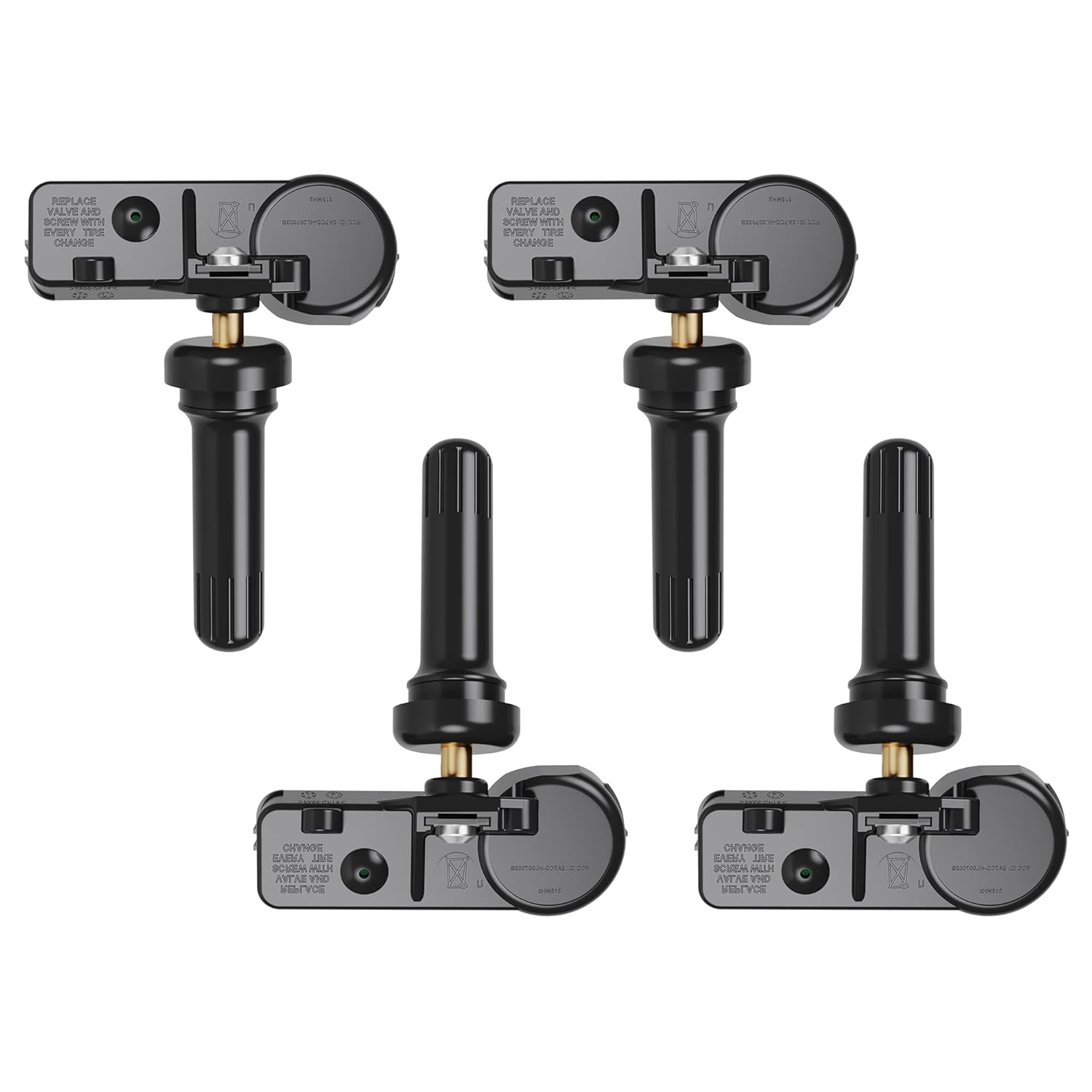
Replace worn or missing TPMS sensors with a pre-programmed 4-pack designed for compatible GM vehicles. These 315MHz sensors provide real-time tire pressure monitoring and alert you if pressure is too high, too low, or if a rapid air leak occurs. Most installations are ready with minimal relearn effort after mounting, helping improve safety and driving confidence.
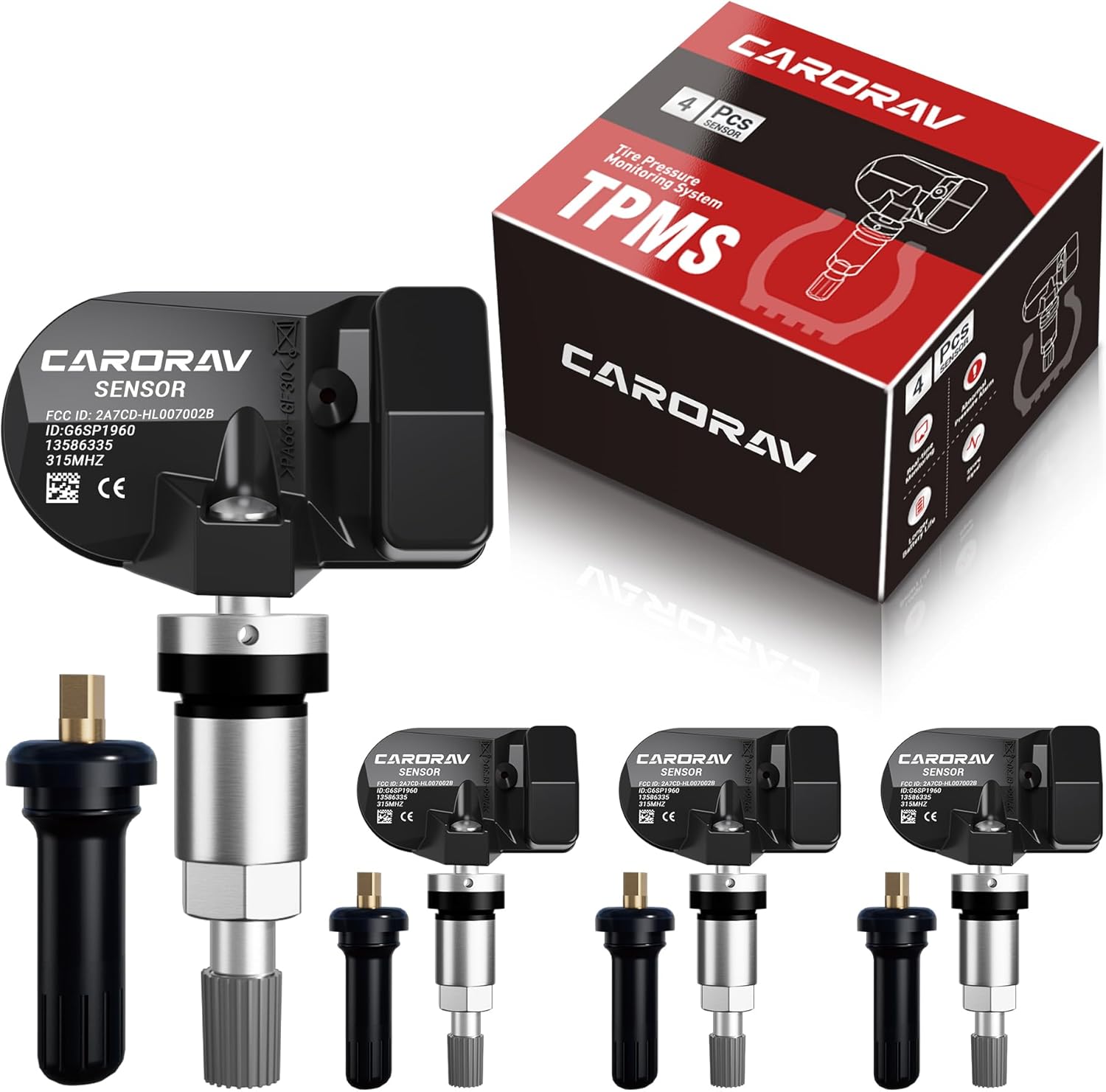
Replace worn or missing TPMS sensors with CARORAV pre-programmed GM-compatible sensors for a smoother installation experience. These 315MHz replacement sensors help monitor tire pressure in real time with long battery life, and they are designed to withstand harsh temperatures. Manual or OBDII relearn may be required to reset the system for proper recognition.
Used and Refurbished Rims: Are They Worth It?
A used OEM wheel can be one of the least expensive ways to replace a damaged factory rim, especially if you only need one matching wheel. Salvage yards, wheel recyclers, and specialist refurbishers may have discontinued styles that are difficult to buy new.
Condition matters more than the discount. Before buying a used wheel, check for visible cracks, bends, weld repairs, severe curb damage, corrosion at the bead seat, damaged lug holes, and distortion around the center bore.
A cosmetic refinishing job can make a wheel look new without proving that it is structurally sound. If the wheel has been repaired, ask what type of damage was corrected and whether the seller provides any inspection documentation or warranty.
Note: Used wheels make the most sense when you can verify the exact part number or specifications and inspect the wheel’s condition. A cheap wheel that causes vibration or cannot hold air is not a bargain.
[Products Worth Considering]

Upgrade your wheels with MIKKUPPA M12x1.5 mag seat lug nuts built for secure, corrosion-resistant performance. These closed-end chrome lug nuts are a direct replacement for select Toyota models, including Camry, Corolla, RAV4, Sienna, Avalon, Highlander, Matrix, Venza, and Prius. Triple-chromium plating and cold-forged, heat-treated steel help deliver strength for daily driving and replacement needs.

Milton S-921 pencil tire pressure gauge helps you maintain optimal tire pressure for passenger cars with accurate readings in PSI and kPa. It features a built-in deflator valve for convenient pressure adjustments, plus a single chuck head and nylon indicator bar for easy use on the go. Built from durable plated brass and designed for reliable performance, it’s a practical road trip and cold-weather maintenance tool.

Steelman white tire marking crayons provide high-contrast, semi-permanent marks for repairing and inspecting tires and equipment. They write on wet or dry, smooth or coarse surfaces including rubber, metal, glass, and wood, making them ideal for puncture location and damage outlining. The lead- and zinc-free crayons resist weather and fading yet wipe away when you no longer need the marks.
What Installation and Extras Cost
Installation can add a noticeable amount to your total rim cost, especially if tires must be removed from old wheels and mounted onto the new ones.
Mounting and balancing commonly form the base service. TPMS service, replacement valve stems, road-force balancing, lug hardware, hub-centric rings, disposal, or tire replacement can add to the invoice.
Some retailers bundle several services together. For example, Discount Tire’s installation information lists mounting, balancing, valve stems or TPMS rebuild kits, tire disposal, inspection, and ongoing maintenance among the services that may be included with its tire installation package. Other shops may structure charges differently.
The wheel price is only the starting point. Tires, TPMS service, mounting, balancing, hardware, taxes, and shipping can materially change the total.
TPMS is particularly important on newer vehicles. NHTSA explains that U.S. passenger cars, light trucks, and vans from model year 2008 onward are required to have tire-pressure monitoring systems. A wheel change may involve transferring sensors, installing compatible sensors, replacing service parts, or completing a relearn procedure depending on the vehicle and sensor system.
Ask for an itemized estimate before work begins so you know whether the quote includes mounting, balancing, TPMS work, valve stems, hardware, taxes, disposal, and warranty coverage.
Example: How a $600 Wheel Set Can Cost Much More Installed
Suppose you find four budget wheels for $150 each. The wheel set costs $600, but that is not necessarily your final total.
- Four wheels: $600
- Four tires, if required: potentially several hundred dollars or more depending on size and model
- Mounting and balancing: shop-dependent
- TPMS sensors or service: vehicle-dependent
- Lug nuts, rings, or other hardware: if the new wheel requires them
- Shipping and tax: seller and location dependent
This is why comparing the installed package price is usually more useful than comparing the wheel price alone.
Cheap Rims vs. Premium Rims
Cheap rims can save money upfront, but price by itself does not tell you whether a wheel is safe, strong, light, or well suited to your vehicle.
Many affordable wheels use conventional cast-aluminum construction and simple finishes. Premium wheels may use more expensive production processes, additional machining, specialized finishes, lower-volume designs, or extensive development and testing.
Do not assume that every expensive wheel is stronger than every inexpensive wheel. Instead, compare documented specifications and whether the wheel is intended for your vehicle’s load and fitment requirements.
- Construction: Identify whether the wheel is steel, cast aluminum, flow-formed, forged, or another design.
- Load capability: Make sure it is suitable for the vehicle.
- Fitment: Confirm diameter, width, offset, bolt pattern, center bore, brake clearance, and hardware.
- Weight: Compare actual specifications if reduced unsprung mass matters to you.
- Finish and warranty: Consider corrosion resistance, finish care, and warranty terms.
- Manufacturer documentation: Favor products with clear specifications over vague marketing claims.
The wrong wheel can erase any price advantage through vibration, rubbing, incompatible hardware, premature tire wear, or the need to replace the wheel again.
How to Check Wheel Fitment Before Buying
Wheel fitment is more than matching the number of lug holes. Check every important dimension before you order.
- Diameter: The wheel must accept the intended tire and clear the vehicle’s brakes.
- Width: Wheel width must be appropriate for the tire and vehicle clearance.
- Bolt pattern: The number and spacing of the mounting holes must match.
- Offset: Offset affects how far inward or outward the wheel sits.
- Center bore: The wheel must fit correctly over the hub, sometimes with an approved hub-centric ring.
- Brake clearance: Spoke and barrel shape must clear calipers and other brake components.
- Load capacity: The wheel must support the load required by the vehicle.
- Lug hardware: Lug-seat shape, thread specification, engagement, and hardware type must be correct.
- Tire size: The tire must be suitable for the wheel width and maintain acceptable overall diameter and clearance.
- TPMS compatibility: Confirm whether sensors can be transferred or whether compatible replacements are needed.
Start with the vehicle manufacturer’s specifications in the owner’s manual, tire-and-loading label, or official service information, then use a reputable wheel fitment catalog or professional installer to verify the complete package.
Should You Repair or Replace a Damaged Rim?
Minor cosmetic curb rash may only affect appearance, while a bent or cracked wheel can affect sealing, balance, alignment feel, or structural integrity.
If a wheel loses air, causes vibration, has a visible crack, shows deformation around a lug hole, or suffered a severe pothole or curb impact, have it inspected before continuing normal use.
Whether repair is appropriate depends on the wheel material, location and severity of the damage, manufacturer guidance, and the repair method. Some damaged wheels should be replaced rather than repaired.
When replacing only one wheel, an exact OEM or matching aftermarket wheel is often preferable so diameter, width, offset, load specification, and appearance remain consistent with the other wheels.
How to Budget for New Rims
Now that you’ve compared budget and premium rims, set a budget that covers the entire project rather than the wheel price alone.
Start with your maximum total, then create separate lines for:
- Wheels
- Tires, if the existing tires will not fit
- Mounting and balancing
- TPMS service or sensors
- Valve stems
- Lug nuts, locks, or hub-centric rings
- Shipping
- Sales tax
- Optional road-hazard or wheel protection
Compare diameter, width, offset, construction, finish, warranty, and fitment instead of shopping by appearance alone. Separate must-have specifications from optional styling upgrades so your finish choice does not consume money needed for the correct tires or installation.
If you use financing, compare the total amount repaid rather than focusing only on the monthly payment. Interest and fees can make an expensive wheel package substantially more expensive.
A detailed line-item budget gives you a more accurate picture of the true cost and helps prevent fitment surprises.
Frequently Asked Questions
What Rim Size Fits My Vehicle?
Use a wheel size approved for your vehicle and verify more than diameter. Bolt pattern, width, offset, center bore, brake clearance, load capacity, lug hardware, tire size, and TPMS compatibility may all matter. Start with the owner’s manual and vehicle manufacturer’s information, then confirm the complete wheel-and-tire combination with a reliable fitment source.
How Do I Measure My Current Rims?
Identify the wheel diameter, width, bolt pattern, offset, center bore, and any manufacturer markings or part numbers. Do not rely on a single measurement. If you are replacing an OEM wheel, the exact factory part number can be the easiest way to find a correct match.
Can I Use Winter Tires on New Rims?
Yes. Many drivers keep winter tires on a dedicated second set of wheels. The wheels still need the correct bolt pattern, offset, center bore, brake clearance, load capacity, and hardware, while the winter tire must be suitable for the wheel width and vehicle. Steel wheels are popular for some winter setups because they can be inexpensive to replace, but properly finished alloy wheels are also widely used.
How Often Should Rims Be Inspected?
Look over your wheels during regular tire checks and inspect them immediately after a hard pothole or curb impact. Also check them if you notice vibration, steering changes, unusual tire wear, repeated air loss, cracks, bends, corrosion, or damaged lug holes. NHTSA recommends routine tire inspections at least monthly, which is a practical time to look over the wheels too.
Do Rims Affect Fuel Economy?
They can, but wheel weight is only one part of the picture. A heavier wheel-and-tire package increases rotational and unsprung mass, while tire rolling resistance, tire pressure, width, aerodynamics, driving speed, and vehicle design also influence energy use. Do not expect a specific MPG change from wheel weight alone without vehicle-specific testing.
Can I Buy Just One Rim Instead of Four?
Yes. If one wheel is damaged, you can usually replace only that wheel as long as the replacement matches the required diameter, width, offset, bolt pattern, load specification, center bore, and hardware. An exact OEM part number or matching aftermarket model is the safest way to maintain consistency.
Are Used Rims Safe to Buy?
Used wheels can be a good value when their specifications and condition are verified. Avoid wheels with visible cracks, severe bends, damaged mounting holes, heavy corrosion at critical surfaces, or questionable structural repairs. Cosmetic refinishing alone does not prove that a wheel is structurally sound.
Do Bigger Rims Require New Tires?
Usually, yes. A tire is designed for a specific wheel diameter, so moving from a 17-inch wheel to an 18-inch wheel requires an 18-inch tire. The new tire also needs the correct width, load capability, speed rating, clearance, and overall diameter for the vehicle.
Is It Cheaper to Repair a Bent Rim or Replace It?
A repair may cost less than replacement for some minor bends, but price should not be the only factor. The material, severity, location of damage, wheel value, and repair method determine whether repair makes sense. Cracked, severely distorted, or repeatedly damaged wheels may be better replaced after professional inspection.
Sources
- National Highway Traffic Safety Administration — TireWise — vehicle tire information, TPMS, pressure, inspection, and safety guidance.
- BBS USA — Road Wheels — cast, flow-formed, and forged wheel manufacturing information.
- Enkei Wheels — MAT Technology — cast-and-rim-forming manufacturing process and testing information.
- Carbon Revolution — Manufacturing — carbon-fiber automotive wheel production and quality-control process.
- Discount Tire — Tire Installation Cost Breakdown — mounting, balancing, TPMS service parts, disposal, and installation inclusions.
Conclusion
The price of rims depends on construction, material, diameter, width, finish, brand, vehicle application, and whether you choose OEM, aftermarket, custom, used, or premium wheels. Basic replacements may cost around $60-$150 each, mainstream cast-alloy wheels often land around $100-$300, and premium forged wheels can reach $1,500 or more per wheel.
Do not stop at the advertised wheel price. Tires, mounting, balancing, TPMS service, hardware, shipping, and taxes can turn an inexpensive wheel set into a much larger project.
Most importantly, verify the complete fitment before buying. The best-value rim is not simply the cheapest one—it is the wheel that fits correctly, meets the vehicle’s requirements, works with the right tire, and stays within your total installed budget.