Truck tires can cost roughly $150 to $500 or more per tire for many pickup applications, while common commercial truck tires can cost about $400 to $800 or more each, with premium and specialty sizes sometimes exceeding $1,000. For a pickup, a set of four may run roughly $600 to $2,000+ before installation. Commercial trucks are better budgeted by tire position or axle because the number and type of tires vary widely. Prices below are September 2026 planning ranges, not guaranteed quotes.
Quick Answer
Most pickup-truck tires cost about $150 to $500+ each, while many common semi and commercial tires cost roughly $400 to $800+ each. Tire size, load capacity, tread type, brand, and application drive the price. Always compare the installed total because mounting, TPMS service, alignment, taxes, and specialty labor can change the final bill.
Key Takeaways
Key Takeaways
- Many pickup tires fall around $150 to $500+ each, depending heavily on size, load rating, and tread design.
- A set of four pickup tires can range from roughly $600 to $2,000+, before optional alignment, taxes, or other services.
- Common 22.5-inch commercial tires often cost several hundred dollars each, so commercial fleets should budget by tire position or axle rather than using a four-tire “set” price.
- Installation is not always $25 to $75 per tire. Some retailers charge about $18 to $20 per tire, while others include standard installation with eligible purchases.
- The cheapest tire is not automatically the lowest-cost tire. Fitment, load capacity, expected tread life, casing value, downtime, and cost per mile matter.
How Much Do Truck Tires Cost?
Truck tire cost depends first on what you mean by a “truck.” A tire for a midsize pickup or half-ton daily driver is priced very differently from an LT tire for a one-ton towing truck or an 11R22.5 commercial tire used on a tractor-trailer.
| Truck type | Typical planning range | How to budget |
|---|---|---|
| Midsize / half-ton pickup | About $150-$400+ per tire | Usually a set of four |
| Heavy-duty pickup | About $200-$500+ per tire | Set of four or six on some duallies |
| Medium-duty / vocational truck | About $300-$800+ per tire | Budget by axle and application |
| Class 8 / semi truck | About $400-$800+ for many common sizes; premium or specialty tires can exceed $1,000 | Budget by steer, drive, and trailer position |
For pickup owners, “a full set” usually means four tires. For commercial operators, that phrase can be misleading because a tractor, trailer, or vocational truck may have many more tire positions.
Installation also varies more than a single national estimate suggests. As of September 2026, Walmart lists an $18-per-tire installation package for qualifying tires, while Sam’s Club lists a $20-per-tire premium installation package for most vehicles. Costco currently includes standard installation with qualifying tire purchases. TPMS parts, alignment, specialty wheels, dually service, taxes, shipping, or commercial road service can still add cost.
If you drive mostly on highways, tread may wear differently than it does under heavy towing, stop-and-go delivery service, gravel, construction sites, or mixed terrain. Your replacement schedule should therefore be based on actual condition and the tire manufacturer’s guidance rather than a generic mileage number.
Regular tire maintenance can lower long-term cost. Check inflation pressure at least monthly, inspect tread and damage, correct alignment problems, and follow the vehicle manufacturer’s rotation schedule. The National Highway Traffic Safety Administration recommends monthly tire checks and emphasizes proper inflation, tread condition, balancing, and alignment.
Seasonal tire changes can also affect your annual budget if you maintain separate winter and warm-weather sets. Track purchase date, mileage, tread depth, rotations, repairs, and pressure so you can estimate your real cost per mile.
Note: Tire prices change frequently with size, inventory, promotions, shipping, and raw-material costs. Treat the ranges in this guide as planning numbers and verify your exact size before buying.
Why Truck Tire Prices Vary
Two truck tires can look similar and still have very different prices because their construction, load capacity, tread design, warranty, and intended application may be different.
Important cost drivers include rubber compound design, tread depth, internal belts, sidewall construction, tire weight, heat management, manufacturing volume, testing, and quality-control requirements. A larger LT or commercial tire also contains substantially more material than a smaller passenger-style pickup tire.
Brand affects price, but brand name alone does not tell you whether a tire is the best choice. Premium manufacturers may invest more in engineering, testing, warranty support, dealer networks, or specialized compounds, yet the correct tire still has to match your truck’s load, size, terrain, climate, and expected use.
Distribution also affects the final number. Shipping a large commercial tire costs more than shipping a small passenger tire, and local inventory, freight distance, retailer overhead, taxes, and promotions can all move the price.
Regional demand and seasonal buying patterns matter too. Winter-tire demand may increase in colder areas, while construction, agricultural, and fleet demand can affect availability of specific commercial sizes.
In short, you are not paying only for diameter. You are paying for the combination of materials, load capability, tread design, application, manufacturing, distribution, and market availability.
What Truck Tires Cost by Vehicle Type
Your truck tire cost changes sharply with vehicle class. Pickup tires are usually the easiest to compare because owners commonly purchase four at once. Commercial tires are better compared by axle position, casing, load rating, and intended service.
Before comparing prices, confirm your exact tire size and the vehicle manufacturer’s approved specifications. Changing from a passenger-metric tire to an LT tire, moving to a larger wheel, or selecting a higher-capacity commercial casing can significantly change price and ride characteristics.
[Products Worth Considering]

AstroAI’s heavy-duty digital tire pressure gauge delivers quick, accurate readings with 0.1 increments and a secure valve-stem seal. It features a green backlit LCD and built-in flashlight for easy use in low light, plus an ergonomic non-slip stainless-steel design. The wide 0–230 PSI range works across common vehicle tires, with unit selection and an auto shut-off to save battery.

Accurately measure tire tread depth with a calibrated gauge marked from 0 to 1 inch in 1/32 inch increments. The color-coded bar helps you quickly identify tread condition ranges, supporting safe driving for trucks, motorcycles, automobiles, and passenger vehicles.
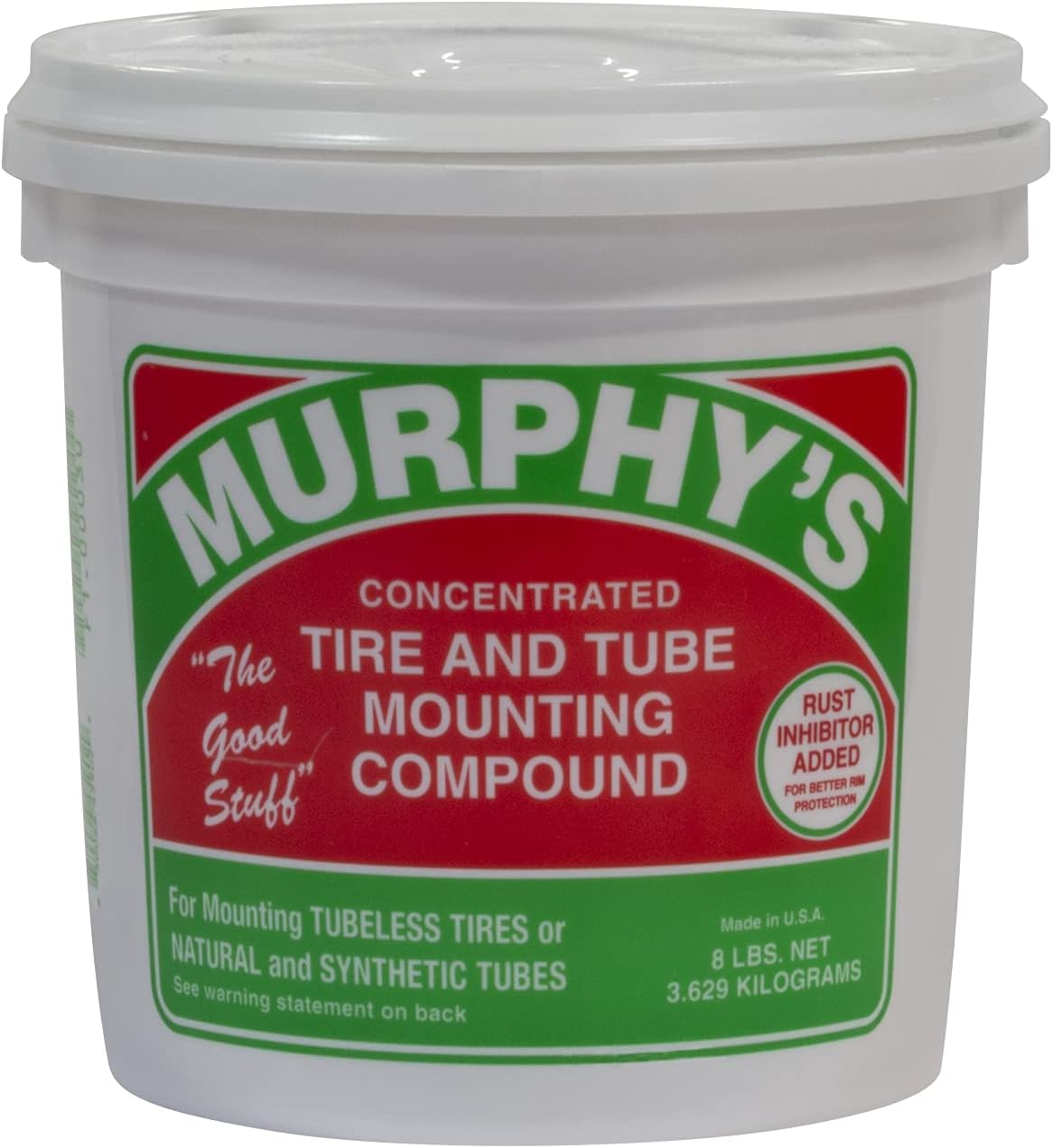
A concentrated tire and tube mounting compound designed to help simplify mounting rubber tires and tubes on passenger, semi truck, construction, and OTR applications. Its ultra-thick formula packs beads effectively and includes rust inhibitors to help protect against corrosion during use.
Pickup Truck Tire Prices
Pickup truck tires often cost about $150 to $400 each for common sizes, while premium, oversized, severe-service, or specialty tires can exceed $400 to $500 each.
| Tire type | Typical price | Best for |
|---|---|---|
| Highway / all-season | About $150-$300+ | Daily paved-road driving |
| All-terrain | About $170-$450+ | Mixed pavement, gravel, dirt, and light trails |
| Mud-terrain | About $220-$500+ | Serious off-road traction |
| Low-rolling-resistance / highway-focused | About $150-$350+ | High-mileage paved-road use |
A half-ton truck on a common 17- or 18-inch wheel will often cost less to tire than the same truck fitted with a large 20-, 22-, or aftermarket wheel. Heavy LT load ranges and oversized off-road tires can push the price higher again.
When comparing quotes, make sure each one includes the same services. One retailer may bundle mounting, balancing, valve stems, rotation, and disposal while another itemizes them.
Semi Truck Tire Prices
Semi-truck tires are a different market. Common 22.5-inch commercial tires often cost roughly $400 to $800 or more each in current retail listings, while premium, wide-base, specialty, severe-service, and certain long-haul tires can exceed $1,000.
Commercial tires are also selected by position:
- Steer tires: Designed for steering response, stability, predictable wear, and front-axle service.
- Drive tires: Designed to provide traction under engine torque and loaded service.
- Trailer tires: Designed for free-rolling trailer positions and the demands of trailer service.
- All-position tires: Designed for use in more than one approved position when the application allows it.
There is no reliable rule that steer tires always cost more or less than drive tires. Price depends on size, casing, tread design, manufacturer, application, and product tier.
For a fleet or owner-operator, sticker price is only part of the decision. Michelin’s commercial tire guidance recommends considering rolling resistance, tread life, durability, load capacity, traction, and casing/retread potential when selecting a tire.
That is why commercial operators often track cost per mile instead of only purchase price. A more expensive tire can be economical if it provides longer useful service, better casing value, or less downtime, but that must be demonstrated for the specific operation rather than assumed from the brand name.
Heavy Duty Tire Prices
“Heavy duty” can mean two different things, so it helps to separate heavy-duty pickups from vocational commercial trucks.
For three-quarter-ton and one-ton pickups, LT tires commonly fall around $200 to $500+ each. Larger premium or specialty sizes can cost more. These trucks often require greater load capacity than a half-ton pickup and may use Load Range E or another manufacturer-specified rating.
Medium-duty and vocational vehicles such as box trucks, dump trucks, utility trucks, and delivery vehicles may use commercial tires costing roughly $300 to $800+ each, with some severe-service products higher.
Reinforced construction, deeper tread, higher load capacity, scrub resistance, and heat management can increase cost. The right choice depends on the actual axle load and operating conditions, not simply on buying the tire with the highest load rating available.
Warning: Never select a lower-capacity tire just to save money. Use a tire size, load index/range, speed rating, and inflation pressure approved for your vehicle and actual load. Overloading or underinflation can cause excessive heat, tire damage, and failure.
How Tire Size and Load Rating Affect Price
Tire size and load capacity are two major price drivers. A larger tire generally requires more rubber, reinforcement, and material, while a higher-capacity tire may require a stronger casing and sidewall structure.
Pickup owners may see P-metric or LT-metric markings. An LT tire is designed for light-truck service and may have a load-range designation such as C, D, or E, depending on the product. Do not choose a replacement solely because the outside diameter looks correct; the complete size, load index, service description, wheel compatibility, and vehicle requirements matter.
Commercial tires add another layer because load capacity is tied to tire size, inflation pressure, single or dual fitment, axle position, speed, and application. Operators should use the vehicle and tire manufacturer’s approved load-and-inflation information rather than guessing pressure from the tire’s appearance.
Two tires that look nearly identical can therefore have very different prices if one is designed for lighter regional work and another is engineered for higher loads, severe scrub, long-haul service, or a retreadable commercial casing.
Pro Tip: Compare prices only after locking in the exact approved size and load specification. A “cheaper” tire in a different load range or construction is not a valid comparison if it does not meet your truck’s requirements.
How Truck Tire Prices Compare by Brand
Truck tire prices vary widely by brand, but brand tier should be treated as a starting point rather than a performance guarantee.
Established premium brands may charge more because of engineering, testing, warranty programs, specialized compounds, distribution networks, and commercial support. Mid-range and budget brands can still offer suitable products for specific vehicles and duty cycles.
The better comparison is model against model in the same size and load specification. Look at tread design, wet and snow performance where relevant, treadwear warranty for consumer tires, casing and retread potential for commercial tires, service network, and installed cost.
[Products Worth Considering]

The SAFELIFE dial tire tread depth gauge measures tread depth in 1/32 inch increments with clear, easy-to-read 2-inch dial face. Color zones using a traffic light system help you quickly judge whether tread is low, marginal, or ample for safer driving. Built with a durable zinc cast body and a metal detect probe for precise, comfortable use across cars, motorcycles, trucks, and buses.

Get precise tire readings with the ETENWOLF T300 Plus digital gauge, calibrated to ANSI B40.7 Grade 2A for reliable accuracy. It measures across a wide 3–200 PSI range and includes thermal compensation for dependable performance from extreme cold to heat. The bright LED display, LED illumination, and replaceable AAA batteries make it easy to check pressures quickly, even in low light.

Slip the Powerbuilt tire step over your vehicle’s tire to reach roof racks, engine bays, truck boxes, and more without overreaching. Its adjustable, universal design fits tires with a cross tread width up to 13 inches, including car, truck, RV, and semi tires. The non-slip cheesegrater surface and anti-slip tape provide secure grip while the open design lets mud and debris pass through. Fold-flat storage with rubber bumpers helps keep your tire and the step protected between uses.
Brand Price Ranges
For common pickup sizes, rough planning ranges can look like the table below. These are not universal brand prices; oversized, specialty, or high-load tires can sit well outside the range.
| Brand tier | Rough pickup-tire range | What to compare |
|---|---|---|
| Premium | About $250-$500+ | Application performance, warranty, service support, tread life, road manners |
| Mid-range | About $180-$350+ | Value, warranty, traction, noise, tread life |
| Budget | About $120-$250+ | Correct fitment, safety certifications, warranty, expected use, availability |
A commercial truck tire can span a much wider range because axle position, casing construction, tread depth, load range, retreadability, and application can matter more than the simple “budget versus premium” label.
Premium Vs Budget Brands
Premium tires usually have a higher upfront price, but you should not assume that every premium model will last longer or outperform every lower-priced tire in every condition.
For a lightly used pickup that spends almost all its time on pavement, a properly fitted mid-range tire may offer excellent value. For high-mileage towing, severe winter weather, commercial routes, heavy loads, or demanding off-road work, paying more for a tire designed and tested for that application may make sense.
Instead of comparing only purchase price, calculate:
Cost per mile = total installed tire cost ÷ miles of usable service.
For commercial operations, you can also account for retread value, road-service events, downtime, fuel impact, and premature removals. That produces a much more useful comparison than assuming the highest-priced tire automatically has the best value.
Truck Tire Prices for Highway vs. Off-Road Use
Highway and off-road truck tires may share the same size, but their tread designs and construction priorities are different.
Highway-terrain tires generally prioritize road comfort, lower noise, predictable pavement handling, even wear, and rolling efficiency. They can be one of the more economical options for a truck that rarely leaves pavement.
All-terrain tires balance paved-road manners with extra traction on gravel, dirt, light mud, and trails. Depending on size and model, they may cost more than a comparable highway tire.
Mud-terrain and severe off-road tires typically use larger tread blocks, wider voids, tougher sidewall features, and aggressive construction. They are often more expensive and may create more road noise or faster pavement wear.
There is no reliable universal percentage for the price difference. Compare the same tire size and load specification across categories. If almost all your miles are paved, paying for extreme mud performance may increase purchase cost without giving you a meaningful benefit.
[Products Worth Considering]

The Milton S-693-12 straight foot dual head air chuck provides extended 12-inch reach for efficiently inflating inner dual tires on trucks and semi trucks. It has 1/4" female NPT threading and locks securely onto valve core threads for reliable sealing up to 150 PSI. Designed for use on an air line with a cushioned grip handle for comfortable operation.

ETENWOLF T300 is a calibrated digital tire pressure gauge designed for reliable readings across low and high pressure ranges. It includes thermal compensation for stable performance in extreme cold or heat, an LED light for visibility, and an auto shut-off to help preserve battery life. Ideal for pickups, RVs, and heavy-duty vehicles, it delivers accurate PSI measurements with sturdy durability.

Measure tire tread depth quickly and accurately with this LUMITECO dial gauge that reads in 1/32" increments up to 14/32". The color-coded green/yellow/red zones make it easy to judge tire wear and know when replacement is needed. A rugged, compact design with a protective pouch helps keep the gauge ready for use on cars, trucks, motorcycles, and more.
Where to Buy Truck Tires for Less
No type of retailer is always cheapest. Online stores, warehouse clubs, tire chains, independent shops, dealerships, and commercial tire dealers use different pricing and service models.
Compare the out-the-door installed price, including:
- Tire price
- Shipping or delivery
- Mounting
- Balancing
- Valve stems or TPMS service
- Disposal or recycling
- Road-hazard coverage
- Alignment, if needed
- Taxes and environmental fees
- Commercial road-service or mobile-installation charges, if applicable
An online tire with a low sticker price may become more expensive after shipping and local installation. A warehouse club may have a similar tire price but include installation or lifetime services. A local shop may charge more upfront but offer faster service or better commercial support.
If you need an uncommon load range or commercial size, check availability before comparing the final price. A low advertised price does not help if the tire is backordered when your truck needs to return to service.
How to Save Money on Truck Tires
You can lower truck tire cost without compromising fitment or safety by comparing the entire ownership cost rather than chasing the lowest advertised price.
- Confirm the exact size and load requirement first. This prevents you from comparing tires that are not true substitutes.
- Get several installed quotes. Include mounting, balancing, TPMS parts, disposal, taxes, and warranties.
- Check manufacturer and retailer promotions. Rebates and set-of-four promotions change throughout the year.
- Buy before an emergency. A failed tire can force you to accept whatever suitable product is immediately available.
- Maintain correct inflation. Underinflation can increase heat and irregular wear.
- Rotate when appropriate. Follow your owner’s manual. The U.S. Tire Manufacturers Association says that when no rotation period is specified, 5,000 to 8,000 miles is a general recommendation.
- Correct alignment or mechanical problems. Do not install expensive new tires while leaving the cause of abnormal wear untreated.
- For fleets, track cost per mile. Include casing value, retreads, downtime, road service, and premature removals.
If you manage several similar vehicles, standardizing suitable tire sizes and models can simplify inventory and purchasing, but only when each vehicle is approved for that specification.
Frequently Asked Questions
How Long Do Truck Tires Usually Last?
There is no single mileage lifespan for all truck tires. Service life depends on tire model, tread design, load, inflation, alignment, route, towing, road surface, maintenance, damage, and age. Some consumer light-truck tires carry mileage warranties, while many commercial tires are managed by tread depth and cost per mile instead. Inspect tires regularly and follow the vehicle and tire manufacturer’s replacement guidance.
When Should Truck Tires Be Replaced?
For ordinary consumer car and light-truck tires, NHTSA says tires are worn out at 2/32 inch of tread. Federally regulated commercial vehicles have different requirements: under 49 CFR §393.75, front tires on a bus, truck, or truck tractor must generally have at least 4/32 inch in a major tread groove, while most other positions require at least 2/32 inch. Replace a tire earlier if it has unsafe damage, exposed material, separation, persistent air loss, or another condition requiring removal from service.
Do Truck Tires Need to Be Rotated?
Many pickup tires benefit from rotation because it helps control uneven wear, but the correct pattern and interval depend on the vehicle. Follow the owner’s manual first. If no interval is specified, USTMA recommends roughly every 5,000 to 8,000 miles. Staggered sizes, some dually configurations, directional tires, and other setups may limit the available rotation patterns.
Can Used Truck Tires Be a Good Option?
Used tires can reduce the upfront cost, but you may not know their complete history. Check tread depth, DOT date code, repairs, sidewalls, bead condition, uneven wear, cracking, punctures, and evidence of impact or run-flat damage. A professional inspection is especially important for high-load or commercial service.
What Signs Show Truck Tires Are Unsafe?
Warning signs include exposed cords or belts, tread or sidewall separation, bulges, deep cuts, persistent air loss, severe cracking, abnormal vibration, major uneven wear, or tread below the applicable minimum. Stop using a damaged tire when required and have questionable tires inspected by a qualified tire professional.
How Much Should I Budget for Four Pickup-Truck Tires?
A practical September 2026 planning range is roughly $600 to $2,000+ for four pickup tires before optional alignment, taxes, and specialty services. Common highway tires can sit toward the lower end, while premium LT, all-terrain, mud-terrain, and oversized tires can move the total much higher.
Do I Need an Alignment When I Buy New Truck Tires?
An alignment is not automatically required every time you buy tires, but it should be checked when the truck pulls, the steering wheel is off-center, suspension work has been performed, or the old tires show abnormal or uneven wear. Correcting an alignment problem can prevent premature wear on the new set.
Can Semi-Truck Tires Be Retreaded?
Many commercial tire casings are designed with retread potential in mind, but not every casing remains suitable after its first tread life. A casing must be inspected and accepted for retreading. Fleet operators often consider casing quality and retreadability because another service life can reduce total tire cost.
Conclusion
Truck tire prices make more sense once you separate pickup tires from commercial truck tires. A common pickup may need roughly $150 to $500+ per tire, while many commercial tires cost several hundred dollars each and should be budgeted by axle position and application.
Size, load capacity, tread design, terrain, installation, and service life all affect the final cost. Compare tires that actually meet the same vehicle requirements, look at the complete installed price, and consider cost per mile instead of choosing by sticker price alone.
Most importantly, do not save money by compromising load capacity, fitment, inflation, or tire condition. The smartest tire purchase is the one that meets your truck’s requirements and gives you the performance you need at a reasonable total ownership cost.
Sources
- National Highway Traffic Safety Administration — TireWise — tire tread, inflation, rotation, alignment, damage, and tire-age guidance.
- U.S. Tire Manufacturers Association — Tire Care Essentials — monthly inspections, 2/32-inch tread guidance, and rotation recommendations.
- Cornell Legal Information Institute — 49 CFR §393.75 — federal commercial-truck tire condition and tread-depth requirements.
- Michelin Commercial Tires — Choosing Truck Tires — application, load capacity, durability, rolling resistance, traction, and retread considerations.
- Michelin Commercial Tires — Technical Documents — commercial tire service manuals, data books, and load/inflation references.