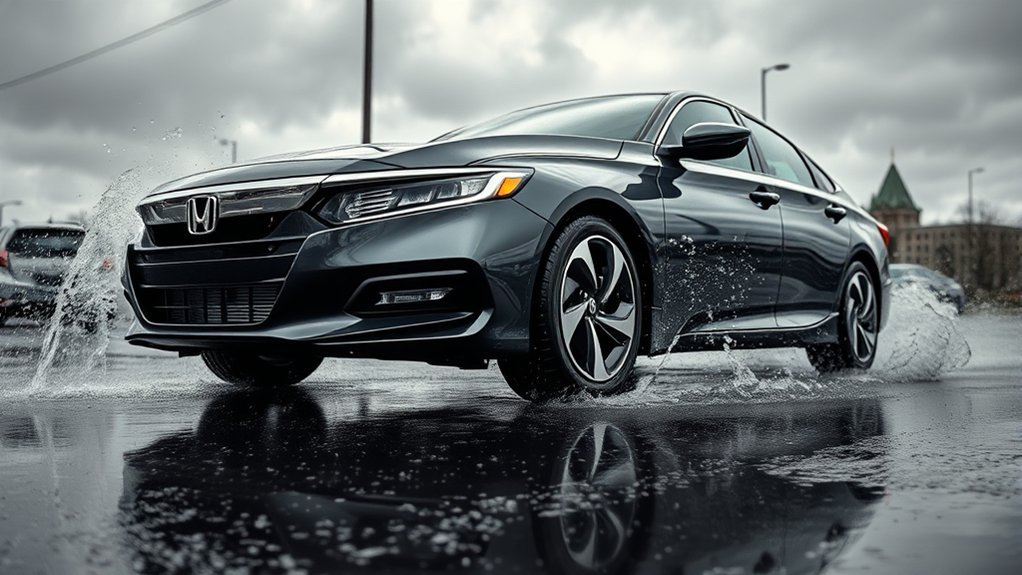
If you drive a Honda Accord through frequent heavy rain, the best tire is not simply the one with the longest mileage warranty. Look for a tire that combines strong wet braking, wide water-evacuating grooves, stable handling, and enough remaining tread depth to resist hydroplaning. The right choice depends on your Accord’s year, trim, tire size, climate, and driving style.
Quick Answer
For heavy rain, Honda Accord drivers should prioritize grand-touring all-season or all-weather tires with proven wet braking and hydroplaning resistance. Top choices include the Pirelli Cinturato WeatherActive for year-round weather confidence, Michelin Defender2 for comfort and long tread life, and Continental ExtremeContact DWS 06 Plus for sharper wet handling.
Key Takeaways
- For heavy rain, wet braking and water evacuation matter more than the highest mileage warranty alone.
- All-weather tires are a smart pick if you also see cold rain, slush, or occasional snow; performance all-season tires suit drivers who want sharper steering.
- Always verify the tire size, load index, and speed rating on your Accord’s door-jamb placard or owner’s manual before buying.
- Do not wait for “ideal” rain grip at 2/32 inch. That is the wear-indicator replacement point, and wet traction drops as tires wear.
At a Glance
| Time Required | 15–30 minutes to compare tire type, size, wet-weather features, and warranty |
| Difficulty | Easy if you confirm your Accord’s exact tire size and driving needs first |
| Tools Needed | Door-jamb tire placard, owner’s manual, tread-depth gauge, tire-pressure gauge |
| Cost | Varies by year, trim, wheel size, installation, disposal fees, and road-hazard coverage |
The Federal Highway Administration reports that most weather-related crashes happen on wet pavement, which is why wet braking, tread depth, and proper tire pressure matter so much in heavy rain.
Best All-Weather Tires for the Honda Accord

All-weather tires are often the best match for Honda Accord drivers who face heavy rain plus colder temperatures, slush, or occasional winter weather. They are different from standard all-season tires because many carry the Three-Peak Mountain Snowflake symbol, which shows they meet a snow-traction standard. That symbol is helpful for winter versatility, but it is not a stand-alone rain rating.
The Pirelli Cinturato WeatherActive is one of the strongest all-weather choices for an Accord because it combines directional water channels, wet-focused compound design, 3PMSF certification, and a 60,000-mile treadwear warranty. It is a good fit if you want one tire for rain, mild winter conditions, and daily comfort.
The Michelin CrossClimate2 is also worth considering if your Accord size is available. Its directional tread pattern is built for all-weather use, and Michelin positions it for dry, wet, and snow performance from new to worn. It can be a strong option for drivers who want excellent wet-road confidence and occasional winter capability without switching to dedicated winter tires.
Note: All-weather tires are not the same as dedicated winter tires. If you regularly drive on snow-packed or icy roads, a true winter tire may still be the safer seasonal choice.
[Products Worth Considering]

Keep your tires properly inflated with this analog VONDIOR tire pressure gauge, designed for fast, easy readings without batteries. The swiveling, two-axis hose and large glow dial help you measure at any tire angle with instant visibility. Built with a protective rubber shield, it supports durable, low-maintenance use for cars and trucks.

Measure tire tread depth quickly and accurately with this LUMITECO dial gauge that reads in 1/32" increments up to 14/32". The color-coded green/yellow/red zones make it easy to judge tire wear and know when replacement is needed. A rugged, compact design with a protective pouch helps keep the gauge ready for use on cars, trucks, motorcycles, and more.

Monitor tire tread wear with a smart, color-coded depth gauge that shows clear condition ranges at a glance. The bar is range marked for fast, easy readings, helping you maintain safer traction and performance. Each gauge is portable with a pocket clip, and the set includes 20 units for daily use and sharing.
Best Performance Tires for the Honda Accord in Wet Conditions
If your Accord has larger wheels or you prefer sharper steering, a performance all-season tire can improve response in rain while still offering year-round usability. The trade-off is that many performance all-season tires have shorter treadwear warranties than touring tires.
[Products Worth Considering]

The SAFELIFE dial tire tread depth gauge measures tread depth in 1/32 inch increments with clear, easy-to-read 2-inch dial face. Color zones using a traffic light system help you quickly judge whether tread is low, marginal, or ample for safer driving. Built with a durable zinc cast body and a metal detect probe for precise, comfortable use across cars, motorcycles, trucks, and buses.

Steelman white tire marking crayons provide high-contrast, semi-permanent marks for repairing and inspecting tires and equipment. They write on wet or dry, smooth or coarse surfaces including rubber, metal, glass, and wood, making them ideal for puncture location and damage outlining. The lead- and zinc-free crayons resist weather and fading yet wipe away when you no longer need the marks.

Accurately measure tire tread depth with a calibrated gauge marked from 0 to 1 inch in 1/32 inch increments. The color-coded bar helps you quickly identify tread condition ranges, supporting safe driving for trucks, motorcycles, automobiles, and passenger vehicles.
Top Tire Recommendations
| Tire | Best For | Wet-Weather Strength | Watch-Out |
|---|---|---|---|
| Pirelli Cinturato WeatherActive | Rain plus occasional winter weather | Directional grooves and compound design for wet performance | May not feel as sporty as a performance all-season tire |
| Michelin Defender2 | Comfort, quiet ride, long tread life | Secure all-weather handling and an 80,000-mile treadwear warranty | Not the sportiest choice for aggressive driving |
| Continental ExtremeContact DWS 06 Plus | Sportier Accord trims and drivers who want sharper handling | Responsive wet handling, improved wet braking, and wet-tuned indicators | 50,000-mile limited warranty is shorter than touring options |
| Continental TrueContact Tour 54 | Commuting, fuel economy, balanced wet-road safety | Improved wet braking and up to 80k limited warranty, depending on size | Less sporty than the ExtremeContact line |
| Hankook Kinergy PT H737 | Value-focused long-mileage driving | All-season touring design with strong mileage coverage | Warranty varies by speed rating; V-rated sizes are lower than H/T-rated sizes |
Essential Performance Features
For wet roads, do not shop by brand name alone. Look for tread patterns with wide circumferential grooves, lateral channels, and sipes that help move water away from the contact patch. These features help reduce hydroplaning risk, but they cannot overcome excessive speed, standing water, or badly worn tread.
The Pirelli Cinturato P7 All Season Plus II can fit drivers who want a refined, efficient all-season tire with wet handling in mind. The Hankook Ventus V2 concept2 H457 is more performance-oriented, with a 45,000-mile mileage warranty. The Falken ZIEX ZE950 A/S remains a budget-friendly performance all-season option in some markets, but check current availability in your exact Accord size before relying on it.
Recommended All-Season Tires for Heavy Rain
For many Honda Accord owners, a premium touring all-season tire is the best everyday rain tire. It may not feel as sharp as a performance tire, but it usually gives a quieter ride, longer tread life, and predictable braking in wet conditions.
The Michelin Defender2 is a strong choice if your top priorities are durability, comfort, and a quiet commute. Michelin lists an 80,000-mile treadwear warranty and describes the tire as offering secure handling in all weather conditions. For drivers who want a more rain-focused balance with strong commuting manners, the Continental TrueContact Tour 54 is a good current alternative because Continental lists improved wet braking, enhanced dry and wet handling, and up to an 80k limited warranty depending on fitment.
If your driving includes frequent cold rain, slush, or occasional snow, move up to an all-weather option such as the Pirelli Cinturato WeatherActive or Michelin CrossClimate2. If your driving is mostly warm-weather rain and you want sharper response, consider the Continental ExtremeContact DWS 06 Plus or another performance all-season tire that fits your Accord.
Pro Tip: If two tires look similar on paper, choose the one with stronger wet braking results, a tread pattern designed to evacuate water, and a warranty that matches your annual mileage. A longer warranty is useful only if the tire also performs well in the rain you actually drive through.
[Products Worth Considering]

Measure tyre tread depth precisely with a digital gauge that reads in both MM and inches, helping you monitor safe driving conditions. The large LCD screen is easy to operate, and the compact tool fits for cars, trucks, and motorcycles. It provides high accuracy with a 0-25.4mm range and includes a 1-year warranty for added peace of mind.

This portable cordless tire inflator delivers rapid inflation up to 150 PSI with a built-in pressure gauge for accurate readings. It offers multiple preset modes for car, bike, motorcycle, and ball inflation, plus an LED light system for visibility in dark conditions. The auto shut-off helps stop pumping when your preset pressure is reached, and it supports several pressure units for convenience.
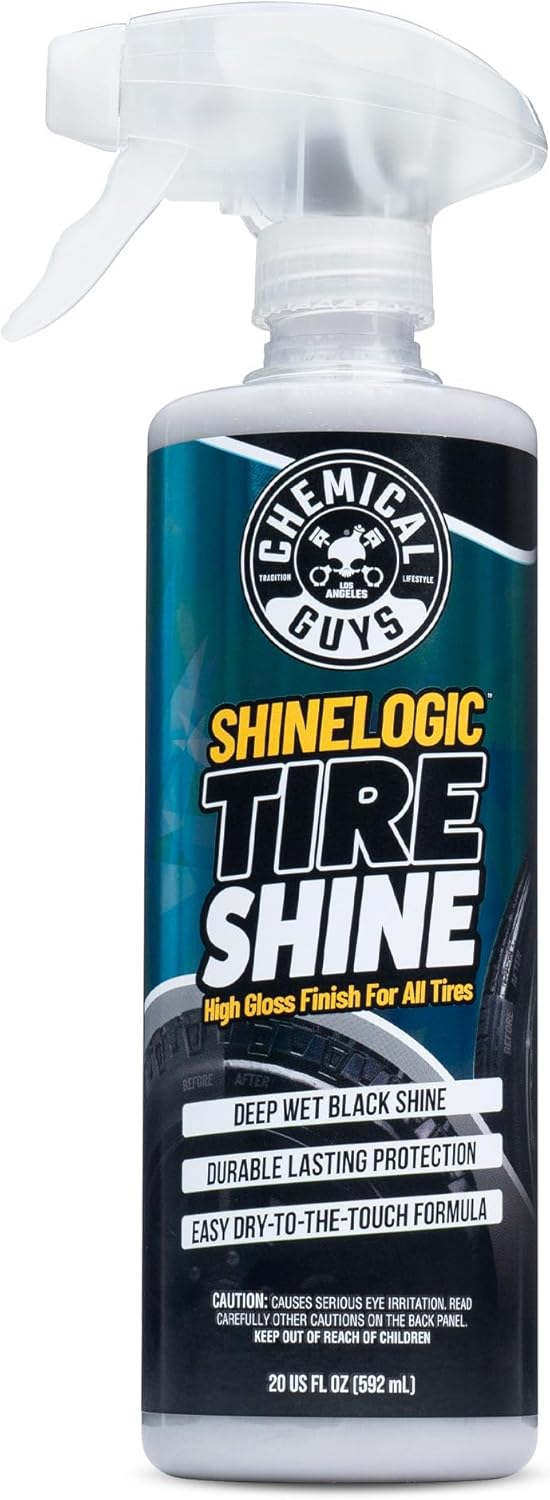
Chemical Guys ShineLogic Tire Shine delivers a deep wet black, high-shine finish for rubber tires with a sleek look. It’s designed for durable, one-step application with minimal drips, streaks, or runs, and it helps produce effortless, long-lasting shine. Choose aerosol or trigger spray for easy use on cars, trucks, motorcycles, RVs, and more.
Essential Features of Tires for Wet Weather Performance
When rain is the main concern, focus on the features that help the tire maintain contact with the road:
- Water-evacuating grooves: Wide circumferential and lateral grooves help move water away from the tread.
- High-quality compound: A good wet-weather compound stays flexible enough to grip slick pavement without wearing too quickly.
- Siping: Small tread cuts can add biting edges for wet and light-snow traction.
- Stable tread blocks: A stable pattern improves braking and steering feel when the road is slick.
- Correct load and speed rating: The tire must match or exceed the requirements shown for your specific Accord.
- Adequate tread depth: Worn tires have less room to move water out of the contact patch, raising hydroplaning risk.
Do not rely on the UTQG traction grade alone. The National Highway Traffic Safety Administration explains tire ratings and maintenance, but real-world wet performance also depends on tire design, tread depth, road surface, speed, and inflation pressure.
Tips for Keeping Tires Safe in Wet Weather
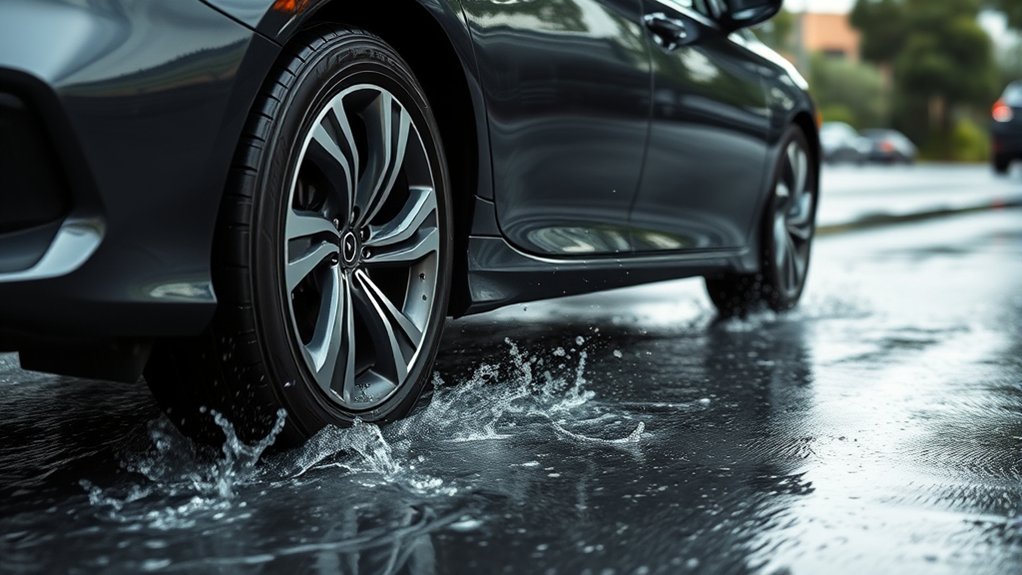
Even the best rain tire will perform poorly if it is underinflated, unevenly worn, overloaded, or near the wear bars. Honda’s Accord owner information says the tire wear indicator groove is about 1/16 inch, or about 1.6 mm, shallower than the rest of the tread. If that indicator is exposed, the tire should be replaced, and worn tires have poor traction on wet roads.
Warning: Do not treat 2/32 inch as “ideal” rain tread. That is the common wear-indicator replacement point. If you drive in frequent heavy rain, start shopping earlier, especially around 4/32 inch, because wet braking and hydroplaning resistance decline as tread wears.
Use this quick maintenance checklist before rainy-season driving:
| Check | Why It Matters in Heavy Rain |
|---|---|
| Tread depth | More tread depth gives water more room to escape from under the tire. |
| Cold tire pressure | Incorrect pressure can reduce the contact patch and increase uneven wear. |
| Rotation schedule | Even wear helps all four tires maintain predictable grip. |
| Alignment and balance | Poor alignment can cause feathering or shoulder wear that hurts wet traction. |
| Tire age and damage | Cracks, bulges, punctures, and aging rubber can make wet driving less predictable. |
In heavy rain, also slow down, avoid standing water when possible, increase following distance, and avoid cruise control on slick roads. Hydroplaning risk rises when speed, water depth, worn tread, and poor inflation combine.
How to Choose the Right Tires for Your Driving Needs
Start with your actual driving conditions, not a generic “best tire” list. A daily commuter in Seattle, a warm-climate highway driver in Florida, and a driver who sees cold rain and winter slush may all need different tires for the same Honda Accord.
Tire Type Selection
- Touring all-season: Best for comfort, quiet ride, long tread life, and predictable rain performance.
- All-weather: Best for heavy rain plus cold temperatures, slush, or occasional snow.
- Performance all-season: Best for sharper steering and stronger handling feel in wet and dry conditions.
- Summer performance: Best only for warm climates; not suitable for freezing temperatures or winter conditions.
- Dedicated winter: Best for regular snow, ice, and cold winter roads, even if you use a different tire the rest of the year.
Tread Design Importance
The best rain tires use tread design to move water away from the contact patch. Directional and asymmetric patterns can both work well when engineered properly. Deep circumferential grooves, lateral channels, and sipes help maintain grip, while stable tread blocks improve braking and steering feel.
However, tread design cannot defeat physics. If water is deep enough or speed is too high, any tire can hydroplane. That is why tire choice, tread depth, inflation pressure, and driving speed all matter together.
Performance Ratings Consideration
When comparing tires, check the manufacturer’s category, warranty, UTQG information, and wet-performance claims, but do not treat any single rating as the whole story. A tire with a long treadwear warranty may be excellent for commuting but less responsive than a performance all-season tire. A performance all-season tire may feel better in wet corners but wear faster.
Also confirm the tire’s load index and speed rating. Your replacement tires should match the size and specifications recommended for your Accord’s year and trim. The safest shortcut is to check the tire placard on the driver-side door jamb and compare it with the owner’s manual before ordering.
Best Choice by Driver Type
- Best for most rainy commutes: Michelin Defender2 or Continental TrueContact Tour 54.
- Best for rain plus occasional winter weather: Pirelli Cinturato WeatherActive or Michelin CrossClimate2.
- Best for sporty wet handling: Continental ExtremeContact DWS 06 Plus.
- Best long-mileage value: Hankook Kinergy PT H737, if the correct size and speed rating match your Accord.
- Best warm-climate performance option: A summer or performance tire can work well in warm rain, but avoid summer tires if you see freezing temperatures.
Frequently Asked Questions
What are the best tires for a Honda Accord in heavy rain?
For most drivers, the best options are premium touring all-season or all-weather tires. Strong choices include the Pirelli Cinturato WeatherActive, Michelin Defender2, Continental TrueContact Tour 54, Michelin CrossClimate2, and Continental ExtremeContact DWS 06 Plus, depending on whether you prioritize comfort, tread life, winter versatility, or sportier wet handling.
Are all-weather tires better than all-season tires for rain?
Not always. A premium all-season tire can be excellent in rain, especially in mild climates. All-weather tires become more attractive if you also drive in cold rain, slush, or occasional snow because many carry the Three-Peak Mountain Snowflake symbol.
What tread depth is safe for heavy rain?
Replace tires when the wear indicators are exposed, commonly around 2/32 inch. For frequent heavy rain, do not wait that long if wet braking feels weak or hydroplaning increases. Many rain-focused drivers start shopping around 4/32 inch because wet traction declines as tread wears.
Can I use performance tires on a Honda Accord in rainy weather?
Yes, if they are appropriate for your climate. A performance all-season tire such as the Continental ExtremeContact DWS 06 Plus can offer strong wet handling with year-round flexibility. Summer performance tires can work well in warm rain, but they are not suitable for freezing temperatures or winter driving.
What billionaire drove a Honda Accord, and does that matter for tire choice?
Jeff Bezos is the billionaire most commonly associated with driving a Honda Accord years after becoming wealthy. That trivia does not matter for tire choice. For your Accord, fitment, wet braking, tread depth, pressure, and driving conditions matter far more than who else drove the car.
Conclusion
Choosing suitable tires for your Honda Accord can make rainy driving calmer, safer, and more predictable. For most drivers, a premium touring all-season tire is the best starting point. If you face cold rain, slush, or occasional snow, consider an all-weather tire. If you want sharper steering in wet conditions, choose a performance all-season tire that still fits your climate.
Before buying, confirm your exact tire size, load index, and speed rating. Then keep the tires properly inflated, rotated, and replaced before the tread is too worn for heavy rain. The right rubber helps, but safe wet-weather driving also depends on speed, following distance, and avoiding standing water whenever possible.
Sources
- NHTSA TireWise — tire ratings, maintenance, tire safety, and consumer tire information.
- Honda Accord Wear Indicators — Honda guidance on wear indicators and wet-road traction.
- Federal Highway Administration: Rain & Flooding — wet pavement and rainfall crash-risk context.
- Michelin Defender2 — product category, benefits, and 80,000-mile treadwear warranty.
- Pirelli Cinturato WeatherActive — 3PMSF rating, wet-weather design notes, and 60,000-mile treadwear warranty.
- Continental ExtremeContact DWS 06 Plus — wet handling, wet braking, and 50k limited warranty information.