Can You Leave a Flat Tire Overnight? Risks Explained

Yes, you can leave a flat tire overnight in an emergency, but it isn’t harmless. If the vehicle sits on the flat, the sidewall can flex too much, the bead may unseat, and the rim can touch the pavement and suffer damage. Keep the car parked on level ground with the parking brake set, and don’t drive on it if the tire looks crushed. Inspect it and arrange repair or a spare soon; the details matter.
Key Takeaways
- Yes, you can leave a flat tire overnight in an emergency, but it should be temporary only.
- A flat tire can damage the sidewall, bead seal, and wheel if left under load too long.
- Do not drive on a visibly crushed flat tire, as it can fail or overheat quickly.
- Check the tire and rim for cuts, bulges, bends, or wobble before inflating or driving.
- Repair or replace the tire as soon as possible, and use a spare if needed.
[Products Worth Considering]

TireJect Off-Road Tire Sealant Kit provides 5-in-1 sealing to help fix tread punctures up to 3/8", sidewall punctures up to 3/8", bead leaks, slow leaks, and minor dry rot on low-speed tires. It permanently seals with liquid rubber, recycled tire particles, and Aramid fibers, making it ideal for flats caused by thorns, nails, and screws. The included dispensing cap attaches to the valve stem for a no-mess installation, along with a metal valve core remover tool and valve stem cap. This kit is for off-road use only.

Use this tire repair rubber screw kit for fast, self-service flat fixes on the road. Choose the matching short or long nail size and twist it into the puncture without removing the tire from the rim. Compact storage keeps the emergency set organized for cars, motorcycles, electric bikes, and bicycles, helping you seal tubeless leaks quickly and reliably.

This 100-piece set of snap-in tubeless tire valve stems is designed for standard 0.453 in (11.5 mm) rim holes and helps maintain reliable, steady tire pressure. Made with ozone-resistant rubber and brass cores, the valves are built for durability and long-term use. Easy to install by hand, they support safe driving and are suitable for cars, light trucks, trailers, and more.
Can You Leave a Flat Tire Overnight?
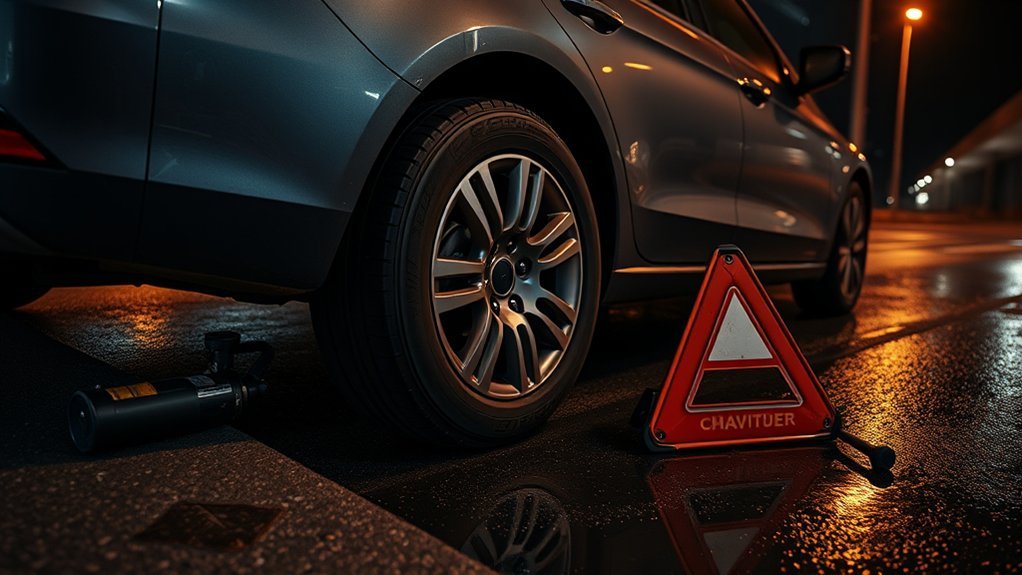
Yes—you can leave a flat tire overnight in an emergency, but you shouldn’t treat it as harmless. If you must delay service, park on a level surface, engage the parking brake, and avoid moving the vehicle.
A flat tire can lose its bead seal, expose the rim, and make tire maintenance more complicated when you resume driving. If the tire still holds some pressure, check it with a gauge and note any rapid drop. If it’s fully deflated, don’t add load or roll the car unless you’re performing emergency repairs to relocate it safely.
You should inspect for punctures, sidewall cuts, or embedded debris before you drive again. Use the spare or roadside assistance as soon as possible, because overnight storage is only a stopgap, not a fix.
If you ignore the condition, you increase the chance of wheel damage and unsafe handling.
What Happens to a Flat Tire Overnight?
When you leave a flat tire overnight, the air pressure continues to drop, and the tire loses structural support.
The sidewall then carries more load than it’s designed for, which can cause stress damage.
If the rim settles against the tire, you’ll get direct wheel-and-tire contact that can worsen the damage.
Air Pressure Loss
As a flat tire sits overnight, it usually loses even more air, and the rim can settle lower onto the rubber or even contact the ground if the pressure drops enough.
You’ll often see a gradual pressure decline from the initial leak, temperature change, and valve seepage. In tire maintenance, that means the tire can move from low to effectively unusable by morning.
Pressure monitoring helps you confirm whether the loss is stable or accelerating, which guides your next step. If you ignore the drop, you may wake up with a tire that won’t hold enough air for safe inflation.
Check the gauge before driving, and don’t assume a small overnight change is harmless. Even modest loss can leave you stranded and delay repair.
Sidewall Stress Damage
If the tire stays flat overnight, the sidewall can flex far beyond its normal range and start to crease, crack, or weaken at the bead area. You’re seeing tire deformation that can compromise sidewall integrity before you even drive.
The rubber and cords in the sidewall aren’t designed to carry sustained load without inflation, so repeated collapse can create internal fatigue that isn’t visible at first.
- Inspect for wrinkles, cuts, and bulges at dawn.
- Avoid rolling the tire until you restore pressure.
- Replace it if you spot repeated collapse or exposed cords.
If you ignore this stress, you raise the risk of permanent structural damage. A brief overnight flat can become a costly safety issue, so treat the tire as compromised until a full inspection confirms it’s sound.
Wheel And Tire Contact
With the tire fully deflated, the rim can start pressing directly into the tire carcass and, in severe cases, onto the ground itself.
When you leave it overnight, that contact concentrates load on one area, bruises the inner liner, and can cut the bead seat or sidewall.
If the vehicle shifts, the wheel may also scrape pavement, worsening rim deformation and contaminating the sealing surfaces.
You can’t assume the tire will recover cleanly once reinflated; hidden damage may cause slow leaks, vibration, or a sudden failure.
Check tire alignment and wheel balance afterward, because prolonged collapse can alter how the wheel sits and rotates.
Move the car only if necessary, and inspect the tire, rim, and valve stem before driving again.
Can a Flat Tire Damage the Wheel?
Yes—a flat tire can damage the wheel if you leave it sitting long enough, especially on a low-profile tire or under a heavy load. When air pressure drops to zero, the rim can bear the vehicle’s weight and contact the pavement, which can bend the lip, scratch the finish, or distort bead seating surfaces.
That damage can compromise tire integrity and affect wheel alignment once you reinflate and move again.
That damage can compromise tire integrity and throw off alignment after reinflation and driving again.
- Rim deformation: Side loading can flatten the wheel edge.
- Corrosion risk: Exposed metal can oxidize faster after abrasion.
- Seal failure: A damaged bead seat may leak even after repair.
You should inspect both sides of the wheel for gouges, wobble, and runout before driving. If you notice impact marks or vibration later, the wheel may need service.
Leaving the tire flat overnight isn’t ideal, but the wheel usually suffers most when the car sits longer or the surface is uneven.
When Is a Flat Tire Unsafe to Drive On?
A flat tire becomes unsafe to drive on as soon as it loses enough pressure that the sidewall starts to collapse or the rim can touch the road. At that point, you’re no longer dealing with a minor pressure loss; you’re dealing with structural failure.
If you feel severe wobbling, hear scraping, or notice the steering pulling sharply, those flat tire symptoms mean the tire can’t support the vehicle properly. Driving even a short distance can overheat the carcass, damage the bead, and score the wheel.
The driving risks increase quickly on highways, in turns, and during braking, because the tire can deform unpredictably and lose grip. If the tire looks visibly crushed, is fully deflated, or the sidewall is pinched against the pavement, don’t continue driving.
A tire in that condition can fail without warning, and the vehicle’s handling can deteriorate fast.
[Products Worth Considering]

The Park Tool TL-1.2 tire lever set is narrow, strong, smooth, and versatile for easy tire removal and reliable work on bike tires. It includes a spoke hook design to help when multiple levers are needed. With Park Tool’s industry-standard reputation, this set is ideal for fast flat-fix repairs.

This tire repair kit provides fast emergency puncture repair without removing the tire from the rim, helping you get back on the road quickly. Its screw plug system is designed for punctures in both tread and sidewall and includes a complete patch plug tool set with essential accessories. A portable storage bag makes it easy to carry for cars, trucks, SUVs, motorcycles, and heavy-duty applications.
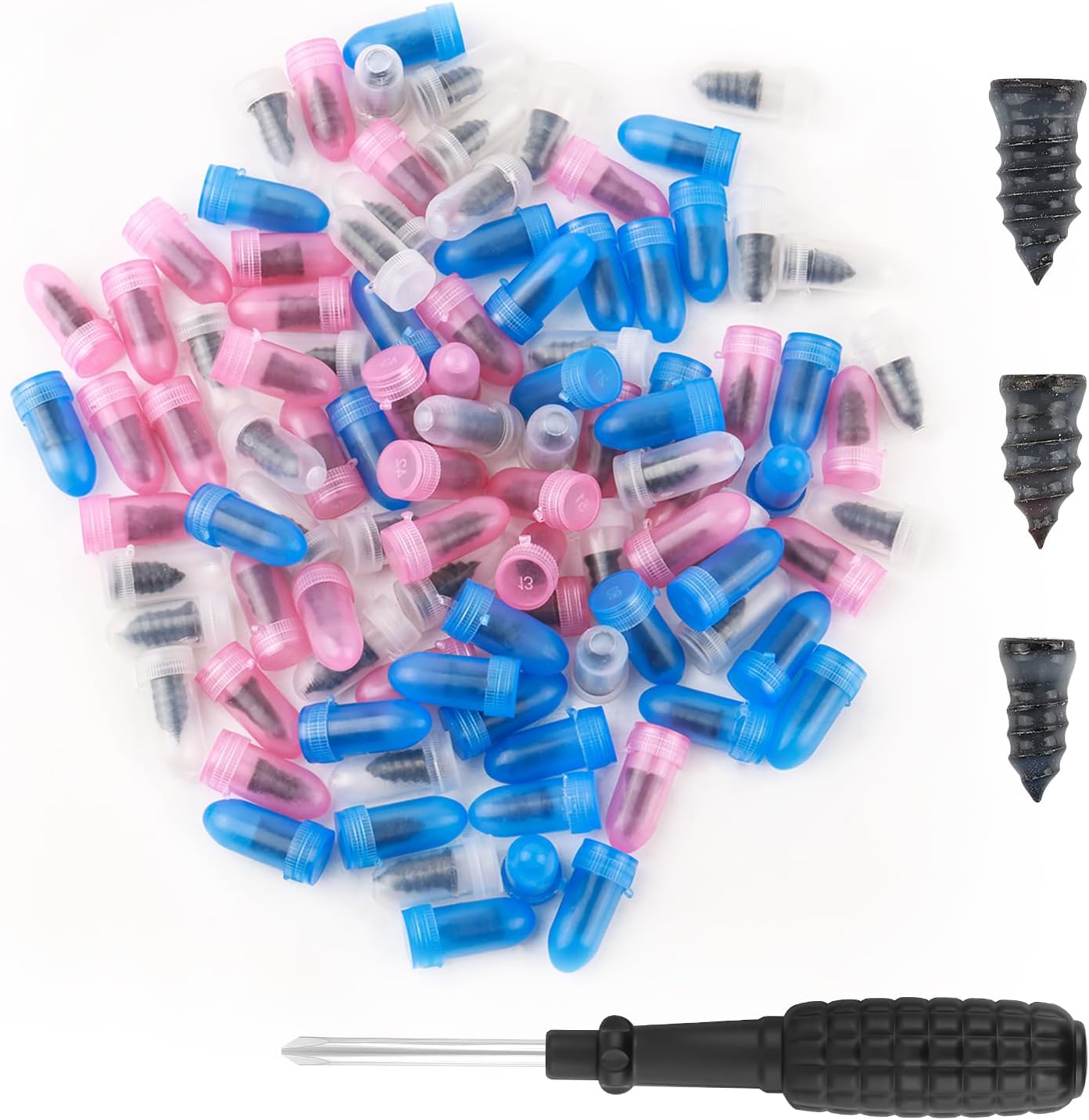
This 100-piece tire repair screw plug kit provides a fast, self-service solution for punctures on the road. Choose the correct plug size, insert it into the break, and screw it in to help seal the puncture and temporarily restore tire pressure. Thickened threads and rubber-wrapped plugs improve bite and sealing while remaining compact and easy to carry.
What to Do After Finding a Flat Tire
First, inspect the tire for sidewall cuts, punctures, bead damage, or visible debris before you move the vehicle.
If the tire holds air and the damage appears minor, inflate it to the manufacturer’s recommended pressure only long enough to reach a safe location.
Then arrange repair or replacement as soon as possible, because even a temporary flat can worsen quickly.
Check Tire Damage
Before you move the vehicle or inflate the tire, inspect the damage closely for punctures, sidewall cuts, bulges, exposed cords, or a bent wheel, since any of these can make the tire unsafe to repair or reuse.
Your tire inspection should focus on the full tread, shoulder, and bead area. Use a flashlight and note any nail, screw, or split rubber. During damage assessment, look for wet spots, embedded debris, and irregular wear that suggest internal failure.
- Check whether the puncture sits in the tread, not the sidewall.
- Confirm the wheel isn’t warped or cracked.
- Compare the flat tire with the others for abnormal shape.
If you see structural damage, don’t drive on it. Document the defect, then contact roadside assistance or a qualified tire technician for a safe decision.
Inflate If Safe
If the tire passed your damage check and the puncture is small, you can add air long enough to move the vehicle or reach help, but only with caution.
Use a gauge, not guesswork, and inflate to the manufacturer’s minimum cold pressure or slightly below if the sidewall looks stressed.
Stop if you hear hissing, see bulging, or feel abnormal heat. Recheck pressure after a few minutes; rapid loss means the tire isn’t holding.
Keep speed low and avoid sharp steering or braking.
Your emergency kits should include a compressor, gauge, and sealant, but use sealant only if the tire design allows it.
Good tire maintenance means treating this as a temporary measure, not a fix.
Arrange Repair Soon
Arrange repair as soon as you can, because a flat tire can hide sidewall damage, bead leaks, or internal separation that won’t show until the tire fails again. You should schedule tire repair immediately and avoid driving on the flat longer than necessary.
A proper puncture assessment lets a technician check tread, shoulder, and sidewall for repairable damage or signs the tire needs replacement.
- Verify pressure loss source before inflation.
- Inspect the wheel for bends, curb damage, or rim leaks.
- Ask for a plug-patch repair only if the puncture meets repair limits.
If you delay, moisture and heat cycling can worsen internal damage and compromise the casing. Keep the spare or alternate transport ready until the shop confirms the tire’s condition.
How to Prevent Flat Tires in the Future
To reduce the risk of flat tires in the future, you should inspect your tires regularly for cuts, punctures, embedded debris, and uneven wear, while also maintaining the correct air pressure specified by your vehicle manufacturer. Follow tire maintenance tips and schedule seasonal checks before temperature swings, since underinflation and overinflation both increase failure risk. Rotate your tires on time, keep wheel alignment within spec, and replace worn valve stems promptly.
| Action | Interval | Purpose |
|---|---|---|
| Pressure check | Monthly | Prevent heat buildup |
| Tread inspection | Biweekly | Detect damage early |
| Rotation | 5,000–7,500 miles | Equalize wear |
Avoid overloading your vehicle, and drive cautiously over potholes, curbs, and debris. If you notice vibration, slow leaks, or bulges, don’t ignore them; get a professional inspection immediately. Consistent prevention costs less than emergency repair and helps you stay safer on every trip.
Frequently Asked Questions
How Do I Tell if the Tire Bead Is Damaged?
You’ll spot bead damage if air won’t seal, the tire won’t seat, or you see cuts, corrosion, or deformed edges at the rim. For tire maintenance, inspect carefully; bead repair may be necessary.
Can Weather Change a Flat Tire’s Condition Overnight?
Yes—weather can quietly reshape a flat tire overnight like a slow thief. You’ll see tire pressure drop further as temperature effects contract air, worsen sidewall stress, and increase bead damage risk, so inspect it promptly.
Should I Move a Flat Car on a Donut Spare?
Yes, you can move it on a donut spare, but you should drive only short distances, slowly, and avoid highways. Observe spare tire safety and donut tire limitations; inflate the flat only if instructed.
Is It Safe to Inflate a Tire With a Puncture?
No, you shouldn’t inflate a tire with a puncture; that’s a bold plan for drama, not tire safety. You’ll lose pressure fast. Use puncture repair or replace the tire, and inspect damage first.
How Much Does Roadside Tire Repair Usually Cost?
You’ll usually pay $50-$150 for roadside tire repair costs, though emergency roadside assistance can add fees. You should expect higher charges at night, on highways, or if you need towing instead of a quick plug.
Conclusion
In the end, you shouldn’t let a flat tire sit overnight if you can avoid it. The longer you wait, the more the tire can collapse, the wheel can bear the load, and damage can spread like a quiet leak in a sealed system. Inspect it, inflate it if safe, or replace it with the spare right away. When in doubt, don’t gamble—your tire, wheel, and safety all depend on quick action.
[Products Worth Considering]

This professional wheel and rim cleaning brush set lifts brake dust, grime, and dirt with soft, scratch-free microfiber and synthetic wool fibers. The rim brush bends up to 360 degrees for easy access to hard-to-reach areas around spokes, lips, and faces. Ideal for thorough cleaning of car, truck, motorcycle, bicycle, RV, and more wheel and tire surfaces.

This screw-in tire plug kit seals punctures fast using the included screwdriver, letting you repair tread damage without removing the tire or using messy glue. It includes two plug sizes for different puncture types and uses high-density rubber for an airtight, heat-resistant temporary seal that helps you reach a tire shop safely. Compact and universal, it works on tubeless tires across cars, trucks, motorcycles, tractors, and more.

LiQuiTube Premium Heavy Duty Tire Sealant provides permanent flat tire protection to help maintain proper air pressure while sealing punctures and leaks. It seals bead, rim, and porosity weathering leaks and helps prevent flats in heavy ply industrial tires. Designed for versatile use on trailers and off-road equipment, it can be installed in tubeless tires and also inside tubes.

Related Articles
Can You Rotate Tires Too Often? Ideal Intervals
Do you rotate tires too often, and what interval truly protects your tread?
Read More
Do You Need an Alignment After Rotating Tires?
Why you usually don’t need an alignment after rotating tires, and which warning signs mean it’s time to check your suspension.
Read More
Does the Sun Damage Car Paint? Prevention Tips
Keep your car’s shine intact before the sun wins—learn the hidden paint damage signs and prevention tips that matter most.
Read More