
Does the Sun Damage Car Paint? Prevention Tips
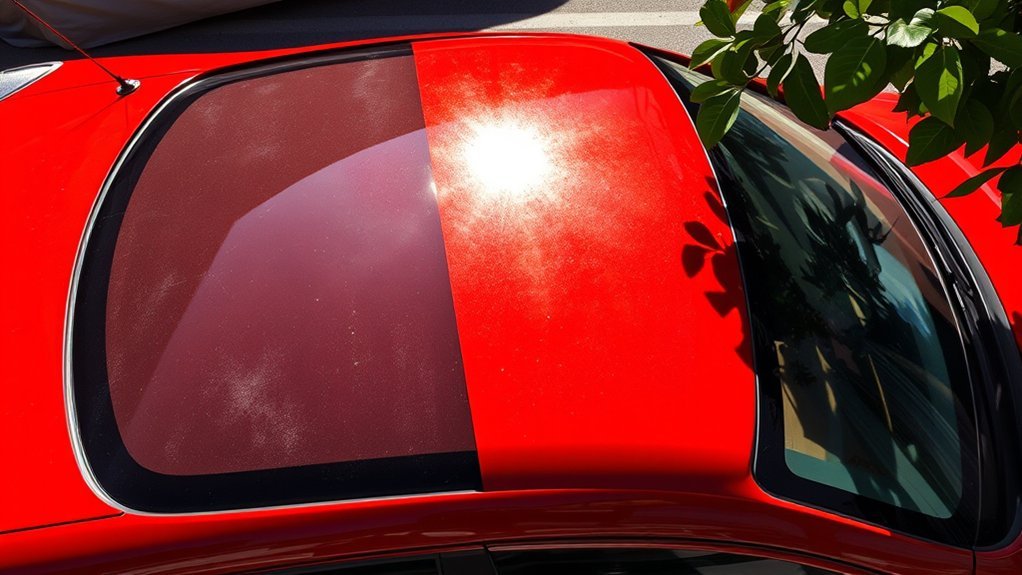
Yes, the sun can damage your car paint by breaking down the clear coat, drying out binders, and speeding oxidation. You’ll usually see fading, chalkiness, or dull, uneven reflections first on the hood, roof, and trunk. To slow it down, park in shade, use a breathable cover, wash with pH-balanced shampoo, and apply wax every 4 to 8 weeks or a ceramic coating for longer protection. If you keep going, you’ll see how to spot and fix early damage.
Key Takeaways
- Yes, sun exposure damages car paint by weakening resin bonds, causing oxidation, fading, and clear coat breakdown.
- Horizontal panels like the hood, roof, and trunk fade first because they get the most direct UV exposure.
- Signs of sun damage include dullness, chalky texture, hazy clear coat, uneven color, and rough surfaces.
- Prevent damage by parking in shade, using a breathable car cover, and washing off contaminants regularly.
- Protect paint longer with wax every 4–8 weeks or a ceramic coating, and repair failed clear coat promptly.
[Products Worth Considering]

These ultra-soft microfiber applicator pads apply wax, sealants, dressings, and conditioners with smooth, even coverage while helping protect delicate finishes from streaks and marring. The plush microfiber wrapped around a flexible foam core promotes consistent product distribution across curves and contours, and the ergonomic grip reduces hand fatigue during longer sessions. Reusable and machine washable, they’re ideal for both interior and exterior detailing uses such as tire dressing, leather conditioner, trim restorer, and interior protectants.

Formula 1 Tire Wax restores dull tires to a rich black look while helping protect against UV damage. Its thick, long-lasting water-resistant gel delivers a high-gloss shine that resists rain and washing. A foam applicator is included for easy, controlled application, and it can also refresh vinyl, rubber, and plastic trim.
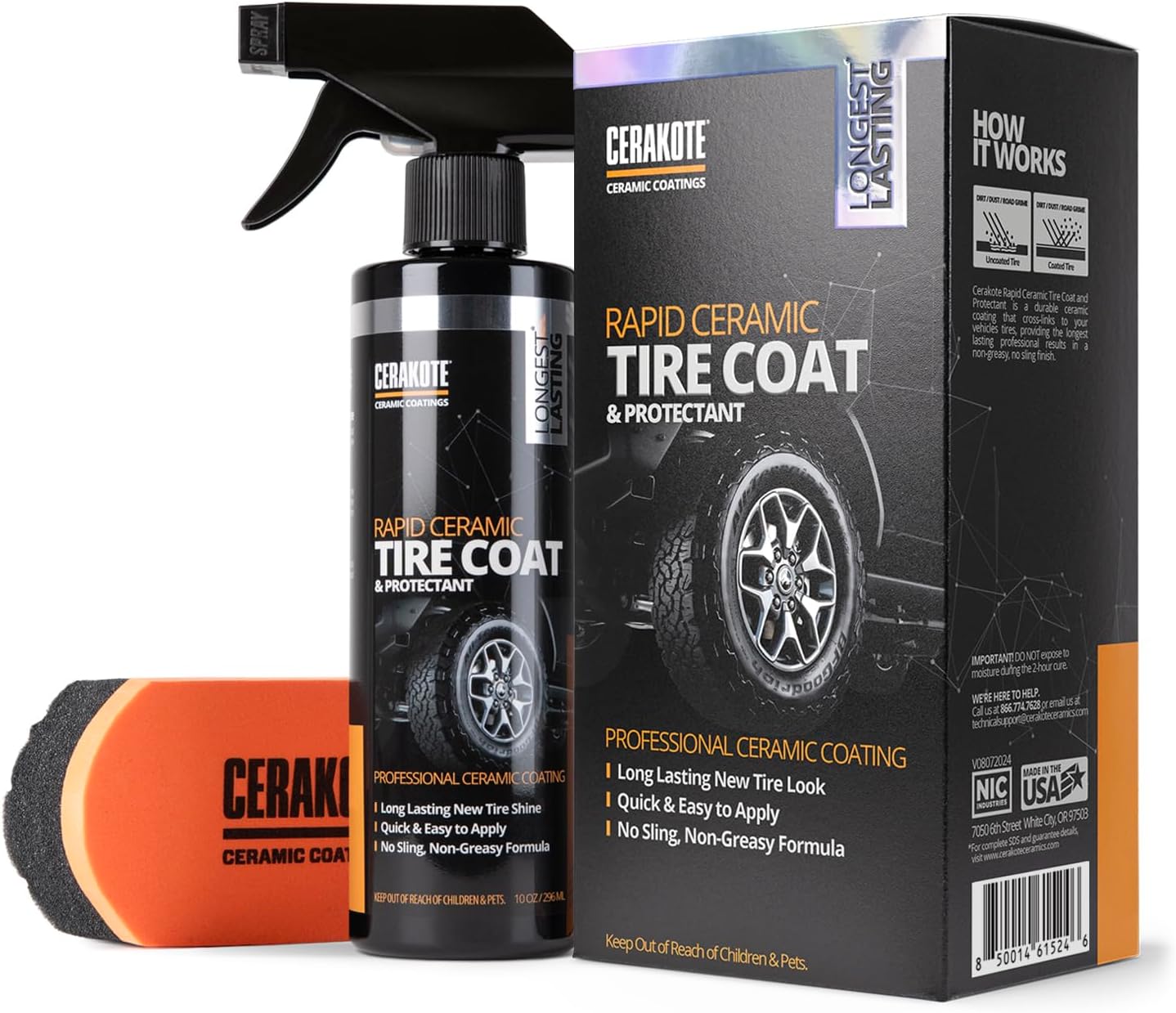
CERAKOTE Rapid Ceramic Tire Coat delivers true ceramic protection that restores a clean, dark factory-black look with a natural satin finish. It cures dry to the touch for a low-sling appearance that helps resist slinging onto paint while defending tires from UV rays and road grime. Apply to clean, dry tires with the included foam applicator for long-lasting results and satisfaction guaranteed.
How Does Sun Damage Car Paint?
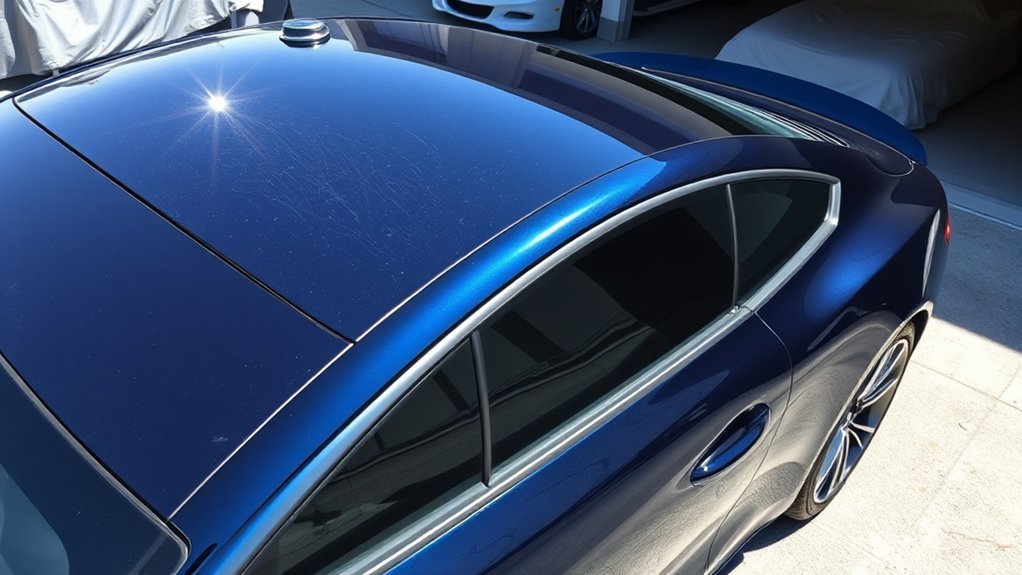
Sunlight damages car paint through prolonged UV exposure and heat buildup, which break down the clear coat and the pigments beneath it.
You’re dealing with a chemical and thermal process: UV exposure weakens resin bonds, while heat effects accelerate expansion and contraction in the paint layers. That stress lets oxygen react with exposed binders, causing paint oxidation.
Once oxidation starts, the surface loses gloss and the coating becomes less uniform, which speeds color fading. Without protective coatings, the clear coat absorbs more damage and offers less shielding to the color layer below.
Once oxidation starts, the surface loses gloss and the coating becomes less uniform, speeding color fading.
Over time, repeated exposure creates surface deterioration that you can’t reverse with washing alone. The long term impact is reduced finish durability, higher maintenance needs, and a greater chance that the paint will need correction or refinishing.
To limit damage, you should reduce direct sun exposure and keep the finish protected whenever possible.
Signs Your Car Paint Is Fading
Once UV exposure and heat start breaking down the clear coat, you’ll usually notice the damage in the paint’s appearance before it fails completely.
You may see color fading on horizontal panels first, especially the hood, roof, and trunk, where sunlight hits hardest. The finish can look chalky, dull, or uneven instead of glossy.
In strong light, the clear coat may show hazing, microcracks, or a patchy sheen that catches reflections inconsistently. You might also notice one panel looking lighter than adjacent panels, which signals localized pigment breakdown.
On darker vehicles, fading often appears as a gray cast; on red and blue paint, the shift can look especially obvious.
If you run a clean hand over the surface, it may feel rough or powdery.
These changes mean the paint system is degrading, and the clear coat is losing its ability to protect the color layer.
How to Prevent Sun Damage to Car Paint
The best defense against UV damage is to reduce how much direct sun your paint sees and keep the clear coat protected. You should park in shade, use a breathable cover, and wash off contaminants before they bake in. Regular wax application adds a sacrificial layer that slows oxidation, while ceramic coatings create a harder, longer-lasting barrier against UV exposure and surface contamination.
| Method | Effect | Interval |
|---|---|---|
| Shade parking | Cuts direct UV load | Every day |
| Wax application | Adds short-term protection | 4-8 weeks |
| Ceramic coatings | Improves durability | 1-5 years |
You also need to inspect trim and painted edges, since those areas fail first. If you let bird droppings, tree sap, or road film sit on the finish, sunlight accelerates etching and color loss. Use pH-balanced shampoo, dry with clean microfiber, and avoid abrasive pads. Consistent maintenance keeps the clear coat stable and helps your paint hold gloss longer.
[Products Worth Considering]
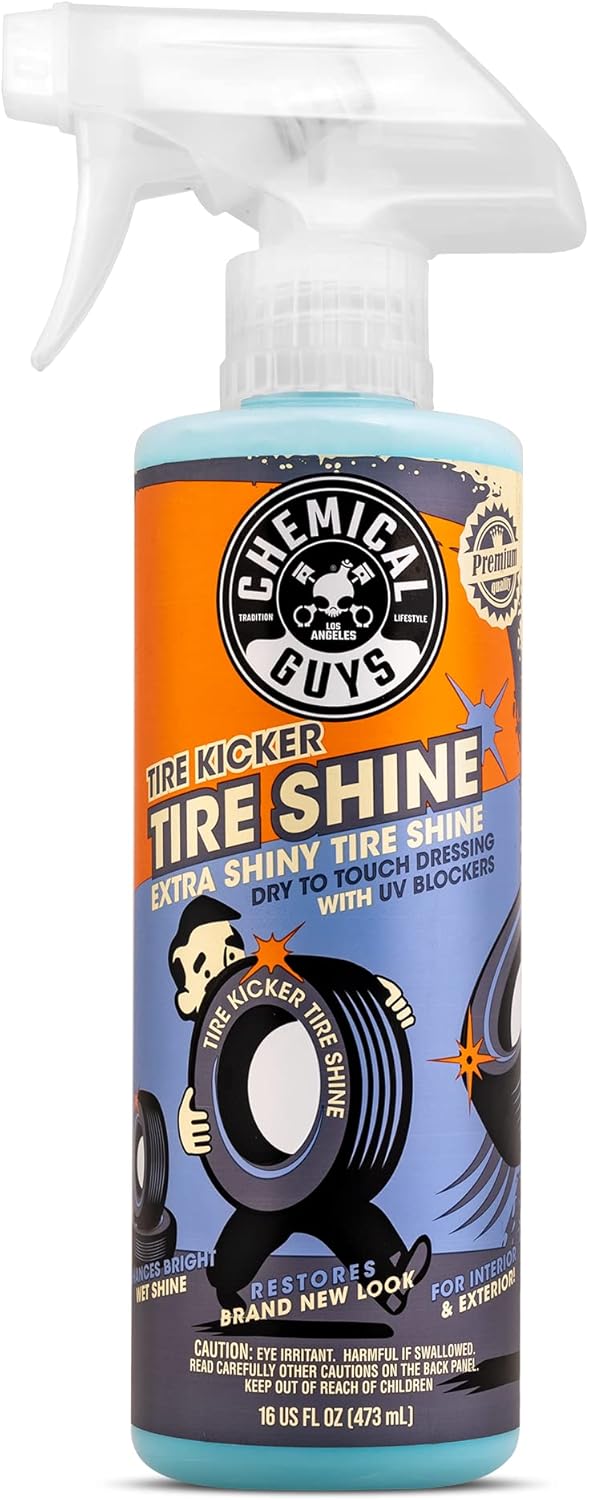
Chemical Guys Tire Kicker Sprayable Extra Glossy Tire Shine restores a deep, wet look on tires, rubber, vinyl, and plastic trim. It delivers a rich showroom shine that enhances color and luster while helping protect against fading, cracking, and discoloration. The spray application dries to the touch with a streak-free finish and no greasy sling, for fast results on cars, trucks, motorcycles, RVs, and boats.

Wontolf’s 62-inch car wash brush kit combines a microfiber chenille mitt, long-handle foam scraping windshield squeegee, and multiple detailing tools for fast, streak-free cleaning. The set helps you wash, dry, dust, and clean wheels with scratch-free microfiber towels and a multipurpose duster for both car and home use. Easily assemble or disassemble the handle system for convenient reach in tight areas.
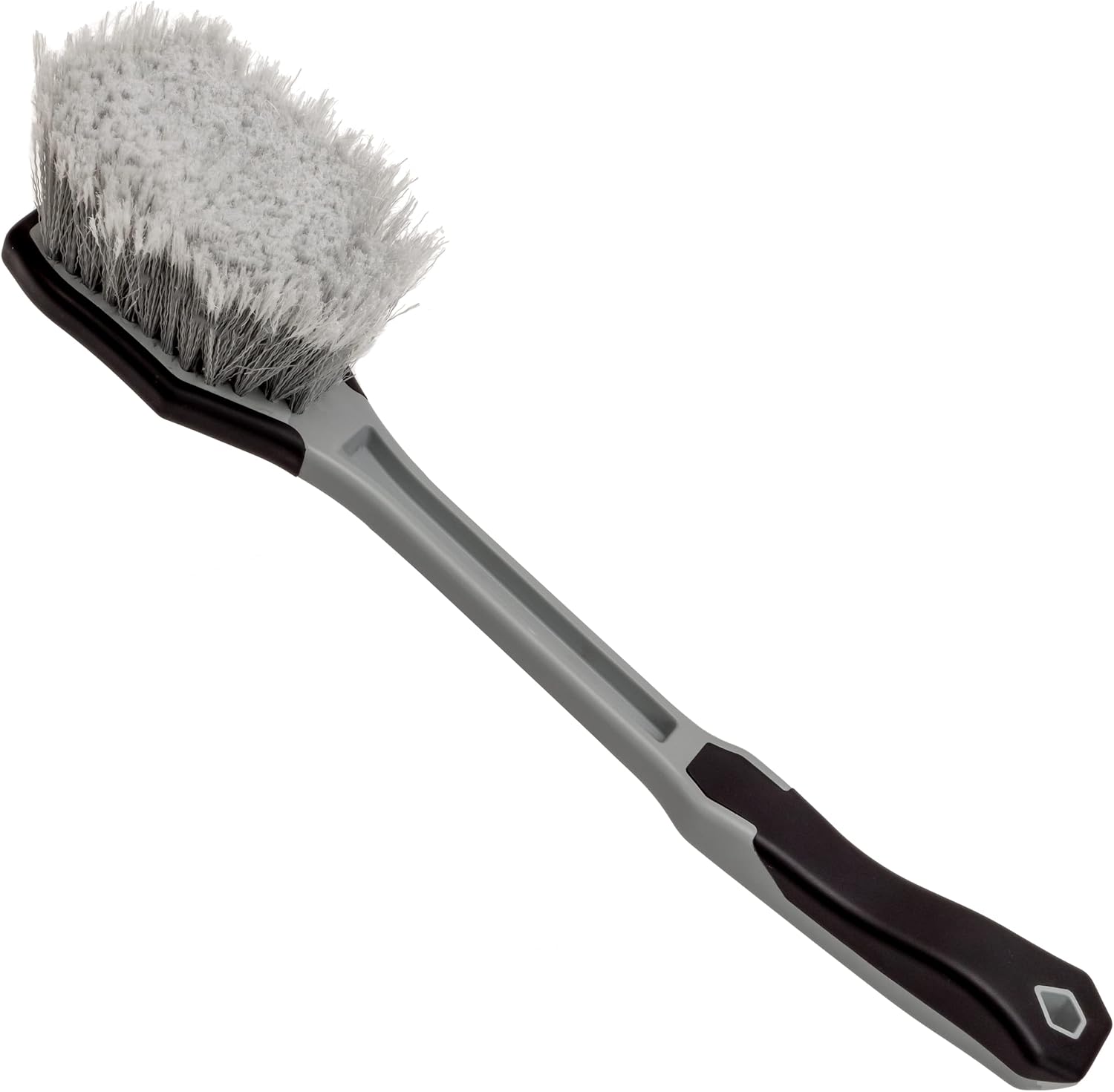
Clean grills, fenders, fender flares, bumpers, and wheel wells with a long-handled brush built for detailed car washing. The soft, triple-flagged bristles and dense scrub coverage help lift dirt gently while making coverage fast and easy. Use it with your favorite car wash soap for tires and exterior surfaces, and it also works for bike, motorcycle, boat, or RV cleaning.
Best Ways to Protect Car Paint From UV Rays
To protect car paint from UV rays, you need to block direct exposure and preserve the clear coat’s resistance to oxidation.
Park in shade, use a fitted car cover, and keep the surface clean so contaminants don’t amplify heat and UV stress.
Apply wax regularly, but rely on longer-lasting ceramic coatings or paint sealants for stronger coverage; they create a sacrificial layer that slows UV degradation and helps maintain gloss.
Wash with pH-balanced shampoo, then dry the paint to prevent water spots that can weaken protection.
If you drive daily, choose a sealant or coating rated for outdoor exposure and reapply it on schedule.
You should also inspect trim, hood, roof, and horizontal panels more often, since they absorb the most sunlight.
Consistent protection keeps the finish stable, reduces fading, and makes later detailing more effective.
When to Repair Sun-Damaged Paint
You should repair sun-damaged paint as soon as you notice fading, chalking, or loss of gloss, because UV damage keeps breaking down the clear coat and makes the finish harder to restore.
If you wait, oxidation can reach the base coat and force a more complex paint restoration process. Inspect horizontal panels first, since roofs, hoods, and trunks absorb the most sunlight.
Also check for rough texture, color shift, and small cracks in the finish. Once the clear coat fails, washing and waxing won’t reverse the damage.
At that stage, you’ll need sanding, polishing, or refinishing, and repair costs usually rise quickly. If the paint still feels intact, a corrective compound and sealant may recover the surface.
If you can see primer or bare metal, schedule body-shop repair immediately to prevent corrosion and avoid larger repair costs later.
Frequently Asked Questions
Can Window Tint Protect Exterior Paint From Sunlight?
Yes, but only indirectly. You’ll get UV protection and Tint benefits by reducing cabin heat and some interior fading, yet exterior paint still takes full sunlight. You should still use wax, sealant, or a cover.
Does Car Color Affect How Quickly Paint Fades?
Yes, you’ll see differences: darker colors absorb more heat and UV, so you may lose color retention faster. Light colors often improve paint longevity, but clear coat quality and care matter more than color alone.
Are Ceramic Coatings Worth It for Sun Protection?
Yes—you’ll like ceramic coatings if you enjoy paying upfront to protect paint later. You get ceramic benefits like UV resistance and easier washing, plus coating longevity, though they won’t replace shade or regular maintenance.
Can Sun Damage Affect Plastic Trim and Headlights?
Yes, sun damage can affect plastic trim and headlights; UV exposure effects accelerate plastic degradation, causing fading, cracking, and clouding. You’ll protect surfaces by parking in shade, using UV protectants, and applying regular maintenance.
How Often Should I Wash a Car Parked Outdoors?
Wash it every 1–2 weeks; think of grime as sandpaper. Your car wash frequency should increase after rain, pollen, or salt exposure. With outdoor storage, rinse weekly and wax monthly to protect finish.
Conclusion
So, does the sun damage car paint? Yes—UV rays break down clear coat and oxidize pigment over time, especially on dark, parked, and unprotected vehicles. If you notice chalky surfaces, dull color, or clear-coat failure, act fast. You can slow the damage by washing regularly, using wax or ceramic coating, and parking in shade or indoors. If the finish is already failing, you’ll need prompt repair or repainting to prevent deeper deterioration.
[Products Worth Considering]

This 22-piece car wash and detailing kit includes a collapsible 20L bucket, lint-free wash mitt, microfiber sponge, super-absorbent drying towels, and specialized tools for wheels, tires, and windows. Soft, scratch-free accessories help protect paint and glass while tackling grime both inside and out. It’s a complete interior and exterior care set for cars, motorcycles, RVs, and home cleaning tasks like windows and mirrors.

The Chemical Guys Wonder Wave Durafoam tire shine applicator pads deliver even, streak-free coverage while helping reduce drips and mess. Their contoured wave design hugs tire sidewalls and holds the right amount of product for faster, cleaner application. Reusable and durable, these pads work with tire dressings, protectants, and exterior detailing products for trucks and SUVs.

Restore faded, dull tires to a rich black satin finish in minutes with a spray-on, wipe-off formula. Graphene and acrylic polymers create a durable, sling-free coating that resists water and dirt while helping prevent UV-related fading and cracking. Build your preferred look by applying additional layers for sleek satin to showroom gloss.

Related Articles
Which Part of a Tire Can Be Patched Safely?
When can a tire be safely patched, and why do some punctures spell trouble?
Read More
What Are Tire Valve Stems and How Do They Work?
Mysterious tire valve stems quietly seal air in and dirt out, but what happens when they fail might surprise you.
Read More
Why Do Tires Lose Pressure? 9 Real Causes
Puzzled by tire pressure loss? Discover 9 real causes behind slow leaks, aging, and cold weather, and find out which one is affecting yours.
Read More