
Can You Drive on a Tire With a Bulge? Safety Risks
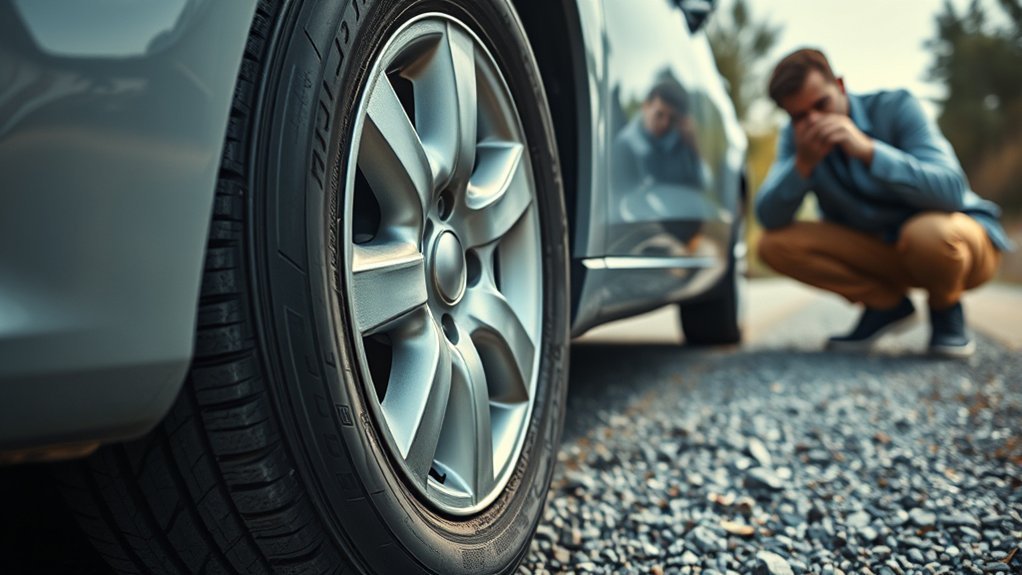
No, you shouldn’t keep driving on a tire with a bulge. A bulge means the tire’s internal structure has failed, often from impact damage, belt separation, or heat stress, and it can blow out without warning. That raises your risk of losing control, especially at speed or under load. If it’s safe, pull over, inspect it from a distance, and arrange towing or replacement. Here’s what else you should know.
Key Takeaways
- A tire bulge means internal damage, so driving on it is unsafe.
- You may drive only a short distance to a safe location, but risk increases quickly.
- Bulging tires can suddenly blow out, causing loss of control or a crash.
- Heat, speed, and load can worsen the damage and make failure more likely.
- Stop driving, replace the tire immediately, and check for related wheel damage.
[Products Worth Considering]

Vigorder rubber cement glue delivers superior adhesion and cures quickly within about 30 seconds for seamless rubber bonding. Once cured, it helps provide a strong, durable, waterproof seal that holds up to vehicle weight, pressure, and heat. Suitable for cars, motorcycles, trucks, bicycles, and off-road tires, it’s designed for emergency patch and maintenance repairs.

The Tymate TM2 RV tire pressure monitoring system keeps you informed with a color LCD display, automatic backlight, and solar charging for dependable operation. It supports up to 10 tire positions with four pre-paired sensors, while offering multiple alarm modes for fast leak detection, pressure extremes, temperature alerts, and low-signal warnings. Built-in monitoring uses accurate readings and reliable 433.92MHz communication to help protect your RV, trailer, truck, or SUV.
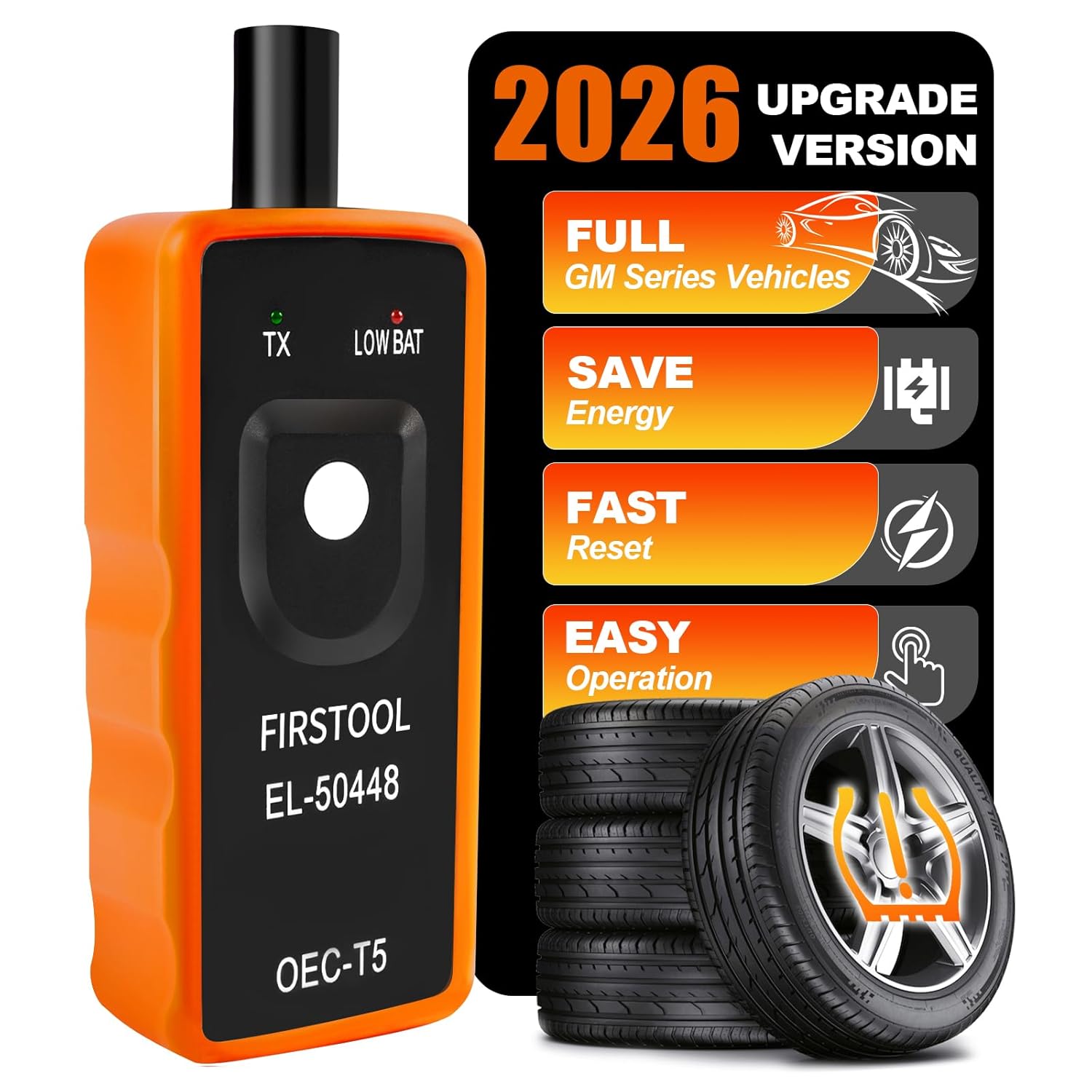
This TPMS relearn tool helps you quickly activate, match, and reset GM tire pressure sensors to keep the vehicle monitoring system working properly. It clears tire pressure alarms and dashboard warning lights after sensor replacement or tire rotation, and supports learning for common 315/433 MHz TPMS sensors. Designed for simple one-button operation, it can help you avoid unnecessary trips to repair shops.
Can You Drive on a Tire With a Bulge?
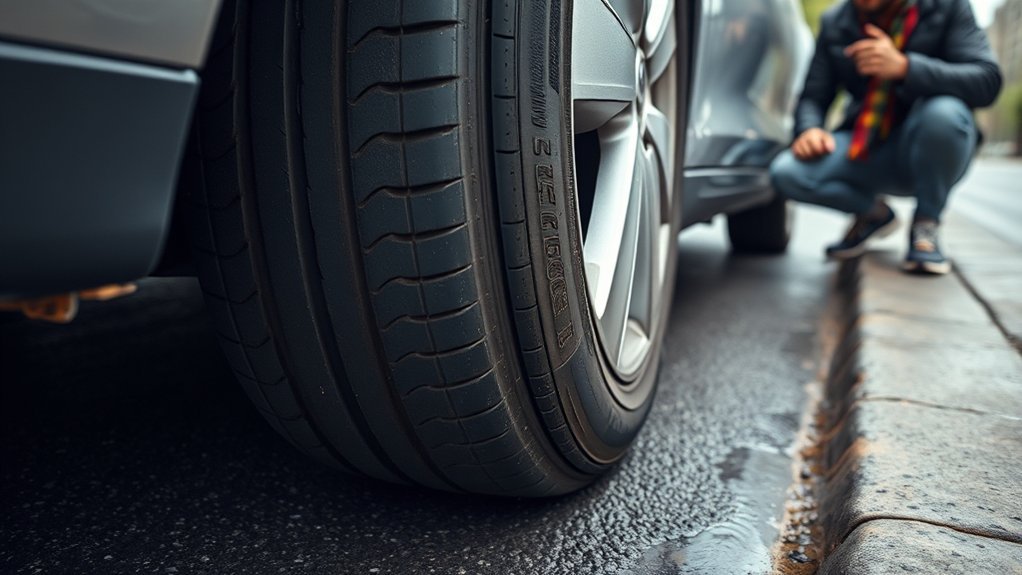
Can you drive on a tire with a bulge? You shouldn’t treat it as a normal condition. A bulge means the tire’s internal structure has failed, often from impact damage, a separated belt, or a manufacturing defect.
Those bulge causes can let air push into the weakened sidewall or tread area, creating a visible swelling. You may still move the vehicle short distances, but you can’t count on the tire’s integrity. Heat, load, and speed increase stress on the damaged area, and the tire can change shape unpredictably.
For tire safety, inspect the wheel and surrounding suspension, then replace the tire as soon as possible. If the bulge is large, growing, or paired with vibration, avoid driving and use a spare or roadside assistance.
Don’t patch or rotate a bulging tire back into service. Even if the tread looks adequate, the hidden damage can progress quickly and compromise control.
How Dangerous Is a Bulging Tire?
A bulging tire is dangerous because it signals a structural failure that can worsen without much warning. You may feel normal handling at first, but the weakened sidewall can let air escape fast or burst under load. For tire safety, treat every bulge as a stop-driving condition until a professional inspects it.
| Risk | What You May Notice | Why It Matters |
|---|---|---|
| Blowout | Sudden noise, loss of control | The tire can fail instantly |
| Handling loss | Pulling, vibration, wobble | Your steering response drops |
| Heat buildup | Hot tire, odor | Damage can spread quickly |
| Warning level | Driving impact | Action |
| High | Reduced stability | Slow down |
| Critical | Potential failure | Pull over |
| Severe | Blowout risk | Replace tire |
Bulge causes matter less than the hazard itself; don’t keep driving to “see what happens.”
Why Do Tire Bulges Happen?
Tire bulges usually happen when the tire’s internal structure gets damaged, letting the outer rubber area swell outward under air pressure. You’ll often see this after a hard impact with a pothole, curb, or road debris, which can break belts or weaken sidewall cords.
Excess heat from underinflation, overloading, or long high-speed driving can also stress the casing and separate internal layers. Manufacturing defects, though less common, may leave weak spots that show up later.
If you neglect routine tire maintenance, small cuts, bruises, or uneven wear can worsen and make a bulge more likely. For bulge prevention, keep your tires properly inflated, avoid overloading, inspect sidewalls regularly, and rotate them on schedule.
You should also check for vibration, unusual wear, or damage after impacts, since hidden structural failure can develop before the rubber visibly swells.
[Products Worth Considering]

Milton S-921 pencil tire pressure gauge helps you maintain optimal tire pressure for passenger cars with accurate readings in PSI and kPa. It features a built-in deflator valve for convenient pressure adjustments, plus a single chuck head and nylon indicator bar for easy use on the go. Built from durable plated brass and designed for reliable performance, it’s a practical road trip and cold-weather maintenance tool.
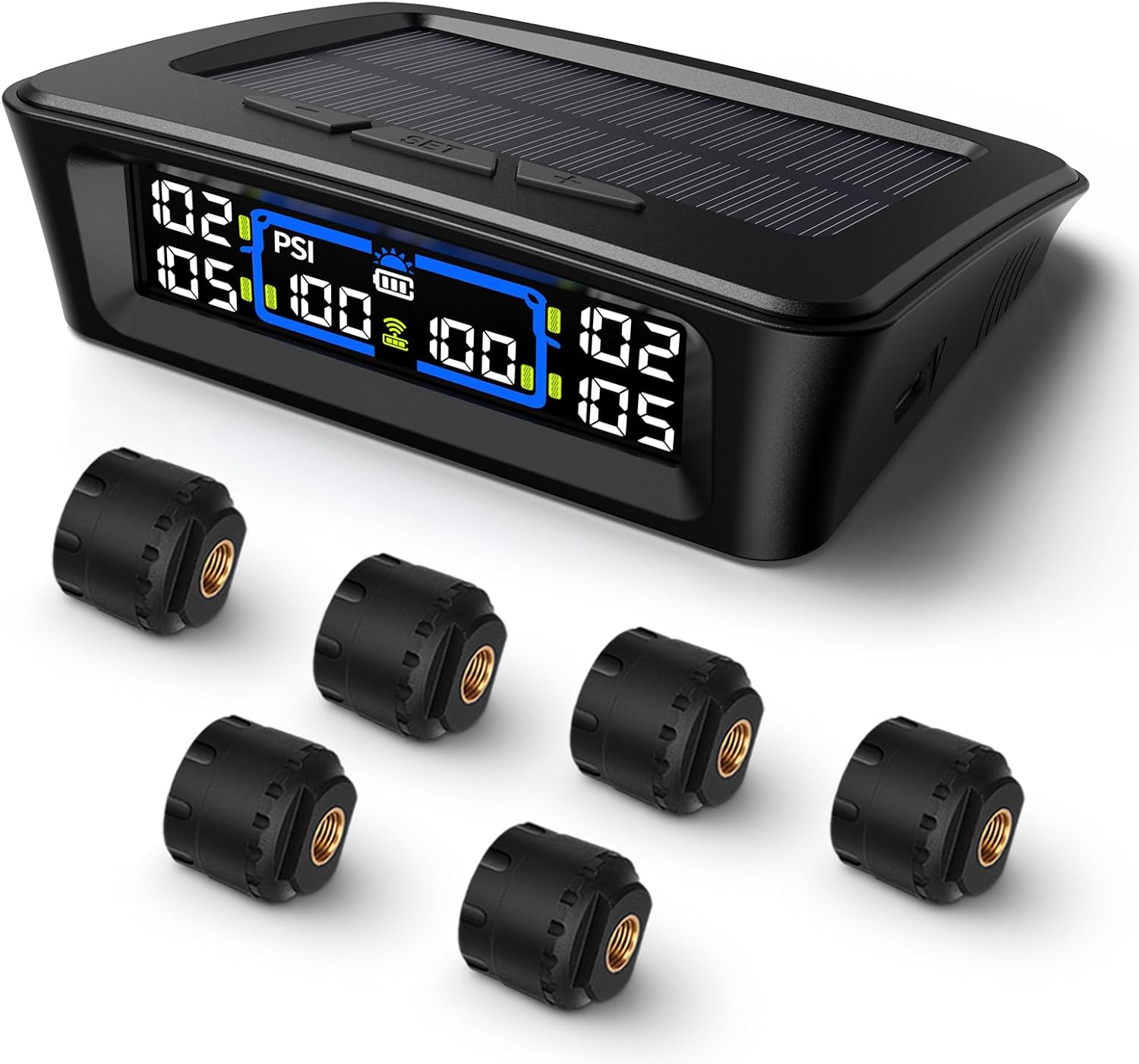
The Tymate TM12 RV TPMS delivers real-time tire pressure and temperature monitoring with a stable 433Hz display for safer long-distance driving. It supports simultaneous monitoring across vehicle and trailer zones, includes six alarm modes for pressure, temperature, leakage, battery, and signal loss, and features easy DIY installation with auto calibration. Power is supplied via USB-C charging or solar recharging, with a wide 0–144 PSI range and up to 50 ft signal coverage for RVs and towable trailers.

The SAFELIFE dial tire tread depth gauge measures tread depth in 1/32 inch increments with clear, easy-to-read 2-inch dial face. Color zones using a traffic light system help you quickly judge whether tread is low, marginal, or ample for safer driving. Built with a durable zinc cast body and a metal detect probe for precise, comfortable use across cars, motorcycles, trucks, and buses.
What to Do Right Away if a Tire Bulges?
If you spot a tire bulge, stop driving as soon as it’s safe to do so and treat the tire as unsafe. Move the vehicle out of traffic, set the parking brake, and keep clear of the affected wheel.
Do a quick visual check from a safe distance; don’t press on the bulge or try to deflate the tire by hand. Note the tire’s position so you can identify it later. If you must move the car, drive only a very short distance at low speed to reach a secure area.
Inspect from a safe distance, don’t press the bulge, and move only briefly at low speed if needed.
Then arrange roadside help or a tow if needed. During a bulge inspection, look for cuts, sidewall damage, or uneven wear, but avoid using the tire further.
Add this event to your tire maintenance records and check the other tires for similar damage, because impact or underinflation may affect more than one wheel.
When You Need to Replace the Tire
You need to replace the tire once a bulge appears on the sidewall or tread, because the damaged internal cords can fail without warning. You shouldn’t treat it as a repairable cosmetic issue. A bulge means the tire’s structure has already weakened, and continued driving raises the risk of blowout, loss of control, and wheel damage.
During tire maintenance, inspect all tires for uneven swelling, exposed cords, cuts, and impact marks after potholes or curb strikes. These are clear replacement indicators. If the bulge grows, you feel vibration, or the tire loses pressure, stop driving and have the vehicle towed.
Don’t inflate the tire to “see if it holds”; pressure can worsen the failure. Replace the tire immediately, and inspect the matching axle tire for hidden damage. Also check the wheel for bends, since a damaged rim can create recurring stress and shorten the life of the new tire.
Frequently Asked Questions
Can a Tire Bulge Be Repaired Safely?
No, you generally can’t repair a tire bulge safely. Bulge causes usually mean internal sidewall damage, and repair options are limited to replacement. You should stop driving, inspect immediately, and replace the tire.
Will Tire Pressure Sensors Detect a Bulge?
No, you usually can’t rely on sensors alone. A tire pressure sensor may detect pressure loss, but not a bulge; check tire maintenance carefully, since bulge causes often hide internal damage you won’t see at first.
Does a Bulge Affect Highway Driving Differently?
Yes—on highways, you’ll feel reduced highway stability more because speed amplifies a tire’s weakness. Bulge severity matters; even a small bulge can fail suddenly under heat, load, and sustained steering forces.
Can Cold Weather Make a Tire Bulge Worse?
Yes, cold weather can worsen a tire bulge by lowering pressure and stressing weakened sidewalls. You should inspect it often, follow tire maintenance tips, and take winter driving precautions to reduce failure risk.
Should You Rotate Tires With a Bulge?
No, you shouldn’t rotate a tire with a bulge, even if it seems minor. For proper tire maintenance, inspect bulge causes first; the damaged tire can fail suddenly, so isolate it and replace it promptly.
Conclusion
A tire bulge is a hidden crack in your road companion’s armor, and driving on it is like crossing a bridge with one weak plank. You can keep rolling for a moment, but the risk grows fast: blowout, loss of control, and costly damage. Check the tire right away, reduce speed, and avoid long trips. If you spot a bulge, don’t wait for it to fail—replace it before the road turns dangerous.
[Products Worth Considering]

The AICEL TPMS relearn tool helps you quickly reset or relearn tire pressure sensors after replacement, tire rotation, or resolving tire pressure alarms. It provides an activation reset function so your vehicle’s TPMS can operate optimally, saving time and money on frequent visits to an auto shop. Designed for easy use on most vehicles, it works by placing the tool near the valve stem and using the learn button.

Measure tire tread depth quickly and accurately with this LUMITECO dial gauge that reads in 1/32" increments up to 14/32". The color-coded green/yellow/red zones make it easy to judge tire wear and know when replacement is needed. A rugged, compact design with a protective pouch helps keep the gauge ready for use on cars, trucks, motorcycles, and more.

Keep your tires properly inflated with this analog VONDIOR tire pressure gauge, designed for fast, easy readings without batteries. The swiveling, two-axis hose and large glow dial help you measure at any tire angle with instant visibility. Built with a protective rubber shield, it supports durable, low-maintenance use for cars and trucks.

Related Articles
Is Tire Siping Worth It? Benefits and Drawbacks
Better grip in wet and wintry driving might tempt you—but is tire siping actually worth the tradeoffs?
Read More
Will a Donut Spare Fit Your Car? How to Check
How to tell if a donut spare will fit your car before you risk a dangerous mismatch.
Read More
What Happens if Tire Pressure Is Too Low?
Low tire pressure can quietly damage tires and reduce safety—find out the warning signs before it costs you more.
Read More