
Which Part of a Tire Can Be Patched Safely?
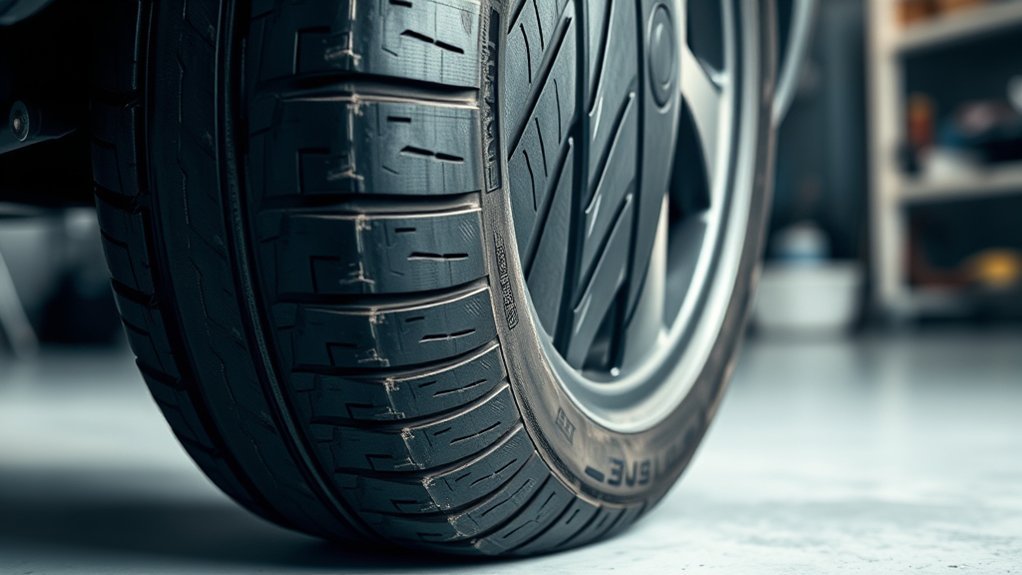
You can safely patch only a small puncture in the tread’s central repair zone. That means damage from a nail or screw in the flat tread area, not the shoulder or sidewall. The tire shouldn’t have been driven flat for long, and an inside inspection should confirm there’s no hidden damage. Use an approved plug-patch repair, then recheck for leaks. If the puncture’s near the shoulder, you’ll want to know why that matters.
Key Takeaways
- Small punctures in the central tread area are usually safe to patch.
- Nail or screw holes in the tread are often repairable.
- The tire should not have been driven flat for long.
- Sidewall punctures are not safely patchable and need replacement.
- Punctures near the shoulder are generally not repairable.
[Products Worth Considering]

Measure tire tread depth quickly and accurately with this LUMITECO dial gauge that reads in 1/32" increments up to 14/32". The color-coded green/yellow/red zones make it easy to judge tire wear and know when replacement is needed. A rugged, compact design with a protective pouch helps keep the gauge ready for use on cars, trucks, motorcycles, and more.

The SAFELIFE dial tire tread depth gauge measures tread depth in 1/32 inch increments with clear, easy-to-read 2-inch dial face. Color zones using a traffic light system help you quickly judge whether tread is low, marginal, or ample for safer driving. Built with a durable zinc cast body and a metal detect probe for precise, comfortable use across cars, motorcycles, trucks, and buses.

Monitor tire tread wear with a smart, color-coded depth gauge that shows clear condition ranges at a glance. The bar is range marked for fast, easy readings, helping you maintain safer traction and performance. Each gauge is portable with a pocket clip, and the set includes 20 units for daily use and sharing.
Which Tire Punctures Can Be Repaired?

Not every tire puncture can be repaired, so you need to check the location, size, and type of damage first. You can usually repair a tread puncture if it’s small, round, and caused by a nail or screw. A repair works best when the hole is in the central tread area and the tire hasn’t been driven while flat for long.
You should remove the tire, inspect the inside, and confirm there’s no hidden belt or liner damage. Effective tire repair techniques use a combination plug-and-patch or an internal patch, depending on the casing condition. You must also follow puncture safety guidelines and reject any tire with cuts, bulges, exposed cords, or multiple injuries.
If the puncture is too large, too close to the shoulder, or angled through the tread, replacement is the safer choice. When in doubt, don’t guess; verify the damage before you decide.
Can You Patch a Tire Sidewall?
A tire sidewall can’t be patched safely in normal service. You should treat any cut, puncture, bulge, or abrasion there as structural damage, not a routine repair. The sidewall flexes constantly, carries load, and protects the belts; once you compromise it, heat and stress can spread the failure.
Standard plugs and patches won’t restore full strength, so sidewall repairs don’t meet accepted tire safety standards.
Standard plugs and patches can’t restore sidewall strength, so these repairs fall short of tire safety standards.
If you find damage on the sidewall, stop using the tire and inspect it immediately. Look for cords, cracking, or a bubble, and don’t inflate a tire that’s losing air from that area.
A professional may recommend replacement instead of repair, especially if the damage is deep or the tire ran flat. You protect yourself by avoiding temporary fixes and by replacing the tire before a weakened sidewall fails at speed, during cornering, or under heavy load.
Where Can You Patch a Tire Tread?
You can patch a tire tread only in the repairable central area, typically the crown between the outer shoulder blocks, where the puncture stays within the tread rubber and away from the sidewall or shoulder.
You inspect the tire tread from both inside and outside, then confirm the damage is small, round, and not distorted. Use approved patch materials and a matching plug-patch system when the injury passes through the carcass.
Clean the inner liner, roughen the repair zone, and center the patch over the puncture. Press it firmly to remove air and restore seal integrity.
- Check for embedded belts or separated plies.
- Verify the tread depth still supports repair.
- Remove all foreign debris before marking the spot.
- Follow torque and inflation specs after installation.
- Reinspect for leaks before returning the tire to service.
[Products Worth Considering]

Accurately measure tire tread depth with a calibrated gauge marked from 0 to 1 inch in 1/32 inch increments. The color-coded bar helps you quickly identify tread condition ranges, supporting safe driving for trucks, motorcycles, automobiles, and passenger vehicles.

Steelman white tire marking crayons provide high-contrast, semi-permanent marks for repairing and inspecting tires and equipment. They write on wet or dry, smooth or coarse surfaces including rubber, metal, glass, and wood, making them ideal for puncture location and damage outlining. The lead- and zinc-free crayons resist weather and fading yet wipe away when you no longer need the marks.

Vigorder rubber cement glue delivers superior adhesion and cures quickly within about 30 seconds for seamless rubber bonding. Once cured, it helps provide a strong, durable, waterproof seal that holds up to vehicle weight, pressure, and heat. Suitable for cars, motorcycles, trucks, bicycles, and off-road tires, it’s designed for emergency patch and maintenance repairs.
How Close to the Shoulder Is Too Close?
The shoulder marks the edge of the repairable crown, and a puncture gets too close once it starts to enter the curved shoulder area or the sidewall junction. You should treat that zone as outside normal repair safety limits because the casing flexes sharply there.
Even if the damage looks small, the patch can’t bridge the higher stress and heat that build at the shoulder. Follow tire shoulder guidelines by measuring from the tread’s flat center area, not from the outer sidewall bulge.
If the puncture sits near the boundary curve, you’re already in a borderline area and a technician should inspect it from inside the tire. A safe repair needs stable rubber, consistent plies, and enough crown width to support the patch.
When the hole crosses into the shoulder curve, you can’t count on a durable seal. Use the location, not the plug size, to judge repairability.
When Should You Replace a Tire Instead?
Replace the tire instead when the puncture lands in the shoulder, sidewall, or any area where the inner structure’s damaged beyond a simple tread repair. You should also replace it if the cut is long, the cords show, or the rubber has separated. A plug or patch won’t restore full strength in those cases, and failure risk rises under load or heat.
- Check tread depth; if it’s near the wear bars, replacement is smarter.
- Replace tires with bulges, bubbles, or impact breaks.
- If punctures exceed repair limits or overlap, don’t patch again.
- Consider tire lifespan; old rubber can harden and crack.
- Match replacement tires on the same axle for balanced handling.
If you’ve driven on a flat, inspect the sidewalls and beads before reuse.
When in doubt, choose replacement over repair; it protects braking, steering, and long-term safety.
Frequently Asked Questions
How Long Does a Tire Patch Typically Last?
You can expect a properly installed tire patch to last the tire’s lifespan, often years. Patch durability depends on damage size, location, and driving conditions, so you’ll want regular inspections for leaks or tread wear.
Can Multiple Punctures Be Repaired on One Tire?
Yes, you can repair multiple punctures on one tire, but only if they’re small, separated, and within repair limitations. For example, two nail holes in the tread might be fixable; sidewall damage isn’t.
Is It Safe to Drive Immediately After Patching a Tire?
No, you shouldn’t drive immediately after patching a tire. You need cure time for patch effectiveness and verify driving safety; then reinflate, inspect for leaks, and follow the repair shop’s recommended waiting period before driving.
Do Tire Patches Work on Run-Flat Tires?
No, not usually; run-flat durability often survives temporary zero-pressure driving, yet you’ll rarely trust patching techniques alone. You should inspect the inner liner, sidewalls, and bead damage, then patch only manufacturer-approved punctures.
Can a Patched Tire Pass a Safety Inspection?
Yes, you can pass if the repair follows tire inspection guidelines and proper patching techniques. You’ll need a professional to verify tread, sidewall, and inflation integrity, and inspectors may reject damage outside approved repair zones.
Conclusion
You can safely patch your tire only in the tread, and only when the puncture sits in the central repair zone. Don’t patch the sidewall or anything too close to the shoulder, because those spots flex too much and can fail fast. Check the damage carefully, follow the repair rules, and replace the tire if the cut is large, irregular, or worn out. Smart, safe service keeps you rolling reliably.
[Products Worth Considering]

Mosconly tire repair glue and nail kit delivers an elastic, waterproof bond for quick sidewall puncture repairs. The adhesive cures securely to help prevent peeling, flaking, and tearing, while the included nails support a strong, seamless repair. Designed for easy roadside use, it works on car, motorcycle, bike, and other tire types, with full curing within 24 hours.

AUTOWN’s 68-piece tire repair kit helps you fix punctures and plug flats quickly and effectively. It includes a T-handle and spiral probe tool for easy insertion, while the steel patch and plug materials are designed for strong adhesion and long-lasting airtight performance. The compact case makes it convenient for roadside repairs across a wide range of vehicles.

This screw-in tire plug kit provides a fast, efficient way to repair punctures without flaring tools. Choose the correct plug size, then screw the rubber nail plug into the tire hole for a secure, sealed connection that helps prevent water intrusion. The 70-piece set is designed for universal emergency roadside use across cars, motorcycles, trucks, ATVs, bicycles, and more.

Related Articles
What Are Tire Valve Stems and How Do They Work?
Mysterious tire valve stems quietly seal air in and dirt out, but what happens when they fail might surprise you.
Read More
Why Do Tires Lose Pressure? 9 Real Causes
Puzzled by tire pressure loss? Discover 9 real causes behind slow leaks, aging, and cold weather, and find out which one is affecting yours.
Read More
Why Do I Keep Getting Nails in My Tires?
I keep getting nails in my tires because hidden road hazards are everywhere—discover the overlooked spots and habits that could be costing you.
Read More