
4Runner Tire Size Calculator: How to Compare Dimensions
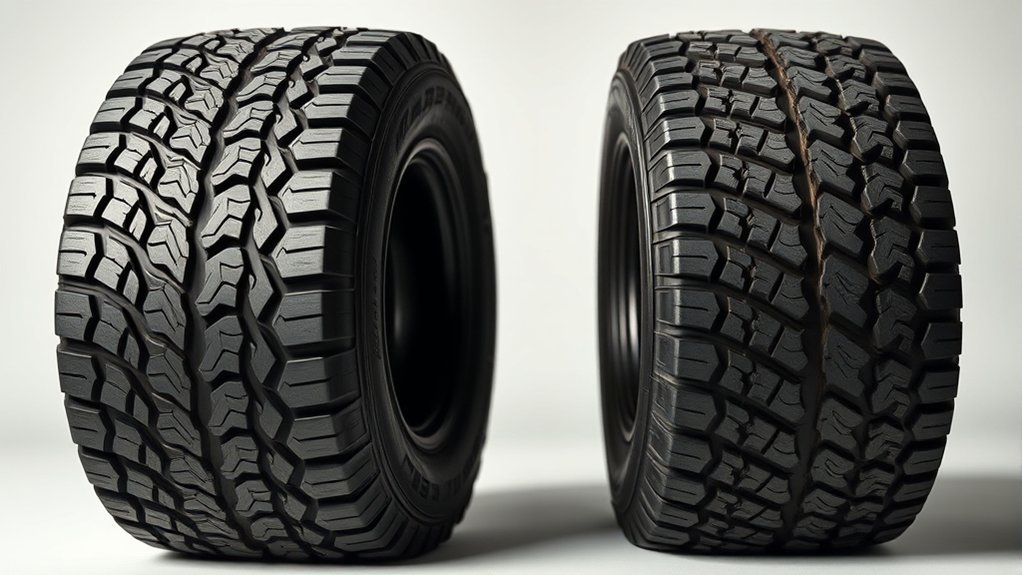
To compare tire sizes for your 4Runner, start by understanding tire codes, focusing on section width, aspect ratio, and diameter. Keep your new tire size within 3% of factory specifications to guarantee safety and performance. You can use online tire size calculators to visualize differences easily. When upgrading, verify adequate clearance in your wheel well and remember to recalibrate your speedometer if you exceed the recommended size. There’s plenty more to learn about optimizing your tire choices.
Why Tire Size Matters for Your 4Runner
When you’re maneuvering challenging terrains or cruising down the highway, the tire size on your 4Runner plays an essential role in how your vehicle performs. Choosing the right size impacts handling, stability, and traction, especially off-road. Wider tires can improve grip but may elevate the risk of hydroplaning in wet conditions, so you’ll need to balance performance with safety.
Maintaining a tire size within 3% of factory specifications is important for ideal results. Larger tires can skew your speedometer readings, making it crucial to take into account how size affects your measurements. Don’t forget about tire pressure; it greatly influences ride comfort and tread patterns. Properly inflated tires guarantee even wear and enhance performance, helping you conquer any terrain with confidence. Understanding these factors empowers you to make informed decisions, giving you the freedom to explore wherever the road—or trail—takes you.
Understanding Tire Codes and Sizes
When you look at tire codes, you’re uncovering key information about your tire’s specifications. These codes reveal everything from size to intended use, helping you choose the right fit for your 4Runner. Understanding aspects like section width and aspect ratio is essential for peak performance and safety on the road.
Tire Code Breakdown
Tire codes are vital for understanding how to choose the right tires for your vehicle. These codes, like P265/70R17, reveal important details about your tire’s specifications.
- Section width affects grip and traction.
- The aspect ratio influences handling and comfort.
- Load capacity guarantees safety and performance.
The first number indicates the section width in millimeters (265), while the second shows the aspect ratio (70) as a percentage of the tire sidewall height to width. The last number denotes the wheel diameter in inches (17). Knowing these elements helps you select tires that fit your needs, providing a balanced ride and peak performance on the road. Understanding tire codes empowers you to liberate your driving experience.
Metric vs. Inch Sizes
Understanding the difference between metric and inch tire sizes can make all the difference in selecting the right tires for your vehicle. Tire sizes are typically expressed as metric (e.g., 265/70R17) or inch variations (e.g., 31×10.5R15). The first number indicates width—millimeters for metric and inches for inch sizes. Here’s a quick comparison:
| Metric Size | Inch Size |
|---|---|
| 265mm | 10.4 inches |
| 70% | Not specified |
| R17 | R15 |
| Radial | Radial |
Understanding metric conversions is essential, as a tire’s diameter impacts vehicle performance, altering ground clearance and speedometer readings. Choose wisely!
Aspect Ratio Explained
Choosing the right tire size involves more than just width and diameter; the aspect ratio plays a vital role too. This ratio, like in the code 265/70R17, indicates the sidewall height as a percentage of the tire’s width. A higher aspect ratio means a taller sidewall, which can provide significant aspect ratio benefits:
- Improved ride comfort
- Better absorption of road imperfections
- Enhanced stability on rough terrain
On the flip side, a lower aspect ratio offers better handling and responsiveness, perfect for spirited driving. Remember, changing the aspect ratio can alter your tire’s overall diameter, impacting speedometer accuracy and vehicle performance. Keep adjustments within 3% of the original size to guarantee safety and ideal driving experience.
How to Compare Tire Sizes
When you’re comparing tire sizes, accurate measurements are essential for ensuring compatibility and performance. Using visual comparison techniques can help you see how different options affect your vehicle’s look and handling. Remember, staying within a 3% diameter difference is key to keeping your speedometer accurate and your ride smooth.
Importance of Accurate Measurements
Accurate tire measurements play an essential role in ensuring your vehicle’s performance remains ideal. When you prioritize precision, you minimize handling issues and enhance safety. To effectively compare tire sizes, focus on key dimensions like section width, aspect ratio, and wheel diameter. These factors greatly influence your ride quality and vehicle dynamics.
- Feel the thrill of smooth handling.
- Experience the freedom of accurate speed readings.
- Enjoy peace of mind with reliable braking performance.
Using measurement tools and a tire size calculator helps visualize differences, ensuring you stay within a recommended 3% diameter change. By monitoring revolutions per mile, you can prevent discrepancies in your speedometer and odometer, further emphasizing the precision importance for your driving experience.
Visual Comparison Techniques
How can you effectively compare tire sizes to guarantee the best fit for your 4Runner? Start by using tire size comparison tools that let you input dimensions of different tires. These measurement tools help visualize differences in diameter and width, making it easier to see how changes impact your vehicle’s aesthetics and performance. Leverage visual aids, such as side-by-side comparisons, to clearly understand the effects of aspect ratios on sidewall height, which influences ride comfort and handling. Tire size charts are also handy, showing equivalent sizes in both metric and inch formats. Remember, keeping new tire dimensions within a 3% change from stock size is essential for maintaining accurate speedometer readings and ideal vehicle handling.
Factors Affecting Compatibility
To guarantee your 4Runner tires fit properly, you need to evaluate several key factors. The section width, aspect ratio, and wheel diameter greatly impact compatibility. Remember, a change in tire diameter exceeding 3% can mess with your speedometer and handling.
- Feel the thrill of enhanced traction with the right tread patterns.
- Avoid the frustration of hydroplaning in wet conditions.
- Experience the freedom of smooth rides without tire rubbing.
Always consider tire load capacity and verify proper clearance within the wheel wells. A wider tire might boost grip but could raise the risk of hydroplaning. Ultimately, choose wisely to enjoy a liberating driving experience that keeps you on the road with confidence.
Impact of Changing Tire Size on Performance
When you change your tire size, it can greatly impact your vehicle’s performance in various ways. A larger tire diameter can boost your ground clearance, improving off-road capabilities. However, this change might compromise your on-road stability and handling dynamics. You’ll also notice alterations in acceleration and braking due to shifts in gear ratios and speedometer accuracy.
Wider tires can enhance traction, but if the aspect ratio isn’t matched right, you may face a higher risk of hydroplaning in wet conditions. Additionally, larger tires generally increase rolling resistance, which can decrease fuel efficiency and accelerate tire wear. If your new tire size exceeds 3% of the stock diameter, recalibrating your speedometer and odometer is crucial to guarantee accurate readings. Keep these factors in mind to maintain a balance between performance and safety.
What Are the Best Tire Size Upgrades for Your 4Runner?
Choosing the best tire size upgrades for your 4Runner can greatly enhance its performance and versatility. If you’re looking to conquer trails or tackle rough terrain, consider these options:
- 275/75R17: Boosts off-road capability while keeping speedometer accuracy.
- 31×10.5R17: A popular choice for improved traction and ground clearance without heavy modifications.
- 285/70R17: Offers a wider stance for stability and off-road performance.
Staying within a 3% diameter change from stock guarantees you won’t compromise handling. Always check that your upgraded tire fits within the wheel well to avoid rubbing during turns or suspension compression. For tire brand recommendations, look for brands known for durability and performance in off-road conditions. Upgrading your tires not only elevates your 4Runner’s capabilities but also empowers your adventures, allowing you to explore new horizons with confidence.
Maintaining Performance After Changing Tire Size
While upgrading your 4Runner’s tire size can enhance off-road capabilities, it’s vital to maintain performance to fully enjoy those benefits. Choosing tires within 3% of the original diameter helps guarantee peak handling, ride quality, and fuel efficiency. Larger tires can boost traction and ground clearance, but they can also increase drivetrain strain and alter gear ratios, possibly requiring recalibration.
After changing sizes, keeping an eye on tire pressure is essential. Different dimensions can affect how your vehicle handles and wear patterns, so check your pressure regularly to avoid issues. It’s also recommended to replace all four tires at once to prevent uneven wear and maintain balanced performance. This approach guarantees stability in various driving conditions, allowing you to fully embrace the freedom that comes with your 4Runner upgrade.
Speedometer Corrections for Tire Changes
Upgrading your 4Runner’s tire size can enhance its off-road prowess, but it also necessitates a speedometer recalibration to guarantee accurate readings. If your new tires differ by more than 3% from the stock size, you’ll need to adjust your speedometer. For instance, switching from a 30-inch tire to a 31-inch tire can make your speedometer read about 3.3% slower than your actual speed.
To keep your adventures safe and enjoyable, consider these points:
- Stay within legal speed limits
- Avoid potential fines for speeding
- Ensure accurate navigation during off-road trips
Performing a tire circumference calculation helps determine the necessary speedometer correction. Recalibrating your speedometer after a tire change isn’t just a good idea; it’s essential for maintaining accuracy and freedom on the road.
Essential Tips for Selecting the Perfect Tire Size
Selecting the right tire size for your 4Runner can greatly impact both performance and safety, so it’s crucial to understand a few key factors. Start by checking your vehicle’s specifications; aim for a tire size within 3% of the factory diameter to maintain peak performance. Familiarize yourself with the tire code breakdown: the first three digits indicate section width in millimeters, while the two-digit aspect ratio shows sidewall height as a percentage of that width.
Utilize tire selection strategies, like a tire size calculator, to compare dimensions—focus on diameter, width, and sidewall height. If you’re thinking about upgrading, consider performance considerations such as speedometer accuracy, which might need recalibration. Finally, regularly consult a conversion chart to guarantee you find compatible metric and inch sizes. This way, you’ll confidently select the perfect tires for your 4Runner, enhancing your driving experience.
Frequently Asked Questions
Can I Use the Calculator for Other Vehicle Types?
You can’t directly use the calculator for other vehicle types, as tire sizing varies considerably. Always check vehicle compatibility to guarantee safety and performance. Adapting the right tires liberates your driving experience.
How Do I Interpret the Calculator Results?
Interpreting the calculator results is like deciphering a map; you’ll find accuracy in the tread patterns’ details. Compare sizes carefully to guarantee your journey’s smooth, revealing the right fit for your vehicle’s freedom.
Is the Calculator Compatible With All Tire Brands?
The calculator’s compatible with most tire brands, but keep in mind tire size variations might affect fit. Always double-check specifications to verify your chosen brand aligns with your vehicle’s requirements for peak performance.
What if My Current Tires Are Not Listed?
What if your tires aren’t listed? Don’t worry! Explore tire alternatives and consider size adjustments. You’ve got options to enhance your ride, keeping it safe and stylish. Embrace the freedom of choice!
Does the Calculator Account for Different Wheel Widths?
Yes, the calculator considers different wheel widths, ensuring you find the right tire compatibility. By inputting your wheel width, you can confidently choose tires that enhance performance and fit your 4Runner perfectly.
Conclusion
In the world of 4Runners, choosing the right tire size is like finding the perfect pair of shoes—it’s all about the fit. By understanding tire codes, comparing sizes, and knowing how changes affect performance, you can enhance your ride. Whether you want better traction or a smoother drive, you’ve got the tools to make an informed choice. Keep your 4Runner performing at its best, and enjoy every adventure that comes your way!

Related Articles
Road Force Balance vs Standard Balance for a 4Runner
Need road force balancing for your 4Runner's highway shake, or is standard spinning enough? The answer depends on your tire size and driving habits.
Read More
4Runner Wobble at Low Speed: Could It Be the Tires
Got a mysterious 4Runner wobble under 25 mph? The culprit might surprise you.
Read More
4Runner Wheel Width Guide: Matching Tires to Rim Sizes
The ultimate guide to choosing the perfect wheel width for your 4Runner awaits—discover how the right fit can transform your off-road experience!
Read More