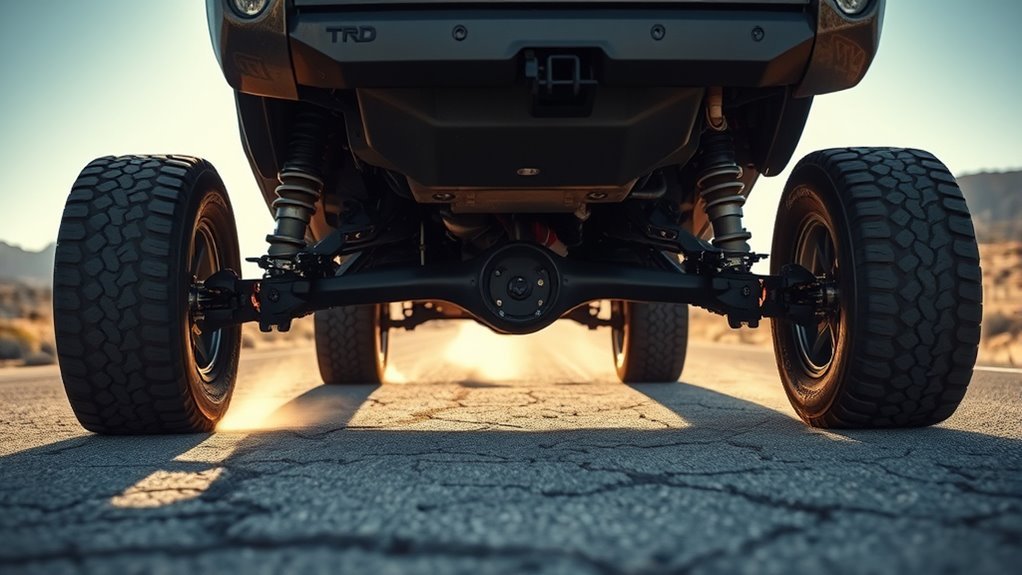
A low-speed wobble in your Toyota 4Runner often starts with the tires, especially after off-road driving, winter driving, a curb hit, or long gaps between rotations. Start with the simple checks first: packed mud or snow, cold tire pressure, tread wear, wheel weights, and visible tire damage. If those checks do not explain the shake, move on to balance, alignment, wheel bearings, ball joints, and brakes.
Quick Answer
Yes, a 4Runner low-speed wobble can come from tire problems. The most common tire-related causes are packed mud or snow inside the wheel, uneven tire pressure, cupped tread, a bent wheel, missing balance weights, or uneven wear from poor alignment. Check these before replacing suspension parts.
Key Takeaways
- A wobble right after mud, snow, or trail use often points to debris stuck in the wheels or wheel wells.
- Check tire pressure cold and match the driver-door Tire and Loading Information Label, not the maximum PSI on the tire sidewall.
- Cupping, feathering, bulges, exposed cords, or uneven tread depth can create shake and may also point to alignment or suspension issues.
- A standard balance may not catch every issue. Ask for road-force balancing if the shake remains after a normal balance.
- Stop driving and get help if the tire has a bulge, visible belt, severe vibration, grinding, or a loose-wheel feeling.
At a Glance
| Time Required | 5 to 15 minutes for a home tire check; 30 to 90 minutes for shop balancing or alignment |
| Difficulty | Easy for pressure, tread, and debris checks; advanced for lifted-wheel, brake, bearing, or ball joint checks |
| Tools Needed | Tire pressure gauge, tread depth gauge or penny, flashlight, gloves, water hose or pressure washer, camera, and wheel chocks |
| Cost | Free for home checks; commonly about $20 to $50 per wheel for balancing, more for road-force balancing, and about $100 to $200+ for alignment depending on location |
Warning: Do not keep driving if the wobble is severe, the tire has a bulge, cords are visible, the vehicle pulls hard, or you hear grinding. If you lift the 4Runner, work on level ground, chock the wheels, use jack stands, and never place any part of your body under a vehicle supported only by a jack.
Is Your 4Runner Shake Coming From the Tires? 3 Quick Checks
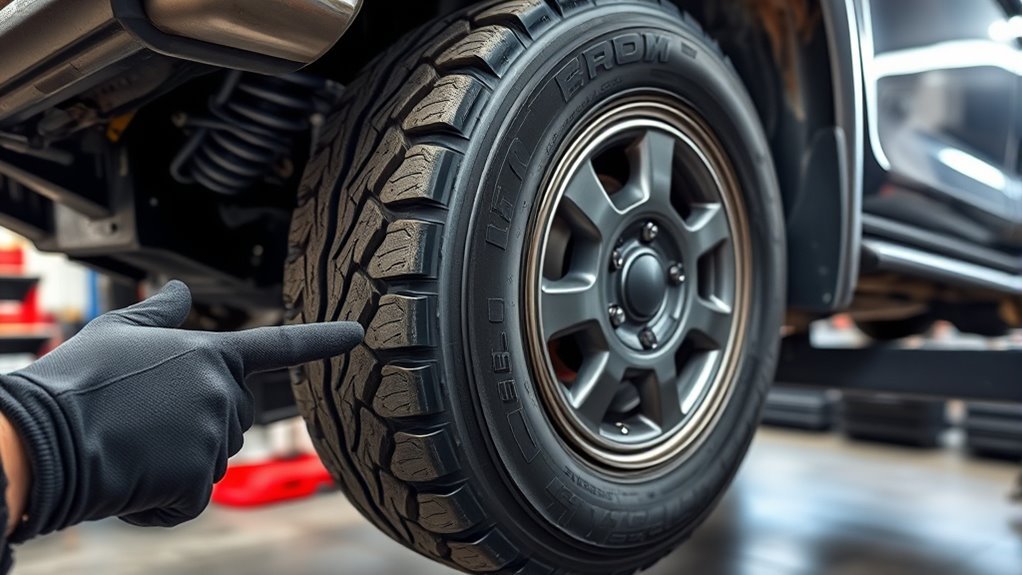
Start with tire checks before you assume the 4Runner needs suspension parts. Tire problems are common, easy to inspect, and often cheaper to fix than ball joints, bearings, or brake work.
- Look for mud, snow, ice, or gravel inside the wheels. Packed material can throw off wheel balance. This is especially common after trail driving, deep snow, or a muddy road.
- Check cold tire pressure. Use a quality gauge before driving or after the 4Runner has been parked for at least three hours. Match the Tire and Loading Information Label on the driver-side doorjamb or your Toyota owner’s manual. NHTSA explains that the correct pressure is the vehicle manufacturer’s cold pressure, not the maximum pressure printed on the tire sidewall.
- Inspect tread and sidewalls. Look for cupping, feathering, exposed cords, cracking, punctures, sidewall bubbles, or a tread depth that is worn down to 2/32 inch. NHTSA says tires should be replaced when tread is worn down to 2/32 inch.
After each fix, take a short, careful test drive on a smooth road. Note the speed when the wobble starts, where you feel it, and whether braking changes it. This helps separate tire shake from brake, bearing, or steering problems.
Pro Tip: Take photos of all four tires before visiting a shop. Photograph the inner shoulder, center tread, outer shoulder, sidewall, and any missing wheel weights. It gives the technician a clearer starting point.
Tire Balance or Alignment: What’s Causing Your 4Runner Shake?
Tire balance and wheel alignment can both cause a 4Runner to feel unstable, but they usually feel different. Balance problems often feel like a vibration that changes with speed. Alignment problems often feel like pulling, a crooked steering wheel, or uneven tire wear.
[Products Worth Considering]

The SAFELIFE dial tire tread depth gauge measures tread depth in 1/32 inch increments with clear, easy-to-read 2-inch dial face. Color zones using a traffic light system help you quickly judge whether tread is low, marginal, or ample for safer driving. Built with a durable zinc cast body and a metal detect probe for precise, comfortable use across cars, motorcycles, trucks, and buses.

Monitor tire tread wear with a smart, color-coded depth gauge that shows clear condition ranges at a glance. The bar is range marked for fast, easy readings, helping you maintain safer traction and performance. Each gauge is portable with a pocket clip, and the set includes 20 units for daily use and sharing.

Measure tire tread depth quickly and accurately with this LUMITECO dial gauge that reads in 1/32" increments up to 14/32". The color-coded green/yellow/red zones make it easy to judge tire wear and know when replacement is needed. A rugged, compact design with a protective pouch helps keep the gauge ready for use on cars, trucks, motorcycles, and more.
Wheel Balance Issues
Wheel balance is about weight distribution around the tire and wheel assembly. If the assembly is not balanced, it can shake as it rotates. NHTSA notes that tire balancing helps wheels rotate properly and prevents shake or vibration.
Common balance-related causes include:
- Missing wheel weights: A weight can fall off after a tire rotation, wheel cleaning, trail impact, or curb hit.
- Debris inside the wheel: Mud, ice, stones, or packed snow can create temporary imbalance.
- Bent wheel or tire runout: A bent rim or out-of-round tire may shake even after a normal balance.
- Tire uniformity problems: Some tire defects are easier to find with road-force balancing than a standard spin balance.
If the wobble stays after a normal balance, ask for road-force balancing. Road-force equipment uses a load roller to check how the tire and wheel behave under load and can help identify force variation, stiff spots, and match-mounting needs.
Alignment Problems
Alignment is about wheel angles. A misaligned 4Runner may not shake in the same way as an out-of-balance tire, but it can create tire wear that later causes vibration.
Watch for these signs:
- The 4Runner pulls left or right on a straight, level road.
- The steering wheel sits off-center while driving straight.
- One tire shoulder wears faster than the other.
- The tread feels sharp in one direction and smooth in the other, which is often called feathering.
- The vehicle feels nervous after hitting a pothole, curb, or trail obstacle.
Ask the shop for a printed alignment report. The before-and-after readings help show whether camber, caster, or toe was out of spec.
Tire Condition Check
Tire condition can reveal problems that a balance machine cannot fully solve. Inspect all four tires, not just the one you suspect.
- Measure tread depth in three places. Check the inner shoulder, center, and outer shoulder. A large difference across the tread means you should check pressure, alignment, and suspension wear.
- Look for cupping. Cupping looks like small dips or scallops around the tread. It can come from worn shocks, poor balance, missed rotations, or incorrect pressure.
- Check sidewalls. Bulges, cuts, cracking, or delamination are safety concerns and need immediate attention.
- Check tire age. Find the DOT date code on the sidewall. Tire aging depends on heat, storage, use, and maintenance, so do not judge an old tire by tread depth alone.
Cupped Treads, Uneven Wear, and Pressure Issues That Cause 4Runner Shake
Cupped tread can make a 4Runner feel like it is thumping or wobbling at low speeds. The tire is no longer rolling on an even surface, so each high and low spot hits the road in a repeating pattern.
Uneven pressure can make the problem worse. Underinflation lets the sidewall flex too much and can speed up shoulder wear. Overinflation can reduce ride comfort and may wear the center tread faster. Check pressure cold at least monthly and before long trips, towing, or trail driving.
Rotation also matters. NHTSA advises rotating tires every 5,000 to 8,000 miles if the vehicle manufacturer recommends it, or sooner if uneven wear appears. For your 4Runner, confirm the exact pattern and interval in the Toyota owner manual for your model year.
NHTSA reports 511 traffic fatalities in tire-related crashes in 2024, which is a strong reminder that tire pressure, tread, balance, and alignment are safety issues, not just comfort issues.
[Products Worth Considering]

Accurately measure tire tread depth with a calibrated gauge marked from 0 to 1 inch in 1/32 inch increments. The color-coded bar helps you quickly identify tread condition ranges, supporting safe driving for trucks, motorcycles, automobiles, and passenger vehicles.

This universal wheel alignment tool helps you accurately restore tire tilt angles after tire or suspension repairs using an adjustable camber gauge. It features a powerful magnetic base that firmly attaches to brake rotors for stationary, slip-free readings, improving consistency during measurement. Built from durable PC plastic, it resists wear and corrosion and is compact enough for car, truck, RV, and motorcycle alignment tasks.

Steelman white tire marking crayons provide high-contrast, semi-permanent marks for repairing and inspecting tires and equipment. They write on wet or dry, smooth or coarse surfaces including rubber, metal, glass, and wood, making them ideal for puncture location and damage outlining. The lead- and zinc-free crayons resist weather and fading yet wipe away when you no longer need the marks.
Mud, Snow, and Debris: Hidden Causes of 4Runner Tire Imbalance
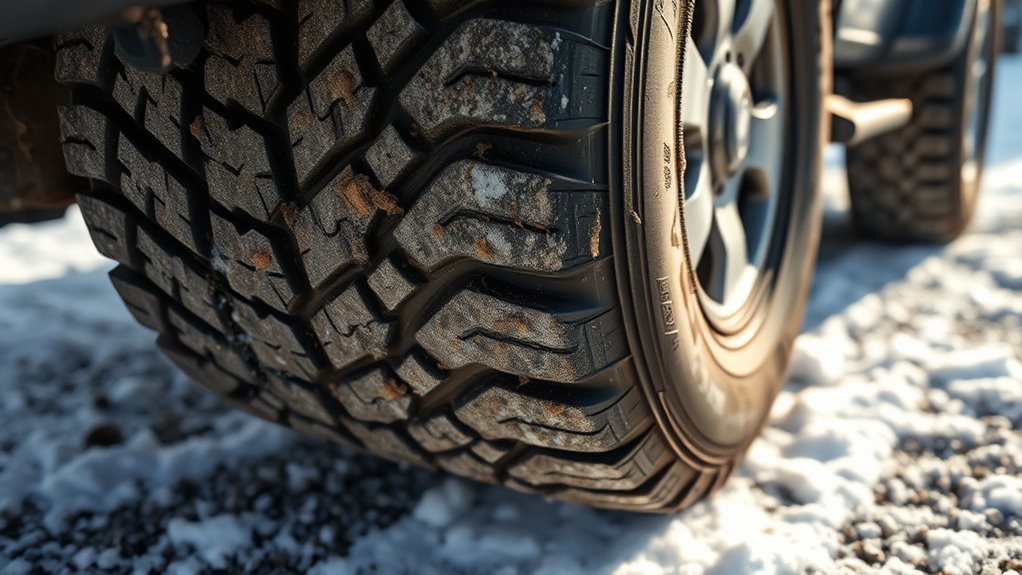
A 4Runner is built for rough roads, but that also means debris can collect where you may not notice it. Mud can cake inside the rim barrel. Snow and ice can freeze to the wheel. Gravel can lodge near the brake shield or inside the tread.
Use this cleaning routine after mud, snow, or trail use:
- Park safely and let the brakes cool before spraying cold water near the wheels.
- Rinse the inside of each wheel, not just the outside face.
- Clean the wheel wells, brake shield area, and rim barrel.
- Check for missing wheel weights after cleaning.
- Retest at low speed on a smooth road.
If the wobble disappears after cleaning, you likely found a temporary imbalance. If it stays, move on to pressure, tread, balance, alignment, and mechanical checks.
Check Your Tires Yourself: A 5-Minute Pre-Shop Inspection
Before paying for diagnostics, do a quick inspection at home. This does not replace a professional inspection, but it can help you explain the problem clearly and avoid guessing.
Visual Tire Inspection
Walk around the 4Runner and inspect each tire with a flashlight.
- Check tread depth. Use a tread depth gauge. Replace tires that are worn to 2/32 inch, and consider earlier replacement for wet or winter driving if traction feels poor.
- Compare wear across the tire. Inner-edge or outer-edge wear can point to alignment or suspension issues.
- Look for cupping or scalloping. Run your hand lightly over the tread. A wavy surface can create thumping or vibration.
- Inspect sidewalls. Any bulge, deep cut, cracking, or exposed material is a stop-driving warning.
- Check the wheel. Look for bent lips, fresh impact marks, or missing balance weights.
Tire Pressure Check
Pressure checks are most accurate when the tires are cold. NHTSA defines cold as the vehicle sitting for at least three hours. Check all four tires and the spare if equipped.
Follow this process:
- Find the Tire and Loading Information Label on the driver-side doorjamb.
- Use a reliable pressure gauge before driving.
- Adjust each tire to the recommended cold pressure.
- Recheck after a few minutes to confirm the reading.
- If one tire keeps losing air, inspect for a nail, valve stem leak, bead leak, or wheel damage.
Note: The PSI printed on the tire sidewall is not the normal driving pressure. It is usually the maximum pressure for the tire. Use the 4Runner’s door label or owner manual for the correct cold pressure.
Professional Tire Inspection: Process, Tools, and Pricing
If your home checks do not solve the wobble, ask a tire shop or Toyota technician for a structured inspection. A good shop should not jump straight to parts replacement. It should test the tire and wheel assemblies first.
Ask for these items:
- Balance check: Confirms whether the tire and wheel assembly is out of balance.
- Road-force balance: Helpful when a normal balance does not solve the shake.
- Wheel runout check: Helps find a bent wheel or out-of-round tire.
- Tread depth and wear report: Shows whether cupping, feathering, or shoulder wear is present.
- Alignment check: Confirms whether camber, caster, or toe is causing tire wear or pull.
- Torque check: Confirms lug nuts are tightened to the proper specification from the service information.
Pricing varies by region and shop. A standard tire balance may be priced per wheel. Road-force balancing often costs more because it takes more time and equipment. Alignment is usually a separate service. Ask what is included before approving the work.
[Products Worth Considering]

The Ziopetru adjustable magnetic wheel alignment tool helps you check and restore camber and caster positioning after removing and reinstalling undercarriage components. With a clear leveling/bubble measurement system and an easy zeroing adjustment knob, it supports precise horizontal angle checking. The strong magnetic base mounts to metal surfaces for convenient use at home on cars, motorcycles, trucks, vans, and SUVs.

The Trivd Frol 1/2" air impact wrench delivers high performance torque up to 1500 ft-lbs with a twin hammer impact mechanism for strong, balanced blows. It features an ergonomic grip, compact lightweight design, and quick-stop control with 3 forward speeds up to 8000 RPM plus a reverse speed. Built for demanding automotive repair and tire shop work, the rear exhaust helps keep debris away from the surface.

This 3-piece wheel and tire brush set makes it easy to clean light, medium, and heavy dirt from wheels, rims, tires, and exterior surfaces. It includes both soft and stiff bristle options for gentle scrubbing and tough grime removal, helping lift brake dust and road buildup. The long-handle design supports comfortable cleaning across cars, trucks, SUVs, RVs, motorcycles, and more, with simple care instructions to restore brush shape.
How to Tell Where the Wobble Is Coming From
Where you feel the shake can help narrow the cause.
- Steering wheel shake: Often points to a front tire, front wheel balance issue, front wheel damage, or steering component wear.
- Seat or floor shake: Often points to rear tire balance, rear tire damage, or driveline-related vibration.
- Brake pedal pulsation: May point to brake rotor thickness variation or runout, not just tire balance.
- Shake after off-road driving: Check for mud, snow, stones, or bent wheels first.
- Shake after a tire rotation: Recheck pressure, lug torque, wheel weights, and whether a worn tire moved to a position where you now feel it more.
Ball Joints, Bearings, and Brakes: When Tires Aren’t the Issue
If the tires, wheels, pressure, balance, and alignment check out, inspect the steering, suspension, wheel bearings, and brakes. These parts can create play, noise, pull, or vibration that feels like a tire wobble.
Possible non-tire causes include:
- Worn ball joints: May create clunking, wandering, uneven tire wear, or looseness when the wheel is checked safely off the ground.
- Failing wheel bearings: May create humming, growling, looseness, or vibration that changes when turning.
- Brake rotor issues: May cause pedal pulsation or shaking during braking.
- Sticking brake caliper: May cause pulling, heat at one wheel, burning smell, or uneven brake pad wear.
- Loose or damaged steering parts: May cause wandering, clunking, or delayed steering response.
Use the Toyota service manual specifications for your exact model year before condemning parts. If you are not trained to inspect lifted suspension and brake parts, have a qualified technician perform the checks.
Frequently Asked Questions
Why do my 4Runner tires feel wobbly at low speeds?
Your 4Runner tires may feel wobbly at low speeds because of packed mud or snow, uneven tire pressure, cupped tread, a bent wheel, tire separation, or poor wheel balance. Start with a cold pressure check, tread inspection, and wheel cleaning before moving to alignment or suspension checks.
Can mud or snow really make my 4Runner shake?
Yes. Mud, snow, ice, or stones stuck inside the wheel can add uneven weight to the tire and wheel assembly. That can create a temporary imbalance. Clean the inside of the wheels and wheel wells, then retest on a smooth road.
Is a low-speed wobble always caused by bad tires?
No. Tires are a common starting point, but worn ball joints, wheel bearings, brake rotors, sticking calipers, loose steering parts, or a bent wheel can also cause wobble. Rule out tire pressure, tread, debris, and balance first because those checks are faster and cheaper.
Will an alignment fix a 4Runner wobble?
An alignment can help if the 4Runner pulls, the steering wheel is crooked, or the tires show uneven shoulder wear. It may not fix a wobble caused by an out-of-balance tire, bent wheel, separated tire, wheel bearing, or brake problem.
When should I ask for road-force balancing?
Ask for road-force balancing if a standard balance does not remove the shake, if you suspect an out-of-round tire, or if the vibration started after installing new tires. It can find tire and wheel issues that a normal spin balance may miss.
Should I keep driving if my 4Runner has a wobble?
Drive only with caution if the wobble is mild and you are going directly to inspect or repair it. Stop driving if the shake is severe, a tire has a bulge or exposed cords, the vehicle pulls hard, the brakes grind, or a wheel feels loose.
Conclusion
A 4Runner low-speed wobble is easiest to solve when you check it in the right order. Start with the tires: clean out debris, set cold pressure, inspect tread, look for sidewall damage, and check for missing weights. Then move to balancing, road-force testing, alignment, and wheel runout. If those items pass, inspect ball joints, bearings, brakes, and steering parts. Do not guess at expensive repairs until the tire and wheel basics are confirmed.
Sources
- NHTSA TireWise – tire pressure, tread depth, rotation, balancing, alignment, tire aging, and tire-related crash safety data.
- Toyota Manuals and Warranties – official Toyota owner manual access for model-specific tire pressure, rotation, and service guidance.
- Hunter Road Force Wheel Balancers – road-force balancing, diagnostic load roller testing, and force matching for vibration complaints.