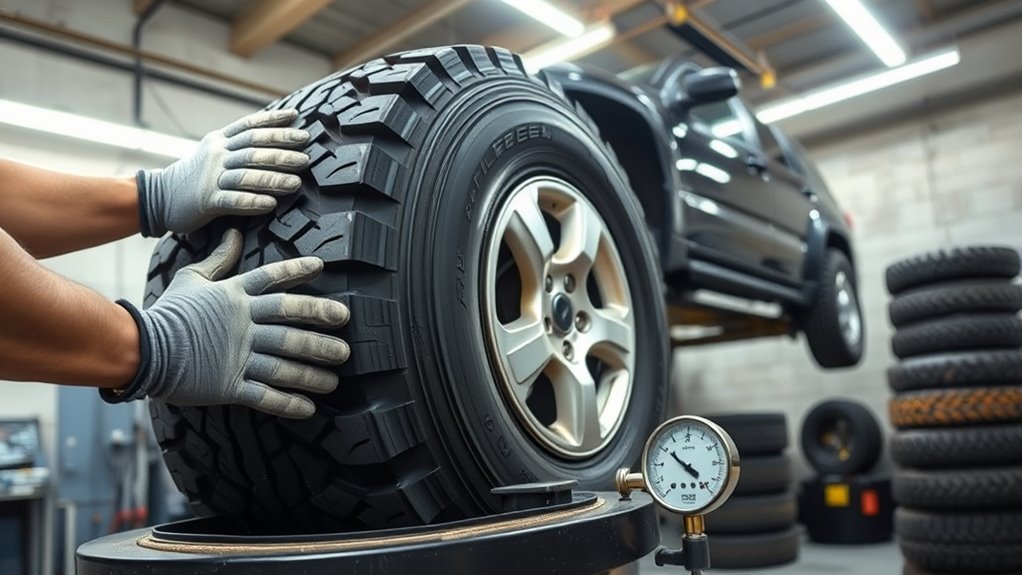
If your Toyota 4Runner’s steering wheel shakes at highway speed after a normal tire balance, the problem may be more than simple wheel weight. Road force balancing checks how the tire and wheel behave under load, which can expose tire stiffness, runout, or mounting issues that a standard spin balance may miss.
Quick Answer
Choose road force balancing for your 4Runner when vibration remains after a standard balance, especially with larger all-terrain or mud-terrain tires. Standard balancing is enough when the tires are stock-sized, evenly worn, properly inflated, and you have no steering wheel shake or seat vibration.
Key Takeaways
- Standard spin balancing corrects tire and wheel weight imbalance, which is enough for most smooth-riding daily drivers.
- Road force balancing is worth considering when highway vibration remains after a recent balance.
- Upsized 33-inch or 35-inch tires, aggressive tread blocks, heavy wheels, and off-road use can make tire-wheel imperfections easier to feel.
- Ask the shop whether it can measure road force, check runout, and match-mount the tire on the wheel.
- Balancing will not fix every shake. Bent wheels, damaged tires, brake pulsation, worn suspension parts, and alignment problems need separate diagnosis.
At a Glance
| Time Required | Usually 45 to 90 minutes for four wheels, depending on whether the shop needs to remount tires. |
| Difficulty | Shop service. You can inspect symptoms and ask the right questions, but the balancing requires a road-force-capable machine. |
| Tools Needed | Tire pressure gauge, tread-depth gauge, torque wrench for basic checks, and a shop with a Hunter Road Force, GSP9700, Road Force Elite/WalkAway, or equivalent balancer. |
| Cost | Higher than standard balancing. Ask for a per-wheel quote before approving the work. |
Last reviewed: July 7, 2026. This guide uses current tire-safety guidance from NHTSA, Toyota owner-manual resources, and Hunter Engineering’s Road Force equipment information.
Vibration Symptoms That Mean You Need Road Force Balancing
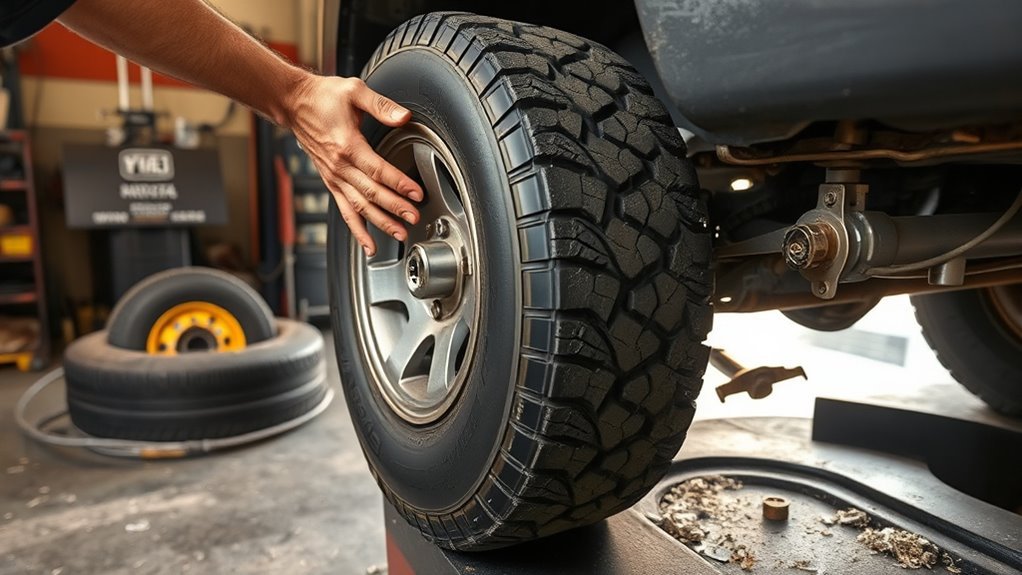
You should consider road force balancing when your 4Runner still shakes after a recent standard balance. The classic symptom is a steering wheel vibration that starts around highway speed, often near 55 to 75 mph, and then changes as speed changes.
Pay attention to where you feel the shake. A vibration in the steering wheel usually points toward the front tire and wheel assemblies. A vibration in the seat or floor often points toward the rear assemblies, although driveline and suspension problems can feel similar.
Warning: Do not treat severe vibration as “just a balance issue.” Stop and inspect the tires if you see a sidewall bulge, exposed cords, cracked tread, loose lug nuts, a bent wheel, or a tire that is losing air.
Road force balancing helps most when the tire and wheel are technically balanced by weight but still do not roll smoothly under load. Hunter Engineering describes its Road Force equipment as using a diagnostic load roller to help solve vibration problems and identify force-matching opportunities.
Check These Things Before Paying for Road Force Balancing
Before you pay for a premium balance, rule out the simple causes first. A 4Runner with underinflated tires, caked mud inside the wheels, uneven tread wear, or loose suspension parts can shake even when the tire shop did the balance correctly.
- Check cold tire pressure: Use the pressure listed on your tire placard or owner’s manual, not the maximum pressure on the tire sidewall. NHTSA recommends checking tire pressure at least monthly when the tires are cold.
- Clean the wheels and tires: Mud, gravel, ice, or packed debris inside a wheel can cause a temporary imbalance.
- Inspect tire condition: Look for cupping, feathering, uneven shoulder wear, sidewall bubbles, punctures, and tread separation signs.
- Check wheel damage: A bent wheel or excessive runout may need repair or replacement, not just balancing.
- Separate brake and alignment symptoms: Shake while braking can point to brake pulsation. Pulling left or right with uneven wear can point to alignment.
Note: NHTSA lists tire pressure, tread, balance, alignment, and rotation as separate maintenance items. Balancing helps wheel rotation, while alignment helps prevent pull and uneven tire wear.
Why Road Force Balancing Beats Standard Balancing for 4Runner Vibration
Standard balancing and road force balancing both matter, but they do different jobs. Standard spin balancing corrects weight imbalance. Road force balancing goes further by pressing a roller against the tire and measuring how the tire and wheel assembly rolls under load.
| Issue | Standard Balance | Road Force Balance |
|---|---|---|
| Main purpose | Corrects mass imbalance with wheel weights. | Measures loaded tire behavior, road force, and runout. |
| Best use | Routine tire installation, rotation, or minor vibration. | Persistent highway shake after a normal balance. |
| What it may miss | Tire stiffness variation, loaded runout, and tire-wheel mismatch. | Non-tire causes such as worn suspension, brake pulsation, or driveline vibration. |
| Typical 4Runner fit | Stock wheels, smooth tires, and no vibration complaint. | Larger tires, aggressive tread, heavy wheels, or stubborn shake. |
Road force balancing does not guarantee a perfect ride, but it gives the shop better diagnostic data. If the machine finds a high road-force reading, the technician may rotate the tire on the rim, a process often called match-mounting, to place the tire and wheel in a smoother position.
A standard balance can say the assembly is balanced by weight. A road force balance can show whether the assembly rolls smoothly under load.
[Products Worth Considering]

The Big Rig Defense Tire Thumper is a truck tire pressure checker that lets you quickly check multiple tires by giving them a firm whack. Listen for a reassuring thump and feel the stick bounce when a tire is fully inflated, helping you get back on the road safely. It features a comfortable, glove-friendly handle and a secure wrist strap for confident use on busy routes.

The Trivd Frol 1/2" air impact wrench delivers high performance torque up to 1500 ft-lbs with a twin hammer impact mechanism for strong, balanced blows. It features an ergonomic grip, compact lightweight design, and quick-stop control with 3 forward speeds up to 8000 RPM plus a reverse speed. Built for demanding automotive repair and tire shop work, the rear exhaust helps keep debris away from the surface.

This professional wheel and rim brush kit makes it easy to lift brake dust, grime, and dirt from wheels and tires without scratching finishes. The brushes feature soft, metal-free wool heads and a flexible 360-degree rim brush design for reaching hard-to-clean areas. Includes multiple brush types plus accessories for thorough car, motorcycle, and general vehicle detailing.
4Runner Setups That Actually Need Road Force Balancing
Not every 4Runner needs road force balancing. It becomes more useful when your tire and wheel setup is harder to balance or easier to feel through the steering wheel.
Consider it for these setups:
- 33-inch or 35-inch tires: Larger tires are heavier and can magnify small tire-wheel issues.
- Aggressive all-terrain or mud-terrain tread: Big tread blocks can create more road feel and make vibration diagnosis harder.
- Aftermarket wheels: Wrong hub fit, poor centering, or wheel runout can create shake even after balancing.
- Recent curb or pothole impact: A hard hit can bend a wheel, damage a tire, or shift the assembly out of balance.
- Repeated failed balances: If two standard balances do not solve the same highway shake, road force testing is the next logical step.
For a stock daily driver with no vibration, standard balancing is usually enough. Spend the extra money only when you have a symptom, a difficult tire package, or a shop diagnosis that points toward road force variation or runout.
[Products Worth Considering]

Measure tire tread depth quickly and accurately with this LUMITECO dial gauge that reads in 1/32" increments up to 14/32". The color-coded green/yellow/red zones make it easy to judge tire wear and know when replacement is needed. A rugged, compact design with a protective pouch helps keep the gauge ready for use on cars, trucks, motorcycles, and more.

Monitor tire tread wear with a smart, color-coded depth gauge that shows clear condition ranges at a glance. The bar is range marked for fast, easy readings, helping you maintain safer traction and performance. Each gauge is portable with a pocket clip, and the set includes 20 units for daily use and sharing.
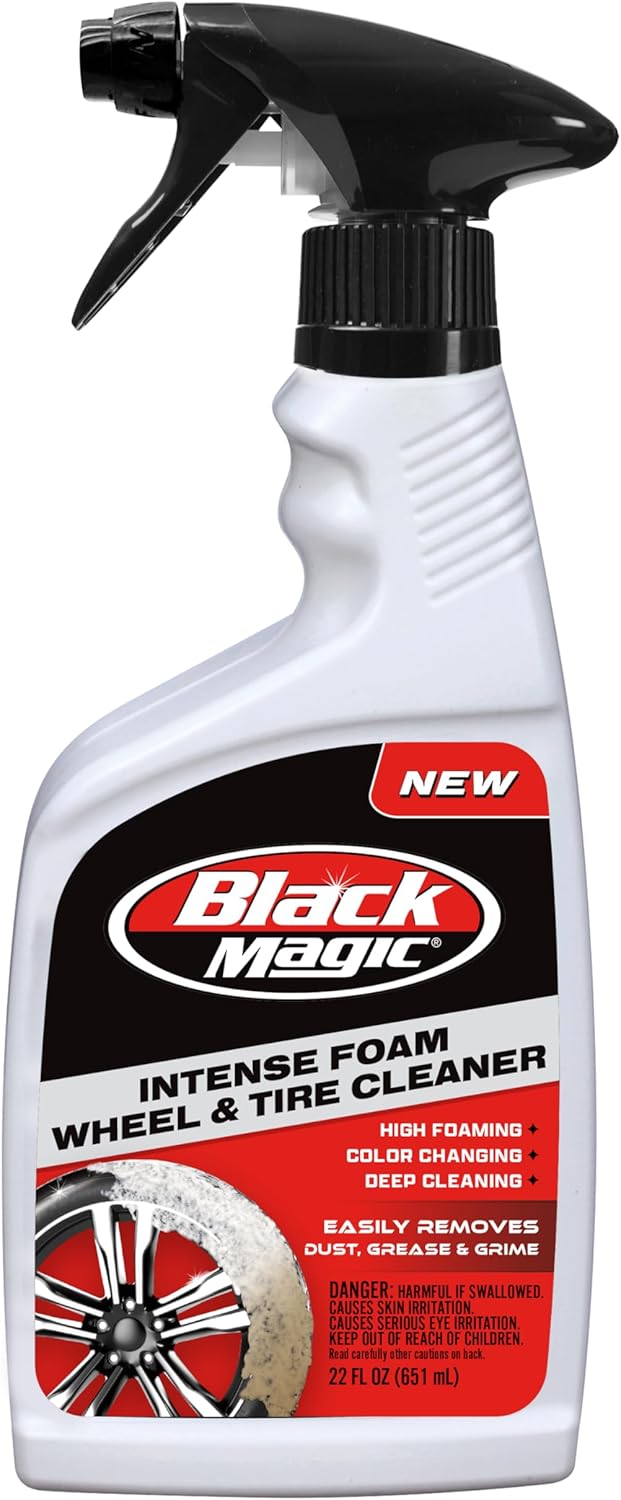
Black Magic Intense Foam Wheel & Tire Cleaner uses a high-foaming action to lift away dirt, grime, and brake dust without scrubbing. The color-changing formula helps show contaminants being dissolved as foam turns from white to brown. Safe for all wheel types and even wheel wells, it leaves a like-new, slick finish with a fresh cherry scent.
What the Shop Does During Road Force Balancing
A good road force balance is more than spinning the wheel and adding weights. Ask the shop to explain the process before it starts, especially if you are trying to fix a stubborn 4Runner vibration.
- Mount and center the assembly: The technician places the tire and wheel on the balancer and makes sure it is centered correctly.
- Measure imbalance: The machine checks where weight is needed, similar to a standard balance.
- Apply load with a roller: The road force machine presses against the tire to simulate loaded rolling conditions.
- Check road force and runout: The machine looks for tire stiffness variation, wheel runout, or a tire-wheel mismatch.
- Match-mount if needed: The technician may rotate the tire on the wheel to reduce the road-force value.
- Rebalance and verify: The assembly gets balanced again and checked before it goes back on the 4Runner.
Pro Tip: Ask for the before-and-after road force readings. You do not need to memorize the numbers, but you should know whether match-mounting improved the assembly.
Questions to Ask Your Tire Shop Before Paying for Road Force Balancing
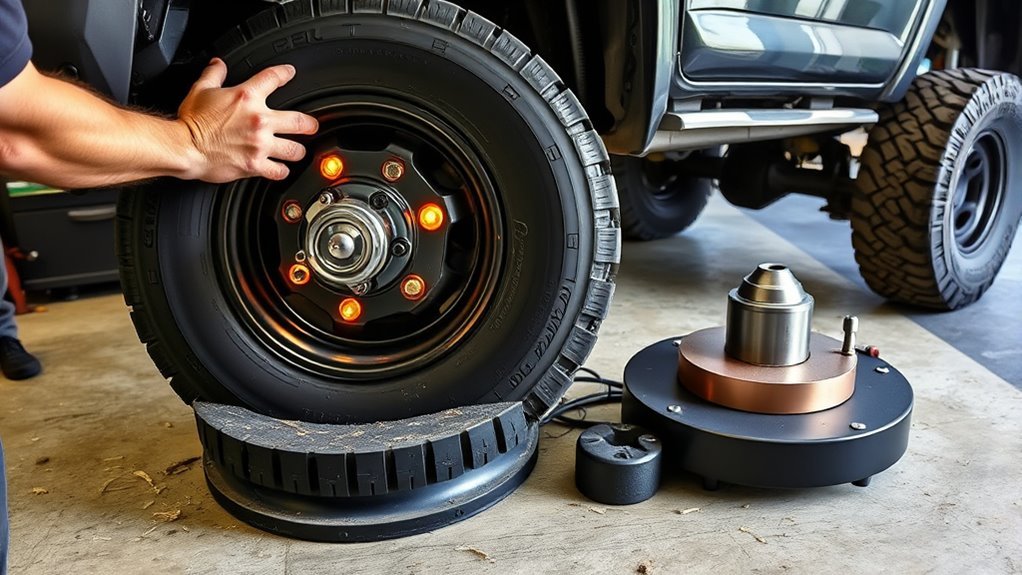
The right equipment matters, but the technician’s process matters too. Before approving the service, ask direct questions that reveal whether the shop can diagnose the problem instead of only selling a premium balance.
- Do you have a road-force-capable balancer? Ask for Hunter Road Force, Road Force Elite/WalkAway, GSP9700, or an equivalent machine that can apply load and measure road force.
- Will you check wheel and tire runout? Runout can point to a bent wheel, tire issue, or mounting problem.
- Will you match-mount if the reading is high? Road force testing is most useful when the shop can rotate the tire on the wheel to reduce the reading.
- Will you inspect the tire and wheel first? A damaged tire or bent wheel should not be hidden with weights.
- Can you handle larger 4Runner tires? Some shops are better equipped for heavy all-terrain tires, beadlock-style wheels, and oversized packages.
- What happens if road force balancing does not fix it? A good shop should discuss suspension, steering, brake, driveline, and alignment checks.
Describe the symptom clearly. Tell the shop the speed range, whether you feel it in the steering wheel or seat, and whether the vibration changed after rotation, off-road driving, or a tire installation.
Standard Tire Balancing: When It’s Actually Enough for Your 4Runner
Standard tire balancing is still the right choice for many 4Runner owners. If your tires are stock-sized, evenly worn, and not causing highway-speed vibration, a normal dynamic spin balance usually handles routine maintenance.
Use standard balancing after new tire installation, tire rotation, flat repair, or when a small vibration appears after normal driving. It is also the practical first step before paying for deeper diagnosis.
Keep the basics in order. Check your tire pressure when cold, inspect tread monthly, and follow your Toyota maintenance guide or the Toyota Owners manuals and warranties page for model-specific guidance. NHTSA also recommends tire rotation every 5,000 to 8,000 miles if your vehicle manufacturer recommends rotation.
[Products Worth Considering]
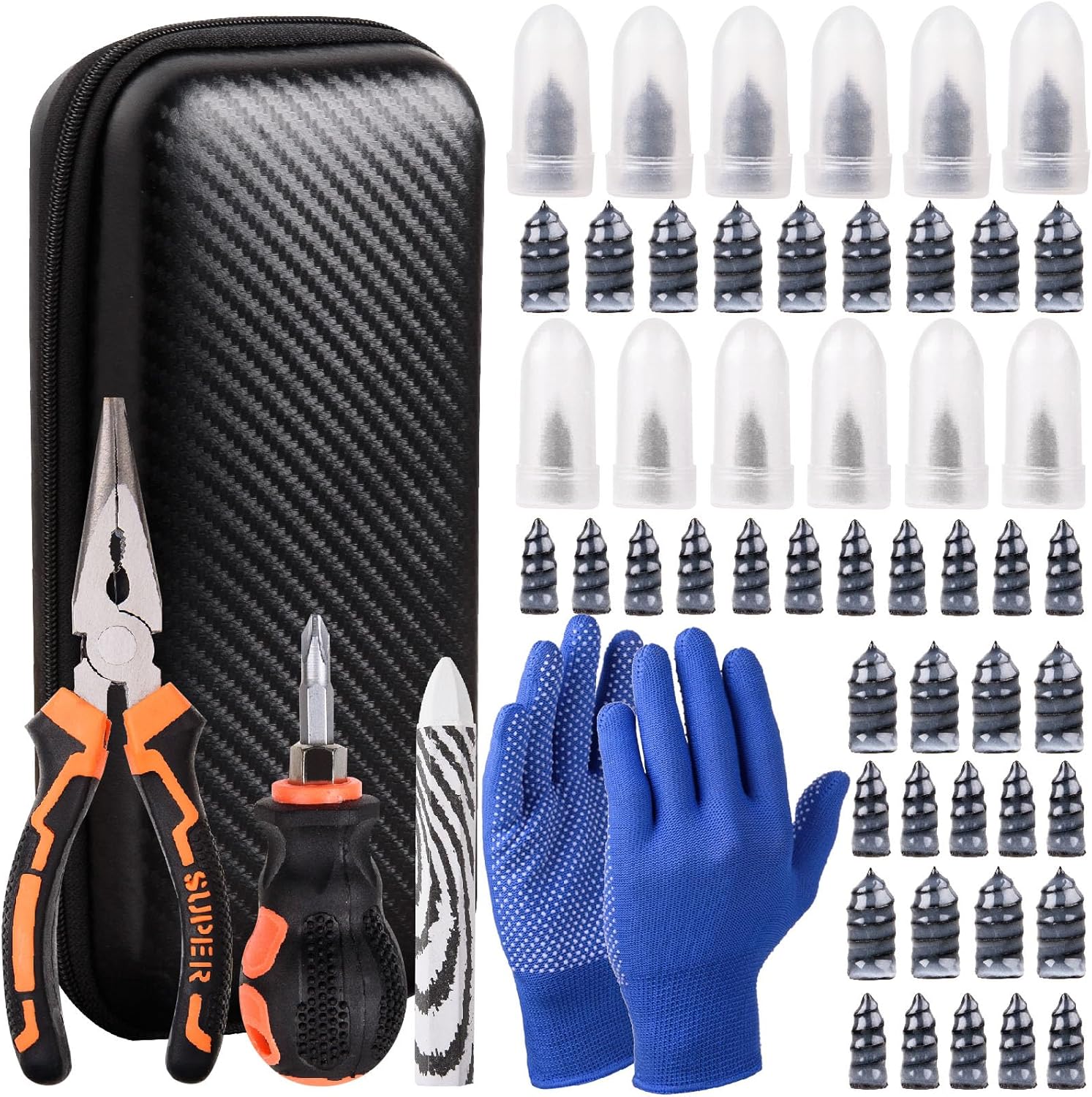
This tire sidewall puncture repair kit fixes flats fast without removing the tire, helping you get back on the road in minutes. It includes self-tapping repair nails, essential tools, gloves, and a portable storage bag for convenient roadside use. Designed for tubeless tires, it helps create a tight, leak-resistant seal for cars, motorcycles, trucks, SUVs, and ATVs.

Vigorder rubber cement glue delivers superior adhesion and cures quickly within about 30 seconds for seamless rubber bonding. Once cured, it helps provide a strong, durable, waterproof seal that holds up to vehicle weight, pressure, and heat. Suitable for cars, motorcycles, trucks, bicycles, and off-road tires, it’s designed for emergency patch and maintenance repairs.

The Topeak SmartGauge D2 delivers precise digital tire pressure readings for bikes, motorcycles, and sports equipment up to 250 psi (17 bar). Its rotating SmartHead works with both Presta and Schrader valves, so you can check pressure quickly without adapters. The LCD display makes it easy to read results in psi, bar, or kg/cm² with an included CR2032 battery for immediate use.
When Road Force Balancing Will Not Fix the Shake
Road force balancing can diagnose tire and wheel problems, but it cannot repair every vibration source. If the tire and wheel assemblies test well, keep looking.
- Brake pulsation: Shake during braking points toward the brake system, not tire balance alone.
- Alignment pull: If the 4Runner drifts left or right on a straight, level road, ask for an alignment check.
- Worn suspension or steering parts: Loose tie rods, ball joints, bushings, or wheel bearings can create vibration and wandering.
- Bent wheel: A road force machine may identify runout, but a badly bent wheel may need repair or replacement.
- Driveline vibration: Lifted 4Runners can develop driveline angle issues that feel different from tire imbalance.
- Tire damage: A separated belt, sidewall bulge, or out-of-round tire may need replacement.
If road force balancing improves the ride but does not remove the vibration, use the result as a diagnostic clue. It may narrow the problem to one tire, one wheel, or a non-tire issue.
Frequently Asked Questions
Is road force balance the same as alignment?
No. Road force balancing checks the tire and wheel assembly under load. Alignment adjusts suspension angles so the vehicle tracks straight and wears tires evenly. You may need both if your 4Runner shakes and also pulls to one side.
What does a road force balancer do?
A road force balancer spins the tire and wheel, applies pressure with a roller, measures how smoothly the assembly rolls under load, and helps the technician decide whether match-mounting or further inspection is needed.
Is road force balancing worth it for 33-inch or 35-inch 4Runner tires?
It is worth considering if the tires shake at highway speed, if standard balancing has already failed, or if the setup uses heavy wheels and aggressive tread. If the tires ride smoothly, standard balancing may be enough.
Can road force balancing fix a bent wheel?
No. It may help identify wheel runout or show which assembly is causing vibration, but a bent wheel may still need repair or replacement. Balancing weights should not be used to hide structural wheel damage.
Should I road force balance new tires?
For normal stock tires, a standard balance is usually a reasonable starting point. For expensive oversized tires, repeated vibration complaints, or a 4Runner build that sees highway and trail use, road force balancing at installation can save repeat shop visits.
Conclusion
Road force balancing is not a magic fix, but it is the right next step when your 4Runner still shakes after a standard balance. It is especially useful for larger tires, aggressive tread, aftermarket wheels, and repeated highway-speed vibration complaints.
Start with the basics: cold tire pressure, tread inspection, clean wheels, visible damage checks, and a standard balance. If the shake remains, choose a shop that can measure road force, check runout, and match-mount the tire instead of only adding more weights. That approach gives you the best chance of getting your 4Runner back to a smooth, controlled ride.
Sources
- Hunter Engineering Road Force Wheel Balancers — supports road force testing, diagnostic load roller, and force matching information.
- NHTSA TireWise Tire Safety — supports tire pressure, tread inspection, balance, alignment, and tire rotation guidance.
- Toyota Owners Manuals and Warranties — supports checking model-specific owner’s manual and maintenance information.