
How to Clean White-Letter Tires on a Truck Without Damaging Them
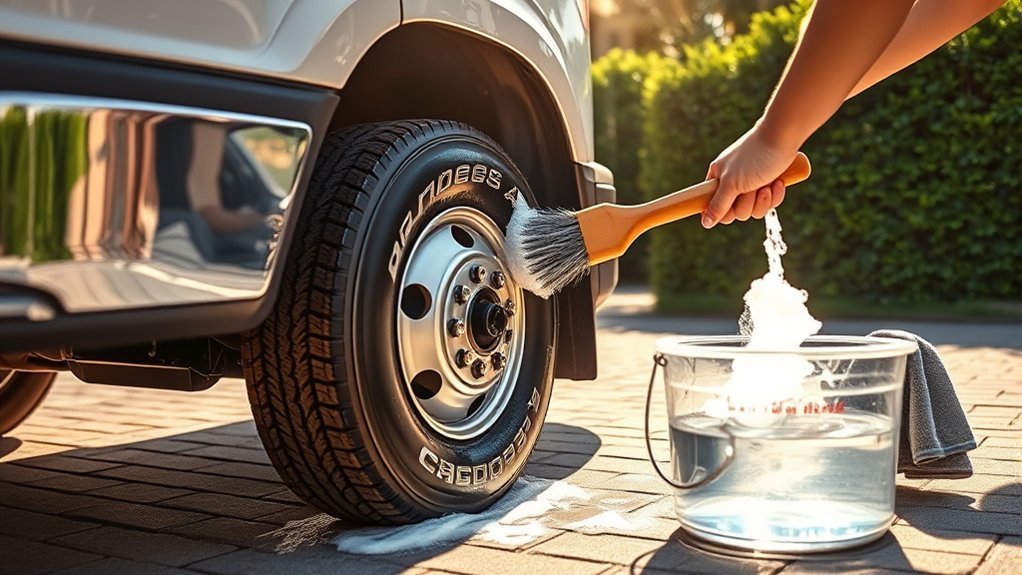
White-letter tires can make your truck look sharp, but the lettering collects brake dust, road film, tire bloom, and old dressing fast. The safest way to clean them is to use a sidewall-safe tire cleaner, light pressure, and a nylon brush instead of harsh bleach, steel wool, or solvent-based shortcuts.
Quick Answer
To clean white-letter tires without damage, rinse the cool tire first, apply a cleaner labeled safe for tire sidewalls, let it dwell briefly without drying, scrub the white letters with a nylon brush, then rinse thoroughly. Avoid household bleach, steel wool, brake cleaner, acetone, and WD-40 as routine tire cleaners.
Key Takeaways
- Clean white-letter tires when they are cool and out of direct sun so cleaner does not dry on the rubber.
- Use a dedicated tire or whitewall cleaner, mild dish soap for light grime, and a soft or medium nylon brush.
- Do not use steel wool, household bleach, acetone, gasoline, brake cleaner, or WD-40 as a routine tire cleaner.
- Rinse thoroughly after scrubbing because leftover cleaner can stain lettering, wheels, or rubber.
- Clean monthly or whenever the letters start browning, and inspect the tire for cracks, bulges, tread wear, and pressure issues at the same time.
At a Glance
| Time Required | 10 to 20 minutes for all four tires, longer if the letters are heavily browned |
| Difficulty | Easy |
| Tools Needed | Garden hose or pressure nozzle on low setting, tire cleaner, mild dish soap, nylon brush, microfiber towel, gloves, eye protection |
| Cost | Usually low if you already have a brush and hose; cleaner cost depends on the product you choose |
Essential Steps for Cleaning White-Letter Tires
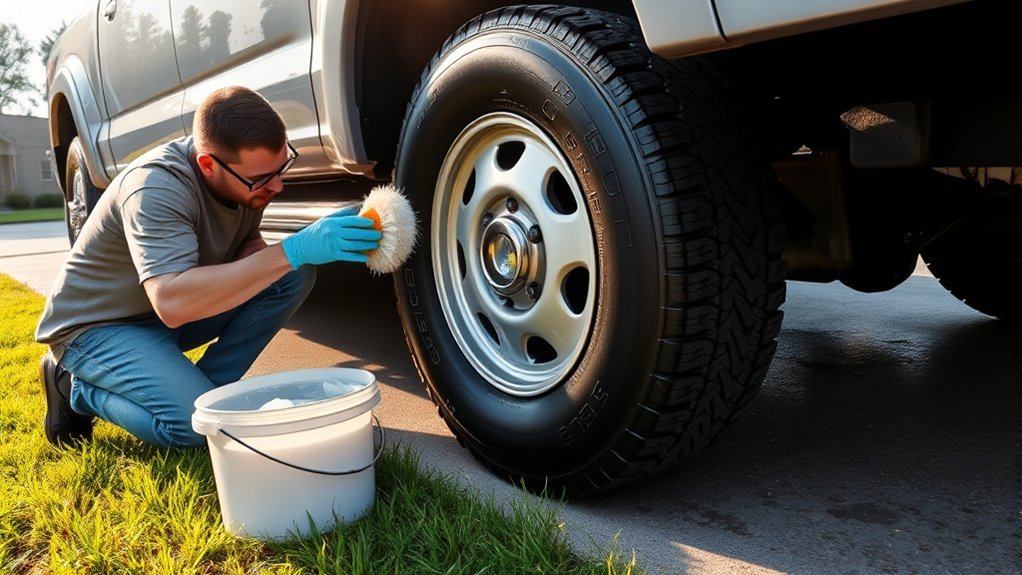
Start with cool tires. Park in shade, let the sidewalls cool, and rinse each tire with water to remove grit before you touch the lettering with a brush. This first rinse matters because dry grit can act like sandpaper.
Next, apply a cleaner that is labeled safe for tire sidewalls or whitewall/raised white-letter tires. Let it sit only as long as the label allows, and do not let it dry on the rubber or wheel. Scrub the letters with a soft or medium nylon-bristled brush using steady, light pressure.
Rinse thoroughly until the water runs clear. Then wipe the letters and sidewall with a microfiber towel so you can see whether any brown film, old dressing, or gray residue remains. Repeat the process once if needed instead of using harsher pressure.
Warning: Do not mix tire cleaner with household bleach, vinegar, ammonia, acids, or other cleaning products. Sodium hypochlorite solutions can irritate skin and eyes, attack some materials, and release toxic gases when mixed with acids. Wear gloves and eye protection when using stronger cleaners.
[Products Worth Considering]

Cristal Products Untouchable Tire Shine Spray delivers a deep, wet-look gloss that enhances your vehicle’s tires. It’s quick-drying and spreads smoothly for consistent, streak-free coverage, while forming a protective coating against UV rays, road grime, and weather. Suitable for all tire types, it helps restore dull, faded tires to a showroom-quality finish.

This oesee 8-piece wheel care kit helps you clean, scrub, and dry wheels safely with purpose-built brushes and towels. The scratch-free microfiber wheel brush lifts brake dust and grime, while the stiff pro-grip tire brush removes tire browning and embedded dirt. A twist loop microfiber drying towel and an applicator help achieve a streak-free finish and cleaner, more even product application.

This wheel brush kit delivers pro-level cleaning at home, lifting dirt, grime, and brake dust to help restore wheel appearance. It includes multiple brush styles and applicator pads for tackling different wheel surfaces, with gentle, metal-free bristles designed to reduce scratching risk. The flat and double-ended brushes are built for comfort and reach, making wheel care easier for cars, trucks, and RVs.
Best Products for Cleaning White-Letter Tires
You do not need a long product shelf to clean raised white letters well. A few safe basics work better than aggressive shortcuts.
- Sidewall-safe tire cleaner: Choose a cleaner made for tires, whitewalls, or raised white letters. Follow the product label for dwell time and rinsing.
- Mild dish soap and water: Use this for light road film, fresh dust, or routine maintenance. It is gentle, but it may not remove deep browning by itself.
- Soft or medium nylon brush: This gives enough bite for the letter grooves without the harsh scratching risk of metal wool.
- Microfiber towel: Use it to dry the tire and check whether stains remain after rinsing.
- Melamine foam pad, optional: Use only as a gentle spot-cleaning tool after testing a small area. Keep pressure light because melamine foam has mild abrasive action.
Avoid product claims that sound too broad, such as one cleaner that promises to work safely on every surface. Tires, polished wheels, painted wheels, bare aluminum, brake parts, and plastic trim do not all tolerate the same chemicals.
Step-by-Step Guide to Cleaning White-Letter Tires
Use this process when the white lettering looks brown, gray, or dull. Work one tire at a time so the cleaner stays wet and controlled.
Essential Cleaning Tools Needed
- Garden hose or low-pressure spray nozzle: Use water to loosen grit and rinse cleaner away.
- Tire or whitewall cleaner: Pick a product labeled for rubber sidewalls.
- Nylon-bristled brush: Choose soft or medium bristles, not wire or steel wool.
- Mild dish soap: Keep it nearby for a gentle second pass or regular upkeep.
- Microfiber towels: Dry the tire and wipe nearby wheel surfaces.
- Gloves and eye protection: Protect your hands and eyes from cleaner splashback.
Recommended Cleaning Products
For normal cleaning, start with a dedicated tire cleaner and a nylon brush. For lightly dirty letters, mild dish soap mixed with water can be enough. For stubborn marks, use a melamine foam pad only on the white letters, with very light pressure, and rinse right away.
Skip household bleach, brake cleaner, acetone, gasoline, lacquer thinner, and strong degreasers that are not labeled for tires. These can stain nearby wheels, dry rubber, irritate skin, or create unsafe fumes.
Effective Application Techniques
- Rinse first: Spray the tire and wheel well to remove loose sand, mud, and brake dust.
- Apply cleaner carefully: Spray the cleaner on the white letters and surrounding sidewall, keeping overspray away from sensitive wheel finishes when possible.
- Let it dwell briefly: Give the cleaner time to break down grime, but never let it dry.
- Scrub with light pressure: Move the nylon brush along the raised letters and into the edges where brown film collects.
- Rinse completely: Flush the sidewall, tread edge, and wheel face until no cleaner residue remains.
- Dry and inspect: Wipe the lettering with a microfiber towel. Repeat only if stains remain.
Pro Tip: Clean the tire before applying any tire dressing. If you use a dressing later, apply it only to the black sidewall with an applicator pad and wipe the white letters clean before it dries.
Common Mistakes to Avoid When Cleaning Tires
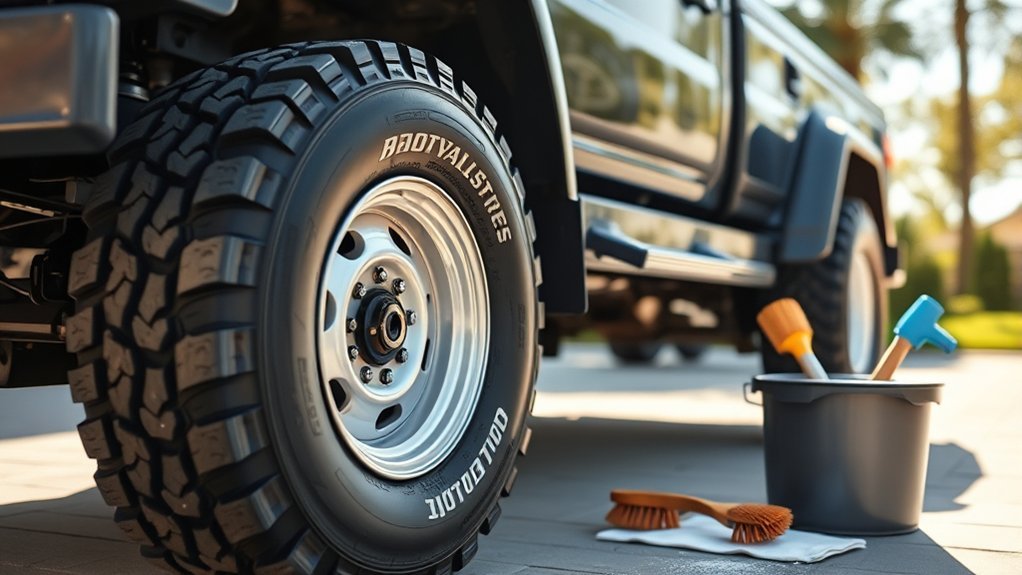
Most white-letter tire damage comes from using too much chemical strength, too much scrubbing pressure, or the wrong tool. You want to lift the dirt, not grind the lettering.
Using Harsh Chemicals
Household bleach, acids, ammonia-based cleaners, brake cleaner, and strong solvents do not belong in a normal white-letter tire-cleaning routine. Chlorine bleach solutions can be corrosive and irritating, and acidic products can create hazardous reactions when mixed with chlorine-based cleaners.
Use cleaners only as labeled, work in a ventilated area, and rinse thoroughly. If a cleaner label warns against specific wheel finishes or rubber surfaces, choose a milder product.
Scrubbing Too Aggressively
Do not use steel wool, wire brushes, razor blades, or heavy-duty scouring pads on white-letter tires. These tools can scuff the raised letters, scratch the surrounding rubber, and make the tire hold more dirt later.
If the letters do not brighten after one gentle cleaning pass, repeat the same safe process. More time and a second rinse usually work better than more force.
How to Remove Stubborn Brown Stains
White letters often turn brown because of tire bloom, road grime, brake dust, old tire dressing, or cleaner residue. The fix depends on what caused the stain.
- Brown film after washing: Repeat with tire cleaner and a nylon brush. Rinse longer than you think you need to.
- Old greasy tire shine: Use a sidewall-safe cleaner and several light passes instead of one harsh scrub.
- Blue film on newer tires: Use mild soap, water, and a nylon brush. Do not use solvents to rush it.
- Curb scuffs: Clean the dirt first. If the lettering is physically scraped, cleaner may improve the look but cannot rebuild the rubber.
- Gray residue from a melamine pad: Rinse well and wipe dry with microfiber. Use lighter pressure next time.
Tips for Ongoing Maintenance of White-Letter Tires
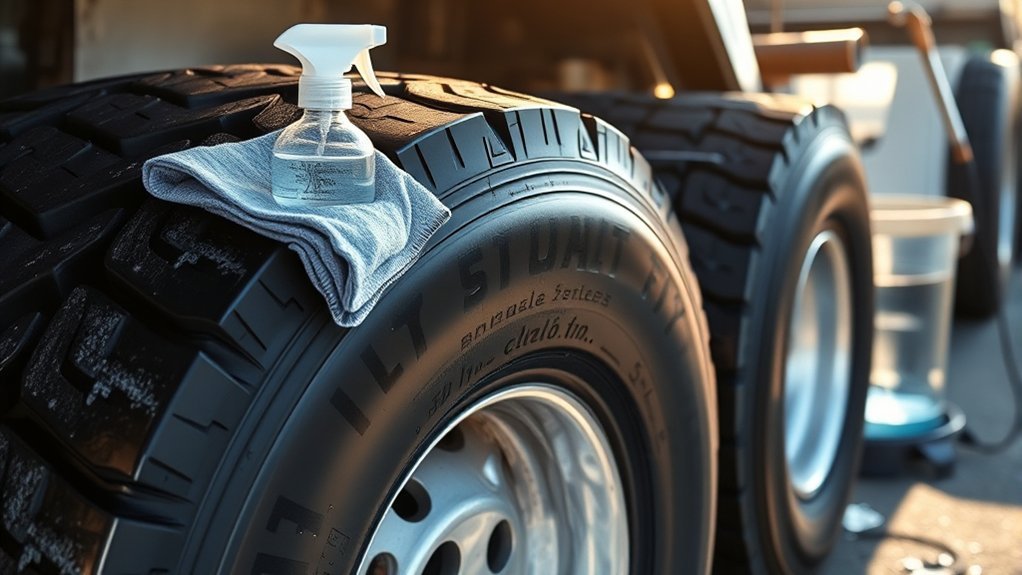
White-letter tires stay cleaner when you remove grime before it bakes into the sidewall. A monthly cleaning schedule works for many trucks, but off-road driving, winter salt, and dusty roads may require more frequent rinsing.
- Rinse after muddy or salty drives: Road salt and dirt can settle into the lettering edges.
- Use mild maintenance washes: Mild soap and water can keep light film from becoming heavy staining.
- Limit tire shine near the letters: Greasy dressing can brown or smear the white rubber.
- Inspect while cleaning: Look for cuts, bulges, cracks, uneven wear, and low-pressure signs. The National Highway Traffic Safety Administration recommends regular tire checks because tire pressure, tread, rotation, and alignment affect safety and tire life.
[Products Worth Considering]

Blackline Blackout is a water-based trim and tire dressing that restores rubber, vinyl, and plastic with a rich satin, blackout look. Its no-sling formula dries quickly and...
How to Protect Your Tires From Discoloration
After cleaning, let the tires dry fully before applying any protectant. If you want a finished look, choose a rubber-safe, non-staining, water-based tire dressing and test it on a small area first.
Apply dressing with a foam or microfiber applicator instead of spraying the whole sidewall. Keep the product off the white letters when possible, then wipe any accidental smears before they dry. This helps prevent streaks, brown edges, and uneven shine.
If your truck sits outside, shade also helps. Sun exposure, heat, and weather can make sidewalls age faster, so regular cleaning and tire inspection matter as much as appearance.
Note: Cleaning improves appearance, but it cannot fix structural tire damage. Replace or professionally inspect tires with cracks, exposed cords, bulges, deep cuts, or tread worn to unsafe levels.
User Experiences and Community Insights
Truck owners often get the best results from a simple routine: rinse first, use a real tire cleaner, scrub gently, and rinse longer than expected. The common mistake is chasing bright letters with stronger chemicals instead of safer repetition.
Community-tested methods can be useful, but treat them as starting points, not guarantees. Always check your cleaner label, test a hidden area, and avoid any method that requires metal abrasives or strong solvents.
The safest cleaning method is the one that removes grime while leaving the rubber, wheel finish, and tire lettering intact.
Frequently Asked Questions
Is WD-40 good for cleaning tires?
No, not as a routine tire cleaner. WD-40 is a multi-use water-displacing lubricant, not a dedicated white-letter tire cleaner. It may lift some residue in certain situations, but it can leave an oily film and attract dirt. Use a sidewall-safe tire cleaner or mild soap instead.
Is Dawn a good tire cleaner?
Mild dish soap can work for light grime and routine cleaning, especially when mixed with water and used with a nylon brush. It may not remove deep browning, old tire shine, or heavy brake dust as well as a dedicated tire cleaner.
Can I use bleach on white-letter tires?
Avoid household bleach. It can irritate skin and eyes, damage some materials, and create dangerous reactions if mixed with acids or other cleaners. Use a cleaner labeled for tire sidewalls or whitewall tires instead.
How often should I clean white-letter tires?
Clean them about once a month for normal street driving. Clean sooner after mud, road salt, dusty trails, or heavy brake dust. Frequent gentle cleaning is safer than waiting until the letters need harsh scrubbing.
Why do my white letters turn brown?
Browning can come from tire bloom, road grime, brake dust, old dressing, or cleaner residue. Rinse well, use a sidewall-safe cleaner, and avoid greasy tire shine on the white lettering.
Conclusion
Clean white-letter tires with a gentle process, not harsh shortcuts. Rinse first, use a tire-safe cleaner, scrub with a nylon brush, and rinse thoroughly before the cleaner dries. Skip household bleach, steel wool, strong solvents, and WD-40 for routine cleaning.
Once the letters are clean, maintain them with regular washes and careful tire-dressing use. You will keep the white lettering brighter while protecting the sidewall, wheel finish, and overall tire condition.
Sources
- NHTSA TireWise — tire maintenance, inspection, tread, pressure, and safety guidance
- International Chemical Safety Card: Sodium Hypochlorite — chemical irritation, corrosion, storage, and hazard information
- Oklahoma State University Extension: Chlorine Bleach Guidelines — bleach corrosion, irritation, and mixing cautions
- WD-40 Company Safety Data Sheets — product safety documentation for WD-40 products

Related Articles
Toyota Tundra Tire and Wheel Package: What to Consider Before Buying
Unlock the secrets to choosing the perfect tire and wheel package for your Toyota Tundra—essential tips await to enhance your ride.
Read More
Do Bigger Tires Void a Toyota Tundra Warranty? Magnuson-Moss Act Explained
Bigger tires might not void your Toyota Tundra warranty, but understanding the Magnuson-Moss Act is crucial—discover how to protect your investment effectively.
Read More
Toyota Tundra Tire Rack Setup: Garage Storage Ideas for Seasonal Sets
Better tire storage for your Toyota Tundra awaits—discover essential tips to maximize space and protect your seasonal sets in the garage!
Read More