What Is a 305 Tire in Inches? Easy Size Conversion Explained
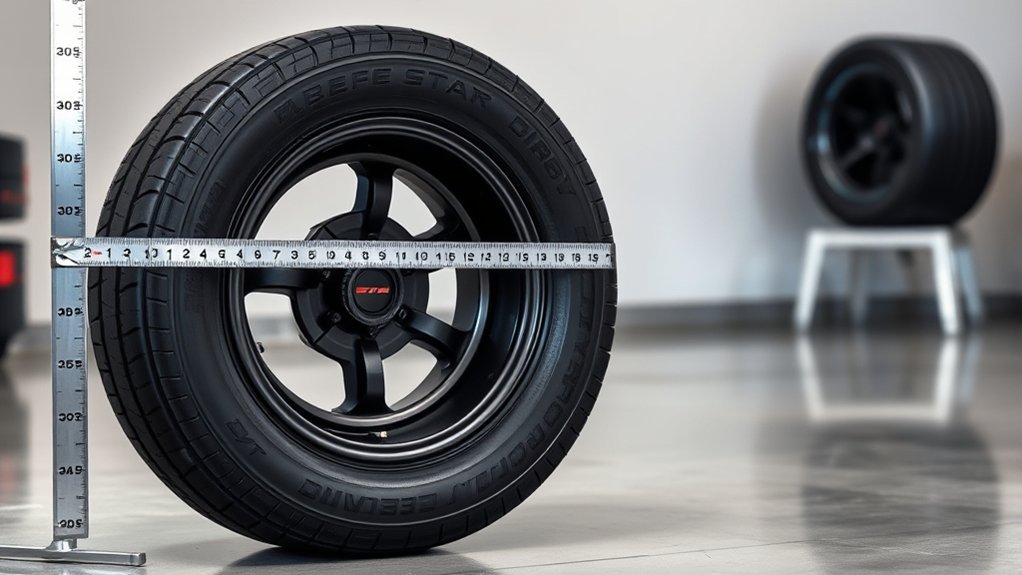
A 305 tire is about 12.0 inches wide, since 305 mm ÷ 25.4 equals roughly 12 inches. The exact height depends on the full size, like 305/70R18, where the sidewall is about 8.4 inches and the overall diameter is about 34.8 inches. You’ll often see 305 tires on trucks, SUVs, and off-road rigs. If you keep going, you’ll see how wheel size changes the final fit.
Key Takeaways
- A 305 tire is about 12.0 inches wide, since 305 mm ÷ 25.4 equals roughly 12 inches.
- In sizes like 305/70R18, 305 is the width, 70 is the sidewall ratio, and R means radial.
- A 305/70R18 tire has an overall diameter of about 34.8 inches.
- Different 305 tire sizes can vary in height, such as 305/75R16 at about 34.6 inches tall.
- 305 tires are common on trucks and SUVs, so fitment depends on width, diameter, and wheel size.
What Does a 305 Tire Mean?

A 305 tire means the tire is 305 millimeters wide, which is about 12 inches across. When you read 305 tire sizing, the first number tells you the width, not the height. You use that width to judge fit, clearance, and load needs. In a size like 305/70R18, the aspect ratio shows that the sidewall height equals 70% of the width, so you get about 8.4 inches of sidewall height. The R tells you it’s a radial tire, and the 18 means it mounts on an 18-inch wheel. That combination shapes the overall diameter and affects how the tire performs on-road and off-road. If you want control over your machine and freedom from fitment mistakes, you need to read these numbers precisely before you buy or install a 305 tire. Additionally, choosing the right tire can greatly enhance your vehicle’s traction in wet and dry conditions.
How Wide Is a 305 Tire in Inches?
A 305 tire is about 12 inches wide, since 305 mm converts to roughly 12.0 inches. You’ll measure that width at the tire’s widest point, usually the sidewall, and the exact figure can vary slightly by manufacturer. This metric-to-inch conversion helps you verify fitment on your rims and preserve proper handling. Additionally, understanding tire performance characteristics can aid in selecting the right tire for your vehicle’s needs.
305 Width In Inches
A 305 tire is about 12 inches wide when you convert its 305 mm width to imperial units. That 305 tire width is measured at the sidewall, so you’re seeing the tire’s maximum section width, not the tread alone. In practical terms, this broad footprint gives you more grip, steadier handling, and better stability on rough ground or under load. You’ll usually see 305s on trucks and larger vehicles because they demand that kind of support. When you check fitment, use the width in inches to verify wheel compatibility and vehicle specs. If the tire’s width doesn’t match your setup, you can lose performance or safety. Knowing this measurement helps you choose freely and confidently.
Metric To Inch Conversion
To convert a 305 tire from metric to inches, divide 305 mm by 25.4, which gives you about 12.0 inches of width. That means the 305 tire width measures roughly a foot across, so you can compare it directly with inch-based tire specs. You’re not guessing; you’re decoding the label and choosing with confidence.
- Use 25.4 mm per inch for every metric tire conversion.
- Match the width to your vehicle’s clearance and wheel setup.
- Compare the inch value against other sizes before you buy.
This simple metric-to-inch step helps you verify fitment, avoid rubbing, and select tires that support your ride’s intended performance. When you understand the conversion, you make freer, smarter decisions.
How Tall Is a 305 Tire?
How tall is a 305 tire? You can treat a 305 tire as roughly 12 inches wide, but that doesn’t mean it’s 12 inches tall. Tire height depends on the full size code, not the width alone. In a 305/70R18, the sidewall reaches about 8.4 inches because the height equals 70% of the tire’s width. Add both sidewalls and the wheel, and you get an overall diameter near 34.8 inches. That’s the number you use when checking clearance, gearing, and fitment.
If you’re sizing a 305 tire for a truck or off-road build, don’t guess. Different versions, like a 305/75R16, can land close to 35 inches tall. Measure carefully, compare specs, and choose the setup that frees your vehicle to move without rubbing or compromise. Traction features are crucial for ensuring optimal performance on various terrains.
What Is a 305/70R18 Tire in Inches?
A 305/70R18 tire measures about 12 inches wide, with a sidewall height of roughly 8.4 inches because the 70% aspect ratio is based on the 305 mm section width. You’re looking at a radial 305/70R18 tire built for an 18-inch wheel, so it fits trucks, SUVs, and other larger rigs that need strength and space. Its overall diameter is about 34.8 inches, or 885 mm, which affects clearance, gearing feel, and handling stability. Knowing these dimensions helps you choose freely without guesswork.
Additionally, understanding tire quality is essential for optimizing vehicle performance and safety.
- Width: about 12 inches
- Sidewall: about 8.4 inches
- Diameter: about 34.8 inches
Use these numbers to verify fitment against your vehicle’s specs before you mount anything. If the rim size, clearance, or load needs don’t line up, you’ll feel it on the road. The 305/70R18 tire gives you a precise baseline for confident, practical selection.
How Do You Convert 305 Tire Sizes?
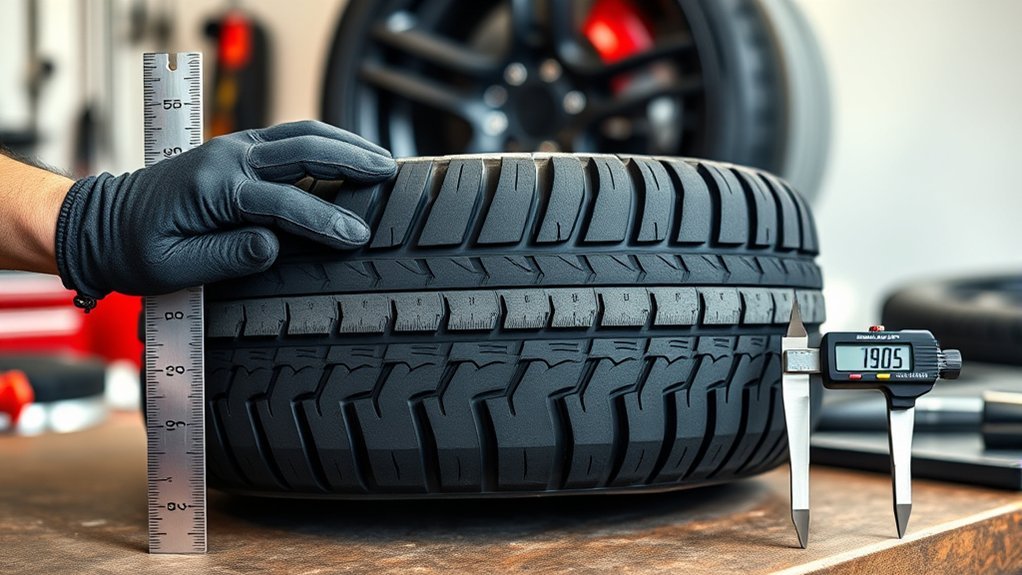
You convert a 305 tire by dividing 305 mm by 25.4, which gives you about 12 inches of section width. If the size includes an aspect ratio like 305/70R18, you can estimate sidewall height and overall diameter with diameter = (width × aspect ratio × 2) + rim diameter. For a fast metric-to-inch check, use the width first, then factor in the ratio and rim size so you get an accurate fitment measurement. Additionally, understanding tire specifications can help you choose the best option for your vehicle’s needs.
Width Conversion Basics
To convert a 305 tire size from millimeters to inches, divide 305 by 25.4, which gives you about 12 inches of width. That’s the width of the tire you’re measuring, and it’s the key step for quick fitment checks. You don’t need guesswork; the math frees you from ambiguity.
- Measure the width in millimeters.
- Divide by 25.4 to get inches.
- Compare the result to your wheel and clearance needs.
This conversion only covers width, so don’t mix it with sidewall or diameter calculations. Also, brands can vary slightly, even when they share the same size label. For practical planning, use the converted width as your baseline, then verify actual specs before you buy or mount anything.
Aspect Ratio And Diameter
Aspect ratio is what turns a 305 tire from a simple width measurement into a full size profile. You read it from the second number, and it tells you how tall the sidewall is as a percentage of the 305 mm width. In a 305/70R18, the aspect ratio is 70, so the sidewall reaches about 8.4 inches. That height adds above and below the wheel, so you can estimate overall diameter, which lands near 34.8 inches for this size. The R means radial construction, the standard layout in most modern tires. When you check aspect ratio and diameter together, you can match fitment with confidence and keep your setup aligned with your vehicle’s performance needs.
Quick Metric To Inch Formula
A quick metric-to-inch formula makes a 305 tire size easy to interpret in real-world terms. You take the 305 mm width, divide by 25.4, and you get about 12 inches. That’s the fast conversion for tire sizes when you want clear, usable numbers.
- Width: 305 mm ≈ 12.0 in
- Sidewall: 305 × 0.70 ÷ 25.4 ≈ 8.4 in
- Diameter: 18 + 2 × 8.4 ≈ 34.8 in
You can use this method to check fitment without guesswork. For a 305/70R18, the math shows the tire’s overall height and helps you compare it against your vehicle’s limits. When you know the formula, you’re not locked into confusion—you choose with confidence and precision.
Common 305 Tire Sizes by Wheel Diameter
Common 305 tire sizes are usually identified by wheel diameter, with 305/70R18 being one of the most common options for an 18-inch wheel. You’ll see 305 tire sizes matched to rim fitment, so you can choose the right package without guesswork. A 305 width converts to about 12 inches, and the 70 aspect ratio gives you a sidewall around 8.4 inches tall. Additionally, selecting all-terrain tires can enhance your driving experience on mixed terrains.
| Size | Approx. Diameter |
|---|---|
| 305/70R18 | 34.8 in |
| 305/75R16 | 34.6 in |
| 305/70R17 | varies by spec |
The table shows how wheel diameter changes the final outside size while the section width stays fixed. If you want clearance, gearing, and stance to work together, compare these dimensions before you buy. That’s how you keep control over your setup and avoid fitment limits.
Which Vehicles Use 305 Tires?
305 tires typically show up on larger trucks, SUVs, and off-road vehicles where traction, stability, and load capacity matter most. You’ll see 305 tire sizes on workhorses like the Ford F-250, Chevrolet Silverado, and Ram 2500, where heavy-duty hauling and trail use demand a wider footprint. These vehicles often run all-terrain or mud-terrain setups, giving you more control when the road turns rough.
- Full-size pickups: built to carry weight and handle abuse.
- Lifted SUVs: chosen for a stronger stance and rugged use.
- Off-road rigs: selected for demanding terrain and freer movement.
If you’re sizing your own vehicle, use 305 tires when you need a balance of width, durability, and aggressive utility. Their roughly 12-inch section width supports tougher applications without sacrificing the freedom to explore beyond pavement. Additionally, many off-road vehicles benefit from deep tread patterns that enhance traction in various conditions.
305 Tire Fitment and Performance
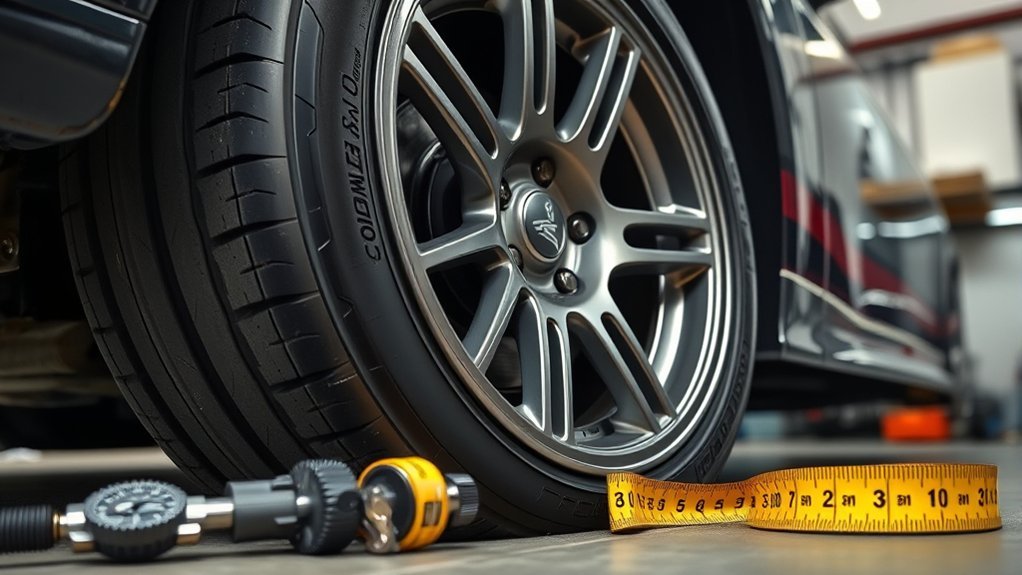
When you move from vehicle applications to fitment, the key numbers are the tire’s width, sidewall height, and overall diameter. A 305 tire is about 12 inches wide, so it fills the wheel well aggressively and demands careful tire fitment. With a 70 aspect ratio, the sidewall sits near 8.4 inches, and the tire’s overall diameter is roughly 34.8 inches. That size gives you more ground contact, which helps traction and handling on rough surfaces. You’ll also notice better stability on trucks and SUVs, especially when you’re driving off-road or carrying loads. But fitment isn’t just about clearance; it changes gearing and can alter acceleration, cruising rpm, and brake response. If you want the tire to work with your setup, you need to verify suspension travel, fender space, and wheel offset. Properly selected tires can enhance off-road capability, allowing you to push farther with more control and confidence.
305 Tire Size Alternatives
If you want alternatives to a 305 tire, start with sizes that keep the same general width and diameter, such as 33×12.50R18, 35×12.50R18, 295/70R18, and 325/65R18. A 305 mm tire measures about 12 inches wide, so these tire size alternatives can preserve stance, traction, and clearance without forcing major suspension changes.
- Check overall diameter first; it affects gearing, speedometer accuracy, and fender clearance.
- Compare load rating next, because your vehicle needs enough capacity for safe, confident use.
- Match sidewall height to your terrain, since a 305/70R18 has about 8.4 inches of sidewall.
You can choose these options to keep control while opening room for off-road capability and freer movement. Pick the tire size alternatives that fit your build, then verify wheel width and offset before you mount them. Additionally, consider all-season grip to enhance performance across different driving conditions.
Frequently Asked Questions
Is a 305 the Same as a 35 in Tire?
No, you’re not looking at the exact same size, but a 305/70R18 can act like a 35-inch tire. You’ll see about 12 inches of width and roughly 34.8 inches of overall diameter, so Tire Compatibility matters. You should compare wheel width, clearance, and gearing before you swap. In off-road use, you can treat it as a 35, but you shouldn’t assume every 305 matches every 35.
Is a 305 Tire Equal to a 33?
No, you shouldn’t treat a 305 tire as a 33. You’re usually looking at a tire that’s closer to 35 inches in overall diameter, depending on Tire Specifications like rim size and aspect ratio. A 305/70R18 measures about 34.8 inches tall, so it’s not a true 33-inch tire. You’ll want to verify the exact spec before you buy, since tread, load, and fitment all matter.
Is a 305 Tire Wider Than a 285?
Yes, you’re right to ask, but the 305 tire is wider than a 285, and that extra width can boost Tire Performance. You get about 12.0 inches of tread versus 11.2 inches, so you gain roughly 0.8 inches. That wider footprint improves traction and stability, though you may need more wheel-well clearance. If you want freedom with control, choose the 305 when fitment lets you.
What Is a 305 55 R20 Equal To?
A 305/55R20 is equal to about a 12-inch-wide tire with a 6.6-inch sidewall and a 33-inch overall diameter. You’re looking at Tire Specifications for a tire built for 20-inch wheels, so it fits trucks and SUVs well. The 55 aspect ratio means the sidewall is 55% of the tread width. You can use this size when you want practical clearance, stability, and solid on-road comfort.
Conclusion
Now you can see a 305 tire isn’t just “big” — it’s about 12 inches wide, with overall height depending on the aspect ratio and wheel diameter. If you’re thinking, “That sounds complicated,” it really isn’t once you break it into width, sidewall, and rim size. Use the numbers together, and you’ll avoid fitment mistakes. Before you buy, measure your clearance, check your load needs, and compare a few 305 alternatives.

Related Articles

Are Tire Caps Universal? Expert Facts & Complete Answer
I’ll explain whether tire caps are truly universal, what fits most vehicles, and which small details could save you from costly tire trouble.
Read More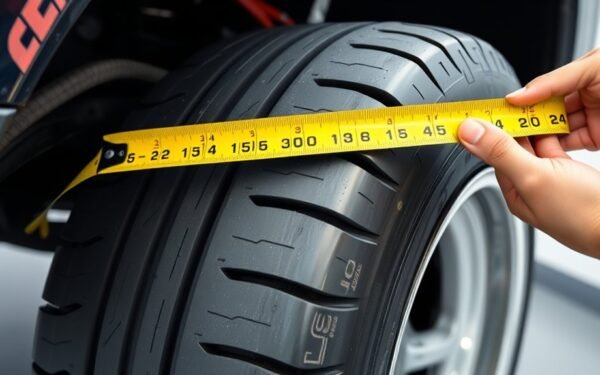
What Is Tire Diameter? How to Find & Calculate It Easily
I’ll show you what tire diameter means and how to calculate it, so you can avoid fitment mistakes and speedometer surprises.
Read More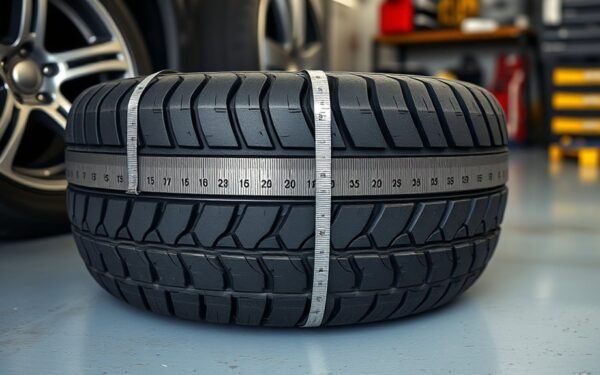
What Is a 295 Tire in Inches? Easy Size Conversion Explained
Overall, a 295 tire measures about 11.6 inches wide, but the real surprise is how that affects fitment, clearance, and speed.
Read More