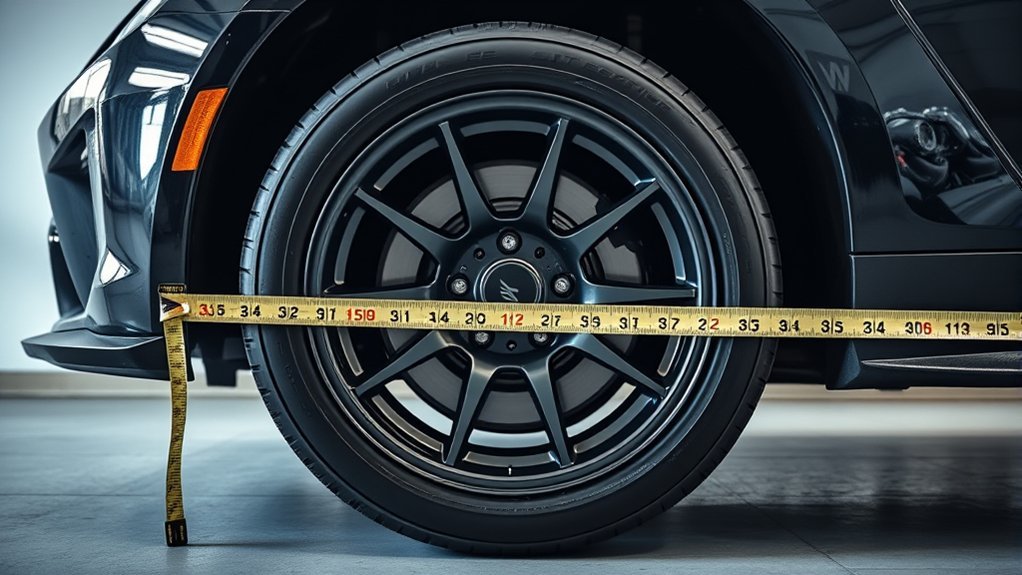
A 305 tire is about 12.0 inches wide, because 305 millimeters converts to 12.01 inches. In tire sizing, that number is the tire’s nominal section width, measured from sidewall to sidewall, not the wheel diameter or the exact tread width. Actual mounted width can vary by tire model, rim width, and manufacturer specifications.
Quick Answer
A 305 tire is about 12 inches wide, or 305 mm, when measured as nominal section width from sidewall to sidewall. A common 305/70R18 tire is about 34.8 inches tall with an 8.4-inch sidewall, but exact dimensions and approved rim widths vary by tire model.
Key Takeaways
- A 305 tire is about 12.0 inches wide because 305 mm ÷ 25.4 = 12.01 inches.
- The “305” in a tire size is nominal section width, not rim diameter and not always exact tread width.
- A 305/70R18 tire is about 34.8 inches tall, with roughly 8.4 inches of sidewall.
- For 305/70R18, many models use an approved rim width range around 8 to 10 inches or 8.5 to 10 inches, but you must check the exact tire spec sheet.
- Clearance, offset, backspacing, suspension travel, load rating, and inflation pressure all matter before you mount a 305 tire.
How Wide Is a 305 Tire?
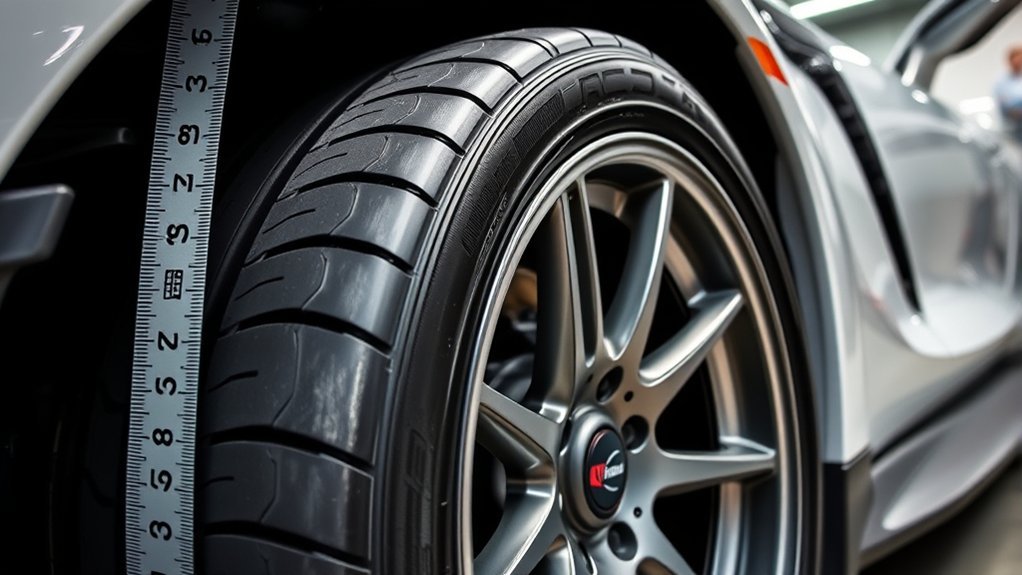
A 305 tire is about 12.0 inches wide. The conversion is simple:
305 mm ÷ 25.4 = 12.01 inches
On a metric tire label, the first three-digit number is the tire’s approximate section width. That means the width from one sidewall to the other when the tire is mounted and inflated according to the tire maker’s measuring standards.
That does not mean every 305 tire measures exactly 12.01 inches on every vehicle. The actual mounted width can change slightly because of tire construction, rim width, tread design, sidewall shape, and measuring rim width. When fitment is tight, use the tire manufacturer’s spec sheet instead of relying only on the size code.
Note: Section width and tread width are not the same thing. A 305 tire is roughly 305 mm wide at its section width, while the tread that contacts the road may be narrower depending on the tire model.
What Does 305/70R18 Mean in Inches?
A 305/70R18 tire is a common truck and SUV size. In inches, it works out to about 12.0 inches wide, 8.4 inches of sidewall, and 34.8 inches overall diameter.
Tire Size Breakdown
- 305 = nominal section width in millimeters, or about 12.0 inches.
- 70 = aspect ratio, meaning the sidewall height is 70% of the section width.
- R = radial construction.
- 18 = wheel diameter in inches.
That format follows the standard tire sidewall system used on modern passenger and light-truck tires. The section width is listed in millimeters, the aspect ratio is a percentage, and the rim diameter is listed in inches.
Inch Conversion Details
Here is the math for a 305/70R18:
| Width | 305 mm ÷ 25.4 = 12.01 inches |
| Sidewall height | 305 mm × 0.70 = 213.5 mm, or 8.4 inches |
| Overall diameter | 8.4 + 8.4 + 18 = about 34.8 inches |
This is a nominal calculation. Tire Rack notes that calculated tire dimensions can differ from the tire’s actual physical dimensions, so exact fitment should be checked against the manufacturer’s published dimensions.
Fitment Considerations
A 305/70R18 is not just wider than many factory tires; it is also tall. That larger diameter can affect fender clearance, suspension clearance, gearing, speedometer accuracy, and how the tire fits at full steering lock.
Warning: Do not choose a 305 tire by width alone. Check the vehicle tire placard, owner’s manual, load rating, approved rim width, wheel offset, and clearance through the full steering and suspension range before mounting.
305 Tire Width by Common Size
All 305 tires share the same nominal section width of about 12 inches, but their sidewall height and overall diameter change with the aspect ratio and wheel diameter. That is why a 305/70R18 is much taller than a 305/50R15 even though both are about 12 inches wide.
Metric Width in Inches
| Tire Size | Approx. Width | Approx. Sidewall | Approx. Diameter |
|---|---|---|---|
| 305/50R15 | 12.0 in | 6.0 in | 27.0 in |
| 305/55R20 | 12.0 in | 6.6 in | 33.2 in |
| 305/70R18 | 12.0 in | 8.4 in | 34.8 in |
Fitment by Wheel Size
The correct wheel width depends on the exact tire model. For a common 305/70R18, many tires are approved for wheels around 8 to 10 inches or 8.5 to 10 inches wide. Some other 305 sizes, especially lower-profile performance sizes, may use wider wheels.
That is why the safest answer is: check the tire’s published rim width range. A tire can physically mount outside the ideal range, but that can hurt handling, tread wear, bead seating, and sidewall shape.
Which Wheels Fit a 305 Tire?
For a 305 tire, start with the tire maker’s approved rim width range, not a universal rule. Many 305/70R18 light-truck tires work on roughly 8- to 10-inch-wide wheels, while some 305 performance or flotation-style sizes may call for wider wheels.
- Check the tire spec sheet: Look for “rim width range” and “measured rim width.”
- Match the wheel diameter: A 305/70R18 needs an 18-inch wheel; a 305/50R15 needs a 15-inch wheel.
- Check offset and backspacing: These determine how far the tire sits inboard or outboard.
- Measure clearance: Check inside suspension parts, brake components, fenders, mud flaps, and liners.
Pro Tip: If you are moving from a much smaller factory tire to a 305, test clearance at full steering lock and with the suspension compressed. A tire that clears while parked can still rub on turns, bumps, or off-road articulation.
[Products Worth Considering]

This digital tire pressure gauge with built-in inflator helps you accurately check and adjust tire pressure for safer driving and better fuel efficiency. It supports multiple units (PSI, KPA, BAR, KG/CM²) and reads within 1% for reliable results. The 3-in-1 design inflates, deflates, and measures, with a quick-connect air chuck and compatible hose setup for cars, trucks, SUVs, RVs, and motorcycles.

Protect your spare wheel with a waterproof, dustproof tire cover made to resist sun and harsh weather. The elastic band design makes it easy to install and remove without tools, while reinforced stitching helps it keep its shape. Available in multiple sizes, it fits common RV, trailer, Jeep, SUV, and truck spare tires.

Malco tire mounting and demounting lubricant is a ready-to-use tire lube formulated to reduce friction during tire installation for passenger cars, light trucks, farm tires, and heavy-duty equipment. It provides rust-inhibiting protection to help reduce corrosion on rims and wheels, and helps support proper tire bead seating during inflation to reduce air leakage. The silicone-free, soap-free formula is whitewall safe to help prevent discoloration on whitewall tires and sensitive sidewall markings.
Best Wheel Width for a 305 Tire
The best wheel width for a 305 tire is the width range approved for that exact tire. For many 305/70R18 truck tires, that range is commonly around 8 to 10 inches or 8.5 to 10 inches. For other 305 sizes, the approved range may be different.
| Wheel Width Situation | Fitment Effect | What to Do |
|---|---|---|
| Within approved range | Best balance of bead seating, sidewall shape, handling, and tread wear | Preferred choice |
| Too narrow | Can pinch the sidewalls and affect steering feel or tread contact | Avoid unless approved by the tire maker |
| Too wide | Can stretch the sidewall, change section width, and increase wheel-lip exposure | Avoid unless the spec sheet allows it |
Wheel width also affects measured section width. Tire Rack notes that actual section width changes with rim width, so a wider wheel can make the tire measure slightly wider than it does on the manufacturer’s measuring rim.
[Products Worth Considering]

Upgrade your 2024-2026 Tesla Model 3 Highland with REEVAA all-weather mud flaps designed for seamless fit along the original body lines. The set of four delivers strong splash protection against mud, gravel, and road debris while using OEM-grade durable materials. Installation is non-destructive with original hole positions and snap-in clips, and the aerodynamic design helps minimize impact on efficiency.

AZUNO’s digital tire inflator delivers stable, accurate pressure readings with a bright LCD and a 0.1 resolution display for confident inflation. It supports one-handed operation for inflating and quick deflating, and it’s built with rugged steel and brass components for reliable shop or garage use. With multi-unit pressure display and compatibility across cars, SUVs, motorcycles, and trucks, it’s a convenient accessory for everyday tire maintenance.

These M14x1.5 closed-end chrome lug nuts are a one-piece replacement designed for secure fitment on compatible GM, Ford, and select Chrysler/Dodge models. Featuring a 60-degree conical seat and anti-rust chrome plating, they help resist corrosion and maintain a bright look for everyday driving. Built for long-term durability, they include OEM-style part references and are backed by 12 months of support.
Will a 305 Tire Rub on Your Vehicle?
A 305 tire can rub if your vehicle does not have enough wheel-well, suspension, or steering clearance. The risk is higher when the 305 tire is also much taller than stock, such as a 305/70R18.
Before buying, check these areas:
- Full steering lock: Turn left and right fully and check the inner liner, frame, sway bar, and control arms.
- Suspension compression: Leave room for bumps, towing load, and off-road articulation.
- Fender and mud flap clearance: Wider and taller tires often rub at the rear of the front fender liner.
- Wheel offset and backspacing: These can move the tire toward the suspension or toward the fender.
- Brake and suspension parts: Confirm the wheel itself clears calipers and suspension components.
- Speedometer and gearing: A taller tire travels farther per revolution and can change indicated speed and drivability.
A lift kit, trimming, different offset, or a different tire size may solve rubbing on some vehicles, but every change has trade-offs. When the fit is close, have a qualified tire or alignment shop verify the setup.
How 305 Tires Fit Trucks and SUVs
305 tires are common on larger trucks and SUVs because they offer a wide footprint and an aggressive stance. They can improve available traction in some conditions, especially when paired with the right tread design, but they can also add weight, rolling resistance, road noise, and clearance challenges.
For trucks used for towing or hauling, do not focus on width alone. Check the tire’s load rating, speed rating, and inflation information. The replacement tire must meet or exceed the requirements for your vehicle and use case.
You should also use the vehicle’s tire information placard or owner’s manual as the baseline. Michelin notes that tire size information can be found on the sidewall, in the owner’s manual, or on the vehicle tire information placard, and that replacement tires should meet the manufacturer’s specifications.
[Products Worth Considering]

The Tymate TM2 RV tire pressure monitoring system keeps you informed with a color LCD display, automatic backlight, and solar charging for dependable operation. It supports up to 10 tire positions with four pre-paired sensors, while offering multiple alarm modes for fast leak detection, pressure extremes, temperature alerts, and low-signal warnings. Built-in monitoring uses accurate readings and reliable 433.92MHz communication to help protect your RV, trailer, truck, or SUV.

ETENWOLF T300 is a calibrated digital tire pressure gauge for accurate readings from 3 to 200 PSI across light and heavy-duty vehicles. It includes thermal compensation for reliable performance in extreme cold or heat, with an auto shut-off to extend battery life and an LED for easier reading. The sturdy design supports rugged everyday use, making it ideal for pickups, RVs, and industrial applications.

The TYAMATE TM8 solar-powered wireless TPMS delivers real-time tire pressure and temperature monitoring with six alarm modes for safer driving. A vibrant color LCD display shows readings clearly while windshield mounting keeps it hands-free and easy to read. With a wide 0–87 PSI range, strong 433.92 MHz signal transmission, and quick sensor pairing, it’s ideal for RV, sedan, SUV, MPV, and truck use.
305 Tire Vs. 295 and 315 Sizes
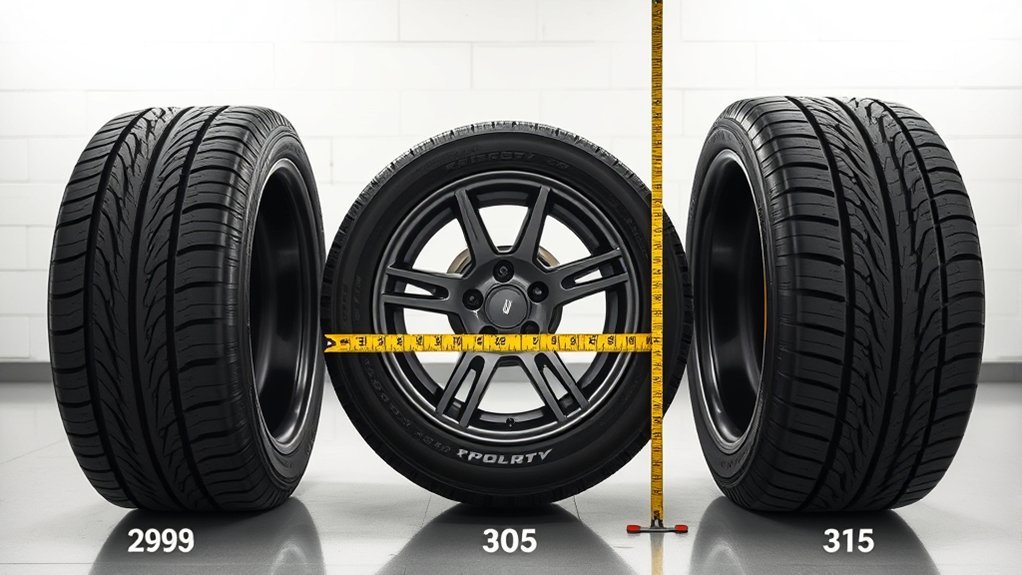
A 305 tire sits between a 295 and a 315 in nominal section width. The difference is not huge, but it can matter when clearance is tight.
| Nominal Width | Approx. Inches | Compared With 305 |
|---|---|---|
| 275 mm | 10.8 in | About 1.2 in narrower |
| 295 mm | 11.6 in | About 0.4 in narrower |
| 305 mm | 12.0 in | Baseline |
| 315 mm | 12.4 in | About 0.4 in wider |
A 305 can be a useful middle ground if a 315 is too wide but a 295 does not give the stance or footprint you want. Still, the aspect ratio matters as much as width. A 305/70R18 and a 305/50R15 are the same nominal width but very different heights.
Does Tire Pressure Change 305 Tire Width?
Tire pressure can change how a 305 tire sits under load, but it does not change the tire’s nominal size code. A 305 tire is still a 305 tire because its size designation is based on nominal section width.
Underinflation can cause extra sidewall flex, heat buildup, uneven wear, poor handling, and a wider-looking bulge at the sidewall. Overinflation can reduce ride comfort and contribute to uneven wear. For normal road use, set cold inflation pressure according to the vehicle tire placard or owner’s manual, not the maximum pressure printed on the sidewall.
Note: The “MAX PRESS” marking on the tire is not the same as your vehicle’s recommended operating pressure. Use the placard or owner’s manual unless a tire professional gives vehicle-specific guidance.
Frequently Asked Questions
How much wider is a 305 tire than a 275?
A 305 tire is about 30 mm wider than a 275 tire. In inches, that is about 1.18 inches wider. This can be enough to affect fender clearance, inner suspension clearance, and rubbing at full steering lock.
What does a 305 tire equal to?
A 305 tire equals about 12.0 inches in nominal section width. The full tire height depends on the rest of the size code. For example, a 305/70R18 is about 34.8 inches tall, while a 305/50R15 is about 27.0 inches tall.
Is a 33-inch tire the same as a 305?
No. A 33-inch tire usually refers to overall tire diameter, while 305 refers to nominal section width in millimeters. A tire can be 305 mm wide and close to 33 inches tall, but the two numbers describe different measurements.
How wide is a 305/50R15 tire?
A 305/50R15 tire is about 12.0 inches wide. Its sidewall height is about 6.0 inches, and its overall diameter is about 27.0 inches. Always check the specific tire’s approved rim width and mounted dimensions before buying.
What rim width is best for a 305 tire?
There is no single best rim width for every 305 tire. Many 305/70R18 truck tires are approved for about 8- to 10-inch or 8.5- to 10-inch wheels, but other 305 sizes can differ. Use the exact tire model’s rim width range.
Will 305 tires fit without a lift?
Sometimes, but it depends on the vehicle, tire diameter, wheel offset, suspension setup, and fender clearance. A 305/70R18 is tall enough that many vehicles may need trimming, different offset, leveling, or a lift to avoid rubbing.
Conclusion
A 305 tire is about 12 inches wide, but that number is only the starting point. It describes nominal section width, not guaranteed mounted width, tread width, rim diameter, or overall tire height. For a common 305/70R18, expect about 12.0 inches of section width, 8.4 inches of sidewall, and 34.8 inches of overall diameter.
Before buying, check the exact tire model’s spec sheet, approved rim width range, vehicle placard, load rating, wheel offset, and real-world clearance. That extra measuring step can prevent rubbing, poor handling, uneven wear, and expensive fitment mistakes.
Sources
- NHTSA TireWise — tire safety ratings and sidewall safety context.
- Tire Industry Association: Reading a Tire Sidewall — section width, aspect ratio, radial construction, and rim diameter definitions.
- Tire Rack: How to Read Tire Size on the Sidewall — tire-size code explanation.
- Tire Rack: How to Calculate Tire Dimensions — tire dimension formulas and nominal-size warning.
- Michelin: Tire Markings Explained — load rating, speed rating, and tire pressure marking guidance.
- Tire Rack: Goodyear Wrangler Territory MT Specifications — example 305/70R18 tire dimensions and rim-width specifications.