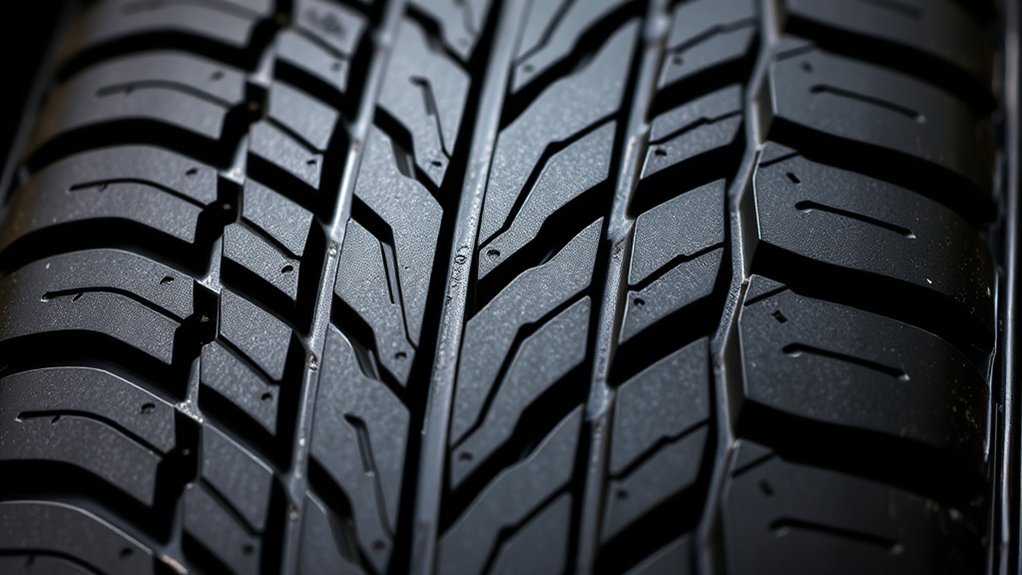
Choosing tires for a Honda Accord is not just about brand, price, or tread life. The amount of open space in the tread—often called the tire void ratio—affects how well the tire moves water, grips dry pavement, handles light snow, and wears over time. For most Accord drivers, the best tire is not simply the one with the highest or lowest void ratio. It is the one with the right tread pattern, compound, size, load rating, and weather performance for the roads you drive most.
Quick Answer
A Honda Accord usually performs best with a balanced tread void ratio, such as a quality touring all-season, performance all-season, or all-weather tire. Higher void helps move water and slush away from the contact patch, while lower void gives more rubber contact for dry-road grip, steering feel, and braking stability.
Key Takeaways
- A tire’s void ratio is the open space between tread blocks and grooves compared with the rubber that contacts the road.
- Higher void ratios usually improve water evacuation, slush clearing, and loose-surface bite, but they can reduce dry contact area.
- Lower void ratios usually improve dry grip, steering response, and braking feel, but they can struggle more in heavy rain or snow.
- Honda does not give Accord owners a single “correct” void-ratio number. Match the tire type, size, load index, speed rating, and climate to your driving needs.
- Tread depth and tire pressure matter as much as tread design. A great tire can lose wet traction if it is worn, underinflated, or poorly aligned.
Understanding the Tire Void Ratio in Your Honda Accord
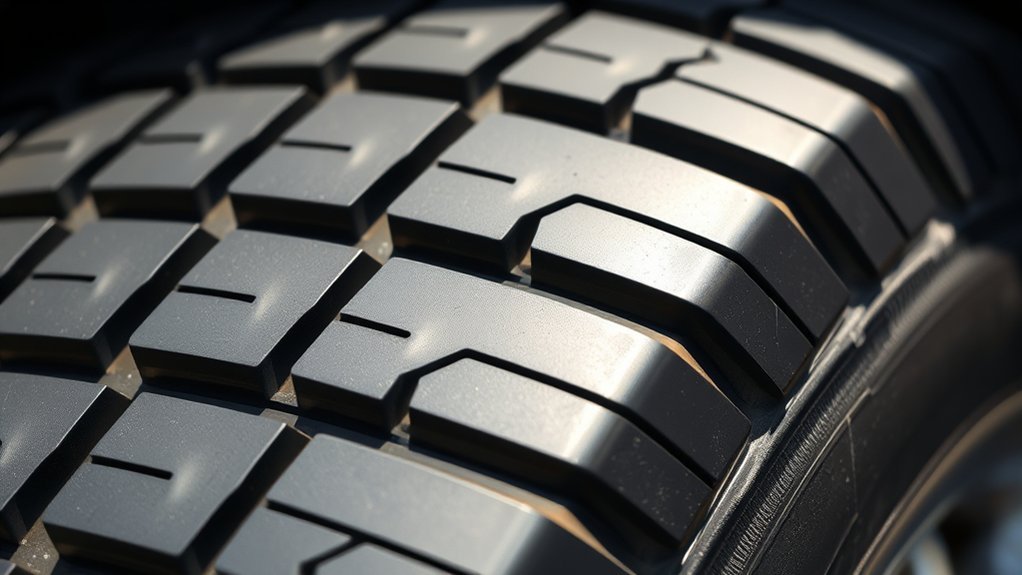
The tire void ratio is the amount of open space in the tread. Put simply, it is the gap area between tread blocks, ribs, sipes, and grooves. According to Yokohama Tire’s tread design guide, a low void ratio means more rubber is in contact with the road, while a high void ratio increases the tire’s ability to drain water.
For a Honda Accord, this matters because the Accord is usually used as a daily sedan: commuting, highway driving, rain, heat, occasional snow in colder regions, and sometimes spirited dry-road driving. The “best” void ratio depends on those conditions. A driver in Florida or Houston may care most about heavy-rain evacuation. A driver in Minnesota or upstate New York may need an all-weather or winter tire with more siping and snow traction. A driver in Southern California may prefer a lower-void performance tire for dry grip and steering response.
Note: Honda does not publish one universal “void ratio” specification for the Accord. Always start with the tire size, load rating, speed rating, and cold tire pressure listed on the driver’s doorjamb tire label, then compare tire models by category, tread pattern, wet traction, snow rating, and independent test results.
The Impact of Tire Void on Traction in Wet vs. Dry Conditions
Tire void ratio affects traction because it changes how much rubber touches the road and how quickly water can escape from the contact patch. More open space gives water and slush somewhere to go. Less open space gives the tire more continuous rubber contact on dry pavement.
| Wet Roads | Higher void and well-placed circumferential grooves help move water away, reducing the chance of hydroplaning. |
| Dry Roads | Lower void can increase rubber contact, which often improves steering response, cornering stability, and dry braking feel. |
| Snow and Slush | Void space helps clear slush, but winter performance also depends on rubber compound, siping, tread depth, and whether the tire carries a severe-snow rating. |
| Road Noise and Comfort | Aggressive, high-void tread can create more road noise. Touring tires usually balance quietness, comfort, wet traction, and tread life. |
Void ratio is only one part of the tire’s design. Sipes, tread compound, shoulder blocks, internal construction, tread depth, and inflation pressure all change how the tire behaves. This is why two tires with a similar-looking tread can feel very different on the same Accord.
Wet-weather safety drops as tires wear. AAA testing found that all-season tires worn to 4/32 inch needed much more stopping distance on wet pavement than new tires, so do not judge safety by the legal minimum alone.
Why Matching Tire Void to Driving Needs Matters
Matching the tread void to your real driving conditions can improve comfort, traction, and tire life. A Honda Accord that spends most of its time on dry highways does not need the same tread pattern as an Accord driven through heavy rain, slush, or mountain snow.
| Driving Condition | Best Tire Direction | Why It Works |
| Frequent rain | Touring all-season, grand touring all-season, or all-weather tire with strong wet test results | Balanced voids and circumferential grooves help evacuate water while keeping daily comfort. |
| Mostly dry roads | Performance all-season or summer tire, if temperatures stay suitable | Lower void and larger shoulder blocks can improve steering feel and dry grip. |
| Light snow, mixed winter weather | All-weather tire or dedicated winter tire | Void space, siping, and cold-weather compound matter more than dry-road contact area. |
| Comfort-focused commuting | Touring or grand touring all-season tire | These usually balance wet grip, lower noise, smoother ride, and long tread life. |
The goal is balance. Too much void for your use can make the tire noisier or less responsive on dry pavement. Too little void can make the tire more vulnerable to hydroplaning as speed, rain depth, or tread wear increases.
[Products Worth Considering]

Monitor tire tread wear with a smart, color-coded depth gauge that shows clear condition ranges at a glance. The bar is range marked for fast, easy readings, helping you maintain safer traction and performance. Each gauge is portable with a pocket clip, and the set includes 20 units for daily use and sharing.

Measure tire tread depth quickly and accurately with this LUMITECO dial gauge that reads in 1/32" increments up to 14/32". The color-coded green/yellow/red zones make it easy to judge tire wear and know when replacement is needed. A rugged, compact design with a protective pouch helps keep the gauge ready for use on cars, trucks, motorcycles, and more.

The SAFELIFE dial tire tread depth gauge measures tread depth in 1/32 inch increments with clear, easy-to-read 2-inch dial face. Color zones using a traffic light system help you quickly judge whether tread is low, marginal, or ample for safer driving. Built with a durable zinc cast body and a metal detect probe for precise, comfortable use across cars, motorcycles, trucks, and buses.
Comparing High and Low Tire Void Ratios for Performance
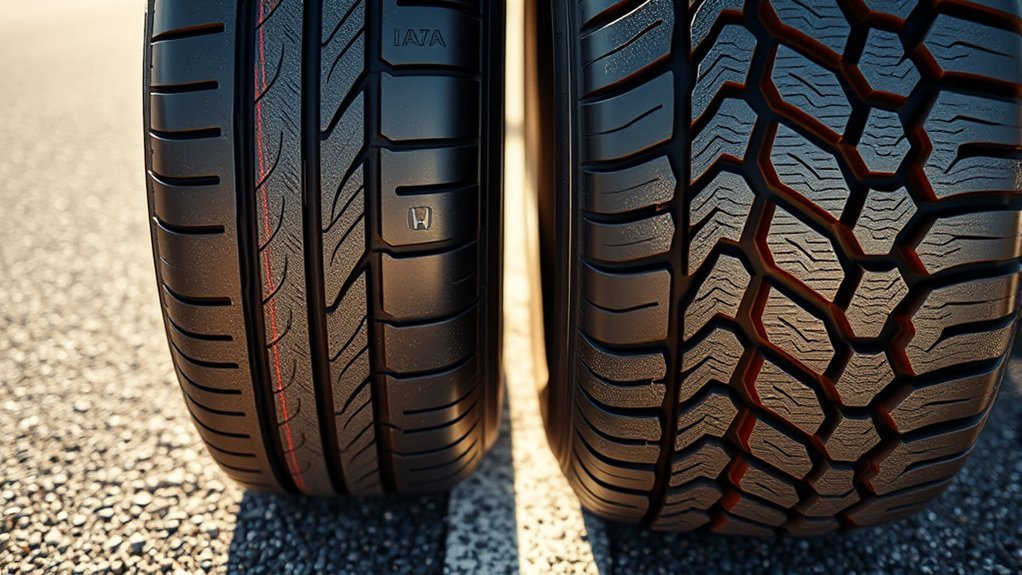
High and low void ratios each have a place. The better choice depends on whether you value wet evacuation, snow bite, quiet ride, tread life, dry grip, or steering response most.
[Products Worth Considering]

Accurately measure tire tread depth with a calibrated gauge marked from 0 to 1 inch in 1/32 inch increments. The color-coded bar helps you quickly identify tread condition ranges, supporting safe driving for trucks, motorcycles, automobiles, and passenger vehicles.

Vigorder rubber cement glue delivers superior adhesion and cures quickly within about 30 seconds for seamless rubber bonding. Once cured, it helps provide a strong, durable, waterproof seal that holds up to vehicle weight, pressure, and heat. Suitable for cars, motorcycles, trucks, bicycles, and off-road tires, it’s designed for emergency patch and maintenance repairs.

The Kurgo Seasonal Tire Tote helps protect your car interior, clothes, and garage from tire grime, brake dust, and residue during seasonal tire changes. Its universal design fits most passenger tires between 22" and 31" in diameter, making storage and transport simpler with less mess. Built for rugged, repeated use, it’s machine washable for easy care and comes with a lifetime warranty.
High Void Ratio Benefits
A higher void ratio can help when the road surface is wet, slushy, or loose. More open space gives water, mud, and slush more room to move away from the tread blocks. For an Accord driver, this is most useful in heavy rain or winter conditions, not off-road driving.
- Better water evacuation in heavy rain
- Lower hydroplaning risk when tread depth is still healthy
- More room for slush and loose snow to clear from the tread
- Useful for all-weather and winter tires when paired with the right compound and siping
- May create more tread noise or slightly softer dry-road response, depending on the tire
Low Void Ratio Advantages
A lower void ratio leaves more rubber on the road. That can improve dry grip, braking feel, and steering precision, especially with performance all-season or summer tires. This is why many dry-road performance tires use larger tread blocks and less open space than winter or all-terrain tires.
- More rubber contact on dry pavement
- Sharper steering response
- Better dry cornering stability
- Potentially quieter ride if the tread pattern is designed for touring comfort
- Less ability to clear deep water or slush compared with a higher-void design
Warning: Do not keep driving on tires with exposed wear bars, sidewall cracks, bulges, cords showing, or repeated pressure loss. Honda warns that excessively worn or improperly inflated tires can contribute to a crash. Have damaged tires inspected or replaced before normal driving.
How to Choose the Best Tires for Your Honda Accord
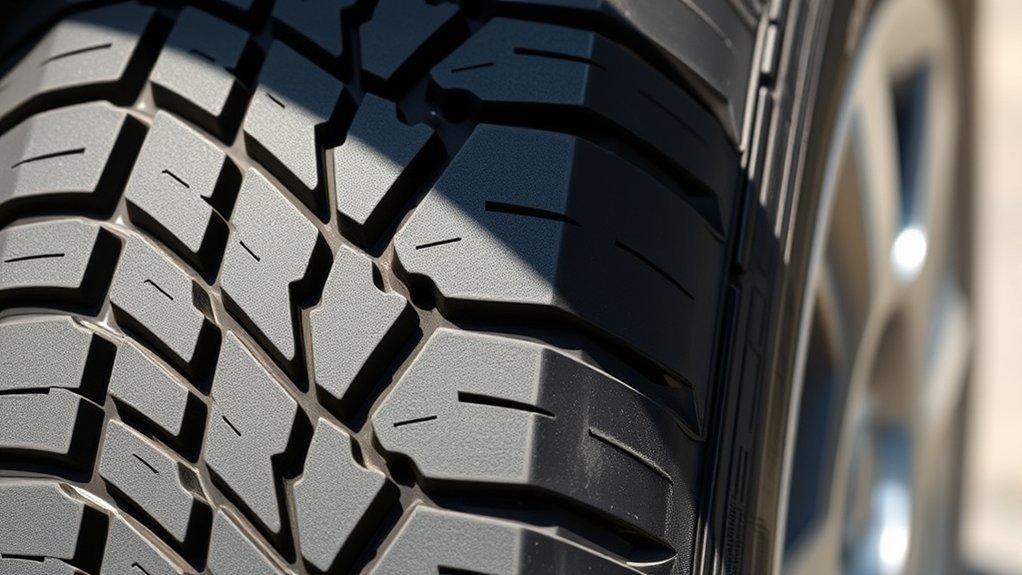
When shopping for Accord tires, do not start by looking for a specific void-ratio percentage. Most tire listings do not publish that number. Instead, use tire category, tread design, wet traction, snow rating, treadwear rating, and owner or test data to judge whether the void design matches your needs.
[Products Worth Considering]

Add style while helping protect your tire valve stems with handmade crystal rhinestone caps and a durable plastic insert. These caps resist corrosion and help keep out rain, snow, and muddy water, extending tire life. Textured non-slip design makes them easy to grip for quick install and removal when checking tire pressure.

The Big Rig Defense Tire Thumper is a truck tire pressure checker that lets you quickly check multiple tires by giving them a firm whack. Listen for a reassuring thump and feel the stick bounce when a tire is fully inflated, helping you get back on the road safely. It features a comfortable, glove-friendly handle and a secure wrist strap for confident use on busy routes.

Steelman white tire marking crayons provide high-contrast, semi-permanent marks for repairing and inspecting tires and equipment. They write on wet or dry, smooth or coarse surfaces including rubber, metal, glass, and wood, making them ideal for puncture location and damage outlining. The lead- and zinc-free crayons resist weather and fading yet wipe away when you no longer need the marks.
Start With the Correct Size and Rating
Before comparing tread patterns, confirm the correct tire size and pressure for your Accord. The Honda tire and loading information label on the driver’s doorjamb lists the original tire size and the proper cold tire pressure. Replacement tires should also meet the correct load index and speed rating for your trim and wheel size.
- Check the driver’s doorjamb tire label.
- Match the tire size exactly unless a qualified tire professional confirms an approved alternative.
- Use the correct load index and speed rating.
- Confirm whether your Accord has 17-inch, 18-inch, 19-inch, or another wheel size before ordering.
- Replace tires in matching sets when possible, and avoid mixing different tire types on the same axle.
Tire Types Comparison
| Tire Type | Typical Void Design | Best For |
| Touring all-season | Balanced voids and grooves | Daily commuting, comfort, quiet ride, moderate rain |
| Performance all-season | Moderate-to-lower void with stronger shoulder blocks | Sharper handling with year-round flexibility in mild climates |
| Summer tire | Often lower void and larger tread blocks | Warm-weather dry and wet performance; not for freezing temperatures or snow |
| All-weather tire | More void and siping than many standard all-season tires | Rain, light-to-moderate snow, and drivers who do not want seasonal tire swaps |
| Winter tire | Higher void, deep grooves, heavy siping, cold-weather rubber | Snow, ice, slush, and sustained cold-weather driving |
Use UTQG and Tests as Shopping Tools
The NHTSA TireWise tire ratings system explains that the Uniform Tire Quality Grading system helps compare treadwear, traction performance, and temperature resistance. UTQG is useful, but it should not be your only guide. A tire with a long treadwear rating may still be weaker in wet braking than another tire, and a tire with strong dry handling may not be ideal for snow.
For a Honda Accord, compare these details before buying:
- Wet traction: Look for strong wet-braking test results and a good traction grade.
- Treadwear: Choose a realistic tread-life target for your mileage and budget.
- Temperature rating: Important for highway driving and heat resistance.
- Snow rating: If you drive in snow, look for all-weather or winter tires with a severe-snow rating rather than relying on void ratio alone.
- Noise and comfort: Important for Accord owners who use the car as a daily commuter.
Consider Driving Conditions
Your local weather should decide how much void you want. In a rainy climate, prioritize water evacuation and wet braking. In a dry, warm climate, a lower-void performance pattern may feel better. In a snow-belt climate, do not depend on a standard all-season tire just because it has visible grooves; winter traction depends heavily on compound, siping, tread depth, and cold-weather design.
Pro Tip: If you drive in both heavy rain and occasional snow, an all-weather tire can be a better compromise than a standard all-season tire. If you drive through regular ice or deep snow, dedicated winter tires are still the safer choice.
Maintenance Tips for Optimal Tire Performance
Even the best tread void design will not work properly if the tire is worn, underinflated, overloaded, or unevenly worn. Honda recommends checking tire pressure when the tires are cold and using the vehicle’s specified pressure. The 2025 Accord owner’s manual also says to check pressure at least once a month or before long trips, because tires can lose pressure even when they are in good condition.
- Check cold tire pressure monthly: Use the pressure on the driver’s doorjamb label, not the maximum pressure molded on the tire sidewall.
- Inspect tread depth: Honda says to replace the tire when the wear indicator is exposed. For wet-weather safety, start shopping earlier if tread depth is nearing 4/32 inch.
- Rotate tires on schedule: Follow the maintenance minder or the tire manufacturer’s guidance to help the void pattern wear evenly.
- Watch for uneven wear: Feathering, cupping, or one-sided wear can point to alignment, suspension, pressure, or rotation problems.
- Remove stones and debris: Packed debris can block grooves and reduce water evacuation.
- Inspect for damage: Bulges, cracks, cords, punctures near the sidewall, or repeated pressure loss require professional inspection.
- Adjust driving in heavy rain: Slow down, increase following distance, avoid sharp inputs, and do not use cruise control when hydroplaning is possible.
Frequently Asked Questions
Is a higher tire void ratio always better for a Honda Accord?
No. A higher void ratio can help in heavy rain, slush, and loose snow, but it can reduce dry-road contact area and may increase road noise. Most Accord drivers are best served by a balanced touring all-season, performance all-season, all-weather, or seasonal tire matched to their climate.
What is the 7/32 rule for snow tires?
The 7/32 rule is a safety guideline, not a universal law. It means snow tires work best when they still have deep tread, often around 7/32 inch or more. As winter tires wear down, their ability to bite into snow and clear slush drops. Many drivers replace winter tires before they reach the normal 2/32-inch wear-bar minimum.
What causes traction loss besides tire void ratio?
Common causes include worn tread, low tire pressure, overinflation, poor alignment, hard or aged rubber, standing water, ice, oil, gravel, excessive speed, and sudden steering or braking. Void ratio helps, but it cannot overcome worn tires or unsafe driving for the conditions.
How do I know which tire void ratio my Accord tires have?
Most consumer tire listings do not publish a void-ratio percentage. Instead, look at the tire category and tread design. Wide circumferential grooves, large open channels, and many spaces between tread blocks usually mean more void. Solid ribs and larger continuous tread blocks usually mean less void.
Should I choose all-season, all-weather, summer, or winter tires for my Honda Accord?
Choose touring all-season tires for comfort and year-round mild-weather use, performance all-season tires for sharper handling, summer tires for warm-weather grip, all-weather tires for rain and light-to-moderate snow, and winter tires for regular snow, ice, or sustained freezing temperatures.
Conclusion
The right tire void ratio for a Honda Accord is about balance. Higher void helps move water, slush, and loose snow away from the tread. Lower void gives more rubber contact for dry grip, steering response, and stable braking. For most Accord owners, the smartest choice is not the most aggressive tread or the lowest-void performance tire. It is a tire that matches your local weather, driving style, correct Accord tire size, and safety needs.
Start with the doorjamb tire label, choose the right tire category, compare wet and dry performance, and maintain pressure and tread depth. A well-matched, well-maintained tire will do more for real-world traction than chasing a single void-ratio number.
Sources
- Yokohama Tire — Tread Design — supports the definition of void ratio, rubber contact, grooves, sipes, and water evacuation.
- Honda 2025 Accord Owner’s Manual — Tire and Loading Information Label — supports using the driver’s doorjamb label for tire size and cold tire pressure.
- Honda 2025 Accord Owner’s Manual — Checking Tires — supports cold-pressure checks, monthly inspection, and tire pressure maintenance.
- Honda 2025 Accord Owner’s Manual — Wear Indicators — supports replacing tires when wear indicators are exposed.
- NHTSA TireWise — supports tire safety, tire ratings, and UTQG comparison factors.
- AAA — Worn Tires Put Drivers at Risk — supports the wet-stopping and handling risk of worn tires at 4/32 inch tread depth.